


Introduction to JSON Schema and Schema Validation
Estimated reading time: 7 minutes
Key Takeaways
- JSON Schema is a declarative language used to annotate and validate JSON documents, acting as a blueprint for data structure and content.
- It is an IETF standard, lending it significant credibility and widespread adoption within the developer community.
- Schema validation is the process of ensuring that a JSON document adheres to the rules and structure defined by a JSON Schema.
- The primary goal of JSON Schema is to guarantee data quality, consistency, and to prevent unexpected errors during data exchange and processing.
- JSON Schema acts as a contract, defining expectations for JSON data, which is crucial for reliable communication between systems.
Table of contents
- Introduction to JSON Schema and Schema Validation
- Key Takeaways
- The Crucial Role of Schema Validation
- Deconstructing JSON Schema: Data Types and Constraints
- Understanding JSON Data Types
- Applying Constraints for Precise Validation
- Leveraging JSON Validation Tools for Efficiency
- Conclusion: Empowering Data Integrity with JSON Schema
In the ever-evolving landscape of software development, data is the lifeblood of any application. Ensuring the integrity, consistency, and reliability of this data is paramount. One of the most ubiquitous data formats for structured data exchange is JSON (JavaScript Object Notation). But how do we guarantee that the JSON data we receive or send is exactly what we expect? This is where JSON Schema and schema validation come into play.
Think of JSON Schema as a blueprint for your JSON data. It’s a vocabulary that allows you to annotate and validate JSON documents. This isn’t just a developer’s makeshift convention; JSON Schema is an official IETF standard ([https://json-schema.org/understanding-json-schema/basics](https://json-schema.org/understanding-json-schema/basics)), which means it’s a well-defined, widely accepted, and robust specification. Its purpose is clear: to define and validate the structure, content, and format of JSON data. By doing so, it significantly enhances data quality and consistency across different systems and processes.
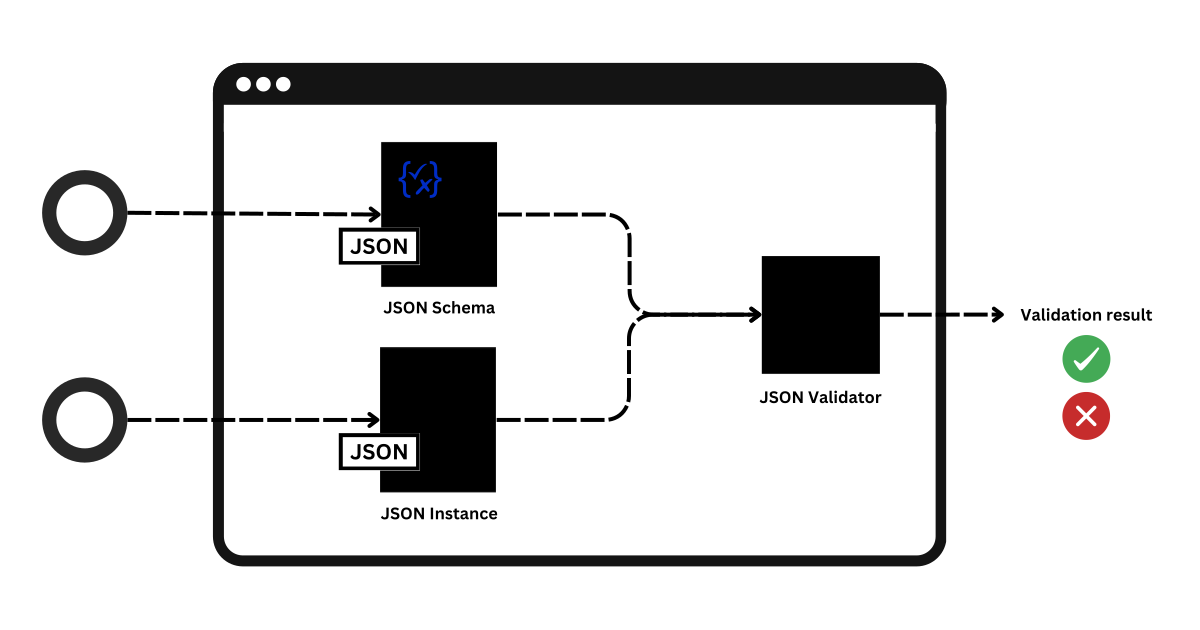
The process of ensuring data conforms to these predefined rules is known as schema validation. In essence, JSON Schema provides the rules, and schema validation is the act of checking if a given JSON document follows those rules. This might sound like a technical detail, but its implications for building robust applications are profound. It acts as a crucial gatekeeper, preventing unexpected errors and facilitating smoother, more predictable data exchange.
The Crucial Role of Schema Validation
The importance of robust schema validation cannot be overstated in modern software development. It is particularly critical in scenarios involving:
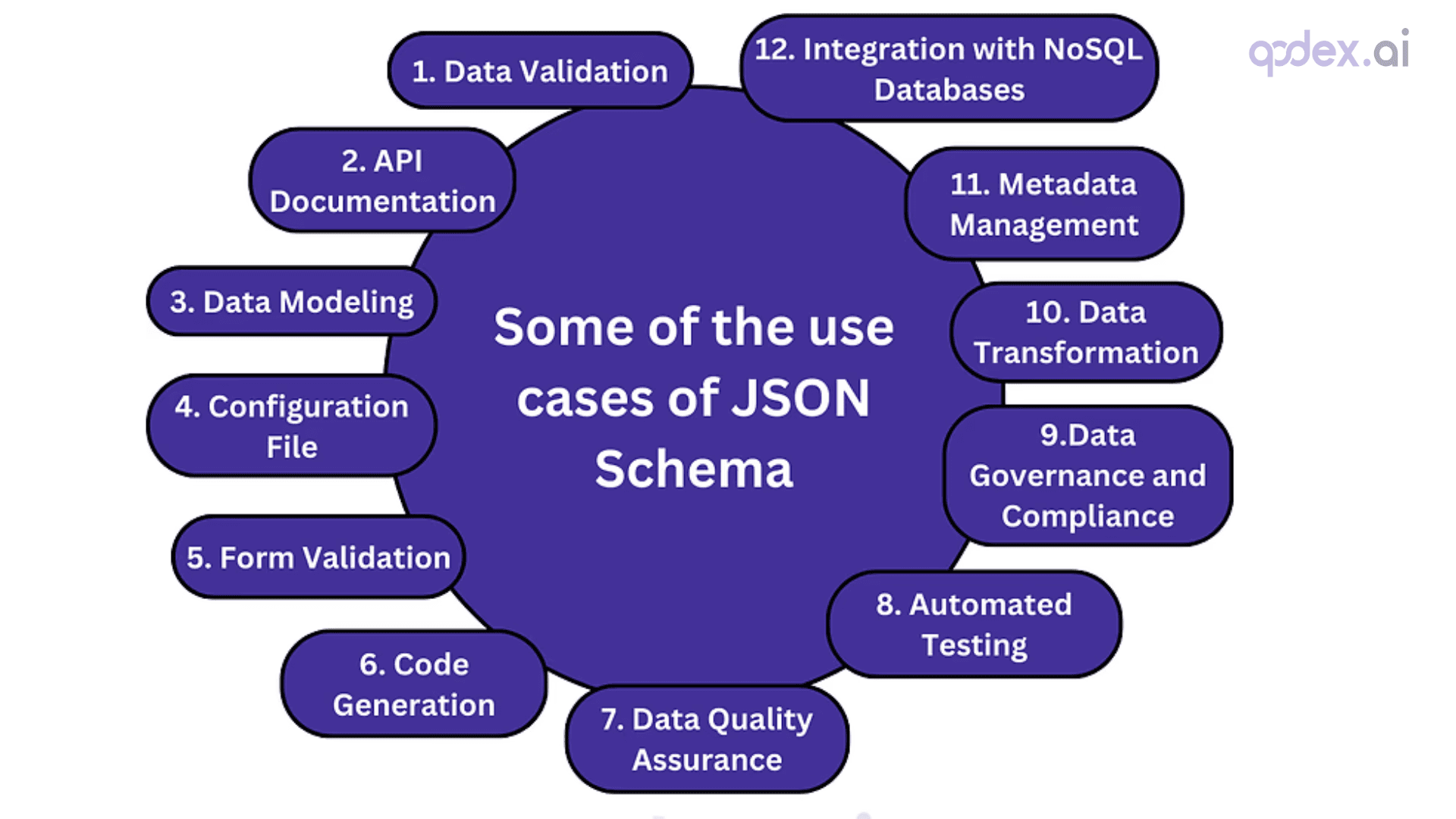
- API Communication: Ensuring that requests sent to and responses received from APIs adhere to expected formats.
- Data Interchange: When different systems or services need to exchange data, a common understanding of the data structure, enforced by validation, is essential.
- Configuration Management: Validating configuration files to prevent application misbehavior due to malformed settings.

The benefits of implementing strong schema validation are numerous and far-reaching:
- Preventing Runtime Errors: By catching invalid data early in the development cycle or at the point of ingestion, schema validation significantly reduces the likelihood of unexpected errors occurring during application runtime. This leads to more stable and reliable software.
- Improving Data Quality and Reliability: Consistent, well-formed data is inherently more reliable. Validation ensures that data meets the required standards, leading to better decision-making and more predictable application behavior.
- Facilitating Clear Communication and Contracts: In complex systems, especially those with microservices or multiple external integrations, a JSON Schema acts as a formal contract. It clearly defines what data structure is expected, enabling different teams and systems to communicate effectively and reduce integration friction ([https://docs.oracle.com/en/database/oracle/oracle-database/23/adjsn/json-schema.html](https://docs.oracle.com/en/database/oracle/oracle-database/23/adjsn/json-schema.html)).
- Standardized Data Description: JSON Schema provides a standardized way to describe expected data structures. This is incredibly useful for complex domains. For instance, imagine defining schemas for e-commerce product listings, job postings, or user profiles. Each requires specific fields, data types, and constraints, all of which can be precisely defined using JSON Schema ([https://docs.oracle.com/en/database/oracle/oracle-database/23/adjsn/json-schema.html](https://docs.oracle.com/en/database/oracle/oracle-database/23/adjsn/json-schema.html)).
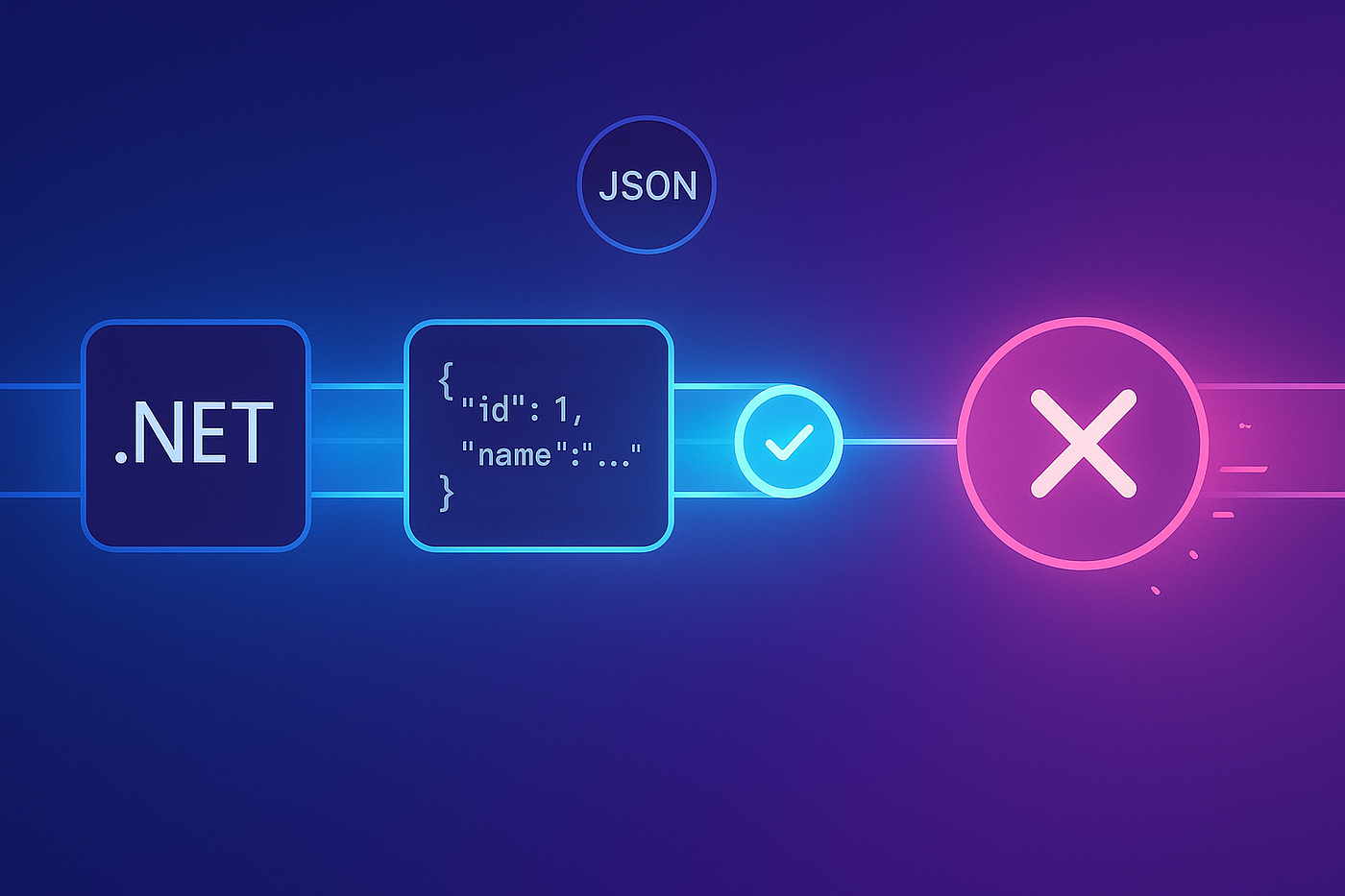
So, how does JSON Schema specifically enable this powerful schema validation? It does so by providing a declarative language. Instead of writing imperative code to check each field, you describe *what* the JSON should look like. This declarative approach makes schemas more readable, maintainable, and less prone to bugs.
Deconstructing JSON Schema: Data Types and Constraints
At its core, JSON Schema is about defining types and imposing constraints. Let’s break down these fundamental aspects.
Understanding JSON Data Types
JSON itself supports a set of fundamental data types. JSON Schema leverages these types to define what kind of data is expected for a particular field. The primary JSON data types that JSON Schema can validate are:
- `string`: For textual data.
- `number`: For floating-point numbers.
- `integer`: For whole numbers (a subset of `number`).
- `boolean`: For `true` or `false` values.
- `object`: For structured data represented as key-value pairs.
- `array`: For ordered lists of values.
- `null`: For a null value.

The `type` keyword in JSON Schema is the most straightforward way to specify the expected data type. For instance, to declare that a particular field, say `username`, must be a string, you would write:
"username": { "type": "string" }This simple declaration is the first step in building a comprehensive schema.
Applying Constraints for Precise Validation
Beyond just specifying the type, JSON Schema allows you to define a rich set of constraints. These are keywords that impose specific rules on the data, making the validation much more granular and useful. Some of the most common and powerful constraints include:
- `required`: This constraint is used within an object definition to specify which properties *must* be present. Without `required`, properties are optional by default. This is fundamental for defining mandatory fields ([https://json-schema.org/learn/json-schema-examples](https://json-schema.org/learn/json-schema-examples)).
- `minLength` and `maxLength`: These apply to `string` types to define the minimum and maximum number of characters allowed. They also apply to `array` types to define the minimum and maximum number of items in the array ([https://json-schema.org/learn/json-schema-examples](https://json-schema.org/learn/json-schema-examples), [https://json-schema.org/understanding-json-schema/about](https://json-schema.org/understanding-json-schema/about)).
- `minimum` and `maximum`: These constraints are used for `number` and `integer` types to define the lowest and highest acceptable values, respectively. This is crucial for numerical ranges ([https://json-schema.org/learn/json-schema-examples](https://json-schema.org/learn/json-schema-examples), [https://json-schema.org/understanding-json-schema/about](https://json-schema.org/understanding-json-schema/about)).
- `pattern`: For `string` types, this constraint allows you to validate the string against a regular expression. This is incredibly powerful for enforcing specific formats, like email addresses or phone numbers ([https://json-schema.org/learn/json-schema-examples](https://json-schema.org/learn/json-schema-examples)).
- `enum`: This constraint restricts a value to a predefined list of acceptable values. For example, if a `status` field can only be “pending”, “processing”, or “completed”, you would use `enum` to specify these options ([https://json-schema.org/learn/json-schema-examples](https://json-schema.org/learn/json-schema-examples)).

These constraints work in tandem with data types to build robust validation rules. For example, consider a schema that defines a `password` field. You might want it to be a `string`, `required`, have a `minLength` of 8, and perhaps match a `pattern` for complexity. This combination ensures a mandatory, sufficiently long, and potentially complex password string.
Furthermore, the `properties` keyword, when used with `object` types, allows you to define the expected keys and their associated schemas. Coupled with the `required` keyword, you can precisely define the structure of JSON objects. For instance:
{
  "type": "object",
  "properties": {
    "name": { "type": "string" },
    "age": { "type": "integer", "minimum": 0 }
  },
  "required": ["name"]
}
This schema defines an object that must have a `name` (string) and can optionally have an `age` (non-negative integer). The `name` field is mandatory ([https://json-schema.org/learn/json-schema-examples](https://json-schema.org/learn/json-schema-examples)).
Leveraging JSON Validation Tools for Efficiency
While understanding JSON Schema is crucial, manually validating every JSON document against a schema would be an incredibly tedious and error-prone process. Fortunately, the ecosystem around JSON Schema includes a wealth of JSON validation tools designed to automate this task. These tools are the workhorses that bring the power of JSON Schema into practical application.
These JSON validation tools essentially automate the process of checking JSON data against a defined JSON Schema. They take a JSON document and a corresponding JSON Schema as input. The tool then meticulously checks if the document conforms to all the types and constraints specified in the schema. The output is typically a clear indication of whether the document is valid or, if not, a detailed report highlighting the specific validation errors and where they occurred ([https://cswr.github.io/JsonSchema/spec/definitions_references/](https://cswr.github.io/JsonSchema/spec/definitions_references/)).

The beauty of these tools lies in their ability to be integrated into various stages of the development lifecycle. For instance, you can use them:
- In your CI/CD pipeline to automatically validate API payloads before deployment.
- As part of your local development environment to catch errors as you code.
- On the server-side to validate incoming data from clients or other services.
Some advanced JSON validation tools even offer the capability to auto-generate a basic JSON Schema from an existing JSON document. This can be a significant time-saver, especially when you’re dealing with a large, complex JSON structure and need to quickly establish a baseline schema. While these auto-generated schemas often require refinement, they provide a solid starting point.
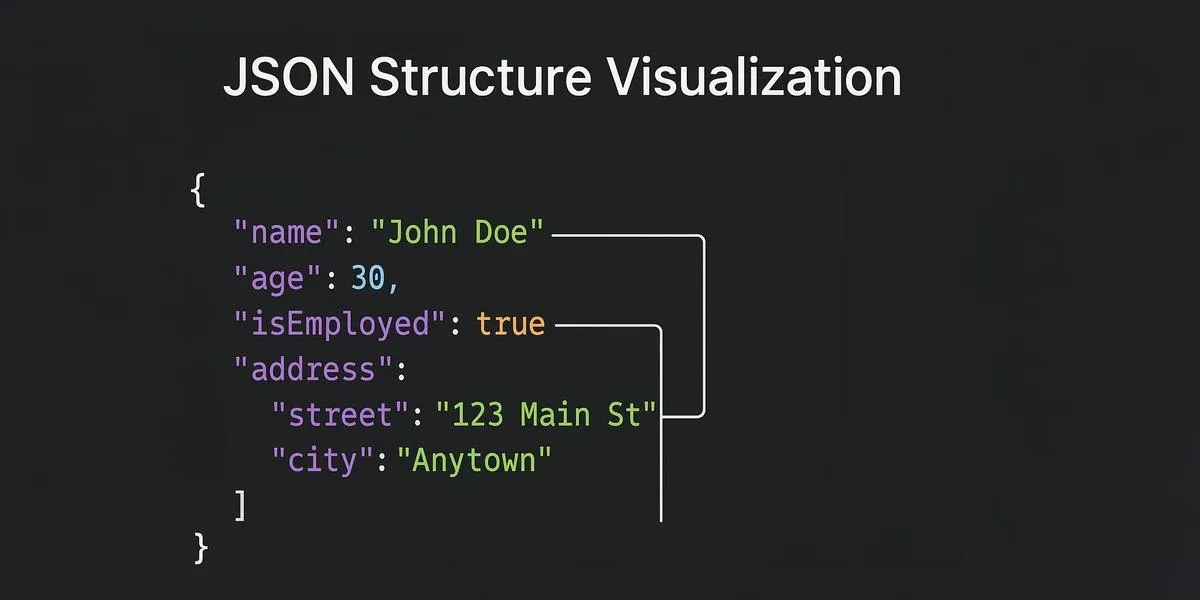
Exploring the available JSON validation tools is highly recommended. Whether you’re looking for command-line utilities, libraries for your programming language, or online validators, there’s a tool to fit almost any workflow. Integrating these tools into your development process is a straightforward yet highly effective way to enforce data quality and ensure that your JSON data is always as expected.
Conclusion: Empowering Data Integrity with JSON Schema
In summary, JSON Schema is an indispensable tool for any developer working with JSON data. Its role in enabling robust schema validation is fundamental to maintaining data integrity and consistency across applications and systems. By providing a standardized, declarative language to define data structures, it brings a level of predictability and reliability that is often hard to achieve otherwise.
A solid understanding of JSON data types, combined with the strategic application of various constraints, empowers developers to create precise and reliable data structures. This, in turn, leads to fewer bugs, smoother integrations, and more dependable software. It’s not just about catching errors; it’s about proactively defining expectations and ensuring that data meets those expectations.
As you continue your development journey, actively explore and integrate JSON validation tools into your projects. Whether you’re building APIs, managing configurations, or exchanging data between microservices, the benefits of automated schema validation will undoubtedly lead to more efficient, error-free, and dependable JSON data handling. Embrace JSON Schema, and take a significant step towards ensuring the quality and trustworthiness of your data.
For more insights into ensuring data quality and precision in various technological contexts, explore our resources on topics like how to improve your smartphone photography skills, where attention to detail is key, and understand the importance of structured data by reading about the evolution of smart home technology.
Ensure your digital life is as secure as your data by reviewing our tips on how to secure your smartphone in 2025. For a broader perspective on how technology is shaping our lives, check out our insights on the impact of artificial intelligence on industries in 2025.
Discover how to maximize your digital potential by learning about 5 innovative ways to use AI strategies to boost productivity.