

“`html
AI in Content Creation: How AI Writing Assistants, SEO Copywriting, and Content Marketing AI Are Changing the Game
Estimated reading time: 10 minutes
Key Takeaways
- AI in content creation is transforming how businesses and individuals produce content, driven by the need for efficiency and scale.
- AI writing assistant tools are becoming indispensable for tasks like brainstorming, drafting, and editing.
- SEO copywriting AI is revolutionizing content optimization by moving towards data-driven strategies.
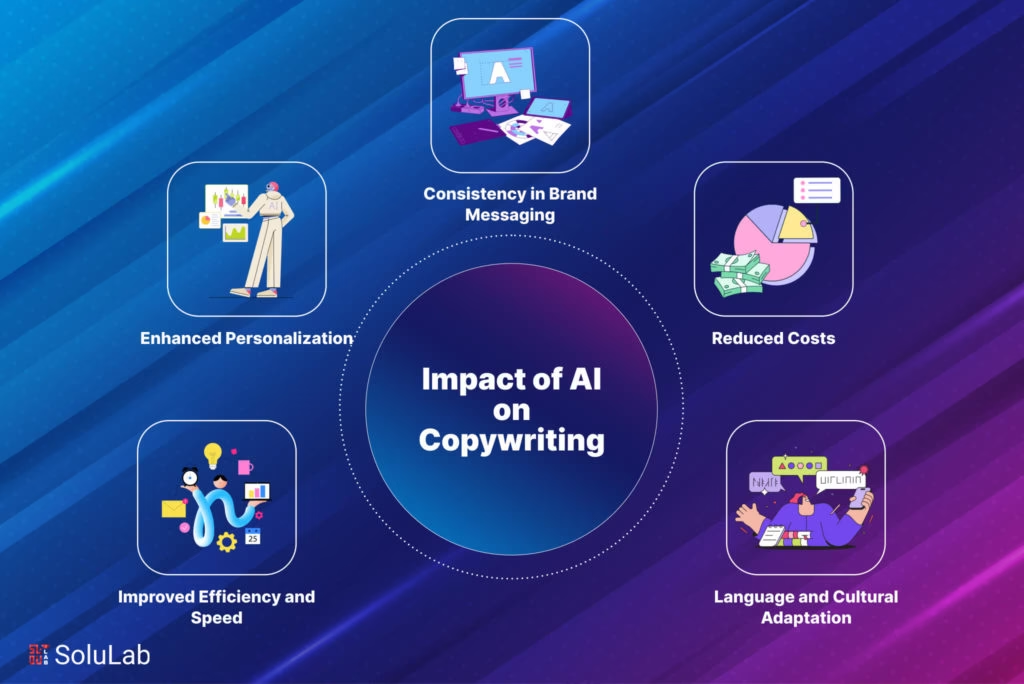
- Content marketing AI is enhancing personalization, performance analysis, and content scaling.
- Responsible use and human oversight are crucial for leveraging AI effectively in content creation.
Table of contents
- AI in Content Creation: How AI Writing Assistants, SEO Copywriting, and Content Marketing AI Are Changing the Game
- Key Takeaways
- Section 1: Understanding AI in Content Creation
- Section 2: The Power of AI Writing Assistants
- Section 3: Elevating Your Content with SEO Copywriting AI
- Section 4: Revolutionizing Blogging with AI
- Section 5: AI’s Transformative Impact on Content Marketing
- Section 6: Practical Workflows and Choosing AI Tools
- Section 7: Limitations, Ethics, and Responsible Use
The content landscape is evolving at an unprecedented pace. Every day, the demand for high-quality, engaging, and consistent content grows. Businesses and individuals alike are grappling with the challenge of producing enough relevant material to capture and retain audience attention. In this dynamic environment, a powerful ally has emerged: Artificial Intelligence.
AI in content creation is no longer a futuristic pipedream; it’s a present-day reality fundamentally transforming how we plan, generate, edit, and optimize our creative output. From drafting articles to crafting compelling social media posts and optimizing for search engines, AI tools are becoming integral to the modern content workflow. This revolution is fueled by the undeniable need for increased efficiency, the ability to scale content production, and the advantage of data-driven insights that traditional methods often struggle to provide.

This post will explore the practical applications of AI across various content disciplines. We’ll delve into howAI writing assistant tools are streamlining the creative process, how advancements inSEO copywriting are making content more discoverable, and howcontent marketing AI is reshaping broader marketing strategies. Furthermore, we’ll discuss howblogging with AI is becoming more accessible and effective than ever before, opening up new possibilities for creators.
Section 1: Understanding AI in Content Creation
At its core, AI in content creation refers to the strategic use of artificial intelligence technologies to assist in the planning, generation, editing, and optimization of various forms of content, including written text, visual media, and audio. It’s about leveraging sophisticated algorithms to enhance the human creative process, not replace it entirely.
The underlying technologies that power this transformation are primarilyNatural Language Processing (NLP) andMachine Learning (ML). NLP allows AI to understand, interpret, and generate human language, making it possible for AI to read, write, and converse. Machine Learning, on the other hand, enables AI systems to learn from data, identify patterns, and make predictions or decisions without being explicitly programmed for every scenario. Together, these technologies form the backbone of AI tools that can analyze text, generate creative ideas, and even refine existing content.

The primary goals of integrating AI into content creation are multi-faceted:
- Increasing Content Output: AI can help produce content at a faster rate, allowing for greater volume and consistency.
- Improving Content Quality: AI tools can assist in identifying errors, suggesting enhancements, and ensuring content aligns with specific goals, like SEO best practices.
- Personalizing User Experiences: By analyzing user data, AI can help tailor content to individual preferences, leading to higher engagement.
- Automating Repetitive Tasks: Many mundane tasks, such as keyword research or initial drafting, can be automated, freeing up human creators for more strategic work.
Section 2: The Power of AI Writing Assistants
Perhaps the most ubiquitous application of AI in content creation is the rise of the AI writing assistant. These are sophisticated software applications designed to leverage AI to help users write more effectively and efficiently. They act as intelligent co-pilots, augmenting human capabilities rather than supplanting them.
The core functionalities of these assistants are diverse and incredibly useful:
- Brainstorming: Facing writer’s block? AI can generate a plethora of topic ideas, catchy headlines, and unique angles to kickstart your creative process.
- Drafting: From long-form articles and blog posts to emails, social media updates, and even ad copy, AI can create initial drafts based on your prompts, saving significant time.
- Editing: Beyond basic spell check, AI writing assistants can identify grammatical errors, suggest improvements to sentence structure, refine word choices for clarity and impact, and even adjust the tone of your writing.
- Rephrasing and Summarizing: Need to adapt content for different platforms or audiences? AI can efficiently rephrase existing text to fit a new tone or format, or condense lengthy documents into concise summaries.
Consider this practical example: *A marketer is launching a new product and needs to create an email campaign. They use an AI writing assistant to generate five distinct and compelling email subject lines. Once they select the best one, they prompt the AI to draft the body of the email, providing key product features and benefits. The AI not only drafts the content but also ensures it’s persuasive and error-free.* This is just one instance of how these tools are making a tangible difference.
Section 3: Elevating Your Content with SEO Copywriting AI
The intersection of AI and Search Engine Optimization (SEO) has given rise to powerful SEO copywriting AI tools. These platforms move content optimization beyond traditional guesswork, leveraging data to ensure content not only resonates with readers but also ranks well in search engine results pages (SERPs).
Here’s how AI is specifically assisting with SEO copywriting:
- Keyword Research: AI tools can identify relevant keywords that have high search intent and uncover long-tail variations that might be missed by manual research.
- Content Gap Analysis: By analyzing competitor content, AI can pinpoint opportunities and identify topics or keywords that are currently underserved, providing a strategic advantage.
- On-Page Optimization: AI can provide real-time suggestions for improving titles, meta descriptions, headings, keyword density, and overall content readability, ensuring each element is optimized for search engines and users alike.
- Content Structure: Based on search trends and user behavior data, AI can recommend optimal content formats, such as incorporating FAQs, listicles, or how-to guides, to better satisfy user intent and improve search rankings.
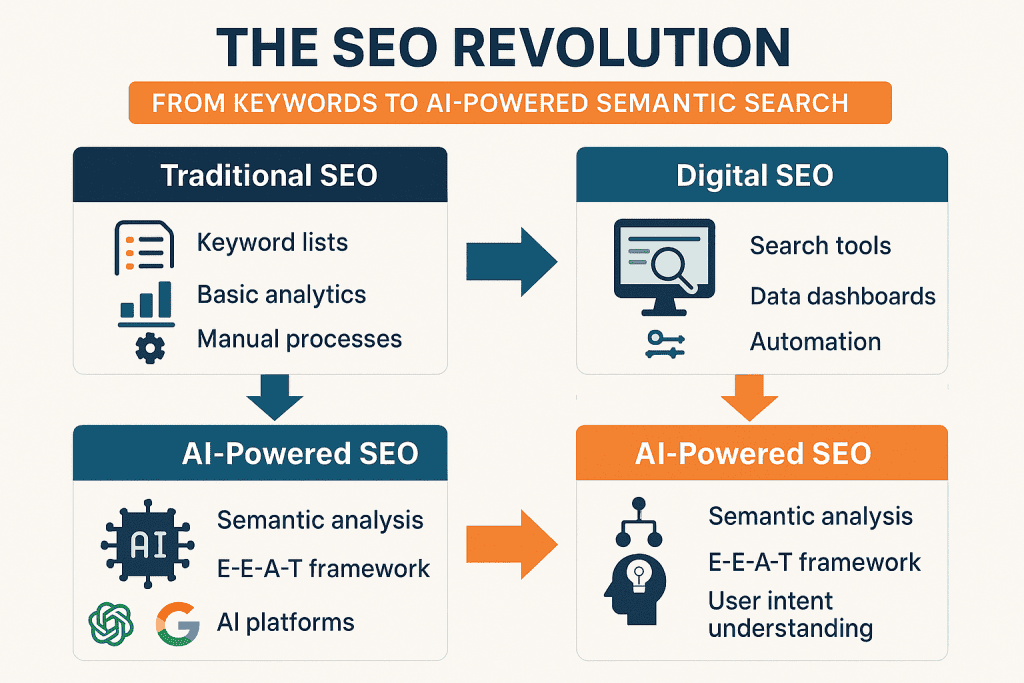
The benefits of using SEO copywriting AI are clear: content that is more likely to rank higher, attract qualified organic traffic, and genuinely satisfy the needs of the audience. This data-driven approach ensures that your content efforts are not only creative but also strategically effective.
Section 4: Revolutionizing Blogging with AI
For bloggers, the entire content creation workflow can be significantly streamlined using AI. Blogging with AI is no longer a novelty; it’s a practical strategy for enhancing productivity and output.
Consider how AI can be integrated into your blogging workflow:
- Topic Generation: AI can analyze audience interests and search data to suggest trending topics or uncover niche ideas that will resonate with your readers.
- Outline Creation: Struggling to structure your post? AI tools can help create a logical outline with appropriate headings and subheadings, providing a solid framework.
- First Draft Writing: AI can generate a comprehensive first draft, saving a significant amount of time and effort for bloggers, allowing them to focus on refining and adding their unique voice.
- Content Enhancement: AI can review your draft to suggest improvements for clarity, engagement, and the strategic inclusion of keywords, ensuring your content is both readable and discoverable.
- Social Media Snippets: Once a blog post is published, AI can even help generate engaging promotional text for social media sharing, amplifying your reach.
While these tools are powerful, it’s crucial for bloggers to remember the importance of human editing. AI can provide a fantastic starting point, but the blogger’s unique voice, accuracy checks, and original insights are irreplaceable for creating truly impactful content.
Section 5: AI’s Transformative Impact on Content Marketing
Beyond individual content pieces, content marketing AI is reshaping the entire content marketing landscape. Its influence extends to strategic planning, audience engagement, and performance measurement, enabling marketers to operate with greater precision and effectiveness.
The key impacts are:
- Content Personalization: AI excels at analyzing vast amounts of user data to understand individual preferences and behaviors. This allows marketing teams to deliver highly tailored content experiences, significantly increasing engagement and conversion rates. Imagine a website dynamically adjusting its content based on a visitor’s browsing history – that’s AI-driven personalization in action.
- Performance Analysis: AI tools can process complex datasets from various channels to identify which content resonates most with different audience segments. This granular analysis helps marketers track campaign ROI more effectively, understand what works, and pivot strategies accordingly.
- Content Scaling: The ability of AI to produce diverse content formats efficiently is a game-changer for scaling marketing efforts. Teams can meet the ever-increasing demand for content across multiple platforms without a proportional increase in human resources.
- Predictive Analytics: Looking ahead, AI can help forecast content trends and anticipate audience behavior, allowing marketing strategies to be proactive rather than reactive. This foresight is invaluable in a fast-moving digital landscape.
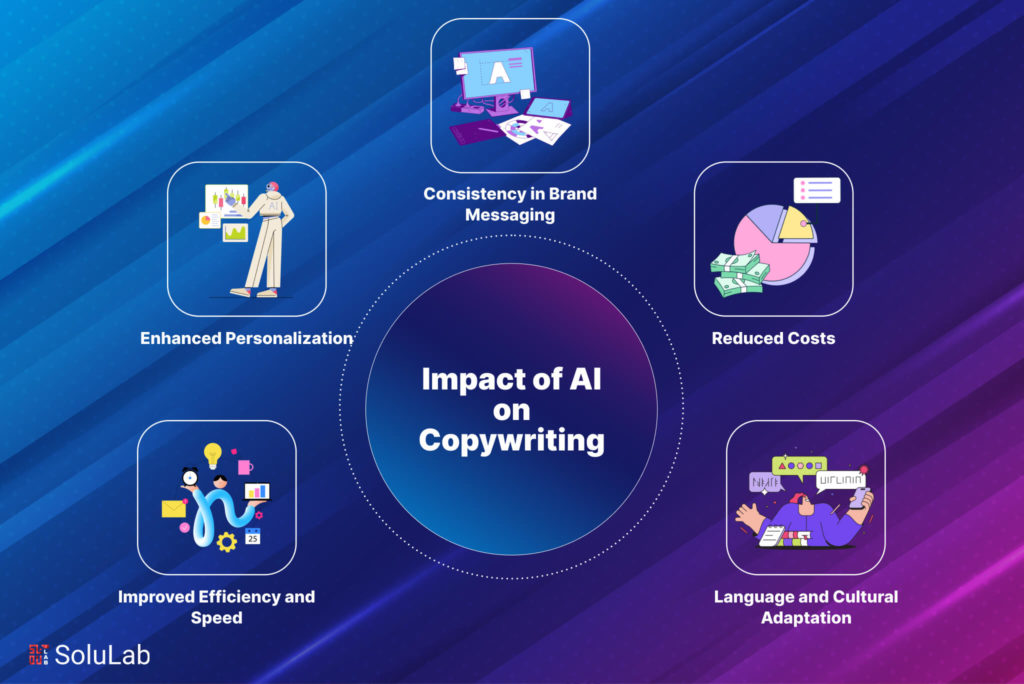
Ultimately, content marketing AI empowers marketers to move beyond intuition and embrace data-driven strategies. This leads to more informed decisions, optimized budgets, and demonstrably better campaign outcomes.
Section 6: Practical Workflows and Choosing AI Tools
Integrating AI into your content creation process can seem daunting, but practical workflows and thoughtful tool selection can make it seamless. Let’s look at some concrete examples of AI in action:
- *Example:* A small e-commerce business might leverage AI to generate unique product descriptions for hundreds of items, create blog post outlines tailored to their niche audience, and even draft engaging social media captions to promote their offerings. This dramatically expands their online presence with limited resources.
- *Example:* A large media company could employ AI to analyze reader engagement patterns across thousands of articles. This analysis helps them personalize newsletter content, identify underperforming content for potential repurposing, and understand which topics drive the most audience loyalty.
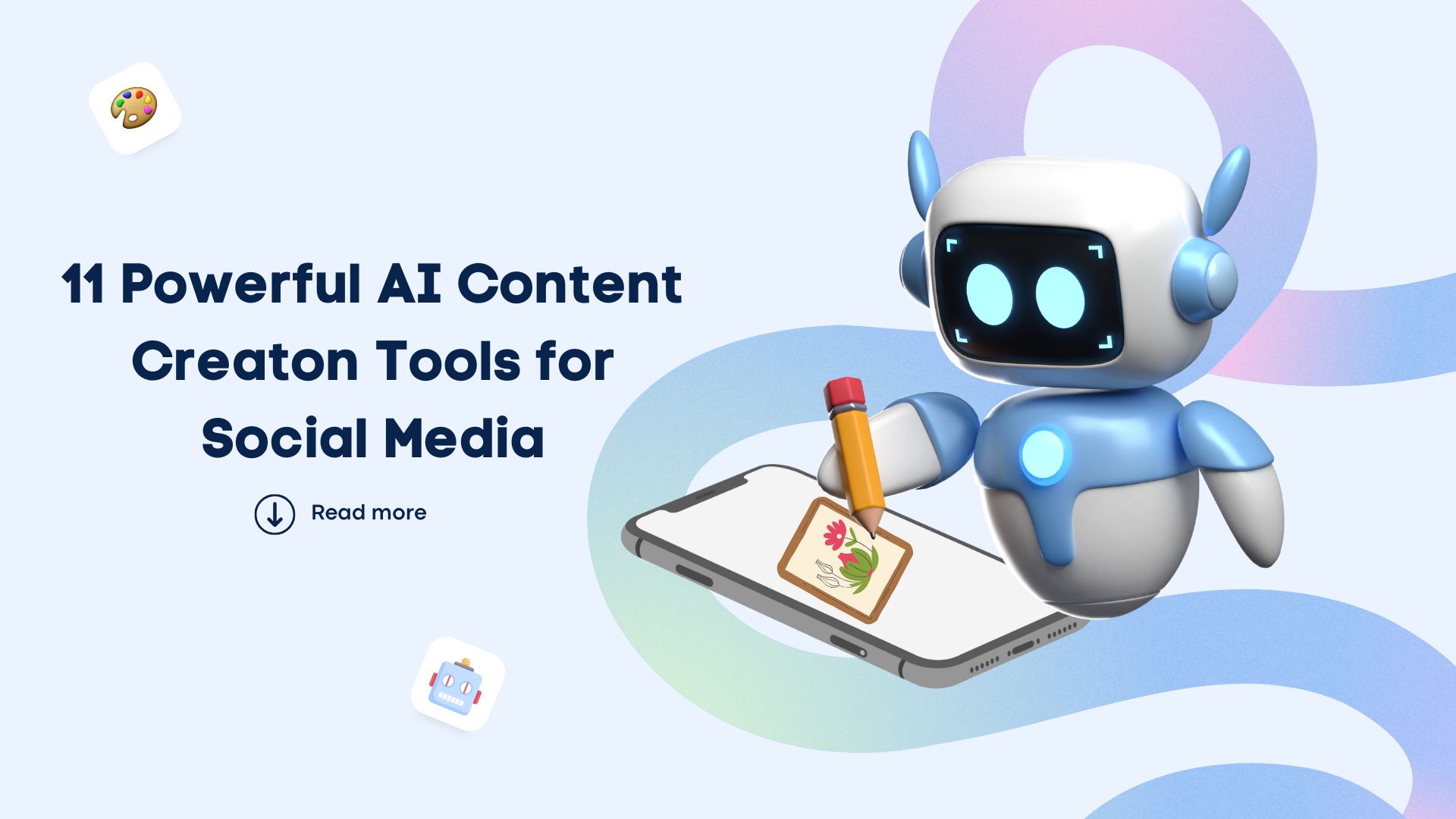
When choosing AI tools, consider categorizing them based on your needs:
- General AI Writing Assistants: Ideal for broad drafting, brainstorming, and editing tasks across various content types.
- SEO Content Optimizers: These are specifically designed to analyze content for SEO performance, providing suggestions for keyword usage, readability, and on-page elements.
- Content Marketing Platforms with AI Features: Integrated solutions that offer a suite of AI capabilities for planning, creation, distribution, and analysis within a single platform.
- Specialized AI Tools: These focus on specific areas, such as AI image generators for visuals or AI video script assistants to complement written content.
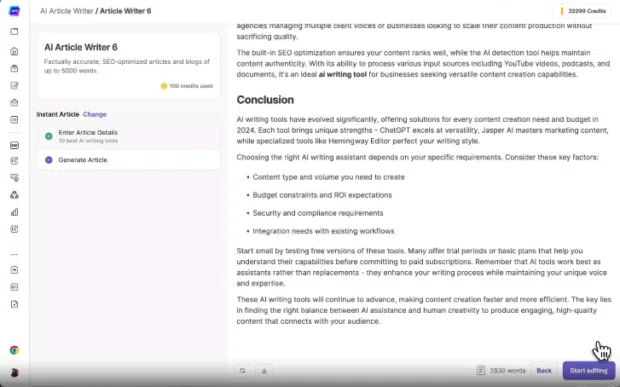
Key considerations when selecting tools include:
- Ease of Use: How intuitive is the interface? Can your team adopt it quickly?
- Integration Capabilities: Does it work well with your existing tech stack?
- Specific Features Required: Does it meet your precise needs for SEO, specific content types, or analytical functions?
- Budget: AI tools vary widely in cost, from free basic versions to premium enterprise solutions.
- Ethical Guidelines: Does the tool promote responsible AI use and data privacy?
To integrate AI effectively, start with a pilot project focusing on a specific task or a small team. This allows for learning and adjustment before a broader rollout. Prioritizing tasks that are time-consuming or require data analysis can offer the quickest wins.
Section 7: Limitations, Ethics, and Responsible Use
While AI offers incredible benefits, it’s crucial to acknowledge its current limitations and the ethical considerations surrounding its use.
Current Limitations of AI:
- Creativity & Nuance: AI can struggle with genuine originality, emotional depth, humor, and subtle cultural references. It can mimic styles but often lacks the authentic human touch.
- Factual Accuracy: AI models are trained on vast datasets, but they can sometimes generate incorrect, outdated, or biased information. Rigorous human fact-checking is always essential.
- Contextual Understanding: AI may miss the broader context of a request or fail to grasp a specific brand voice or nuanced industry jargon without careful prompting and refinement.
- Plagiarism Concerns: As AI generates content based on existing data, there’s a potential for unintentional plagiarism. Originality checks and human review are vital.
Ethical Considerations:
- Transparency: When is it appropriate to disclose that content was AI-assisted? This is an evolving conversation, but transparency builds trust.
- Bias: AI models can inherit biases present in their training data. Recognizing and actively mitigating these biases is a critical ethical responsibility.
- Job Displacement: The increasing capabilities of AI raise questions about the future role of human content creators. The focus is shifting towards AI as a collaborator, augmenting human skills rather than replacing them.
Responsible AI use emphasizes that AI is a powerful tool to augment, not replace, human creativity, critical thinking, and ethical judgment. Human oversight remains crucial for producing high-quality, reliable, and ethically sound content. It’s about a partnership where AI handles the heavy lifting and data analysis, while humans provide the strategic direction, creative spark, and critical evaluation.

AI in content creation is not a magic bullet, but a powerful enhancer. By understanding its capabilities, limitations, and ethical implications, creators can harness its potential to produce better content, more efficiently, and at a greater scale than ever before.
“`