
The 2025 Broadband Data Usage Surge: How Gaming and Sports Are Reshaping Internet Demand
Estimated reading time: 8 minutes
Key Takeaways
- The 2025 broadband data usage surge gaming sports is real, driven by a 14.2% jump in live streaming and a 17.6% year-over-year growth in upstream usage from gaming.
- Next-gen titles like Call of Duty Black Ops 7 demand high-speed, low-latency connections, while esports viewership now makes up 28% of all streamed gaming content.
- Major events like the Champions League final create massive traffic spikes, with streaming now eclipsing traditional broadcast and cable TV combined.
- Providers like Virgin Media O2 are responding with fiber and 5G expansion, as the number of “super-users” consuming over 2TB per month has increased 30-fold since 2018.
- AI-driven mobile data consumption trends are personalizing content and optimizing networks, but also adding new layers to overall data demand.
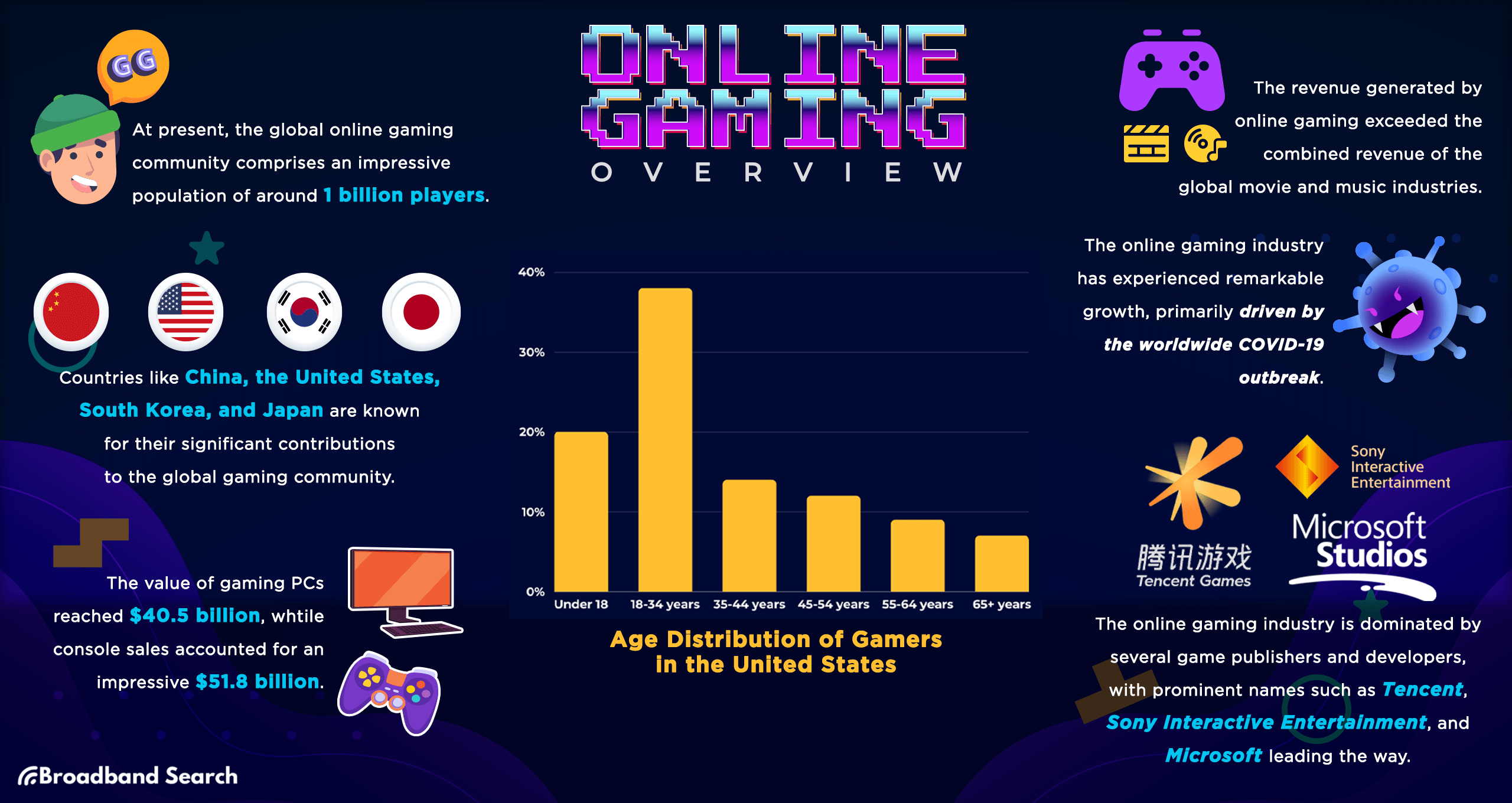
Table of contents
- The 2025 Broadband Data Usage Surge: How Gaming and Sports Are Reshaping Internet Demand
- Key Takeaways
- Introduction: The Perfect Storm of Data Consumption
- The Gaming Revolution: A Data-Hungry Juggernaut
- Live Sports Streaming: The Champion of Bandwidth
- Infrastructure Under Pressure: How Providers Are Responding
- AI: The Silent Accelerator of Data Consumption
- Future-Proofing the Internet: Recommendations for Users and Providers
- Frequently Asked Questions
Introduction: The Perfect Storm of Data Consumption
We are living through a digital transformation where our appetite for data is not just growing—it’s exploding. Welcome to the era of the 2025 broadband data usage surge gaming sports, a pivotal shift driven by two of the world’s most popular pastimes: online gaming and live sports streaming.
The foundation of this surge is a planet more connected than ever. Global internet penetration has now reached 68.8%, creating a vast playground for data-intensive activities. On this connected stage, video streaming commands a dominant 57.9% of all internet traffic, while online gaming is a formidable force, comprising 13.7% of user activity. This isn’t just about more people being online; it’s about what they’re doing once they get there.
The metrics are staggering. Mobile data consumption per user has risen to 16.9 GB per month, a 9.6% increase. But the real story lies at the extreme end of the scale. A growing segment of “super-users” now regularly exceeds 2 TB of data per month. This group represents 4.88% of all subscribers—a figure that has seen a 30-fold increase since 2018. This isn’t gradual growth; it’s a tectonic shift in consumption patterns.

“The rise of the 2TB+ subscriber is the clearest signal that consumer behavior and application demands have fundamentally and permanently changed our networks.” — Industry analysis of broadband consumption trends.
This sets the stage for a deep dive into the key drivers behind this unprecedented spike. We’ll explore how cutting-edge games and global sporting events are pushing our home networks to their limits, examine how internet providers are scrambling to keep up, and uncover the role of emerging technologies like AI in this data deluge.
The Gaming Revolution: A Data-Hungry Juggernaut
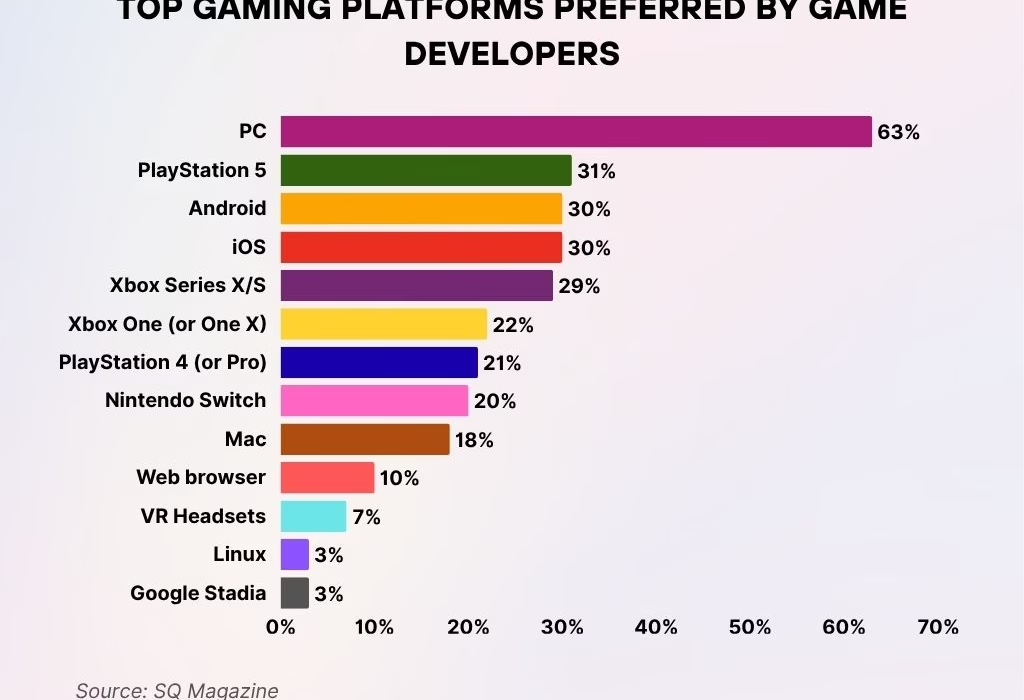
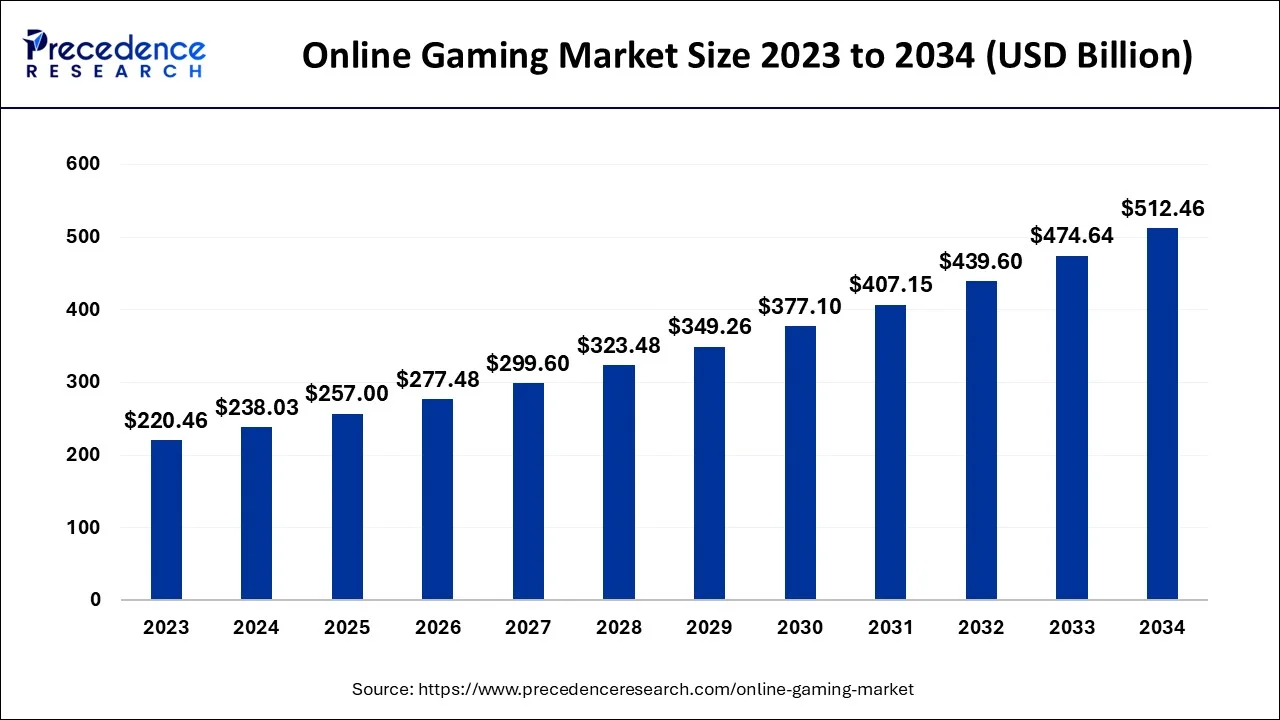
Online gaming has evolved from a niche hobby into a global cultural and economic powerhouse, making it a primary engine of the 2025 broadband data usage surge gaming sports. The numbers speak for themselves: the global gaming market is projected to reach a colossal $225.7 billion with an estimated 3.32 billion players worldwide.
But it’s not just the size of the audience that stresses networks—it’s the sophistication of the experience. Modern gaming is a constant, bidirectional data exchange. Gone are the days of simple peer-to-peer connections. Today’s ecosystems involve:
- Massive Multiplayer Sessions: Games hosting hundreds of players in persistent worlds require flawless, low-latency synchronization.
- Cloud Gaming Services: Platforms that stream high-fidelity games directly from remote servers, turning gameplay into a real-time video stream.
- Regular Gigabyte-Sized Updates: Title updates, seasonal content, and map expansions that routinely demand dozens of gigabytes of downloads.
- Live Streaming Integration: The seamless broadcast of gameplay to platforms like Twitch and YouTube, which now accounts for 28% of all streamed gaming views.
A prime example of this network impact is the highly anticipated Call of Duty Black Ops 7 network impact 2025. Titles in this franchise are known for their high-fidelity graphics, complex physics, and fast-paced multiplayer requiring millisecond-level latency. As reviews and analyses highlight, each new iteration pushes hardware and infrastructure further, with larger file sizes and more demanding netcode to support its massive player base. The launch week of such a title creates a significant, predictable surge in global internet traffic.
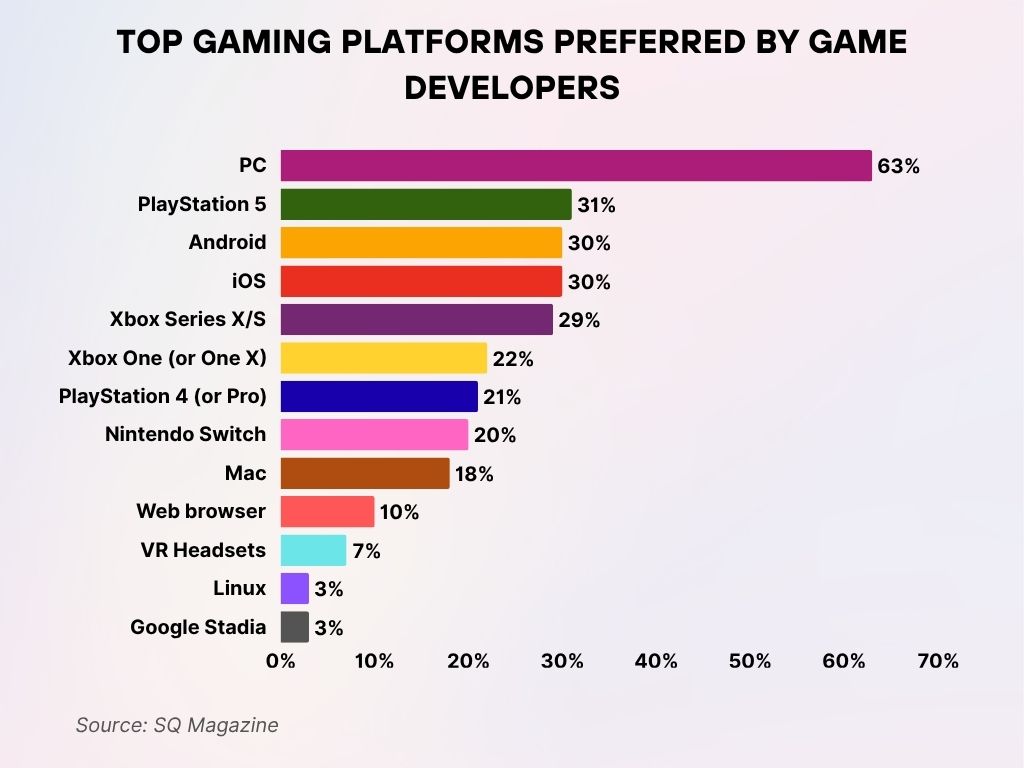
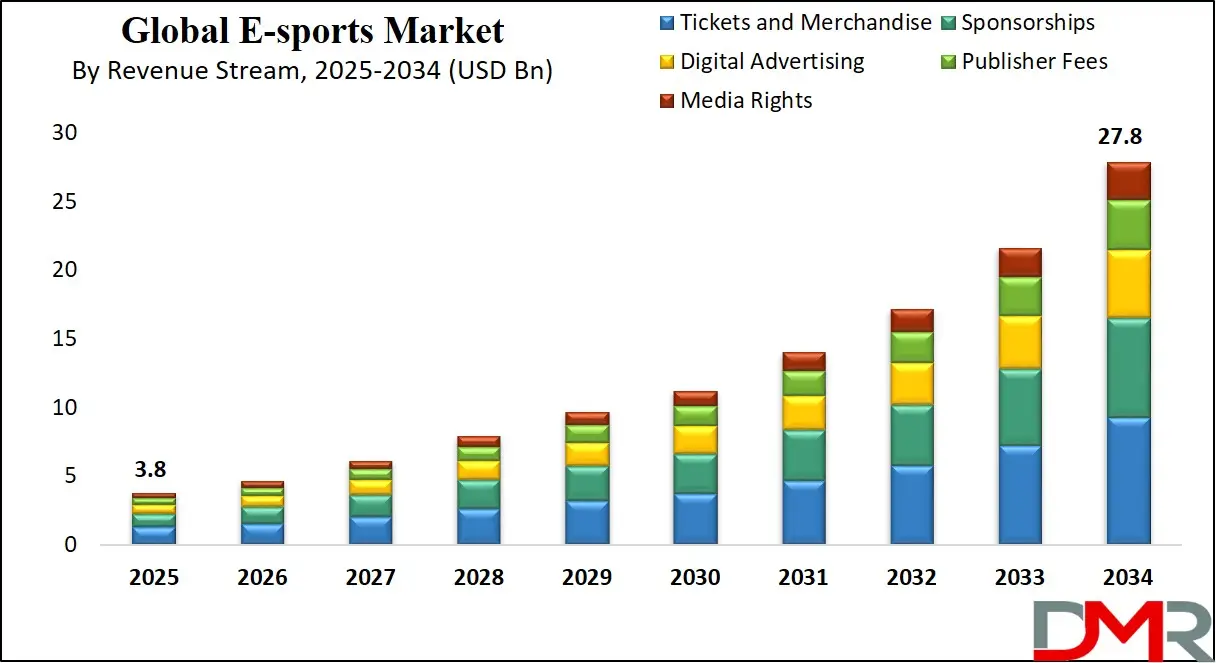
The professionalization of gaming adds another layer. Esports revenue is expected to hit $3.3 billion, and major tournaments now draw viewership numbers that rival traditional sports. These events create intense, concentrated spikes in data usage as millions stream the action simultaneously.
The cumulative effect is clear in the data: the average gamer now spends 7.6 hours per week playing online. This sustained engagement has led to an upstream usage growth of 17.6% year-over-year, with the average subscriber now consuming 47.5 GB per month on upstream traffic alone—much of it from live streams and in-game communication.
Live Sports Streaming: The Champion of Bandwidth
If online gaming is a constant pressure on networks, live sports streaming is the sledgehammer that hits at peak times. The migration from cable TV to internet-based streaming has reached a historic tipping point, with seismic implications for data consumption.
Consider the upcoming Champions League live streaming traffic 2025. A single match, especially a final, is a global phenomenon that triggers a massive, simultaneous demand pulse on content delivery networks (CDNs) worldwide. This isn’t a regional event; it’s a global data storm.
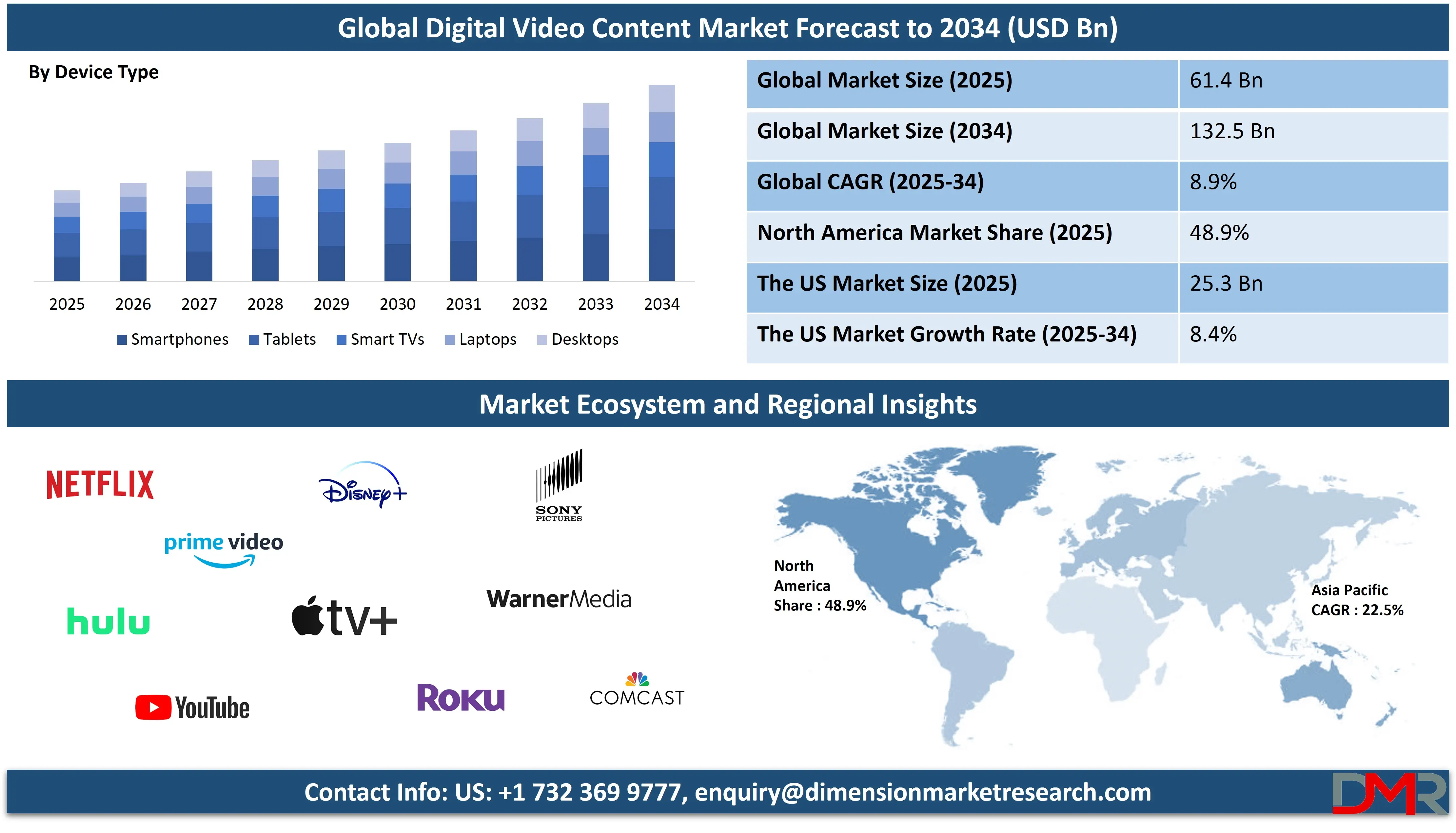
The audience for this shift is enormous. In the United States alone, monthly sports streaming viewers are projected to exceed 90 million in 2025, up dramatically from 57 million in 2021. This trend is part of a larger movement where, for the first time in history, streaming has officially eclipsed the combined viewership of traditional broadcast and cable TV. In May 2025, streaming accounted for a record 44.8% of total TV usage.
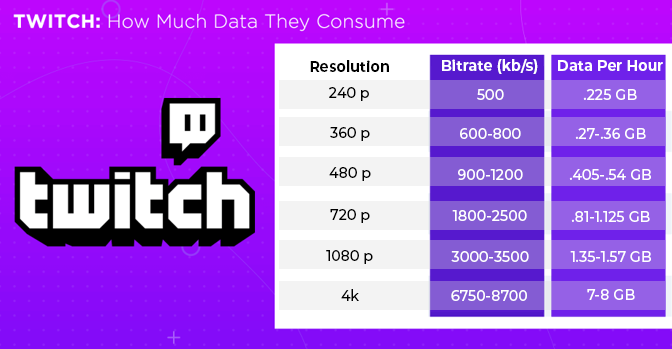
The data burden is compounded by viewer expectations for quality. The race for the most immersive experience has led to widespread adoption of 4K Ultra HD, with 8K and High Dynamic Range (HDR) broadcasts becoming more common for premium events. As analysis on sports technology notes, these enhanced formats can consume four to sixteen times more data per hour than a standard high-definition stream. When multiplied by millions of concurrent viewers, the load is extraordinary.
The platforms hosting these streams are also seeing unprecedented growth. Live streaming viewership has increased by 14.2% globally, with platforms like Twitch now attracting a staggering 82 million daily active users. This creates a near-constant baseline of high-bandwidth traffic, with sharp, unpredictable peaks during major game moments or events.
Infrastructure Under Pressure: How Providers Are Responding
Faced with this relentless growth in demand, broadband providers are engaged in a high-stakes race to upgrade and future-proof their networks. A prime case study in this response is the Virgin Media O2 broadband demand analysis 2025. Providers like these are on the front lines, deploying new technologies to manage the congestion from gaming marathons and championship sports nights.

The goal is two-fold: increase raw speed and improve network intelligence. On the speed front, progress is evident. The average fixed broadband download speed has risen to 97.3 Mbps, a 12.1% year-over-year increase. This is largely driven by the accelerated rollout of fiber-optic technology, which is now available to 58.6% of households. Simultaneously, mobile networks are advancing, with 5G coverage reaching 51.6% of the population.
But speed alone isn’t enough. The nature of the 2025 broadband data usage surge gaming sports demands smarter networks. This is where innovations like edge computing and dynamic bandwidth allocation come into play.
- Edge Computing: By processing data closer to the end-user (e.g., at a local network node), latency for critical applications like competitive gaming is slashed, and the core network is relieved of congestion.
- Dynamic Bandwidth Allocation: Modern routers and network management software can now prioritize time-sensitive traffic (a video call or gaming packet) over a routine file download, ensuring a smoother experience for all users on a shared connection.
- AI-Powered Network Analytics: Providers are using machine learning to predict traffic peaks—like those during a major sports final—and proactively allocate resources to prevent slowdowns.
The necessity of these upgrades is underscored by the extreme users. The report highlights that peak-day traffic for businesses has doubled, mirroring the pressure on consumer networks. The sharp rise in subscribers exceeding 2 TB per month is a clear indicator that yesterday’s infrastructure is inadequate for tomorrow’s data habits. As explored in the context of 5G’s future, the integration of these advanced technologies is no longer a luxury but a critical requirement for maintaining service quality.
AI: The Silent Accelerator of Data Consumption
While gaming and sports are the visible faces of the data surge, artificial intelligence operates as a powerful, behind-the-scenes force shaping AI-driven mobile data consumption trends. AI doesn’t just use data; it changes how we interact with it, often in ways that increase overall demand.
First, consider the user experience. AI algorithms power the personalized content feeds on social media and streaming services, ensuring you are constantly presented with engaging videos and posts, which naturally extends viewing time and data use. Predictive buffering, powered by AI, pre-loads segments of a video stream to prevent buffering, often fetching higher-quality segments if it predicts your connection can handle it, thus consuming more data for a seamless experience.

The scale of mobile usage makes AI’s role particularly significant. Mobile devices now account for 59.2% of all global internet use. AI is the engine behind many mobile-first experiences, from real-time language translation in video calls to augmented reality (AR) filters in social apps—each feature adding incremental data load. Global digital reports confirm that AI advancements are a key driver in the growth of connected technologies and the data they generate.
On the network management side, AI is a double-edged sword. While it helps providers optimize traffic flow and predict failures, the AI systems themselves and the data they require for training contribute to the overall data ecosystem. Industry analysis notes that hyperscale social video platforms, heavily reliant on AI for curation and delivery, continue to dominate overall consumption patterns.
Furthermore, the integration of AI across sectors creates new data feedback loops. In healthcare, for example, AI diagnostics and monitoring generate vast amounts of data that often travel across networks for processing and analysis. As AI becomes more pervasive, its indirect effect on data consumption—by enabling new services and requiring constant communication between devices and the cloud—will only magnify.
Future-Proofing the Internet: Recommendations for Users and Providers
The trends are clear and unstoppable. Streaming is now the dominant form of TV consumption, and esports and interactive entertainment will continue their meteoric rise. To navigate and thrive in this high-data environment, both consumers and industry players must take proactive steps.
For Consumers and Households:
- Audit Your Connection: If your household has multiple 4K streams, competitive gamers, and heavy downloaders, a basic broadband plan may be causing friction. Consider your total monthly usage.
- Upgrade Your Hardware: Invest in a modern Wi-Fi 6 router system. Wi-Fi 6 is designed to handle multiple high-demand devices simultaneously, reducing latency and congestion within your home. Already, 32% of households utilize such advanced setups.
- Prioritize Low-Latency Connections for Gaming: For serious gaming, a wired Ethernet connection is still king. If you must use Wi-Fi, ensure your router and device support the latest standards and use the 5GHz band for less interference.
- Understand Your Needs: The era of average usage is over. Are you a “super-user”? Monitoring your data consumption over a few months can inform whether you need an unlimited data plan or a higher speed tier.
For Internet Service Providers and Policymakers:
- Accelerate Fiber and 5G Deployments: Continued investment in future-proof physical infrastructure is non-negotiable. Policies should support and incentivize the expansion of fiber-to-the-home and comprehensive 5G coverage to reach the growing base of users demanding 100 Mbps+ speeds and beyond.
- Deploy AI-Optimized Networks: Investing in AI and machine learning for real-time network management is crucial for handling unpredictable traffic peaks from live events and mitigating congestion before users notice a slowdown.
- Transparency and Education: Providers should offer clear tools for customers to understand their data usage patterns and the requirements of modern applications, helping them choose the right service tier.
- Plan for the Next Wave: The convergence of gaming, streaming, VR/AR, and AI-powered services will create new use cases. Infrastructure planning must be agile and forward-looking to accommodate technologies we haven’t yet fully imagined.
Frequently Asked Questions
What exactly is causing the 2025 broadband data surge?
The surge is primarily driven by the massive growth in high-definition video streaming (especially live sports) and the increasing demands of online gaming. These activities are becoming more data-intensive due to 4K/8K streaming, cloud gaming, large game updates, and the professionalization of esports streaming.
How does a game like Call of Duty Black Ops 7 impact my home network?
Modern AAA titles like Call of Duty require constant, high-speed, low-latency connections for multiplayer. They also frequently release large updates (often 20-50GB+). During peak play times and after major updates, network congestion can increase, potentially affecting latency (ping), which is critical for competitive gameplay.
Why do live sports events like the Champions League cause internet slowdowns?
A global live event creates a simultaneous demand spike from millions of viewers, all requesting the same high-bitrate video stream at the exact same time. This tests the capacity of content delivery networks (CDNs) and can cause buffering or reduced quality if local network infrastructure is congested.
I’m hitting data caps. Am I a “super-user”?
If you regularly exceed 1 Terabyte (TB) of data per month, you are approaching super-user territory. The latest data shows the top 4.88% of subscribers now exceed 2TB per month. This is typical for households with multiple 4K streamers, avid gamers who download many games/updates, and those who work from home with large file transfers.
What’s the single best upgrade I can make for better gaming and streaming performance?
For most, upgrading to a fiber broadband connection (if available) is the most impactful change. Fiber offers symmetrical upload/download speeds and significantly lower latency compared to traditional cable or DSL. Complement this with a quality Wi-Fi 6 mesh system to ensure strong coverage throughout your home.
How is AI actually increasing the amount of data I use?
AI often increases data use indirectly by improving your experience in ways that consume more data: it pre-loads more video to prevent buffering, curates endless engaging content to keep you scrolling or watching longer, and enables new data-heavy features like high-quality real-time video translation or advanced AR filters.