

Mastering AI Operationalization Strategies in 2026: Trends, Infrastructure, and Workforce Impact
Estimated reading time: 8 minutes
Key Takeaways
- AI operationalization is the systematic process of deploying, scaling, and managing AI models in production to drive business outcomes, becoming critical in 2026 as enterprises move from pilots to full-scale adoption.
- In 2026, enterprise AI adoption trends prioritize high-ROI use cases, federated governance, and MLOps, with AI integrated into leadership decision-making and ethical frameworks.
- Hybrid cloud AI infrastructure emerges as essential for balancing flexibility, security, and scalability, enabling real-time processing and MLOps pipelines for model monitoring.
- AI robotics in manufacturing 2026 optimizes production through tasks like predictive maintenance and quality control, serving as a key case study for AI operationalization.
- Agentic AI workforce impact reshapes job roles by automating end-to-end workflows, necessitating upskilling and hybrid team strategies to mitigate displacement risks.
- Successful AI operationalization strategies 2026 require aligning with trends, investing in infrastructure, managing workforce shifts, and following a structured rollout plan.
Table of contents
- Mastering AI Operationalization Strategies in 2026: Trends, Infrastructure, and Workforce Impact
- Key Takeaways
- Introduction to AI Operationalization in 2026
- Enterprise AI Adoption Trends 2026
- Hybrid Cloud AI Infrastructure: The Backbone of Scalability
- AI Robotics in Manufacturing 2026: A Practical Case Study
- Agentic AI and Workforce Impact: Reshaping Roles and Responsibilities
- Best Practices for AI Operationalization Strategies 2026
- Challenges and Solutions in AI Operationalization
- Closing Thoughts on AI Operationalization for 2026
- Frequently Asked Questions
- Call to Action
Introduction to AI Operationalization in 2026
As we approach 2026, the business landscape is being transformed by artificial intelligence, but the real challenge lies not in developing AI models, but in effectively deploying them. AI operationalization is defined as the systematic process of deploying, scaling, and managing AI models in production environments to deliver measurable business outcomes. This concept is critical for 2026 as enterprises shift from isolated pilots to enterprise-wide adoption, requiring robust frameworks to ensure sustainability and ROI. Sources: everworker.ai and techment.com.
This blog will provide a roadmap for leaders aiming to scale AI responsibly by exploring key areas centered on the primary keyword: AI operationalization strategies 2026. We’ll delve into enterprise AI adoption trends 2026, hybrid cloud AI infrastructure, AI robotics in manufacturing 2026, and agentic AI workforce impact, offering actionable insights to satisfy informational intent and guide strategic planning. As noted by industry experts, mastering these elements is no longer optional—it’s a competitive imperative for thriving in the AI-driven future.
Enterprise AI Adoption Trends 2026
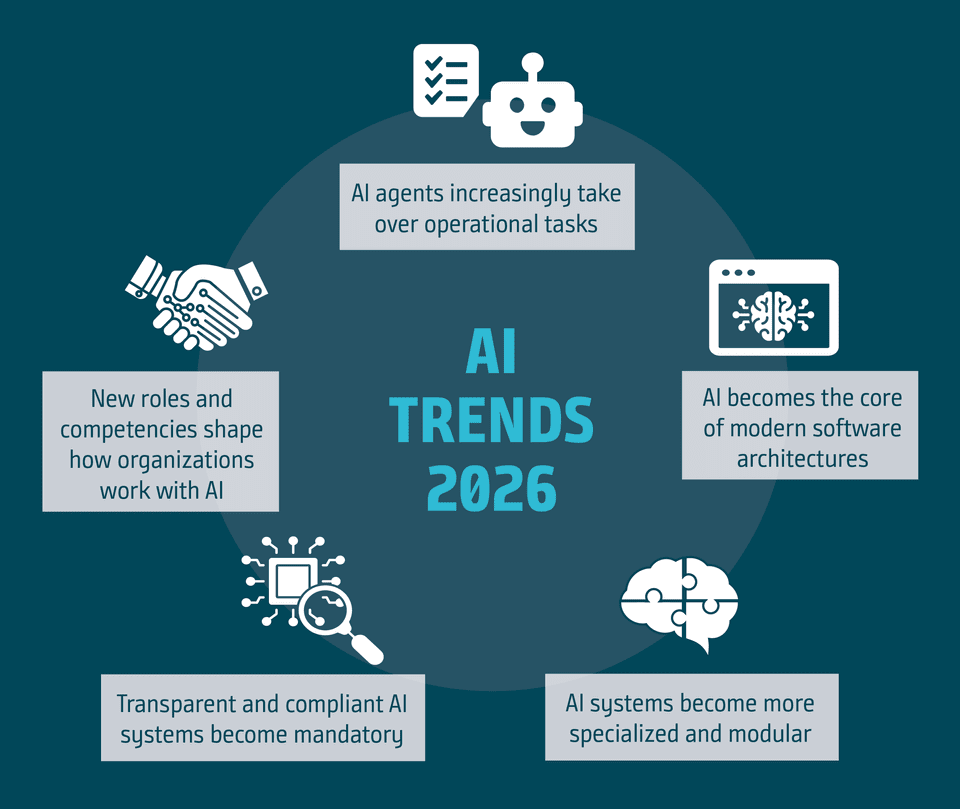
In 2026, enterprises are moving beyond experimental AI projects to coherent, scalable strategies directly tied to profit and loss metrics. The focus keyword here is enterprise AI adoption trends 2026, which emphasizes prioritizing high-ROI use cases, implementing federated governance, and leveraging MLOps for efficient scaling. According to everworker.ai and techment.com, this shift is driven by the need to demonstrate tangible value through cost reduction and revenue growth.
Key shifts defining this trend include:
- AI-driven decision-making in leadership roles: Executives are increasingly relying on AI analytics for strategic choices, integrating predictive insights into boardroom discussions.
- Ethical frameworks with human override: For high-risk automations, companies are embedding ethical guidelines that allow human intervention, ensuring accountability and trust. Source: everworker.ai.
- Agentic AI workers automating end-to-end workflows: From support triage to recruiting, autonomous agents are handling complex processes, reducing manual effort. This aligns with insights from vellum.ai.
Another critical aspect is the adoption of federated models, where central teams set policies and platforms, while business units execute AI initiatives. This approach, highlighted by everworker.ai and techment.com, ensures consistency and speed in AI deployment, avoiding silos and enabling rapid iteration. As one leader put it: “In 2026, AI isn’t just a tool; it’s a core component of organizational DNA, requiring seamless integration across all functions.”
Hybrid Cloud AI Infrastructure: The Backbone of Scalability
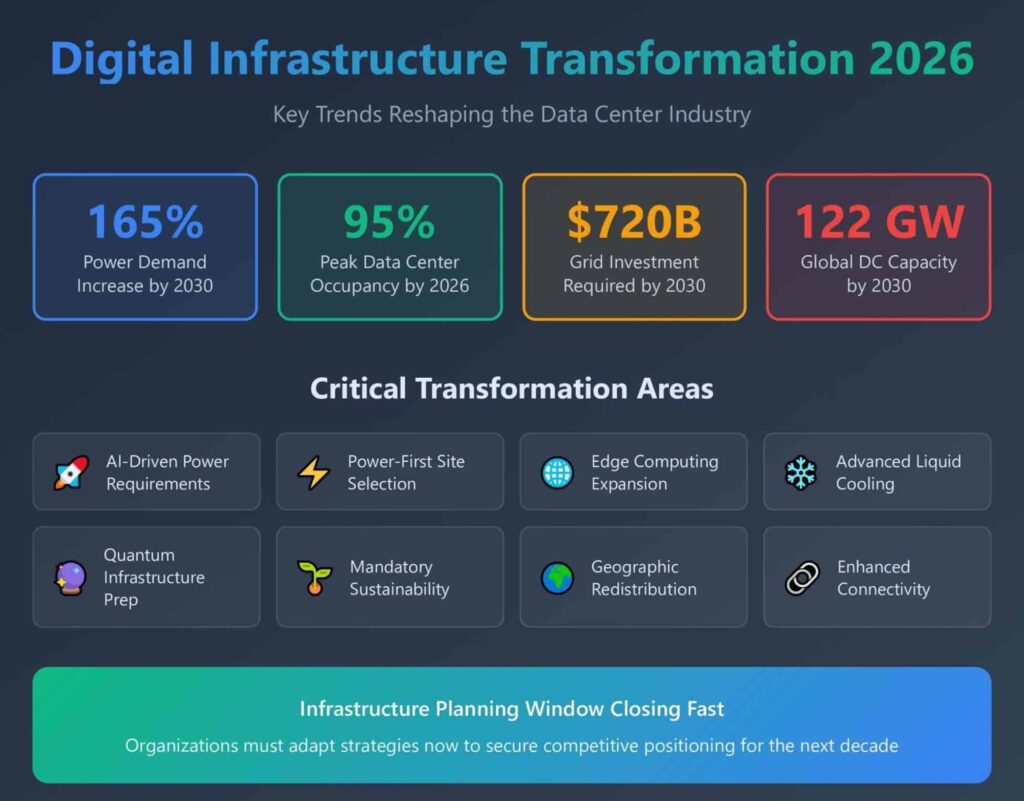
To support these ambitious AI strategies, infrastructure must evolve. Enter hybrid cloud AI infrastructure, which emerges as essential in 2026 for balancing flexibility, security, and scalability in AI workloads. This model enables real-time processing through unified data warehouses and API-based deployments, as noted by techment.com and vellum.ai.
Why hybrid cloud? It plays a pivotal role in MLOps pipelines for model monitoring, drift detection, and integration with existing systems. This reduces scaling challenges from pilots to production—vital for industries like finance and healthcare that need compliant, reusable platforms. Sources: everworker.ai and techment.com.
Consider these examples:
- Organizations leverage hybrid cloud to preprocess data in the cloud while running inference at the edge, minimizing latency for time-sensitive applications.
- In healthcare, hybrid setups allow sensitive patient data to remain on-premises for compliance, while AI models train on aggregated, anonymized datasets in the cloud.
This infrastructure isn’t just about technology; it’s about enabling agile AI deployments that adapt to changing business needs. By combining on-premises control with cloud elasticity, companies can optimize costs and performance, ensuring AI initiatives remain sustainable in the long run.
AI Robotics in Manufacturing 2026: A Practical Case Study
For a tangible look at AI operationalization, consider AI robotics in manufacturing 2026. This sector exemplifies how AI-powered robots optimize production by handling repetitive tasks, predictive maintenance, and quality control, all while integrating with hybrid cloud systems for data-driven insights. Source: rtslabs.com.
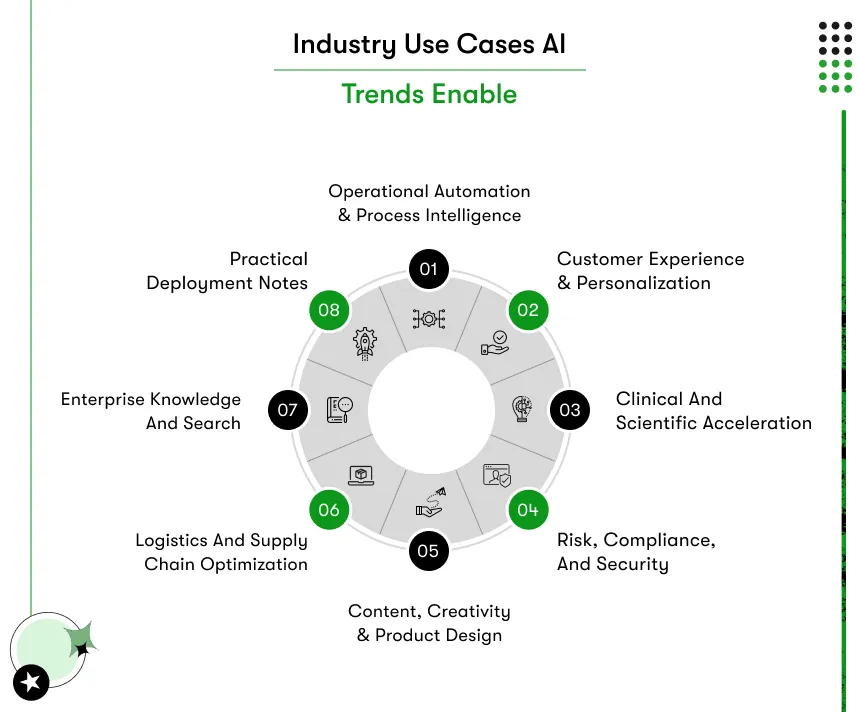
Connecting to broader strategies, enterprises map high-ROI use cases like downtime reduction, tying robotics to enterprise systems for end-to-end automation. This aligns with 2026 trends of workflow orchestration, as highlighted by everworker.ai and c4techservices.com.
Specific applications include:
- Robots using computer vision for defect detection on assembly lines, improving quality assurance by over 30% in pilot studies.
- AI algorithms optimizing supply chain logistics in smart factories, predicting demand fluctuations and adjusting inventory in real-time.
- Collaborative robots (cobots) working alongside humans to enhance safety and efficiency, driven by AI that learns from human interactions.
As one manufacturing executive shared: “AI robotics isn’t about replacing workers; it’s about augmenting human capabilities to achieve unprecedented productivity gains.” This case study underscores the importance of operationalizing AI in physical environments, where infrastructure and trends converge to deliver measurable outcomes.
Agentic AI and Workforce Impact: Reshaping Roles and Responsibilities
A key driver of change in 2026 is agentic AI workforce impact. Agentic AI refers to autonomous agents that automate full workflows, reshaping job roles by complementing humans in decision support and task execution. This demands upskilling in AI oversight and collaboration, as noted by everworker.ai and vellum.ai.
Strategies to manage this impact include:
- Building AI Centers of Excellence (CoEs) for training and governance, ensuring employees develop skills in AI management and ethics.
- Shifting to hybrid teams where AI handles repetitive tasks, and humans focus on strategy, creativity, and complex problem-solving.
- Measuring impact via KPIs like cycle time reductions and error rates to mitigate job displacement risks. Source: everworker.ai and techment.com.
Examples in action: Agentic AI in customer service automates ticket resolution by analyzing customer history and providing solutions, while in HR, it streamlines recruitment by screening candidates and scheduling interviews. The goal is not elimination but elevation—freeing up human workers for higher-value activities that drive innovation.
Best Practices for AI Operationalization Strategies 2026
Synthesizing insights into actionable steps, here are best practices for AI operationalization strategies 2026:
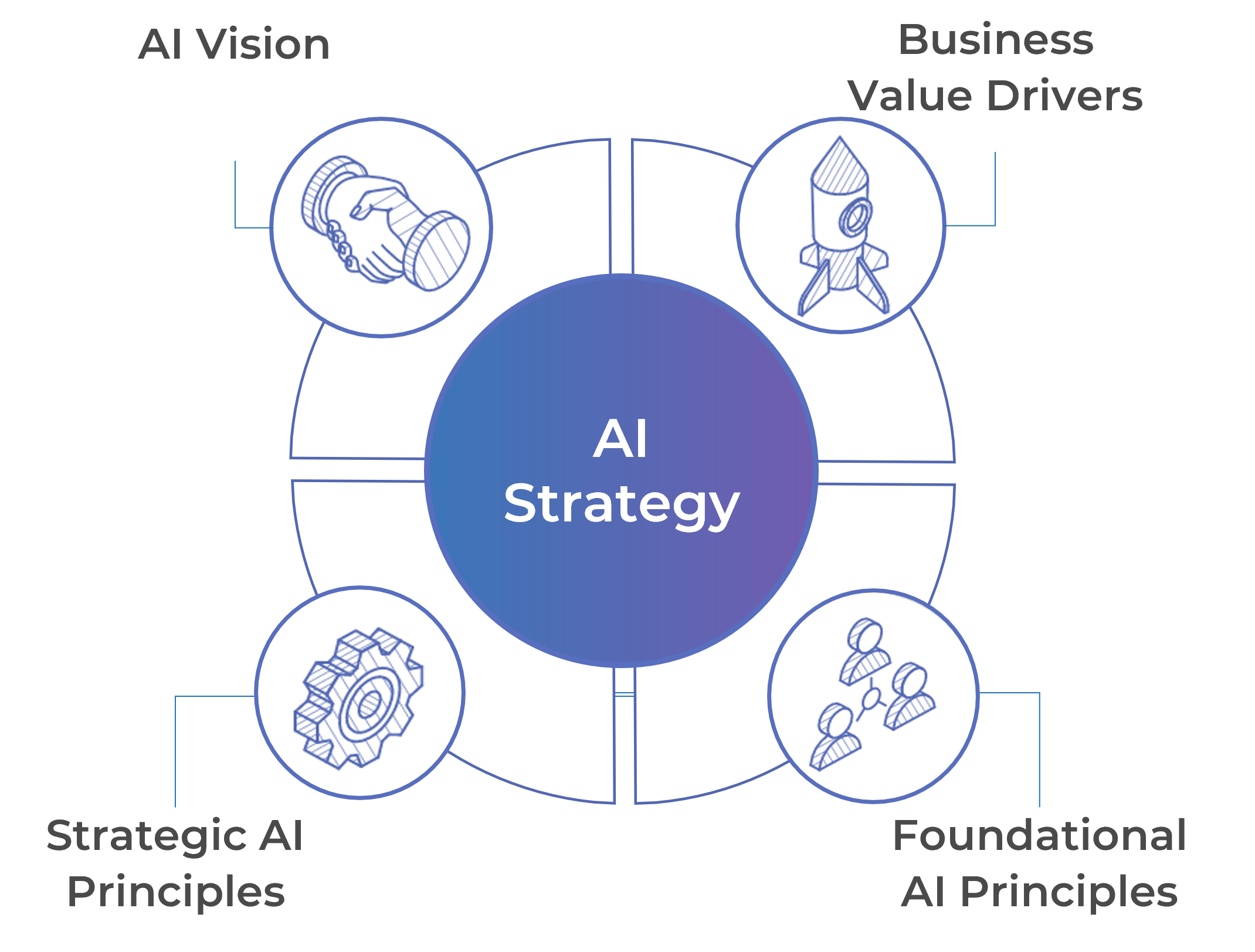
- Align with enterprise AI adoption trends 2026: Prioritize use cases via opportunity mapping, baseline KPIs, and create AI P&Ls for ROI tracking. This ensures AI projects are tied to business goals. Source: everworker.ai and rtslabs.com.
- Invest in hybrid cloud AI infrastructure: Develop MLOps pipelines, standardize deployments, and build “safe by default” platforms with automated monitoring and governance. Source: everworker.ai and techment.com.
- Address agentic AI workforce impact: Implement federated governance, establish upskilling academies, and codify AI playbooks for human-AI collaboration. Source: everworker.ai and vellum.ai.
Practical 90-day rollout plan:
- Days 0-14: Assess use cases and define success metrics.
- Days 15-45: Pilot quick wins to demonstrate value and gather feedback.
- Days 46-75: Scale with platform hardening, integrating MLOps and governance.
- Days 76+: Formalize CoEs and expand AI initiatives across the enterprise. Source: everworker.ai.
This structured approach minimizes risks and maximizes returns, ensuring AI operationalization is both strategic and sustainable.
Challenges and Solutions in AI Operationalization
Despite the opportunities, AI operationalization in 2026 faces common pitfalls: data silos, scaling from pilots, talent gaps, and ethical risks like bias in AI models. But with every challenge comes a solution.
- For data silos and scaling issues: Emphasize centralized governance with business ownership, and implement MLOps for drift monitoring. Cross-functional squads can bridge IT and business units. Source: techment.com.
- For hybrid cloud AI infrastructure: Recommend API-first designs to ensure interoperability and reduce integration headaches, enabling seamless data flow between on-prem and cloud environments.
- To counter agentic AI workforce impact: Suggest implementing bias evaluations, red-teaming exercises, and transparent AI decision-making processes to build trust and fairness.
- For AI robotics in manufacturing 2026: Propose modular systems and partnerships with cloud providers to ease integration challenges, allowing for flexible upgrades and maintenance. Source: everworker.ai and techment.com.
Key quote: “The biggest barrier isn’t technology—it’s organizational readiness. By anticipating these challenges, leaders can proactively design resilient AI ecosystems.” This mindset is crucial for navigating the complexities of 2026.
Closing Thoughts on AI Operationalization for 2026
Mastering AI operationalization strategies 2026 is essential for unlocking sustainable business value in the coming years. By integrating trends, infrastructure, and workforce shifts, enterprises can transition from ad-hoc AI experiments to robust, scalable operations. Sources: everworker.ai and vellum.ai.

In summary: Adopt enterprise-wide AI strategies that prioritize ROI, leverage hybrid cloud for scalability, implement robotics in high-ROI sectors like manufacturing, and proactively manage workforce transitions with agentic AI. Embracing these approaches positions organizations to thrive in the AI-driven landscape of 2026 and beyond, turning potential disruption into strategic advantage.
Frequently Asked Questions
What is AI operationalization, and why is it critical for 2026?
AI operationalization refers to the systematic process of deploying, scaling, and managing AI models in production environments to deliver measurable business outcomes. It’s critical for 2026 because enterprises are shifting from pilots to enterprise-wide adoption, requiring frameworks that ensure sustainability, ROI, and alignment with business goals. Sources: everworker.ai and techment.com.
What are the key trends in enterprise AI adoption for 2026?
Key trends include prioritizing high-ROI use cases, implementing federated governance models, leveraging MLOps for scaling, integrating AI into leadership decision-making, and adopting ethical frameworks with human override. Agentic AI automating end-to-end workflows is also a major shift. Source: penbrief.com and everworker.ai.
How does hybrid cloud infrastructure support AI operationalization?
Hybrid cloud AI infrastructure balances flexibility, security, and scalability by enabling real-time processing, unified data management, and MLOps pipelines for model monitoring and drift detection. It allows organizations to leverage both on-premises and cloud resources, reducing scaling challenges from pilots to production. Source: penbrief.com and techment.com.
How is AI robotics transforming manufacturing in 2026?
AI robotics in manufacturing optimizes production through predictive maintenance, quality control with computer vision, and supply chain optimization. It serves as a practical case study for AI operationalization, integrating with hybrid cloud for data insights and aligning with high-ROI use cases like downtime reduction. Source: penbrief.com and rtslabs.com.
What is agentic AI, and how does it impact the workforce?
Agentic AI involves autonomous agents that automate full workflows, complementing humans in tasks like decision support and execution. It impacts the workforce by reshaping job roles, requiring upskilling in AI oversight, and necessitating strategies like hybrid teams and AI CoEs to mitigate displacement risks. Source: penbrief.com and everworker.ai.
What are the best practices for implementing AI operationalization strategies?
Best practices include aligning with enterprise trends via opportunity mapping, investing in hybrid cloud infrastructure for MLOps, addressing workforce impact through upskilling, and following a structured rollout plan (e.g., 90-day phases). Source: penbrief.com and everworker.ai.
What challenges might companies face in AI operationalization, and how can they overcome them?
Challenges include data silos, scaling issues, talent gaps, and ethical risks. Solutions involve centralized governance, MLOps for monitoring, API-first designs for infrastructure, bias evaluations for agentic AI, and modular systems for robotics. Source: techment.com and everworker.ai.
Call to Action
Ready to transform your AI initiatives? Download our free checklist or eBook on “AI Operationalization Roadmaps for 2026” to start your implementation journey. This resource provides step-by-step guidance, templates, and expert insights to help you scale AI responsibly and achieve measurable results. Click here to access your copy and take the first step towards mastering AI operationalization.