

Beyond AI: The Human-Centric Forces Shaping the Latest Consumer Tech Trends 2025
Estimated reading time: 9 minutes
Key Takeaways
- While AI dominates headlines, the latest consumer tech trends 2025 are increasingly driven by nostalgia, sustainability, health priorities, and cultural shifts toward authenticity.
- Device ecosystem convergence is integrating smart homes, wearables, and IoT for seamless, energy-efficient control that prioritizes user habits over complex AI.
- Health and wellness tech 2025 focuses on proactive, 24/7 monitoring through wearables like smart rings, fueled by post-pandemic demand for holistic well-being.
- Creator-driven tech marketing strategies leverage influencers and platforms like TikTok Shop for authentic promotion, building trust through nostalgia and community-driven campaigns.
- New social formats in tech include AR/VR try-ons, cashierless stores, and hybrid events, blending physical and digital realities for immersive, human-focused interactions.
- Cross-cutting themes like sustainability, privacy, and personalization are shaping all trends, emphasizing ethical design and user control beyond AI.
Table of contents
- Beyond AI: The Human-Centric Forces Shaping the Latest Consumer Tech Trends 2025
- Key Takeaways
- The Shift Beyond AI Narratives
- Device Ecosystem Convergence: Seamless Control Meets Human Habits
- Health and Wellness Tech 2025: Proactive Monitoring for Holistic Living
- Creator-Driven Tech Marketing Strategies: Authenticity Over Ads
- New Social Formats in Tech: Blending Realities for Engagement
- Cross-Cutting Non-AI Themes: The Bigger Picture
- Frequently Asked Questions
When we think of the latest consumer tech trends 2025, artificial intelligence often steals the spotlight—but look closer, and you’ll find a richer story. Beyond the algorithms, forces like nostalgia, sustainability, health priorities, and a cultural shift toward authenticity and human-centric design are reshaping our gadgets and how we use them. This post delves into the non-AI drivers powering key trends, including creator-driven tech marketing strategies, health and wellness tech 2025, device ecosystem convergence, and new social formats in tech, offering a fresh perspective for anyone seeking to understand where technology is truly headed.

The Shift Beyond AI Narratives
The tech landscape is evolving from an AI-centric focus to embrace broader societal, cultural, and technological drivers. Industry reports highlight how post-pandemic health concerns, financial pressures favoring budget and retro tech, environmental awareness promoting circular economies, and growing privacy anxieties are taking center stage. As noted in insights from WARC and Brandwatch, these factors are crafting a new narrative where human needs outweigh pure automation. This shift reflects a consumer base that craves control, simplicity, and meaning in their tech interactions—setting the stage for the trends explored below.

So, what does this mean for you? It means the latest consumer tech trends 2025 are becoming more personal, intentional, and aligned with daily life. Let’s explore how device ecosystem convergence, health and wellness tech 2025, creator-driven tech marketing strategies, and new social formats in tech are propelled by these human-centric forces.
Device Ecosystem Convergence: Seamless Control Meets Human Habits
Device ecosystem convergence is the seamless integration of smart homes, wearables, and IoT devices, allowing for unified control that learns from user habits without relying on complex AI. Imagine a universal app that manages your lighting, thermostats, and security systems, optimizing energy use based on your routines—this is the promise of convergence, as highlighted by Brandwatch and WARC. The move toward integrated smart homes is a key part of this trend, a topic explored in our guide to the Best Smart Home Devices: Your Ultimate Guide for 2025. For those just starting their automation journey, foundational advice can be found in Smart Home: Getting Started with Your Journey. This trend has evolved significantly, as detailed in The Evolution of Smart Home Technology: From Prototypes to Mainstream Adoption.

But convergence isn’t just about high-tech hubs; it’s also fueled by consumer preference for budget electronics and retro devices. Think flip phones or Tamagotchis that blend old and new to reduce screen time—with 40% of Americans aiming to cut smartphone use, this non-AI driver prioritizes simpler, cross-platform compatibility. This budget-conscious, intentional approach to tech is a growing movement, and savvy shoppers can find great value by learning How to Shop for Tech Gadgets on a Budget.
Implications for users: While convergence enhances experience through seamless control, it raises privacy concerns from interconnected data flows. However, this trend in the latest consumer tech trends 2025 favors human control over AI-heavy systems, putting you in the driver’s seat. As WARC and Brandwatch note, the focus is on ethical design that respects user autonomy.
Health and Wellness Tech 2025: Proactive Monitoring for Holistic Living
Health and wellness tech 2025 transforms proactive monitoring tools into lifestyle staples, driven by wearables like smart rings that track heart rate, sleep, and stress for subtle, 24/7 vital sign insights. Take the Gucci Oura ring—a fashion-forward device that exemplifies this blend of style and function, as referenced in reports from Brandwatch and Fantastic IT. This field is rapidly advancing, as shown in the Latest Innovations in Wearable Tech From Fitness Trackers to Smartwatches. For those focused on fitness, the 10 Game-Changing Fitness Wearables: Ignite Your Workout Revolution! highlights top devices driving this trend.
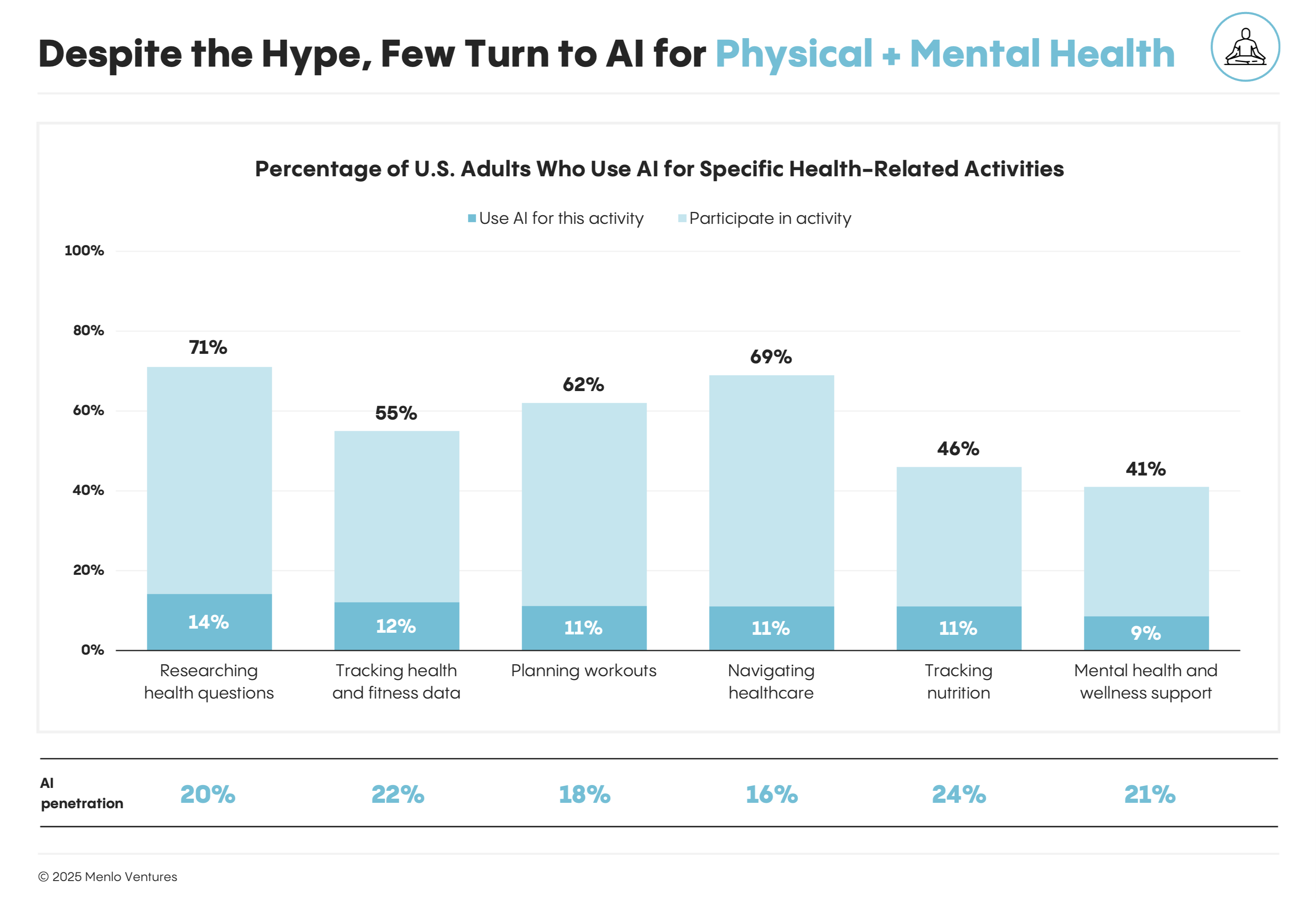
The non-AI drivers here are profound: post-pandemic demand for holistic solutions uses biofeedback wearables, while circular consumption of refurbished health devices reflects societal priorities for mental and physical well-being. This transforms healthcare through accessible, consumer-led tools, as WARC and Brandwatch emphasize. It’s part of the broader latest consumer tech trends 2025, bypassing complex AI for human-centric, personalized nutrition and mental health solutions driven by behavioral science.
Why it matters: This trend isn’t about replacing doctors but empowering individuals with data. As one expert puts it, “Wellness tech is putting prevention in the palms of our hands.” From sleep trackers to stress monitors, the focus is on daily habits that enhance longevity—all without over-relying on artificial intelligence.
Creator-Driven Tech Marketing Strategies: Authenticity Over Ads
Creator-driven tech marketing strategies leverage influencers and platforms like TikTok Shop for authentic promotion of budget gadgets through unboxings, niche reviews, and community-driven campaigns that build trust over traditional corporate ads. This approach, detailed by Brandwatch and Kanerika, thrives on genuine endorsements amid financial pressures and environmental awareness favoring second-hand markets.

Examples abound: brands reviving retro tech like Nokia’s Barbie flip phone or Tamagotchi stores, where creators amplify nostalgia and drive sales through relatable content. As Brandwatch notes, this taps into a desire for simplicity and sustainability. Contrast this with old marketing tactics—here, authenticity reigns, making it a key non-AI force in the latest consumer tech trends 2025. Reports from WARC and Brandwatch highlight how trust-driven campaigns outperform flashy ads.
- Key tactics: Unboxing videos that feel like a friend’s recommendation, niche communities on Discord or Reddit discussing tech hacks, and limited-edition drops promoted by micro-influencers.
- Impact: This strategy democratizes tech access, making gadgets feel more personal and less corporate. It’s a shift from top-down advertising to peer-to-peer persuasion.
New Social Formats in Tech: Blending Realities for Engagement
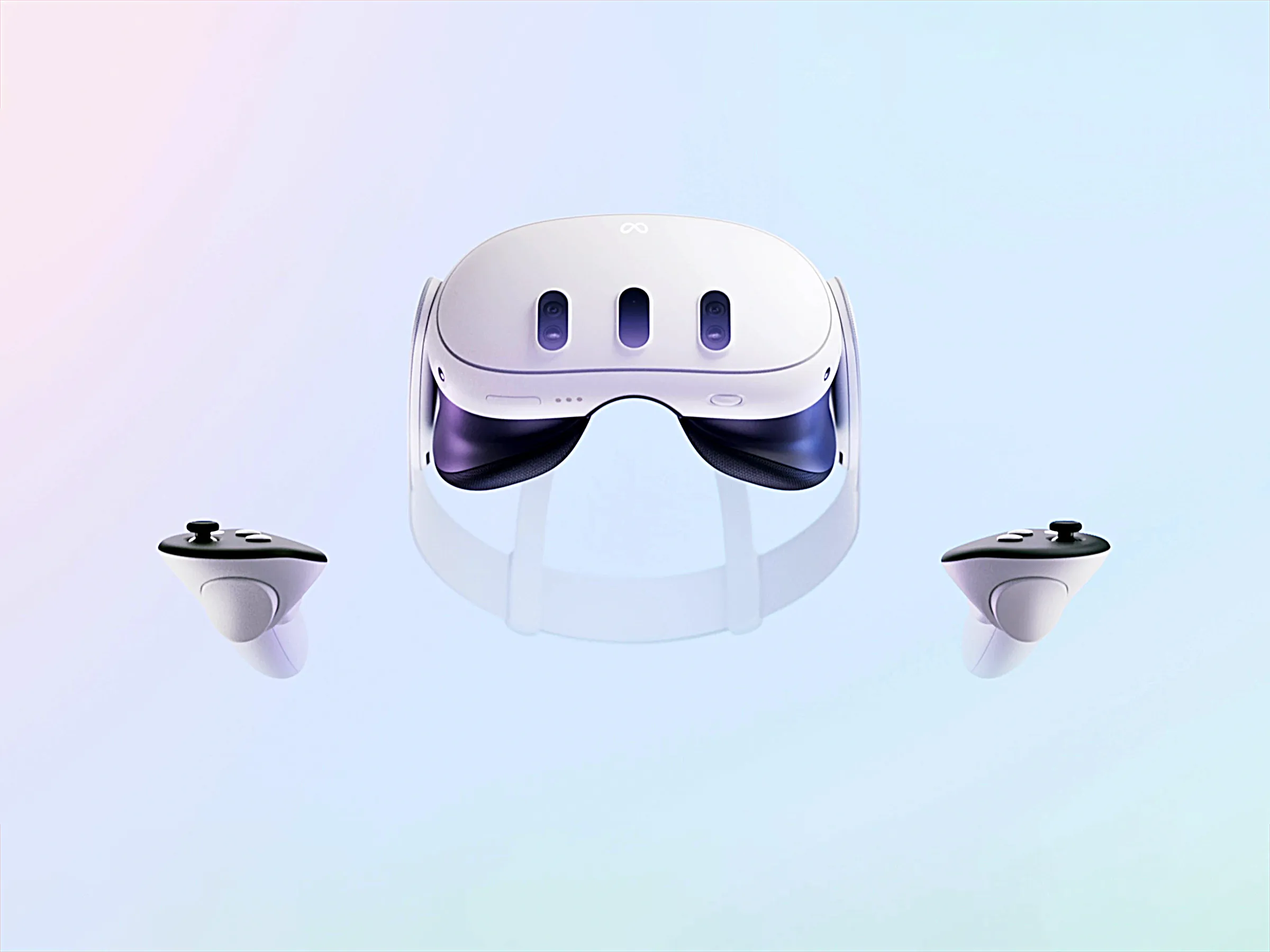
New social formats in tech encompass evolutions like AR/VR for virtual try-ons, mixed reality navigation in stores such as Walmart’s smart carts or Amazon Go’s cashierless experiences, and hybrid physical-digital events using XR devices that blur realities for education, exploration, and immersive shopping. Sources like Kanerika and Fantastic IT detail how these formats cater to younger demographics seeking interactive connectivity beyond screens.
But it’s not all high-tech—nostalgia-driven “dumb phones” are fostering virtual communities focused on reduced usage, redefining identity via sustainable platforms, as Brandwatch reports. This ties into the latest consumer tech trends 2025 by showing how these formats prioritize engaging, human-focused interactions over AI dominance. Imagine attending a concert via VR with friends across the globe or using AR to visualize furniture in your home before buying—these experiences emphasize connection over computation.
Why it’s gaining traction:
- Immersive shopping: Reduces returns and enhances confidence through virtual try-ons.
- Social detox: Devices like flip phones create communities advocating for digital minimalism.
- Hybrid events: Combine in-person energy with global accessibility, using XR to break geographical barriers.
As one trend watcher notes, “The future of social tech isn’t just about connecting people—it’s about enriching those connections with layered realities.”
Cross-Cutting Non-AI Themes: The Bigger Picture
Beyond individual trends, cross-cutting non-AI themes like sustainability through circular economy practices—think refurbished devices and clean energy tech—intersect all areas due to financial and environmental pressures. Regulatory shifts, supply chain adaptations, cultural movements like digital detox, privacy ethics, and personalization in wearables and smart homes are shaping the landscape, as referenced in WARC, Brandwatch, and Bernard Marr.
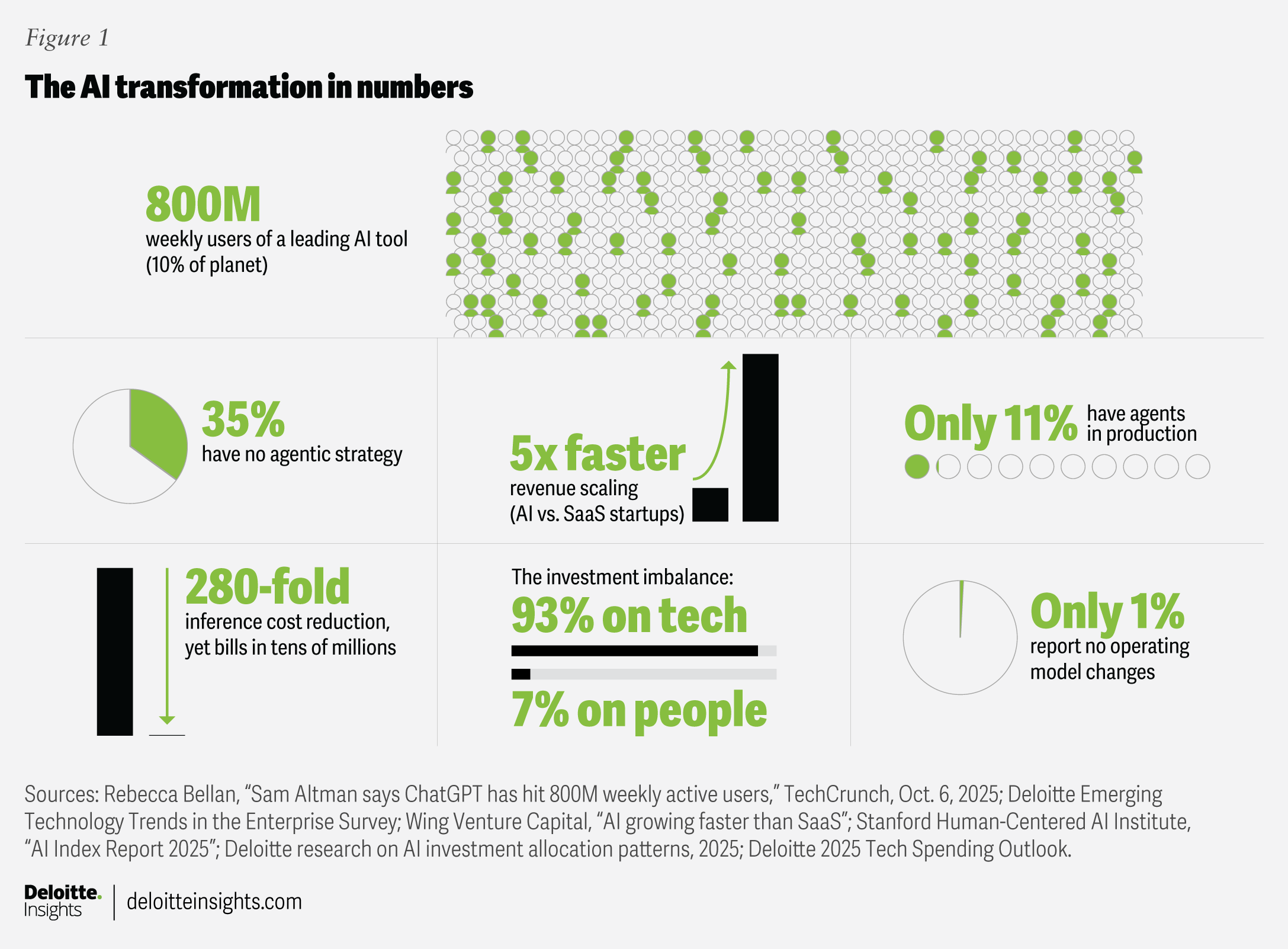
These factors collectively drive device ecosystem convergence, health and wellness tech 2025, creator-driven tech marketing strategies, and new social formats in tech toward ethical design, accessibility, and user control. For instance, sustainability isn’t just a buzzword; it’s fueling retro tech revivals and refurbished markets, while privacy concerns are pushing for transparent data handling in smart homes. This holistic view reinforces that the latest consumer tech trends 2025 are about balancing innovation with human values.
Now, let’s pivot to your role in this shift: What non-AI trend excites you most for 2025? Share your insights in the comments, or explore retro tech deals to experience the movement firsthand—because the future of tech is as much about people as it is about gadgets.

Frequently Asked Questions
What are the main non-AI drivers in the latest consumer tech trends 2025?
Key drivers include nostalgia for retro tech, sustainability practices like circular economies, post-pandemic health priorities, financial pressures favoring budget gadgets, and cultural shifts toward authenticity and human-centric design. These forces are detailed in reports from WARC and Brandwatch.
How does device ecosystem convergence differ from traditional smart home tech?
Convergence integrates multiple systems—smart homes, wearables, IoT—into a seamless network that learns user habits for energy optimization without complex AI. It emphasizes cross-platform compatibility and user control, as explored in our guides on best smart home devices and getting started with smart homes.
Why is health and wellness tech 2025 focusing on wearables like smart rings?
Smart rings offer subtle, 24/7 monitoring of vital signs like heart rate and sleep, aligning with post-pandemic demand for proactive, holistic well-being. They blend fashion and function, as seen with the Gucci Oura ring, and are part of a larger trend toward accessible health tools, covered in innovations in wearable tech.
How do creator-driven tech marketing strategies build trust?
By leveraging influencers for authentic promotions—like unboxings and niche reviews—these strategies foster community and nostalgia, making tech feel more relatable than corporate ads. This approach is effective for budget and retro gadgets, as noted by Brandwatch.
What are examples of new social formats in tech?
Examples include AR/VR for virtual try-ons, cashierless stores like Amazon Go, hybrid events using XR, and communities around “dumb phones” for digital detox. These formats prioritize immersive, human-focused interactions, as discussed in Kanerika and Fantastic IT.
How do sustainability and privacy intersect with these trends?
Sustainability drives circular economy practices like refurbished devices, while privacy concerns push for ethical data handling in convergent ecosystems. Both themes emphasize user control and ethical design across all trends, referenced in WARC and Brandwatch reports.