
Search Intent: The Secret Weapon for SEO Keyword Success
Estimated reading time: 12 minutes
Key Takeaways
- Ignoring search intent is a top reason for low traffic, even with solid keyword research.
- The four core types—informational intent, navigational intent, commercial intent, and transactional intent—dictate your content format.
- Identifying primary keyword search intent through SERP analysis is a non-negotiable step in keyword research.
- Long tail keywords often reveal nuanced intent and offer lower competition.
- Optimizing content to match intent boosts rankings and conversions, turning SEO keywords into real results.

Table of Contents
- Search Intent: The Secret Weapon for SEO Keyword Success
- Key Takeaways
- The Stats Don’t Lie: Why Search Intent Is Your SEO Linchpin
- What Is Search Intent? A Deep Dive into the Four Core Types
- How to Identify Search Intent: A Step-by-Step Guide for Keyword Research
- Mastering Keyword Research Best Practices Tailored to Search Intent
- Actionable Strategies to Optimize Content for Each Search Intent Type
- Real-World Examples and Case Studies: Search Intent Optimization in Action
- Final Checklist and Next Steps: Audit Your Keyword Research for Search Intent Mastery
- Frequently Asked Questions

The Stats Don’t Lie: Why Search Intent Is Your SEO Linchpin
Here’s a hard truth: 80% of pages ranking on page 1 perfectly match search intent. If your content misses the mark on search intent—the underlying purpose behind a user’s search query—even the most diligent keyword research won’t save you from obscurity. Search intent is the compass that guides users to answers, whether they want to learn, navigate, compare, or buy. Mastering primary keyword search intent isn’t just an SEO tactic; it’s the foundation for unlocking higher rankings for your SEO keywords. As research shows, ignoring intent leads to frustratingly low traffic, no matter how many keywords you stuff into a page. Keyword research without intent alignment is like building a house on sand—it might look good, but it won’t stand.
What Is Search Intent? A Deep Dive into the Four Core Types
Precisely, search intent is the reason why someone types a query into Google. It’s categorized into four main types to guide your SEO keywords optimization strategy. Understanding these is critical for creating content that resonates.
- Informational Intent: Users seek knowledge or answers. Think queries like “how to start a blog,” “what is SEO,” or “guide to digital marketing.” These users are in learning mode, so content should be educational—blogs, tutorials, or FAQs. As noted by industry experts, matching this intent builds authority and trust.
- Navigational Intent: Users want to reach a specific website or page. Examples include “amazon homepage” or “Facebook login.” Here, the goal is direct access, so optimize with clear, fast-loading landing pages. Studies emphasize that failing to serve this intent can lose brand traffic.
- Commercial Intent: Users are researching before a purchase. Queries like “best laptops for students,” “iPhone vs. Samsung comparison,” or “top project management tools” signal this intent. Content should be review-style, with lists, comparisons, and pros/cons. Sources highlight that this intent bridges information and transaction.
- Transactional Intent: Users are ready to buy or take action. Look for keywords like “buy wireless headphones,” “order pizza online,” or “discount code Nike.” Product pages with strong CTAs, pricing, and specs are key. Analyses show that this intent drives direct conversions.

Comparison Table: Search Intent Types at a Glance
Use this table to quickly match intent to your content strategy.
| Intent Type | Example SEO Keywords | Matching Content Format | Common SERP Features |
|---|---|---|---|
| Informational | “what is search intent,” “how to meditate” | Blog posts, guides, videos | Featured snippets, “People Also Ask” |
| Navigational | “YouTube login,” “Apple support” | Branded landing pages | Site links, knowledge panels |
| Commercial | “best running shoes 2025,” “Adobe vs. Canva” | Comparison lists, reviews | Product carousels, review snippets |
| Transactional | “buy ergonomic chair,” “download Photoshop” | Product pages, checkout flows | Shopping ads, local packs |
How to Identify Search Intent: A Step-by-Step Guide for Keyword Research
Identifying primary keyword search intent isn’t guesswork—it’s a systematic process. Follow these steps during your keyword research to ensure accuracy.
- Analyze Query Words: Look for modifiers like “best” (signaling commercial intent) or “how to” (indicating informational intent). For example, “best keywords for SEO” vs. “what are SEO keywords.”
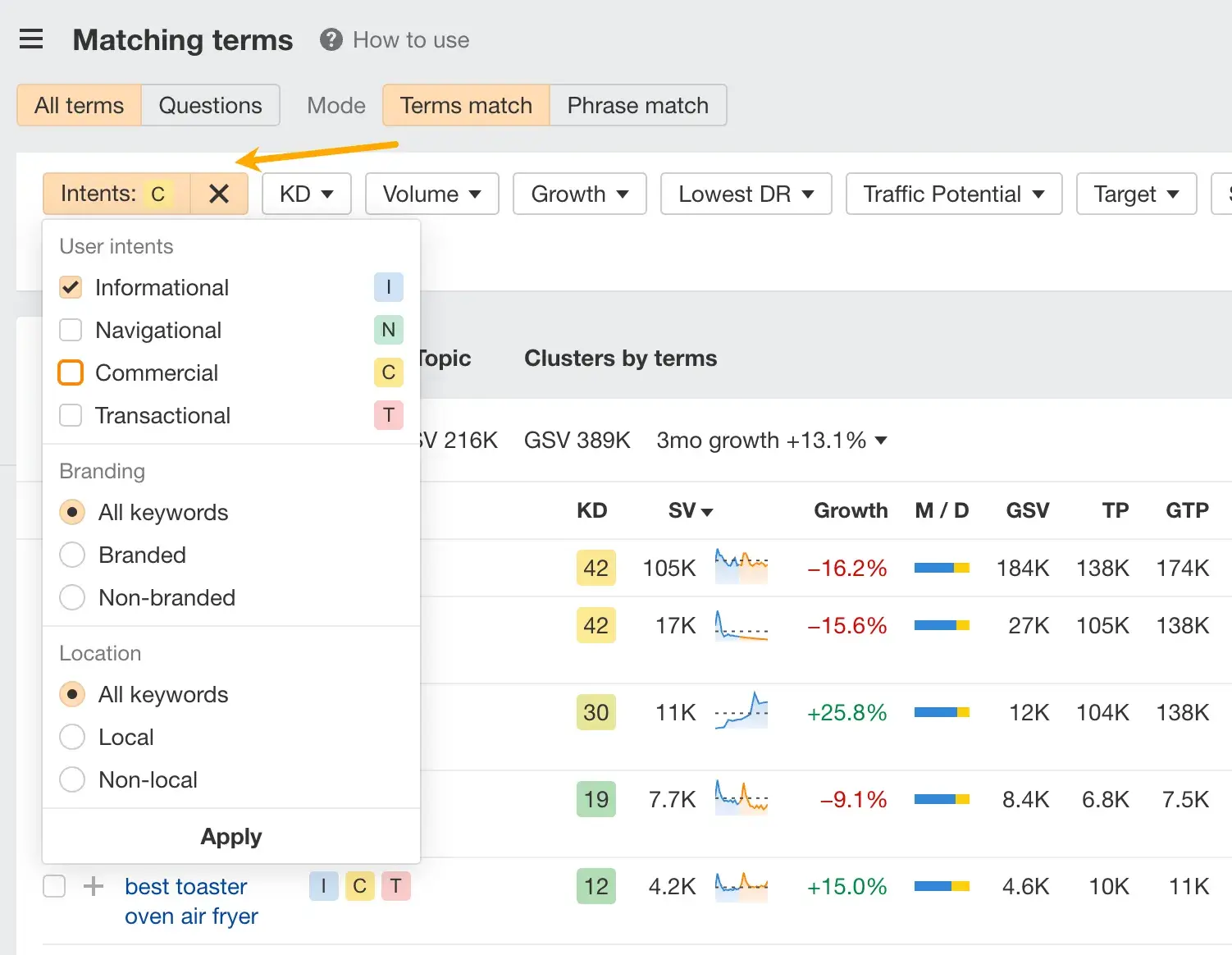
- Check Google Autofill and “People Also Ask”: These features reveal related queries and intent clues. If you type “search intent,” autofill might suggest “search intent types,” hinting at informational needs.
- Review Top SERPs: See what’s ranking. Are the top results guides (informational intent) or product pages (transactional intent)? As recommended, this mirroring is crucial for content planning.
- Use SEO Tools: Platforms like Ahrefs or SEMrush offer intent labels and metrics for long tail keywords. For instance, a tool might flag “best running shoes for women with flat feet” as having nuanced commercial intent. Tools like Spyfu can automate this analysis, saving time.
Pro Tip: When analyzing long tail keywords, pay attention to search volume and difficulty. These best keywords often have lower competition but higher conversion potential when intent is matched.
Mastering Keyword Research Best Practices Tailored to Search Intent
Effective keyword research goes beyond volume; it hinges on intent alignment. Here’s how to find and prioritize SEO keywords that convert.
- Generate Keywords with Intent in Mind: Start with brainstorms, then use Google autofill and tools to expand. Filter for best keywords that show commercial or transactional potential—e.g., “buy” or “review” terms.
- Prioritize by Search Volume, Difficulty, and Intent Match: A high-volume keyword with mismatched intent is worthless. Use tools to assess all three factors. Data suggests that intent match often outweighs sheer volume.
- Leverage Long Tail Keywords: Phrases like “affordable yoga mats for beginners” offer lower competition and clearer intent signals. They’re gold for targeting specific informational intent or commercial intent niches.
- Match Keywords to Page Types: Group SEO keywords into intent clusters. For example, use listicles for commercial intent and how-tos for informational intent. This approach streamlines content creation.
- Spot Gaps by Analyzing Competitor SERPs: Look for underserved intents. If all top results for “cloud storage” are transactional, an informational guide might fill a gap. This strategy can uncover opportunities.
“Keyword research without understanding search intent is like sailing without a compass—you might move, but you won’t reach your destination.” — Adapted from SEO best practices.
Actionable Strategies to Optimize Content for Each Search Intent Type
Once you’ve identified intent, optimization is key. Here are tailored tactics for each type to boost your SEO performance.
For Informational Intent:
- Create in-depth guides with step-by-step instructions and visuals.
- Use FAQs to address common questions directly.
- Incorporate data and citations to enhance EEAT (Expertise, Authoritativeness, Trustworthiness).
For Commercial Intent:
- Build comparison tables with pros/cons and ratings.
- Write “best” lists that include product recommendations and buyer tips.
- Add user reviews or testimonials to build credibility.
For Transactional Intent:
- Feature strong CTAs like “Buy Now” or “Download Here.”
- Display pricing, specs, and availability prominently.
- Use urgency elements like limited-time offers or stock indicators.
For Navigational Intent:
- Ensure branded pages load quickly and have clear navigation.
- Optimize title tags and meta descriptions with brand names.
General Optimization Checklist:
- Do: Use power words and numbers in titles (e.g., “Top 10 Best Keywords for 2025”).
- Do: Add location modifiers to SEO keywords for local intent.
- Do: Test video or interactive formats for engaging informational content.
- Don’t: Mix intents on a single page—keep focus clear.
- Don’t: Ignore SERP features; optimize for featured snippets or shopping ads.
Real-World Examples and Case Studies: Search Intent Optimization in Action
Let’s dissect real queries to see intent in play. These examples show how aligning content with intent drives rankings.
Example 1: “best project management software”
- Intent: Clearly commercial intent—users are comparing options.
- SERP Analysis: Top results are comparison posts, listicles, and review sites. Product pages rank lower.
- Takeaway: To rank, create a detailed comparison guide, not a sales pitch.
Example 2: “Trello login”
- Intent: Pure navigational intent—users want to access Trello.
- SERP Analysis: The official Trello login page dominates, with site links for quick access.
- Takeaway: For branded terms, ensure your landing page is optimized and accessible.
Mini Case Study: Intent Clustering for Campaign ROI
A digital agency grouped long tail keywords by intent for a client in the fitness niche. For instance, they clustered “how to lose weight fast” (informational) with “best weight loss supplements” (commercial) and “buy protein powder” (transactional). By creating intent-specific content clusters, they saw a 40% increase in organic traffic and higher conversion rates within three months. Tools that analyze intent were pivotal in this success.

Keyword Examples by Intent (with SERP Analysis):
- Informational: “what is search intent for SEO” – SERPs show blog posts and definition cards.
- Commercial: “best keywords research tool” – SERPs feature comparison articles and tool reviews.
- Transactional: “purchase Ahrefs subscription” – SERPs highlight pricing pages and sign-up CTAs.
- Navigational: “Google Search Console” – SERPs direct to Google’s official tool page.
Final Checklist and Next Steps: Audit Your Keyword Research for Search Intent Mastery
Ready to take action? Use this checklist to audit your keyword research and content for search intent alignment.
- [ ] Audit Existing SEO Keywords: Review your top pages. Do they match the intent of their target keywords? Use tools like SEMrush to check intent labels.
- [ ] Reoptimize Top Pages: For mismatched pages, rewrite content to fit intent. For example, turn a product page into a comparison guide if needed.
- [ ] Test with Analytics: Monitor traffic and conversions after changes. SEO data analysis helps measure impact.
- [ ] Group Keywords into Intent Clusters: Organize your best keywords by intent for focused content campaigns.
- [ ] Stay Updated: Search intent evolves. Regularly check SERPs for new trends, especially for long tail keywords.

Next Steps: Download our free search intent cheat sheet, start your audit today, and watch your rankings climb. Implement these strategies to transform your keyword research from a guessing game into a precision tool.
Frequently Asked Questions
The biggest mistake is targeting high-volume keywords without checking intent. For example, using a transactional keyword like “buy laptop” for an informational blog post. This mismatch leads to high bounce rates and poor rankings. Always analyze SERPs to confirm intent before creating content.
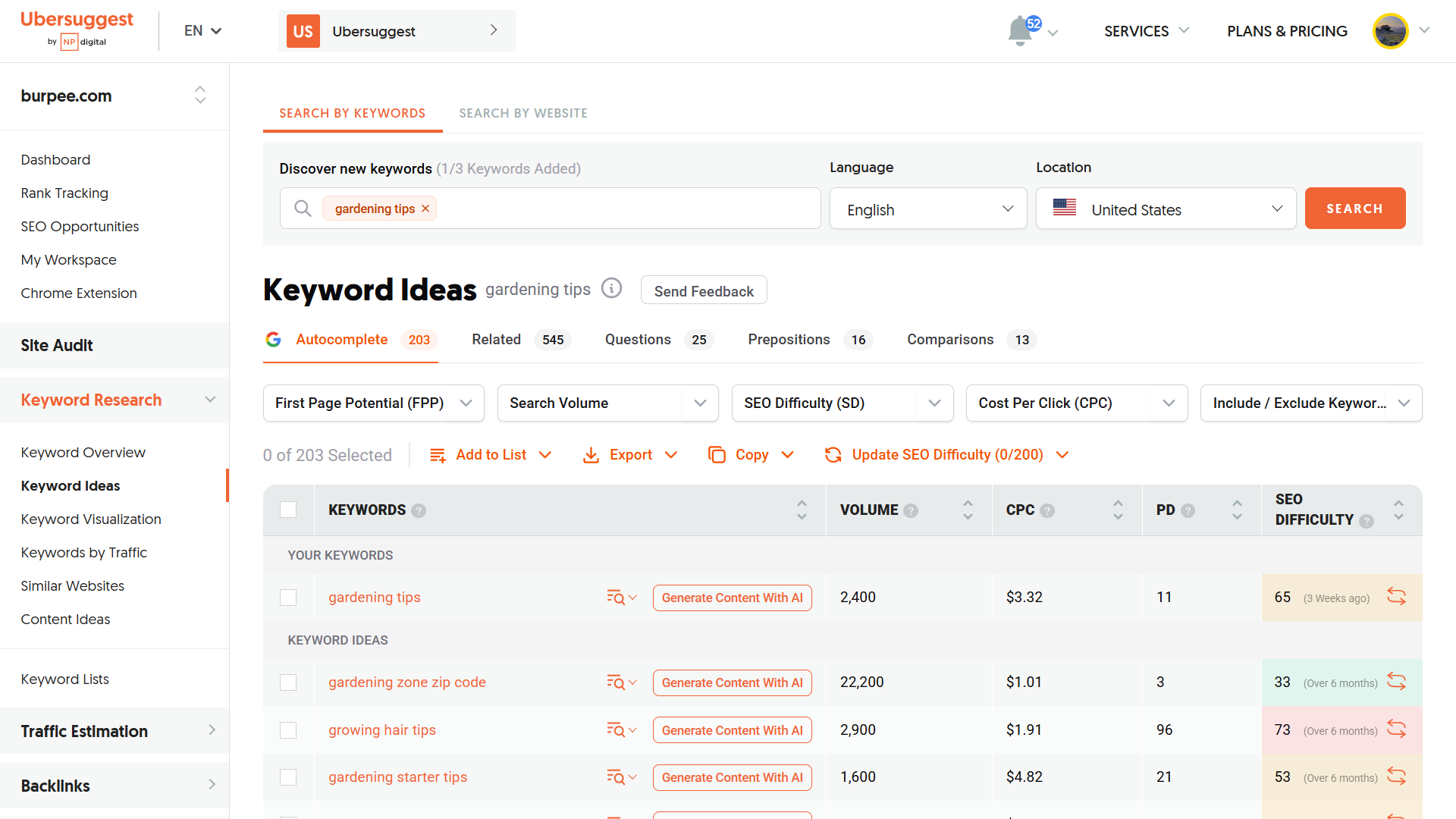
For long tail keywords, follow the same steps as for broader terms: analyze query words, check Google features, and review SERPs. Tools like Ahrefs often provide intent classifications. For instance, “affordable vegan recipes for beginners” typically has informational intent, signaled by the “for beginners” modifier.
Yes, intent can evolve. For example, “Netflix” might have started with informational intent but now is heavily navigational. Regularly monitor SERPs and user behavior. Google’s algorithm updates may also shift intent signals, so stay agile in your keyword research.
Generally, no. Mixing intents confuses users and search engines. Focus on one primary intent per page. If a keyword has blended intent (e.g., “iPhone 15 review” which could be commercial or informational), choose the dominant intent based on SERP analysis and create a dedicated page.
For local SEO, intent often includes navigational or transactional elements. Keywords like “coffee shop near me” have local intent. Optimize with location modifiers, Google My Business listings, and clear CTAs. Matching intent here means providing directions, hours, and contact info prominently.