
AI-Powered Camera Features in Smartphones: Your Pocket-Sized Pro Studio
Estimated reading time: 8 minutes
Key Takeaways
- AI is the core of modern mobile photography, automating complex edits and scene analysis to make professional results accessible to everyone.
- Revolutionary 2025 updates like generative fill, real-time coaching, and seamless object editing are defining the latest smartphone camera technology.
- Phones like the Google Pixel 10 Pro and Samsung Galaxy S25 Ultra lead the pack with specialized AI-powered camera features.
- Real-world applications span flawless portraits, bright night shots, and incredible zoom, fundamentally changing how we capture moments.
- While offering immense creative power, consider processing demands and the balance between automation and skill when choosing your next device.
Table of Contents
- AI-Powered Camera Features in Smartphones: Your Pocket-Sized Pro Studio
- Key Takeaways
- The AI Photography Revolution Has Arrived
- The Foundation: Computational Photography & AI
- Beyond the Snap: AI for Image Quality & Processing
- Seeing the World Like AI: Object Detection & Tracking
- The Democratization of Pro Photography
- Revolutionary AI Camera Updates Defining 2025
- Glimpsing the Future: Upcoming AI Camera Trends
- The Contenders: Best AI-Powered Camera Phones of 2025
- AI in Action: Real-World Applications
- How AI is Fundamentally Changing the Way We Take Photos
- The Double-Edged Lens: Benefits & Limitations
- Your Buying Guide: What to Look For
- Frequently Asked Questions (FAQ)
The AI Photography Revolution Has Arrived
AI-powered camera features in smartphones have revolutionized mobile photography by automating scene analysis, enhancing image quality, and enabling pro-level edits without manual intervention, making high-quality photos accessible to everyone. This transformation is powered by the incredible advancements showcased in the top AI phones of 2025 and the sophisticated capabilities detailed in analyses of AI camera features in 2025 and the best camera phones for 2025.
Ever wondered how your smartphone captures stunning portraits or night shots that rival professional cameras? The journey from basic point-and-shoot to the latest smartphone camera technology is a tale of silicon and software, where AI-powered camera features in smartphones do the heavy lifting.
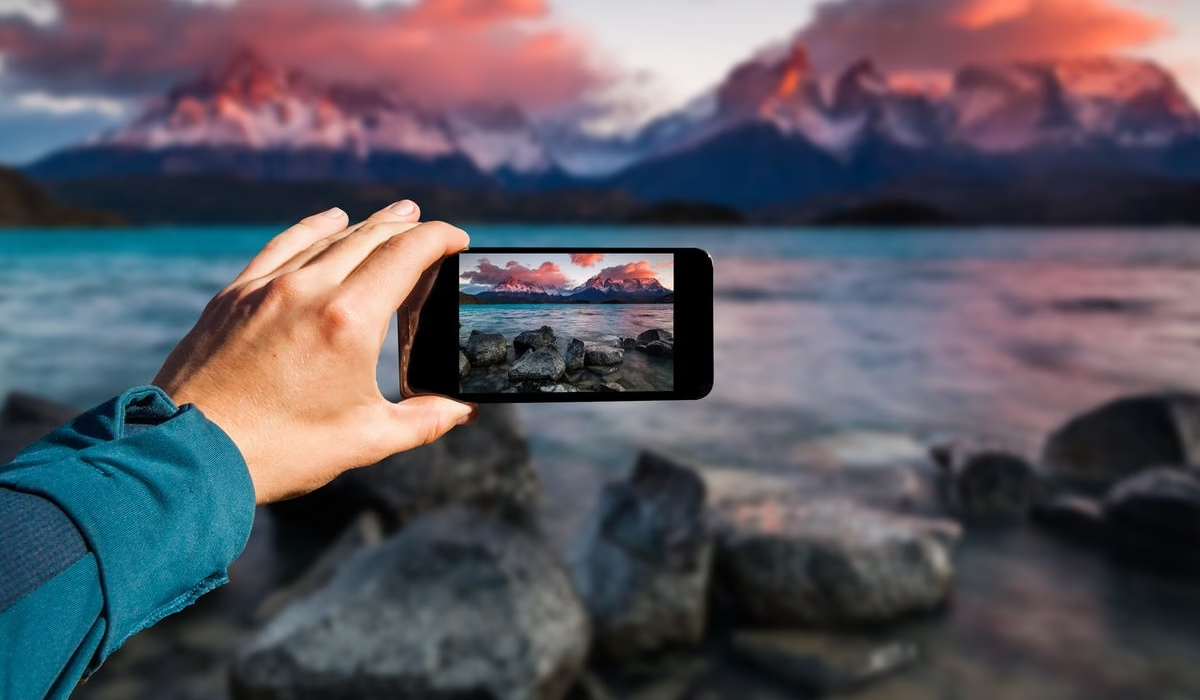
In this guide, you’ll learn about the latest advancements, key trends, the top phones for 2025, and how these features work in real life. We’ll explore the benefits, the limitations, and provide essential buying tips—everything you need to understand how AI satisfies our hunger for perfect pictures. Let’s dive in.
The magic behind your phone’s camera is no longer just about bigger lenses; it’s driven by computational photography, where AI processes multiple images in a blink to achieve superior focus, color, and detail. This foundational shift is what makes modern AI phones and their AI cameras so powerful, setting the stage for the defining trends of 2025 and beyond.
The Foundation: Computational Photography & AI
At the heart of the latest smartphone camera technology lies computational photography. This isn’t just a fancy term; it’s the method where AI and software process data from multiple image captures simultaneously. The goal? To produce a single photo with better focus, color accuracy, and detail than any single physical lens could achieve on its own.
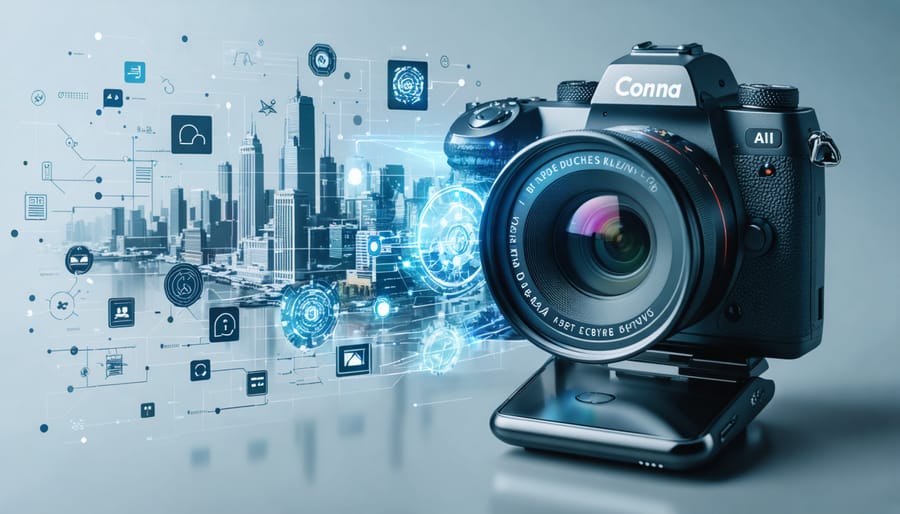
Key advancements powered by this approach include:
- Real-Time Scene Recognition: Your phone’s AI instantly analyzes the viewfinder, identifying a landscape, a portrait, food, or a pet. It then automatically adjusts settings like HDR (High Dynamic Range) to balance bright skies and dark shadows, tweaks white balance for true-to-life colors, and even optimizes skin tones for flattering portraits.
- Generative AI Infill: This cutting-edge feature, emerging strongly in 2025, allows the camera to intelligently fill in gaps. If you slightly crop a photo awkwardly or want to extend the edges of an image, AI generates realistic content to seamlessly complete the scene. It’s like having a digital artist built into your edit menu.
These capabilities, as explored in features on the best AI phones and the evolution of AI cameras, are what turn a simple snap into a crafted image. They represent the core of how smartphone photography skills are now augmented by intelligence, not just hardware.
Beyond the Snap: AI for Image Quality & Processing
The moment after you press the shutter is where another layer of AI magic happens. AI-powered camera features in smartphones analyze the captured photo to perform a digital “developing” process that would make a darkroom expert jealous.
This post-capture analysis involves:
- Lighting Adjustment: AI can selectively brighten faces in shadow or tame overly bright highlights, ensuring the subject is perfectly lit.
- Noise Reduction: In low-light photos, unwanted graininess (noise) is a common problem. AI algorithms are exceptionally good at identifying and removing this noise while preserving critical detail, resulting in cleaner, sharper images.
- Detail Enhancement: Textures in fabrics, edges of buildings, individual strands of hair—AI can sharpen and enhance these details, giving photos a crisp, professional finish.
This sophisticated processing is a hallmark of leading devices, turning everyday shots into gallery-worthy images as noted in reviews of the top 10 AI phones for 2025 and analyses of current AI camera features. It’s a key part of the ai driven photography trends that prioritize computational perfection.
Seeing the World Like AI: Object Detection & Tracking
One of the most practical ai driven photography trends is the camera’s ability to understand what it’s looking at. Using machine learning trained on millions of images, your smartphone can now identify specific subjects like a person’s face, a pet, a speeding car, or a soccer ball.
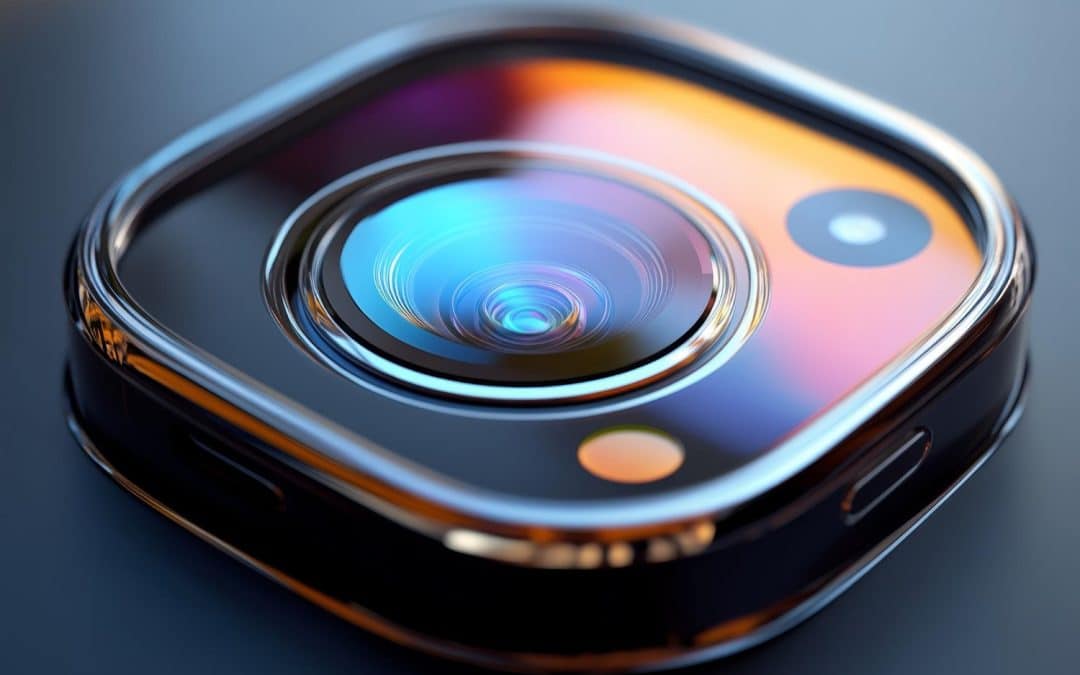
The real-world impact is huge:
- Continuous Focus: Once a subject is identified, the AI can lock focus onto it, tracking it as it moves across the frame. This is invaluable for action shots—whether it’s kids running in the park or an athlete in motion—ensuring your subject remains sharp while the background blurs appropriately.
- The “Decisive Moment”: Some AI systems go a step further, predicting movement to capture the perfect moment, like when a jumper is at the peak of their leap or a pet makes a funny expression. This moves photography from reactive to predictive.
As highlighted in discussions on AI camera features, this object intelligence is what makes modern AI-powered camera features in smartphones feel so intuitive and capable.
The Democratization of Pro Photography
The cumulative effect of these AI advancements is nothing short of revolutionary. Users can now excel in photographic scenarios that were once the exclusive domain of dedicated cameras and skilled photographers:
- Portraits: With perfect background blur (bokeh) and skin-tone optimization.
- Landscapes: With dynamic range that captures both the brilliant sunset and the foreground details.
- Low-Light: With bright, clear, noise-free night shots.
- Superzoom: With clear details even at extreme digital zoom levels.
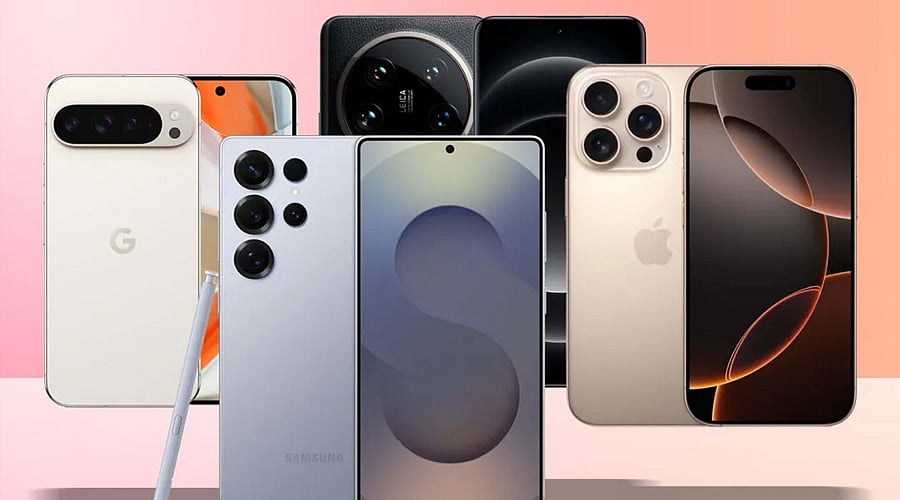
This empowerment means smartphone photos are genuinely competing with traditional cameras for everyday and even professional use, a trend confirmed by the capabilities of phones listed among the top AI phones and the evolving camera phone trends of 2025. It’s the ultimate expression of ai driven photography trends.
Revolutionary AI Camera Updates Defining 2025
The year 2025 has firmly established AI as the undisputed king of smartphone photography, with its intelligence underpinning every stage from capture to edit. A key trend is the move toward on-device processing—running complex AI models directly on the phone’s chipset (like the Snapdragon 8 Elite or Tensor G5). This enhances privacy by keeping your data local and boosts speed, eliminating the need to wait for cloud processing.
Let’s examine the specific revolutionary ai camera updates in today’s flagship phones:
| Phone Model | Key AI Updates | Impact on Photos |
|---|---|---|
| Xiaomi 15 Ultra | Magic Edit (edits objects seamlessly), AI Artistry (stylizes images), AI Film (converts photos to videos), Image Expansion (extends photo edges with generated content) | Turns photos into cinematic videos; expands images intelligently. Source: Vertu. |
| Google Pixel 10 Pro/XL | Super Res Zoom (up to 100x with AI-generated details), Best Take (swaps faces for perfect group shots), Magic Editor (repositions or removes objects), Add Me (adds photographer to group photos), Video Boost (enhances video quality) | Adds people to groups seamlessly; generates realistic zoom details; selects optimal expressions. Sources: Vertu, Stuff.tv, TechRadar. Related: Pixel 9 release analysis. |
| Samsung Galaxy S25 Ultra | ProVisual Engine (AI-powered processing pipeline), Camera Coach (real-time framing and composition advice), AI scene recognition | Provides real-time tips like “move closer”; enhances 100x zoom clarity. Sources: Vertu, Samsung. Related: Samsung sensor tech. |
| iPhone 16 Pro Max | Upcoming AI upgrades via software updates | Enhanced editing tools and processing capabilities in future iOS releases. Source: Vertu. |

These features are made possible by the unstoppable march of AI-powered smartphones, where the chipset is as important as the lens.
Glimpsing the Future: Upcoming AI Camera Trends
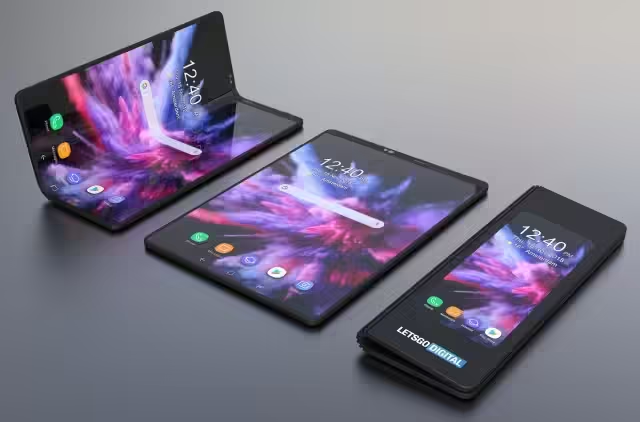
As we look toward 2026, the revolutionary ai camera updates are set to deepen. Expect more powerful on-device generative AI that can create or alter complex scene elements locally on your phone with even greater speed and privacy. Furthermore, as foldable phones become more mainstream, AI will play a crucial role in optimizing camera performance for their unique form factors, using software to compensate for hardware constraints or enabling new creative modes that leverage the flexible display.

These forthcoming innovations, hinted at in analyses of AI phone features and 2025 trends, ensure the latest smartphone camera technology will continue its rapid evolution.
The Contenders: Best AI-Powered Camera Phones of 2025
Choosing the right tool matters. Here’s a comparison of the leading devices that embody the best ai powered camera phones 2025 has to offer.
| Phone | Camera Highlights | AI Standouts | Price (USD, approx.) | Best For |
|---|---|---|---|---|
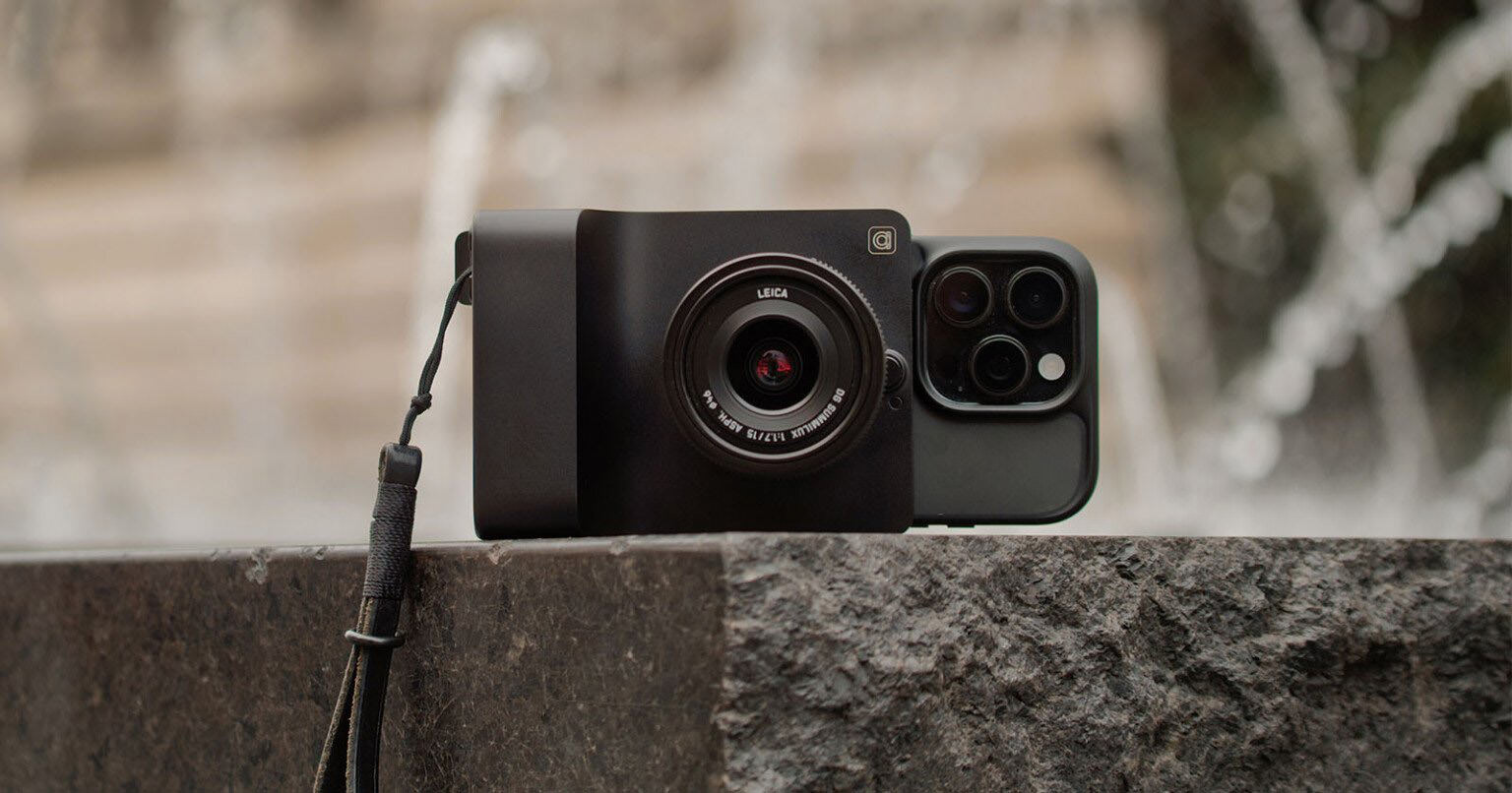
| Xiaomi 15 Ultra | Pro-grade camera system with 32MP selfie camera, optional professional kit lens | Magic Edit, AI Subtitles for videos, Image Expansion | $1,099 | Photography enthusiasts seeking raw power and creative tools. Source: Vertu. |
| Google Pixel 10 Pro/XL | 50MP main sensor, 48MP ultrawide and telephoto, 42MP selfie | Super Res Zoom, Best Take, Magic Editor for effortless edits | $999 | Users wanting supreme AI-driven camera intelligence and the most intuitive editing. Sources: Vertu, Stuff.tv, TechRadar. |
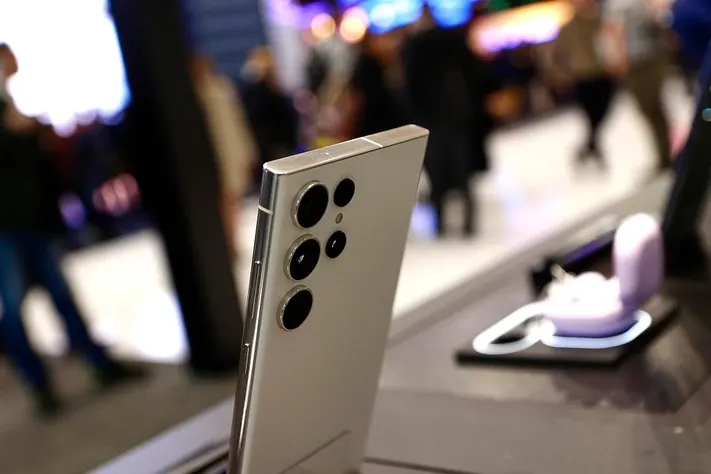
| Samsung Galaxy S25 Ultra | 50MP wide, 10MP 3x telephoto, 12MP ultrawide and selfie | ProVisual Engine, Camera Coach for guided shooting | Not specified | Versatile performance with top-tier zoom and real-time coaching for all skill levels. Sources: Vertu, Samsung. |
| Honor Magic V5 | Advanced AI video enhancements in foldable form | Deepfake detection, real-time translation in videos | $1,099 | Creative users with foldables needing innovative tools and on-the-go video smarts. Source: Vertu. |
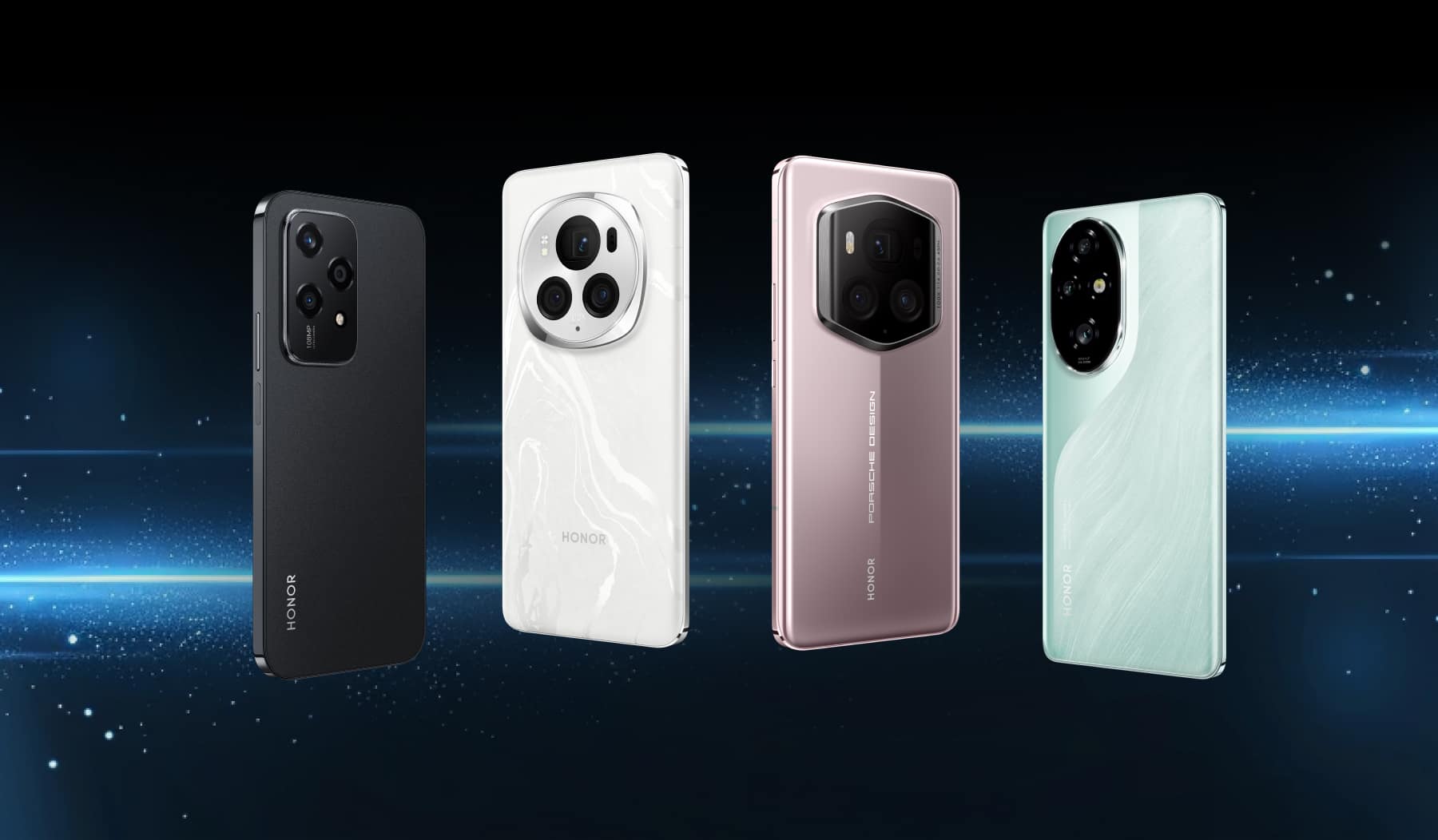
Quick Recommendations:
- For Raw Photo Power & Creativity: Xiaomi 15 Ultra.
- For Smart, Effortless AI Edits: Google Pixel 10 Pro/XL.
- For All-Around Versatility & Coaching: Samsung Galaxy S25 Ultra.
- For Foldable Innovation: Honor Magic V5.
These picks, informed by rankings of the top AI phones and assessments of the best camera phones, help you match a device to your needs. For a broader view of the market, consider the pros and cons of recent releases.
AI in Action: Real-World Applications
How do these ai powered camera features in smartphones translate to your daily photos? Let’s break it down with concrete examples:
- Portrait Mode & Bokeh Effects: AI doesn’t just blur the background; it intelligently detects the subject’s edges (like hair or glasses) to create a natural, graduated blur that simulates a professional lens. It simultaneously optimizes lighting and skin tones for a flattering result. This technology, as seen in phones reviewed by Ideas2Tech and Ozmobiles, turns simple snapshots into studio-quality portraits.
- Low-Light Photography & Noise Reduction: When you take a night mode shot, the AI captures a rapid series of short-exposure images. It then analyzes them, aligns them to counteract hand shake, and merges the clearest parts of each frame. The result is a bright, detailed, and remarkably noise-free photo, all without the harshness of a flash.
- Superzoom & Telephoto Capabilities: When you zoom in beyond what the physical lens can provide, AI takes over. Using a process called “upscaling,” it generates plausible details to fill in the missing information, making a 100x zoom shot look surprisingly clear. Furthermore, AI tracking keeps a moving subject in focus during zoom, perfect for distant wildlife or sports. This is a standout feature in flagships like those noted by Vertu and Stuff.tv.

These applications are the living proof of ai driven photography trends, making complex techniques simple for the user.
How AI is Fundamentally Changing the Way We Take Photos
The shift is profound: we’ve moved from manual tweaks and hoping for the best to expecting effortless, excellent results every time. AI handles the technicalities:
- Auto-Selfie Adjustments: The camera can now guide you with prompts (“tilt your head slightly”) or automatically enhance angles and expressions.
- Action Tracking for Pets/Kids: No more blurry pictures of your fast-moving dog—AI locks on and maintains focus.
- Post-Capture Magic: The ability to literally change the composition of a photo after the fact—removing photobombers, repositioning subjects, or even converting a series of stills into a short video—is now a reality.
This evolution creates a pocket-sized creative suite that rivals professional gear, empowering everyone to tell their visual story. Insights from Vertu, Ideas2Tech, and Digital Camera World underscore this transformative trend.
The Double-Edged Lens: Benefits & Limitations
While the benefits are immense, a balanced view is essential.
Benefits:
- Effortless Pro-Level Results: Stunning photos are now a button-press away, requiring no technical knowledge.
- Mastery in Challenging Conditions: AI excels in low-light and high-contrast scenes, producing usable images where older phones would fail.
- Unprecedented Creative Freedom: Generative AI tools allow for edits that were once impossible, like seamlessly adding or removing elements from a scene.

Limitations:
- Processing Power & Battery Drain: Running complex AI models is resource-intensive, which can slow down the phone and consume battery life faster. Choosing a phone with a powerful, efficient chipset is key.
- Potential Over-Reliance: There’s a risk that constant automation could hinder the development of fundamental photographic skills and artistic choice.
- Privacy Considerations: While on-device processing mitigates this, cloud-based AI features require sending your photos to remote servers, raising data privacy questions for some users.
Understanding these trade-offs, as discussed in analyses of AI phone features and the top AI phones, is crucial. For devices that manage power well, consult guides on the best smartphones with long battery life.
Your Buying Guide: What to Look For
Ready to upgrade? When hunting for a smartphone with top ai powered camera features in smartphones, prioritize these elements:
- AI-Specific Processor: Look for chipsets built with AI in mind, like Google’s Tensor G5, Qualcomm’s Snapdragon 8 Elite, or Apple’s latest A-series Bionic. These enable faster, on-device AI processing.
- Feature Set: Decide which AI capabilities matter most to you. Is it scene optimization for hassle-free shooting, zoom AI for distant subjects, or powerful editing tools like generative fill?
- Software Support: Long-term software support (e.g., 7+ years of OS updates for Google Pixel) ensures your phone’s AI features will improve and receive new capabilities over time.
- Sensor & Lens Hardware: AI works best with quality data. A high-megapixel main sensor, paired with dedicated ultrawide and telephoto lenses, gives the AI more raw material to work its magic.
Guides from Stuff.tv, Samsung, and Ideas2Tech consistently highlight these factors as critical for a future-proof AI camera experience.
Frequently Asked Questions (FAQ)
Q: Do AI camera features make phone photography “cheating”?
A: Not at all. Photography has always evolved with technology, from film development to digital sensors. AI is simply the latest tool in the creative process, automating technical tasks so you can focus on composition, moment, and expression. The final artistic vision is still uniquely yours.
Q: Can I turn off the AI features if I want more control?
A: Yes, most smartphones with advanced AI cameras offer a “Pro” or “Manual” mode that disables automatic scene optimization and processing, giving you full control over settings like ISO, shutter speed, and white balance.
Q: Are AI-edited photos considered “real”?
A: This is a modern philosophical question! For casual sharing and memory-keeping, AI-enhanced photos are perfectly valid. For photojournalism or documentary work, ethical standards require disclosing significant AI alterations. It’s important to understand the tools you’re using.
Q: Will AI make dedicated cameras obsolete?
A: For the vast majority of people and everyday use, smartphone AI cameras are more than sufficient. However, dedicated cameras (DSLRs, mirrorless) still hold advantages in ultimate image quality, lens variety, and manual control for professional photographers and serious enthusiasts. AI is closing the gap, but hasn’t eliminated it.
Q: How do I know if my phone’s AI is processing photos on-device or in the cloud?
A: Check your camera app settings or the phone’s privacy settings. Features that work instantly without an internet connection (like most scene optimizations and edits) are typically on-device. Functions that require a few seconds to process and may need an internet connection (like some advanced generative edits) might use the cloud. Manufacturers are increasingly promoting on-device AI for speed and privacy.
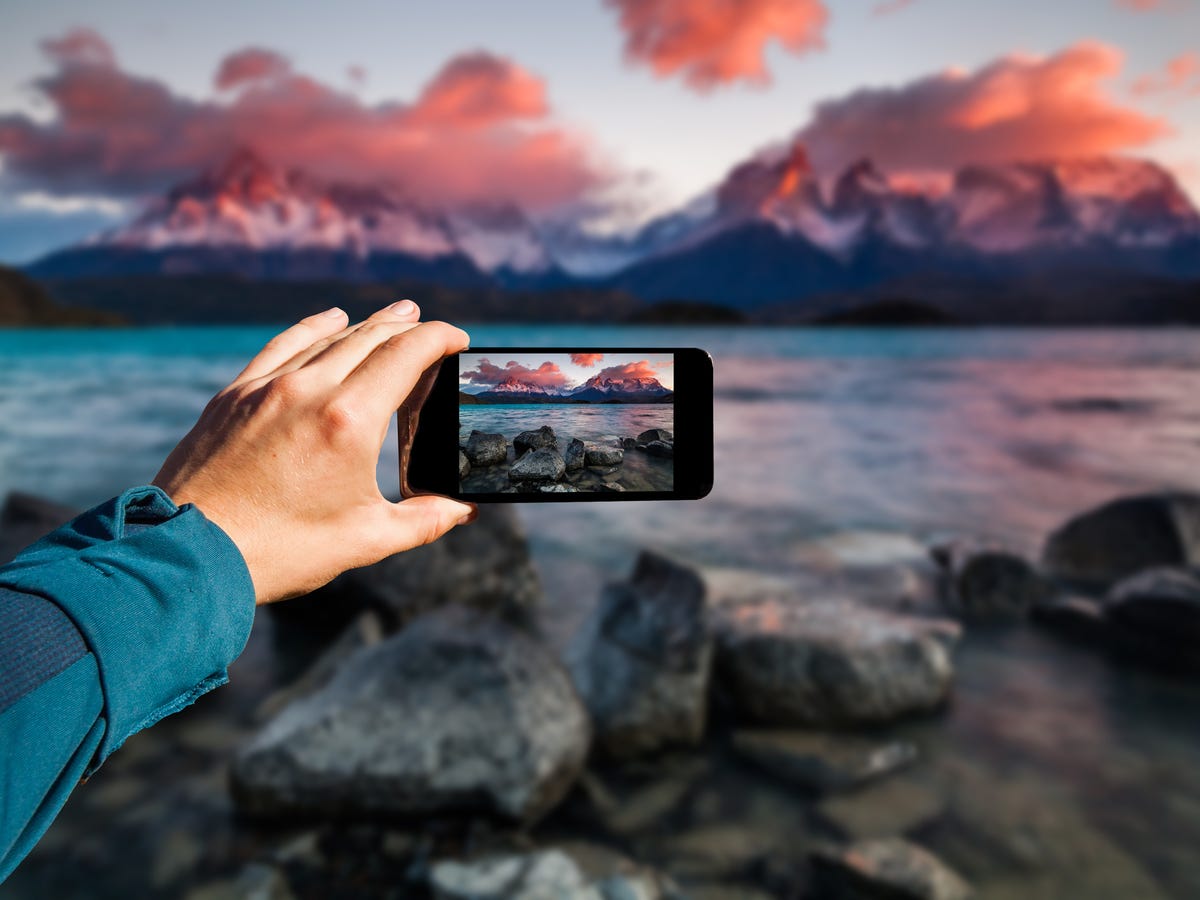
As AI continues to evolve, your next smartphone could be your most powerful creative tool yet—ready to capture life’s moments like never before.
Which ai powered camera features in smartphones excites you most? Share in the comments, and check out our recommendations to upgrade your photography game today.