
Unlocking the Chip: The Evolving Saga of Apple iPhone NFC Access Restrictions
Estimated reading time: 8 minutes
Key Takeaways
- The historical apple iPhone NFC access restrictions reserved the chip primarily for Apple Pay, limiting competition.
- Major regulatory pressure, especially from the European Commission, has forced Apple to open up apple NFC chip access rival companies in the EU and other regions.
- The EU Apple NFC access commitments mandate free, fair access for third-party wallets using Host Card Emulation (HCE) for a decade.
- Outside the EU, access is more limited, often using Secure Element (SE) APIs, as seen with voluntary extensions following the UK CMA Apple investigation.
- The opening of NFC is reshaping the Google Pay vs Apple Pay NFC dynamic, enhancing consumer choice but introducing new interoperability challenges.
- Global antitrust scrutiny continues, with a new Swiss probe launched in December 2025.
Table of contents
- Unlocking the Chip: The Evolving Saga of Apple iPhone NFC Access Restrictions
- Key Takeaways
- What Are NFC and Apple’s Historical Gatekeeping?
- Why NFC on Your iPhone Matters More Than You Think
- The Current Status: A Wall Crumbling
- The UK CMA Probe and Global Voluntary Extensions
- EU Apple NFC Access Commitments: A Paradigm Shift
- Access Outside the EU: A Different Path
- Recent Global Probes: Switzerland Joins the Fray
- Impact on Google Pay vs Apple Pay NFC
- Broader Effects on Rival Companies and Innovation
- Why Did Apple Restrict Access in the First Place?
- Consequences: Before and After the Opening
- Regional Differences and the Regulatory Sledgehammer
- Comparison Table: NFC Policies Across Platforms
- Benefits and Drawbacks of Opening NFC Access
- Potential Workarounds and Alternatives
- Future Developments: What’s Next for NFC on iPhone?
- Frequently Asked Questions
What Are NFC and Apple’s Historical Gatekeeping?
For years, the term apple iPhone NFC access restrictions defined Apple’s ironclad policy that locked third-party apps out of the iPhone’s Near Field Communication (NFC) chip, reserving it almost exclusively for Apple Pay and Apple Wallet. This stance ignited global debates on fairness, competition, and innovation in the burgeoning mobile payments industry, effectively blocking apple NFC chip access rival companies. NFC itself is a short-range wireless technology (operating at 13.56 MHz) that enables data exchange over a tiny distance of about 4 cm. It’s the magic behind contactless payments, digital IDs, transit passes, and quick tag reading. Its appeal for payments lies in its blistering speed—transactions can complete in under 300 milliseconds—and built-in security features like encryption. Apple’s long-held control over this critical hardware channel, as detailed by industry observers, became a central point of contention for regulators and competitors alike (source), (source), (source).

Why NFC on Your iPhone Matters More Than You Think
NFC is not just for tapping to pay for coffee. It’s becoming the digital key to modern life: boarding a subway, unlocking your car or hotel room, and even verifying your identity. The apple iPhone NFC access restrictions meant all these convenient use cases were funnelled through Apple’s own ecosystem. If your bank or favourite transit app wanted to offer a direct, seamless tap experience, they were out of luck—unless they went through Apple’s system. This lack of choice for users and barriers for developers set the stage for the regulatory clashes we see today, as authorities questioned whether this control stifled innovation beyond what was necessary for security.

The Current Status: A Wall Crumbling
The landscape of apple iPhone NFC access restrictions is undergoing a radical transformation. For years, Apple maintained strict control, requiring any third-party developer wanting to enable payments to route transactions through Apple Pay. This effectively prevented apple NFC chip access rival companies from creating their own independent tap-to-pay experiences on iPhone. However, sustained pressure from competition regulators worldwide has forced Apple to begin dismantling these walls (source), (source).
The UK CMA Probe and Global Voluntary Extensions
The UK CMA Apple investigation into mobile ecosystems scrutinized this very issue. While no specific adverse findings were detailed recently, Apple voluntarily extended NFC access in the UK in August 2024—alongside Australia, Brazil, Canada, Japan, New Zealand, and the US. Crucially, this non-EU access uses Secure Element (SE) APIs. The SE is a dedicated, tamper-resistant chip inside the iPhone that stores the most sensitive data, like payment cryptographic keys, offering a high-security model different from the EU’s approach (source). This reflects a broader trend of regulatory scrutiny on tech giants, mirroring cases like the WhatsApp UK Government Data Access Legal Battle.

EU Apple NFC Access Commitments: A Paradigm Shift
The most significant change stems from the EU Apple NFC access commitments made in July 2024. Following a European Commission (EC) investigation that deemed Apple’s practices anti-competitive, Apple agreed to sweeping reforms for the European Economic Area (EEA). The key terms are a game-changer:
- Free Access: Third-party wallet providers get free access to the iPhone’s NFC functionality for in-store payments.
- Host Card Emulation (HCE): Access is granted using HCE mode, a software-based method that emulates a contactless card without needing the dedicated Secure Element chip.
- Default App Selection: Users can set a third-party wallet as their default for payments.
- FRAND Terms: Access procedures must be Fair, Reasonable, And Non-Discriminatory.
- 10-Year Compliance: The commitments last for 10 years, monitored by an independent trustee, with fines up to 10% of Apple’s EU revenue for violations.
Post-market testing led to even stronger terms, covering broader terminal types, combined uses (payments + transit), no licensing fees, and a faster one-month dispute resolution process (source), (source), (source). This fundamentally opens apple NFC chip access rival companies in the EU.

Access Outside the EU: A Different Path
Outside the EU/EEA, the story is different. Apple provides access to the NFC Secure Element for a broader set of applications, including car keys, corporate badges, and digital IDs. This is available to authorized developers through Apple’s developer program, subject to privacy and security agreements (source), (source). For in-store payments in non-EU regions like the UK or US, access is granted via these SE APIs, not the full HCE model mandated in Europe.
Recent Global Probes: Switzerland Joins the Fray
The regulatory pressure is not letting up. On December 10, 2025, the Swiss Competition Commission Secretariat announced an investigation into Apple regarding NFC access. The probe will examine whether Apple’s terms allow competing wallet providers to compete fairly against Apple Pay on iPhones in Switzerland (source), (source). This indicates that Apple’s revised policies will continue to be tested globally.

Impact on Google Pay vs Apple Pay NFC
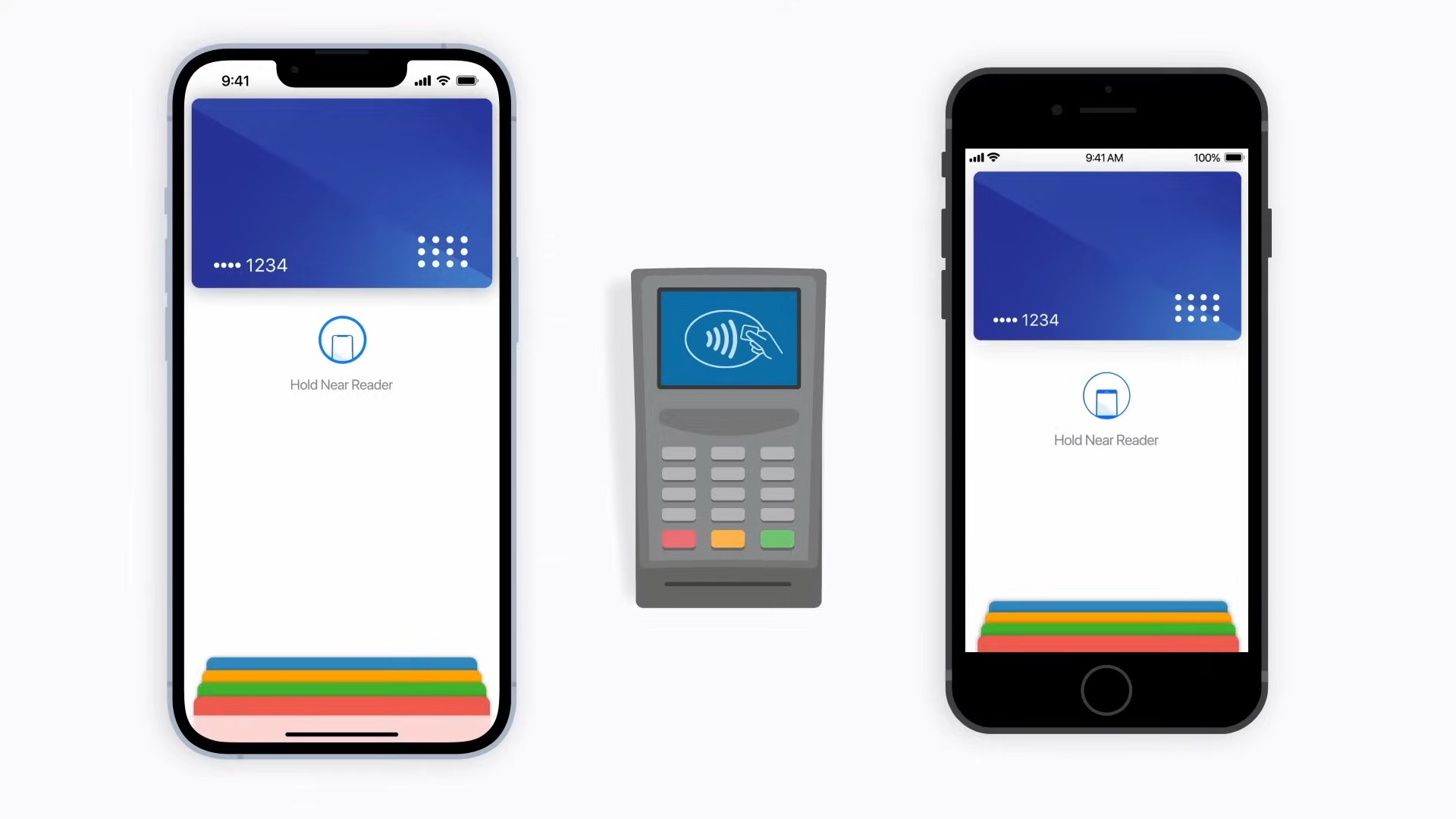
The dynamic of Google Pay vs Apple Pay NFC is being rewritten. Previously, Apple Pay enjoyed a monopoly on iPhone tap-to-pay, while Google Pay and others were blocked from direct NFC or HCE access. Now, in the EEA, rival wallet providers gain HCE parity for in-store payments, can be set as the default, and can use features like Field-detect (which auto-launches the app when an NFC terminal is detected). In non-EU regions like the UK and US, SE access enables secure transactions, though the scope and user experience may differ from Android’s traditionally more open NFC model (source), (source), (source), (source).
Broader Effects on Rival Companies and Innovation
The past apple iPhone NFC access restrictions undeniably stifled innovation from rivals by blocking them from offering secure, integrated credential storage and transactions. The new landscape is a boon for apple NFC chip access rival companies. In the EEA, rivals can now freely access NFC for payments, transit, and digital IDs. Globally, developers can use SE APIs after obtaining entitlements, boosting competition. However, this innovation must still operate within Apple’s strict security and privacy compliance framework (source), (source), (source).
Why Did Apple Restrict Access in the First Place?
Apple’s rationale for the original apple iPhone NFC access restrictions rested on two pillars:
- Security & Privacy: Apple argued that controlling access to the Secure Element via its own frameworks was essential to protect user payment keys and personal data from unauthorized access or malware.
- Competitive Advantage & Ecosystem Control: Ensuring Apple Pay dominance created a seamless, integrated user experience and fortified Apple’s profitable services ecosystem—a strategy the EC later ruled as abusive.
- Industry Impact: This control prioritized a single, uniform payment flow but at the cost of diversity and choice in the mobile payments industry (source), (source), (source).
Such strategic hardware decisions are not isolated, reflecting a broader pattern of ecosystem control similar to shifts seen in Apple recent decisions on Apple Intelligence.

Consequences: Before and After the Opening
Before the opening, the primary consequences were limitations on consumer choice (everyone funnelled to Apple Pay) and significant barriers to innovation for rival companies. Developers of banking, transit, and loyalty apps could not create a seamless, first-party tap experience. Today, the opening enhances consumer choice through default wallet settings and rival apps. However, new challenges like interoperability between multiple wallets and potential user confusion in managing credentials are emerging (source), (source).
Regional Differences and the Regulatory Sledgehammer
The question of how Apple’s NFC access restrictions affect different regions has a clear answer: it’s a tale of two models. In the EEA, it’s full HCE access driven by the EC’s legally binding 10-year commitment. In the UK, US, Australia, and others, it’s voluntary SE API access. The role of regulators has been decisive. Bodies like the EC, the UK’s CMA, and now Swiss authorities are the primary drivers of change. Potential regulatory actions—from massive fines to ongoing probes—remain the key tool to ensure compliance and fair competition (source), (source), (source), (source), (source).
Comparison Table: NFC Policies Across Platforms
| Platform / Policy Period | NFC Access for Third-Party Payment Wallets | Key Technology / Notes |
|---|---|---|
| Apple (Pre-2024) | Restricted. Required use of Apple Pay infrastructure. | Secure Element only for Apple; third-parties needed approval for limited non-payment uses. |
| Apple (Post-2024, EU/EEA) | Free, fair access mandated. | Host Card Emulation (HCE). Users can set default wallet. 10-year commitment. |
| Apple (Non-EU, e.g., UK, US) | Access granted via voluntary extensions. | Secure Element APIs. Broader for car keys/IDs, specific for payments. |
| Android / Google | Open. Third-party apps can use NFC/HCE freely. | HCE widely available. This open model has enabled broader competition and wallet diversity for years. |
This table highlights the stark contrast in openness, central to the Google Pay vs Apple Pay NFC debate and the challenges for apple NFC chip access rival companies (source), (source), (source), (source).
Benefits and Drawbacks of Opening NFC Access
Benefits:
- Spurs Innovation: Opens floodgates for new payment, transit, and digital identity solutions from apple NFC chip access rival companies.
- Empowers Consumer Choice: Users can select their preferred default wallet, fostering competition on features and fees.
- Maintains Security: Both HCE and SE access models are designed with security in mind, using encryption and controlled APIs.
Drawbacks:
- Potential Interoperability Issues: Managing credentials across multiple wallets could become complex for users.
- Controlled Openness: Apple’s entitlement process and compliance rules mean the platform is not completely open; the gatekeeper still sets the terms of access.
Potential Workarounds and Alternatives
Before the 2024 changes, developers had limited options. They could use web-based payment flows or very limited NFC access for specific tags. Users could read NFC tags in the background (on iPhone XR and later) for simple automation, but not for secure payments (source), (source), (source). Today, the primary workaround is gone—replaced by the official, albeit regulated, channels of HCE (in EU) and SE API access (elsewhere).
Future Developments: What’s Next for NFC on iPhone?
The future points toward continued expansion amid regulatory probes. Technologically, the iPhone 17 (expected 2025) is rumoured to support NFC Release 15, which could enable longer communication ranges (up to 10 cm) and faster data rates. The pressure from the UK CMA and EU may push toward a more global standardisation of access terms. NFC is poised to become even more central as a hub not just for payments, but for digital identity, access, and authentication (source), (source), (source), (source).
The journey of apple iPhone NFC access restrictions is a masterclass in how regulation can reshape a tech ecosystem, enhancing competition while forcing a balance with security. As these changes roll out region by region, staying informed is key. Bookmark this for updates, share your thoughts in comments, or subscribe for more tech regulation insights. These ongoing shifts mirror other frontier legal challenges for Apple, such as the Apple Sued Over Siri AI Delays case.
Frequently Asked Questions
1. Can I use Google Pay for tap-to-pay on my iPhone now?
Answer: It depends on your region. In the European Economic Area (EU, Iceland, Liechtenstein, Norway), yes—Google Pay and other third-party wallets can now access the iPhone’s NFC chip for contactless payments thanks to the EU-mandated changes. In other regions like the UK or US, the ability for Google Pay to offer direct tap-to-pay on iPhone is more limited and depends on Apple’s voluntary Secure Element API access, which may not provide a full parity experience.
2. What is the difference between HCE and Secure Element (SE) access?
Answer: Host Card Emulation (HCE) is a software-based method that allows an app to emulate a contactless payment card without needing direct access to a dedicated security chip. It’s the model mandated in the EU. Secure Element (SE) access allows an app to use a dedicated, tamper-resistant hardware chip inside the iPhone to store sensitive data like payment keys. It’s considered extremely secure but is more tightly controlled by Apple. Non-EU regions primarily get SE API access.
3. Will opening NFC make my iPhone less secure?
Answer: Apple and regulators have designed the new access models with security in mind. Both HCE and controlled SE API access include encryption and are granted under strict privacy and security requirements that developers must meet. The goal is to open competition without compromising the core security architecture that protects your financial data.
4. How do I set a third-party wallet as my default on iPhone?
Answer: This feature is currently available in the EU/EEA due to the regulatory commitments. After installing a compatible third-party wallet app, you should be prompted to set it as your default, or you can navigate to Settings > Wallet & Apple Pay (or a similarly named menu) to select your default payment app. The exact steps may vary as the feature rolls out.
5. Is Apple being forced to open NFC access worldwide?
Answer: Not directly by a single global law. The changes are driven by region-specific regulatory actions. The European Commission’s legally binding decision forced the change in the EU/EEA. Other regions, like the UK, have seen voluntary extensions from Apple, likely to pre-empt similar adverse findings or due to ongoing investigations. New probes, like the one in Switzerland, keep the pressure on for wider adoption of open access.