
Latest On-Device AI Technology in Pixel 9/10 [2025 Guide]
Estimated reading time: 10 minutes
Key Takeaways
- Latest on-device AI technology marks a rapid shift to faster, private AI processing directly on your smartphone, eliminating cloud dependency and transforming your device into an intelligent companion.
- The Pixel 9 Gemini Nano features and the advanced Tensor G5 in the Pixel 10 enable complex generative AI for proactive suggestions in messaging, photography, and daily tasks.
- Understanding Tensor G4 chip AI capabilities and Gemini multimodality image analysis reveals how your phone can now see, understand, and assist in real-time with full privacy.
- Developers can harness this power with the AI Edge SDK for Android developers, opening the door to building custom, private, on-device AI applications.
- While on-device AI excels in speed and security, a hybrid future with cloud AI offers the most powerful and flexible user experience.
Table of contents
- Latest On-Device AI Technology in Pixel 9/10 [2025 Guide]
- Key Takeaways
- Overview of Pixel 9 and Pixel 10 Gemini Nano Features
- Deep Dive into Tensor G4 and G5 Chip AI Capabilities
- Gemini Multimodality Image Analysis Explained
- AI Edge SDK for Android Developers: Build Your Own On-Device AI
- Real-World Applications of Latest On-Device AI Technology
- On-Device AI vs. Cloud-Based AI: Key Comparison
- How On-Device AI Boosts Performance, Security, and User Experience
- The Future of On-Device AI Technology
- Challenges and Limitations of On-Device AI (And Solutions)
- Glossary of Key Terms
- Resources for Developers and Users
- Frequently Asked Questions
The world of artificial intelligence is undergoing a seismic shift, moving from distant data centers into the palm of your hand. This rapid transition to latest on-device AI technology promises a future where your smartphone isn’t just smart—it’s intuitively intelligent, offering lightning-fast assistance while fiercely guarding your privacy. No more waiting for a server response; the AI works directly on your device, transforming everyday interactions.

The significance is monumental. This isn’t just about faster voice commands. Latest on-device AI technology, powered by chips like the Tensor G5 in the Pixel 10, enables complex generative AI to run locally, offering proactive suggestions that boost your productivity in messaging, revolutionize your photography, and guide you through daily tasks. This post is your definitive 2025 guide. We’ll explore the groundbreaking Pixel 9 Gemini Nano features, unpack the raw power of Tensor G4 chip AI capabilities, demystify Gemini multimodality image analysis, and show how the AI Edge SDK for Android developers is empowering a new wave of apps. From real-world uses to future trends, we provide a complete overview of the intelligent engine now living in your pocket.
Overview of Pixel 9 and Pixel 10 Gemini Nano Features
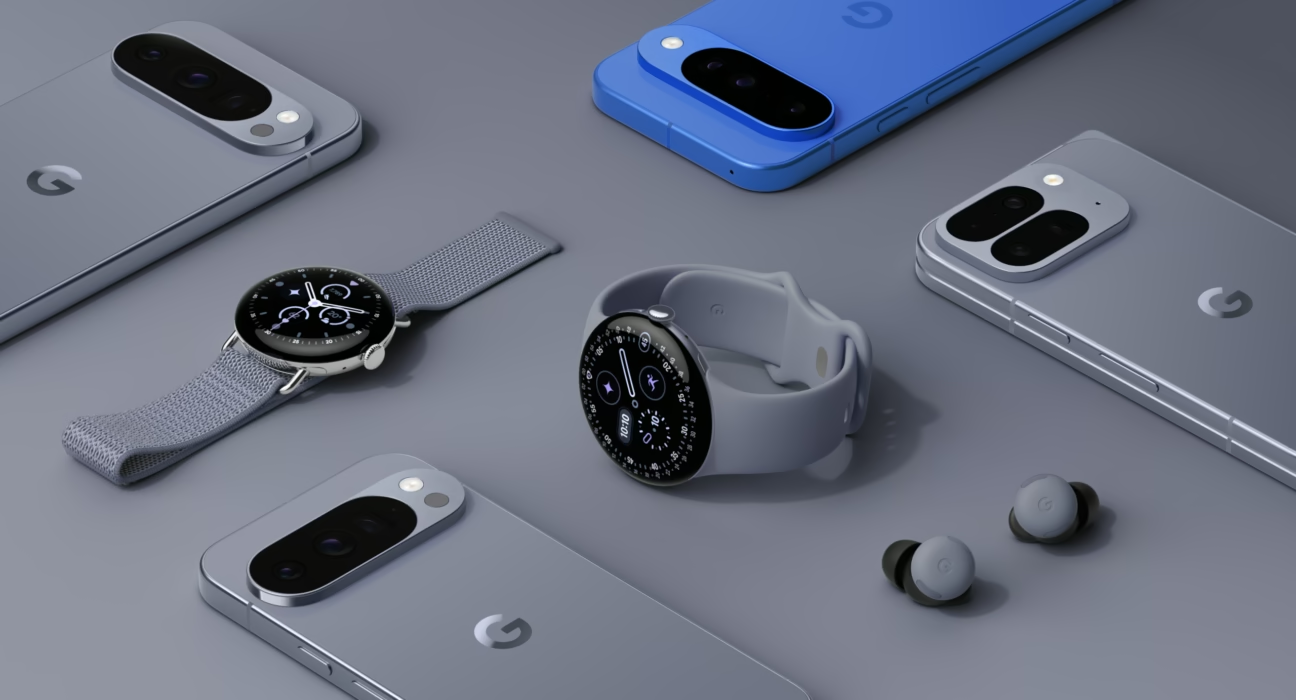
The latest on-device AI technology truly comes to life in Google’s flagship phones. The Pixel 9 series laid a formidable foundation, which the Pixel 10 then built upon to reach new heights of local intelligence.
The Pixel 9 introduced the powerful combination of the Tensor G4 chip and the lightweight Gemini Nano AI model. This duo powers a suite of features that feel like magic, all processed on the device itself:
- Magic Eraser: Effortlessly removes unwanted objects or photobombers from your pictures with a tap. The AI analyzes the image locally and fills in the background seamlessly.
- Circle to Search: A game-changer for curiosity. Simply circle any text, image, or video on your screen, and Gemini Nano provides instant, contextual information without leaving your app.
- Gemini Live: Transforms your camera into a real-time assistant. Point it at a broken appliance, a recipe you’re cooking, or a plant, and receive immediate, spoken guidance.

The Pixel 10 represents a quantum leap. Its Tensor G5 chip was co-designed with Google DeepMind and is the first to run the newest, most capable version of Gemini Nano. This unlocks even more sophisticated Pixel 9 Gemini Nano features on steroids:
- Magic Cue: This feature analyzes the patterns in your conversations within apps like Messages and offers smart, contextual reply suggestions directly on your keyboard—all while keeping the analysis completely private on your device.
- Enhanced Gemini Live: Builds on the Pixel 9’s capability with even more advanced visual help. It can now provide step-by-step overlay instructions on your camera feed for complex tasks like repairs.
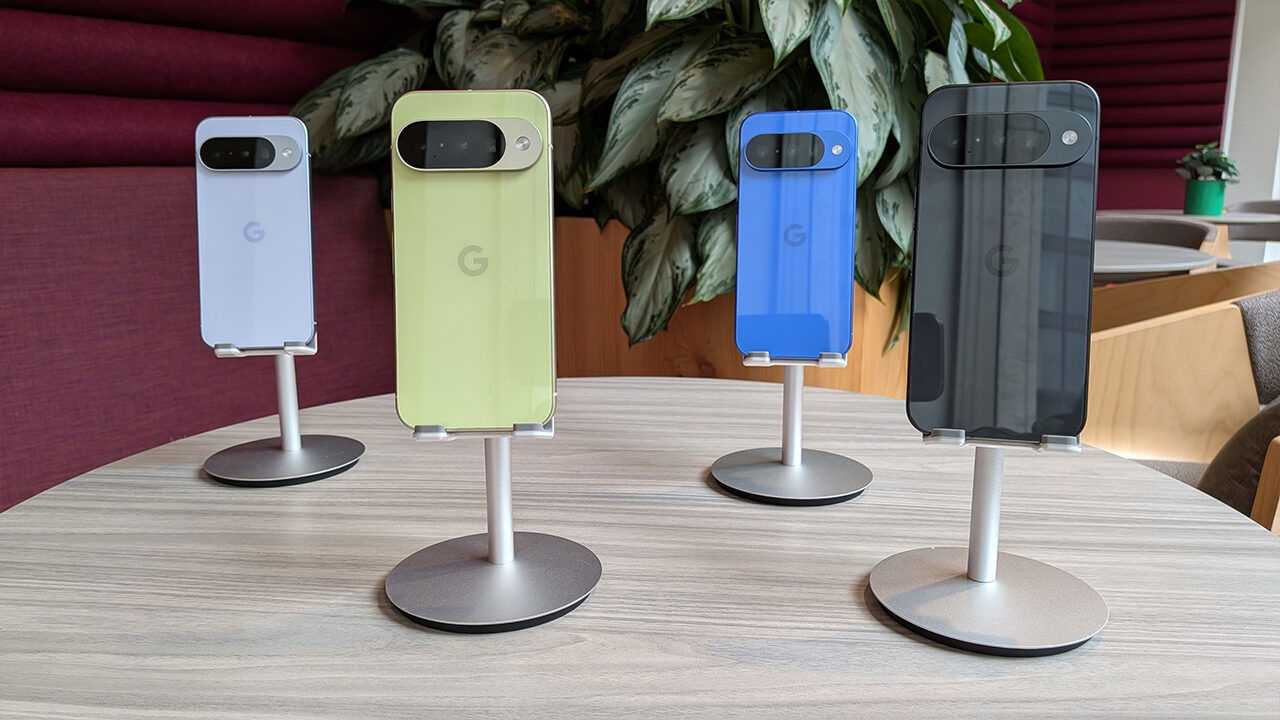
The user benefits are crystal clear: privacy and speed. With on-device processing, your sensitive data—from personal photos to private messages—never needs to leave your phone. This also means near-instant responses. Features like scam detection, which analyzes call patterns locally, can warn you in real-time without any lag from a cloud server.
Deep Dive into Tensor G4 and G5 Chip AI Capabilities
The magic of latest on-device AI technology is hardware-driven. It’s the custom silicon inside Pixel phones that makes sophisticated local AI not just possible, but efficient and powerful.
Let’s define the engine behind the Pixel 9: the Tensor G4 chip. This custom-designed processor, with up to 16GB of RAM in Pro models, is built for multimodality. It can juggle different types of data—image, text, speech—simultaneously and on-device. This powers incredible Tensor G4 chip AI capabilities:
- Add Me: The AI can intelligently insert missing people from other shots into a group photo, ensuring no one is left out.
- Live Translate: Have a conversation in real-time with someone speaking another language. The chip handles voice recognition, translation into 20+ languages, and speech synthesis offline.
- Camera Coach: As you frame a shot, the G4 analyzes the scene and offers subtle tips on lighting, angles, or stability to help you capture the perfect photo.
Now, meet its successor: the Tensor G5. Hailed as Google’s most powerful mobile chip yet, it is specifically optimized for generative AI. Its architecture allows the full Gemini Nano model to execute entirely locally. This means it can handle more complex reasoning and generative tasks while being remarkably efficient, extending battery life well beyond 24 hours of typical use even with heavy AI workloads.
The efficiency comparison is stark. By handling real-time image analysis for Macro Focus or instant speech translation offline, these Tensor chips drastically reduce the latency and power consumption associated with sending data to and from the cloud. The work is done where it matters most—on your device—making latest on-device AI technology not just a feature, but a fundamental design philosophy.
Gemini Multimodality Image Analysis Explained
At the heart of many jaw-dropping Pixel features is a core technological breakthrough: Gemini multimodality image analysis. But what does that mean? Simply put, it’s the ability of the Gemini Nano model to understand and process multiple types of information—images, videos, text, and speech—not in isolation, but together, and to do it all on-device.
Think of it as giving your phone a pair of eyes connected to a powerful, private brain. You can snap a photo of your fridge’s contents, and Gemini can suggest recipes. Or, use Circle to Search on a strange insect in your garden, and it can pull up information by analyzing the visual data locally.

The applications are vast and growing:
- In Photography: Features like Macro Focus use it to automatically enhance close-up shots, while Magic Eraser relies on it to understand image composition and clean up backgrounds.
- In Healthcare: Gemini Live can share your camera feed (with permission) for visual diagnostics, like a preliminary skin check, with the analysis happening securely on the device.
- In Everyday Life: Camera Coach uses this analysis to suggest optimal shots in real-time, making everyone a better photographer.
The benefit is a combination of instantaneity and absolute privacy. You get immediate visual search results or photo edits because there’s no upload/download delay. And since the visual data never leaves your phone, Gemini multimodality image analysis offers a level of security that cloud-based analysis simply cannot match for personal or sensitive visuals.
AI Edge SDK for Android Developers: Build Your Own On-Device AI
The revolution in latest on-device AI technology isn’t confined to Google’s first-party apps. The company is empowering the entire Android ecosystem with tools for developers. Enter the AI Edge SDK for Android developers, a pivotal toolkit designed to deploy Gemini Nano and other Tensor-optimized models directly onto user devices.

This SDK is the bridge between powerful hardware and innovative software. It provides the necessary frameworks and APIs to run sophisticated AI models locally within any app, enabling custom on-device intelligence without a cloud backend. Key features include streamlined local model deployment for multimodal inputs (image, text, audio) and sophisticated efficiency optimization tools that help developers manage battery and CPU usage—critical for a good user experience.
The use cases are incredibly exciting. With the AI Edge SDK for Android developers, one could build:
- A privacy-focused scam detection app that scans message patterns locally for phishing attempts.
- A real-time translation tool for niche languages or specific professional jargon that works entirely offline.
- Custom image analyzers for augmented reality (AR) filters, retail apps (for product recognition), or educational tools that identify plants or animals in the field—all processing data on the user’s phone.
This democratization of on-device AI is set to unleash a wave of new, private, and incredibly responsive applications, further cementing the latest on-device AI technology as the new standard for mobile development.
Real-World Applications of Latest On-Device AI Technology
Beyond the specs and SDKs, latest on-device AI technology is making a tangible difference in daily life. Its applications span across devices and software, creating a more helpful and secure digital environment.
Devices Leading the Charge:
- Pixel 9 & 10: The flagship bearers, showcasing Magic Cue and Gemini Live.
- Nest Hub: With Gemini integration, it brings smart, contextual help to your smart home, processing voice requests locally for faster, private control.
Software That Feels Like Magic:
- Call Screen: AI automatically filters and transcribes spam calls in real-time, so you only answer what matters.
- Live Translate: Converts speech naturally and instantly, breaking down language barriers in face-to-face conversations without an internet connection.
- Crisis Alerts: Can auto-detect severe car crashes using on-device sensor data and automatically contact emergency services if you’re unresponsive.
- Proactive Assistance: From suggesting complete messages in your chat apps to highlighting relevant on-screen information when you’re following a tutorial, the AI anticipates your needs.

On-Device AI vs. Cloud-Based AI: Key Comparison
To fully appreciate latest on-device AI technology, it’s essential to understand how it stacks up against its cloud-based counterpart. Each has its strengths, shaping a complementary future for AI.
| Aspect | On-Device AI (e.g., Gemini Nano on Tensor G5) | Cloud-Based AI (e.g., Gemini Pro/Ultra) |
|---|---|---|
| Processing | Local on Tensor chips; fast, offline (cite: Pixel 10 Features; Pixel 9 Specs) | Server-based; high compute but needs internet (cite: 9to5Google on Cloud AI) |
| Privacy | Data stays on-device (e.g., Magic Cue) (cite: Pixel 10 Features) | Data sent to servers; potential exposure risk |
| Speed | Instant, no latency (cite: Pixel 10 Features) | Variable delays due to network (cite: 9to5Google on Cloud AI) |
| Battery | Highly efficient, 24+ hours (cite: Pixel 9 Specs) | Higher drain from constant connectivity |
| Capabilities | Multimodal basics like gemini multimodality image analysis (cite: Pixel 10 Features) | Advanced, large-scale (e.g., 192K context windows) (cite: 9to5Google on Cloud AI) |
| Disadvantages | Hardware limits model scale & complexity | Internet dependency & inherent privacy issues |
In summary, latest on-device AI technology is the undisputed champion for privacy, security, and instant responsiveness—perfect for everyday assistance. Cloud AI remains essential for the most complex, data-heavy tasks. The future is hybrid, leveraging the strengths of both.
How On-Device AI Boosts Performance, Security, and User Experience
The advantages of latest on-device AI technology converge to create a transformative trifecta: superior performance, ironclad security, and a seamless user experience.
Performance: Chips like the Tensor G5 are engineered to accelerate generative AI tasks with extreme efficiency. This means complex photo edits or real-time translation happen in the blink of an eye, without draining your battery. The phone feels snappier and more capable because the intelligence is local, not distant.
Security: This is the cornerstone. By processing data locally, on-device AI builds a fortress around your personal information. Features like local scam detection, Call Screen, and crash alerts analyze call patterns, audio, and sensor data on the device itself. Your conversations, location, and habits don’t travel to a server, drastically reducing the risk of exposure or misuse. The March 2025 Pixel Drop emphasized this with enhanced local scam protection.
User Experience (UX): The result is an interface that feels intuitive and helpful. Gemini Live allows for natural, conversational chats with your phone’s camera. Seamless photo edits via Pixel 9 Gemini Nano features feel like having a professional editor in your pocket. The entire interaction paradigm shifts from reactive (you ask, you wait) to proactive (the phone suggests, assists, and guides), making technology feel less like a tool and more like a partner.
The Future of On-Device AI Technology
The trajectory for latest on-device AI technology points toward a more integrated, capable, and expansive future. We are only at the beginning of this journey.
Key predictions and innovations on the horizon include:
- Expansion of Gemini Nano: Expect to see the lightweight model proliferate beyond Pixel phones to more devices in the Google ecosystem, like Nest speakers and displays, creating a unified, private AI experience across your home and pocket. Models will also grow, supporting larger context windows (moving toward 32K tokens) for more coherent and extended interactions.
- Multi-Agent AI Workflows: Your device will coordinate multiple specialized AI agents locally. One could manage your calendar while another drafts emails, all working in concert based on your habits and preferences, processed privately on-device.
- On-Device Video Generation: Building on advanced Tensor G4 chip AI capabilities and the G5, future chips may enable basic video editing, summarization, or even short generative video clips created entirely on your phone, opening new creative doors.

Challenges and Limitations of On-Device AI (And Solutions)
Despite its promise, latest on-device AI technology faces inherent challenges. Acknowledging them is key to understanding its realistic scope and the innovative solutions being developed.
Primary Limitations:
- Hardware Constraints: A phone’s processor, memory, and storage will always be finite compared to a vast cloud server farm. This currently caps the complexity and size of AI models that can run locally, meaning they may have smaller “knowledge” windows or less reasoning depth than their cloud counterparts. As noted in comparisons, cloud models like Gemini Ultra handle vastly more complex tasks.
Emerging Solutions:
- The Hybrid Model: The most pragmatic solution is a smart, opt-in hybrid approach. For extremely complex tasks (e.g., generating a long report from a hundred documents), the device could seamlessly and securely hand off to a more powerful cloud model, with user permission. This offers the best of both worlds.
- Chip Evolution: Continuous hardware upgrades, like the leap from Tensor G4 to G5, directly address these limits. Each generation packs more AI processing power per watt, enabling more sophisticated models to run locally. The G5 is a testament to this relentless progress.
- User-Controlled Privacy: Transparency and control are paramount. Features like Magic Cue will always include clear user toggles, allowing individuals to enable or disable specific AI functionalities based on their comfort level, ensuring the technology serves the user, not the other way around.
Glossary of Key Terms
- Gemini Nano: Google’s lightweight, on-device AI model capable of handling multimodal tasks like image analysis, voice processing, and text generation directly on your smartphone without an internet connection.
- Tensor G5: The custom system-on-a-chip (SoC) powering the Google Pixel 10, co-designed with DeepMind and specifically optimized for efficient, high-performance generative AI processing entirely on the device.
- Magic Cue: An on-device AI feature that provides contextual suggestion (like smart replies) within apps by analyzing conversation patterns locally, ensuring privacy.
- AI Edge SDK: A software development kit from Google that enables Android developers to deploy and run Gemini Nano and other AI models directly on users’ devices, facilitating the creation of private, offline AI-powered applications.
- Multimodality: The capability of an AI system to process and understand multiple types of input data (e.g., images, text, speech) simultaneously and in relation to each other.
Resources for Developers and Users
Ready to dive deeper into the world of latest on-device AI technology? Here are essential resources to stay updated and start building:
- Gemini Apps Release Notes: The official source for the latest updates and features across all Gemini models.
- Pixel Drop Updates: Follow official Pixel feature drops (like the March 2025 update with scam detection) to see the latest on-device AI in action.
- Google Store – Pixel 9: Explore the specs and official features of the Pixel 9.
- Google AI Ideas Hub: Discover inspiring use cases and ideas for AI across Google’s products.
- AI Edge SDK Documentation: (Available via Google’s developer site) The essential starting point for any developer looking to integrate on-device AI into their Android apps.
The landscape of mobile intelligence is being reshaped before our eyes. Latest on-device AI technology, from the intuitive Pixel 9 Gemini Nano features to the raw power of Tensor G4 chip AI capabilities, is making our devices more private, responsive, and helpful than ever. Whether you’re considering the Pixel 10, eager to try Gemini multimodality image analysis on your current device, or a developer ready to explore the AI Edge SDK for Android developers, the future is in your hands—literally. What’s your favorite on-device AI feature, and how do you hope to see it evolve? Share your thoughts in the comments below.
Frequently Asked Questions
Does on-device AI work without an internet connection?
Yes, absolutely. This is one of its core advantages. Features powered by Gemini Nano and the Tensor chips, like Live Translate, Magic Eraser, and Circle to Search (for on-screen content), are designed to function fully offline. Your phone processes all the data locally.
Is my data really private with on-device AI?
For the specific tasks processed on-device, yes. When you use a feature like Magic Cue for message suggestions, the analysis of your conversation happens directly on your phone’s Tensor chip. The data used for that instant suggestion is not sent to Google’s servers, providing a much higher degree of privacy compared to cloud-based analysis.
What’s the difference between Gemini Nano and the Gemini in the app?
The Gemini chat app you can download primarily uses a more powerful cloud-based model (like Gemini Pro) for broad knowledge and complex reasoning. Gemini Nano is a smaller, efficient version of that model specifically designed to run on phone hardware. It handles focused, instant tasks (photo editing, real-time translation) on-device, while the app can tackle more open-ended questions via the cloud.
Will on-device AI drain my battery quickly?
Counterintuitively, it’s designed to be very efficient. Google’s Tensor chips include dedicated processing units (TPUs) for AI tasks that perform the work much faster and using less power than a general-purpose CPU. While heavy use of any feature consumes battery, on-device AI avoids the significant power drain of constantly sending and receiving data over cellular or Wi-Fi. In many cases, it can be more battery-efficient than cloud-dependent AI.
Can I turn off these on-device AI features if I want to?
Yes. Google provides clear controls. You can typically disable specific AI features (like Magic Cue or Camera Coach) in your phone’s Settings app. This ensures you have full autonomy over your device’s functionality and privacy.