
Latest Brain Computer Interface Technology News: 2025 Breakthroughs and Future Trends
Estimated reading time: 12 minutes
Key Takeaways
- Stay updated with latest brain computer interface technology news to witness transformative impacts in healthcare, communication, and human-machine interaction.
- Revolutionary BCI innovations like the BISC chip and Precision Neuroscience’s array are achieving unprecedented bandwidth and precision.
- Non-invasive brain computer interface methods offer safer, scalable options for patients, with real-world applications already in use.
- AR/VR BCI integration trends are unlocking immersive futures, from enhanced prosthetics to therapeutic simulations.
- Current deployments show BCIs enabling independent living, with systems achieving high accuracy and long-term reliability.
- The future points towards miniaturization, wireless integration, and AI-driven personalized treatments.
Table of contents
- Latest Brain Computer Interface Technology News: 2025 Breakthroughs and Future Trends
- Key Takeaways
- Introduction: The BCI Revolution Unfolds
- Understanding Brain Computer Interface Technology Fundamentals
- Revolutionary BCI Innovations Reshaping the Field
- Non-Invasive Brain Computer Interface Methods – Benefits and Limitations
- AR/VR BCI Integration Trends – Unlocking Immersive Futures
- Current State of BCI Technology – Real-World Deployments and Achievements
- Addressing Microsoft Research BCI Advancements
- Potential Applications and Broad Implications of BCI Technology
- Future of BCI Technology – Predicted Trends and Long-Term Vision
- Frequently Asked Questions
Introduction: The BCI Revolution Unfolds
Imagine controlling devices, communicating, or restoring movement with nothing but your thoughts. This is the promise of brain-computer interfaces (BCIs), and staying current with the latest brain computer interface technology news reveals a field accelerating from science fiction to tangible reality. These innovations are transforming healthcare, communication, and human-machine interaction, making it essential to understand the breakthroughs shaping our future.

In this post, we’ll explore revolutionary BCI innovations, delve into non-invasive methods, examine AR/VR integration trends, and preview what’s next. From high-bandwidth implants to real-world patient successes, the landscape is evolving rapidly. Let’s dive in.
Understanding Brain Computer Interface Technology Fundamentals
At its core, a BCI establishes a direct communication pathway between the brain and an external device, bypassing traditional neuromuscular channels. This involves detecting neural signals, processing them, and translating them into commands.
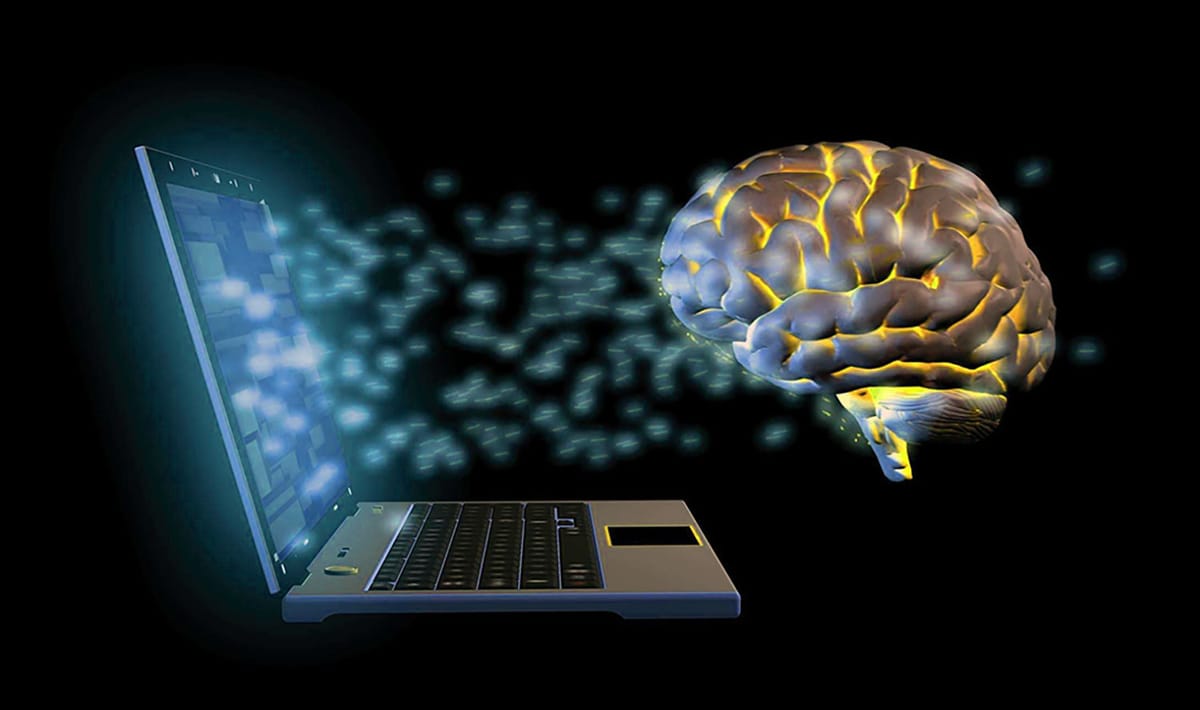
Before exploring the latest brain computer interface technology news, it’s crucial to grasp these basics. BCIs can be invasive (implanted in the brain) or non-invasive (external), each with trade-offs in signal quality and safety. Recent advancements are pushing the boundaries of what’s possible, making now an exciting time to follow this field.
Revolutionary BCI Innovations Reshaping the Field
The pace of revolutionary BCI innovations is staggering, driven by miniaturized implants and high-bandwidth systems. Two standout developments are leading the charge.
The BISC Chip: A Leap in Bandwidth and Precision
Developed collaboratively by Columbia University, Stanford, and others, the Biological Interface System to Cortex (BISC) is a single silicon chip with tens of thousands of electrodes. It streams thoughts, movement, and intent in real-time with wireless 100 Mbps links—100 times faster than prior BCIs.

Why it matters: Preclinical tests in motor and visual cortices support AI-driven decoding for epilepsy seizure control and motor restoration. As expert Ken Shepard notes, this has potential to treat neuropsychiatric disorders, marking a paradigm shift.
Precision Neuroscience’s Surface Electrode Array
Precision Neuroscience’s ultra-thin surface electrode array records high-resolution signals with over 4,000 electrodes without penetrating brain tissue. FDA-cleared for 30-day use, it has enabled thought-controlled typing and gaming in over 50 patients.
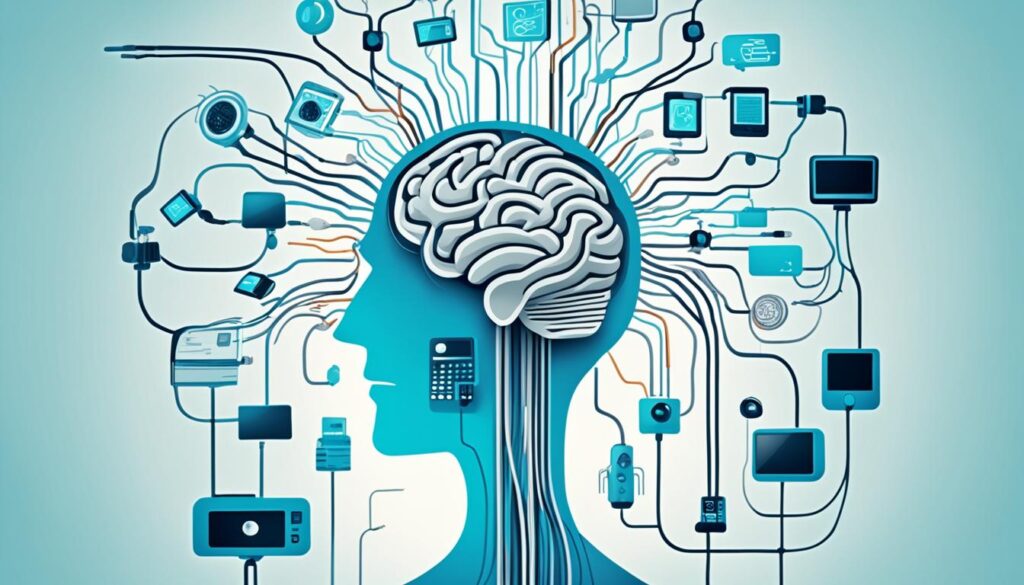
Dr. Benjamin Rapoport emphasizes balancing brain safety with performance, validated in human trials during neurosurgery. This innovation highlights the move toward less invasive yet powerful methods.
Non-Invasive Brain Computer Interface Methods – Benefits and Limitations
Non-invasive brain computer interface methods avoid deep brain penetration, offering safer alternatives. Surface-based approaches, like Precision’s array, deliver high-bandwidth data over 8 cm² areas, outperforming traditional needle electrodes.

Benefits include:
- Safety: Reduced surgical risks compared to invasive implants.
- Scalability: Easier deployment across patient populations, ideal for paralysis and ALS.
- Long-term viability: Applications in stroke rehabilitation with fewer complications.
Limitations: Signal depth may be slightly lower than invasive systems, but recent data shows comparable resolution, addressing past concerns. Another example is Synchron’s stent-like BCI, delivered via blood vessels without open-skull surgery.
When to choose non-invasive: Ideal for patients unable to undergo surgery, those prioritizing safety, or long-term monitoring scenarios.
AR/VR BCI Integration Trends – Unlocking Immersive Futures
AR/VR BCI integration trends are converging with high-throughput BCIs like BISC, enabling seamless brain-AI interfaces. A key application is enhanced prosthetics with sensory feedback.
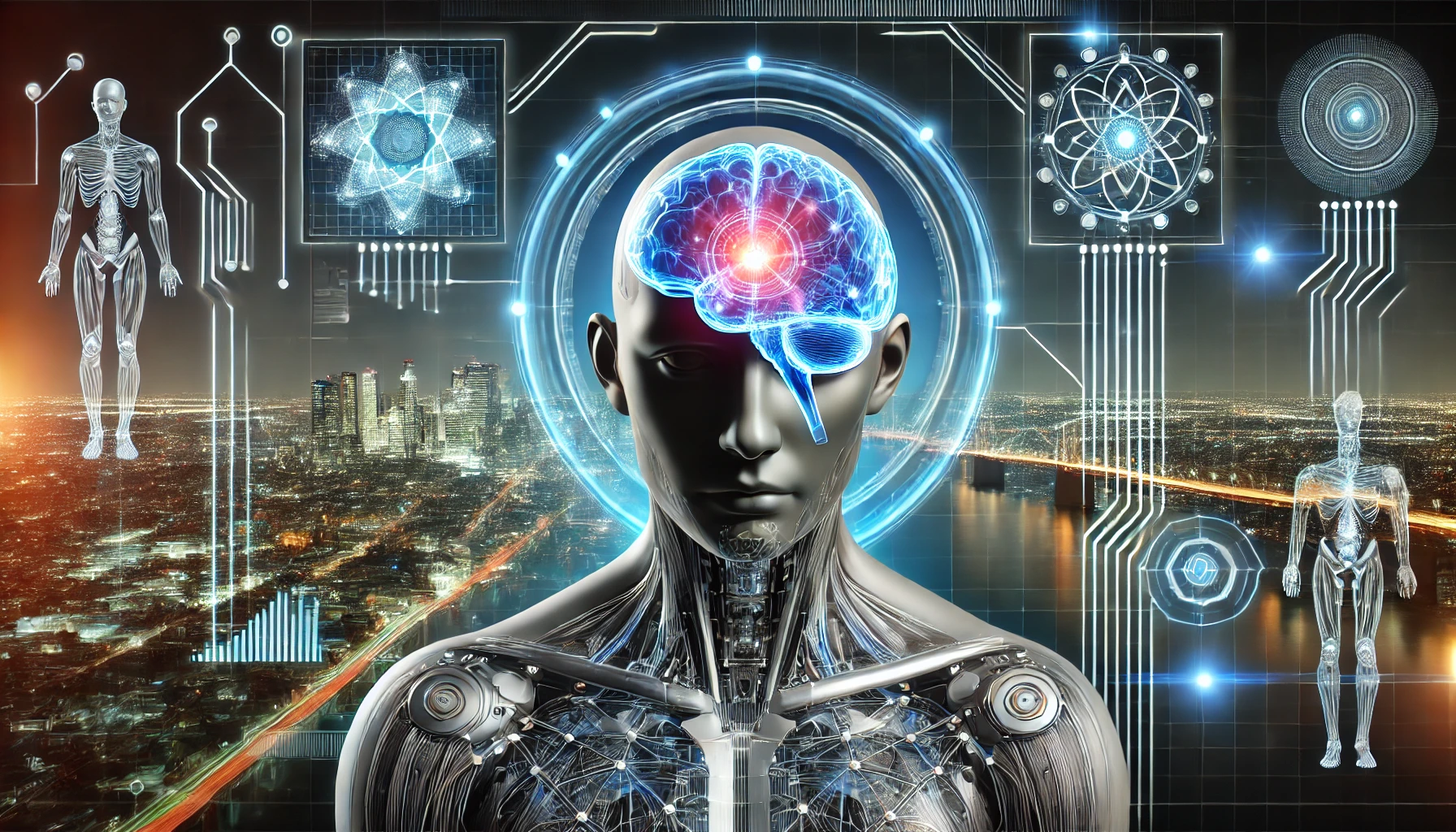
Through intracortical microstimulation (ICMS) technology, touch sensation is restored. Clinical validation over 24 years in five spinal cord injury patients showed improved prosthetic control in virtual environments—users can feel what their prosthetic limbs touch.
Broader applications:
- Gaming: Immersive experiences controlled by thought.
- Training simulations: Realistic scenarios for medical or industrial training.
- Therapy: Rehabilitation using immersive environments, as envisioned by Neuralink’s broader goals.
This integration could transform entertainment, professional training, and therapeutic interventions, making technology more accessible.
Current State of BCI Technology – Real-World Deployments and Achievements
The latest brain computer interface technology news confirms BCIs are moving from labs to daily life. For instance, an ALS patient used a multimodal BCI independently for two years, typing 237,000+ sentences at 99% accuracy and 56 words per minute without daily recalibration.

Technically, innovations like BISC’s 50 μm-thick CMOS chip integrate recording, stimulation, and AI processing, targeting epilepsy control, paralysis treatment, and blindness restoration. Industry milestones include Neuralink’s FDA-approved implants for human trials, proving clinical viability.
What this means: BCIs now support independent living, with reliability improvements enabling extended use. This current state underscores their transition from research to practical tools.
Addressing Microsoft Research BCI Advancements
While specific Microsoft Research BCI advancements aren’t highlighted in current news, the field benefits from broad momentum. Collaborative efforts among academia, tech companies, and medical device makers are driving progress.
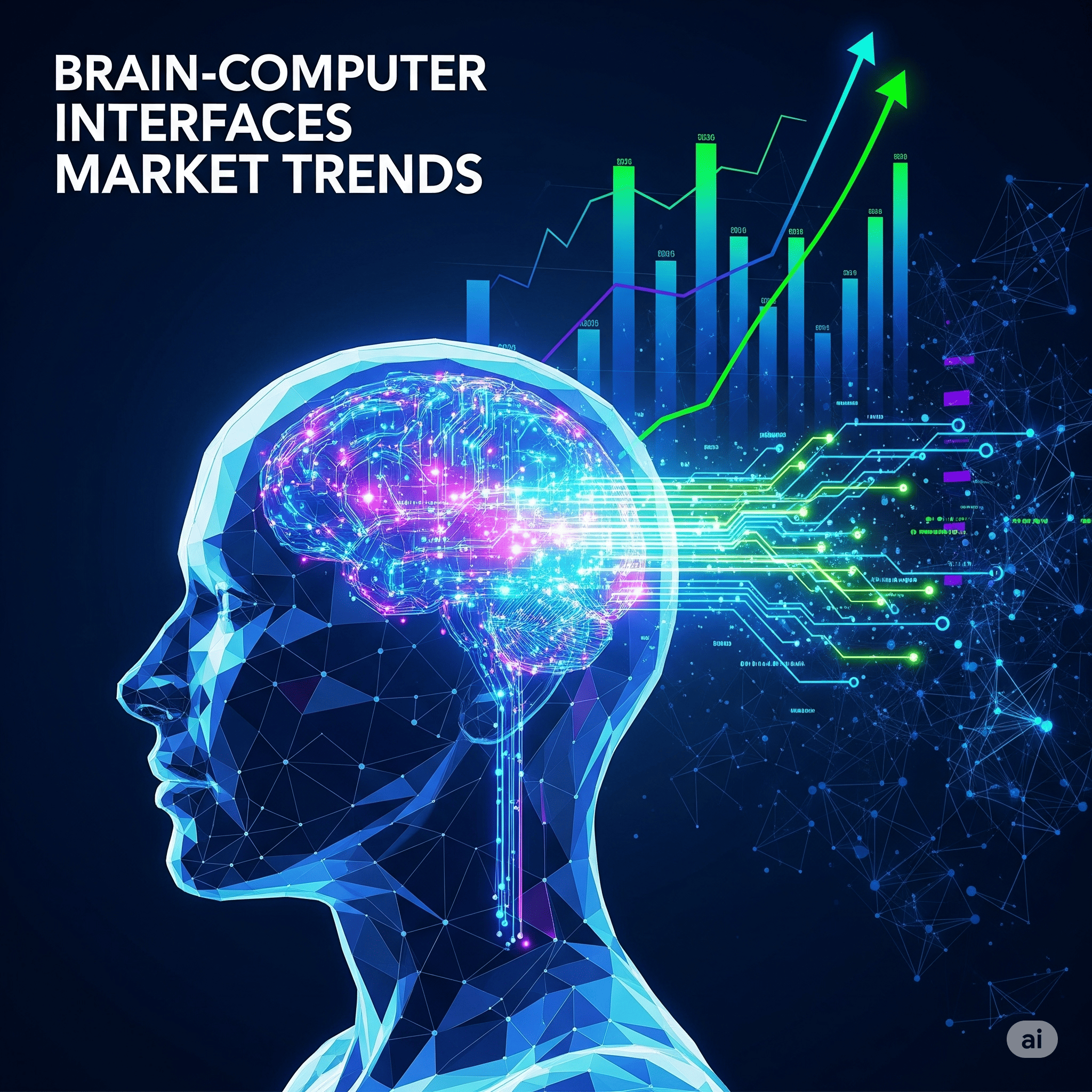
Breakthroughs like BISC and Precision Neuroscience indicate ecosystem-wide advances. Major tech firms, including Microsoft, are likely monitoring and contributing to this emerging space, focusing on AI integration and scalable platforms.
Potential Applications and Broad Implications of BCI Technology
The implications of revolutionary BCI innovations extend far beyond medicine. Key applications include:
- Medical: Epilepsy seizure control via AI-driven decoding, motor and speech restoration for stroke or ALS patients, and sensory restoration through prosthetic feedback.
- Societal: Enabling full-time work for paralyzed individuals, neuromodulation for Parkinson’s disease, and brain-AI symbiosis to augment human capabilities.
As noted in industry reports, BCIs could transform healthcare, robotics, and workplace accessibility, driving economic participation and quality-of-life improvements.
Future of BCI Technology – Predicted Trends and Long-Term Vision
Looking ahead, the future of BCI technology is bright with trends like miniaturization, wireless integration, and AI-driven adaptive systems. Expert Grégoire Courtine predicts intuitive neuroprosthetics for communication, movement, and touch restoration.

Platforms like BISC pave the way for personalized treatments, bridging human intention and digital capability. Staying updated with latest brain computer interface technology news is essential as these advancements unfold now, promising to reshape human experience.
Frequently Asked Questions
What is a brain-computer interface (BCI)?
A BCI is a system that enables direct communication between the brain and external devices, bypassing traditional muscular pathways. It can help restore movement, communication, or control assistive technologies.
Are BCIs safe for long-term use?
Recent advancements, such as non-invasive methods and FDA-cleared implants, have improved safety. For example, Precision Neuroscience’s surface array is designed for 30-day use with minimal risk, and long-term studies show promising reliability.
How do non-invasive BCIs compare to invasive ones?
Non-invasive BCIs are safer and easier to deploy but may have slightly lower signal depth. However, innovations like high-resolution electrode arrays are closing this gap, making them viable for many applications.
What are the real-world applications of BCIs today?
Current applications include thought-controlled typing for ALS patients, epilepsy seizure control, prosthetic limb control with sensory feedback, and immersive AR/VR experiences for gaming and therapy.
Where can I follow the latest brain computer interface technology news?
Stay informed through reputable sources like ScienceDaily, EurekAlert, and medical review sites that cover breakthroughs, such as those linked in this post for BISC innovations and clinical trials.