
Afeela Prototype 2026 EV SUV: The Future of Intelligent Mobility
Estimated reading time: 8 minutes
Key Takeaways
- The Afeela Prototype 2026 EV SUV represents a pivotal fusion of automotive and tech innovation, going beyond mere transportation.
- Born from the unique Sony Honda Mobility partnership, it leverages Sony’s entertainment prowess and Honda’s engineering excellence.
- Features dual motors, over 400 horsepower, a 91.0-kWh battery, and an estimated 300-mile range, building on the Afeela 1 sedan architecture.
- Prioritizes a software-driven experience with immersive tech like a panoramic screen, AI assistants, and gaming integration.
- Positioned to compete with luxury EVs like the Lucid Air and Tesla Model S, targeting a 2026 release in North America.
Table of contents
- Afeela Prototype 2026 EV SUV: The Future of Intelligent Mobility
- Key Takeaways
- Opening Hook: A New Era of Mobility
- The Strategic Partnership: Sony and Honda’s Unique Collaboration
- Deep Dive: Afeela Prototype 2026 Specifications and Design
- Technical Specifications and Powertrain
- Design and Interior Features
- Technology and Software Integration
- The Afeela Prototype 2026 in the Competitive Landscape
- The Road Ahead: Production Timeline and Market Implications
- Frequently Asked Questions
Opening Hook: A New Era of Mobility
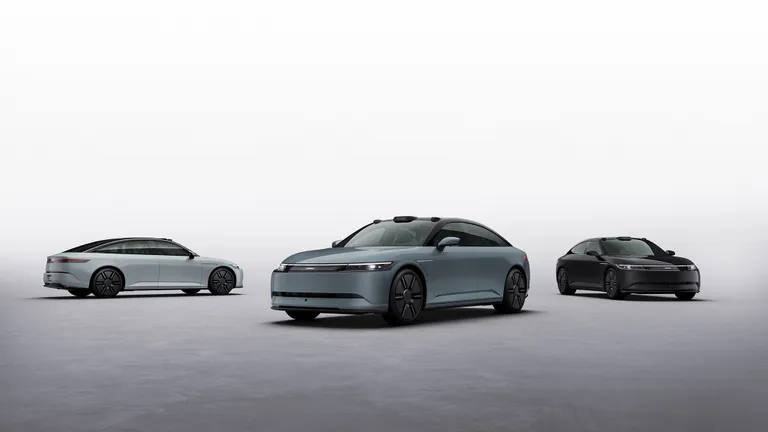
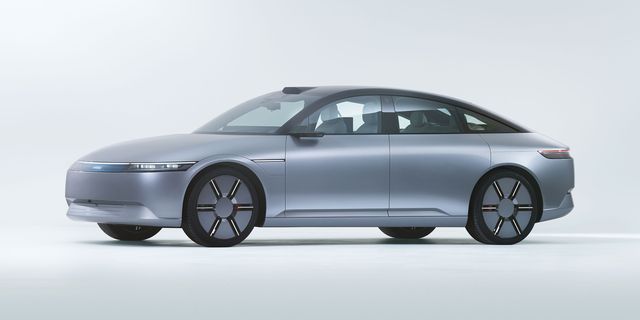
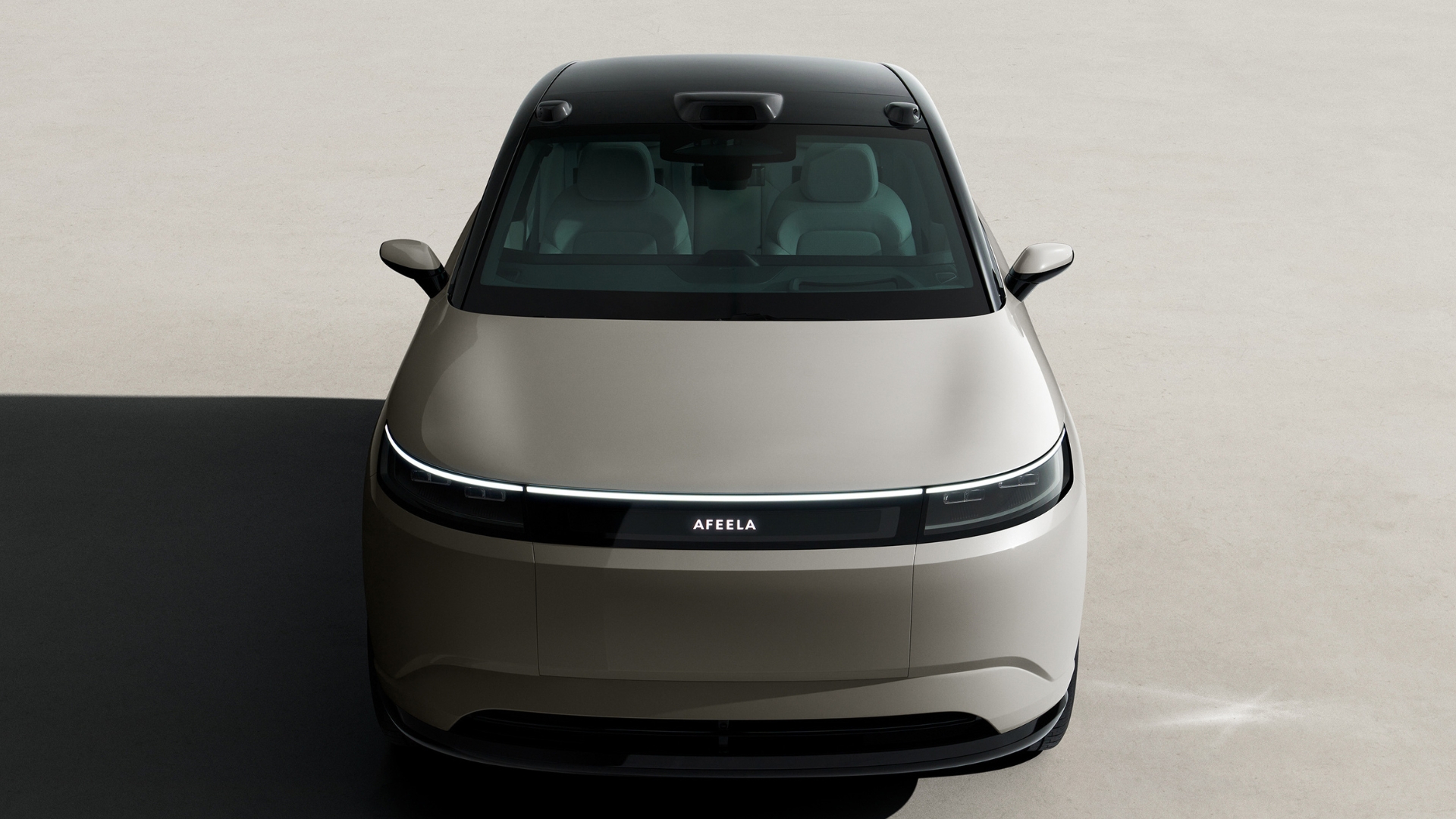
The Afeela Prototype 2026 EV SUV isn’t just another electric vehicle—it’s a declaration of how far intelligent mobility has come. Imagine a machine that doesn’t merely get you from point A to B, but transforms the journey into an immersive experience, blending cutting-edge automotive engineering with the thrill of entertainment and the precision of advanced electronics. This battery-electric SUV coupé builds on the foundation of the Afeela 1 sedan, offering greater spatial flexibility and accessibility, as highlighted in recent unveilings. It represents a comprehensive approach where hardware, software, and human-centric design converge to redefine what a car can be.
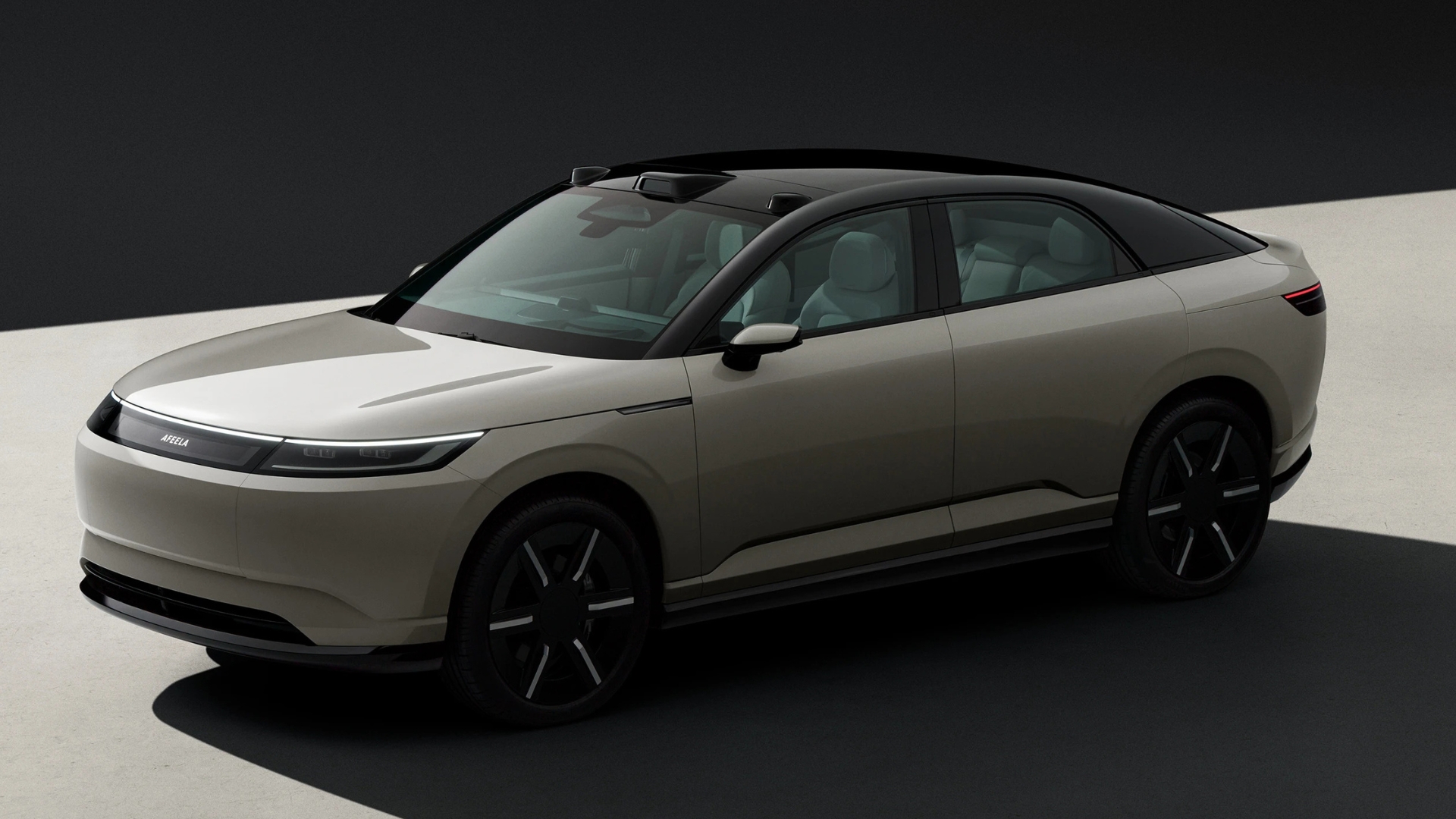
“We are not just building a car; we are crafting a new platform for experiences on wheels,” — a sentiment that echoes from the Sony Honda Mobility venture.
At its core, the afeela prototype 2026 EV SUV is positioned as a technology platform first, challenging traditional automotive norms. With a focus on seamless integration, it aims to make every drive feel less like a commute and more like a curated event. From the moment you approach, its design whispers innovation, and its capabilities shout revolution. This isn’t about keeping up with the EV trend; it’s about setting a new benchmark for what consumers should expect from their vehicles in the digital age.
The Strategic Partnership: Sony and Honda’s Unique Collaboration
The birth of the Afeela brand is a tale of two giants joining forces with a shared vision. Sony Honda Mobility, officially announced at CES 2023, represents a deliberate fusion of complementary strengths that transcends conventional automotive development. Here’s how this partnership breaks the mold:
- Sony’s Contribution: Decades of expertise in audio engineering, imaging technology, entertainment systems, and software networking. Sony brings capabilities traditionally foreign to automotive design, such as high-fidelity sound systems, advanced sensor arrays for autonomy, and cloud-based content delivery. This isn’t just about adding a fancy stereo; it’s about embedding the vehicle with the soul of a consumer electronics device.
- Honda’s Contribution: Unmatched automotive engineering prowess, deep knowledge in vehicle architecture, safety standards, and manufacturing excellence. Honda ensures that the Afeela Prototype 2026 isn’t just tech-laden but also reliable, efficient, and enjoyable to drive. Their legacy in powertrain development and dynamic handling provides the solid foundation upon which Sony’s innovations can shine.

This collaboration treats the vehicle as an integrated entertainment and mobility platform rather than merely a transportation device. The strategic goal is clear: create intelligent mobility experiences that leverage Sony’s consumer electronics heritage while maintaining Honda’s commitment to reliability and driving dynamics. By doing so, the sony honda electric crossover positions itself to compete directly with luxury EV sedans like the Lucid Air and Tesla Model S, targeting discerning buyers who crave both performance and sophistication.
What truly differentiates Afeela in the crowded EV landscape is its prioritization of the software-driven, user-experience layer. Traditional automakers have often struggled to perfect this aspect, but with Sony’s software networking know-how, the Afeela Prototype 2026 aims to offer a seamless, intuitive interface that evolves over time. Imagine a car that learns your preferences, suggests entertainment based on your mood, and integrates with your digital life effortlessly—this is the promise of this unique partnership.
Deep Dive: Afeela Prototype 2026 Specifications and Design
Delving into the specifics, the Afeela Prototype 2026 is a marvel of modern engineering, designed to impress both tech enthusiasts and driving purists. It shares core architecture and powertrain philosophy with the Afeela 1 sedan, ensuring a proven foundation while introducing SUV-specific enhancements. Let’s break it down into key areas.
Technical Specifications and Powertrain
Under the hood—or rather, beneath the sleek body—lies a powertrain engineered for performance and efficiency. According to details from industry reports, the Afeela Prototype 2026 features dual electric motors, each producing 241 horsepower, with a combined output exceeding 400 horsepower. This all-wheel-drive setup ensures confident traction in various conditions, while an air-spring suspension system adapts to road surfaces for a smooth, composed ride.

- Battery and Range: A 91.0-kWh battery pack provides ample energy, enabling an estimated 300 miles of EPA-rated range. This balances daily usability with long-distance capability, reducing range anxiety for potential buyers.
- Charging Capabilities: While exact figures are still emerging, expect support for fast-charging technologies that can replenish the battery quickly, aligning with modern EV standards.
- Performance Metrics: Though 0-60 mph times aren’t fully disclosed, the power output suggests brisk acceleration, likely in the 4-5 second range, putting it on par with sporty luxury SUVs.
The powertrain isn’t just about raw numbers; it’s about refinement. Honda’s expertise ensures that the electric motors operate quietly and efficiently, while Sony’s input might enhance regenerative braking systems through software optimization, making one-pedal driving intuitive and engaging.
Design and Interior Features
Externally, the Afeela Prototype 2026 boasts a sleek SUV coupé silhouette that marries aerodynamics with aesthetic appeal. Think flowing lines, minimalist surfaces, and strategic lighting elements that communicate with the environment. The design emphasizes spatial flexibility, offering easy access and a spacious cabin without compromising on style.

Inside, the cabin is a sanctuary of technology and comfort. Key highlights include:
- Panoramic Display: A massive, continuous screen spans the dashboard, serving as the command center for infotainment, navigation, and vehicle settings. This isn’t just a gimmick; it’s a gateway to a personalized digital experience.
- Premium Materials: Sustainable fabrics, high-quality plastics, and ambient lighting create an ambiance that feels both luxurious and futuristic. Sony’s audio expertise shines through with a bespoke sound system that delivers concert-hall acoustics.
- Ergonomic Seating: Honda’s focus on human-centric design ensures seats that support long journeys, with adjustable configurations to maximize passenger comfort and cargo space.
The interior is designed to be a “third space”—somewhere between home and office—where occupants can work, relax, or play seamlessly. With ample legroom and clever storage solutions, it caters to families and professionals alike.
Technology and Software Integration
This is where the Afeela Prototype 2026 truly separates itself from the pack. The vehicle is built around a software-defined architecture that allows for over-the-air updates, meaning it can improve and evolve long after purchase. Key technological facets include:
- AI-Powered Assistant: An intelligent assistant, leveraging Sony’s AI capabilities, can handle everything from climate control to suggesting podcasts based on your listening history. It acts as a co-pilot, learning your habits to anticipate needs.
- Immersive Entertainment: Thanks to Sony’s PlayStation integration, passengers can enjoy gaming on the go, with low-latency streaming and compatibility with popular titles. Imagine turning a traffic jam into a gaming session—this is the level of immersion offered.
- Advanced Driver-Assistance Systems (ADAS): Utilizing a suite of sensors and cameras, the Afeela Prototype 2026 features robust ADAS for enhanced safety and semi-autonomous driving. Honda’s safety legacy combines with Sony’s imaging tech to create a system that sees and reacts with precision.
- Connectivity: 5G connectivity ensures that the vehicle is always online, enabling real-time navigation updates, cloud-based services, and integration with smart home devices. You could pre-cool your home while driving back, all through the car’s interface.

The software integration extends to personalization; different driver profiles can recall seating positions, entertainment preferences, and even driving modes, making it feel like a custom-tailored experience for each user.
The Afeela Prototype 2026 in the Competitive Landscape
In a market saturated with electric vehicles, the Afeela Prototype 2026 carves out a niche by emphasizing experience over mere specification sheets. It enters a competitive fray dominated by established players like Tesla, Lucid, and traditional luxury brands transitioning to EV. Here’s how it stacks up:
- Against Tesla: While Tesla excels in software and performance, the Afeela Prototype 2026 counters with superior entertainment integration and a focus on refined comfort. Tesla’s minimalist approach is challenged by Afeela’s immersive, feature-rich cabin.
- Against Lucid and Other Luxury EVs: Lucid Air and similar models offer impressive range and power, but Afeela distinguishes itself through its Sony-backed tech ecosystem. The partnership allows for a more holistic in-car experience, potentially attracting buyers who value innovation beyond horsepower.
- Against Traditional Automakers: Brands like BMW and Mercedes are launching electric SUVs, but they often lag in software agility. Afeela’s software-defined nature gives it an edge in adaptability and user engagement, appealing to digitally-native consumers.
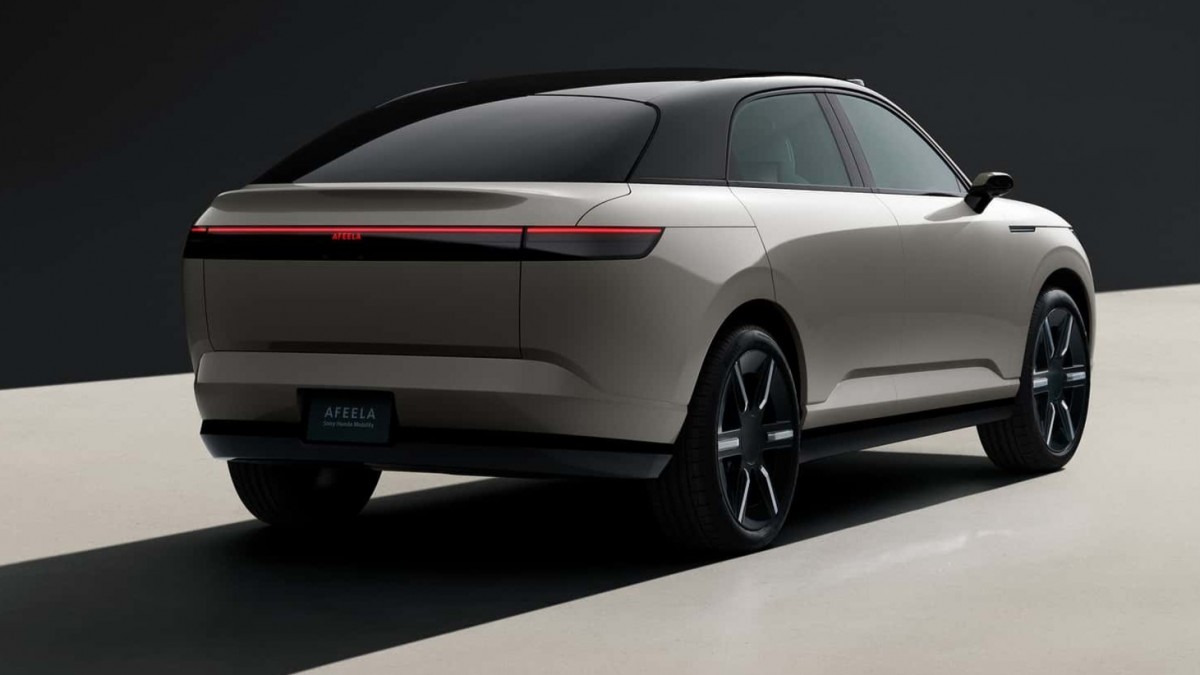
The target demographic is clear: tech-savvy individuals and families seeking a vehicle that’s as smart as their smartphones, with the added benefit of Honda’s reliability. By positioning itself as a sony honda electric crossover, it taps into the credibility of both brands, offering a compelling alternative for those disillusioned with conventional options.
However, challenges remain. The EV market is price-sensitive, and Afeela must balance its premium features with competitive pricing. Early indications suggest it will slot into the luxury segment, but value will be defined by the depth of its technology offerings rather than just traditional metrics.
The Road Ahead: Production Timeline and Market Implications
Looking forward, the Afeela Prototype 2026 is slated for production in 2026, with initial launches targeting North America. This timeline allows Sony Honda Mobility to refine the vehicle based on feedback from pre-production models and evolving market trends. The implications are significant:
- Market Entry: By 2026, the EV landscape will be even more crowded, but Afeela’s unique value proposition could help it stand out. Success will depend on execution—delivering on the promises of seamless software and engaging experiences.
- Technological Evolution: The years leading to release will see advancements in battery tech and autonomy. Afeela’s software-focused approach means it can incorporate these updates more fluidly than hardware-centric competitors.
- Consumer Adoption: As awareness grows, the brand will need to educate buyers on its distinct advantages. Marketing efforts will likely highlight the entertainment and connectivity features, positioning it as a lifestyle choice rather than just a car.
- Industry Impact: If successful, the Afeela Prototype 2026 could push other automakers to deepen collaborations with tech firms, accelerating the convergence of automotive and digital industries.
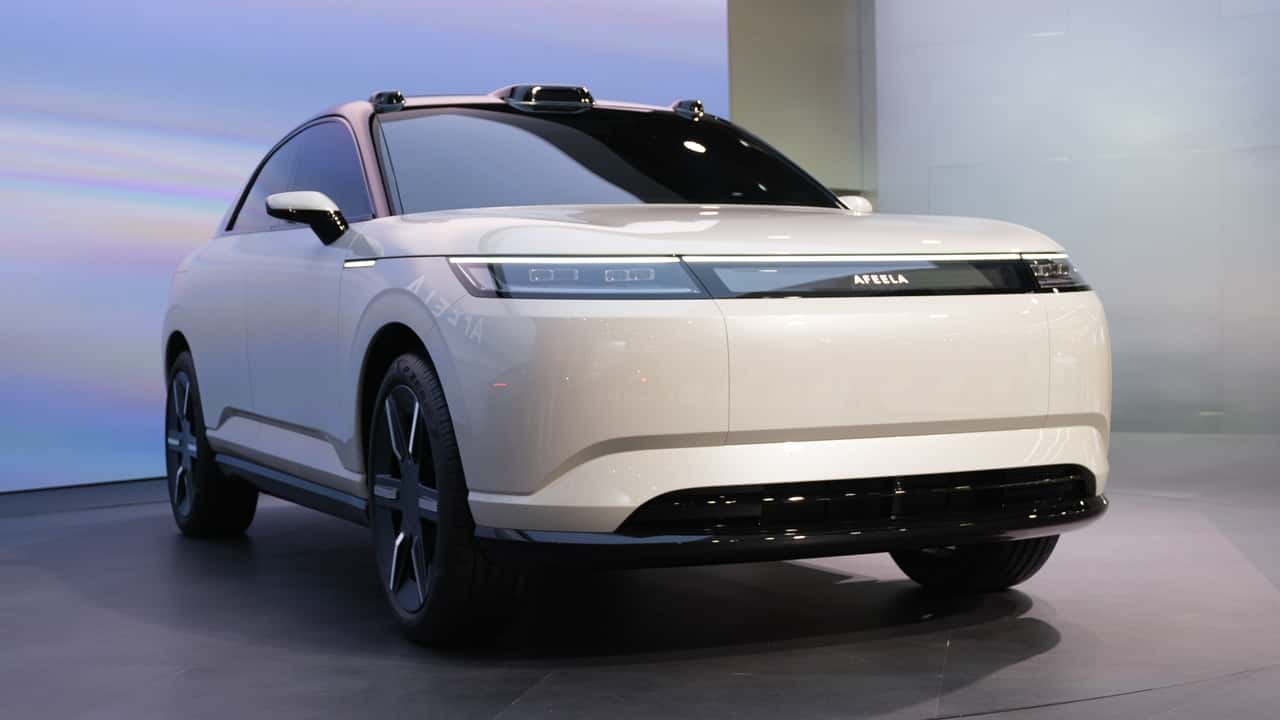
Production will leverage Honda’s manufacturing expertise, ensuring quality and scalability. Reservations are expected to open in 2025, with pricing details to follow. The journey from prototype to production is fraught with hurdles, but the partnership’s combined resources provide a solid foundation for navigating them.
Frequently Asked Questions
What is the expected price range for the Afeela Prototype 2026 EV SUV?
While official pricing hasn’t been announced, industry analysts speculate it will start in the $70,000 to $90,000 range, positioning it as a premium offering competing with other luxury electric SUVs. Final costs will depend on trim levels and optional features.
How does the Afeela Prototype 2026 differ from the Afeela 1 sedan?
The Afeela Prototype 2026 builds on the Afeela 1 sedan’s architecture but offers greater spatial flexibility and accessibility as an SUV coupé. It shares similar powertrain and technology but is designed for those needing more interior space and versatility, with enhanced entertainment features tailored for family and adventure use.
Will the Afeela Prototype 2026 support autonomous driving?
Yes, it will feature advanced driver-assistance systems (ADAS) capable of semi-autonomous functions like highway pilot and parking assistance. However, full autonomy will depend on regulatory approvals and software updates, with Sony’s imaging tech playing a key role in sensor accuracy.
What charging infrastructure will it use?
The Afeela Prototype 2026 is expected to support CCS and NACS standards, ensuring compatibility with major public charging networks in North America. Home charging solutions will also be available, with fast-charging capabilities to reduce downtime on long trips.
Can I play PlayStation games in the car?
Absolutely! Thanks to Sony’s integration, the vehicle will support PlayStation gaming via cloud streaming or direct console connectivity, allowing passengers to enjoy games on the panoramic display during rides. This feature highlights the emphasis on in-car entertainment.
When will the Afeela Prototype 2026 be available for test drives?
Test drives are likely to begin in late 2025 or early 2026, as production models roll out. Interested buyers can stay updated through Sony Honda Mobility’s official channels and pre-order announcements for early access.