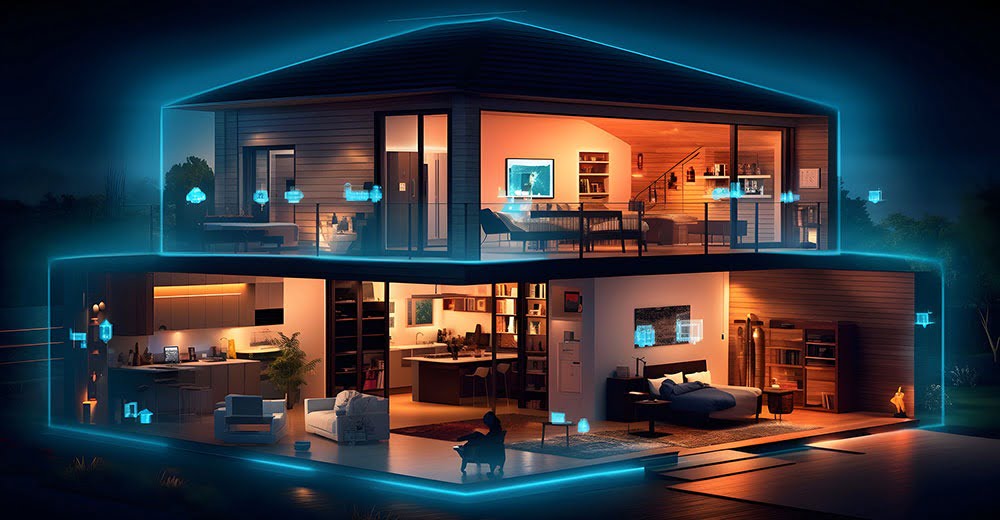

The AI Smart Home Controller 2026: Your Home’s Future Brain
Estimated reading time: 12 minutes
Key Takeaways
- The AI Smart Home Controller 2026 promises to unify fragmented smart home ecosystems into a single, intelligent brain.
- The Matter 2.0 update will expand interoperability, allowing seamless communication across brands and devices.
- Voice-first control systems will evolve to understand natural language and multi-step commands, making interaction more intuitive.
- Contextual automation will enable proactive, AI-driven actions based on holistic context, moving beyond simple triggers.
- Convergence of these technologies will lead to unprecedented convenience, energy efficiency, and personalized living spaces.
Table of contents
- The AI Smart Home Controller 2026: Your Home’s Future Brain
- Key Takeaways
- Introduction: The Smart Home Dilemma
- Matter 2.0 Update: The Foundation of Interoperability
- Voice-First Control Systems: The Intuitive Interface
- Contextual Automation: The Proactive Brain
- The AI Smart Home Controller 2026 Vision
- Addressing Concerns and Future-Proofing Your Home
- Frequently Asked Questions
Introduction: The Smart Home Dilemma
Are you tired of juggling multiple apps to control your lights, thermostat, and security cameras? Frustrated by basic if-then routines that feel anything but smart? You’re not alone. Today’s smart homes are often a patchwork of devices from different brands, each with its own app and limited automation capabilities. For those just starting to navigate this complex landscape, foundational advice can be found in our Smart Home: Getting Started with Your Journey guide.

But what if your home could truly think for itself? Enter the AI Smart Home Controller 2026—the upcoming central hub that will act as an intelligent brain, unifying all your devices and solving these fragmentation issues by 2026 through advanced integrations. To understand the devices this brain will connect, explore our list of 10 Must Have Smart Home Devices.

This post dives into the key technologies that will power this transformation: the Matter 2.0 update, voice-first control systems, and contextual automation. We’ll explore how these elements converge to create a home that anticipates your needs and operates effortlessly. So, buckle up—the future of smart living is just around the corner.
Matter 2.0 Update: The Foundation of Interoperability
At the heart of the AI Smart Home Controller 2026 is the Matter 2.0 update, the next evolution of the Matter standard. This update focuses on expanded interoperability, enabling universal communication across brands and devices. While current CES 2026 shows Matter as an evolving standard, it already supports broader device categories like thermostats, cameras, locks, and sensors over Wi-Fi or Thread (sources: Matter innovations at CES 2026 and YouTube video).
Why is this foundational for the AI controller? Simply put, the Matter 2.0 update provides richer data streams from more devices, allowing the AI to manage a wider array without compatibility headaches. Imagine a home where your Philips lights, Nest thermostat, and August lock all speak the same language—no more app-switching or complex setups.
At CES 2026, multiple products showcased Matter connectivity, confirming its role as the central standard for interoperability. From energy-efficient thermostats to advanced security cameras, Matter is paving the way for seamless brand-agnostic control (sources: Matter innovations at CES 2026 and YouTube video).
The Matter 2.0 update is expected to expand support for energy and water management, as well as advanced sensors, making it a critical step toward the AI Smart Home Controller 2026 era. Benefits include:
- Seamless Integration: Devices from different manufacturers work together effortlessly.
- Future-Proofing: Investing in Matter-compatible gear now prepares your home for upcoming AI advancements.
- Simplified Setup: Reduced complexity in adding new devices to your network.
By leveraging the Matter 2.0 update, the AI Smart Home Controller 2026 will tap into a unified data ecosystem, turning your home into a cohesive, intelligent entity rather than a collection of isolated gadgets.
Voice-First Control Systems: The Intuitive Interface
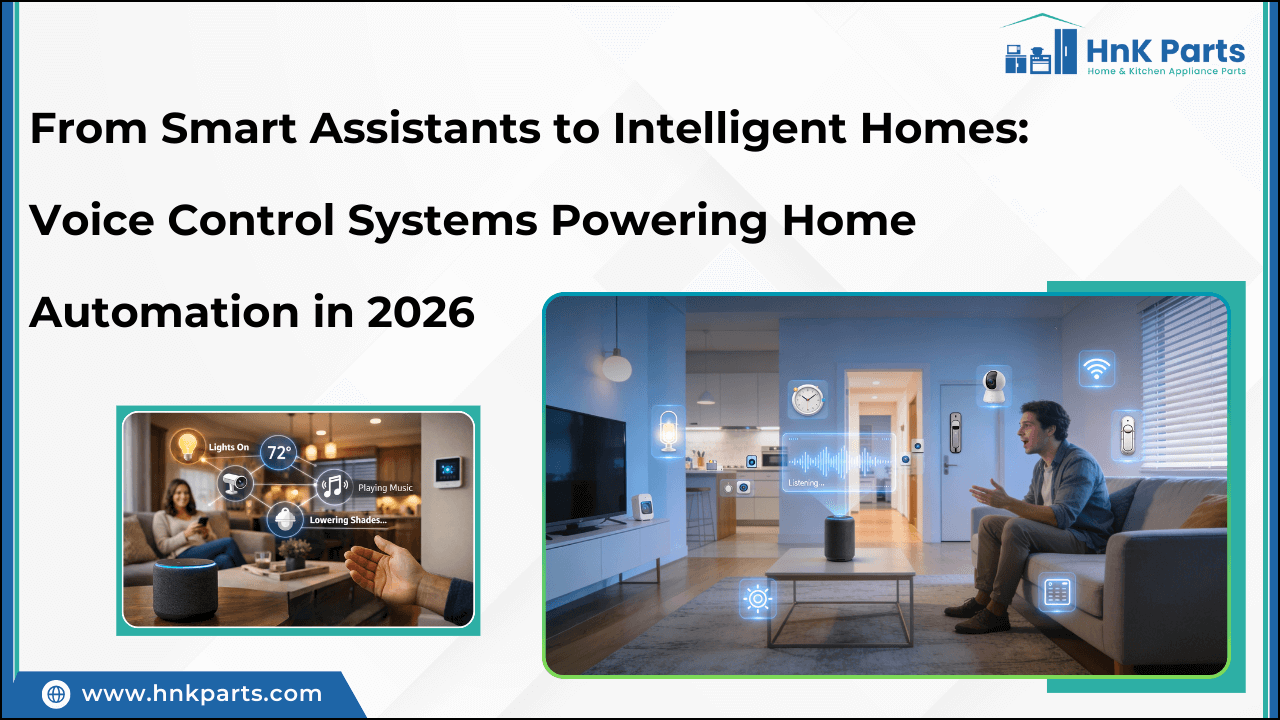
While Matter handles the behind-the-scenes connectivity, voice-first control systems will serve as the intuitive front-end for the AI Smart Home Controller 2026. These next-gen setups evolve beyond basic commands to handle natural language, context, and multi-step intents.
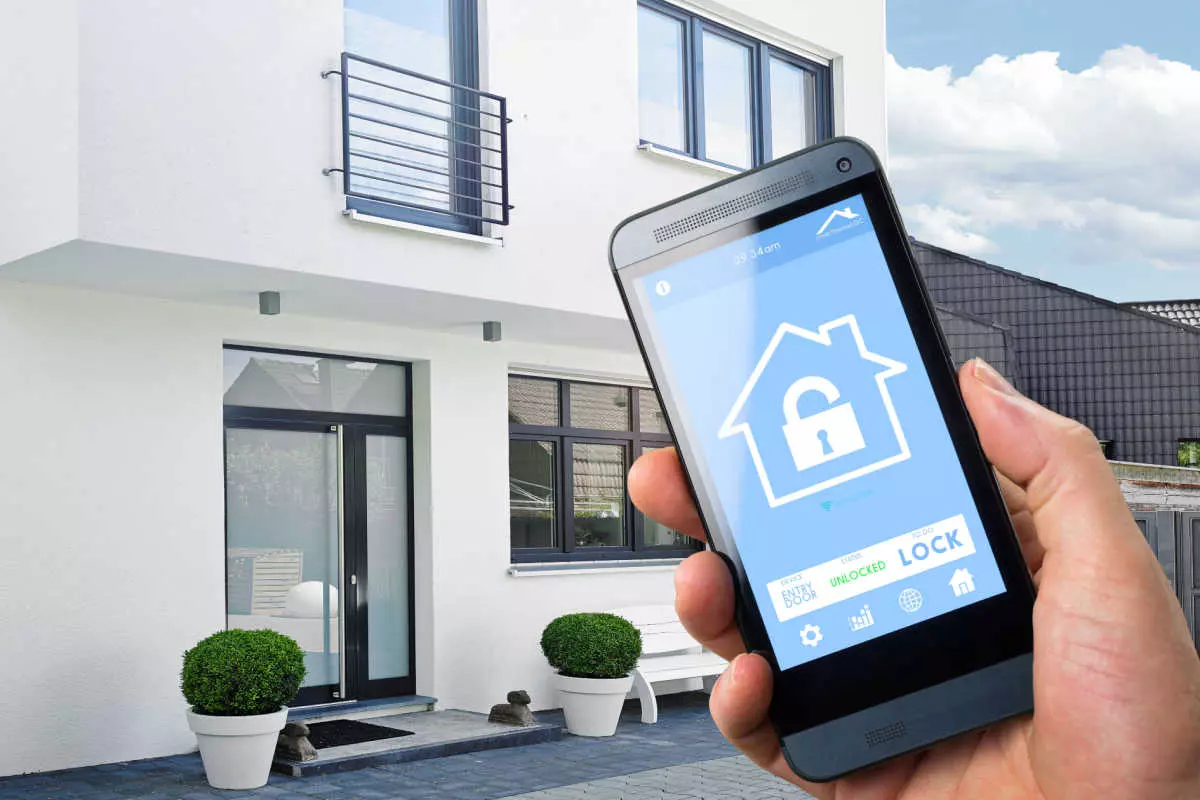
Picture this: instead of saying “Turn off the lights” and then “Close the blinds,” you simply tell your AI, “Hey AI, get the house ready for movie night.” The system understands the context—dimming the lights, closing the blinds, and starting the TV—all through a single, conversational request.
At CES 2026, voice control capabilities and Apple Home integration were highlighted, though detailed conversational AI still requires future advancements (source: YouTube video). This indicates a shift toward more sophisticated voice-first control systems that integrate seamlessly with the AI controller.
Here are a few scenarios that showcase the power of voice-first interaction:
- “Turn off unused lights while I’m away”: The system uses location data to identify when you leave and automatically conserves energy.
- “Adjust the thermostat based on my commute”: By analyzing traffic and your schedule, the AI preps your home for your arrival.
- “Start my morning routine”: A simple command triggers coffee brewing, news updates, and blinds opening—all personalized to your habits.
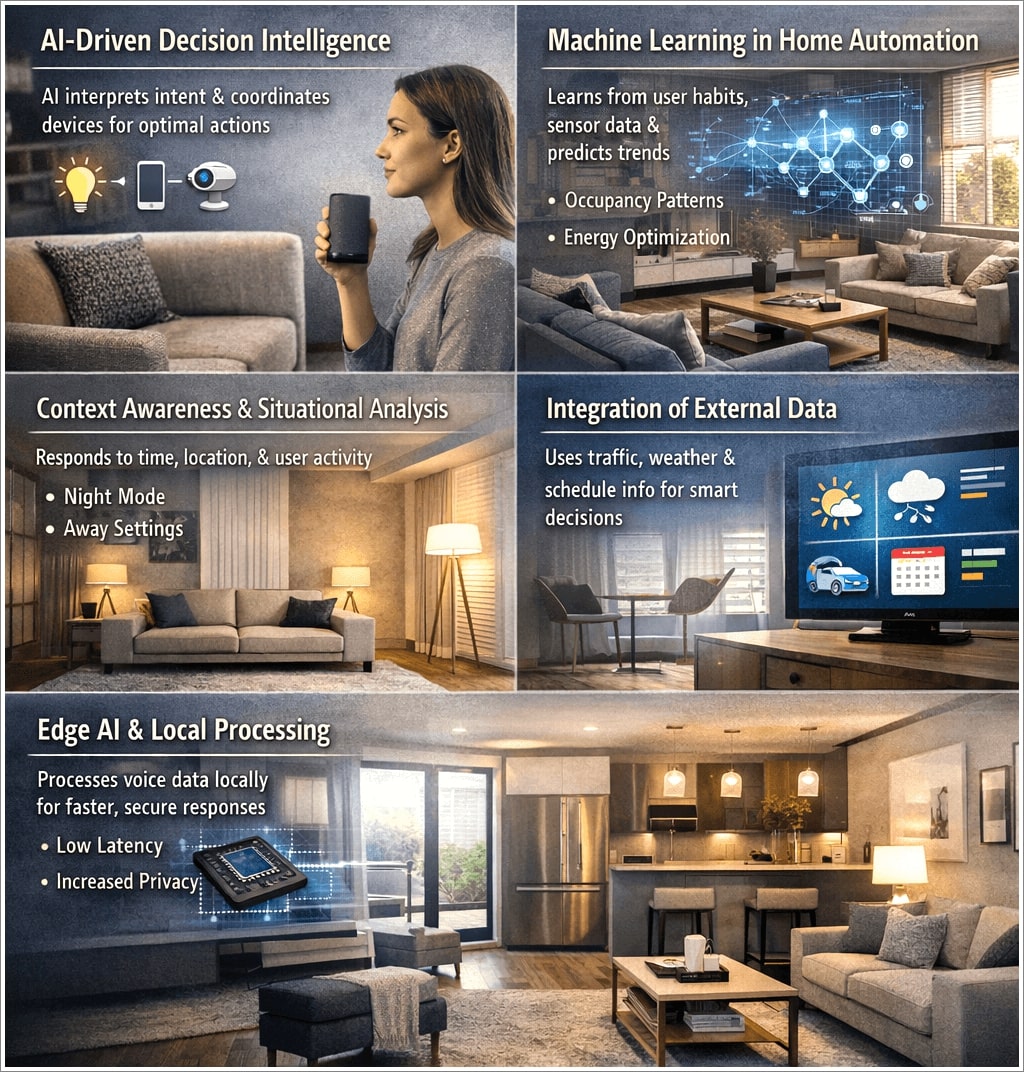
As these systems mature, they’ll become the primary way we interact with our smart homes, making technology feel more like a helpful assistant than a complex tool. The evolution of voice-first control systems is key to making the AI Smart Home Controller 2026 accessible and user-friendly for everyone.
Contextual Automation: The Proactive Brain
Today’s smart home automations are largely reactive—if this, then that. But contextual automation changes the game by enabling AI-driven rules that proactively act on holistic context: time, location, user behavior, device states, and even weather. This represents a major leap in AI in Smart Home Devices.
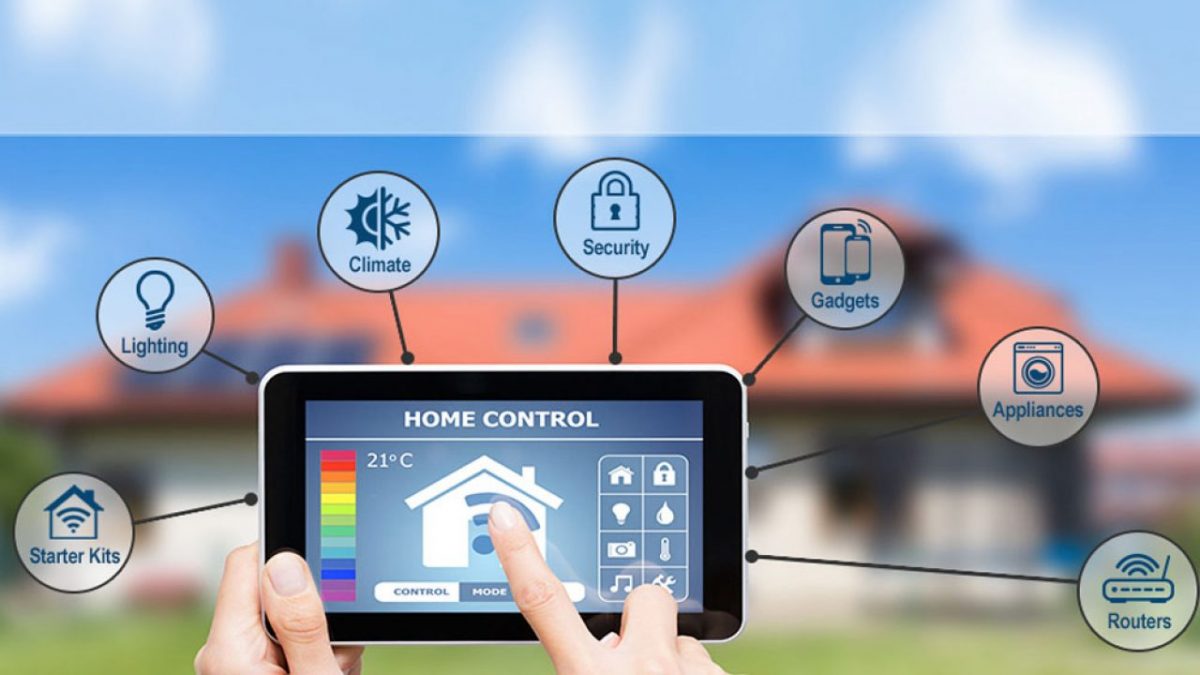
For example, instead of setting a rule to turn on lights at sunset, contextual automation might pre-heat the oven when it detects grocery bags via sensors or adjust lighting based on room occupancy and natural light levels. It’s about prediction, not just reaction.
CES 2026 research reveals exciting advancements in this area. “Spatial intelligence” combines mmWave radar, AI processing, environmental sensing, and Matter standards for real awareness of presence and activities (source: YouTube video). Products like the Thermostat Hub W200 support adaptive heating based on occupancy patterns (source: Matter innovations at CES 2026).

Moreover, AI-based image analysis and presence detection are being used to trigger automations—think of a camera that recognizes when you’re carrying laundry and starts the washer (source: Matter innovations at CES 2026). Other examples include Edge AI for camera object recognition, Google Gemini AI for cloud-based event summaries, and “Mind AI” for robot vacuum obstacle recognition (sources: Matter innovations at CES 2026 and YouTube video).
In essence, contextual automation powers the predictive behaviors that will make the AI Smart Home Controller 2026 truly intelligent. Your home won’t just respond to commands—it will anticipate your needs, creating a living space that feels almost magical in its foresight.
The AI Smart Home Controller 2026 Vision
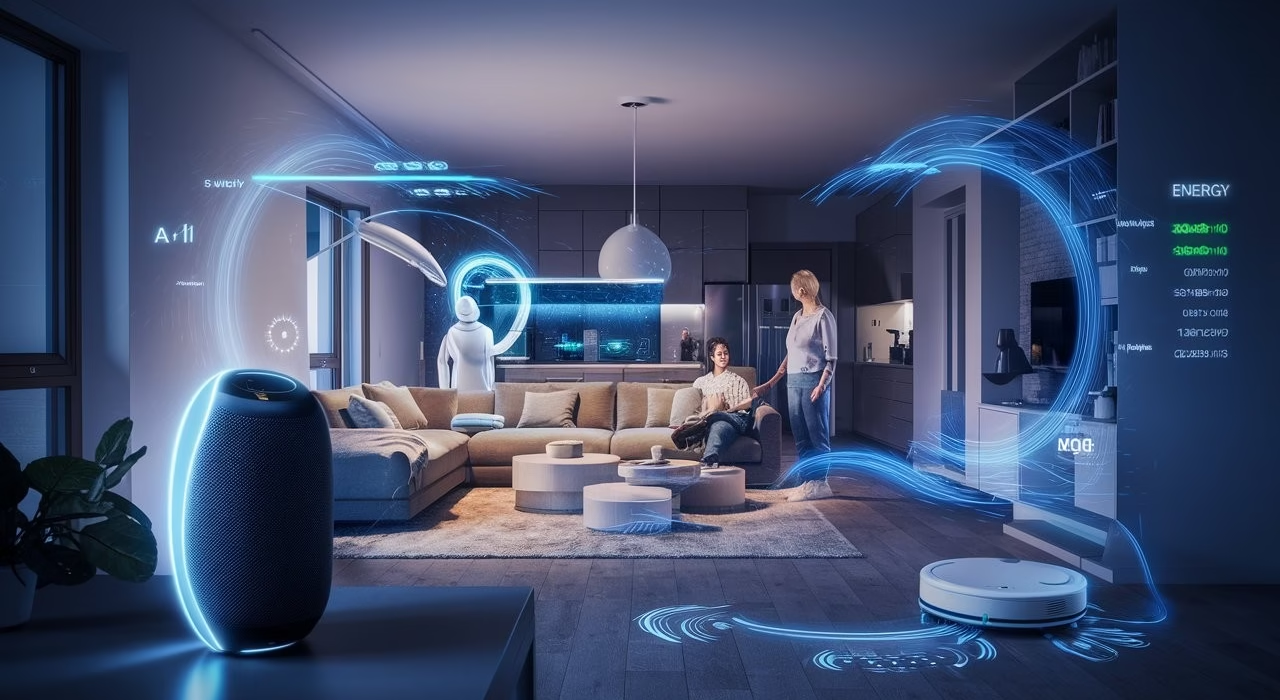
Now, let’s synthesize these pieces into the full AI Smart Home Controller 2026 vision: a unified ecosystem where the Matter 2.0 update handles device connectivity, voice-first control systems enable natural interaction, and contextual automation drives proactive intelligence. This is the next chapter in The Rise of Unstoppable AI-Powered Smart Homes.

Imagine a typical day: You wake up to coffee brewing based on your sleep pattern (contextual automation). As you leave for work, you say, “AI, secure the house” via voice, and all doors lock, lights turn off, and the alarm arms itself (voice-first control). When you return, your home welcomes you with adjusted lighting and temperature, synced seamlessly across brands thanks to Matter.
The benefits are profound:
- Unmatched Convenience: No more app-switching; everything works together harmoniously.
- Energy Efficiency: Smart adjustments reduce waste, lowering bills and environmental impact.
- Accessibility: Intuitive voice control makes smart homes usable for all ages and abilities.
- Hyper-Personalized Spaces: Your home adapts to your unique lifestyle, preferences, and routines.
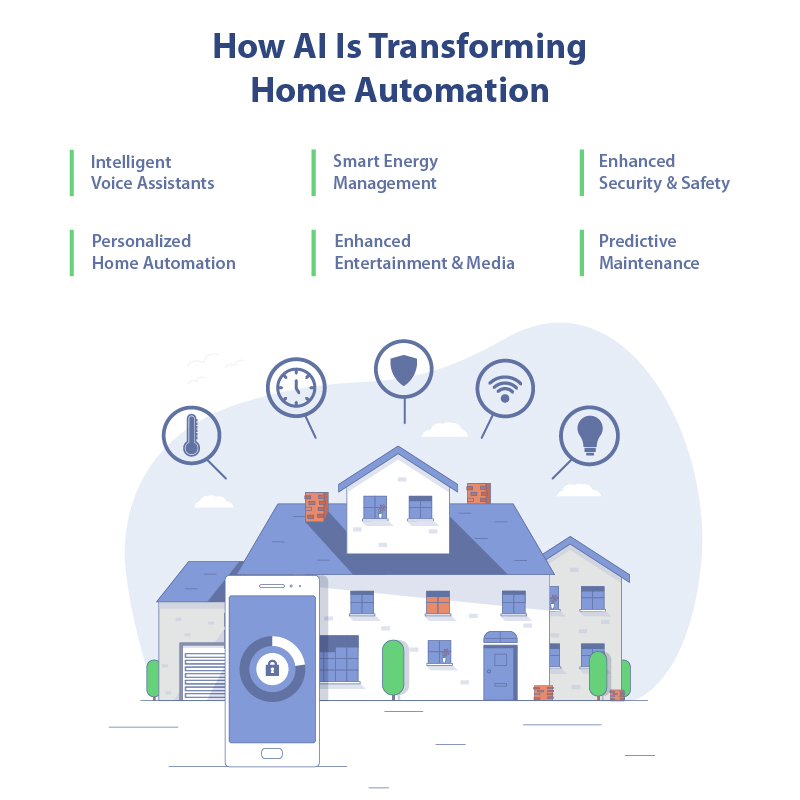
While CES 2026 shows pieces of this puzzle—Matter expansion, spatial AI—the full convergence into a single AI Smart Home Controller 2026 is still conceptual but imminent. The trend is clear: distributed AI is moving toward centralization, and by 2026, we may see the first true brain for our homes, integrating matter 2.0 update, voice-first control systems, and contextual automation into a cohesive whole.
Addressing Concerns and Future-Proofing Your Home
With great intelligence comes great responsibility. Common concerns for smart home users include privacy in always-listening AI and data security. To address these, recommend local processing over cloud where possible, and look for end-to-end encryption standards. CES 2026 research highlights edge AI minimizing cloud reliance, which enhances privacy (source: Matter innovations at CES 2026). For a deeper dive into securing your connected home, see our guide on Game-Changing AI-Powered Security Cameras.
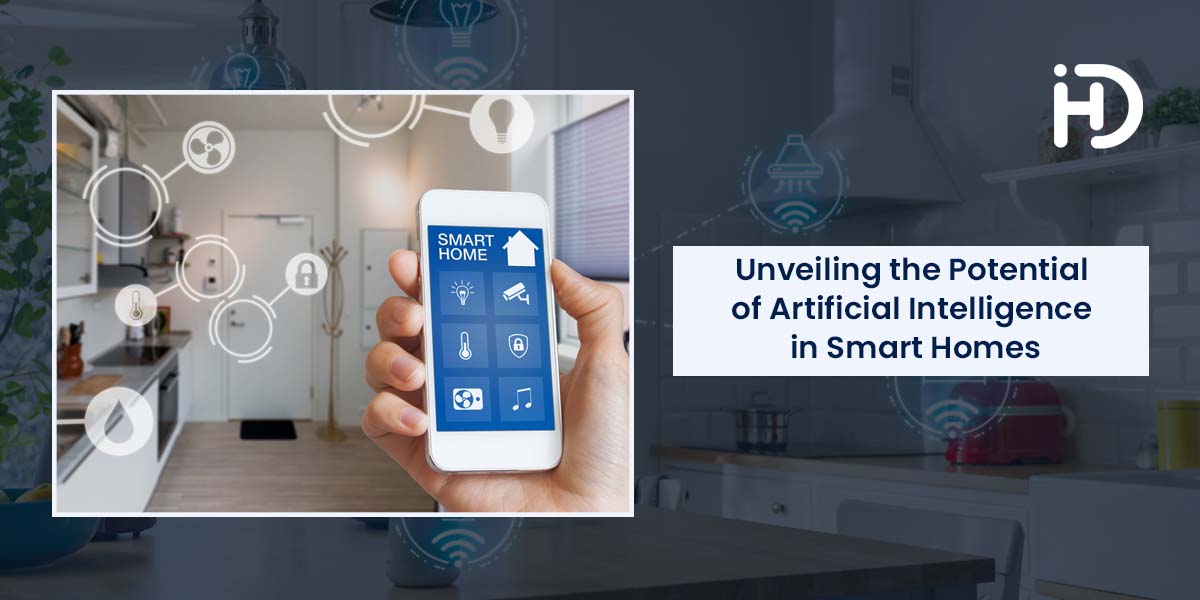
How does the AI Smart Home Controller 2026 compare to current leaders? Google Home, Amazon Alexa, and Apple Home are evolving with Matter support, but they still lack full contextual automation. The AI controller represents the next leap, integrating all three key technologies for a holistic experience.
To prepare for this future, start now:
- Prioritize Matter-Compatible Devices: Invest in gear that supports the Matter standard, like those showcased at CES 2026.
- Upgrade to Thread/Wi-Fi Matter Hubs: Ensure your network infrastructure is ready for seamless connectivity.
- Test Voice Skills: Familiarize yourself with voice assistants to future-proof your interaction methods.
Building a compatible ecosystem today is part of The Evolution of Smart Home Technology. As the AI Smart Home Controller 2026 approaches, adopting Matter 2.0 update-ready gear will smooth the transition. For the latest and greatest products to consider, check out our Best Smart Home Devices: Your Ultimate Guide for 2025.
Frequently Asked Questions
What is the AI Smart Home Controller 2026?
The AI Smart Home Controller 2026 is a conceptual central hub that will unify smart home devices through advanced AI, leveraging the Matter 2.0 update, voice-first control systems, and contextual automation to create a proactive, intelligent home ecosystem.
How does the Matter 2.0 update differ from current Matter standards?
The Matter 2.0 update expands interoperability to include more device categories like energy management systems and advanced sensors, providing richer data for AI controllers and ensuring seamless communication across brands.
Are voice-first control systems secure?
Security is a priority. Look for systems with local processing, end-to-end encryption, and minimal cloud dependency. Edge AI, as seen in CES 2026 research, helps reduce privacy risks by processing data on-device.
What are some examples of contextual automation?
Examples include pre-heating the oven when sensors detect grocery bags, adjusting lighting based on occupancy and natural light, or starting a robot vacuum when no one is home. These actions are triggered by holistic context rather than simple triggers.
How can I prepare my home for the AI Smart Home Controller 2026?
Start by investing in Matter-compatible devices, upgrading to Thread or Wi-Fi Matter hubs, and experimenting with voice assistants. For the latest products, check out our Best Smart Home Devices: Your Ultimate Guide for 2025.
Will the AI Smart Home Controller 2026 replace existing smart home platforms?
Not immediately. It will likely integrate with existing platforms through Matter, gradually centralizing control. Current leaders like Google and Amazon are expected to evolve their systems to incorporate similar AI features.