
AI Smart Learning Toys Innovation: The Future of Educational Play
Estimated reading time: 12 minutes
Key Takeaways
- AI smart learning toys innovation is transforming play from passive entertainment into dynamic, intelligent learning partnerships.
- These toys leverage core technologies like AI, machine learning, and adaptive algorithms to create personalized, responsive experiences.
- They evolve from simple gadgets into true interactive education gadgets that offer real-time feedback and empathetic interactions.
- Connected play educational tech integrates physical toys with digital platforms, providing parents with valuable insights and ensuring safety.
- Educational benefits span cognitive, social, and emotional growth, with toys adapting to each child’s unique progress and needs.
- Product categories include AI-powered robots, smart building kits, interactive storytelling devices, and responsive companion toys.
- Practical guidance for parents emphasizes screen time balance, data privacy, age-appropriate selection, and value-driven purchasing.
- The field is rapidly evolving with future directions in natural language processing, AR/VR integration, and creativity-focused AI.
Table of contents
- AI Smart Learning Toys Innovation: The Future of Educational Play
- Key Takeaways
- Opening Hook & Introduction
- The Core Technologies Powering Smart Learning Toys
- From Simple Gadgets to True Learning Partners
- The Connected Ecosystem: Toys, Apps, and Parental Insights
- Educational Benefits: Cognitive, Social, and Emotional Growth
- Product Categories: Examples and Practical Applications
- Practical Guidance for Parents and Educators
- The Evolution Ahead: Future Directions in Smart Educational Play
- Frequently Asked Questions
Opening Hook & Introduction
The world of children’s play is undergoing a seismic shift. Gone are the days of static, one-way toys; welcome to the era of ai smart learning toys innovation. This cutting edge of educational technology merges advanced artificial intelligence with foundational learning principles, creating toys that are not just fun, but intelligent companions in a child’s developmental journey.

At the heart of this revolution is the concept of “phygital” interactions—seamlessly blending physical play with AI-powered digital responses. This is the defining characteristic of the 2026 toy landscape, as highlighted by trend forecasts. The market itself is booming: the smart AI toy sector is projected to reach a staggering $270.79 billion by 2035, growing at a compound annual growth rate (CAGR) of 12.8% through 2030. These aren’t mere gadgets; they are dynamic partners that transform children from passive consumers into active participants in their own learning. This evolution marks a fundamental change in how we think about play, education, and technology’s role in shaping young minds.

The Core Technologies Powering Smart Learning Toys
What makes these toys so smart? It’s a symphony of advanced technologies working in concert. The foundation is built on three pillars: AI, machine learning, and adaptive algorithms. These are the engines that power interactive education gadgets, making them responsive and personalized.
- AI Vision Technology: Toys equipped with cameras use object recognition to create instant educational links. For example, a toy can see a spoon, identify it, and provide real-time translation and pronunciation in another language.
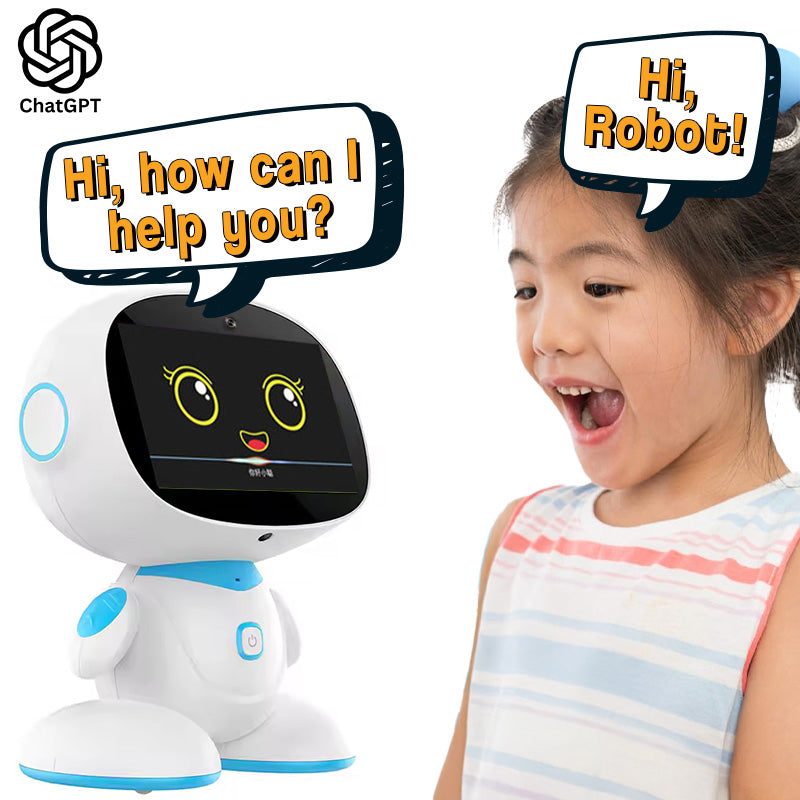
- Voice Recognition: These toys listen, interpret, and respond to spoken commands and conversational prompts, enabling natural dialogue that feels engaging and supportive.
- Emotion Tracking: By analyzing vocal tone, facial expressions (where sensors exist), and behavioral patterns, toys can gauge a child’s emotional state. This allows them to adjust their responses—offering encouragement when frustration is detected or celebrating successes with genuine enthusiasm.
- Multimodal Conversations: The most advanced toys combine voice, touch, and visual inputs to create rich, layered interactions that mimic human conversation more closely.
- Real-Time Adaptation: Through machine learning, toys analyze a child’s behaviors, mistakes, and progress. This data fuels algorithms that personalize the difficulty level and content of activities in real time, ensuring the “just right” challenge.
- Cloud Connectivity: Many toys connect to cloud systems, allowing them to receive continuous content updates, new features, and improvements long after purchase, ensuring the toy grows with the child.
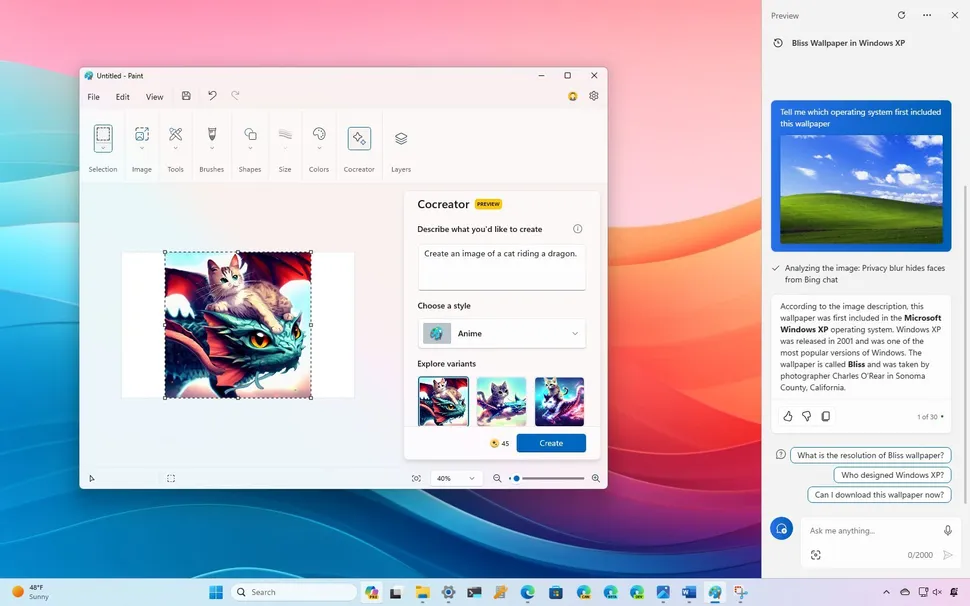
A brilliant example of this tech in action is AI filters that transform a child’s simple doodles into finished, polished artwork—demonstrating a creative and empowering application of vision AI. Together, these technologies enable personalized learning paths that respond intricately to each child’s unique cognitive and emotional needs.
From Simple Gadgets to True Learning Partners
It’s crucial to differentiate modern smart toys from the basic electronic toys of the past. We’ve moved far beyond beeping and flashing. Today’s interactive education gadgets are responsive, adaptive, and empathetic. So, what elevates a toy to the status of a “learning partner”?
- Real-Time Feedback: These toys acknowledge a child’s actions immediately, creating a dialogue. It’s not a one-way instruction; it’s a conversation that validates effort and guides learning.
- Problem-Solving Scenarios: They present interactive challenges that encourage children to think through cause-and-effect relationships, building critical thinking skills from the ground up.
- Empathetic Interactions: Toys can recognize emotional states and adjust accordingly. For instance, Hasbro’s FurReal Friends might respond with a calmer demeanor if a child’s voice sounds upset, or a sensor-rich robot might offer words of encouragement when it detects frustration.
Specific examples bring this to life:
- CogniToys Dinosaurs: Engage children in conversational learning, answering questions and telling stories with emotional responsiveness.
- WowWee Dog-E: Uses an array of sensors to navigate physical spaces while simultaneously responding to a child’s tone of voice and touch.
- Loona Robots: Showcase advanced emotion recognition and adaptive play, reacting to a child’s mood and actions with surprising depth.
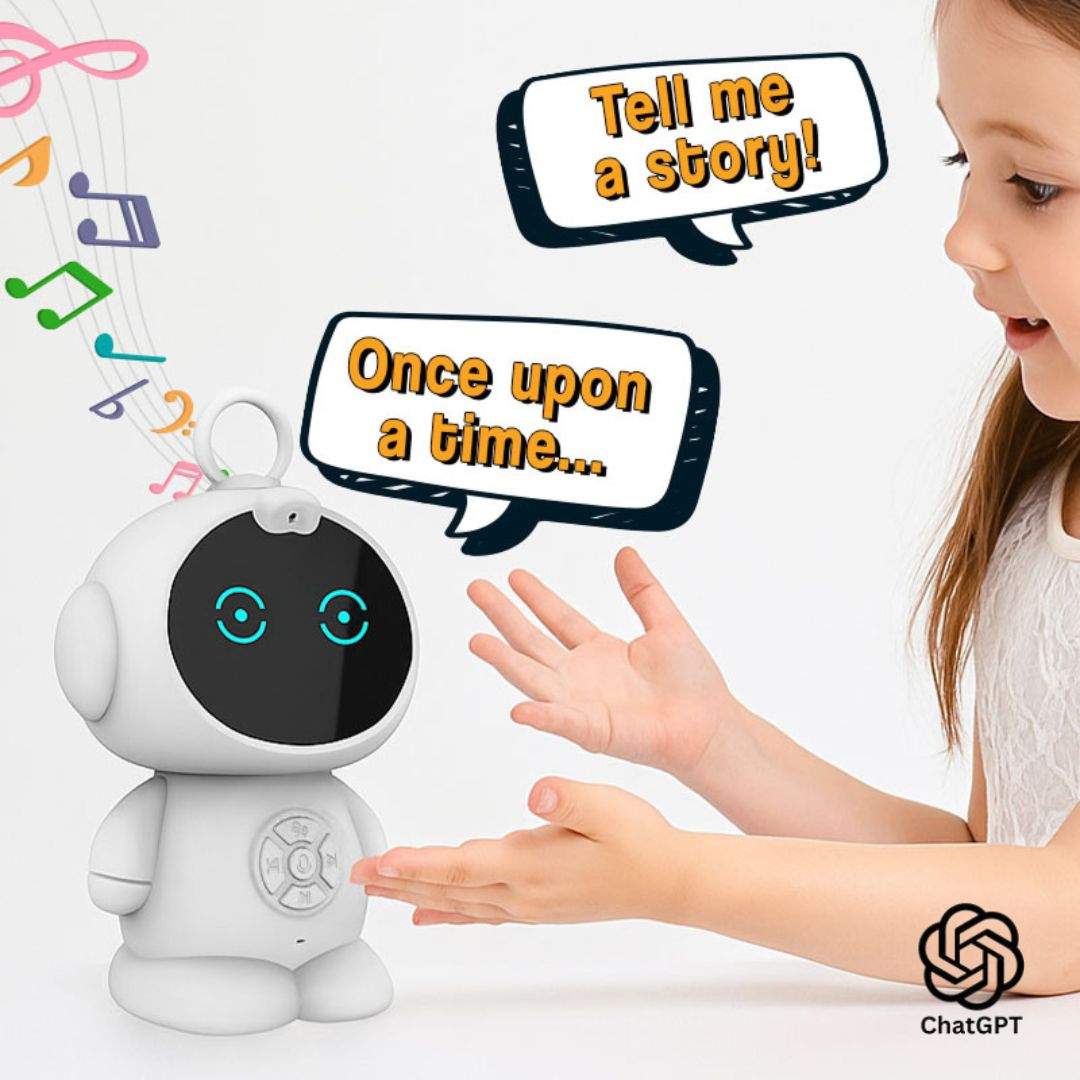
This shift promotes deeper engagement through cause-and-effect play and fosters a genuine emotional connection, making learning feel like play with a trusted friend. This is the essence of ai smart learning toys innovation.

The Connected Ecosystem: Toys, Apps, and Parental Insights
The innovation doesn’t stop with the toy itself. Modern smart toys are nodes in a larger connected play educational tech ecosystem. They integrate physical play with digital platforms that parents and educators can access, creating a holistic learning environment.

Parent App Functionality: Companion apps allow parents to monitor their child’s progress in real-time. They can see which skills are developing, track milestones, and receive data-informed insights into their child’s learning patterns and preferences.
Remote Monitoring & Platform Integration: Parents can check in on activities remotely, and many toys sync with broader educational ecosystems or online learning platforms for seamless continuity between home and school.
Safety Features Are Paramount: With connectivity comes responsibility. Leading toys prioritize child safety with features like:
- Family Recognition Technology: Toys identify authorized users and restrict access to non-approved accounts.
- On-Device Limits: Parental controls that set time restrictions and filter content to be age-appropriate.
- Supervised Multimodal Chats: AI interactions are monitored and limited to prevent exposure to inappropriate content, ensuring a safe digital playground.
Examples include the Toniebox 2, which offers cloud-connected audio stories customizable by parents, and AI learning cameras that provide supervised conversations with detailed progress tracking. This ecosystem enables rich data insights for parents while creating a secure, bounded space for exploration.
Educational Benefits: Cognitive, Social, and Emotional Growth
The true value of ai smart learning toys innovation lies in its tangible developmental benefits. These toys are engineered to support holistic growth.
- Cognitive Skill Development: Adaptive algorithms meticulously adjust difficulty to maintain an optimal challenge level—the “zone of proximal development”—where learning is neither too easy nor too frustrating.
- STEM/STEAM Foundations: Many toys introduce foundational coding concepts, engineering principles, and creative problem-solving in hands-on, engaging ways.
- Language Acquisition: Research from 2023-2025 shows improved vocabulary retention through interactive storytelling and tutoring robots. Children practice conversational skills in a low-pressure, responsive environment.
- Social-Emotional Learning (SEL): Toys help children recognize and name emotions, practice emotional regulation, and develop empathy through interactions with responsive characters that mirror social cues.
- Curiosity & Critical Thinking: Because toys respond in engaging and sometimes unpredictable ways, children are naturally driven to ask more questions. Problem-solving scenarios require them to think through logic and consequences.
- AI Literacy: Early exposure to AI in a playful context helps demystify technology, building a foundational understanding of tools they will encounter throughout their lives.
Perhaps most importantly, the phygital approach—combining tactile, hands-on play with intelligent responses—helps build resilience and teamwork skills. Some toys are designed for group play, facilitating collaborative problem-solving. This balanced design ensures that screen time is purposeful and that emotional regulation is practiced through adaptive, supervised interactions.
Product Categories: Examples and Practical Applications
The world of ai smart learning toys innovation is diverse, offering something for every interest and age group. Here’s a breakdown of key categories:

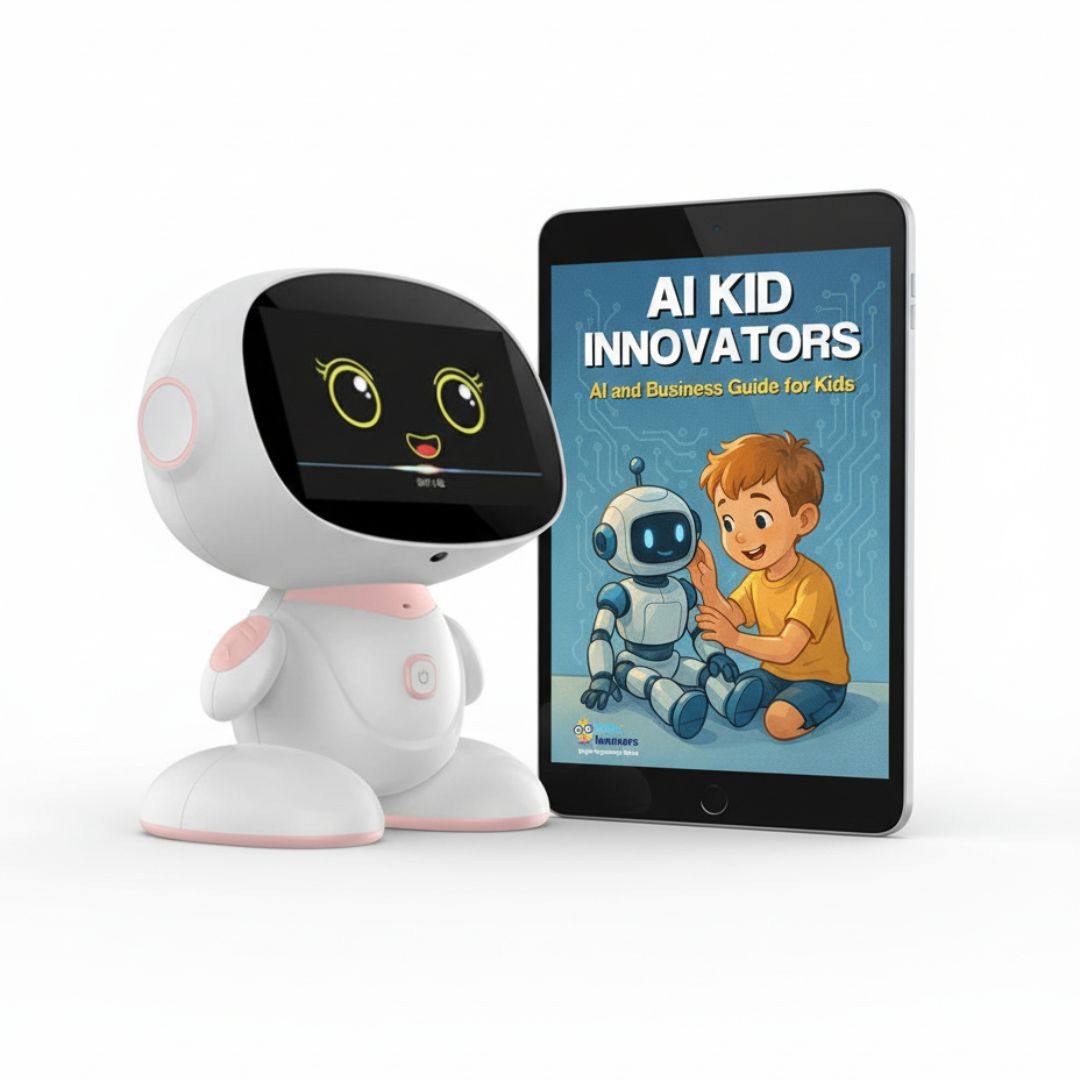
AI-Powered Robots
- Examples: Miko, WowWee Dog-E, Loona, Hex Bots Wall Crawler.
- Key Features: Voice command interpretation, emotion tracking, augmented reality (AR) games, and STEM challenges. They combine physical presence with intelligent responses.
- Age Range: 5+ to 12+.
- Why They Matter: These robots feel like companions, making learning an adventure in social and cognitive play.
Smart Building and Coding Kits
- Examples: Makeblock mBot, Thames & Kosmos KAI, Wonder Workshop Dash, Botley.
- Key Features: Block-based visual coding (no reading required), hands-on assembly teaching engineering concepts, and integration of AI principles.
- Age Range: 5+ to 12+.
- Why They Matter: They make computational thinking tangible and creative, as children build and program their own inventions.
Interactive Storytelling Devices
- Examples: Toniebox 2, AI Learning Camera.
- Key Features: Audio-based storytelling, object recognition for educational content, and AI filters that transform doodles into artwork.
- Age Range: 5+.
- Why They Matter: They demonstrate how AI can supercharge creative expression and narrative engagement, often with minimal screens.
Responsive Pet and Companion Toys
- Examples: Hasbro FurReal Friends, Furby DJ.
- Key Features: Response to touch and sound cues, developing emotional bonds through personalized interactions.
- Age Range: 5+.
- Why They Matter: They provide the comfort and engagement of a pet while offering educational interactions that teach empathy and care.
Each category embodies the principles of interactive education gadgets and connected play educational tech, whether through app integration, cloud updates, or adaptive responses.
Practical Guidance for Parents and Educators
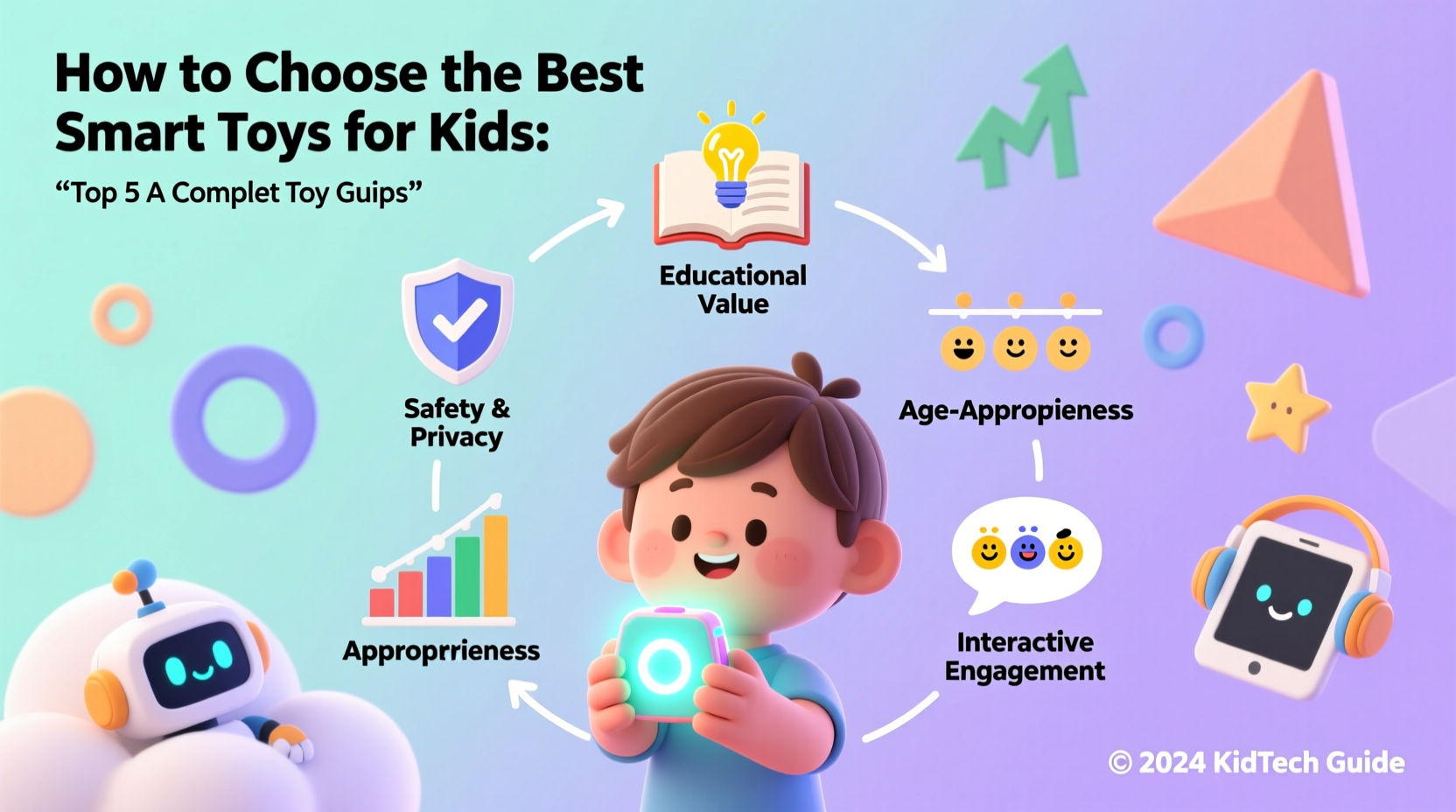
Navigating this new landscape requires thoughtful selection. Here’s how to choose wisely:
1. Screen Time Balance:
- Prioritize phygital toys that require physical manipulation or tactile engagement.
- Set clear time limits, even for low-screen toys.
- Co-play when possible to enhance learning and maintain meaningful oversight.
2. Data Privacy and Security:
- These toys collect behavioral and developmental data. It’s crucial to review privacy policies before purchase.
- Look for regulated, child-safe defaults. Reference 2026 Senate hearings that highlighted manipulative risks in kid-friendly AI, underscoring the need for vigilance.
- Enable all supervised use modes and parental controls. Understand what data is collected, how it’s stored, and who has access.

3. Age-Appropriate Selection:
- Match complexity to developmental stage: visual coding toys for ages 6-8, more advanced building kits for 9-12.
- For younger children, choose toys that don’t require reading skills.
- Opt for toys with adjustable difficulty levels to grow with your child.
4. Value-Driven Purchasing:
- Prioritize toys with proven educational benefits over mere entertainment.
- Look for short, goal-oriented activities (15-30 minutes) that encourage focused engagement.
- Select toys that align with your child’s interests to foster sustained engagement.
- Provide adult oversight, especially during initial play, to understand the toy’s functions and model positive interaction.
The Evolution Ahead: Future Directions in Smart Educational Play
The field of ai smart learning toys innovation is far from static. It’s an accelerating frontier with exciting possibilities on the horizon.
- Advances in Natural Language Processing (NLP): Future toys will engage in more fluent, natural conversations, feeling less like robots and more like knowledgeable mentors or tutors.
- AR/VR Integration in Phygital Play: Expect immersive learning environments where physical toys interact with augmented or virtual reality layers, creating captivating educational worlds.
- The Shift to Creativity-Focused AI: The next wave will see AI acting as a collaborative tool for creation. Imagine generative AI that helps children compose music, write stories, or iterate on art projects, fostering original thought.
Market signals are strong, with a 35% growth in tech-integrated toys and increasing classroom pilots. As adoption spreads, interactive education gadgets and connected play educational tech will become standard in learning environments. The guiding philosophy will continue to balance technological capability with empathetic, child-centered design, increasingly prioritizing responsible AI that focuses on well-being over mere engagement metrics.

Frequently Asked Questions
What exactly are AI smart learning toys?
AI smart learning toys are interactive playthings that use artificial intelligence, machine learning, and sensor technology to adapt to a child’s actions, provide educational content, and respond in real-time. They are designed to be learning partners rather than passive toys.
Are these toys safe for my child’s data privacy?
Safety varies by product. It’s essential to choose toys from reputable companies that offer transparent privacy policies, parental controls, and features like on-device data processing or supervised chats. Always review security settings and enable all available safeguards.
How do these toys benefit my child’s education compared to traditional toys?
They offer personalized learning paths that adjust to your child’s pace, provide immediate feedback, and develop critical thinking, problem-solving, and social-emotional skills through interactive scenarios. Studies show benefits in vocabulary retention, engagement, and conversational practice.
What age group are AI smart learning toys suitable for?
There are options for a wide range, typically starting from age 5. It’s crucial to select toys matched to your child’s developmental stage—simpler, tactile toys for younger children, and more complex coding or building kits for older kids.
How can I ensure a healthy balance with screen time when using these toys?
Look for toys that emphasize “phygital” play—combining physical interaction with digital intelligence. Set time limits, encourage co-play, and prioritize toys that require hands-on manipulation rather than passive screen watching.
What is the future of AI in educational toys?
The future points towards more natural interactions, deeper integration with augmented and virtual reality, and a focus on AI as a tool for creativity and collaboration. The ecosystem will become more interconnected, with smarter toys providing even richer insights for parents and educators.