

AI Toothbrush Health Detection: Your Smart Guide to a Healthier Smile
Estimated reading time: 8 minutes
Key Takeaways
- AI toothbrush health detection uses sensors and AI to monitor brushing habits in real-time, providing personalized feedback for better oral hygiene.
- Advanced sensor health diagnostics track pressure, coverage, and technique with up to 99.08% accuracy, flagging issues like improper angles or overbrushing.
- These devices are at the forefront of oral health tech innovations, leading a market that includes smart flossers and teledentistry apps.
- By integrating with other smart personal care devices, AI toothbrushes create a connected ecosystem for holistic health management.
- The technology offers significant long-term benefits, including early problem detection, reduced dental costs, and improved overall well-being.
Table of contents
- AI Toothbrush Health Detection: Your Smart Guide to a Healthier Smile
- Key Takeaways
- From Bristles to Bytes: The Rise of the AI Toothbrush
- How AI Toothbrush Health Detection Works: The Technology Behind Sensor Health Diagnostics
- The Role of Sensor Health Diagnostics in Preventive Oral Care and Tech Innovations
- Broader Oral Health Tech Innovations and Market Leadership in Smart Personal Care Devices
- Integration with Smart Personal Care Devices: Building a Connected Health Ecosystem with AI Toothbrush Health Detection
- Health Benefits and Long-Term Impact of AI Toothbrush Technology and Oral Health Tech Innovations
- Future Trends: What’s Next for AI Toothbrush Health Detection, Sensor Diagnostics, and Oral Health Tech Innovations
- How to Choose the Right AI Toothbrush: A Selection Guide for Smart Personal Care Devices and Sensor Health Diagnostics
- Frequently Asked Questions
Imagine a toothbrush that does more than just clean—it coaches, analyzes, and protects. The world of oral care is undergoing a seismic shift, moving from a simple hygiene routine to a sophisticated health monitoring ritual. Welcome to the era of AI toothbrush health detection, where your daily brush becomes a powerful diagnostic tool. This healthcare-tech innovation integrates sensors and artificial intelligence to monitor your brushing in real-time, delivering personalized insights that can transform your oral health. By analyzing habits like pressure, coverage, and technique, this technology enables the early detection of issues such as plaque buildup or gum inflammation, positioning the humble toothbrush as a frontline defender in preventive care. This evolution is part of a larger wave of revolutionary AI medical breakthroughs transforming healthcare, bringing lab-grade diagnostics right into your bathroom.
How AI Toothbrush Health Detection Works: The Technology Behind Sensor Health Diagnostics
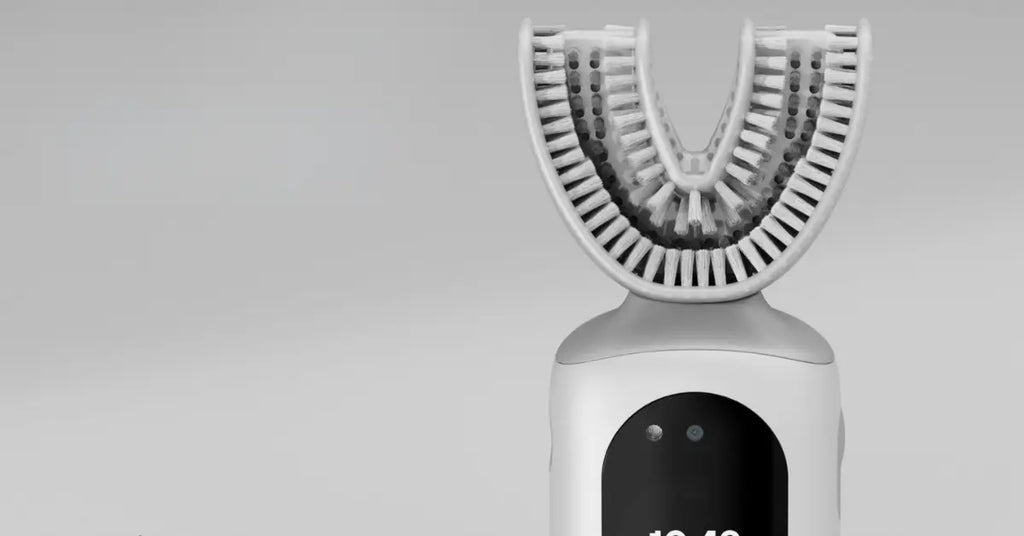
At its core, AI toothbrush health detection is a marvel of modern engineering, blending hardware and software to create a responsive health partner. The magic starts with a suite of advanced sensors embedded within the brush handle. These typically include inertial sensors to detect motion and acceleration, pressure sensors to measure the force applied during brushing, and sophisticated nine-axis motion sensors (like the MPU-9255) that capture multi-dimensional movement data. Together, they collect a comprehensive dataset on your brushing habits—tracking pressure, coverage, time, and intricate motion patterns. Research indicates that this sensor integration is key to moving beyond guesswork in oral care.

This raw data is then processed by powerful AI algorithms. Studies, such as one published by the National Institutes of Health, highlight the use of recurrent probabilistic neural networks (RPNN), which can process sensor data with exceptional accuracy—up to 99.08% for posture recognition. These models often outperform alternatives like Convolutional Neural Networks (CNN) or Long Short-Term Memory networks (LSTM). The AI identifies nuanced issues: Is the brush held at the correct 45-degree angle for the Bass method? Is the user applying a gentle scrub on chewing surfaces? Sensor health diagnostics ensure this feedback is precise and actionable, providing a reliable, personalized critique of your technique. This seamless integration of AI into a daily device mirrors the broader trend of AI in smart home devices, making advanced technology a natural part of everyday life.
The Role of Sensor Health Diagnostics in Preventive Oral Care and Tech Innovations
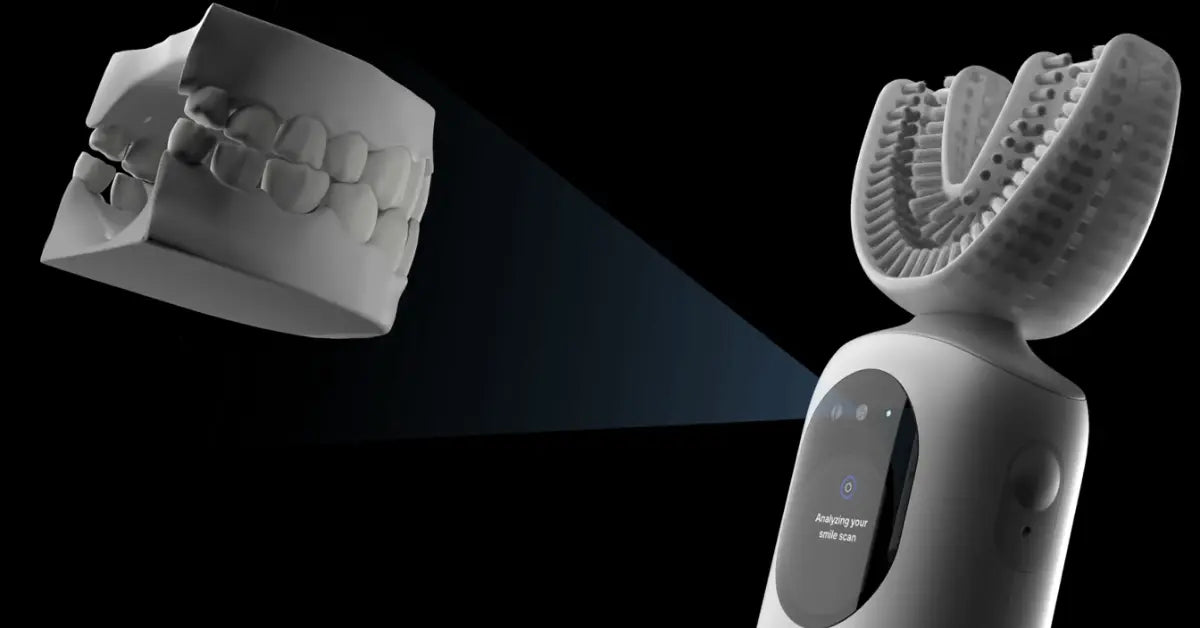
The true power of sensor health diagnostics lies in their ability to revolutionize preventive care. Unlike a biannual dental check-up, these systems provide continuous, real-time monitoring. They track critical metrics like brushing frequency, session duration, and—crucially—the pressure applied, with ideal ranges between 0.8–2.5 Newtons to prevent gum and enamel damage. They also monitor coverage completeness, ensuring no tooth surface is neglected. This data is instantly analyzed, with connected apps flagging problems for immediate user feedback, turning every brushing session into a mini-check-up. As noted by oral health experts, this facilitates early intervention, catching minor issues before they escalate into serious conditions.

This represents a fundamental shift from reactive to proactive health management. Traditional dentistry relies on patients noticing problems or waiting for a scheduled appointment, by which time a cavity may have formed or gingivitis may have set in. Sensor health diagnostics offer a vigilant, always-on alternative. They can differentiate techniques for various mouth areas—promoting a back-and-forth motion on chewing surfaces and a vertical stroke on front teeth—and ensure pressure is consistent and safe across all zones. This granular level of insight allows users to share detailed, objective data with their dentists, enabling more informed professional reviews and personalized advice. This continuous monitoring ethos aligns perfectly with the philosophy behind the latest innovations in wearable tech, where constant data collection leads to better health outcomes.
Broader Oral Health Tech Innovations and Market Leadership in Smart Personal Care Devices
AI toothbrush health detection is not an isolated phenomenon; it’s the flagship innovation within a booming ecosystem of oral health tech innovations. This landscape now includes smart flossers that track usage, AI-powered mouthwashes with smart dispensing, and teledentistry apps for virtual consultations. However, the AI toothbrush holds a leadership position by seamlessly combining an essential daily activity with continuous health monitoring. Pioneering devices like Kolibree’s Ara (introduced in 2017) and the popular Oral-B iO series have paved the way, demonstrating significant consumer demand for smarter oral care. Industry analysis confirms that these devices are setting the standard for the category.
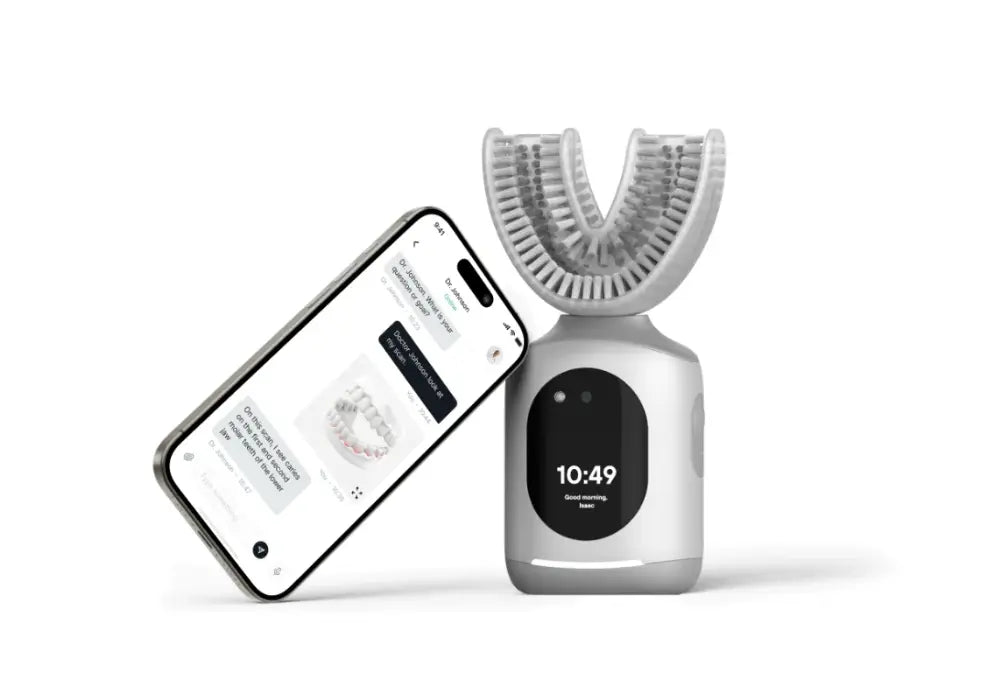
The cutting edge of this field is pushing boundaries far beyond cleaning. Emerging devices are integrating with broader wearable ecosystems and developing astonishing detection capabilities. A prime example is the CES 2026-featured Y-Brush Halo, which uses AI and advanced gas sensors not only to achieve a 20-second efficient clean but also to analyze breath for biomarkers linked to over 300 health conditions, including diabetes and liver disease. As reporting highlights, this points to a future where the bathroom becomes a primary hub for early systemic disease detection. These advancements cement the position of AI toothbrushes as critical smart personal care devices, joining the ranks of other transformative gadgets featured among the 10 coolest wearable tech gadgets you need to know.
Integration with Smart Personal Care Devices: Building a Connected Health Ecosystem with AI Toothbrush Health Detection
The value of AI toothbrush health detection multiplies when it connects with other smart personal care devices, forming an integrated health ecosystem. Through Bluetooth, these toothbrushes sync data to mobile apps, which can then interface with smart mirrors for visual feedback, fitness trackers to correlate oral health with physical activity, and smartphone health dashboards for a centralized view. This connectivity transforms isolated data points into a comprehensive health narrative. Studies on sensor integration underscore the importance of this holistic data approach for accurate health monitoring.

The interactive features within this ecosystem are designed for engagement and education. Users receive real-time audio alerts for improper technique and visual indicators—like color-changing brush heads—that signal when brushing pressure is too high. Companion apps display rich data dashboards, showing trends over time and offering personalized recommendations. Perhaps most powerfully, this integrated system allows users to easily share comprehensive brushing reports with their dentists, providing professionals with objective data on actual home care habits to inform treatment plans. This creates a unified health management platform, simplifying the user experience while offering a holistic view of wellness, much like the interconnected experience promised by AI in smart home devices.
Health Benefits and Long-Term Impact of AI Toothbrush Technology and Oral Health Tech Innovations
The adoption of AI toothbrush health detection delivers immediate and tangible benefits that extend far beyond a brighter smile. The most direct impact is significantly improved oral hygiene through real-time, personalized guidance. Users learn exactly where they are missing spots, applying too much force, or using an incorrect technique. This feedback loop facilitates the early detection of potential issues, such as the early stages of cavities, gingivitis, or plaque accumulation in hard-to-reach areas. Data from AI toothbrushes shows they track a wide array of metrics that contribute directly to this preventive capability.
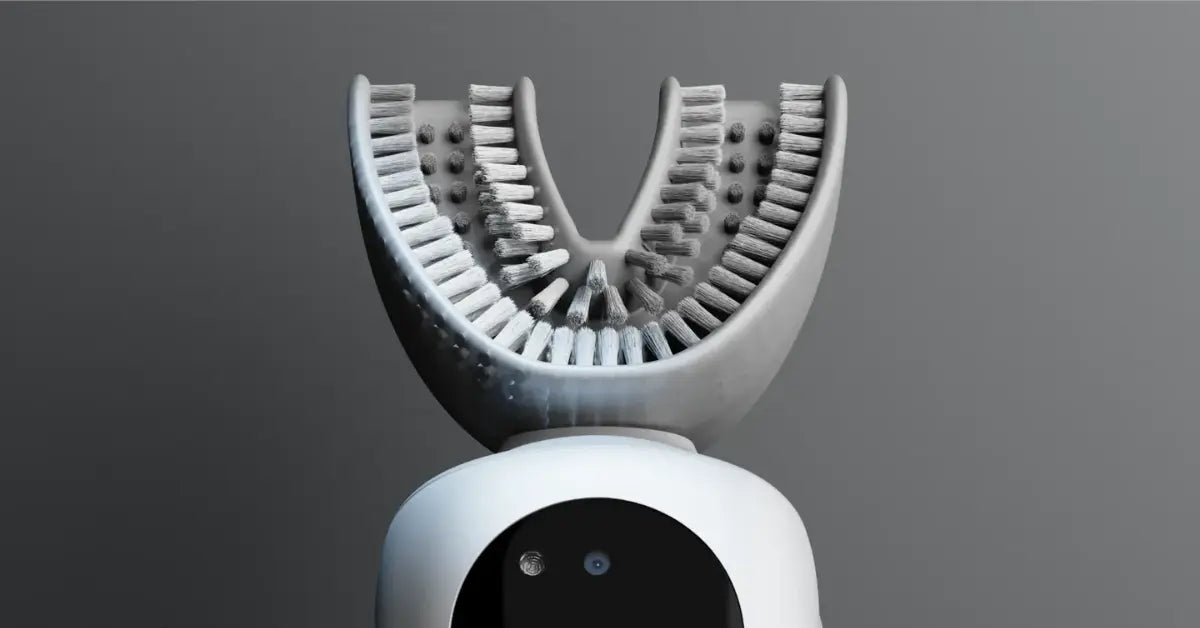
The long-term implications are profound, affecting both health outcomes and economic factors. By preventing serious dental conditions, users can experience a substantial reduction in future dental costs associated with fillings, root canals, or periodontal surgery. Consistent, correct brushing leads to fewer cavities, healthier gums, and greater tooth longevity. Furthermore, since oral health is intrinsically linked to overall systemic health—impacting heart disease risk, diabetes management, and more—these benefits ripple outward. This preventive, data-driven approach epitomizes the goals of modern oral health tech innovations, empowering individuals to take proactive control of their well-being. It’s a principle shared by other wearable health gadgets for a healthy life, which aim to provide the insights needed for long-term wellness.
Future Trends: What’s Next for AI Toothbrush Health Detection, Sensor Diagnostics, and Oral Health Tech Innovations
The future of AI toothbrush health detection and sensor health diagnostics is poised for even more groundbreaking advancements. In the near term, we can expect AI models to evolve from providing feedback to offering predictive analytics, forecasting potential oral health issues weeks or even months in advance based on brushing trend data. Integration with genetic profiles could offer hyper-personalized care plans based on individual predispositions to certain dental conditions.
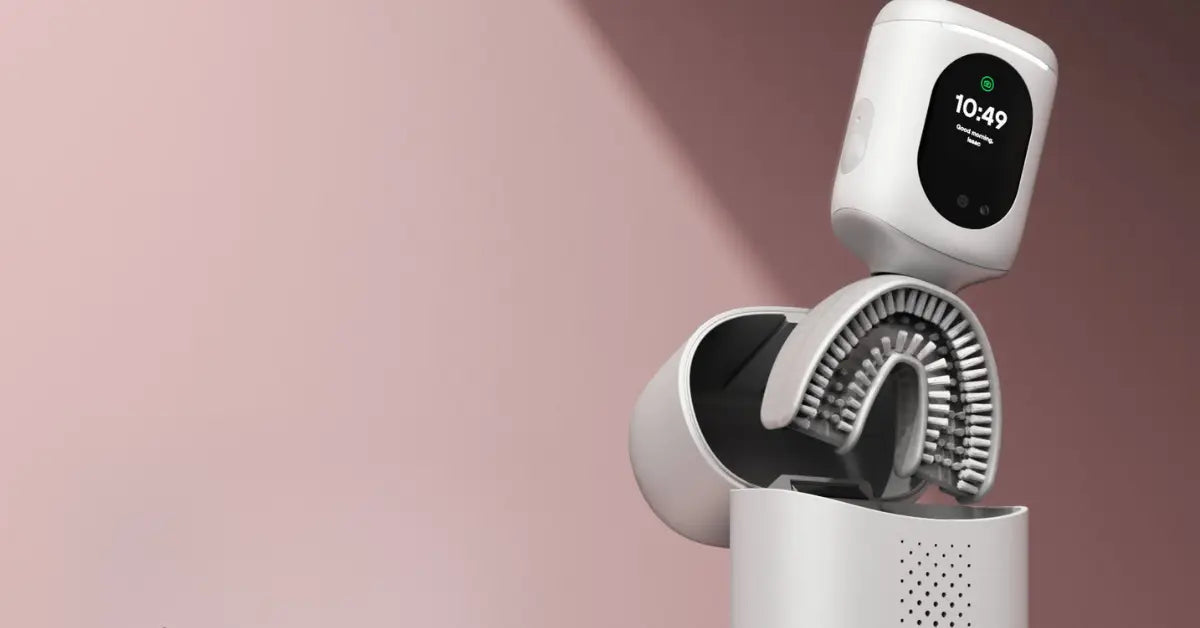
The scope of sensor health diagnostics is also set to expand dramatically beyond the mouth. As glimpsed with devices like the Y-Brush Halo, future toothbrushes may act as full-system health monitors. Through advanced breath and saliva analysis, they could screen for early signs of diabetes, liver conditions, nutritional deficiencies, and respiratory infections. The concept of a “full-mouth diagnostic tray” that can detect diseases without a blood test is moving from science fiction toward reality. Demonstrations of this technology showcase its potential. These oral health tech innovations will further integrate with broader ecosystems, enabling AI-driven personalized treatment plans and virtual dental consultations, continuing the wave of revolutionary AI medical breakthroughs.
How to Choose the Right AI Toothbrush: A Selection Guide for Smart Personal Care Devices and Sensor Health Diagnostics
Selecting the right AI toothbrush requires careful evaluation of its capabilities as both a cleaning tool and a smart personal care device. Start by assessing the sensor specifications. Look for models equipped with nine-axis inertial sensors for comprehensive motion capture and accurate pressure sensors with a defined safe range. The quality of the sensor health diagnostics is paramount. Prioritize devices that utilize advanced AI recognition models, such as RPNN technology, which research shows can achieve accuracy rates over 99% for posture and technique recognition.
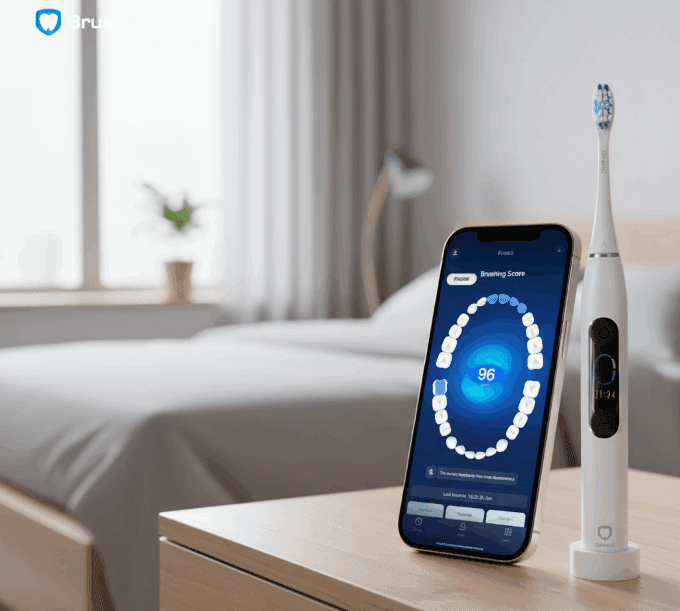
Next, evaluate the app and ecosystem compatibility. The companion app should have an intuitive interface, stable Bluetooth connectivity, and offer clear, actionable data visualizations. Consider how well it integrates with your existing health devices or smart home ecosystem. Align the device’s features with your specific needs: if you have sensitive gums, prioritize precise pressure alerts; if you’re a data-driven health enthusiast, look for seamless integration with wearable tech. To maximize your investment, commit to reviewing your app data regularly to track progress, use habit-tracking features to build consistency, and share reports with your dentist for professional validation. By choosing wisely, you’re not just buying a toothbrush, but investing in a cornerstone of your personal health infrastructure, similar to selecting among the most effective coolest wearable tech gadgets.
Frequently Asked Questions
How accurate is the data from an AI toothbrush?
The data from high-quality AI toothbrushes is remarkably accurate. Advanced models using recurrent probabilistic neural networks (RPNN) have demonstrated accuracy rates up to 99.08% in recognizing brushing posture and technique, as validated by scientific studies. The integrated sensor health diagnostics for pressure, motion, and coverage are calibrated to provide reliable, clinically relevant feedback.
Can an AI toothbrush really detect health problems like diabetes?
The most advanced next-generation models in development are aiming for this capability. Devices like the showcased Y-Brush Halo propose using gas sensors and AI to analyze breath for biomarkers associated with systemic conditions, including diabetes and liver disease. While this represents the cutting edge of oral health tech innovations and is under regulatory review, current commercially available models primarily focus on detecting oral health-specific issues.
Is my brushing data private and secure?
Data privacy is a critical consideration. Reputable manufacturers should have clear, transparent data security policies detailing how your brushing information is stored, used, and protected. Before purchasing, review the company’s privacy policy to understand if data is anonymized, if it is shared with third parties, and what security measures are in place, just as you would with any connected smart personal care device.
Do I still need to see my dentist if I use an AI toothbrush?
Absolutely. An AI toothbrush is a powerful preventive tool, not a replacement for professional dental care. It enhances your daily routine and provides data that can make your dental visits more productive. Regular check-ups are still essential for professional cleanings, examinations of hard-to-see areas, and diagnoses that require clinical expertise. Think of your AI toothbrush as a daily coach that helps you perform your best between professional sessions.
Are AI toothbrushes worth the investment?
For many people, yes. The investment should be evaluated on long-term health and potential cost savings. By improving brushing effectiveness and enabling early intervention, AI toothbrush health detection can help prevent costly dental procedures down the line. The value also comes from personalized education, improved hygiene, and the peace of mind that comes with proactive health management. It’s an investment in both your oral health and your overall wellness journey.