
The Future of XR: Inside Android’s XR/AR/VR Operating System
Estimated reading time: 12 minutes
Key Takeaways
- The Android XR AR VR operating system is Google’s unified, open platform designed specifically for immersive spatial computing devices.
- Its core functionality is built on six technical pillars: 6DoF tracking, low-latency passthrough, multi-modal input, hardware optimization, broad software compatibility, and seamless AI integration.
- A strategic partnership between Google and Samsung is creating a standardized XR ecosystem, with the Samsung Galaxy XR as the flagship reference device.
- Gemini AI integration acts as an intelligent layer, enabling real-time contextual awareness, visual search, and natural interaction within XR environments.
- The platform’s modular, developer-friendly design is accelerating XR platform growth, inviting innovation across industries from enterprise to entertainment.
Table of contents
- The Future of XR: Inside Android’s XR/AR/VR Operating System
- Key Takeaways
- A New Dimension of Computing
- Understanding the Core Functionality of Android XR
- How Android XR Differs from Traditional Operating Systems
- The Google-Samsung XR Ecosystem Partnership
- Gemini AI Integration—The Intelligence Layer for XR
- Accelerating XR Platform Growth Through Developer Enablement
- The Industry Transformation—Where XR and Smartglasses Are Headed
- The Convergence of OS, Hardware, and AI
- Frequently Asked Questions
A New Dimension of Computing
Spatial computing is no longer a futuristic concept—it’s actively reshaping how we interact with the digital world, merging it seamlessly with our physical reality. To understand where this transformative technology is headed, it’s crucial to examine the software foundations being laid today. Our analysis in The Future of Virtual Reality explores this broader landscape. At the heart of this shift is the Android XR AR VR operating system, Google’s dedicated software framework announced in December 2024 and launched in October 2025.
This platform represents a fundamental leap: a unified, open ecosystem built on Android but designed from the ground up to power Augmented Reality (AR), Virtual Reality (VR), and Mixed Reality (MR) devices. Unlike traditional mobile or desktop operating systems, Android XR natively supports the immersive hardware required for spatial computing, marking a pivotal moment in XR platform growth. This article dives deep into its architecture, its transformative partnership with Samsung, the pivotal role of Gemini AI, and its far-reaching implications for our digital future.
Understanding the Core Functionality of Android XR
The Android XR operating system isn’t just a modified version of Android for headsets. It’s a modular architecture engineered specifically for the demands of spatial computing. Its functionality rests on six core technical pillars that enable rich, responsive, and realistic AR experiences and VR experiences.
6DoF Tracking & Spatial Awareness
At the foundation is six degrees of freedom (6DoF) tracking, which allows a device to understand its position and orientation in three-dimensional space with complete rotational and translational movement. This is achieved through a fusion of data from cameras, gyroscopes, and accelerometers. Crucially, Android XR utilizes inside-out environmental mapping, meaning the device uses its own cameras to understand your surroundings without needing external sensors.
This enables advanced features like 3D meshing, plane detection (identifying floors, walls, and tables), and depth sensing. The result? Virtual objects can be anchored realistically in your physical space, appearing to sit on your desk or occlude behind real-world furniture. As detailed by inAirspace, this spatial awareness is what transforms a viewing device into a window into a blended world.
Low-Latency Passthrough & Motion Synchronization
For compelling AR integration, the system must blend the real and virtual flawlessly. Android XR manages this through low-latency video passthrough—a real-time feed from the device’s cameras—overlaid with digital content. The key is synchronizing this blend with your head and hand movements using data from the Inertial Measurement Unit (IMU).
Any lag or misalignment between your movement and the visual feedback can cause discomfort or motion sickness. Android XR’s architecture prioritizes minimizing this latency, ensuring virtual overlays stick convincingly to the real world as you move, which is critical for seamless transitions between AR and VR modes. This technical deep dive explains the importance of this synchronization.
Multi-Modal Input Handling
Gone are the days of relying solely on a mouse or touchscreen. The Android XR operating system is built to process a symphony of natural inputs simultaneously:
- Eye Tracking: Four integrated cameras track gaze, enabling intent prediction, foveated rendering (which boosts performance by rendering only where you look in high detail), and new forms of UI interaction.
- Hand Gesture Recognition: Six cameras detect and interpret hand movements, allowing for pinch-to-select, grabbing, and other intuitive controls without physical controllers, a leap forward for gesture recognition.
- Voice Input: An array of six microphones picks up natural language commands, enabling hands-free control.
- Controller Support: For applications requiring precision, the OS fully supports dedicated controllers with haptic feedback for tactile immersion.
This multi-modal approach, as outlined by industry experts, is what makes interacting with XR wearables feel natural and effortless.
Hardware Optimization for XR Performance
To deliver these experiences, Android XR is optimized for cutting-edge XR hardware. It supports dual high-resolution displays running at 90Hz or higher refresh rates for buttery-smooth visuals. It’s designed to leverage powerful processors like the Snapdragon XR2+ Gen 2, which offers significant performance uplifts over previous generations.

Perhaps most importantly, the OS includes deep power efficiency optimizations to extend battery life during immersive sessions, a critical factor for mainstream adoption of XR platforms. The Samsung Galaxy XR specifications showcase the kind of hardware this OS is designed to unlock.
Broad Software Compatibility
Google understands that a platform is only as strong as its ecosystem. A major advantage of the Android XR AR VR operating system is its backward compatibility with the vast existing library of Android applications, giving it a massive head start in available content.
Furthermore, it provides native support for key development platforms like ARCore (Google’s AR toolkit), the Unity game engine, and the cross-vendor OpenXR standard. This means developers can use familiar tools to build for this new VR platform, significantly lowering the barrier to entry for creating AR software. This analysis highlights how this compatibility strategy fuels ecosystem growth.
How Android XR Differs from Traditional Operating Systems
To appreciate the innovation of Android XR, it’s helpful to contrast it with the operating systems we use daily. Mobile OS like iOS and Android are designed for 2D touchscreen interaction on a single, small display. Desktop OS like Windows and macOS are optimized for keyboard, mouse, and a fixed screen.
The XR operating system represents a paradigm shift:
- Interaction Model: It moves beyond 2D touch to process 3D spatial input from eyes, hands, and voice simultaneously.
- Display & Rendering: It manages dual, high-refresh-rate displays placed inches from your eyes, requiring advanced rendering techniques to avoid strain and create depth.
- Processing Priority: The GPU/CPU workload is fundamentally different, prioritizing real-time environmental understanding, spatial audio, and AI-powered context over traditional multitasking.
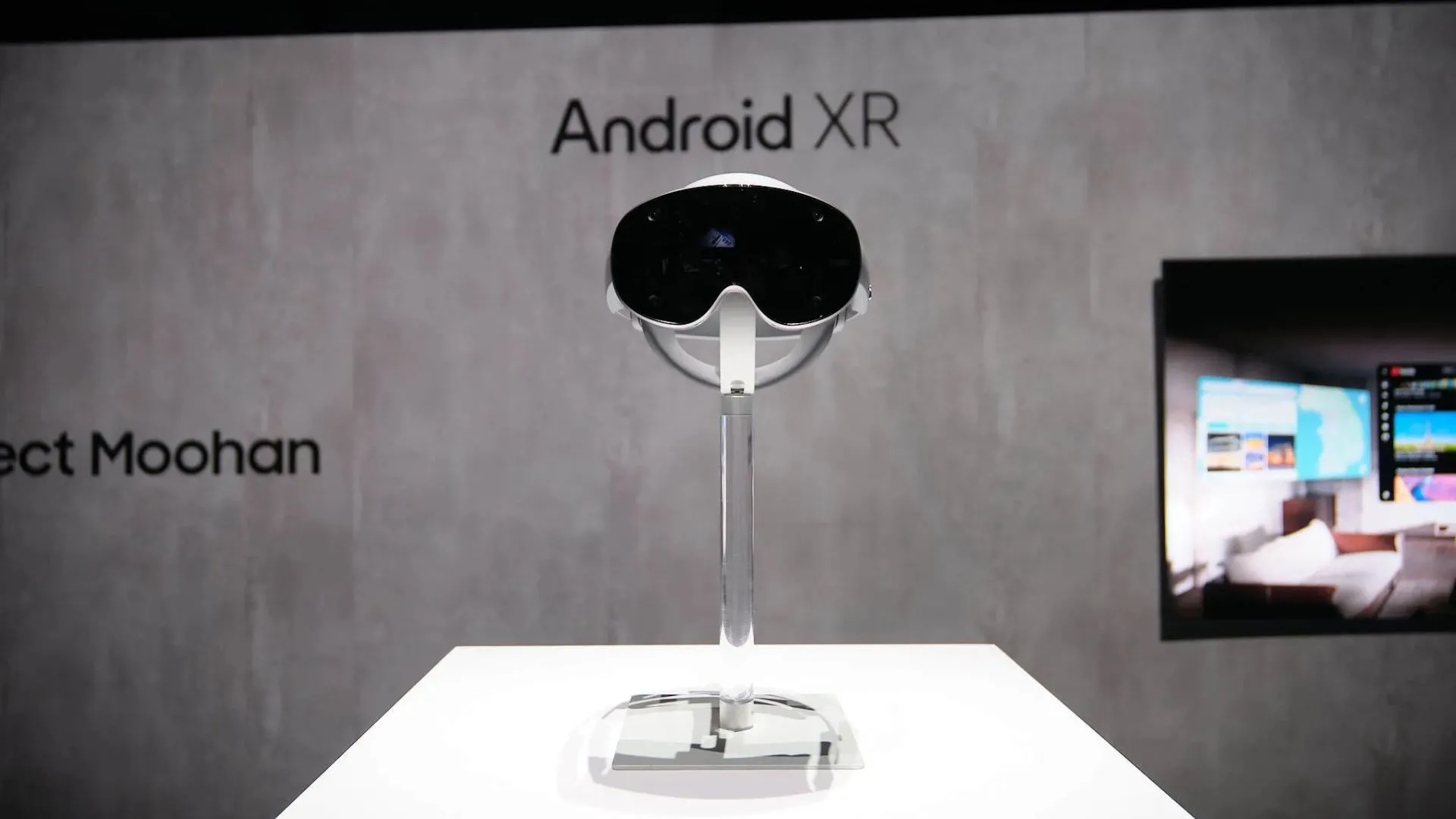
In essence, Android XR is the first spatial computing platform designed not for a screen, but for the space around you. This shift is detailed here, and for a look at how traditional mobile OS are evolving in parallel, see our guide on the Latest iOS/Android Updates & Features in 2025.
The Google-Samsung XR Ecosystem Partnership
A powerful software platform needs flagship hardware to showcase its potential. The strategic collaboration between Google and Samsung is the engine driving the standardization of the open Google Samsung XR ecosystem. This partnership aims to create a unified reference model that other manufacturers can follow, breaking away from the closed, walled-garden models of the past.

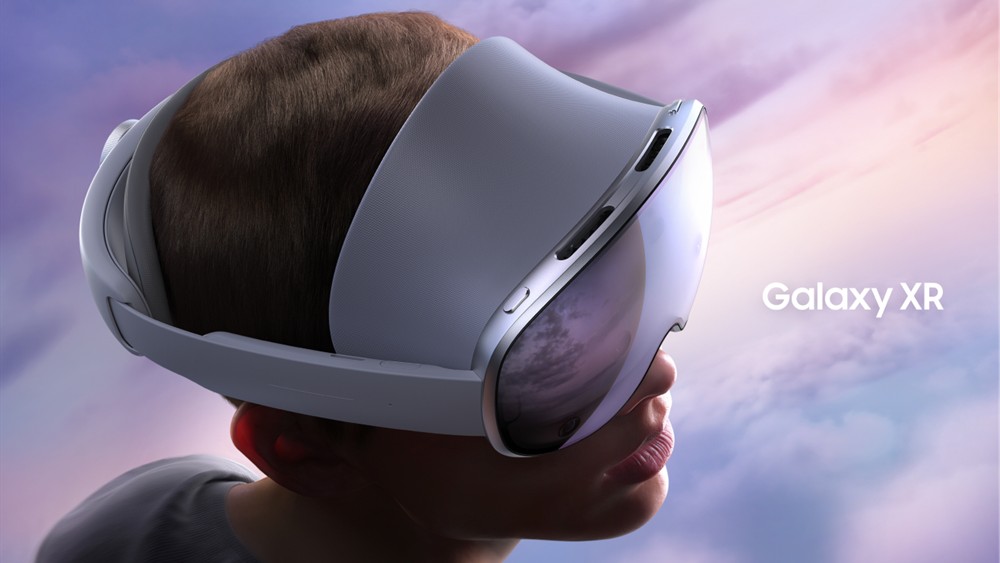
The centerpiece of this collaboration is the Samsung Galaxy XR, the flagship device designed to define the premium Android XR platform experience. It features:
- High-resolution 4K Micro-OLED displays for stunning, vibrant visuals.
- Advanced spatial audio with integrated speakers for a truly immersive soundscape.
- Optimized passthrough video cameras for seamless blending of digital and physical worlds.
- A unique detachable design shield for flexibility across different use cases.
- A powerful processor and thermal management system for sustained performance.
Samsung’s official page and industry reports detail how this device sets the standard for future XR headsets.
Beyond VR/AR headsets, Google is also expanding its lineup of smartglasses, focusing on everyday utility. This includes screen-free AI glasses for contextual audio assistance and display-equipped spatial glasses for navigation and real-time translation. Features like Travel Mode for motion stabilization and Likeness avatars for social interactions point to a future where XR wearables are practical tools, not just entertainment devices. Google’s announcements and the official Android XR portal shed more light on this vision.
Gemini AI Integration—The Intelligence Layer for XR
Hardware and software provide the canvas, but Gemini AI integration supplies the intelligence that transforms Android XR from a capable platform into a contextual assistant. This aligns with the broader industry trend, detailed in our analysis of Meta’s Aggressive AI Hiring Strategy. Gemini’s AI-native architecture runs both on-device for instant responses and in the cloud for complex reasoning, allowing it to understand and interact with both digital and physical environments in real-time.

This enables several groundbreaking capabilities for AI-powered XR:
Circle to Search Integration
Imagine looking at a landmark, a product, or a sports play and instantly getting an information overlay. With Circle to Search built into XR, users can search for details about what they see in their environment without breaking immersion. This feature turns the world into an interactive search query.
Immersive Navigation & Exploration
XR navigation moves beyond turn-by-turn arrows on a phone. With Android XR, you can explore 3D maps spatially, walk through a photorealistic Street View of a destination before you visit, or see directions overlaid directly onto the streets in front of you. Google’s demonstrations showcase this transformative approach to exploration.
Real-Time Translation & Contextual Assistance
Gemini can provide live translation of text in the physical world—be it a restaurant menu, a street sign, or a document. It can also act as an intelligent assistant, helping with task planning, generating creative environments, or holding natural conversations. This contextual intelligence is what makes Gemini XR wearables truly useful companions. Analysts note that this synergy is the key differentiator for the platform.
Accelerating XR Platform Growth Through Developer Enablement
The true test of any platform is its ability to attract developers. Android XR’s open, modular architecture is specifically designed to catalyze XR platform growth. By providing a comprehensive developer ecosystem, Google lowers the barriers to building immersive experiences.
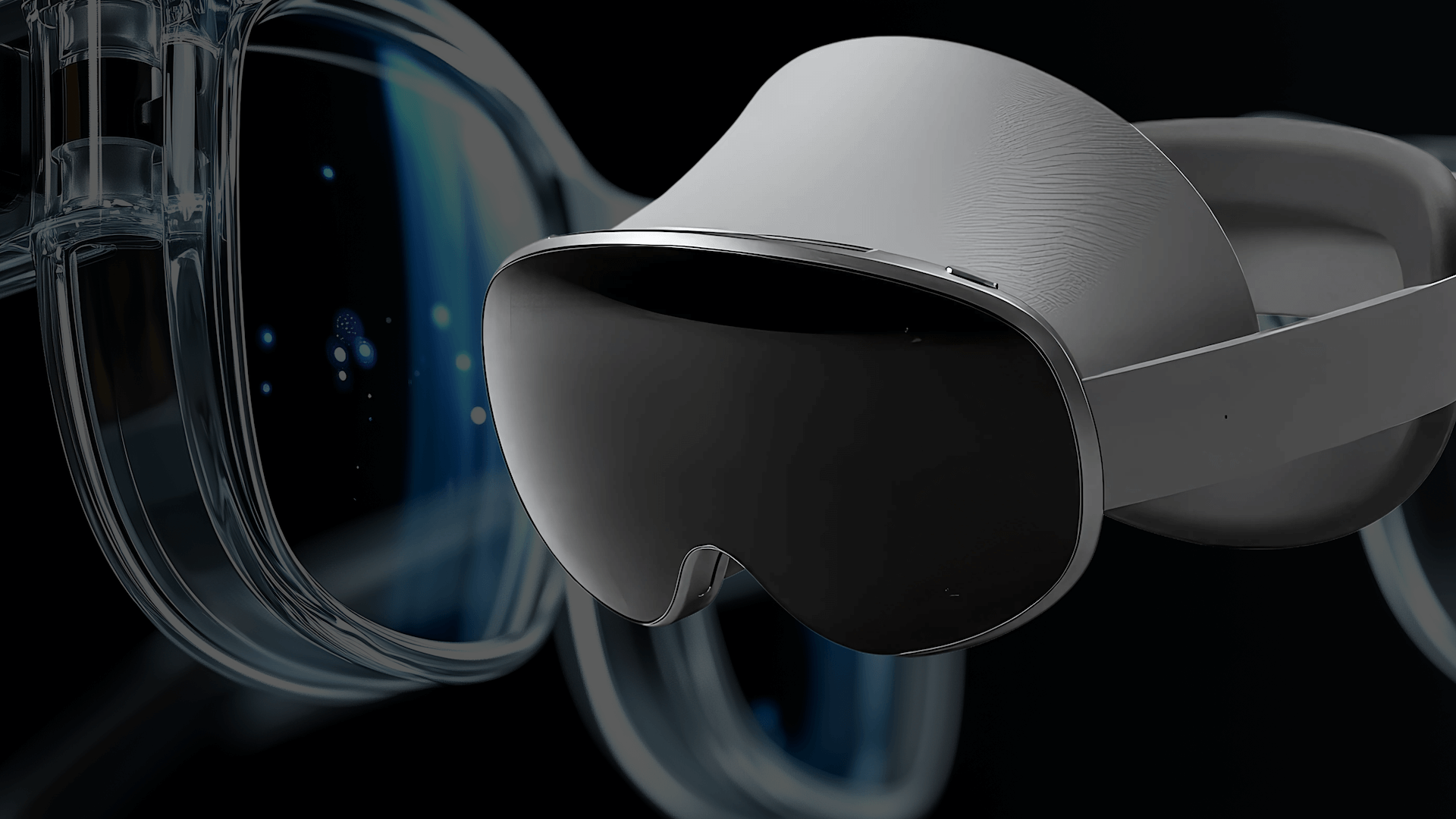
The toolkit includes a modular OS that can be customized for different device form factors, comprehensive APIs for ARCore and OpenXR, and—crucially—backward compatibility with standard Android development tools. This means millions of existing Android developers can transition to Android XR development with a relatively shallow learning curve.
For enterprise, the platform offers flexibility for custom input devices in fields like healthcare or manufacturing, and its device-agnostic nature allows apps to scale across different headsets and smartglasses. Furthermore, the integration of the Gemini AI SDK provides developers with powerful AI tools to prototype intelligent features rapidly. This combination creates a clear path for scalable, innovative app creation.
The Industry Transformation—Where XR and Smartglasses Are Headed
The convergence of a powerful OS, quality hardware, and embedded AI is set to reshape entire sectors. The Android XR AR VR operating system is the enabling technology for this spatial computing revolution.
- Communication & Social Interaction: Imagine video calls where participants appear as realistic, lifelike avatars in your living room, or shared immersive spaces for remote collaboration. This immersive communication reduces distance and fosters presence. Samsung’s Galaxy XR highlights these social features.
- Work & Productivity: The concept of the XR workspace involves stable, multi-monitor virtual setups, 3D data visualization for engineers, and remote teamwork with spatial presence. It’s spatial computing for enterprise at scale.
- Education & Training: XR education enables interactive 3D models for learning anatomy, safe hands-on simulations for dangerous procedures, and collaborative learning environments that engage students in new ways.
- Entertainment & Content Consumption: This goes beyond 360° videos to AI-guided personalized experiences and deeply interactive social games. The evolution of XR entertainment is explored in our article on How VR is Changing Gaming and Entertainment in 2025.
This industry-wide transformation signals the move of XR from a niche enthusiast technology to a mainstream tool for everyday life, driving smartglasses adoption and redefining the XR platform future.
The Convergence of OS, Hardware, and AI
The narrative emerging is one of powerful synergy. The Android XR AR VR operating system provides the essential technical foundation. The Google-Samsung XR ecosystem partnership ensures high-quality, accessible hardware and a broad market reach. Gemini AI integration injects contextual intelligence, transforming raw capability into useful assistance.
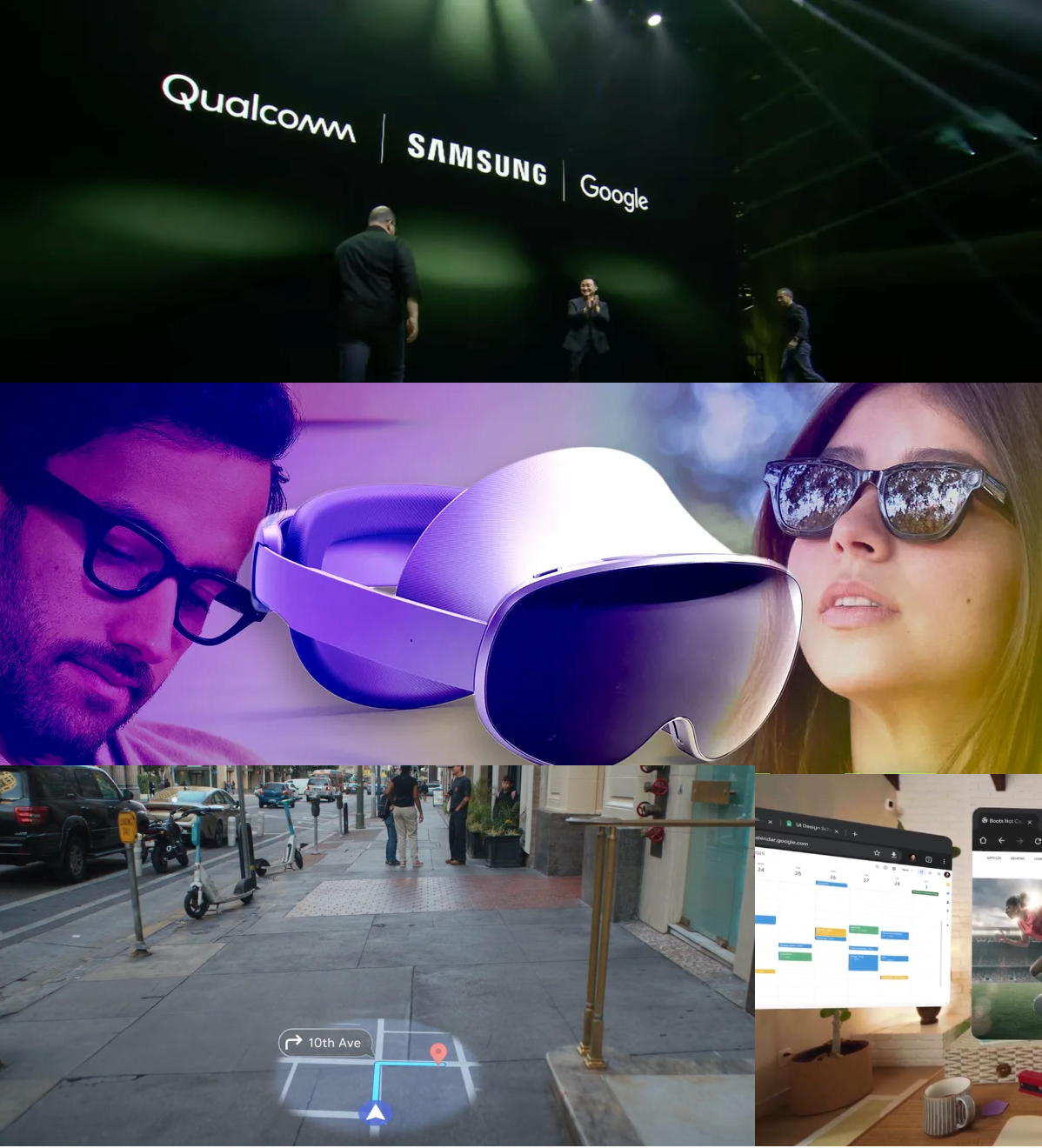
Together, these three pillars are elevating XR from a novel entertainment medium to a fundamental computing platform with the potential to rival the smartphone in impact. They are turning sci-fi concepts—personal spatial cinemas, context-aware digital assistants, collaborative volumetric workspaces, and immersive learning simulators—into practical, attainable tools. For a perspective on a competing vision in this space, consider reading our review of the Apple Vision Pro.
As this convergence accelerates, the question shifts from “What is XR?” to “How will XR transform what I do?” The democratization of development through Android XR, the quality benchmark set by Samsung, and the intelligent layer added by Gemini are inviting innovators across all industries to imagine—and build—the next chapter of the future of spatial computing.
Frequently Asked Questions
What is the Android XR operating system?
The Android XR AR VR operating system is Google’s dedicated software platform, launched in 2025, designed specifically to power augmented reality (AR), virtual reality (VR), and mixed reality (MR) devices. It’s an open, unified ecosystem built on Android but with native support for spatial computing features like 6DoF tracking, hand gesture recognition, and low-latency passthrough.
How is Android XR different from using Android on a VR headset?
Earlier VR headsets often ran a modified version of standard Android designed for phones. Android XR is built from the ground up for the unique demands of immersive devices. It has a different core architecture that prioritizes spatial awareness, multi-modal input (eye, hand, voice), dual-display rendering, and deep integration with XR-specific hardware and AI, making it far more efficient and capable for AR/VR experiences.
What is the Google and Samsung partnership for XR?
Google and Samsung have formed a strategic collaboration to build an open XR ecosystem. Google provides the Android XR operating system and software expertise, while Samsung builds the flagship hardware reference device, the Galaxy XR. This partnership aims to set a high-quality standard for the industry, encouraging other manufacturers to build compatible devices and avoid the fragmentation seen in early VR markets.
How does Gemini AI work with Android XR?
Gemini AI is integrated as the intelligence layer within Android XR. It runs both on the device and in the cloud, allowing it to understand the user’s physical and digital context in real-time. It powers features like visual search (Circle to Search in XR), real-time translation of text in the environment, immersive navigation with 3D maps, and conversational assistance, making interactions more natural and context-aware.
Can I run my existing Android apps on Android XR devices?
Yes, a key feature of Android XR is broad software compatibility. It can run many existing 2D Android applications within a virtual window in your XR environment. This provides a massive initial library of content. However, to take full advantage of spatial computing—placing apps in 3D space or making them interact with your environment—developers will use tools like ARCore to create native XR applications.
What industries will be most impacted by Android XR and smartglasses?
While entertainment and gaming are obvious first adopters, the impact will be profound across many sectors: Enterprise (3D design, remote collaboration, training), Healthcare (surgical visualization, patient education), Education (interactive learning models), Retail (virtual try-ons, product visualization), and Field Service (remote expert assistance with AR overlays). The platform’s flexibility makes it applicable anywhere spatial information or remote collaboration is valuable.