
Android XR: The Unseen Brain Redefining Our Reality
Estimated reading time: 10 minutes
Key Takeaways
- The Android XR AR VR operating system is Google’s specialized, AI-powered platform designed to be the foundational software for all immersive devices.
- It unifies Extended Reality (XR), providing the core spatial computing, user interface, and app ecosystem for next-gen headsets and smart glasses from partners like Samsung and XREAL.
- Deep Gemini AI integration transforms XR wearables from passive displays into intuitive, context-aware assistants for navigation, translation, and daily tasks.
- The strategic Google-Samsung XR ecosystem combines software prowess with hardware scale to accelerate development and challenge competitors like Apple and Meta.
- 2026 is poised as a pivotal year, with launches of versatile smart glasses and groundbreaking features like AI-powered “System Autospatialization” for automatic 3D conversion.
Table of contents
- Android XR: The Unseen Brain Redefining Our Reality
- Key Takeaways
- What is Android XR? The Foundation of Immersive Computing
- Under the Hood: A Deep Dive into the Android XR Platform
- Gemini AI: The Contextual Mind of Your XR Wearable
- The Google-Samsung Ecosystem: A Powerhouse Partnership for the Future
- The 2026 Vision: Android XR in Your Everyday Life
- Frequently Asked Questions
Imagine a world where the line between the digital and physical blurs so seamlessly that helpful information floats before your eyes, virtual workspaces unfold from your living room, and your glasses can translate the world in real-time. This is the rapid rise of XR (Extended Reality), and powering its quiet evolution is a game-changing platform: the Android XR AR VR operating system.

More than just an update, Android XR is Google’s specialized, AI-powered operating system designed to be the foundational “brain” for immersive devices. It’s the unified software that will power smart glasses, headsets, and future wearables from partners like Samsung and XREAL, providing the user interface, app access via Google Play, and the critical spatial computing capabilities that make AR and VR feel magical. This platform represents the core infrastructure for the next generation of immersive experiences, a trajectory you can explore further in our look at The Future of Virtual Reality: What’s Next for VR and AR?
But what exactly is XR? Think of it as the umbrella term that encompasses:
- Augmented Reality (AR): Overlaying digital information and objects onto the real world you see.
- Virtual Reality (VR): Fully immersive, computer-generated environments you step into.
- Mixed Reality (MR): A blend where digital and physical objects interact in real-time.
The Android XR AR VR operating system is the critical, unseen force designed to unify development and user experience across all these modalities. In this deep dive, we’ll peel back the layers on its technical prowess, explore how Gemini AI integration makes XR wearables truly smart, and analyze how the Google Samsung XR ecosystem is building the future, one partnership at a time.
What is Android XR? The Foundation of Immersive Computing
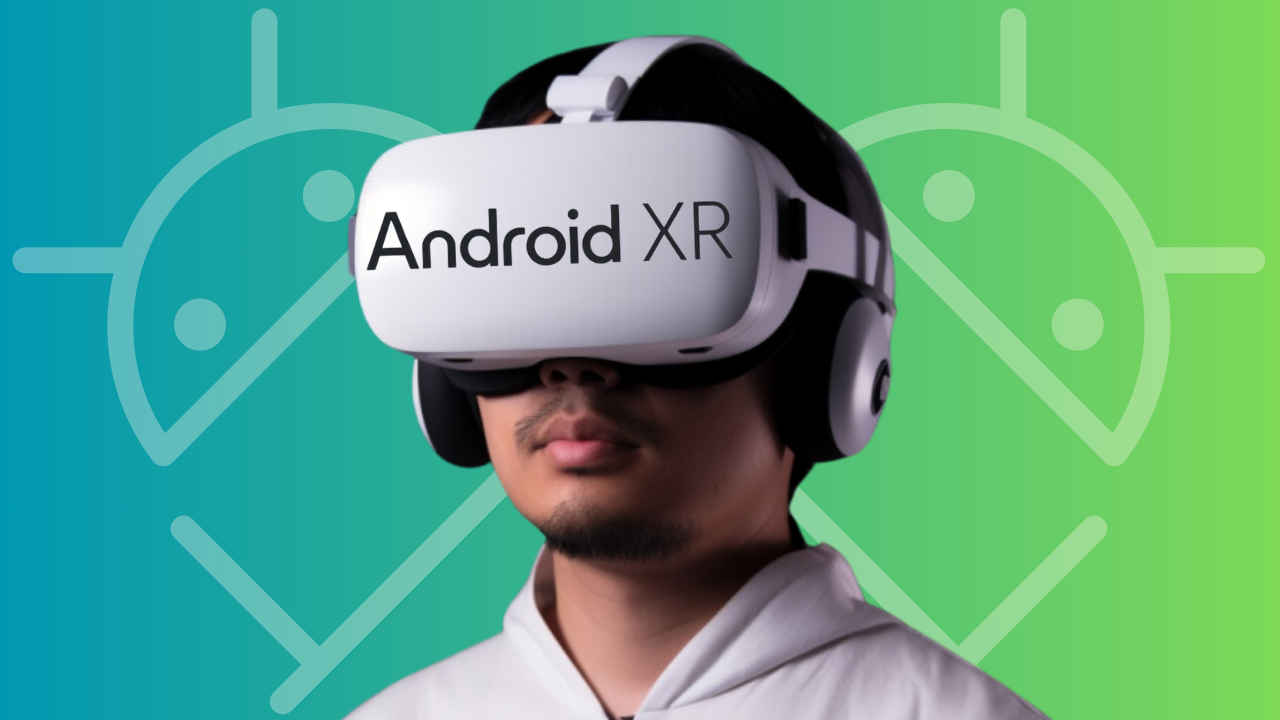
At its core, Android XR is an evolution of the standard Android you know, but meticulously optimized for the demands of immersive computing. It’s the operating system that will power devices like the anticipated Samsung Galaxy XR headset, handling the complex tasks that separate a gimmick from a transformative tool.
This isn’t just about running apps on a screen strapped to your face. It’s about creating a persistent, interactive layer over reality itself.
To do this, the Android XR AR VR operating system manages fundamental XR technologies:
- Spatial Tracking: Continuously monitoring the precise position and orientation of your head and hands in 3D space, allowing you to naturally look around and interact with virtual objects.
- Low-Latency Rendering: Delivering buttery-smooth visuals with imperceptible delay. This is critical to prevent motion sickness and create a believable, comfortable experience.
- Environmental Understanding: Using onboard cameras to scan and understand the geometry of your surroundings—your desk, walls, and furniture—so digital content can be anchored realistically to the real world.
These capabilities are supercharged by purpose-built hardware like Qualcomm’s Snapdragon XR2+ Gen 2 chipsets, creating a platform designed to power the next generation of immersive hardware, much like the Best VR Headsets for Gaming in 2024.
Under the Hood: A Deep Dive into the Android XR Platform
Google’s vision for the Android XR AR VR operating system is built on three key technical pillars that give it a formidable edge.
1. Scalability and Developer Familiarity
The platform is designed to scale across form factors—from powerful standalone headsets to sleek, wired XR glasses and minimalist AI glasses. Crucially, it leverages the familiar Android framework. Developers can use and extend existing Android SDK tools (now in Developer Preview 3) to build for XR, lowering the barrier to entry and promising a rich app ecosystem from day one.
2. Seamless Ecosystem Integration
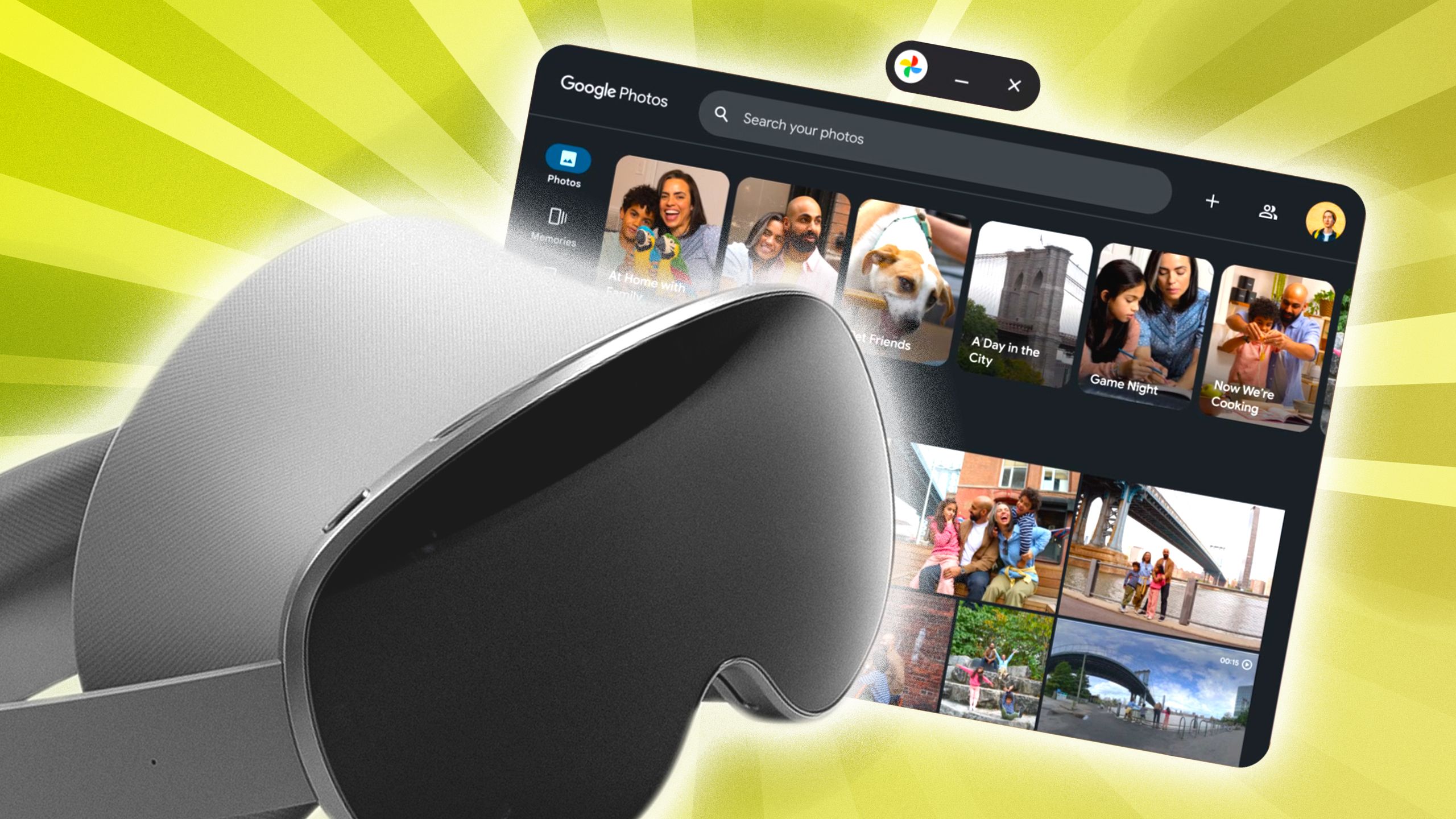
Android XR isn’t an island. It offers seamless integration with the broader Android universe. Imagine accessing your favorite apps from the Google Play Store, having your Google services and accounts ready, and using multi-window productivity features to place multiple app screens side-by-side in your XR space for work or play.
3. Groundbreaking Features on the Horizon
Recent updates showcase Google’s ambitious roadmap:
- PC Connect: Stream your Windows desktop or games directly into your XR environment, turning any headset into a massive, private monitor.
- Travel Mode: A motion-stabilization feature for use on planes, trains, or automobiles, allowing for stable viewing of content while in motion.
- System Autospatialization (Coming 2026): This is a potential game-changer. It’s an AI-powered tool designed to automatically convert any 2D content—be it a PC game, a movie, or a website—into real-time 3D spatial overlays. Imagine your favorite classic game appearing to have depth and dimension without any developer rework. This feature alone could massively accelerate the availability of 3D content for the Android XR AR VR operating system.
Gemini AI: The Contextual Mind of Your XR Wearable
While Android XR provides the foundational “brain,” Gemini AI integration injects it with contextual consciousness. This is what elevates XR wearables from being passive displays to becoming intuitive, proactive assistants.

Gemini’s multimodal AI capabilities are woven directly into the XR experience:
- Natural Language Interaction: Use conversational voice commands to control your device, ask complex questions, or summon information without ever touching a screen.
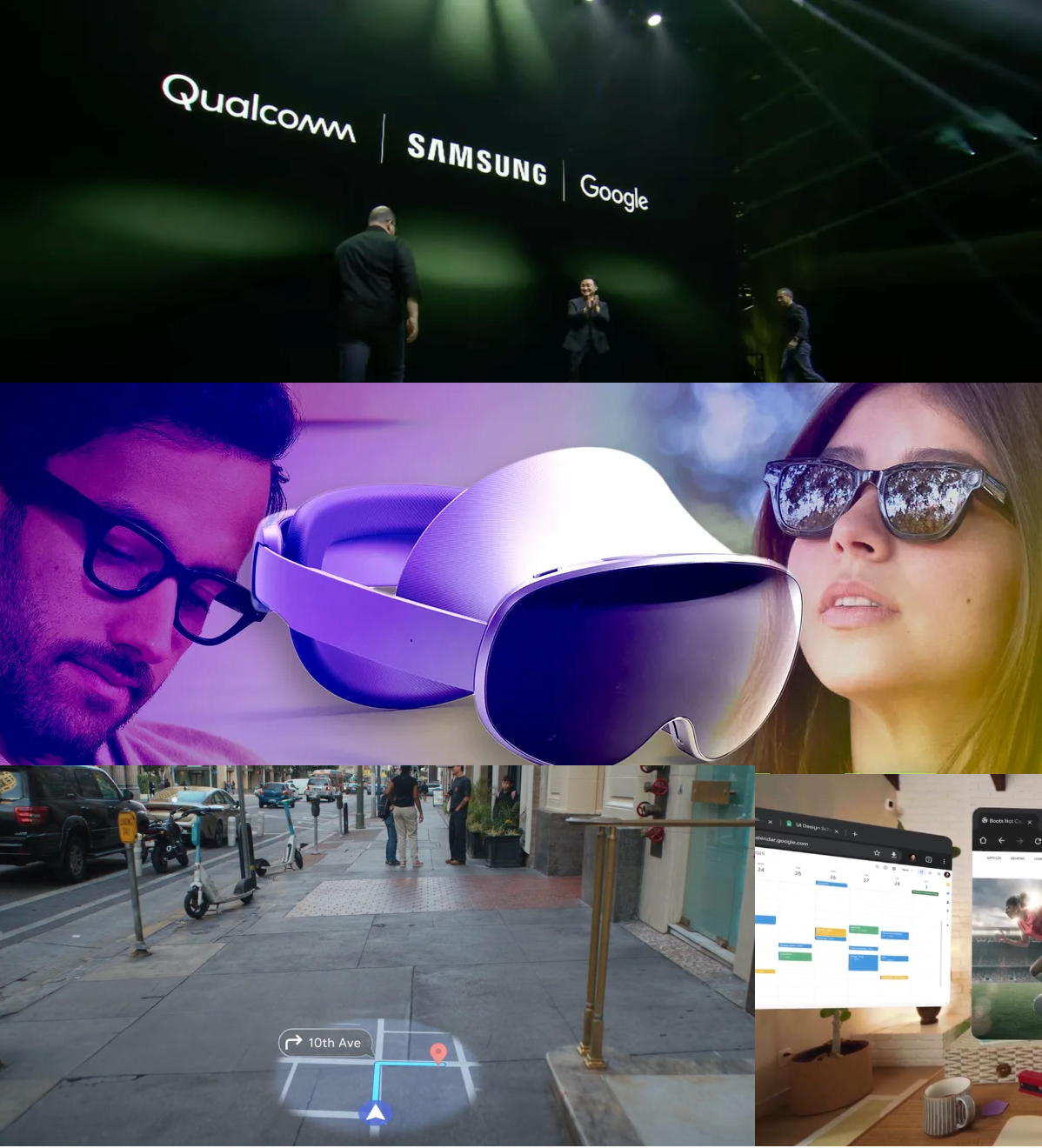
- Real-Time Environmental Analysis: Via the device’s cameras and microphones, Gemini can understand what you’re seeing and hearing. It can translate a foreign street sign in real-time, provide turn-by-turn navigation arrows projected onto the sidewalk, or identify a plant species you’re looking at.
- Contextual Overlays: AI doesn’t just give you raw data; it presents it usefully. A recipe can be anchored to your kitchen counter, step-by-step repair guides can be overlaid on the appliance you’re fixing, and meeting notes can be pinned discreetly in your field of view.
The practical applications make the technology relatable and exciting:
- Summoning immersive 360-degree videos with spatial audio that feels like you’re truly there.
- Getting on-screen gameplay tips and stats while streaming a PC game through your glasses.
- Creating a “Likeness” avatar for video calls that mirrors your exact facial expressions and gestures, making remote social interactions startlingly natural. This is part of the broader shift detailed in How VR is Changing Gaming and Entertainment in 2025.
For AI glasses, this Gemini AI integration is the killer feature. It enables screen-free modes for voice-based help and memory aids (like reminding you of a name), and heads-up displays for anchored instructions. This positions Gemini AI integration XR wearables as essential for transforming smart glasses from novel gadgets into indispensable daily tools.
The Google-Samsung Ecosystem: A Powerhouse Partnership for the Future
Software needs great hardware to thrive, and this is where the Google Samsung XR ecosystem becomes a defining force. This partnership merges Google’s strengths in OS development, AI, and software services with Samsung’s legendary hardware manufacturing, supply chain scale, and massive consumer electronics footprint.
The synergy is already producing tangible results:
- The upcoming Samsung Galaxy XR headset is being built as a flagship device for Android XR, serving as a testbed for beta features like PC Connect.
- Collaborations with chipmakers like Qualcomm and innovative hardware partners like XREAL are pushing boundaries. XREAL’s Project Aura wired XR glasses, for instance, showcase what’s possible: a 70-degree field of view, a dedicated X1S chip for precise tracking, and advanced see-through AR passthrough for seamless blending of worlds. Learn more about this exciting hardware in Unveiling the Revolutionary XREAL Project Aura Android XR Smart Glasses.
The broader impact of this Google Samsung XR ecosystem future is multifaceted:
- Accelerating Developer Adoption: A major partnership de-risks the platform for developers, encouraging them to build apps knowing there will be a large, addressable market of devices.
- Setting Industry Standards: Google and Samsung have the clout to establish compatibility and feature standards that benefit the entire Android XR ecosystem.
- Competitive Positioning: This alliance directly positions Android XR as a formidable, open alternative to walled-garden platforms like Apple’s visionOS for the Vision Pro or Meta’s ecosystem. For a look at the Apple approach, see Revolutionary Apple Vision Pro AI Integration.
The 2026 Vision: Android XR in Your Everyday Life
When you connect the dots—the Android XR AR VR operating system foundation, the Gemini AI integration smarts, and the Google Samsung XR ecosystem scale—a compelling vision for 2026 and beyond comes into focus. This is the year poised for a significant roll-out of versatile smart glasses and headsets.

The near-term use cases spark genuine excitement:
- Productivity Anywhere: Use Travel Mode on a flight to have a stabilized, multi-window workspace for emails, videos, and documents.
- Intuitive Navigation: Follow real-time AR arrows and directions overlaid on city streets, without constantly looking down at your phone.
- Expressive Social Connection: Join video calls with an avatar that conveys your true expressions, making remote interaction more human.
- Next-Level Entertainment: Browse the web in 3D, watch spatial videos where you feel inside the scene, or play classic games transformed by System Autospatialization.
- Daily AI Assistance: Get recipe steps anchored to your mixing bowl, visual guides for fixing a bike, or instant translations while traveling.
Of course, the path forward includes challenges: intense competition, the perpetual engineering battle for ultra-low latency on mobile chipsets, and achieving true mainstream consumer appeal. However, the counters are strong: Android XR’s mature developer tools, its inherent AI advantages via Gemini, and the unparalleled scale of the Google and Samsung partnership provide a clear runway for adoption.
This tech fusion—prioritizing real-world utility, developer accessibility, and massive ecosystem scale—is what will finally shift XR from niche gadgets to everyday wearables. The foundation is being laid now for a future where slipping on smart glasses that anticipate your needs all day becomes as normal as checking your smartphone.
Frequently Asked Questions
What devices will run on Android XR?
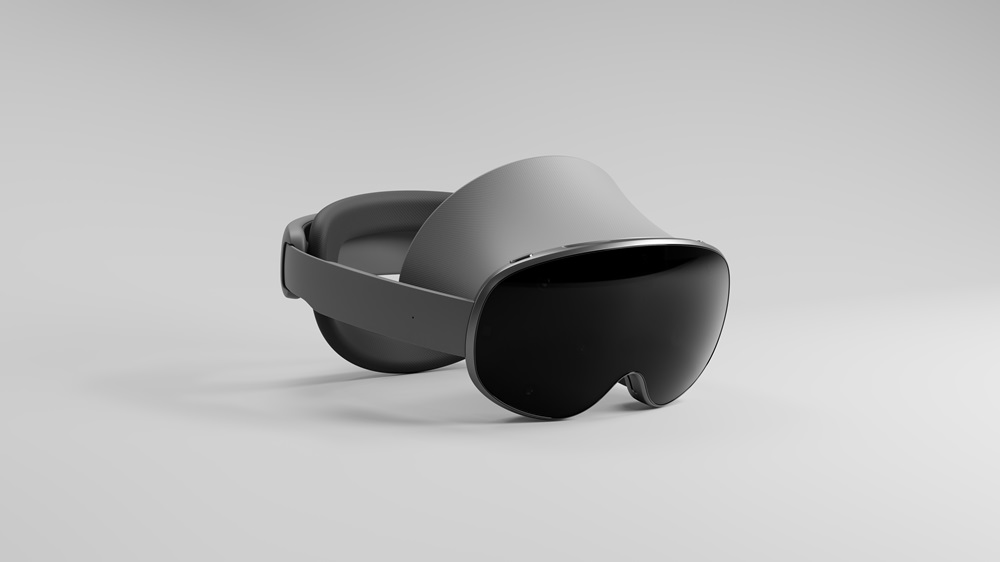
The Android XR AR VR operating system is designed for a range of immersive devices. This includes standalone VR/AR headsets (like the upcoming Samsung Galaxy XR), wired XR glasses (like XREAL’s Project Aura), and even screen-less AI smart glasses that rely primarily on voice and audio interaction.
How is Android XR different from standard Android?
While built on the same core, Android XR is heavily optimized for spatial computing. It includes specialized frameworks for spatial tracking, low-latency 3D rendering, environmental understanding, and new interaction models (like hand tracking and gaze control) that are not needed for smartphones or tablets.
When will we see the first consumer Android XR devices?
The Samsung Galaxy XR headset is highly anticipated for a potential 2025 release. A wider wave of devices, particularly various form factors of smart glasses, is expected around 2026, coinciding with the maturation of the platform and features like System Autospatialization.
Do I need a phone to use Android XR devices?
It depends on the device. Powerful standalone headsets will have all the necessary compute onboard and may only use your phone for initial setup. Lighter-weight glasses may act as companions, leveraging your phone’s processing power via a wired or wireless connection for certain tasks.
How does Android XR compete with Apple Vision Pro and Meta Quest?
Android XR’s strategy is openness and scale. Unlike Apple’s closed, premium-focused visionOS or Meta’s social/metaverse-centric platform, Android XR aims to be a universal OS licensed to multiple manufacturers (like Samsung, XREAL, etc.). This fosters a diverse hardware ecosystem at various price points and leverages the existing familiarity of the Android development community.
Stay ahead of the curve by following the latest on Android XR developments, exploring the early developer previews, and sharing your thoughts on the future of immersive computing in the comments below.