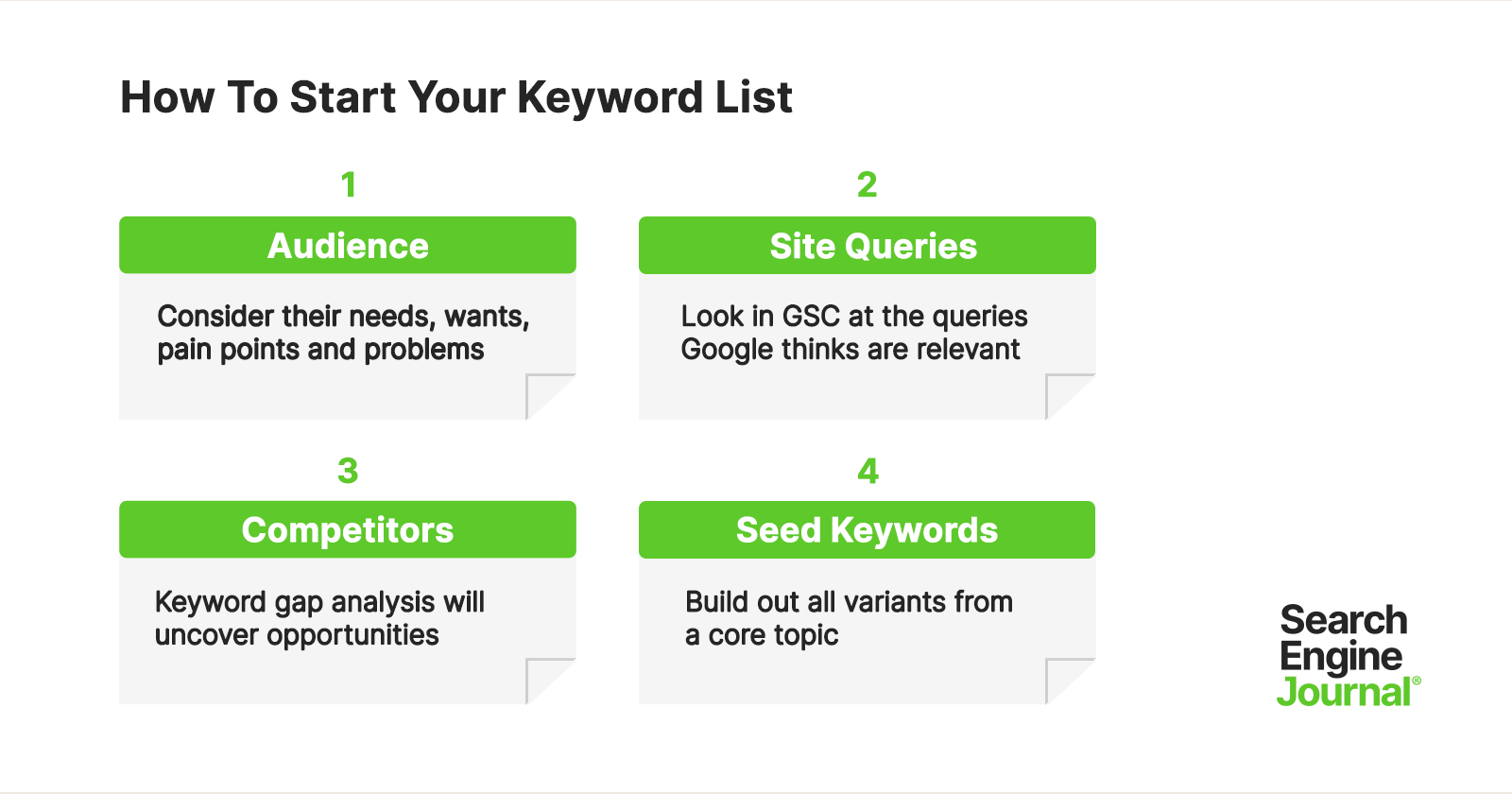


Beginner’s Guide to Keyword Research for Bloggers
Estimated reading time: 8 minutes
Key Takeaways
- Keyword research is the cornerstone of driving organic traffic to your blog.
- It involves understanding both broad topics (macro) and specific search terms (micro) that your audience uses.
- Effective keyword research helps you create content that answers real questions and ranks higher on search engines.
- Using the right tools and avoiding common pitfalls can save you time and boost your blog’s visibility.
- This guide breaks down the process into simple, actionable steps for beginners.
Table of contents
- Beginner’s Guide to Keyword Research for Bloggers
- Key Takeaways
- Introduction: The Blogger’s Dilemma
- What is Keyword Research?
- Why Keyword Research Matters for Your Blog
- The Two Layers: Macro and Micro Keyword Research
- Step-by-Step Guide to Macro Keyword Research
- Step-by-Step Guide to Micro Keyword Research
- Essential Tools for Keyword Research
- Common Pitfalls to Avoid in Keyword Research
- Frequently Asked Questions
Introduction: The Blogger’s Dilemma
Have you ever spent hours crafting a blog post, only to publish it and hear… crickets? You’re not alone. Many bloggers struggle to attract readers because they’re writing about topics they think are important, rather than what their audience is actually searching for. This is where keyword research comes in—it’s your roadmap to creating content that gets found, read, and shared.

Imagine this: you’re a food blogger passionate about healthy eating. You write a post titled “My Favorite Salad Recipe.” It’s a great recipe, but if people are searching for “easy vegan lunch ideas under 30 minutes,” your post might never appear. Keyword research bridges this gap by revealing the exact phrases and questions your potential readers type into Google.
In this beginner’s guide to keyword research for bloggers, we’ll demystify the process. We’ll break it down into two manageable layers—macro and micro—and provide a step-by-step approach you can start using today. No jargon, just actionable insights.
What is Keyword Research?
At its core, keyword research is the process of discovering and analyzing the search terms that people use in search engines. It’s about understanding the language of your audience so you can tailor your content to match their intent. Think of it as a conversation starter: you’re figuring out what questions people are asking so you can provide the answers.

Keywords aren’t just single words; they can be phrases, questions, or even long-tail queries like “how to start a blog on a budget for beginners.” As one expert puts it, “Keyword research is the foundation upon which all successful SEO is built.” Without it, you’re essentially publishing content in the dark.
Here’s what keyword research helps you do:
- Identify topics your audience cares about.
- Gauge demand for certain subjects based on search volume.
- Understand competition by seeing how many other websites are targeting the same terms.
- Discover related queries that can inspire additional content.
Why Keyword Research Matters for Your Blog
If you want your blog to grow, you need traffic. And in today’s digital world, organic search traffic is one of the most sustainable sources. Why? Because people actively seeking information are more likely to engage with your content. Keyword research directly fuels this by ensuring your blog posts are optimized for search engines.

Consider these benefits:
- Targeted Traffic: By using the right keywords, you attract visitors who are genuinely interested in your niche.
- Content Ideas: Stuck in a creative rut? Keyword research reveals endless topic possibilities based on real searches.
- Competitive Edge: Understanding keywords helps you find gaps in the market—topics with high demand but low competition.
- Improved User Experience: When your content aligns with search intent, readers find what they need quickly, reducing bounce rates.
In short, skipping keyword research is like opening a store in a hidden alley—no one will find you. With it, you’re placing your blog on the main street of the internet.
The Two Layers: Macro and Micro Keyword Research
To avoid overwhelm, we can split keyword research into two layers: macro and micro. Macro keyword research is about identifying broad topic areas or content pillars for your blog. Micro keyword research zooms in on the specific phrases and long-tail keywords within those topics.

Here’s a simple analogy: If your blog is about gardening, macro topics might be “organic pest control,” “container gardening,” and “composting.” Micro keywords would be specific searches like “how to get rid of aphids naturally” or “best soil for tomato plants in pots.”
Why both layers matter:
- Macro gives your blog structure and direction. It helps you plan content categories and series.
- Micro drives targeted traffic to individual posts. These are often less competitive and have higher conversion potential.
By mastering both, you create a content strategy that is both comprehensive and precise.
Step-by-Step Guide to Macro Keyword Research
Macro keyword research is your first step. It’s about brainstorming and validating broad topics that align with your blog’s niche. Follow these steps:
Step 1: Brainstorm Core Topics
Start by listing 5-10 broad topics related to your blog’s focus. Ask yourself: What are the main themes I want to be known for? For a fitness blog, this could be “weight loss,” “strength training,” “nutrition,” and “mental wellness.”

Step 2: Use Seed Keywords
Take one core topic, like “nutrition,” and think of seed keywords—basic terms that define it. Examples: “healthy diets,” “meal planning,” “superfoods.” These seeds will sprout into more ideas.
Step 3: Leverage Tool Suggestions
Enter your seed keywords into keyword research tools (we’ll cover tools later). Look for topic clusters or broad suggestions. For instance, for “meal planning,” you might see related topics like “weekly meal prep,” “budget meal planning,” and “vegan meal plans.”
Step 4: Analyze Search Volume and Competition
For each broad topic, check the average monthly search volume and competition level. Aim for topics with decent search volume (e.g., 1,000-10,000 searches per month) and medium to low competition for beginners.
Step 5: Map to Content Pillars
Select 3-5 macro topics to serve as your blog’s content pillars. These will guide your content calendar for months. For example, if you choose “container gardening,” you can plan multiple posts around it.
Pro tip: Don’t just guess what’s popular. Use data from tools to confirm interest. A topic might seem niche, but if it has steady search volume, it could be a goldmine.
Step-by-Step Guide to Micro Keyword Research
Once you have your macro topics, dive into micro keyword research to find specific terms for individual blog posts. This is where the magic happens for driving traffic.
Step 1: Start with a Macro Topic
Choose one content pillar, like “organic pest control.” Your goal is to find specific keywords within this topic.

Step 2: Generate Long-Tail Keyword Ideas
Long-tail keywords are longer, more specific phrases. They often indicate higher intent. Brainstorm questions your audience might ask:
- What are natural ways to kill slugs in the garden?
- How to make homemade insecticidal soap?
- Best plants to repel mosquitoes naturally.
Step 3: Use Keyword Research Tools
Input your macro topic into tools to get a list of related keywords. Look for:
- Search Volume: Prioritize keywords with at least 100 monthly searches.
- Keyword Difficulty (KD): As a beginner, target keywords with low KD (e.g., under 40).
- User Intent: Ensure the keyword matches what you want to provide—informational, commercial, or navigational.
Step 4: Analyze the Competition
Open the top 5 search results for your target keyword. Assess:
- Are the articles comprehensive? If not, you can create better content.
- Do they answer the query fully? Look for gaps you can fill.
- What’s their domain authority? Lower authority sites mean easier ranking opportunities.
Step 5: Select Primary and Secondary Keywords
For each blog post, choose one primary keyword to focus on (e.g., “homemade weed killer vinegar recipe”). Then, pick 2-3 secondary keywords to include naturally, like “natural weed control” and “DIY garden solutions.”
Remember: Micro keywords should be specific enough to attract motivated readers but broad enough to have search volume. Balance is key.
Essential Tools for Keyword Research
You don’t need expensive tools to start. Here are some options, from free to paid:
- Google Keyword Planner: Free with a Google Ads account. Great for search volume and trend data.
- Ubersuggest: Offers a free tier with keyword suggestions, volume, and difficulty scores.
- AnswerThePublic: Visualizes search questions and prepositions, perfect for content ideas.
- SEMrush or Ahrefs: Premium tools with extensive databases. Ideal for deeper analysis as you grow.

How to use them effectively:
- Start with free tools to get a feel for the process.
- Cross-reference data from multiple tools for accuracy.
- Use the “related searches” feature at the bottom of Google results for inspiration.
Quote to live by: “A tool is only as good as the strategy behind it.” Don’t just collect keywords; analyze them in context of your blog’s goals.
Common Pitfalls to Avoid in Keyword Research
Even with the best intentions, bloggers make mistakes. Steer clear of these:
- Chasing High Volume Only: Keywords with millions of searches are often highly competitive. As a new blog, you’ll struggle to rank. Focus on low-hanging fruit—keywords with moderate volume and low difficulty.
- Ignoring Search Intent: If someone searches for “best laptop reviews,” they’re in research mode, not ready to buy. Match your content type to the intent (e.g., a review post vs. a sales page).
- Keyword Stuffing: Stuffing keywords unnaturally into your content hurts readability and can penalize your SEO. Write for humans first, search engines second.
- Not Updating Keywords: Search trends change. Revisit your keyword strategy quarterly to adapt to new queries and seasonality.
- Overlooking Long-Tail Keywords: These might have lower volume, but they often convert better because they’re specific. Don’t dismiss them.

By avoiding these pitfalls, you’ll build a sustainable keyword strategy that grows with your blog.
Frequently Asked Questions
What is the best keyword research tool for beginners?
For beginners, we recommend starting with free tools like Google Keyword Planner and Ubersuggest. They provide enough data to get started without overwhelming you. As your blog grows, consider investing in premium tools like SEMrush for more advanced insights.
How many keywords should I target per blog post?
Focus on one primary keyword per blog post, complemented by 2-3 secondary keywords. This keeps your content focused and avoid dilution. Ensure they are naturally integrated into headings, subheadings, and the body text.
What is keyword difficulty, and how do I interpret it?
Keyword difficulty (KD) is a metric that estimates how hard it is to rank for a keyword on search engine results pages. It’s usually scored from 0 to 100. For beginners, aim for keywords with a KD under 40. This indicates lower competition, giving you a better chance to rank.
How often should I do keyword research?
Keyword research should be an ongoing process. Conduct it when planning new content, and set aside time quarterly to review and update your strategy based on performance and changing trends. This ensures your blog remains relevant.
Can I use keyword research for social media content?
Absolutely! While keyword research is primarily for SEO, the insights can inform your social media posts. Use popular search queries to craft engaging headlines or topics for platforms like Pinterest or YouTube, which also function as search engines.