
Best Keyword Research Tools: Your 2026 Guide to SEO Dominance

Estimated reading time: 12 minutes
Key Takeaways
- Mastering best keyword research tools is non-negotiable for SEO success in 2026, with AI reshaping search.
- Effective keyword research analyzes search volume, keyword difficulty, and search intent to target user needs.
- Top SEO tools like Semrush, Ahrefs, and Moz Keyword Explorer offer all-in-one solutions for agencies and enterprises.
- Budget-friendly options like KWFinder and SpyFu excel at finding low-competition long-tail keywords and competitor keyword research.
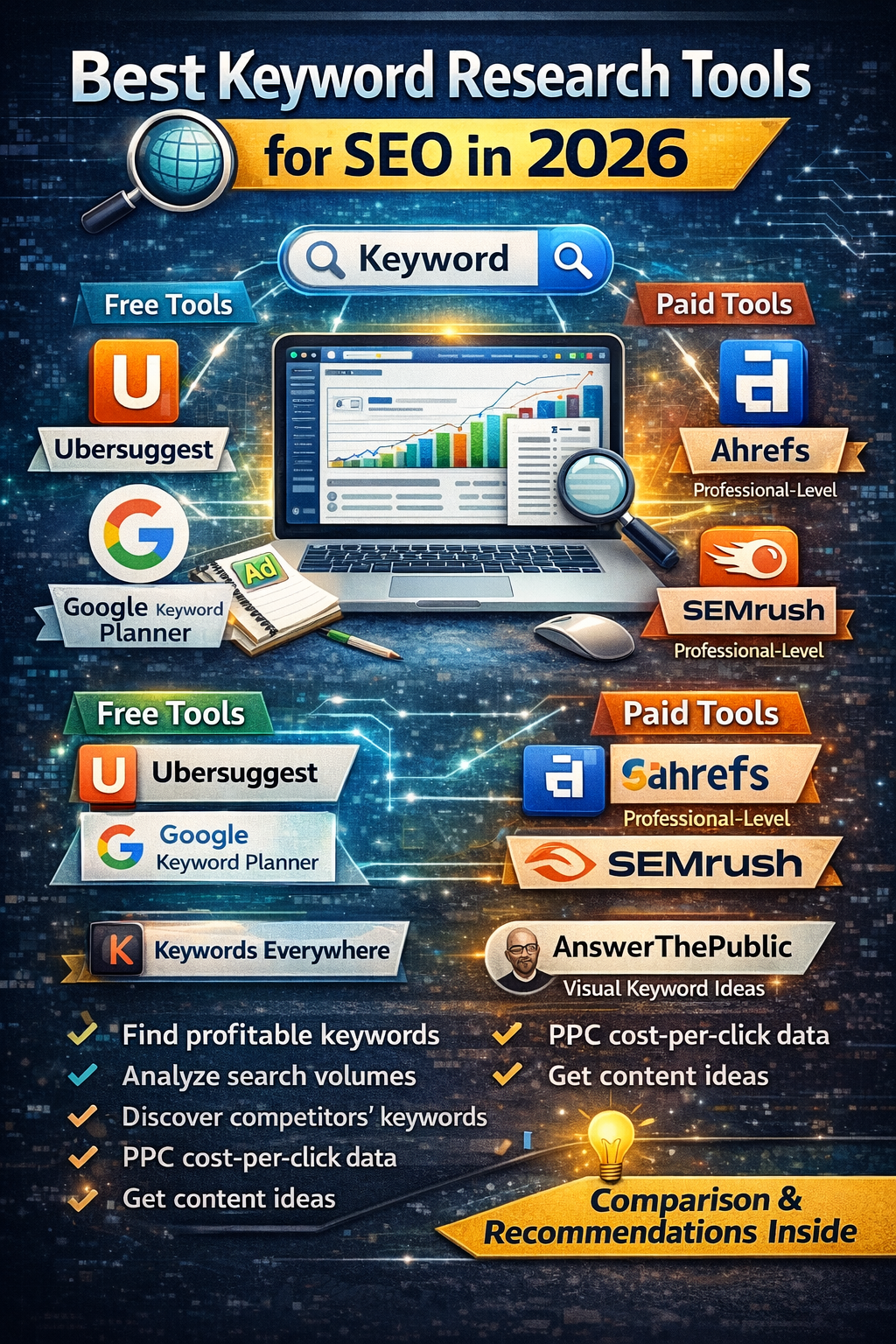
- Free tools such as Google Keyword Planner and AnswerThePublic provide essential data for beginners, focusing on search intent and idea generation.
- Advanced 2026 features include AI-driven suggestions, zero-click trend analysis, and deep competitor spying to uncover gaps.
- Choosing the right tool depends on budget, scale, and specific metrics like keyword difficulty and search volume.
- Implement our step-by-step tips to prioritize high-value keywords and measure SEO performance effectively.
Table of Contents
- Best Keyword Research Tools: Your 2026 Guide to SEO Dominance
- Key Takeaways
- The Essential Role of Keyword Research in 2026
- Why Tools Trump Manual Research in the AI Era
- Top All-in-One SEO Tools for Comprehensive Analysis
- Budget-Friendly and Specialized Keyword Tools
- Free Keyword Research Tools for Beginners
- Advanced Features and Competitor Analysis Techniques
- How to Choose the Right Keyword Research Tool
- Tips for Effective Keyword Research in 2026
- Personalized Recommendations Based on Your Needs
- Frequently Asked Questions
The Essential Role of Keyword Research in 2026
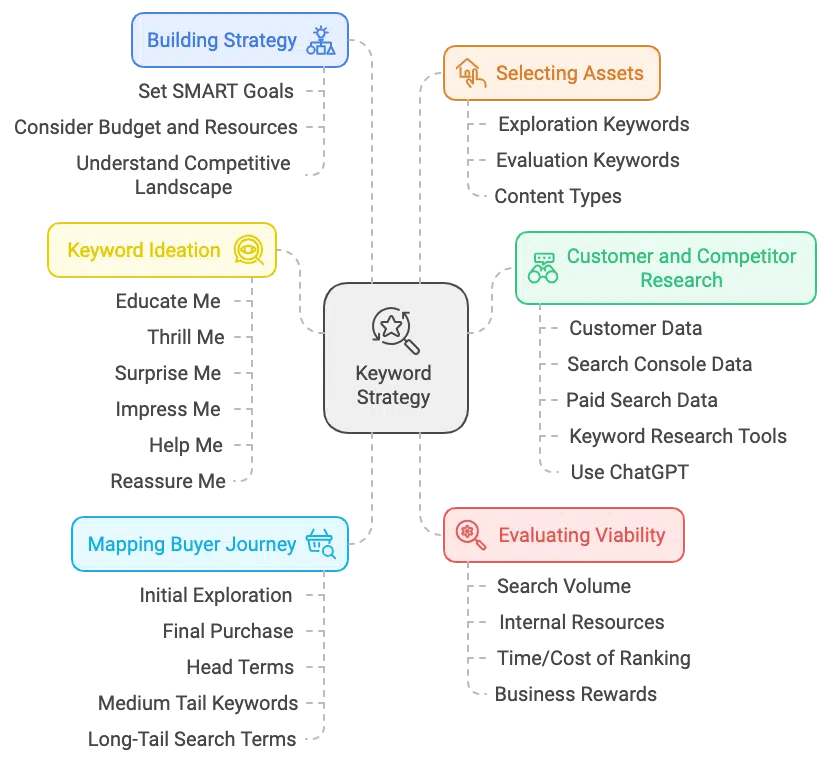
In the rapidly evolving landscape of AI-driven search, leveraging the best keyword research tools is the cornerstone of SEO success. Keyword research—the process of identifying search volume (monthly searches for a term), keyword difficulty (how hard it is to rank based on a competition scale of 0-100), and search intent (user goals like informational, transactional, or navigational)—has never been more critical. This guide compares top SEO tools including Semrush, Ahrefs, Moz Keyword Explorer, KWFinder, SpyFu, Google Keyword Planner, and AnswerThePublic for features like long-tail keywords (specific 3+ word phrases with lower competition) and competitor keyword research (analyzing rivals’ keywords). We promise detailed comparisons, pricing insights, and 2026 recommendations to help you choose wisely.

Why Tools Trump Manual Research in the AI Era
As we step into 2026, trends like AI integration for smarter suggestions and a focus on low-competition long-tail keywords are reshaping SEO. Manual research fails because it’s time-consuming and often relies on inaccurate data, whereas modern tools excel by providing real-time metrics and vast databases. Understanding essentials like search volume, keyword difficulty, and search intent is streamlined with these platforms. According to industry reports, tools can cut research time by 70% while improving accuracy. Get ready to explore the top tools that are building anticipation for smarter SEO strategies.

Top All-in-One SEO Tools for Comprehensive Analysis
Dive into the elite category of SEO tools that offer everything from keyword discovery to rank tracking. Here’s a breakdown:
- Semrush: A leader with its Keyword Magic Tool that generates over 20 million ideas, filtering by search volume, keyword difficulty, and PPC data. Its gap analysis feature finds competitors’ keywords you might miss. Pros: All-in-one platform with AI features for content optimization. Cons: Steep learning curve for beginners. Pricing: Starts at $129/month with a 7-day free trial.
- Ahrefs: Boasts a database of 26B+ keywords via Keywords Explorer, offering traffic potential scores and backlink integration for deep competitor keyword research. Pros: Highly accurate data and a powerful content explorer. Cons: Expensive for small businesses. Pricing: Lite plan at $99/month.
- Moz Keyword Explorer: Features a Priority Score that combines volume, difficulty, and opportunity, along with SERP analysis for search intent matching. Pros: User-friendly interface ideal for beginners. Cons: Smaller database compared to rivals. Pricing: Standard plan at $99/month.
For a quick comparison, consider this table idea:
- Features: Semrush excels in all-in-one capabilities, Ahrefs in backlink data, Moz in usability.
- Pricing: All start around $100/month, with Semrush often preferred by agencies.
- Best for: Agencies (Semrush), investigators (Ahrefs), beginners (Moz).
Budget-Friendly and Specialized Keyword Tools
Not everyone needs an enterprise suite. Here are cost-effective options that shine in specific areas:
- KWFinder: Renowned for accurate low keyword difficulty scores (under 30 ideal for ranking), SERPChecker for top results preview, and location-specific data. Pros: Intuitive and affordable. Cons: Limited exports in lower plans. Pricing: Basic plan at $29/month.
- SpyFu: Offers unlimited searches, historical PPC data, and SERP screenshots for effective competitor keyword research. Pros: Spy on ads and organics effortlessly. Cons: Lacks built-in rank tracking. Pricing: Basic plan at $39/month.
- Serpstat: With 5B+ keywords, it provides trends and cluster suggestions for long-tail keywords. Pros: Cost-effective for mid-sized teams. Pricing: Lite plan at $69/month.
- Long Tail Pro: Generates 400+ long-tail suggestions per seed keyword, with 13 metrics including competitor ranks. Ideal for startups and niche markets.
Mini-Table Summary:
- KWFinder: Best for low difficulty keywords, $29/month.
- SpyFu: Best for competitor spying, $39/month.
- Serpstat: Best for keyword clustering, $69/month.

Free Keyword Research Tools for Beginners
Start your SEO journey without breaking the bank. These free tools are invaluable:
- Google Keyword Planner: Provides accurate search volume and CPC data from Google Ads, with filters by location and device. While designed for PPC, it’s useful for SEO. Pros: Free and offers official Google data. Cons: Displays broad search volume ranges and requires a Google Ads login.
- AnswerThePublic: Visualizes questions and prepositions from autocomplete data, perfect for matching search intent (e.g., “how to” queries leading to long-tail keywords). Pros: Sparks creative content ideas. Cons: Limited free searches per day.
- Additional Free Tools: Google Search Console (for your site’s impressions and clicks), Ubersuggest (quick volume and difficulty checks), and KeywordTool.io (750+ long-tail ideas from 192 domains). All offer free tiers with basic functionality.

Advanced Features and Competitor Analysis Techniques
In 2026, competitor keyword research is a game-changer. Use tools to spy on rivals’ top keywords via features like Semrush’s Keyword Gap (identifying overlaps and misses), Ahrefs Site Explorer (showing organic keywords and traffic value), and Moz’s Brand Radar (tracking new mentions and keywords). Search intent analysis involves reviewing the top 10 SERPs to see content types—like lists versus guides—and aligning with user goals. Key metrics include traffic potential (predicted visits if ranking #1) and AI overviews for trend prediction.
Workflow Steps:
- Enter a competitor URL into your chosen tool.
- Filter by keyword difficulty (aim for under 40) and search volume (over 300 monthly searches).
- Export keyword gaps to target underserved terms.
- Analyze SERPs for intent and create matching content.
As noted in expert reviews, this process can uncover hidden opportunities that drive 50% more organic traffic.

How to Choose the Right Keyword Research Tool
Selecting the perfect tool hinges on several factors:
- Budget: Free options like Google Keyword Planner versus premium tools like Ahrefs at $100+/month.
- Scale: Small businesses may prefer KWFinder, while enterprises lean toward Semrush.
- Metrics Needed: Prioritize search volume, keyword difficulty, or long-tail keywords based on your goals.
- Integrations: Check compatibility with Google Analytics, WordPress, etc.
- 2026 AI Features: Look for smart suggestions and predictive analytics.
Comparison Table of Top 8 Tools:
- Semrush: Free tier: 10 searches/day trial; Starting price: $129/month; Database size: 20B+ keywords; Best for: All-in-one competitor keyword research.
- Ahrefs: Free tier: Limited; Starting price: $99/month; Database size: 26B+ keywords; Best for: Deep backlink and keyword analysis.
- Moz Keyword Explorer: Free tier: 10 queries/month; Starting price: $99/month; Database size: 500M+ keywords; Best for: Beginners focusing on search intent.
- KWFinder: Free tier: 3 searches/day; Starting price: $29/month; Database size: 1B+ keywords; Best for: Finding low keyword difficulty terms.
- SpyFu: Free tier: Basic data; Starting price: $39/month; Database size: Unlimited searches; Best for: Competitor keyword research and PPC insights.
- Google Keyword Planner: Free tier: Yes; Starting price: Free; Database size: Google Ads data; Best for: Accurate search volume for PPC/SEO.
- AnswerThePublic: Free tier: 3 searches/day; Starting price: $99/month; Database size: Autocomplete data; Best for: Visual long-tail keywords and questions.
- Serpstat: Free tier: 30 searches/day; Starting price: $69/month; Database size: 5B+ keywords; Best for: Keyword clustering and trend analysis.
Tips for Effective Keyword Research in 2026
Follow these numbered steps to maximize your SEO efforts:
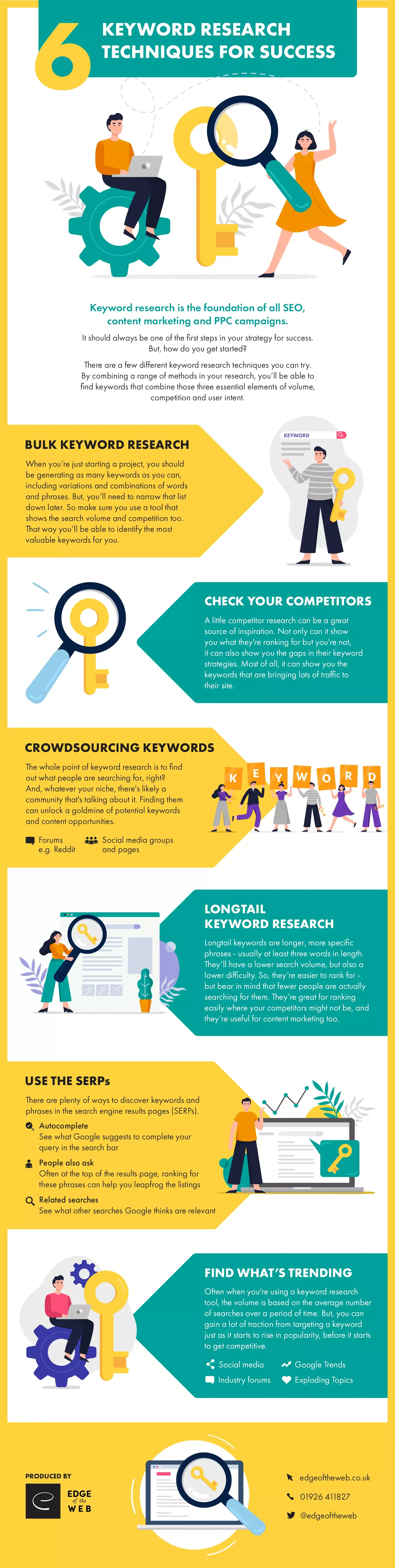
- Start with Seed Keywords: Use best keyword research tools to input broad terms, then filter for search volume >300 and keyword difficulty <30 for attainable targets.
- Analyze Search Intent: Review the top 10 SERPs to match content format—are users seeking blogs, videos, or product pages? Align your content accordingly.
- Prioritize Long-Tail Keywords: Target specific phrases like “best wireless earbuds under 50” for quick wins—they have higher conversion rates and lower competition.
- Do Competitor Keyword Research Weekly: Use tools to spy on rivals’ new keywords and gaps, as recommended by content analysis guides.
- Track Seasonality and Location: Leverage tool filters to adjust for trends and geographic variations in search behavior.
- Measure Success: Monitor Google Search Console impressions, keyword rankings, and AI citation mentions to refine your strategy.
Personalized Recommendations Based on Your Needs
Tailoring your choice to your situation is key. For depth and investigation, Ahrefs is unparalleled. Agencies needing an all-in-one suite should opt for Semrush. Solopreneurs on a budget will love KWFinder for its focus on low-competition keywords. Free starters can begin with Google Keyword Planner and AnswerThePublic to grasp basics. In 2026, focus on AI integration and zero-click search trends to stay ahead. As a call to action: Pick one SEO tool today, run your first keyword research audit via free trial, and share your top discovery in comments—what’s your go-to for long-tail keywords? Explore more on AI content creation to complement your strategy.
Frequently Asked Questions
What is the most accurate keyword research tool in 2026?
Accuracy varies by data source. Ahrefs is renowned for precise backlink and keyword data, while Google Keyword Planner offers official search volume from Google. For balance, Semrush provides reliable all-around metrics.
Can I do keyword research for free effectively?
Yes! Combine Google Keyword Planner for volume data, AnswerThePublic for intent-based ideas, and Google Search Console for your site’s performance. While limited, these free tools are great for beginners.
How does AI change keyword research in 2026?
AI enhances tools by predicting trends, generating semantic keyword clusters, and analyzing search intent automatically. This leads to smarter suggestions for long-tail keywords and competitive gaps.
What’s the best tool for competitor keyword research?
SpyFu and Ahrefs excel here. SpyFu offers unlimited searches for historical PPC and organic data, while Ahrefs provides deep insights into competitors’ top pages and keywords.
How important is search intent for SEO in 2026?
Critical! Matching search intent ensures your content satisfies user queries, which search engines prioritize. Tools like Moz Keyword Explorer and SERP analysis features help decode intent for better rankings.
Which tool is best for finding low-competition keywords?
KWFinder is top-rated for identifying low keyword difficulty scores (under 30), making it ideal for niche sites and startups aiming for quick ranking wins.