

Best Practices for SEO Keyword Research: A Complete Guide to Boost Your Rankings
Estimated reading time: 12 minutes
Key Takeaways
- Mastering best practices for SEO keyword research is the non-negotiable foundation for driving organic traffic and improving search rankings.
- The keyword research process is a systematic cycle of brainstorming, using tools, analyzing intent, and strategic implementation.
- Performing accurate search intent analysis is critical for creating content that satisfies users and earns Google’s favor.
- Targeting long-tail keywords for SEO is a powerful strategy for capturing high-converting traffic with less competition.
- Learning to effectively prioritize keywords for SEO using data-driven scoring separates successful campaigns from wasted efforts.
- The right SEO keyword research tools, from free to paid, provide the essential data on keyword search volume and competition needed to make smart decisions.
Table of contents
- Best Practices for SEO Keyword Research: A Complete Guide to Boost Your Rankings
- Key Takeaways
- Introduction: The Cornerstone of SEO Success
- The Keyword Research Process: A Step-by-Step Blueprint
- The Critical Step of Search Intent Analysis
- Unlocking Potential with Long-Tail Keywords for SEO
- How to Prioritize Keywords for SEO Like a Pro
- Implementation, Monitoring, and Advanced Tips
- Frequently Asked Questions
Introduction: The Cornerstone of SEO Success
Mastering best practices for SEO keyword research is the foundational pillar of any successful digital marketing strategy. It’s the systematic process that bridges the gap between what your audience is searching for and the content you create, directly driving organic traffic, improving rankings, and ensuring business growth. As cited by leading industry resources, effective keyword research is not optional—it’s essential [1][2][3].

This comprehensive approach involves brainstorming initial ideas, leveraging powerful SEO keyword research tools, performing deep search intent analysis, and strategically mapping terms to content. To truly master this methodology, begin with a solid foundation from our comprehensive guide on mastering keyword research.
The full keyword research process can be broken down into four critical stages: first, brainstorming seed keywords aligned with your business goals; second, expanding your list with tools to gather data on keyword search volume and competition; third, analyzing the intent behind each query; and fourth, prioritizing the most valuable keywords for implementation [1][2].
In this guide, we’ll walk you through detailed steps, compare essential tools, provide real examples of long-tail keywords for SEO, and show you how to prioritize keywords for SEO effectively. The ultimate goal? To provide you with actionable, step-by-step guidance that satisfies the user’s informational intent, whether you’re a beginner or an expert.
By following these proven best practices for SEO keyword research, you can significantly increase your website’s traffic by targeting the right terms—often those with lower competition but high conversion potential. This benefit-driven outcome is consistently proven by top SEO resources [1][2]. To understand the profound impact of this work, delve into our exploration of the power of keyword research in digital marketing.
The Keyword Research Process: A Step-by-Step Blueprint
The keyword research process is your roadmap from a blank page to a targeted content strategy. It begins with brainstorming: identify 10-20 broad seed keywords that are central to your niche. Think about your products, services, and the core problems your audience faces. For a fitness blog, this could be “weight loss” or “workout routines.” Expand this list by analyzing your competitors’ content and using Google’s autocomplete feature [1][2][3].

Step 2: Leverage SEO Keyword Research Tools
This is where SEO keyword research tools transform ideas into actionable data. These platforms provide critical metrics like keyword search volume and competition. Here’s a breakdown of popular options:
- Google Keyword Planner: Free and integrates directly with Google Ads data. It provides search volume estimates and competition levels but offers limited historical data and is skewed towards paid search.
- Ahrefs: A powerful paid tool (starting ~$99/month) renowned for its backlink analysis and content gap finder. Its pros include highly accurate search volume via clickstream data, while the cost can be a con for beginners.
- SEMrush: Another comprehensive paid suite with excellent position tracking. Its “Keyword Magic Tool” generates thousands of suggestions, but it has a steeper learning curve.
- Moz Pro: Known for being user-friendly, its Keyword Explorer provides solid SERP analysis, though it may have fewer advanced features compared to Ahrefs or SEMrush [1][2][3].

Step 3: Analyze Search Volume & Competition
With your tool of choice, filter and analyze the data. Keyword search volume represents the average monthly searches—aim for a “Goldilocks zone” of 100-1,000 searches for new sites to balance traffic potential with attainability. Competition is often represented as a Keyword Difficulty (KD) score from 0-100. Target keywords with a KD of 0-30 initially.
Example: “SEO tips” has high volume (10k+) but also high competition (KD 70). A better target might be “SEO tips for small blogs” with a volume of 500 and a KD of 20 [1][2].
Step 4: Map Keywords to Content
Finally, organize your prioritized keywords into content clusters. Group related terms around a core topic to build topical authority. For a digital marketing blog, you might start with the seed “SEO,” expand to 50 variations, and then select 5-10 high-potential keywords for your first content pieces based on their metrics.
The Critical Step of Search Intent Analysis
Search intent analysis is the process of discerning why a user typed a query into Google. It’s arguably the most critical part of modern best practices for SEO keyword research. Queries generally fall into four categories:
- Informational: The user wants to learn something (e.g., “how to do keyword research”).
- Navigational: The user wants to find a specific website (e.g., “Ahrefs login”).
- Commercial Investigation: The user is comparing options before a purchase (e.g., “best SEO tools reviews”).
- Transactional: The user is ready to buy (e.g., “buy Ahrefs subscription”) [1][2].
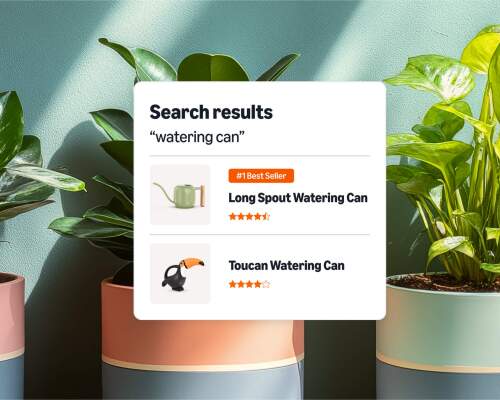
To perform this analysis, manually review the top 10 results for your target keyword. Are they blog posts and guides? That’s informational intent. Are they product pages and comparison tables? That’s commercial or transactional. Your content must match this intent to rank well and satisfy users. Learn more about this vital concept in our deep dive on why search intent matters for SEO.
Practical Examples:
- “running shoes” often shows product listings and comparison articles, indicating commercial intent.
- “best running shoes 2026” is typically dominated by affiliate “best of” lists, showing strong transactional intent.
Mismatching intent is a common SEO killer. If you create a commercial product page for an informational query, your bounce rate will soar, and Google will drop your rankings. Tools like Ahrefs include a SERP overview feature to help with this, but a manual check is always valuable [1]. Integrating search intent analysis into your keyword scoring system (e.g., rating intent match on a 1-10 scale) ensures your traffic has a higher chance of converting to engagement.
Unlocking Potential with Long-Tail Keywords for SEO
Long-tail keywords for SEO are specific, multi-word phrases like “best practices for SEO keyword research for beginners.” They typically have lower search volume (1-100 monthly searches) and significantly lower competition (KD < 20), but they boast conversion rates 3-5 times higher than short-tail keywords because they reflect precise user intent [1][2].
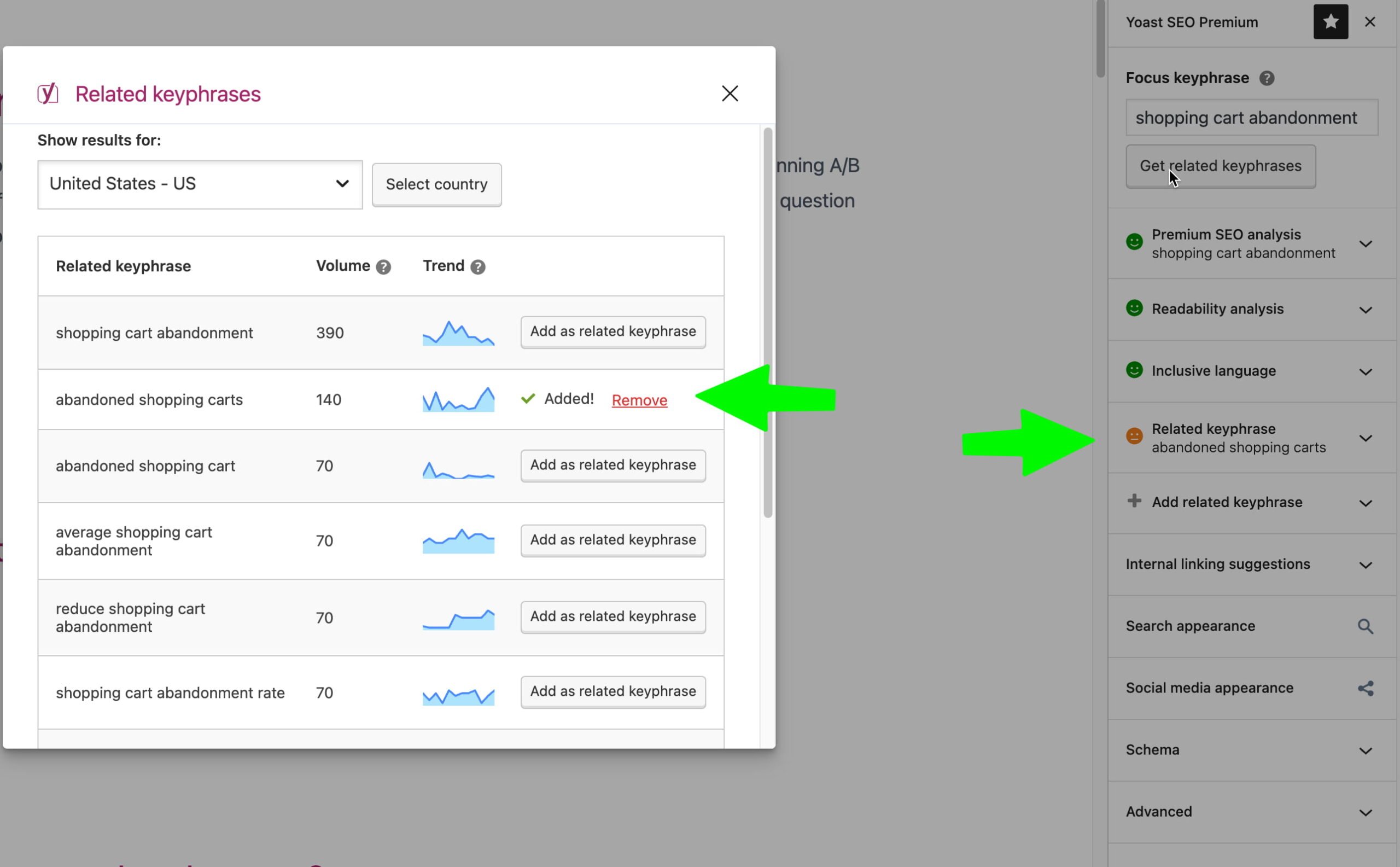
Finding them is a key application of SEO keyword research tools. Use filters in Ahrefs Keywords Explorer for word count (>3), or mine Google’s “People Also Ask” and “Related Searches” sections. Observe the progression:
“SEO” (short-tail, high competition) → “SEO keyword research” (mid-tail) → “long-tail keywords for SEO like ‘long-tail keywords for SEO in e-commerce blogs'” (easy to rank, targets qualified buyers).
The benefits are substantial: they are cheaper to target in PPC campaigns, and by creating clusters of related long-tails, you build immense topical authority. Statistics suggest they can drive up to 70% of all search traffic [1].
Implementation Strategy: Target 5-10 long-tail keywords for SEO per blog post. Weave them naturally into H2/H3 headings and the body content. Examples include:
- “free SEO keyword research tools 2026”
- “how to analyze keyword difficulty for beginners”
- “keyword research process step by step”
How to Prioritize Keywords for SEO Like a Pro
With a massive list of potential terms, you must learn to prioritize keywords for SEO. A data-driven scoring system is the professional’s method. Assign weighted points based on:
- Relevance (Weight: 0.4): How well the keyword aligns with your business (1-10 score).
- Volume (Weight: 0.3): The log of the search volume to not overly favor massive terms.
- Difficulty (Weight: 0.3): The inverse of the Keyword Difficulty score.
- Intent Match: Bonus points for clear commercial or transactional intent.
A simple formula could be: Score = (Relevance * 0.4) + (log10(Volume) * 0.3) – (KD * 0.3) [1][2].
Create a prioritization table to visualize your decisions:
| Keyword | Volume | KD | Intent | Score | Priority |
|---|---|---|---|---|---|
| SEO keyword research | 1,000 | 50 | Informational | 65 | Medium |
| long-tail keywords for SEO | 300 | 15 | Informational | 85 | High |
| best keyword tool | 5,000 | 75 | Commercial | 45 | Low |

Use free tools like Google Keyword Planner for basic keyword search volume and competition data to start. The pro tip is to begin with 10-20 keyword candidates, select the top 5 based on your scoring, and revisit your list quarterly as trends shift.
Implementation, Monitoring, and Advanced Tips
Implementation is where strategy meets the page. Your primary keyword (e.g., “best practices for SEO keyword research”) should appear in the title tag, within the first 100 words, in H2/H3 headings, the meta description, and the URL slug. Secondary keywords like long-tail keywords for SEO should be woven naturally into subheadings and body text, maintaining a natural density of 1-2% [1][2]. This careful structuring is a core part of any solid blog post plan.

Monitoring is an ongoing best practice for SEO keyword research. Use tools like Ahrefs Position Tracking to monitor rankings. In Google Analytics, track pageviews, and aim for a bounce rate below 50% and time on page over 2 minutes—signs your content meets intent. Plan to refresh and expand your keyword targets every 6-12 months.
Advanced Tactics & Pitfalls:
- AI for Ideation: Use AI tools like ChatGPT with prompts like “generate long-tail keyword variations for [seed keyword].” Explore the broader impact in our article on the AI revolution in content creation.
- A/B Testing: Experiment with different meta titles containing your primary keyword to improve click-through rates.
- Avoid Keyword Stuffing: Forcing keywords unnaturally will be penalized by Google.
- Consider Mobile Intent: Queries from mobile devices often have different, more local or immediate intent.
Frequently Asked Questions
What is the single most important step in the keyword research process?
While all steps are interconnected, search intent analysis is paramount. You can find a keyword with perfect volume and low competition, but if you create content that doesn’t match what the searcher wants, you will not rank or engage visitors. It’s the bridge between data and human relevance.
Can I do effective keyword research for free?
Absolutely. Start with Google’s free tools: Keyword Planner for volume/competition data, and use Google Search, Autocomplete, and “People Also Ask” manually to find questions and long-tail keywords for SEO. For more advanced metrics, trial versions of paid SEO keyword research tools like Ahrefs or SEMrush can be used strategically.
How often should I revisit and update my keyword research?
Keyword research is not a one-time task. You should conduct a formal review of your core keyword strategy at least every six months. However, stay agile—monitor your rankings and traffic weekly, and be ready to create new content around emerging trends or questions you discover in your analytics.
What’s a good Keyword Difficulty (KD) score to target for a new website?
For a new or low-authority website, consistently target keywords with a Keyword Difficulty score between 0 and 30. This “low-hanging fruit” strategy allows you to secure quick wins, build ranking momentum, and start generating traffic while you work on building your site’s overall authority for more competitive terms.
How many keywords should I target per blog post?
Focus on one primary keyword and 2-5 closely related secondary keywords (often long-tail variations) per post. Your primary keyword should guide the post’s topic and structure, while the secondary keywords can be naturally incorporated into subheadings and body text to cover the topic comprehensively.