


The Complete Blog Post SEO Checklist: A Step-by-Step Guide to Higher Rankings
Estimated reading time: 8 minutes
Key Takeaways
- Start with a solid blog post SEO checklist to avoid missing critical steps that make or break your rankings.
- Keyword research is the foundation—identify high-intent terms your audience actually searches for.
- Place your primary keyword strategically in the title tag, headline, introduction, subheads, and conclusion.
- Align content with search intent to satisfy user goals and boost relevance.
- Structure posts with clear subheadings (H2/H3) for readability and SEO.
- Aim for optimal word count and use topic clusters to build authority.
- Leverage internal links and external links to enhance credibility and navigation.
- Optimize images with descriptive alt text to improve accessibility and rankings.
- Craft a captivating headline and introduction to hook readers and reduce bounce rate.
- Track metrics like SERP position and engagement to refine your strategy over time.
Table of Contents
- The Complete Blog Post SEO Checklist: A Step-by-Step Guide to Higher Rankings
- Key Takeaways
- Why You Need a Blog Post SEO Checklist
- Step 1: Master Keyword Research
- Step 2: Place Your Primary Keyword Strategically
- Step 3: Understand and Match Search Intent
- Step 4: Structure for Readability and SEO
- Step 5: Optimize Length and Depth
- Step 6: Leverage Internal and External Links
- Step 7: Optimize Multimedia
- Step 8: Write Captivating Elements
- Step 9: Track Metrics for Success
- Wrap-Up and Next Steps
- Frequently Asked Questions
Ever published a brilliant blog post only to watch it disappear into the void? Without a proper blog post SEO checklist, even the most insightful content can fail to rank. This guide delivers a complete, actionable roadmap—from keyword research to technical tweaks—based on proven strategies from top SEO experts. Follow these 10 steps for quick wins and long-term authority.
Why You Need a Blog Post SEO Checklist
Think of SEO as the engine that drives traffic to your content. Without optimization, your post is like a car without fuel—going nowhere. A checklist ensures you cover all bases: targeting the right keywords, structuring for both readers and search engines, and tracking what works. It turns guesswork into a repeatable process for consistent rankings.
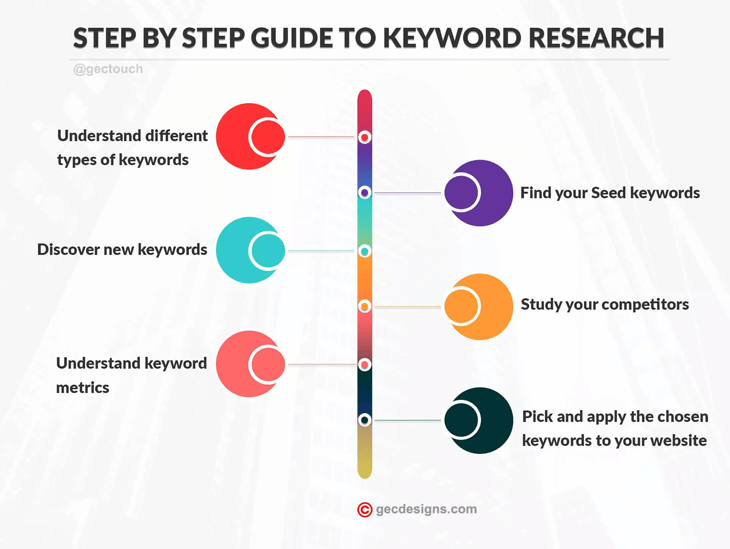
Step 1: Master Keyword Research
Keyword research is the foundation of any successful SEO strategy. It’s the process of identifying terms your audience searches for, including high-intent long-tail keywords you can realistically rank for, and covering related synonyms to match user queries. As Yoast emphasizes, this step determines your content’s direction.
- Start by listing relevant terms based on your business topics. Use tools to identify intent—whether it’s informational (e.g., “how-to”), commercial, or transactional.
- Prioritize a primary keyword to structure your title, introduction, and content clusters. This helps search engines understand your focus.
- Analyze search volume and competition using resources like Ahrefs or HubSpot. Balance high-volume keywords with lower-competition niches.
- Group keywords into themes (a mix of head and long-tail terms) and map them to buyer journey stages. Avoid pitfalls like missing search volume or poor intent mapping, which lead to weak rankings.
According to PenBrief, effective keyword research involves creating a preliminary plan with keywords, search intent, and a primary keyword. This sets the stage for content that resonates.
Step 2: Place Your Primary Keyword Strategically
Once you’ve chosen your primary keyword, place it in key locations to signal relevance to search engines:
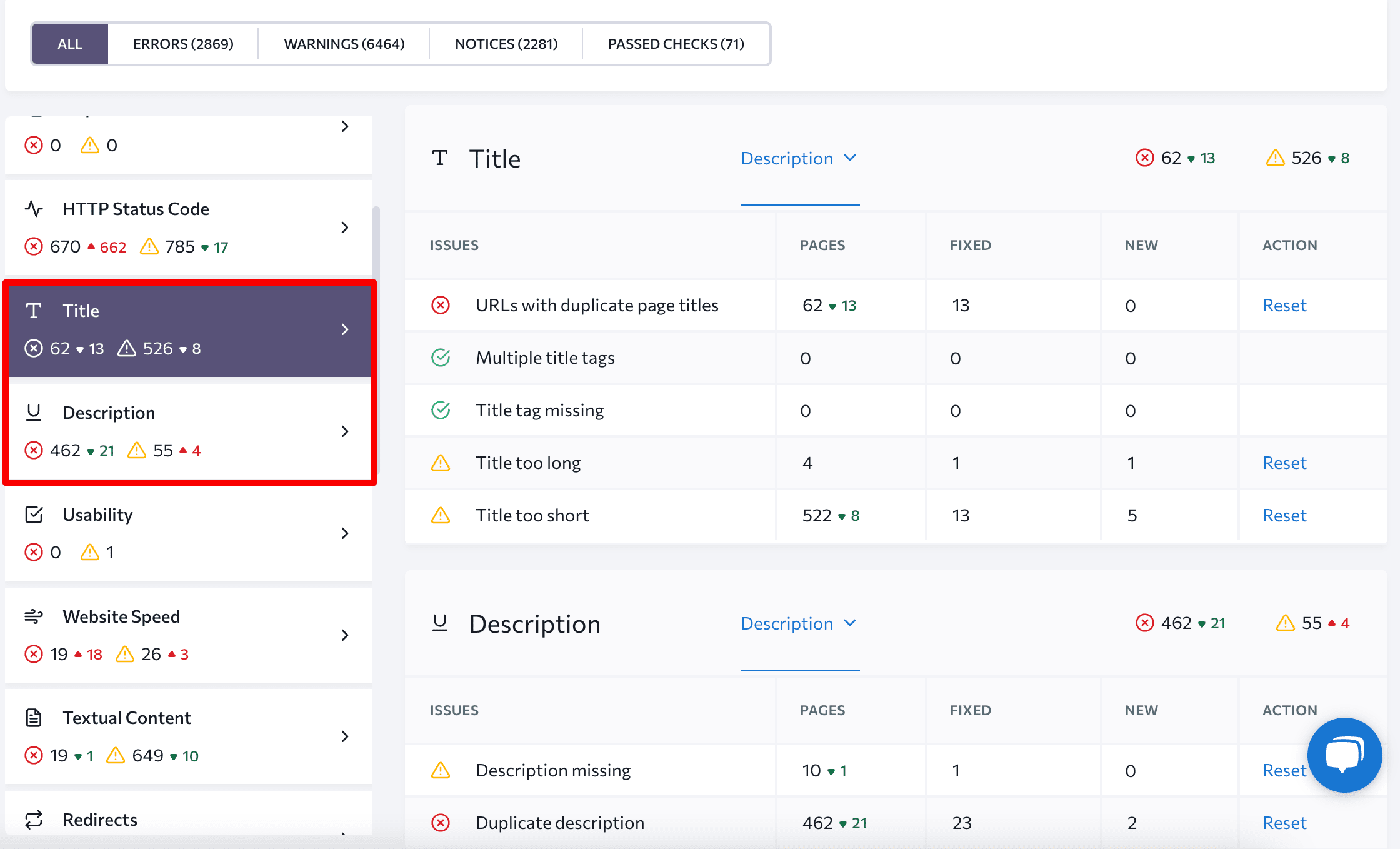
- Title tag: Front-load the keyword within 55-65 characters for maximum impact.
- Headline (H1): Include it naturally to define the post’s focus.
- Introduction: Use it within the first 100 words to confirm topic relevance.
- Subheads (H2/H3): Sprinkle it into section headings for structural clarity.
- Conclusion: Reinforce it to wrap up the message.
Don’t forget the meta description—keep it under 160 characters, keyword-rich, and written in active voice. As noted in HubSpot’s guide, this helps improve click-through rates from search results.
Step 3: Understand and Match Search Intent
Search intent is the user’s goal behind a query. Recognizing whether they seek information (e.g., how-to guides), commercial reviews (e.g., “best X”), navigational links, or transactional actions (e.g., “buy now”) is crucial. Align your content to satisfy this intent fully for higher relevance and rankings.
Why does this matter? If someone searches for “blog post SEO checklist,” they likely want a comprehensive guide—not a product sales page. PenBrief explains that matching intent reduces bounce rates and boosts engagement. Use your keyword research to infer intent and structure content accordingly.

Step 4: Structure for Readability and SEO
A well-structured post enhances both user experience and SEO. Use H1 for your main title with the primary keyword, and H2/H3 for sections and subpoints. This creates a scannable outline—like a textbook—that allows readers to grasp main ideas quickly.
- Keep paragraphs short (2-4 sentences) for mobile-friendly reading.
- Use bullet points and bold text to highlight key takeaways.
- Incorporate visuals to break up text and illustrate points.
- Ensure headers are descriptive and include keywords where natural.
As Carnegie Higher Ed advises, this structure not only aids readability but also helps search engines crawl and index your content effectively.

Step 5: Optimize Length and Depth
Top-ranking posts often range from 1,200 to 2,400 words, matching topic complexity. Focus on original, actionable content that answers questions, provides examples, and avoids fluff. Word count alone isn’t enough—depth matters.
Implement topic clusters by grouping related keywords into themes. For instance, cluster “blog post SEO checklist” with subtopics like keyword research and internal linking. This builds authority without cannibalization. PenBrief’s clustering guide highlights how this strategy strengthens your site’s topical relevance.
“Length should serve purpose. Write until you’ve comprehensively covered the topic, then stop.” — SEO best practices from industry experts.

Step 6: Leverage Internal and External Links
Linking is a powerful SEO signal. Internal links point to related content on your site, boosting authority and keeping readers engaged. External links credit reputable sources, adding credibility—always use descriptive anchor text and open them in new tabs.
- Link to older posts to drive traffic and reduce bounce rate.
- Use categories and tags for organization, but sparingly to avoid dilution.
- Credit sources accurately, as seen in Yoast’s recommendations.
Remember, links should feel natural and helpful, not forced.
Step 7: Optimize Multimedia
Include at least one image or video per post to enhance engagement. Optimize images by:
- Adding descriptive alt text that includes keywords (e.g., “blog post SEO checklist infographic”).
- Compressing files for faster loading times—slow sites hurt rankings.
- Using charts, diagrams, or screenshots to illustrate complex points.
Multimedia isn’t just decorative; it supports your content and improves accessibility. As ZAG Interactive notes, properly optimized visuals can reduce bounce rates and increase time on page.
Step 8: Write Captivating Elements
Great SEO means nothing if readers bounce immediately. Craft a powerful headline that sparks curiosity, and a punchy introduction with a hook to draw them in. In the body, use short sentences, bold and italics for emphasis, and an FAQ section if relevant.
- Employ active voice and emotional triggers to keep prose engaging.
- Tools like Grammarly or Hemingway can polish your writing for clarity.
- End with a strong close that ties back to your primary keyword, reinforcing the message.
Pro tip: Test different headlines with A/B testing to see what resonates with your audience.

Step 9: Track Metrics for Success
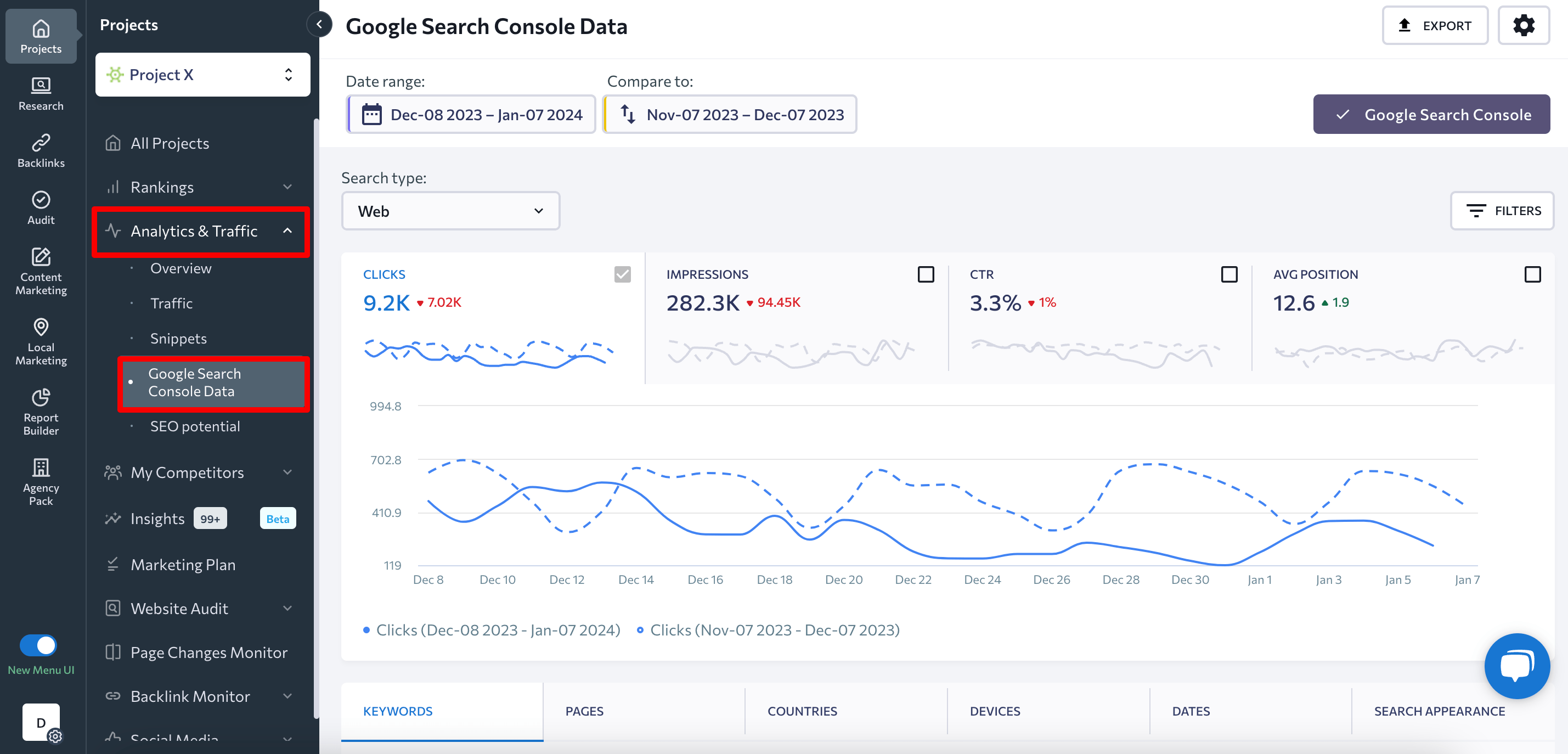
After publishing, monitor key metrics to gauge performance and refine older posts. Essential metrics include:
- Page views: Total views per post.
- Top traffic posts: Identify which content drives the most visits.
- Bounce rate: Percentage of visitors leaving without action—aim for lower rates.
- Time on page: Engagement duration; longer times indicate valuable content.
- Traffic by channel: Breakdown of organic, paid, social, etc.
- SERP position: Your ranking spot for target keywords; track improvements over time.
Use tools like Google Analytics to collect this data. As highlighted in HubSpot’s resources, consistent tracking turns insights into actionable SEO adjustments.
Wrap-Up and Next Steps
This blog post SEO checklist is your blueprint to optimize blog post performance systematically. From keyword research to metric tracking, each step builds toward higher rankings and authority. Implement it immediately for tangible boosts—download a free checklist template, share your results in comments, or subscribe for more SEO tips. Consistent use transforms average blogs into top performers, satisfying ongoing informational intent for SEO mastery. For additional insights, explore PenBrief’s blogger tips.
Frequently Asked Questions
What is the most important step in the blog post SEO checklist?
Keyword research is critical because it informs every other step. Without targeting the right terms, your content may never reach its intended audience. Use resources like Yoast’s guide to get started.
How often should I update my blog posts for SEO?
Aim to refresh content every 6-12 months, especially if rankings drop or information becomes outdated. Update keywords, add new links, and improve depth to maintain relevance.
Can I use multiple primary keywords in one post?
Focus on one primary keyword to avoid dilution. Use secondary keywords naturally in subheads and body text. For more on this, see Carnegie Higher Ed’s advice.
How does search intent affect my content strategy?
Search intent determines content format and depth. Misaligning intent—like writing a commercial post for an informational query—can increase bounce rates. Match intent by analyzing top-ranking pages for your target keywords.
What tools can help with keyword research?
Tools like Ahrefs, SEMrush, and Google Keyword Planner are popular. For free options, try HubSpot’s methods or PenBrief’s digital marketing guide.