
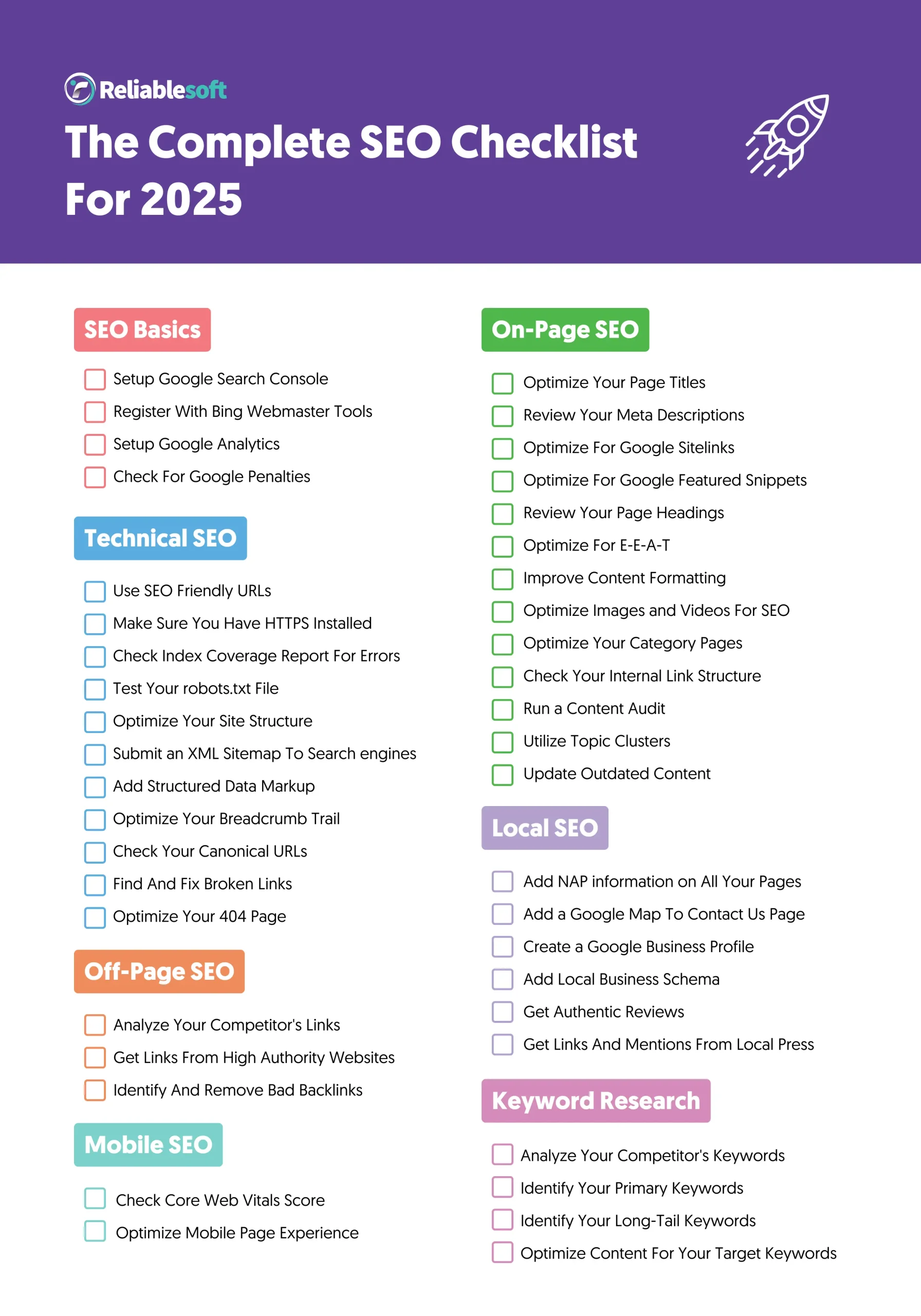
The Ultimate Blog Post SEO Checklist for 2024
Estimated reading time: 8 minutes
Key Takeaways
- Following a blog post SEO checklist is crucial for ranking higher and driving organic traffic.
- Strategic keyword placement in titles, meta descriptions, URLs, and headings signals relevance to search engines.
- Thorough keyword research and understanding search intent are foundational steps.
- High-quality, comprehensive content with optimal length and readability boosts engagement.
- Internal and external linking builds authority and improves user experience.
- Optimizing visuals, technical elements, and ensuring EEAT are key for trust and rankings.
- Regular promotion and updates keep content fresh and relevant.
Table of contents
- The Ultimate Blog Post SEO Checklist for 2024
- Key Takeaways
- Introduction: Why You Need a Blog Post SEO Checklist
- Why a Blog Post SEO Checklist is Essential
- Step 1: Conduct Thorough Keyword Research
- Step 2: Optimize Title and Meta Description
- Step 3: URL Structure and Headings
- Step 4: High-Quality, Comprehensive Content
- Step 5: Internal and External Linking Strategy
- Step 6: Visuals and Media Optimization
- Step 7: Technical Optimizations
- Step 8: EEAT and Quality Checks
- Step 9: Promoting and Updating Content
- Wrap-up and Call to Action
- Frequently Asked Questions
Introduction: Why You Need a Blog Post SEO Checklist
Ever wondered why some blog posts skyrocket to the top of Google while others languish in obscurity? The secret often lies in a meticulous blog post SEO checklist. This step-by-step guide of on-page optimization techniques—including keyword placement, content structure, and technical elements—ensures that search engines understand and rank your content effectively. By following this SEO checklist for blog posts, you can boost your rankings as per best practices from SEO experts, driving consistent organic traffic to your site. Think of it as your blueprint for mastering blog post SEO and turning casual readers into loyal followers.
Why a Blog Post SEO Checklist is Essential
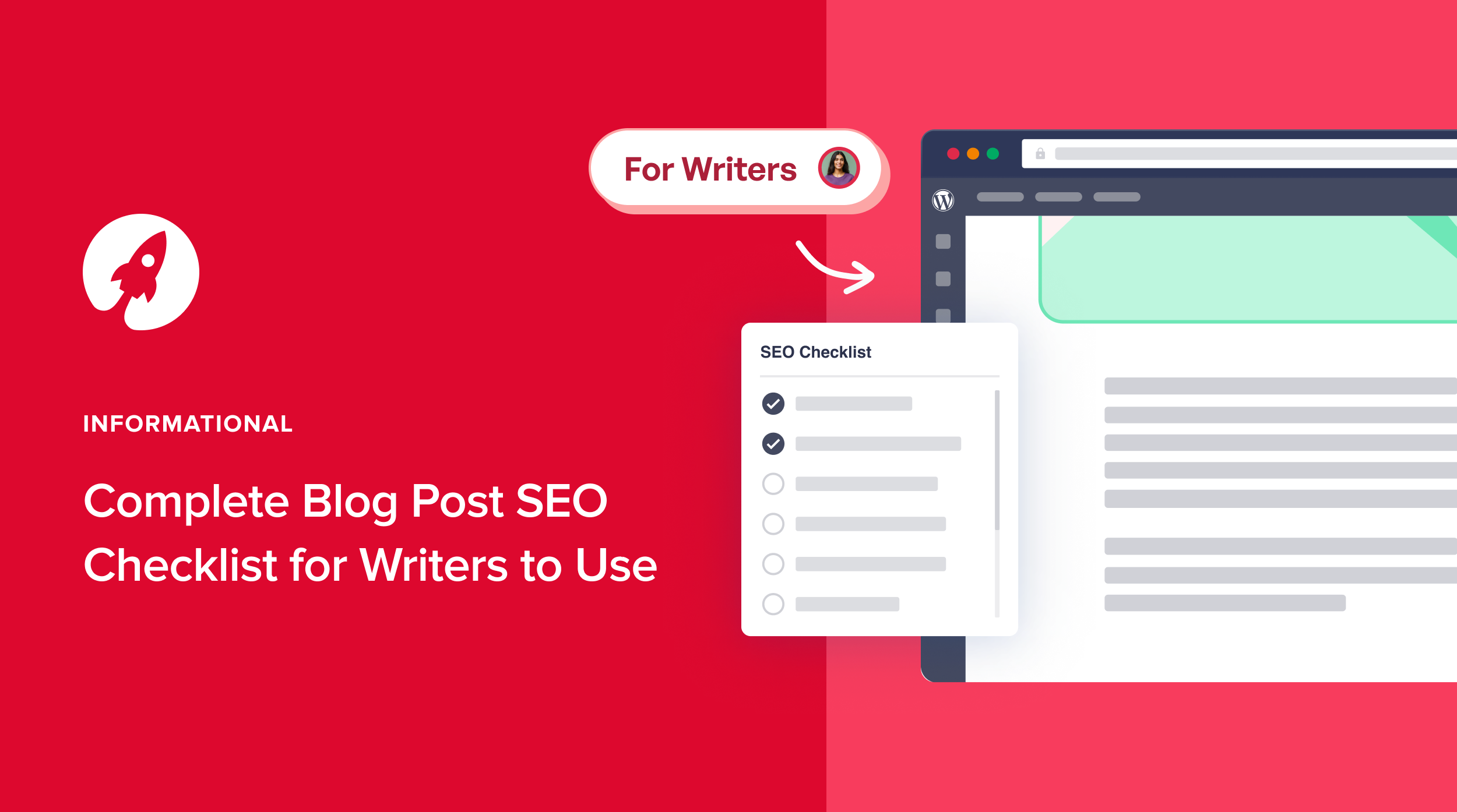
At its core, a blog post SEO checklist is about signaling topic relevance to search engines. Research shows that placing keywords strategically in the page title, meta description, URL, headings, first 100 words, and image alt text is crucial, as highlighted in this on-page SEO checklist. This should be done while maintaining natural density with long-tail variations and synonyms. Without a structured approach, you might miss key elements like keyword research for blog posts or fail to optimize blog posts for both users and algorithms. Remember, search engines crave clarity—your checklist provides it.
Step 1: Conduct Thorough Keyword Research
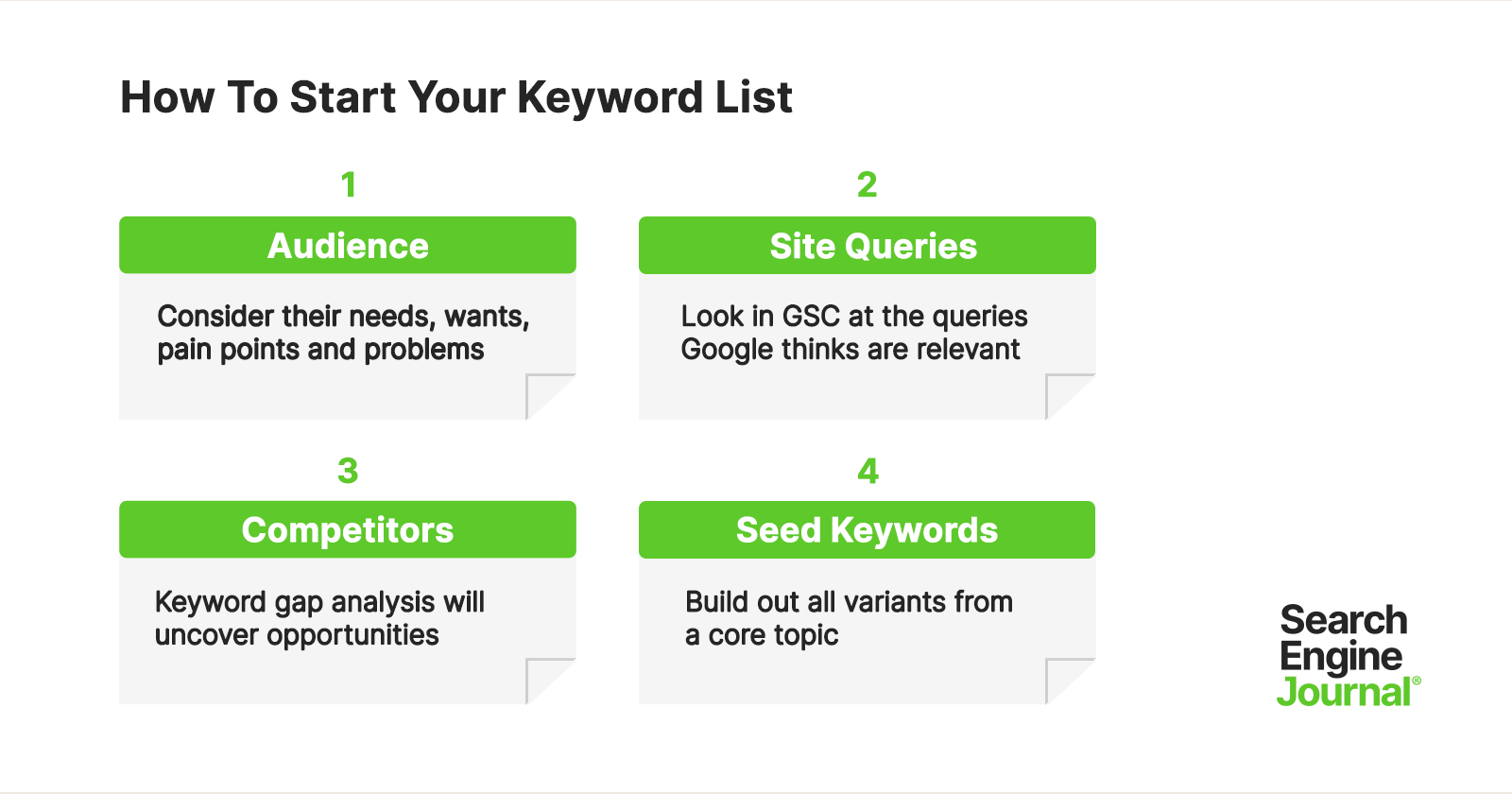
Before you write a single word, conduct thorough keyword research. This involves identifying primary and secondary keywords using tools that consider search volume, competition, and relevance. As per AIOSEO’s blog post SEO checklist, planning content with keyword research and understanding search intent—whether informational, commercial, or transactional—is vital to match user needs. For instance, understanding how users search for products, like in our guide on How to Shop for Tech Gadgets on a Budget, can inform your keyword strategy for commercial intent. Always aim to include related keywords for blog posts and your focus keyphrase naturally throughout the content.
Here’s a quick list to get started:
- Use tools like Ahrefs, SEMrush, or Google Keyword Planner.
- Analyze competitor pages for keyword gaps.
- Prioritize long-tail keywords with lower competition.
- Align keywords with search intent for SEO to ensure content relevance.
This foundational step sets the stage for all subsequent optimizations.
Step 2: Optimize Title and Meta Description
Craft a compelling title tag of 50-60 characters that includes your primary keyword: blog post SEO checklist. Make it engaging and specific to entice clicks. Similarly, write a meta description under 160 characters that summarizes the benefits with the focus keyphrase early. According to SurferSEO and AIOSEO, optimizing title tags with the target keyword boosts rankings, while meta descriptions with the keyphrase improve click-through rates. For example, a title like How to Choose the Perfect Foldable Phone for You is keyword-rich and specific. Remember, SEO title tags and meta description optimization are non-negotiable for blog post titles that rank.
Pro tip: Use power words like “Ultimate,” “Guide,” or “2024” to increase appeal, but always keep it accurate and relevant.
Step 3: URL Structure and Headings
Use descriptive, keyword-rich URLs that clearly indicate the content topic. Structure your content with H1, H2, and H3 headings that tell a coherent story and include keywords. As noted in SurferSEO’s checklist and SiteImprove’s content optimization checklist, optimizing URLs and using descriptive headings improves scannability and SEO. For URL optimization for SEO, keep slugs short and relevant. Your H1 should contain the primary keyword, while H2 and H3 subheadings break down the content logically. This content structure for SEO helps both readers and search engines navigate your post.
Consider this hierarchy:
- H1: Main title (e.g., “The Ultimate Blog Post SEO Checklist for 2024”).
- H2: Major sections (e.g., “Why a Blog Post SEO Checklist is Essential”).
- H3: Subsections (e.g., “Keyword Research Tools and Techniques”).
This approach enhances readability and reinforces topical authority.
Step 4: High-Quality, Comprehensive Content
Aim to create the best piece on the topic by covering it in detail. Optimal length often means 1500+ words, but focus on value over word count. Use short paragraphs (2-3 sentences), whitespace, conversational active voice, and cover all sub-topics. Research from SurferSEO, AIOSEO, and WordStream’s SEO checklist emphasizes writing high-quality SEO content with original, actionable information, strong headlines, and answers to user questions. Keep keyword density natural and incorporate secondary keywords. For instance, comprehensive guides like our deep dive on Latest Innovations in Wearable Tech From Fitness Trackers to Smartwatches demonstrate the depth that satisfies users and ranks well. Prioritize readability for blog posts to keep readers engaged.
Key practices include:
- Break complex ideas into bullet points or numbered lists.
- Use bold or italics to highlight key terms like content length for SEO.
- Include quotes or statistics to add credibility.
- Ensure every paragraph adds value and flows smoothly.
Remember, quality content is the cornerstone of SEO success.
Step 5: Internal and External Linking Strategy
Include 5-10 internal links to related pages on your site using descriptive anchor text (avoid “click here”). Also, link to authoritative external sources to build credibility. According to SurferSEO, AIOSEO, and WordStream, internal linking for SEO with contextual anchor text and developing topic clusters enhances authority. For example, within a buying guide, you might internally link to a related security article like How to Stay Safe and Secure in the Digital Age to provide additional value. Follow external linking best practices by citing reputable sources, and use topic clusters SEO to organize content around core themes.
Why linking matters:
- Internal links keep users on your site longer, reducing bounce rates.
- External links to trusted sources boost your content’s credibility.
- Anchor text should be natural and descriptive, not generic.
This strategy distributes page authority and improves overall site structure.
Step 6: Visuals and Media Optimization
Add images, infographics, or videos every 500 words to break up text and improve dwell time. Ensure each visual has descriptive alt text including keywords, and compress files for speed. Sources like SurferSEO, AIOSEO, SiteImprove, and WordStream highlight the importance of image alt text SEO, adding relevant visuals, and including multimedia. Videos in blog posts can significantly increase engagement, while visual optimization for fast loading is crucial for user experience and SEO.
Here’s a quick checklist for visuals:
- Use original images or royalty-free stock photos with credit.
- Optimize alt text with keywords (e.g., “blog post SEO checklist infographic”).
- Compress images using tools like TinyPNG or ShortPixel.
- Include captions to provide context and enhance accessibility.
Visuals not only make content more appealing but also support SEO through alt text and reduced bounce rates.
Step 7: Technical Optimizations
Ensure your blog post is mobile-friendly, with fast load times achieved through image compression and script deferral. Use categories and tags for organization, but avoid over-tagging. As per SiteImprove, Squarespace’s SEO checklist, and WordStream, conduct mobile SEO checklist checks, optimize page speed optimization with tools like Google PageSpeed Insights, and properly use blog categories and tags to enhance site structure and crawlability.
Technical must-dos:
- Test mobile responsiveness using Google’s Mobile-Friendly Test.
- Minify CSS and JavaScript files to improve speed.
- Use caching plugins to reduce server load.
- Organize content with relevant categories and tags, but limit tags to 2-3 per post.
These technical tweaks ensure that search engines can crawl and index your content efficiently, without user experience setbacks.
Step 8: EEAT and Quality Checks
Demonstrate Experience, Expertise, Authoritativeness, and Trustworthiness (EEAT) by citing accurate sources, showcasing authorship, and ensuring no typos or errors. According to SiteImprove, WordStream, and Yoast’s SEO checklist, EEAT for SEO is critical for ranking, especially in YMYL (Your Money Your Life) topics. Perform content quality checklist reviews for grammar, clarity, and accessibility. Linking to authoritative content on your site, such as a detailed guide on How to Improve Your Smartphone Photography Skills, can bolster perceived expertise.
To enhance EEAT:
- Include author bios with credentials or experience.
- Cite studies, reports, or expert opinions with hyperlinks.
- Use tools like Grammarly for proofreading.
- Ensure content is accessible with proper heading structure and alt text.
EEAT isn’t just a buzzword—it’s a ranking factor that builds long-term trust with both users and search engines.

Step 9: Promoting and Updating Content
Encourage social shares to amplify reach, optimize older posts for freshness, and schedule regular content audits. As mentioned in AIOSEO and SiteImprove, social sharing for SEO can drive initial traffic, while update old blog posts with new information maintains relevance. For example, updating a post about AI tools with the latest information, like in The Ultimate Guide to the Best AI-Powered Productivity Apps You Absolutely Need in 2024, is key for sustained rankings. Regular content audit SEO ensures your entire blog remains competitive.
Actionable tips:
- Share posts on social media platforms with engaging snippets.
- Repurpose content into newsletters or podcasts.
- Update publication dates and add new sections to old posts.
- Use analytics to identify underperforming content for optimization.
Promotion and updates turn a one-time publish into an ongoing traffic generator.
Wrap-up and Call to Action
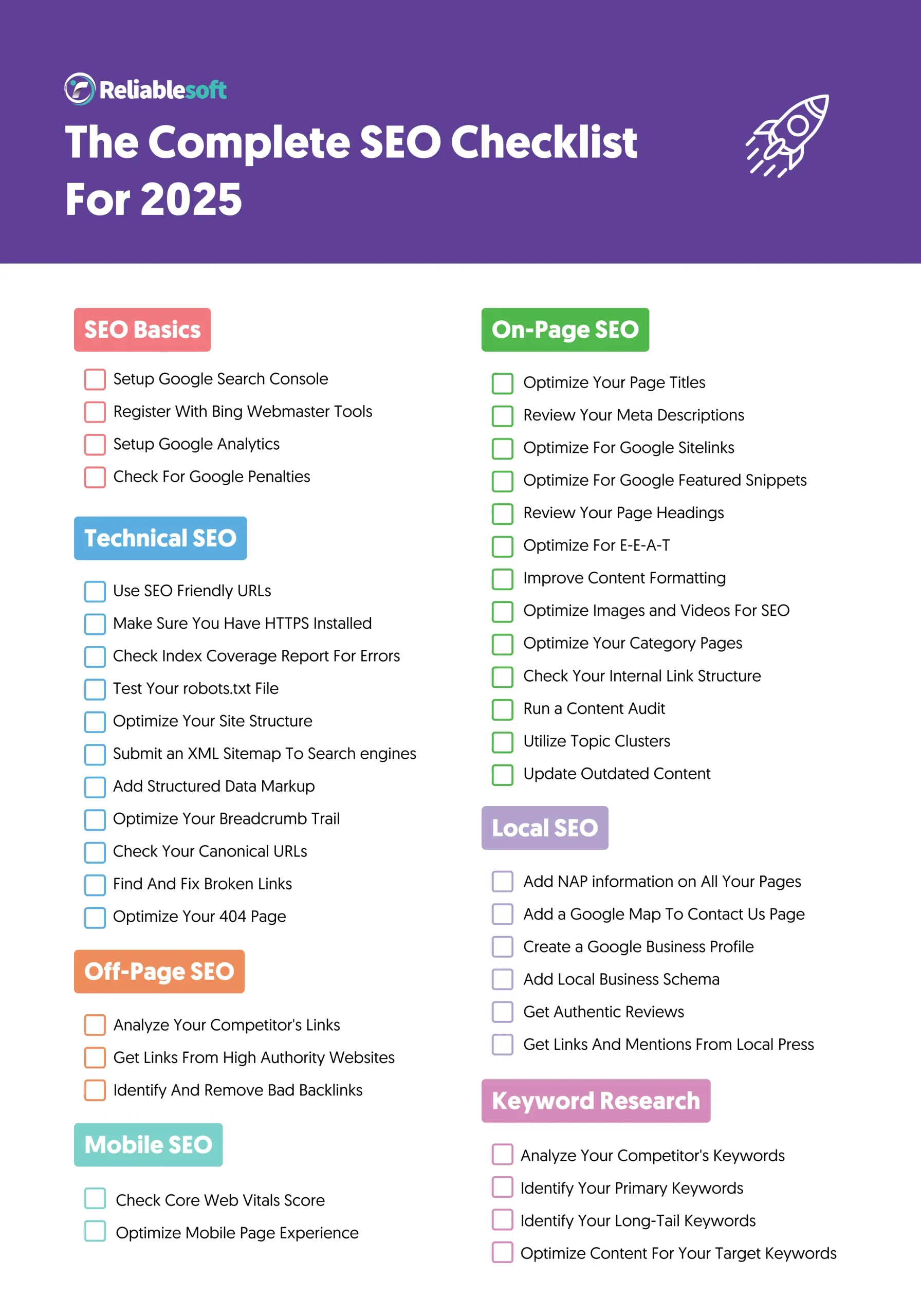
By now, you see that a blog post SEO checklist is a repeatable process for consistent traffic gains. From keyword research for blog posts to on-page SEO checklist items like title optimization and linking, each step builds upon the last. Implement this SEO checklist for blog posts on your next post, and watch your organic visibility grow. Download a free printable version of this blog post SEO checklist, implement it on your next post, and share your results in the comments to build community engagement. Remember, SEO isn’t a one-off task—it’s a continuous journey of refinement and adaptation.
Frequently Asked Questions
What is the most important part of a blog post SEO checklist?
While all elements are important, keyword research and understanding search intent are foundational. Without targeting the right keywords, other optimizations may not yield results. Focus on aligning your content with what users are searching for to maximize relevance.
How often should I update my blog posts for SEO?
It depends on the topic, but a good rule is to review and update posts every 6-12 months, or whenever there are significant changes in the industry or information. Fresh content signals to search engines that your site is active and authoritative.
Can I use the same SEO checklist for all types of blog posts?
Yes, the core principles apply, but you may need to adjust for different content types. For example, commercial posts might focus more on conversion keywords, while informational posts prioritize depth and clarity. Tailor your checklist based on the post’s goal and audience.
How many internal links should I include in a blog post?
Aim for 5-10 internal links, but ensure they are relevant and add value. Quality over quantity is key; avoid linking for the sake of linking. Each link should naturally guide the reader to more useful information on your site.
What is EEAT, and why is it important for SEO?
EEAT stands for Experience, Expertise, Authoritativeness, and Trustworthiness. It’s a Google guideline that emphasizes the quality and credibility of content, especially for topics that impact well-being or finances. Demonstrating EEAT through accurate sourcing and expert authorship can boost rankings and user trust.