
Revolutionizing Beauty: How Light-Based Hair Straightener Tech and Infrared Devices are Leading the Charge
Estimated reading time: 8 minutes
Key Takeaways
- Light-based hair straightener tech is transforming hair care by using near-infrared light to style with up to 25% less heat, drastically reducing thermal damage and preserving hair health.
- Infrared beauty devices, like flexible LED masks, leverage specific red and near-infrared wavelengths to target skin aging concerns, bringing professional dermatological treatments home.
- Smart skincare gadgets are converging light therapy with AI, sensors, and machine learning to create fully personalized, adaptive beauty routines that evolve with your skin and hair.
- The innovations showcased at CES 2026 beauty tech signal a major shift toward intelligent, multi-functional devices that prioritize prevention and long-term wellness over short-term fixes.
- The democratization of high-end salon and clinic technology is now a reality, making professional-grade care accessible, affordable, and convenient for everyday use.
Table of Contents
- Revolutionizing Beauty: How Light-Based Hair Straightener Tech and Infrared Devices are Leading the Charge
- Key Takeaways
- Introduction: The Beauty Tech Paradigm Shift
- Light-Based Hair Straightener Tech: The Vanguard of Change
- Infrared Beauty Devices: Skincare Illuminated
- The Intelligence Factor: Smart Skincare Gadgets
- CES 2026 Beauty Tech: Convergence and Forecast
- Bringing It All Home: The Democratization of Beauty Tech
- Frequently Asked Questions
Introduction: The Beauty Tech Paradigm Shift
Imagine a world where your hair straightener doesn’t fry your locks, and your skincare device knows exactly what your complexion needs. This isn’t science fiction—it’s the thrilling reality dawning in the beauty industry. We’re witnessing a monumental shift from brute-force, high-heat tools to intelligent, tech-driven devices that prioritize health and prevention. At the forefront of this revolution is light based hair straightener tech, leveraging precisely engineered infrared wavelengths for smoother results with significantly less thermal damage. But it doesn’t stop there. This movement encompasses infrared beauty devices for skin, smart skincare gadgets with brains, and the groundbreaking innovations unveiled at ces 2026 beauty tech. This post is your deep dive into how light, data, and intelligence are converging to democratize professional salon and dermatology tech, putting unparalleled care right in your bathroom. The era of one-size-fits-all, damaging beauty tools is over.

Light-Based Hair Straightener Tech: The Vanguard of Change
For decades, achieving sleek, straight hair meant subjecting it to scorching ceramic or tourmaline plates operating at 400°F or higher—a process that degrades keratin, zaps moisture, and leaves hair brittle. Enter light based hair straightener tech, the hero we didn’t know we needed. The star example is L’Oréal’s Light Straight + Multi-styler unveiled at CES 2026, which swaps traditional heated plates for a patented near-infrared light system. This device reshapes hair at a maximum temperature of 320°F—a substantial reduction that promises to preserve hair’s intrinsic shine and strength.
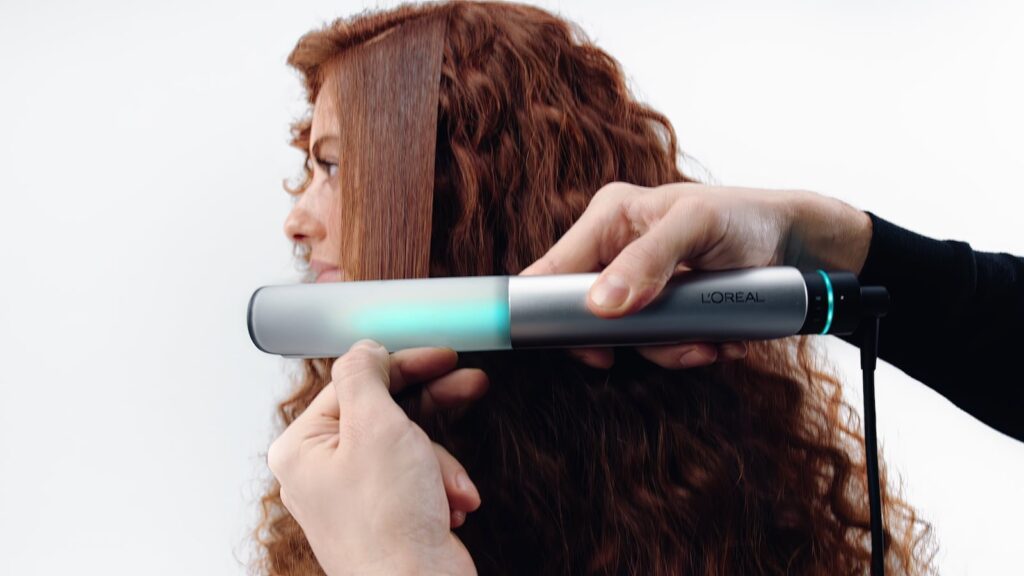
How does it work? The science is fascinating. Instead of blasting the hair cuticle with extreme heat, the near-infrared light penetrates deep into the hair fiber, targeting the hydrogen bonds that determine hair’s shape and texture. It gently loosens these molecular structures from within, allowing for reshaping without the superficial damage. This internal approach prevents the “fried hair” effect and the brittleness that follows traditional styling.
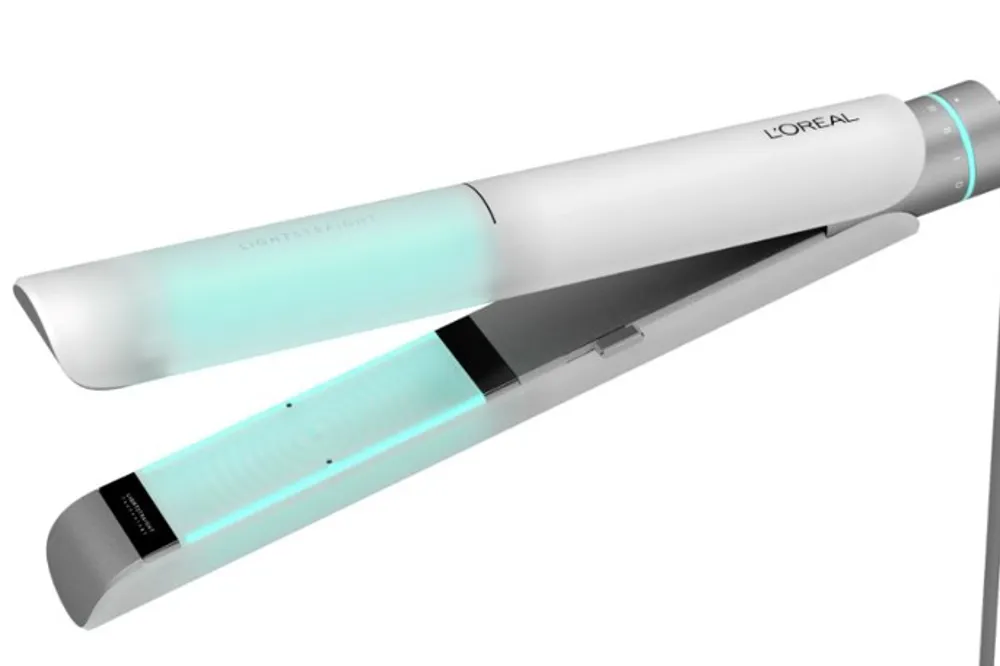
The performance claims are staggering. According to L’Oréal’s internal testing, this light based hair straightener tech works three times faster and leaves hair twice as smooth as leading premium straighteners. This efficiency meets a critical consumer need: a L’Oréal survey found 58% of women attribute hair damage directly to heat exposure. The philosophy is shifting from repair to prevention.
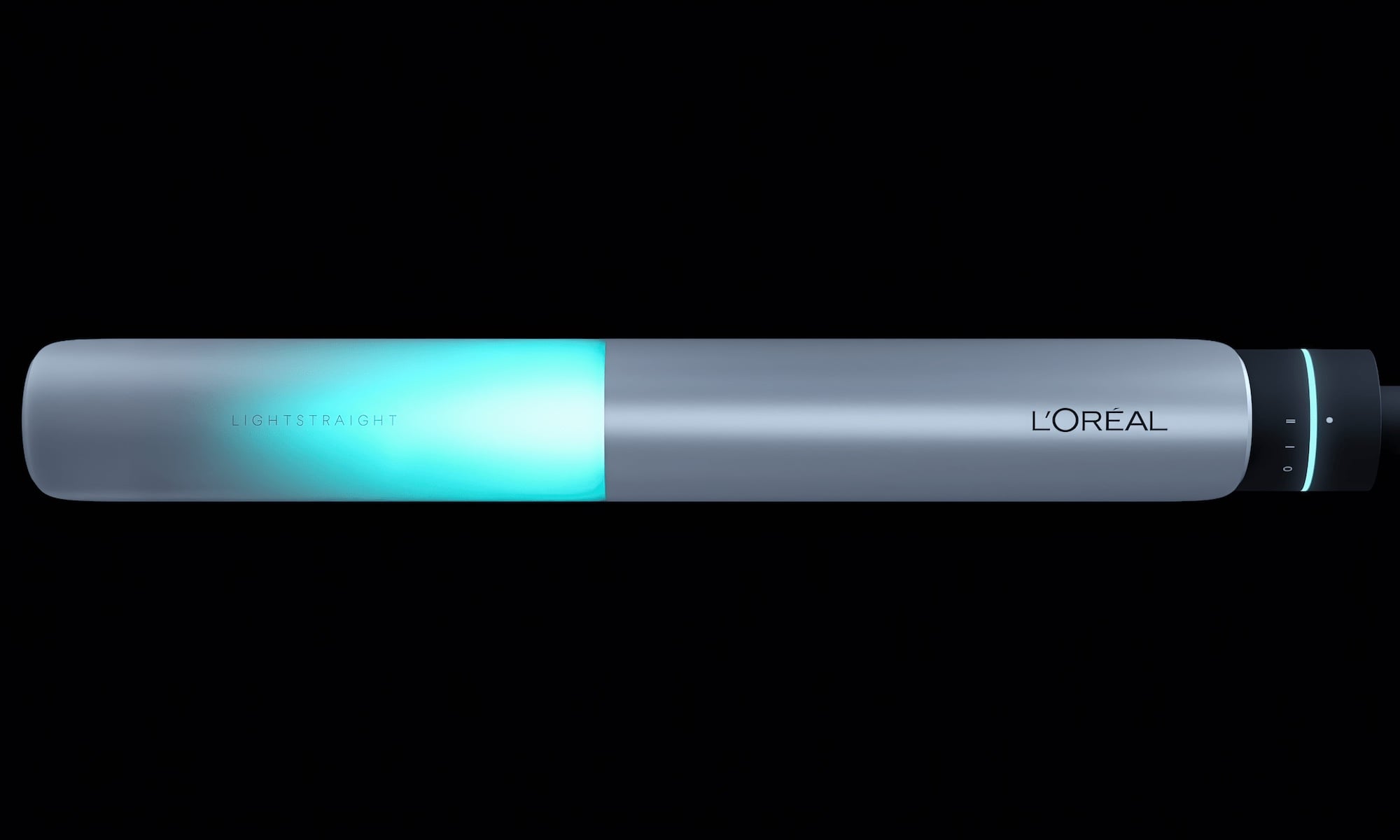
But the intelligence doesn’t end with light. The device is packed with smart internal sensors, proprietary algorithms, and machine learning. It adapts to your styling technique in real-time, adjusting heat and light output based on your movement speed and pressure. It learns from your usage patterns over time, becoming more personalized with each session. This smart adaptation ensures optimal results for every hair type, especially those already heat-damaged or fine and prone to breakage.
Scheduled for a global launch in 2027 (with pricing TBA), the Light Straight + Multi-styler is part of L’Oréal’s growing infrared haircare ecosystem, which includes the Airlight Pro dryer from CES 2024. This marks a systemic move towards lower thermal thresholds across styling tools.
Key contrasts with traditional tools:
- Reduced Heat Exposure: Up to 80°F lower than conventional straighteners.
- Added Shine: Light technology enhances light reflection for a glossier finish.
- Long-Term Health: Preserves the hair’s protein structure, preventing cumulative damage.
- User Experience: Faster styling sessions and noticeably smoother, more manageable hair.
Infrared Beauty Devices: Skincare Illuminated
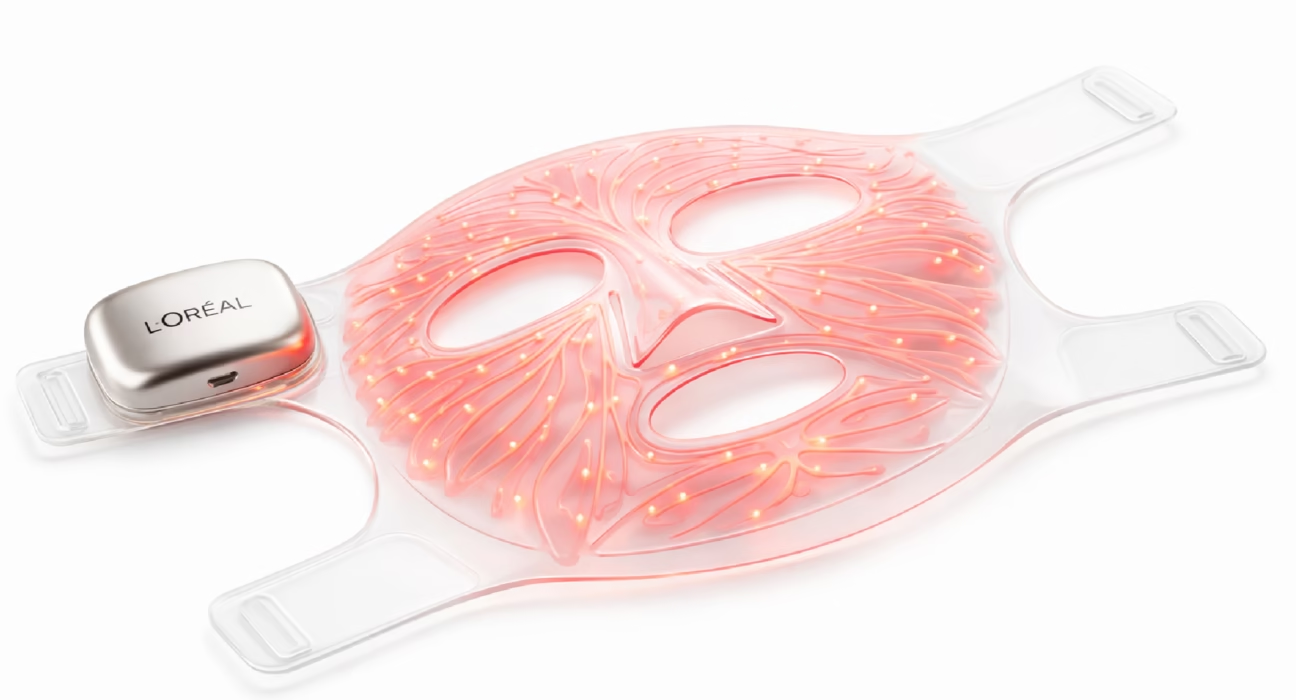
Seamlessly transitioning from hair to skin, the power of light continues with infrared beauty devices. Here, the focus is on leveraging specific wavelengths to combat aging, improve tone, and boost collagen—all from the comfort of your home. The standout innovation from CES 2026 is L’Oréal’s LED Face Mask, an Innovation Award honoree set to launch in 2027. This isn’t your typical rigid LED panel; it’s an ultra-thin, flexible silicone mask that conforms to every contour of your face.
The magic lies in the wavelengths. This device employs a dual-light system:
- Red Light (630nm): Targets surface-level concerns like fine lines, wrinkles, and uneven skin tone by stimulating circulation and collagen production near the skin’s top layers.
- Near-Infrared Light (830nm): Penetrates deeper into the skin’s structure to address sagging, loss of firmness, and inflammation, promoting cellular repair and rejuvenation from within.
This combination allows for a comprehensive anti-aging attack in concise, 10-minute automated sessions, bridging the gap between occasional clinical visits and daily at-home care.
The design is a game-changer. The flexible silicone ensures even light distribution across the entire face—including the tricky curves around the nose and eyes—where rigid panels often leave gaps. This ergonomic approach maximizes efficacy and comfort, making professional-grade light therapy a truly integrable part of your routine.
Infrared beauty devices come in various forms—masks, wands, hand-held panels—but they all harness the same therapeutic principles: using light energy to enhance circulation, reduce inflammation, and trigger the body’s natural healing and youth-preserving processes. It’s a non-invasive, science-backed approach to skincare that is rapidly moving from dermatology offices to vanity tables worldwide.
The Intelligence Factor: Smart Skincare Gadgets
The convergence doesn’t stop at light. The next layer is intelligence, embodied by smart skincare gadgets. These devices take the foundational tech of light and supercharge it with AI, sensors, and connectivity, creating a fully personalized care ecosystem. Building on the adaptive features of the Light Straight + Multi-styler, this trend is about devices that think and learn.
Imagine a tool that doesn’t just emit light but detects your skin’s real-time condition. Sensors can measure moisture levels, oil production, pore size, and even subtle inflammation. Using this data, the device automatically adjusts the intensity, wavelength, or duration of treatment. Machine learning algorithms then optimize these settings over time, learning what your skin responds to best. This mirrors the evolution seen in wearable tech, where data-driven personalization is key.

Core features of smart skincare gadgets include:
- Real-Time Adaptation: Sensors provide live feedback, altering treatment parameters on the fly.
- Longitudinal Learning: The device builds a history of your skin’s behavior, refining its approach with each use.
- App Connectivity: Sync with smartphone apps to track progress, receive personalized regimen recommendations, and schedule sessions.
- Hybrid Functionality: Combining diagnostics, treatment, and personalization in one device—think a cleansing brush that adjusts pulsation based on pore congestion or a smart mirror that analyzes skin and suggests targeted light therapy.
Examples are already emerging: smart mirrors with built-in skin scanners, ultrasonic cleansing devices with pressure sensors, and handheld diagnostic tools that map skin conditions. These smart skincare gadgets are transforming beauty from a guessing game into a precise, data-driven science, ensuring every product and treatment is tailored uniquely to you.
CES 2026 Beauty Tech: Convergence and Forecast
The epicenter of this tech tsunami is ces 2026 beauty tech, where the trajectories of light based hair straightener tech, infrared beauty devices, and smart skincare gadgets collide to chart the future. CES 2026 is set to be the proving ground where lab breakthroughs become consumer-ready products, with 2027 earmarked as the pivotal launch year.
What trends can we expect to dominate the showcases?
- Precision Light Engineering: Beyond broad-spectrum LEDs, devices will feature highly specific wavelengths targeting distinct concerns—like blue light for acne-causing bacteria or amber light for calming inflammation. The specificity will increase efficacy and reduce treatment time.
- AI-Driven Hyper-Personalization: Gadgets will not only adapt but also diagnose. Imagine a device that uses computer vision to analyze a skin patch, cross-references it with a vast database, and then prescribes a custom light and serum combination. This level of customization is the holy grail of wearable tech.
- Multi-Functional Hybrids: The lines between tool categories will blur. A single device might offer hair styling, scalp treatment, and skin rejuvenation, all controlled via a unified app. Efficiency and space-saving will drive this trend.
- Smart Home Integration: Your beauty devices will communicate with your other smart home systems, perhaps adjusting bathroom lighting for ideal treatment conditions or syncing with your calendar to suggest quick routines on busy mornings.
- Lower Thermal Thresholds as Standard: The success of light-based heating will push all thermal tools—curling irons, dryers, brushes—to adopt similar tech, making high-heat damage a relic of the past.

CES 2026 beauty tech will solidify the movement from reactive to preventive care, from generic to personal, and from occasional luxury to integrated daily wellness. It’s where technology meets vanity in the most health-conscious way possible.

Bringing It All Home: The Democratization of Beauty Tech
The throughline is clear: professional-grade care is being decoded, miniaturized, and made accessible. The convergence of infrared light, AI, and smart sensors in devices like the Light Straight + Multi-styler and the LED Face Mask means that the expertise of a top stylist or dermatologist can now reside on your bathroom shelf. This mirrors the democratization seen in fitness tech, where advanced biometric tracking moved from labs to our wrists.

As you consider integrating these innovations, evaluate devices by:
- Specific Light Wavelengths: Look for validated benefits tied to precise nm ranges.
- Smart Features: Prioritize devices with sensors, adaptive algorithms, and app connectivity for true personalization.
- Proven Metrics: Rely on third-party testing and clinical results, not just marketing claims.
Stay ahead of the curve by keeping a keen eye on ces 2026 beauty tech launches and announcements. The future of beauty is preventative, personalized, and powered by light and data. The tools for a healthier, more radiant you are now at your fingertips—ready to transform your routine from a chore into a customized wellness ritual.

Frequently Asked Questions
1. What exactly is light-based hair straightener tech, and how is it different?
Unlike traditional flat irons that use conductive heat from plates, light-based hair straightener tech employs near-infrared light to penetrate hair fibers and gently break internal hydrogen bonds. This allows styling at lower temperatures (around 320°F vs. 400°F+), significantly reducing cuticle damage, preserving moisture, and enhancing shine. It’s a shift from external scorching to internal reshaping.
2. Are infrared beauty devices safe for daily use at home?
Yes, when used as directed. Devices like the L’Oréal LED Mask use specific, clinically studied wavelengths (red at 630nm and near-infrared at 830nm) that are non-UV and non-ionizing, meaning they don’t damage DNA. They are designed for brief, regular sessions (e.g., 10 minutes per day). However, always follow manufacturer guidelines and consult a dermatologist if you have specific skin conditions.
3. What makes a skincare gadget “smart”?
Smart skincare gadgets integrate sensors, AI, and often connectivity to personalize treatment. They can adapt in real-time to your skin’s condition (e.g., adjusting light intensity based on detected moisture), learn from your usage patterns via machine learning, and sync with apps to track progress and offer tailored recommendations. It’s about moving from static tools to adaptive, data-driven beauty assistants.
4. When will these CES 2026 beauty tech devices be available to buy?
Many flagship devices, like L’Oréal’s Light Straight + Multi-styler and LED Face Mask, are slated for global launch in 2027. Pricing and exact availability are still to be announced. CES 2026 serves as the showcase prototype stage, with the following year typically seeing consumer market releases as production scales.
5. Can light-based devices work on all hair and skin types?
Generally, yes. The mechanisms of near-infrared light for hair and specific wavelengths for skin are not dependent on melanin or hair texture in a way that causes exclusion. In fact, the lower heat of light-based straighteners makes them particularly suitable for fine, color-treated, or already damaged hair. For skin, devices often have multiple settings to cater to different concerns. The embedded smart sensors in advanced models further enhance suitability by automatically customizing the treatment.
6. How do these tech trends democratize professional beauty care?
Democratization means making expensive, clinic-only technologies affordable and convenient for home use. Light-based tools and infrared devices replicate the core science behind professional salon keratin treatments or dermatological LED therapy at a fraction of the cost and time. When combined with smart features that mimic a professional’s diagnostic eye, they effectively bring the expertise home, making high-end, preventative care accessible to a much wider audience.