
Health Tracking Smartwatch Accuracy: How Reliable Is Your Wearable’s Health Data?
Estimated reading time: 8 minutes
Key Takeaways
- Modern smartwatches are excellent trend trackers for heart rate, activity, and sleep duration, but health tracking smartwatch accuracy varies by metric and situation.
- Optical heart rate sensors are fairly accurate at rest but can lag during high-intensity exercise; ECG apps on some devices offer more clinical insight.
- Blood oxygen smartwatch test readings are best used for trend monitoring, not as medical-grade measurements, due to potential errors.
- In sleep tracking comparison with clinical tests, wearables are good at estimating total sleep time but less precise at classifying sleep stages.
- Fitness wearable health data shines when used to spot patterns over time, not for single readings, helping inform lifestyle choices.
- The best medical grade smartwatch options have regulatory clearances for specific features, but consumer devices are largely unregulated for wellness tracking.
- Practical tips like proper fit, sensor cleanliness, and firmware updates can improve health tracking smartwatch accuracy.
Table of contents
- Health Tracking Smartwatch Accuracy: How Reliable Is Your Wearable’s Health Data?
- Key Takeaways
- Why Accuracy Matters When You Rely on Wearable Health Data
- Deep Dive into Health Tracking Smartwatch Accuracy by Metric
- The Bigger Picture – Your Fitness Wearable Health Data Ecosystem
- Consumer Smartwatch vs Best Medical Grade Smartwatch – What “Medical Grade” Really Means
- Practical Factors That Influence Accuracy – How to Get the Most from Your Device
- Pulling It All Together and What Readers Should Do Next
- Frequently Asked Questions
It’s a familiar morning ritual: you wake up, check your smartwatch, and scan through last night’s sleep tracking comparison, your resting heart rate, and maybe even a blood oxygen smartwatch test result. From Apple Watch to Fitbit, Garmin to Oura, millions now rely on these numbers to decide whether to push harder in a workout, head to bed earlier, or even consult a doctor. This growing role of wearables in healthcare and wellness has turned our wrists into personal health dashboards, but how much can we really trust the data? This article cuts through the noise to explain health tracking smartwatch accuracy in plain language.

Devices are often marketed with flashy terms like “advanced health monitoring,” “medical‑grade sensors,” and “clinically validated,” but the reality is more nuanced. Accuracy varies by metric, brand, and situation—whether you’re at rest or exercising, your skin type, and more. Not every “health” feature is regulated like a medical device. As highlighted in an overview of health wearables, there’s a wide range of quality, and trend reports on next‑gen wearable features show claims often outpace proof. This gap between marketing and reality is why understanding health tracking smartwatch accuracy is crucial.
In this article, we’ll break down how accurate smartwatches are for key metrics like heart rate, blood oxygen smartwatch tests (SpO₂), and sleep tracking comparison with clinical standards. We’ll explain the difference between consumer devices and the best medical grade smartwatch options, and show you how to use your fitness wearable health data wisely and safely. Whether you’re a fitness enthusiast or someone monitoring a health condition, this guide will help you interpret the numbers correctly.
We’ll answer the questions you’re likely asking: “Can I trust my watch’s heart rate and SpO₂ readings?”, “Are my sleep stages real or just guesses?”, and “What’s the difference between a regular smartwatch and a medical‑grade one?” By the end, you’ll have a clear picture of health tracking smartwatch accuracy and how to make it work for you.
Why Accuracy Matters When You Rely on Wearable Health Data
Early fitness trackers were simple step counters with rough calorie estimates—a bit of error didn’t matter much because they were motivational gadgets. Today, devices track heart rate, heart rate variability (HRV), blood oxygen (SpO₂), ECG, sleep stages, temperature, stress, and even early illness detection. To see how this technology has evolved, explore the latest innovations in wearable tech. This shift, as noted in resources on the growing role of wearables and wearable devices for healthcare, means that health tracking smartwatch accuracy is now more important than ever.
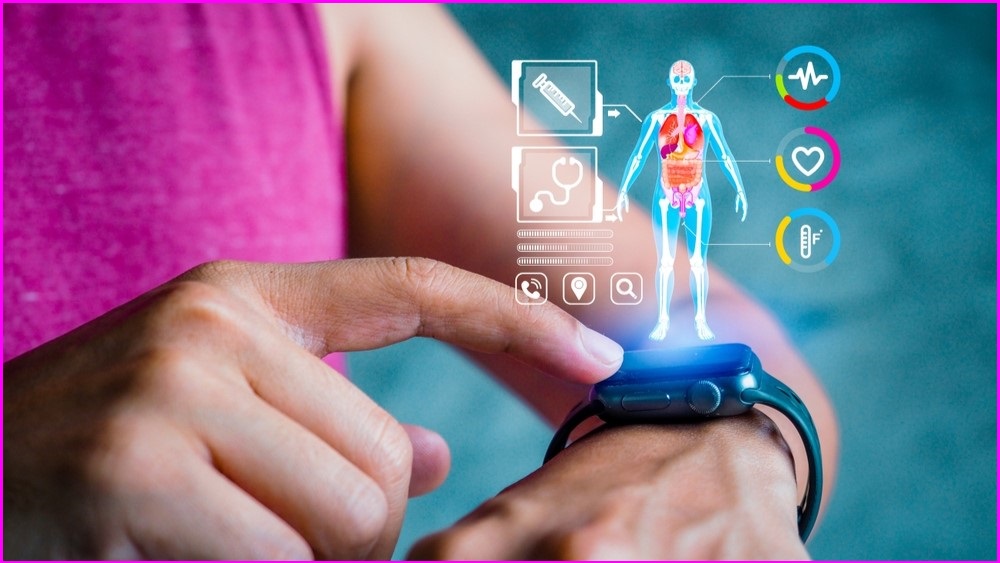
The stakes have changed. For general wellness—like hitting activity goals or staying motivated—a 5–10% error in steps or average heart rate is usually acceptable, as discussed in overviews of wearable accuracy. But for medical decisions, such as detecting arrhythmias or low oxygen levels, the same error can be unsafe if relied upon alone. Consumer wearables are excellent at spotting trends and patterns, but they are not stand‑alone diagnostic tools and should not replace clinical tests.
Inaccurate data can mislead users in real ways. Imagine seeing a low blood oxygen smartwatch test reading but feeling fine—this might cause unnecessary anxiety or lead to changing medication without advice. Or relying on smartwatch sleep stages to self‑diagnose insomnia instead of seeing a specialist. This article aims to help you interpret the numbers correctly, not scare you away from using wearables. By understanding the limits of fitness wearable health data, you can use these devices as powerful allies in your health journey.
Deep Dive into Health Tracking Smartwatch Accuracy by Metric
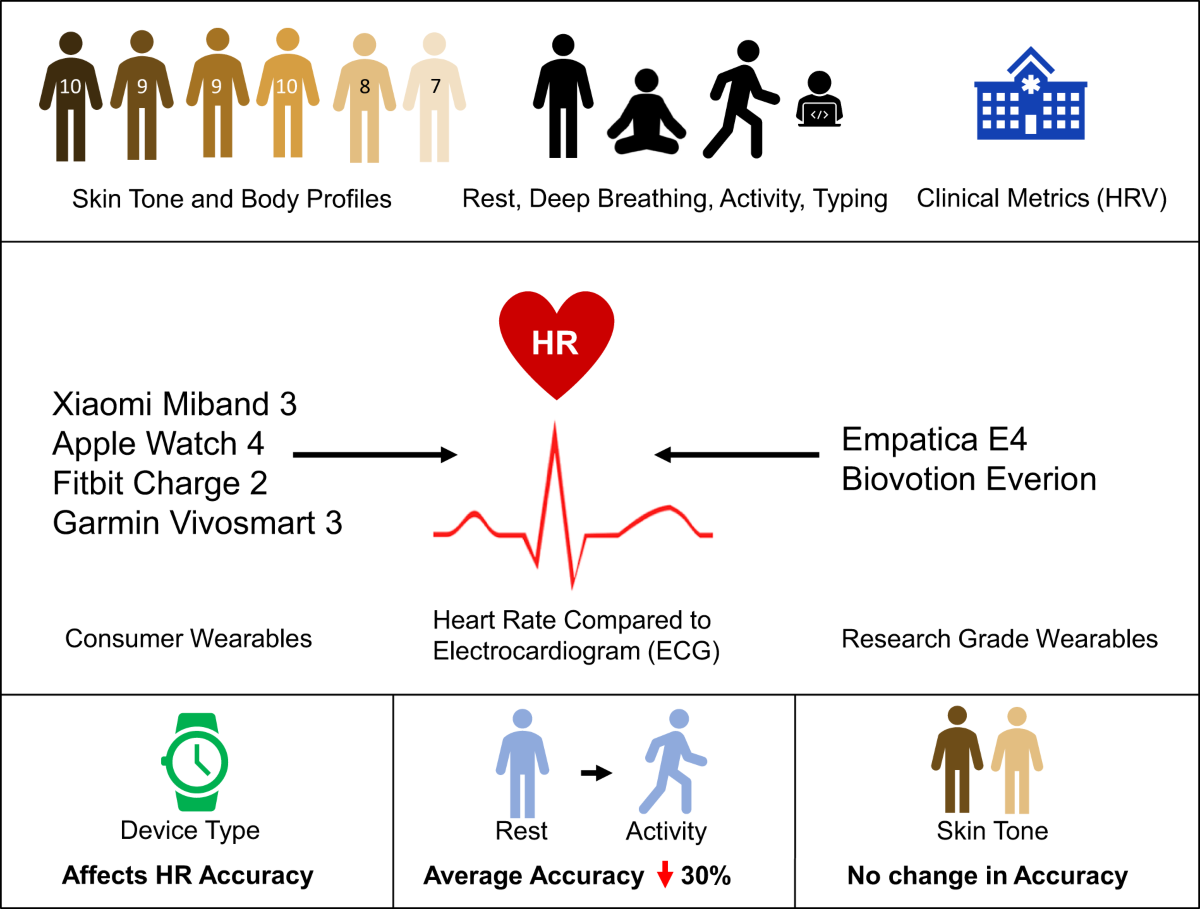
Not all health metrics are created equal. Health tracking smartwatch accuracy varies widely depending on what’s being measured. Let’s explore key areas: heart rate, blood oxygen, and sleep tracking.
Heart Rate Monitoring – When Smartwatches Are Accurate and When They’re Not
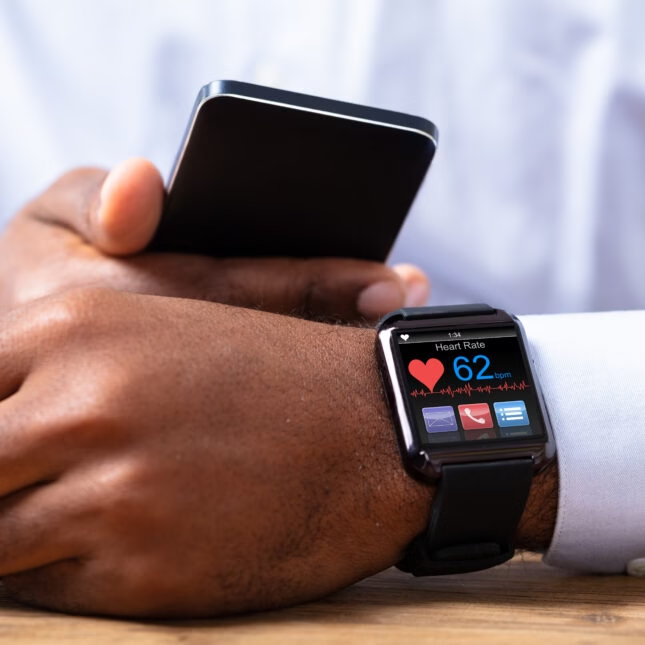
Most wrist wearables use photoplethysmography (PPG), a light‑based technology where LEDs shine into the skin and sensors measure light reflected by blood flow. This method is sensitive to factors like skin tone, tattoos, and movement, which can affect health tracking smartwatch accuracy for heart rate.

- At rest or low‑intensity activity, optical sensors often match chest straps and clinical monitors within a few beats per minute in controlled studies, making them reliable for daily fitness wearable health data tracking.
- During high‑intensity exercise or rapid movement, motion causes “artifacts” that can delay responses or over‑/under‑estimate heart rate. For precise training, pairing a chest strap with your smartwatch is recommended.
- Skin tone, tattoos, and fit matter: darker skin and tattoos absorb more light, reducing signal quality, while loose straps allow light leakage. Wear the watch snugly above the wrist bone to improve accuracy.
Some smartwatches include ECG (electrocardiogram) apps that record single‑lead ECGs for detecting atrial fibrillation (AFib). These apps, as seen in discussions on FDA‑cleared features and trend reports, are more clinically meaningful than optical heart rate but still don’t replace a full medical evaluation. Importantly, daily heart rate tracking is often a wellness feature, exempt from strict regulation, as noted by the FDA commissioner on non‑medical‑grade wearables.
Blood Oxygen (SpO₂) – What Your Smartwatch’s Oxygen Test Can and Can’t Tell You
Peripheral capillary oxygen saturation (SpO₂) estimates how much oxygen your blood carries. Smartwatches use light wavelengths to measure this, but the wrist is a challenging site compared to fingertips. Medical‑grade pulse oximeters are validated for clinical accuracy, while many consumer devices market SpO₂ for “wellness,” keeping them outside strict FDA regulation if no disease claims are made, per the FDA exemption guidelines.

- Typical accuracy: Consumer smartwatch readings can be off by several percentage points, especially during movement or with poor circulation. They’re most reliable when still and snug on the wrist.
- Intended use: Treat blood oxygen smartwatch test results as trend indicators, not medical‑grade measurements. A single abnormal reading is less concerning than a consistent downward trend over time.
Safety warning: Do not rely on smartwatch SpO₂ for emergency decisions. If readings disagree with symptoms like shortness of breath or chest pain, seek medical care immediately. This aligns with advice from health wearable overviews on using data cautiously.
Sleep Tracking Accuracy and Sleep Tracking Comparison with Clinical Tests
Wearables infer sleep from movement, heart rate, and sometimes temperature—not brain waves like clinical polysomnography (PSG). In sleep tracking comparison, devices are generally good at estimating total sleep time but less accurate at classifying light, deep, and REM stages minute by minute.
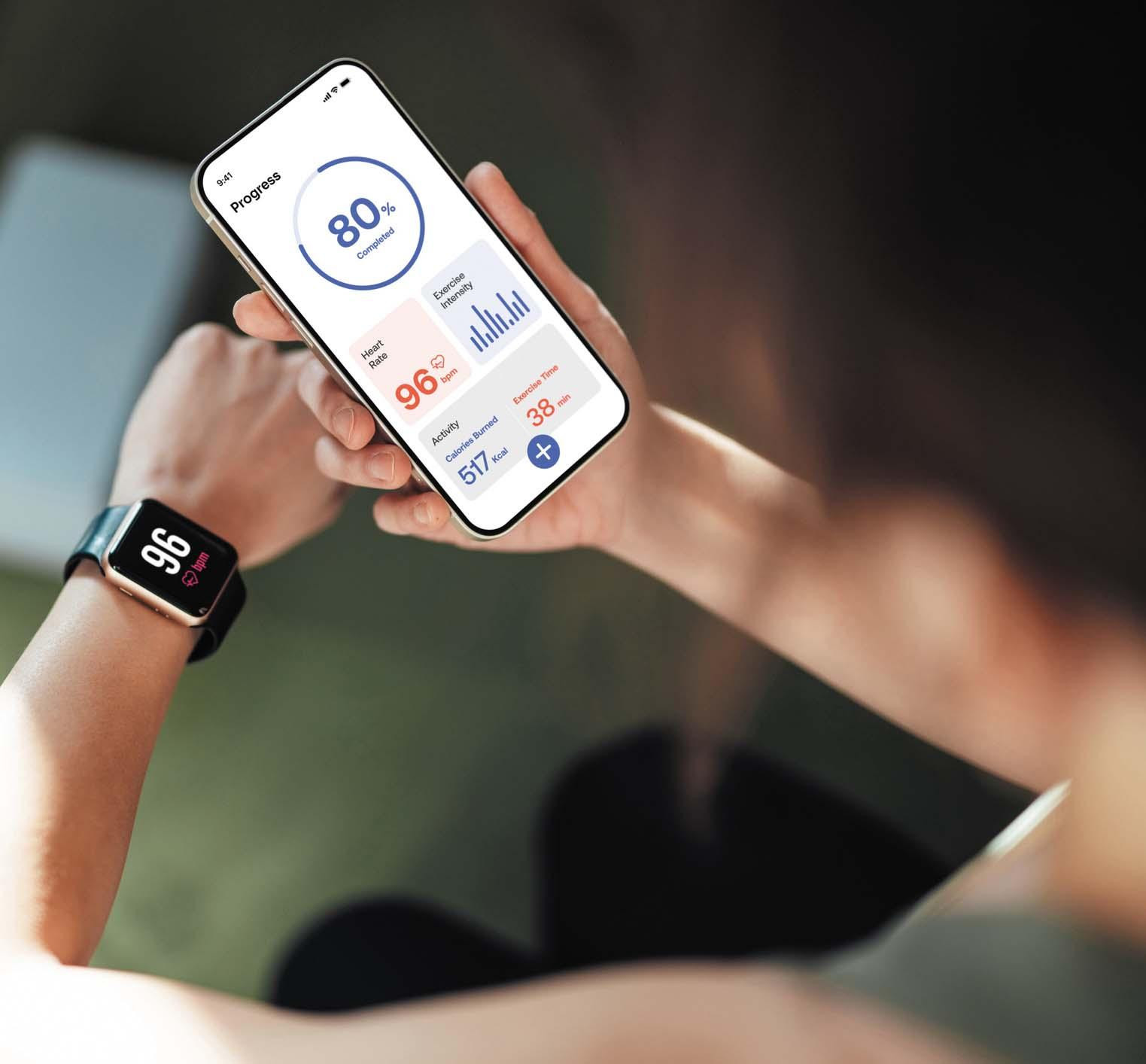
- Comparison with PSG: Studies show wearables get overall duration roughly right but often misclassify stages. They’re useful for tracking personal trends, not for exact diagnostics.
- Interpretation tips: Focus on total sleep time, regularity, and long‑term patterns in your fitness wearable health data. Avoid self‑diagnosing sleep disorders based solely on watch data; consult a professional for persistent issues.
By understanding these nuances, you can better gauge health tracking smartwatch accuracy for each metric and use the data smartly.
The Bigger Picture – Your Fitness Wearable Health Data Ecosystem

Modern devices don’t just track single metrics; they fuse multiple sensors to generate scores like readiness, stress, and early illness alerts. This fitness wearable health data ecosystem, as highlighted in discussions on multisensor fusion and wearable devices in healthcare, spots meaningful changes by combining imperfect individual measures.
Why trends matter more than single numbers: A day of poor sleep or a heart‑rate spike is less important than patterns over weeks. For example, a gradual rise in resting heart rate with fatigue could signal overtraining or illness, as noted in health wearable insights. Use graphs and history views in apps to observe these trends rather than obsessing over daily fluctuations.
Apps present data with dashboards and coaching insights, acting as decision‑support tools. They help inform questions for healthcare providers, not replace them. Moreover, wearables are increasingly used in clinical research, as seen in the future of wearable technology in clinical trials, but this often involves validated, medical‑grade devices. This sets the stage for understanding the best medical grade smartwatch options.
Consumer Smartwatch vs Best Medical Grade Smartwatch – What “Medical Grade” Really Means
Consumer smartwatches are sold for fitness, wellness, and lifestyle, with features like steps and heart rate, often without diagnostic claims. Medical‑grade wearables are designed and validated for medical use, such as monitoring heart rhythm, and undergo regulatory approvals (e.g., FDA clearance) for high accuracy, as explained in overviews of medical devices and clinical trial wearables.

- Key differences: Consumer devices are largely exempt from medical regulation when no disease claims are made, per the FDA exemption, while medical‑grade ones require explicit pathways. Accuracy expectations differ: consumer error margins of 5–10% are common, but medical‑grade aims for >95% vs clinical standards.
- Examples: These include smartwatches with FDA‑cleared ECG for AFib detection, wearable cardiac patches, or continuous glucose monitors. For consumers seeking the best medical grade smartwatch, look for regulatory clearances and validation studies. For inspiration, check out this guide on the best smartwatches for fitness.
In short, no consumer device replaces all medical tests, but hybrid options with both wellness and regulated features can offer a balance for health tracking smartwatch accuracy.
Practical Factors That Influence Accuracy – How to Get the Most from Your Device
Simple actions can boost health tracking smartwatch accuracy. Start with fit and placement: wear the watch snugly a finger‑width above the wrist bone, tightening slightly for workouts to reduce motion artifacts.
- Sensor contact and cleanliness: Regularly clean the device back and your skin to remove sweat or lotions that interfere with optical sensors.
- Wearing consistency: Use the device daily to establish a baseline for fitness wearable health data like resting heart rate, making trends easier to spot.
- Firmware updates: Keep software updated, as manufacturers improve algorithms over time, per discussions on wearable updates and trend reports.
Match expectations to activity: For high‑intensity workouts, use a chest strap for precise heart rate; for SpO₂, take readings when still; and for sleep tracking comparison, focus on broad trends, not minute‑by‑stage details. Factors like skin tone, tattoos, or cold environments can impact accuracy—if readings are inconsistent, try wearing the device higher or using alternative tools like fingertip oximeters.
Healthy skepticism: React to patterns, not isolated glitches. A single odd reading without symptoms is less alarming than repeated abnormalities. Use these insights to adjust lifestyle or discuss with a professional, ensuring you leverage health tracking smartwatch accuracy effectively.
Pulling It All Together and What Readers Should Do Next
Here’s the verdict: modern smartwatches are surprisingly good trend trackers for heart rate, activity, and overall sleep duration, but they are not perfect or fully medical‑grade, especially for precise blood oxygen smartwatch tests and detailed sleep stages. They should not be the sole basis for medical decisions, as supported by health wearable insights and clinical trial perspectives.
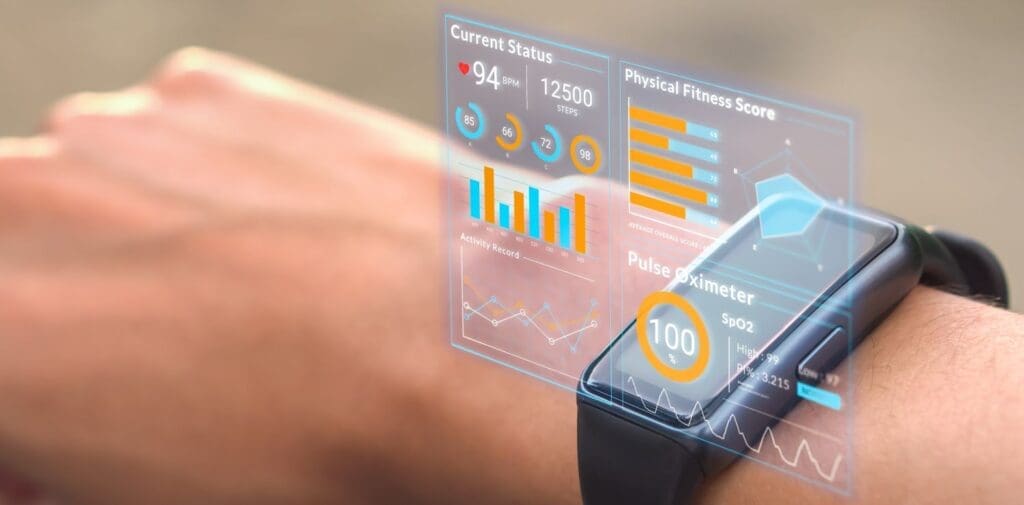
Use this simple framework: trust trends for wellness (e.g., steps, resting heart rate patterns, sleep duration comparisons), but be cautious and seek professional advice for abnormal readings plus symptoms like chest pain or persistent sleep issues. Never make medication decisions based solely on smartwatch data, as cautioned by the FDA exemption guidelines.
Going forward, choose devices that match your goals. For everyday wellness, a consumer smartwatch may suffice—explore the coolest wearable tech gadgets for ideas. For medical monitoring, discuss the best medical grade smartwatch options with a healthcare provider. Treat your watch as an early warning and coaching tool, not a doctor replacement, and share long‑term data trends during checkups.
Spend the next week observing your own patterns in fitness wearable health data. Notice how lifestyle affects your numbers, and use your device as a partner in self‑care. For more insights, revisit this article when questioning health tracking smartwatch accuracy, or explore game‑changing fitness wearables and wearable health gadgets for a healthy life to stay informed.
Frequently Asked Questions
Q: How accurate are smartwatches for heart rate monitoring during exercise?
A: Optical heart rate sensors can lag or be inaccurate during high‑intensity exercise due to motion artifacts. For precise training, pair your smartwatch with a chest strap monitor.
Q: Can I use my smartwatch’s blood oxygen test for medical decisions?
A: No. Blood oxygen smartwatch test readings are best for trend monitoring, not as medical‑grade measurements. If you have symptoms like shortness of breath, seek medical care regardless of the reading.
Q: How does sleep tracking on wearables compare to clinical sleep studies?
A: In sleep tracking comparison, wearables are good at estimating total sleep time but less accurate at classifying sleep stages like REM. They’re useful for personal trends, not for diagnosing sleep disorders.
Q: What makes a smartwatch “medical‑grade”?
A: A best medical grade smartwatch has regulatory clearances (e.g., FDA) for specific features like ECG detection, validated against clinical standards. Consumer devices are often marketed for wellness without such approvals.
Q: How can I improve the accuracy of my fitness wearable health data?
A: Wear the device snugly, clean sensors regularly, update firmware, and establish a baseline by using it consistently. Focus on long‑term trends rather than single readings.