
Health Wearable Innovation 2026: From Trackers to AI-Powered Ecosystems
Estimated reading time: 8 minutes
Key Takeaways
- Health wearable innovation 2026 marks a pivotal shift from basic trackers to AI-powered ecosystems delivering clinical-grade insights for proactive wellness.
- Biometric tracking AI fuses data from advanced sensors into real-time pattern recognition, enabling early detection of health issues like irregular heart rhythms or stress.
- Wellness metrics devices expand monitoring to parameters such as blood glucose, blood pressure, and stress resilience, rivaling medical equipment in accuracy.
- New form factors—like smart rings, modular wristbands, health patches, and smart glasses—prioritize comfort, adaptability, and discreet all-day wear.
- Edge computing allows on-device AI processing for faster insights, enhanced privacy, and context-aware health recommendations.
- Integration with IoT and healthcare systems enables continuous health records, remote monitoring, and personalized treatment plans.
Table of contents
- Health Wearable Innovation 2026: From Trackers to AI-Powered Ecosystems
- Key Takeaways
- Introduction: The Dawn of a New Era in Health Monitoring
- What This Guide Will Cover
- Defining Health Wearable Innovation 2026: Trends and Form Factors
- From Basic Tracking to Total Wellness Ecosystems
- Hardware Advancements: Powering All-Day Wear
- Biometric Tracking AI: The Core Engine of Next-Gen Wearables
- Machine Learning and Adaptive Health Insights
- Wellness Metrics Devices: Beyond Steps to Clinical-Grade Data
- Additional Advanced Metrics: Sleep, Hydration, and More
- Accessibility: Mainstreaming Medical-Grade Monitoring
- Convergence: IoT and Healthcare Integration
- Continuous Health Records and Long-Term Impacts
- Practical Advice for Choosing Wearables in 2026
- Call to Action: Join the Health Revolution
- Frequently Asked Questions
Introduction: The Dawn of a New Era in Health Monitoring
Imagine a world where your wearable device not only tracks your steps but also predicts a potential health issue before you even feel symptoms. This is the promise of health wearable innovation 2026—a rapid evolution from basic trackers to AI-powered ecosystems that deliver clinical-grade insights. As highlighted in reports on top wearables of 2026, this pivotal shift is driven by biometric tracking AI and wellness metrics devices, enabling proactive wellness management that was once the domain of medical professionals. According to healthcare trends for 2026, these technologies are transforming patient care by providing real-time, actionable data. This comprehensive guide explores key advancements, technologies, and devices to equip you with the knowledge needed to navigate the upcoming tools for tracking health wearables.

What This Guide Will Cover
In this guide, you’ll discover a forecast of dominant trends, the role of AI-driven biometrics, the expansion of wellness metrics, and how ecosystem integration is redefining health management. Whether you’re a fitness enthusiast, a healthcare provider, or someone researching and tracking health wearables, this post is your essential roadmap to understanding the innovations shaping 2026.
Defining Health Wearable Innovation 2026: Trends and Form Factors
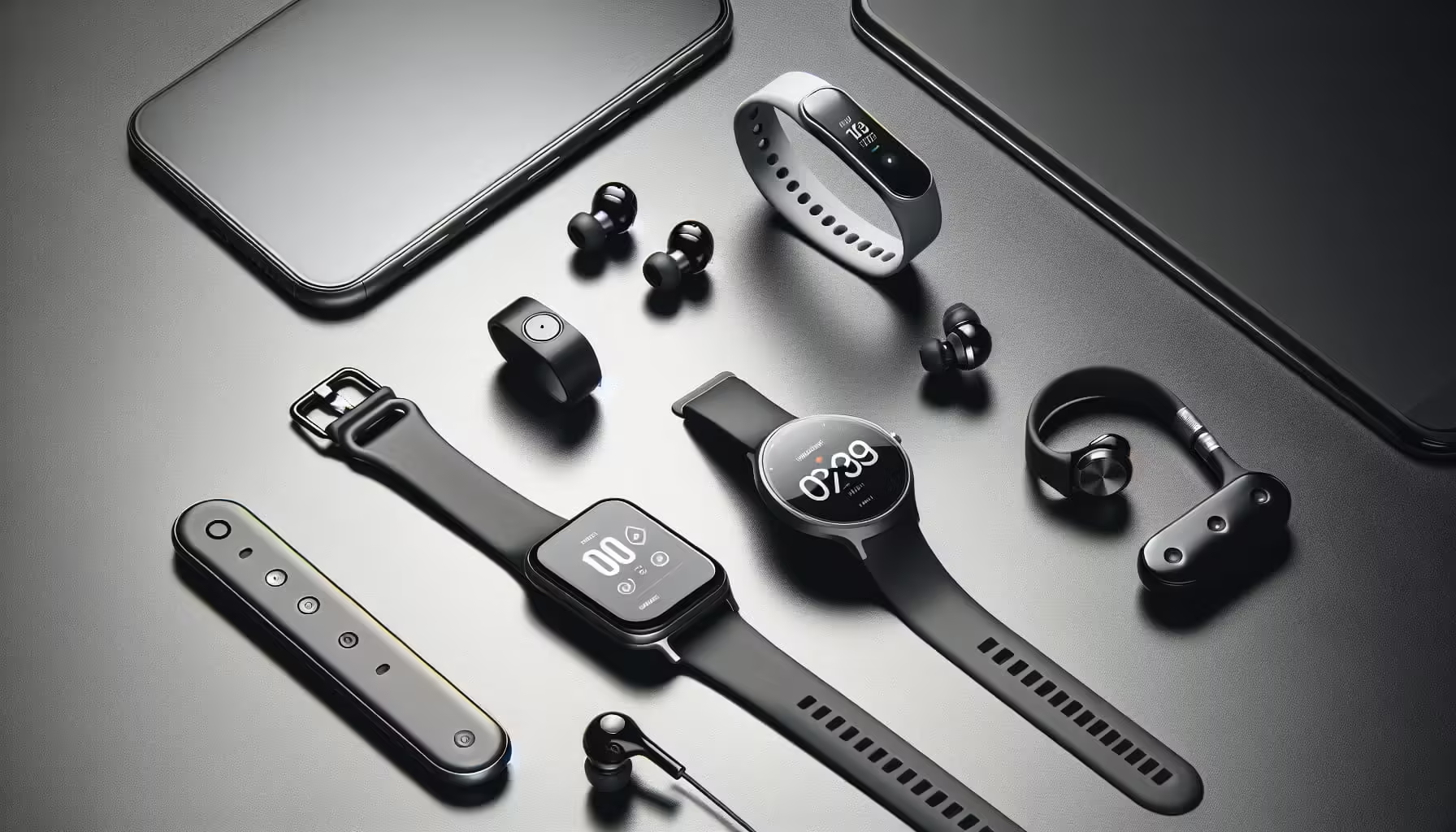
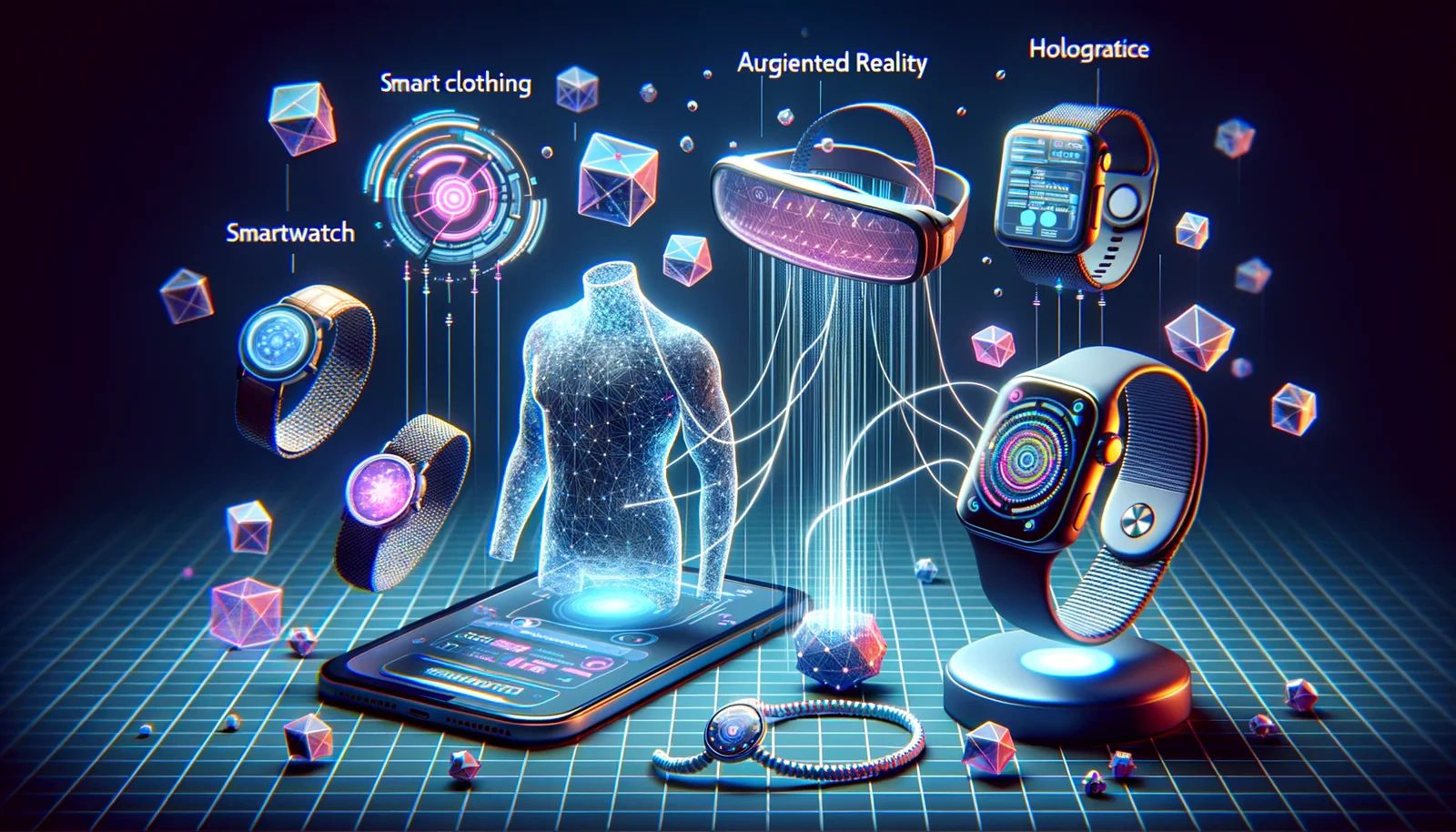
Health wearable innovation 2026 is defined by the convergence of ultra-thin form factors, advanced sensors, and AI analytics that prioritize comfort, adaptability, and discreet monitoring for sports, work, or daily life. As outlined in wearables trends for 2026, dominant trends include:
- Smart Rings: Ultra-thin, finger-worn devices for continuous monitoring without bulk, offering a sleek alternative to wrist-based trackers. For a look at the evolution of this category, see our guide to the future of smart rings 2025.
- Modular Wristbands: These allow customizable sensor attachments, enabling users to swap modules for specific health needs, from ECG to hydration tracking.
- Health Patches: Adhesive, skin-applied sensors for temporary deep monitoring, ideal for post-surgery recovery or chronic condition management.
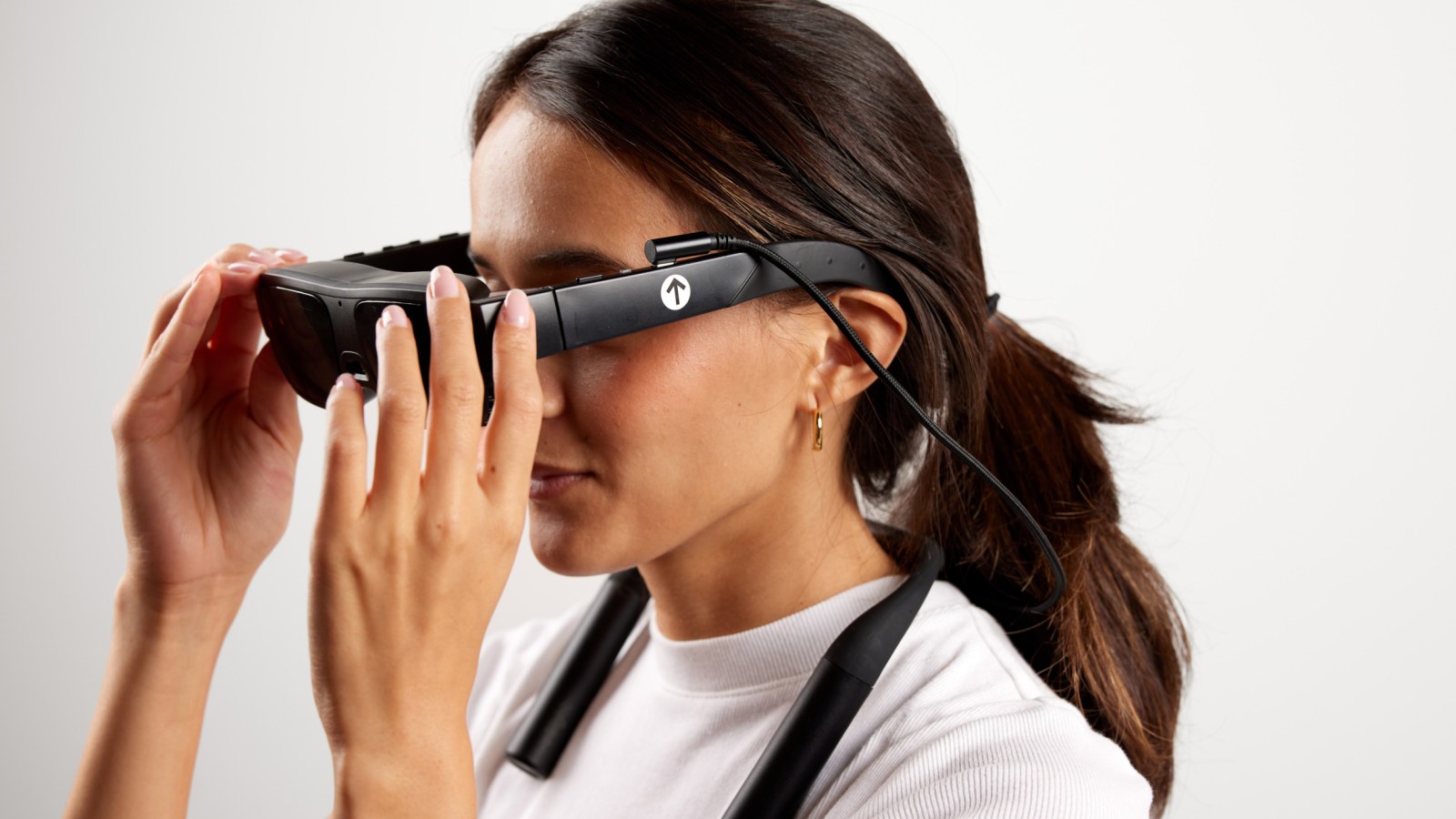
- Smart Glasses: Integrating optics with health sensors, these devices provide visual aid while monitoring metrics like pupil dilation for fatigue detection.
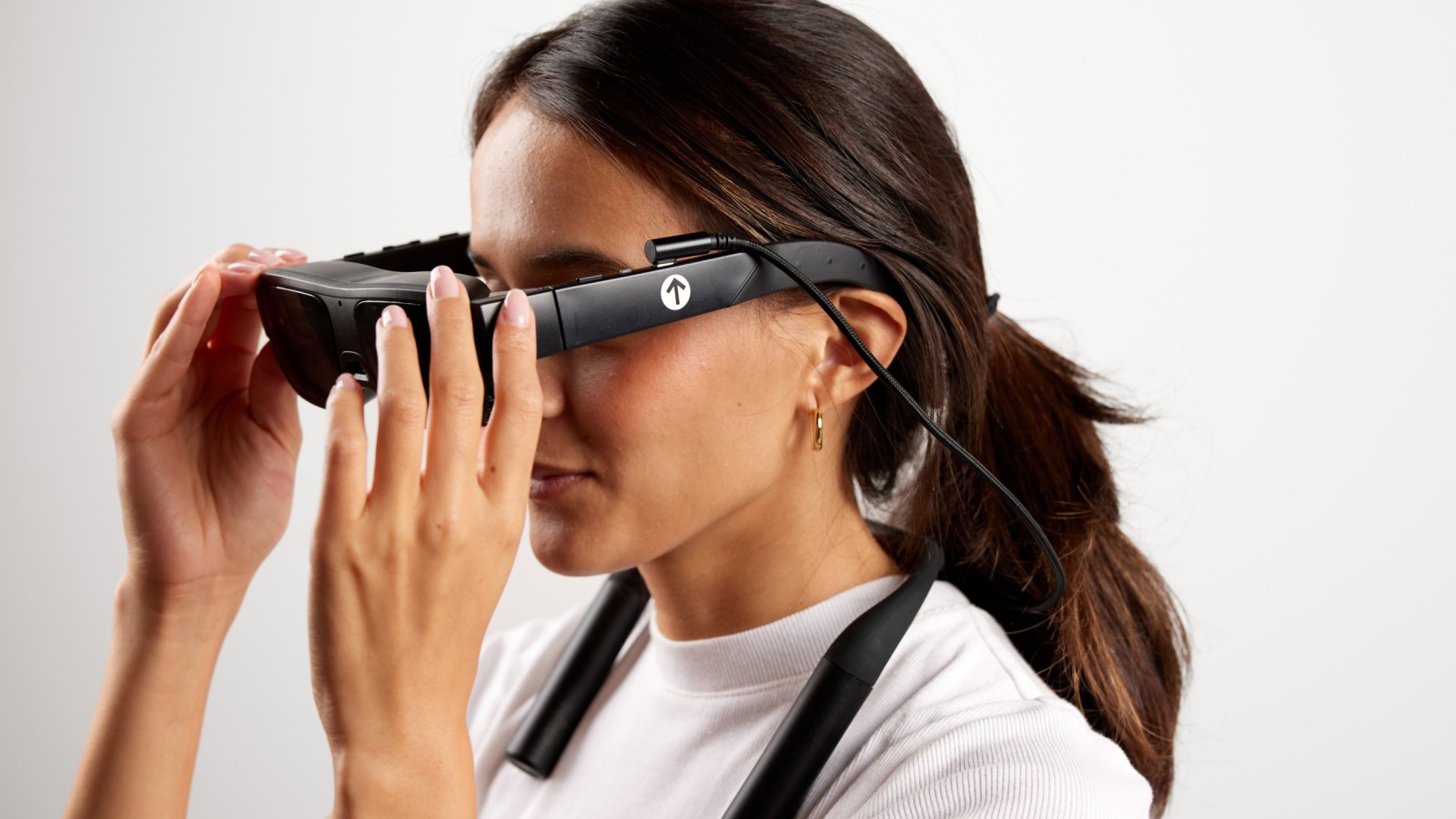
This evolution is part of a broader wearable technology trend toward seamless, unobtrusive health tracking.
From Basic Tracking to Total Wellness Ecosystems
The shift is moving from basic activity tracking—like steps and calories—to total wellness ecosystems that integrate sleep, recovery, stress, nutrition, and clinical metrics such as blood oxygenation and hydration for holistic health management. This addresses user intent by providing proactive insights rather than reactive data, framing health wearable innovation 2026 as a forecast of this integrated landscape. As noted in medical technology trends, these ecosystems empower users to preempt health issues through continuous monitoring. Healthcare trends for 2026 emphasize that this approach reduces hospital visits by enabling early intervention.
“The future of health wearables isn’t about counting steps; it’s about understanding the story behind your biometrics to prevent illness before it starts.”
Hardware Advancements: Powering All-Day Wear
Manufacturers are leveraging rapid prototyping and validation to create reliable hardware with extended battery life. Key innovations include:
- Smart Power Management: Dynamic sensor activation that powers sensors only when needed, conserving energy.
- Solar/Kinetic Charging: Harvesting body heat or motion for indefinite use, reducing reliance on frequent charging.
These advancements enable all-day wear without interruptions, appealing to users tracking health wearables continuously. According to wearables trends, these power solutions support advanced metric tracking in wellness metrics devices, ensuring devices remain functional during long workouts or sleep cycles.
Biometric Tracking AI: The Core Engine of Next-Gen Wearables
Biometric tracking AI is defined as AI that fuses data from miniaturized sensors—including heart rate variability (fluctuations indicating stress/recovery), respiration (breathing patterns for lung health), blood oxygen (SpO2 for oxygenation levels), and micro-movements (subtle gestures for fall risk)—into real-time pattern recognition for early illness or stress detection. For example, it can detect irregular heart rhythms or elevated stress before symptoms appear, as highlighted in fitness trends for 2026. This is a key part of the powerful AI-powered wearables revolution. Sources like wearable technology trends show how AI transforms raw data into actionable insights.
Machine Learning and Adaptive Health Insights
Machine learning delivers adaptive health insights, such as personalized coaching for sleep optimization (adjusting cycles), heart rhythm monitoring (atrial fibrillation alerts), or stress management (breathing prompts). This is powered by edge computing—on-device processing that runs AI locally for:
- Faster Speed: Real-time analysis without cloud latency.
- Enhanced Privacy: No cloud upload of raw biometric data, reducing security risks.
- Context-Aware Recommendations: E.g., workout adjustments based on real-time fatigue levels.
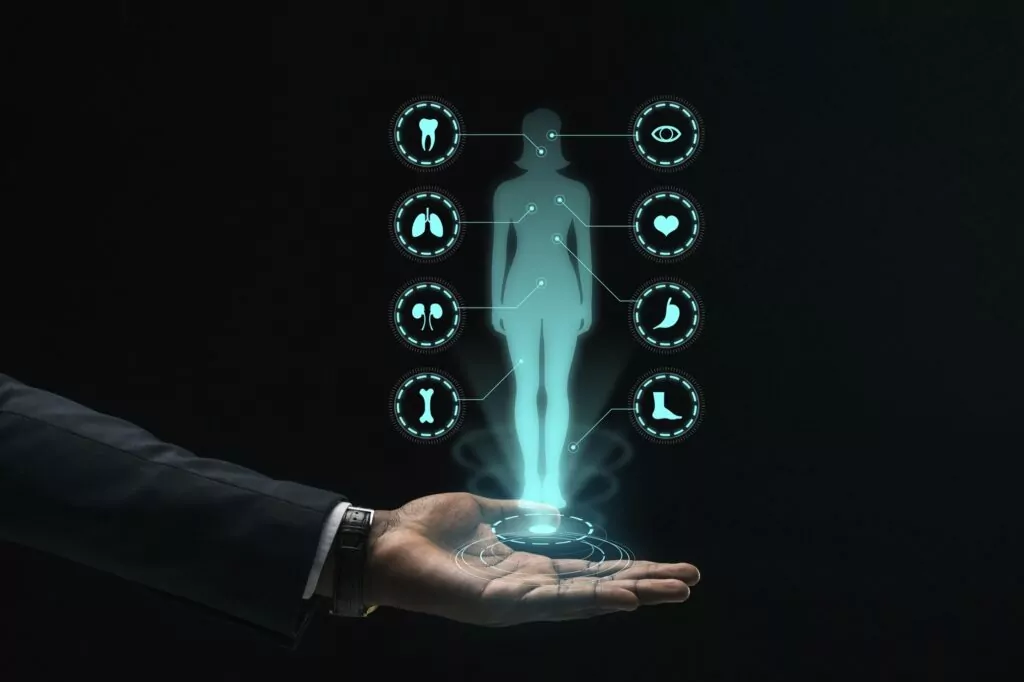
Connecting to health wearable innovation 2026, these predictive alerts turn raw biometrics into actionable guidance for chronic care (diabetes management) and preventive health (early flu detection). As per medical technology trends and healthcare trends, this AI-driven approach is revolutionizing patient outcomes.
Wellness Metrics Devices: Beyond Steps to Clinical-Grade Data
Wellness metrics devices are next-gen wearables expanding beyond steps to advanced physiological parameters using clinical-grade sensors that rival medical equipment. Key metrics include:
- Continuous Blood Glucose: Non-invasive optical sensing for diabetes tracking, eliminating finger-prick tests.
- Blood Pressure: Cuffless monitoring via pulse wave analysis for hypertension management.
- Skin Temperature: For fever or inflammation detection, useful in infection monitoring.
- Heart Rhythm: ECG-equivalent readings for arrhythmias, with FDA-cleared accuracy.
- Fall Detection: Accelerometer-based alerts for elderly safety, triggering emergency contacts.
- Stress Resilience Scores: Derived from HRV and cortisol proxies via sweat analysis, offering mental wellness insights.

Discover specific devices in our roundup of 5 game-changing wearable health gadgets. Sources: ACSM trends and wearable technology trends.
Additional Advanced Metrics: Sleep, Hydration, and More
Beyond core metrics, wearables now track:
- Detailed Sleep Staging: REM, deep, and light phases with efficiency scores, helping optimize rest patterns.
- Hydration Levels: Bioimpedance for fluid balance, sending drink alerts to prevent dehydration.
- Nutrition Impact: Metabolic rate estimation to correlate diet with energy levels.
- Mood Fluctuations: Galvanic skin response for stress or emotional states.
- Metabolic Trends: VO2 max for fitness capacity, guiding training intensity.

AI-driven biofeedback uses these for holistic views, informing recovery (rest days), training intensity (zone optimization), and overtraining risk (fatigue thresholds). As per wearables trends, this data empowers users to fine-tune their lifestyles.
Accessibility: Mainstreaming Medical-Grade Monitoring
These wellness metrics devices mainstream medical-grade monitoring, allowing consumers to make real-time behavior adjustments like hydration nudges or arrhythmia notifications. This fulfills informational intent for users tracking comprehensive health data. Weaving in biometric tracking AI, these devices interpret metrics to provide actionable advice. According to medical technology trends and healthcare trends, this accessibility democratizes healthcare, enabling preventive measures at home.
Convergence: IoT and Healthcare Integration
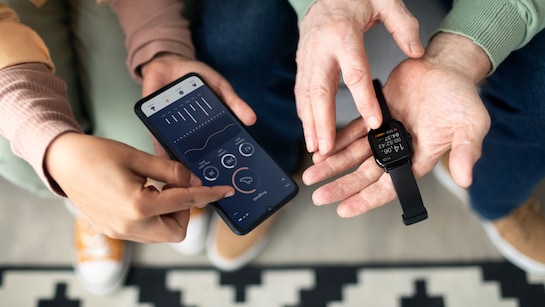
The convergence in health wearable innovation 2026 via IoT connectivity enables seamless data flow from wearables to healthcare providers (with user consent) for continuous monitoring, immediate irregularity alerts (e.g., abnormal glucose spikes), and personalized treatment plans (AI-suggested meds). As highlighted in medical technology trends, this integration supports telemedicine and remote patient management, reducing clinic burdens.
Continuous Health Records and Long-Term Impacts
Continuous health records are consented, aggregated data streams supporting remote patient monitoring (telehealth check-ins), chronic condition management (hypertension trends), and early disease detection (cancer precursors via biomarkers). Long-term impacts include:
- Preventive Care: Lifestyle interventions based on long-term data trends.
- Precision Medicine: Genetic-matched therapies informed by wearable data.
- User Empowerment: Inclusive ecosystems with haptic feedback (vibration alerts) and voice assistants (query metrics aloud).
Reinforcing biometric tracking AI and wellness metrics devices, this approach transforms healthcare from reactive to proactive. Sources: wearables trends, healthcare trends, and medical technology trends.
Practical Advice for Choosing Wearables in 2026
For readers tracking health wearables, here’s how to evaluate devices:
- Sensor Accuracy: Opt for FDA-cleared sensors for ECG or glucose monitoring to ensure reliability.
- AI Personalization: Look for custom baselines and adaptive insights that learn from your data.
- Battery Life: Aim for 7+ days with smart power management to avoid frequent charging.
- Data Privacy: Prioritize edge computing to minimize cloud risks and keep your data secure.
- Interoperability: Test how well the device integrates with your existing apps and healthcare providers for seamless data sharing.
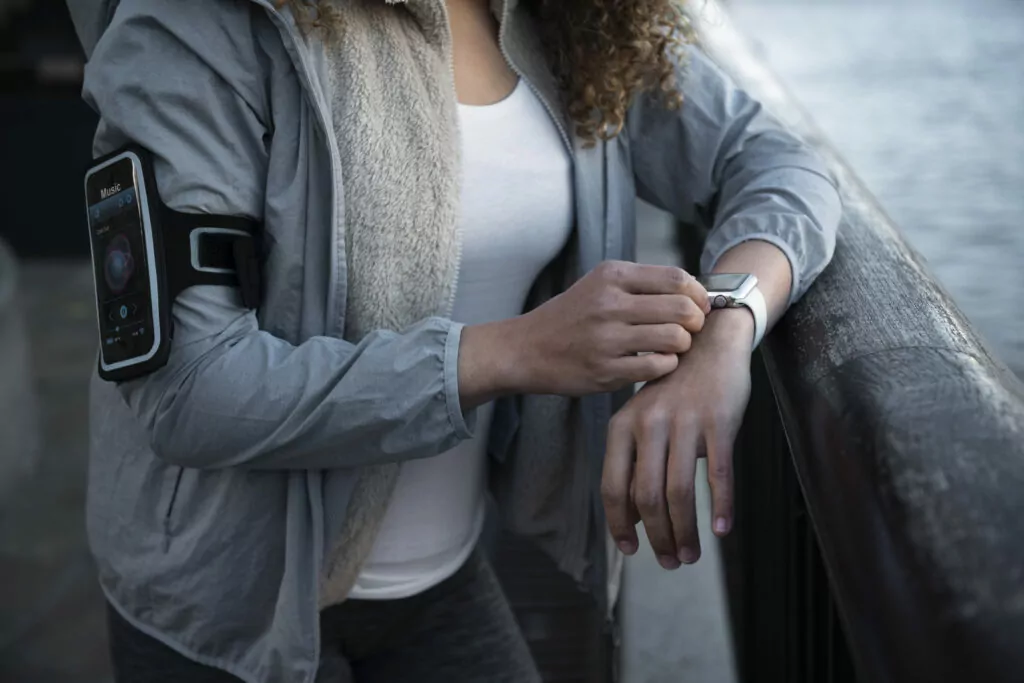
Focus on validated metrics and choose devices that align with your health goals. For help choosing, see our guide to the best smartwatches for fitness and our list of 10 game-changing fitness wearables. Insights from wearable technology trends and medical technology trends inform this advice.
Call to Action: Join the Health Revolution
Start monitoring these trends now to make smarter choices for your health. Focus on holistic outputs over raw steps for true health empowerment. We’d love to hear from you—share in the comments which health wearable innovation 2026 excites you the most! For further reading, explore wearables trends for 2026 and healthcare trends for 2026.

Frequently Asked Questions
What exactly is health wearable innovation 2026?
Health wearable innovation 2026 refers to the convergence of ultra-thin form factors, advanced sensors, and AI analytics in wearables, enabling devices to deliver clinical-grade insights for proactive wellness management. It includes trends like smart rings, modular wristbands, and health patches, as forecasted in wearables trends for 2026.
How does biometric tracking AI enhance health monitoring?
Biometric tracking AI fuses data from sensors like heart rate variability, respiration, and blood oxygen using machine learning to recognize patterns in real-time. This allows for early detection of health issues, such as irregular heart rhythms or stress, turning raw data into predictive insights, as seen in fitness trends for 2026.
What are some examples of wellness metrics devices?
Wellness metrics devices include wearables that monitor advanced parameters like continuous blood glucose, cuffless blood pressure, skin temperature, and stress resilience scores. These devices use clinical-grade sensors, rivaling medical equipment, as detailed in wearable technology trends.
Why is edge computing important for health wearables?
Edge computing processes AI directly on the wearable device, leading to faster insights, enhanced privacy by reducing cloud data uploads, and context-aware recommendations. This is crucial for real-time health monitoring and data security, aligning with medical technology trends.
How can I choose the right health wearable for 2026?
Evaluate devices based on sensor accuracy (FDA-cleared options), AI personalization features, battery life (aim for 7+ days), data privacy (prefer edge computing), and interoperability with your health apps. For recommendations, check our guide to best smartwatches for fitness.