
The Holographic Assistant Privacy Debate
Estimated reading time: 10 minutes
Key Takeaways
- The holographic assistant privacy debate is an urgent issue, sparked by devices like Razer’s Project AVA unveiled at CES 2026, which continuously monitor users via camera and audio.
- The risk of always watching tech represents a fundamental shift from intermittent voice assistants to persistent visual AI companions, raising severe privacy concerns.
- Desk AI companion concerns are heightened in workplace environments due to the capture of sensitive screen content, eye movements, and confidential conversations.
- Critical data protection issues involve cloud storage vulnerabilities, encryption standards, and unclear access protocols, necessitating scrutiny under regulations like the EU AI Act of 2025.
- Users can empower themselves by demanding transparency, using privacy settings, and supporting technological safeguards like on-device AI processing and hardware-based controls.
- Informed consumer choice combined with robust regulatory enforcement is key to balancing innovation with privacy in the era of holographic AI.
Table of contents
- The Holographic Assistant Privacy Debate
- Key Takeaways
- Opening Hook and Purpose Statement
- The Evolution from Voice to Always-On Visual AI
- Why Desk AI Companions Pose Unique Privacy Challenges
- Understanding the Technical and Regulatory Data Protection Landscape
- Practical Solutions and User Empowerment
- The Path Forward
- Frequently Asked Questions
Opening Hook and Purpose Statement
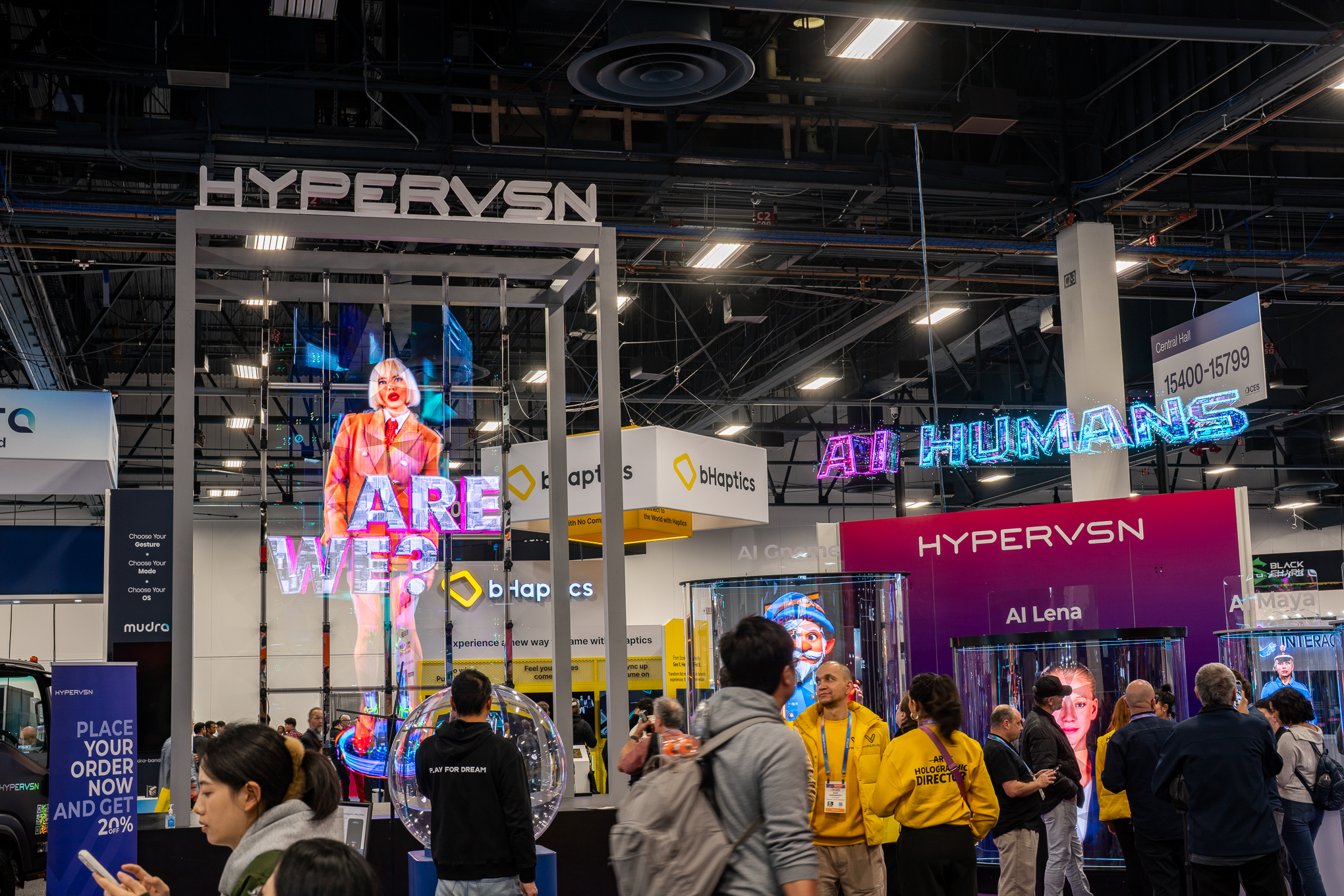
Imagine a device on your desk that watches your every move, listens to your conversations, and analyzes your screen—all in the name of assistance. This isn’t science fiction; it’s the reality of the holographic assistant privacy debate, a timely and urgent issue exploding into the tech world. At CES 2026, Razer unveiled Project AVA, a 5.5-inch holographic desk companion that uses continuous camera monitoring for eye-tracking and screen activity analysis. This prototype has ignited a crucial conversation about privacy in an era of always-on AI.
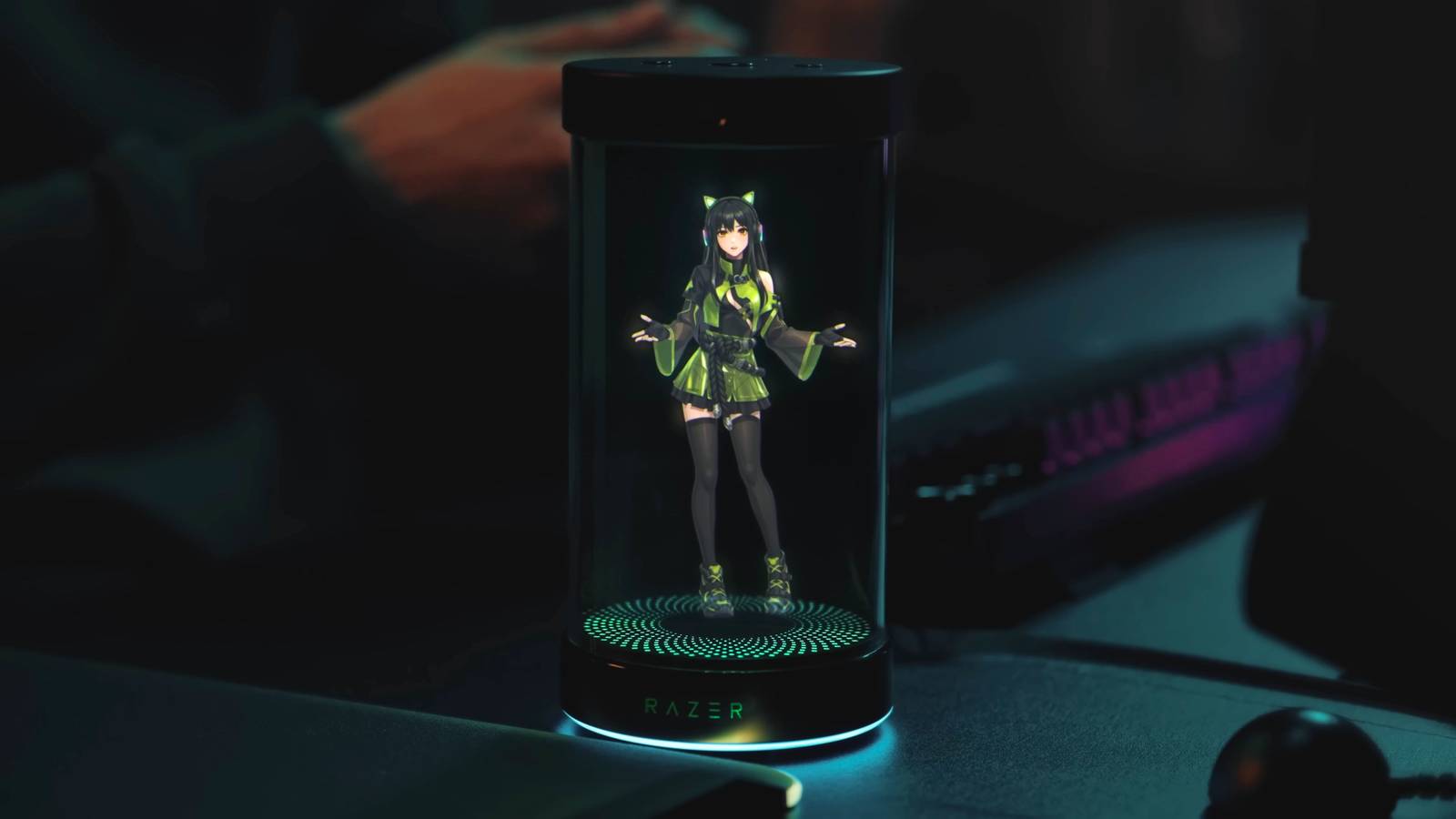
This post delves into the latest developments from CES 2026, examining the key privacy risks, outlining protective measures, and navigating evolving regulations like the EU AI Act of 2025. We’ll explore the evolution from voice assistants like Siri to persistent visual and audio AI companions, highlighting why this shift intensifies privacy concerns. For broader context on integrating smart technology into your living space, consider our guide on the best smart home devices for 2025.
The Evolution from Voice to Always-On Visual AI
Traditional voice assistants operate on-demand: users activate them with phrases like “Hey Siri,” limiting data collection to specific moments. In stark contrast, holographic AI companions like Project AVA operate continuously, capturing video, audio, and environmental data even when you’re not directly interacting with them. This defines the core risk of always watching tech—the constant, passive surveillance nature of visual AI systems versus the intermittent nature of voice-activated devices.
So, what exactly does a device like Project AVA capture?
- Eye movements to gauge attention and engagement.
- Screen content, potentially including confidential documents and private messages.
- User behavior patterns and ambient office or home environment data.

Ethicists are sounding alarms about misuse potential without clear consent frameworks, unauthorized monitoring, data breaches, and the psychological toll of perceived constant observation. As industry analysts flag this as a key regulatory concern, it’s prompting scrutiny under the EU AI Act of 2025. The rise of such immersive, data-hungry devices is part of a larger trend explored in our analysis of The Rise of Unstoppable AI-Powered Smart Homes.

Why Desk AI Companions Pose Unique Privacy Challenges
Shifting focus to desk AI companion concerns, workplace environments heighten sensitivity. Project AVA’s screen-watching cameras and eye-tracking capabilities can capture highly sensitive workspace data: confidential conversations, proprietary information visible on screens, work habits, and personal behavior patterns.
This introduces the intimacy problem: desks are often treated as semi-private spaces, yet AI companions monitor everything happening there. The data ownership question becomes critical—who owns the recordings and insights? The user, the employer, or the tech company (like Razer)? This ambiguity blurs the line between professional assistance and personal intrusion.
“When an AI watches your screen, it’s not just assisting; it’s recording your digital life,” notes a privacy advocate. Proto’s holographic AI prototypes, for example, plan for voice cloning from CEO clips, raising additional concerns about identity control and data usage post-capture.
Workplace-specific vulnerabilities include:
- Captured competitive intelligence or trade secrets.
- Employee monitoring beyond employer consent.
- Potential use of personal habits for profiling or performance evaluation.
These devices represent a new frontier in AI in Smart Home Devices, where convenience must be balanced with significant privacy implications.
Understanding the Technical and Regulatory Data Protection Landscape
To grasp the data protection issues, we must dissect the technical and regulatory frameworks:
- Storage mechanisms: Devices like Project AVA likely use cloud storage for AI processing, introducing vulnerability points. The distinction between local and cloud-based data storage is crucial for privacy.
- Encryption standards: The strength of encryption protecting captured data is paramount, yet manufacturer specifications for Project AVA remain unspecified.
- Access protocols: It’s essential to know who can access the data—company engineers, AI trainers, third parties—and under what conditions.
Vulnerabilities are explicit:
- Hacking potential: Cloud infrastructure attacks could expose vast amounts of personal data.
- Insider threats: Company employees with access might misuse data.
- Third-party data sharing: Practices like selling anonymized or re-identified data to advertisers, analytics firms, or researchers.

Current regulatory frameworks offer some guardrails:
- EU AI Act of 2025: Requires robust privacy controls and explicit consent for monitoring technologies, directly applying to holographic AI.
- CCPA (U.S.): Existing privacy laws may apply but lack specificity for holographic and visual AI systems, creating legal gray areas.
Manufacturers like Razer must address compliance before full production. Notably, Razer has confirmed Project AVA as a prototype without production timelines, providing a window for privacy-by-design implementation. For a foundational understanding of personal data safety, our comprehensive guide on How to Stay Safe and Secure in the Digital Age is essential reading.
Practical Solutions and User Empowerment
Responsible manufacturers should prioritize transparency reports on data handling, clear and accessible data policies, and robust offline modes that disable camera and audio when not needed. Here’s a user-centric checklist for evaluating holographic AI companions before purchase or deployment:
- Demand explicit consent toggles for camera and screen monitoring—verify these can be toggled on/off without compromising core functionality.
- Verify local processing options over cloud-dependent storage; ask if critical AI functions can operate without sending data to external servers.
- Review data retention policies: How long is data stored? Can users request deletion? Is there automatic purging?
- Ask directly: “Who owns my interaction data, and how is it shared with third parties?” Request this in writing from the manufacturer.
- Check for third-party integrations: Does the device share data with employers, cloud services, or analytics platforms?
- Inquire about audit trails: Can users see who accessed their data and when?

Best practices for safe use include:
- Disable non-essential tracking features (eye-tracking, ambient monitoring) when handling sensitive information.
- Use holographic AI companions only in low-sensitivity environments initially.
- Establish clear workplace policies if deploying in professional settings—inform employees and set usage boundaries.
- Regularly review and update privacy settings as new features roll out.
Emerging technological safeguards on the horizon:
- On-device AI processing: Local computation keeps sensitive data off clouds, reducing exposure.
- Advanced anonymization techniques: Differential privacy and federated learning extract AI insights without retaining identifiable personal data.
- Hardware-based privacy controls: Physical kill switches or hardware-locked encryption as emerging protections.
CES 2026 trends indicate movement toward regulated physical AI companions with stronger privacy-by-design principles. Proactive security is key. Learn specific strategies in our guide How to Protect Your Smart Home from Cyber Threats. Furthermore, as many of these devices connect via smartphones, securing that primary hub is critical; follow our Comprehensive Guide to Smartphone Security in 2025.
The Path Forward
The holographic assistant privacy debate is not hypothetical but urgent, as devices like Project AVA enter consumer awareness. The core takeaway is that the risk of always watching tech and desk AI companion concerns are manageable through informed user choices and robust data protection frameworks. Informed users combined with strong regulatory enforcement—such as the EU AI Act of 2025 and evolving U.S. standards—are essential to mitigating privacy risks while allowing beneficial AI innovation.
Stay informed, ask manufacturers tough questions, and demand transparency as these technologies move from prototype to production. The future of holographic AI companions depends not on choosing between innovation and privacy, but on building both into the foundation of these tools from day one.
Frequently Asked Questions
What is the holographic assistant privacy debate?
The holographic assistant privacy debate centers on the ethical and security concerns raised by AI companions, like Razer’s Project AVA, that use continuous camera and audio monitoring. It highlights the shift from on-demand voice assistants to always-on visual AI, sparking discussions about data collection, consent, and user privacy in smart offices and homes.
How does Project AVA work, and what data does it collect?
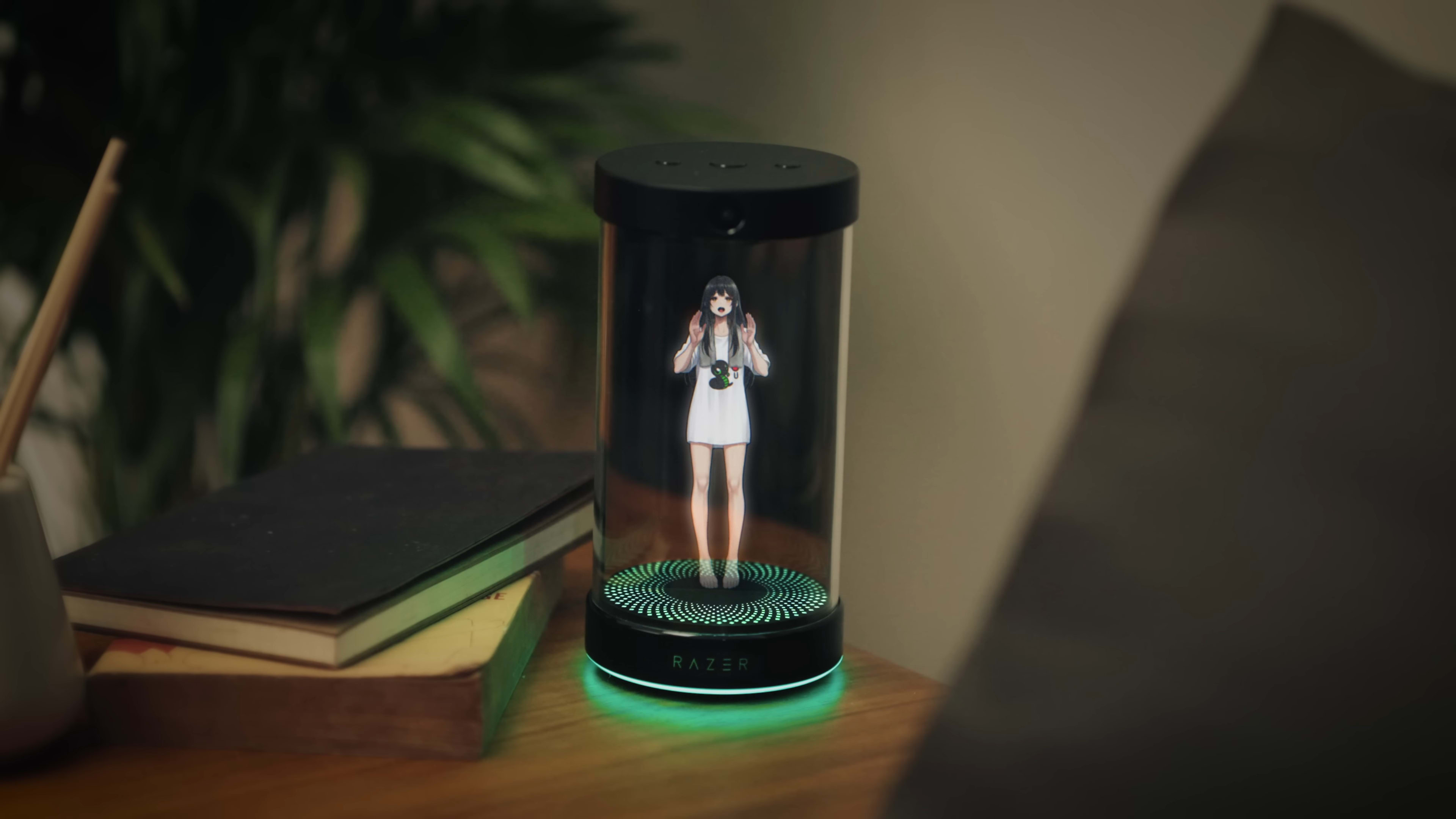
Project AVA is a holographic desk companion unveiled at CES 2026. It operates continuously, using cameras for eye-tracking and screen activity analysis, and microphones for audio capture. It collects data on user behavior, environmental sounds, and visual content from screens, raising significant privacy questions.
What are the main privacy risks with always-watching tech?
The main risks include unauthorized surveillance, data breaches from cloud storage, misuse of sensitive information (e.g., confidential work documents), psychological impact from constant monitoring, and lack of clear data ownership. These risks are compounded in workplace settings where desk AI companions capture proprietary data.
How can I protect my privacy if I use a holographic AI companion?
Protect your privacy by: enabling explicit consent toggles for monitoring features, opting for local processing over cloud storage, reviewing and adjusting data retention settings, disabling non-essential tracking when handling sensitive info, and regularly auditing privacy controls. Always demand transparency from manufacturers about data usage.
What regulations apply to holographic AI devices like Project AVA?
Key regulations include the EU AI Act of 2025, which mandates robust privacy controls and explicit consent for monitoring technologies. In the U.S., laws like the CCPA may apply but are less specific. Manufacturers must ensure compliance with these frameworks to address data protection issues.
Are there any safe alternatives or emerging technologies to mitigate these risks?
Yes, emerging safeguards include on-device AI processing (keeping data local), advanced anonymization techniques like differential privacy, and hardware-based controls such as physical kill switches. CES 2026 trends show a push toward privacy-by-design in next-gen AI companions.