
How to Do Keyword Research: The Ultimate Guide for SEO Success
Estimated reading time: 8 minutes
Key Takeaways
- Keyword research is the foundation of successful blogging and SEO, aligning your content with user queries.
- It involves identifying high-value terms your audience searches for, analyzing search volume, competition, and intent.
- Keywords, search intent, and primary keyword are foundational elements for SEO content planning.
- Use seed keywords to expand into long-tail variations for comprehensive coverage.
- Select a mix of head terms and long-tail keywords to balance volume and competition.
- Match content to search intent—informational, transactional, or navigational—to build topic authority.
- Place your primary keyword strategically in the title, introduction, subheadings, and meta description.
- Avoid common pitfalls like keyword stuffing and mismatched search intent by writing for humans first.
Table of contents
- Introduction: The Power of Keyword Research
- What is Keyword Research?
- Foundational Elements: Keywords, Search Intent, and Primary Keyword
- Why Keyword Research is Essential
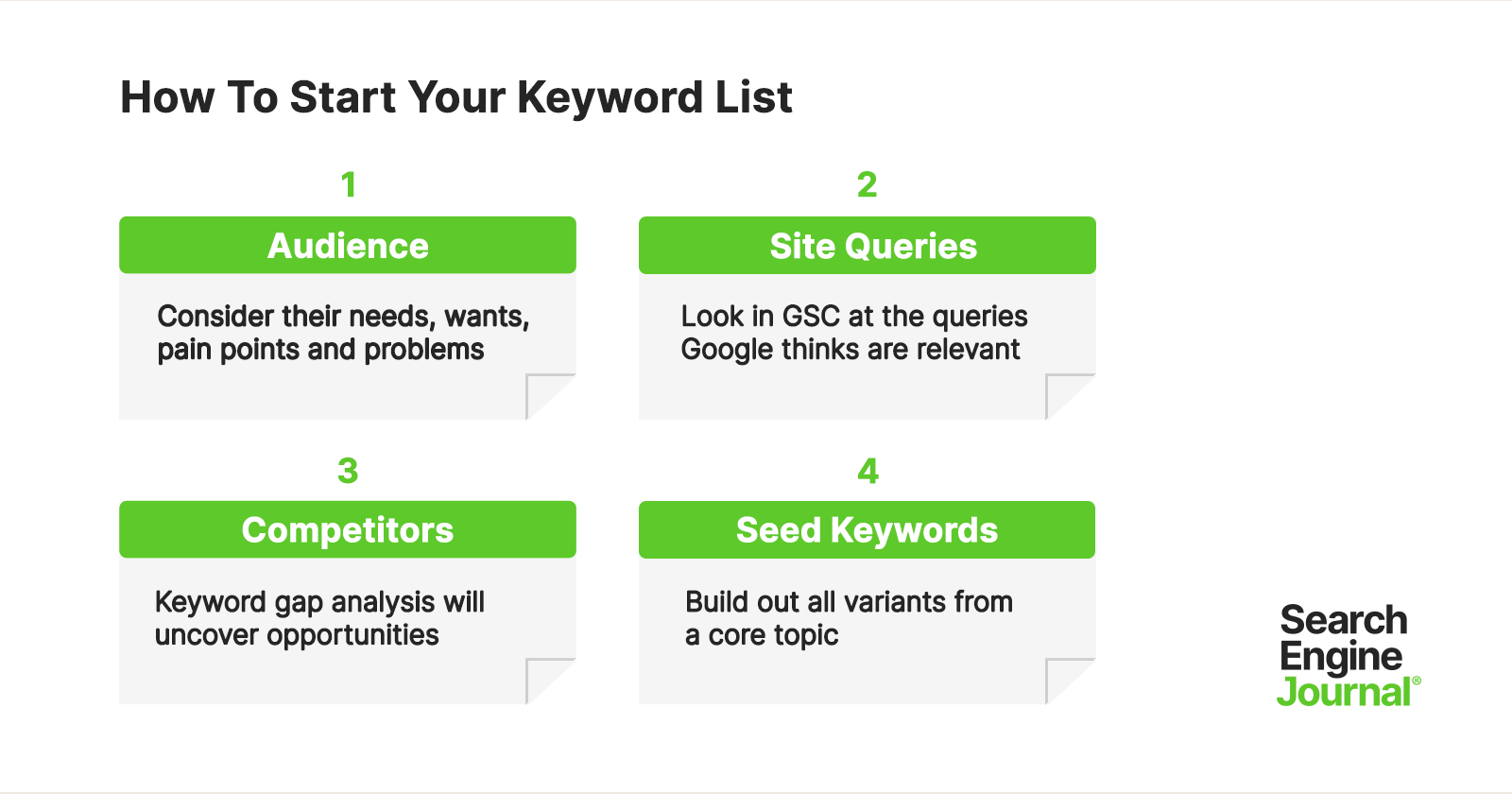
- Seed Keywords: The Starting Point
- How to Select Keywords
- Understanding Search Intent
- Choosing a Primary Keyword
- Step-by-Step Guide to Keyword Research
- Best Practices for Using Keywords in Blog Posts
- Optimizing for Search Intent
- Structuring Content Around Primary Keyword
- Advanced Tips for Keyword Optimization
- Real-World Example: Backyard Chickens
- Common Pitfalls to Avoid
- Recap and Call to Action
- Frequently Asked Questions
Introduction: The Power of Keyword Research
Ever wondered why some blog posts skyrocket to the top of Google while others languish in obscurity? The secret lies in mastering keyword research, the foundational bedrock of successful blogging and SEO. In this guide, we’ll dive into how to do keyword research step-by-step, ensuring your content aligns perfectly with what your audience is searching for. By understanding and implementing SEO keywords, you can transform your blog from a hidden gem into a traffic powerhouse. It’s not just about traffic—it’s about connecting with intent.

What is Keyword Research?
At its core, keyword research is the process of identifying high-value terms your target audience uses when searching online. It involves using tools to analyze metrics like search volume, competition, and intent, which then guides topic selection and content structure. As Moz explains, this practice is essential for uncovering opportunities where your content can rank and attract relevant traffic.
Think of it as a map: without it, you’re wandering blindly; with it, you navigate directly to your audience’s needs. Keyword research isn’t just about finding words—it’s about understanding people. By leveraging insights from experts, you can create content that resonates and converts.
Foundational Elements: Keywords, Search Intent, and Primary Keyword
To master SEO content planning, you need to grasp three core elements: keywords, search intent, and primary keyword. These align with search engine algorithms and ranking opportunities, directly addressing the informational intent to learn how these components work. According to Yoast, keywords are the building blocks, search intent is the blueprint, and the primary keyword is the cornerstone of your content strategy.
- Keywords: The specific terms or phrases users type into search engines.
- Search Intent: The underlying goal behind a search query—what the user truly wants.
- Primary Keyword: The main term you optimize for, often reflecting the core topic.
By integrating these elements, you create content that not only ranks but also satisfies user needs, as highlighted in HubSpot’s guide.
Why Keyword Research is Essential
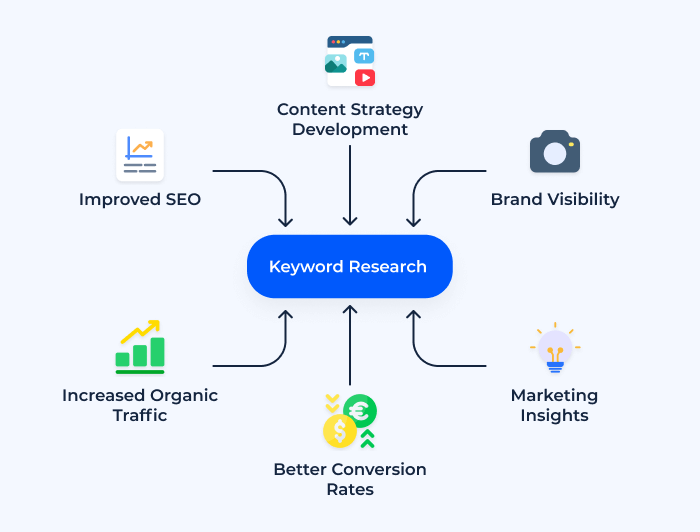
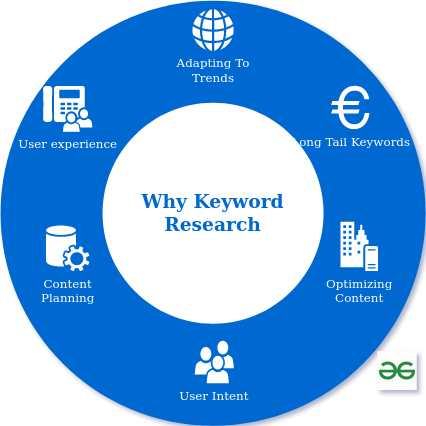
Keyword research is essential because it guides content to match searcher goals, such as informational (e.g., how-to guides), transactional (e.g., buy), or navigational (e.g., find a website). This alignment builds topic authority and drives organic traffic. Carnegie Higher Ed notes that incorporating SEO keywords optimizes for user needs, ensuring your content appears when it matters most.
Without keyword research, you’re shooting in the dark. You might create brilliant content, but if it doesn’t answer what people are searching for, it won’t be found. By targeting the right terms, you tap into existing demand and position yourself as an authority.

Seed Keywords: The Starting Point
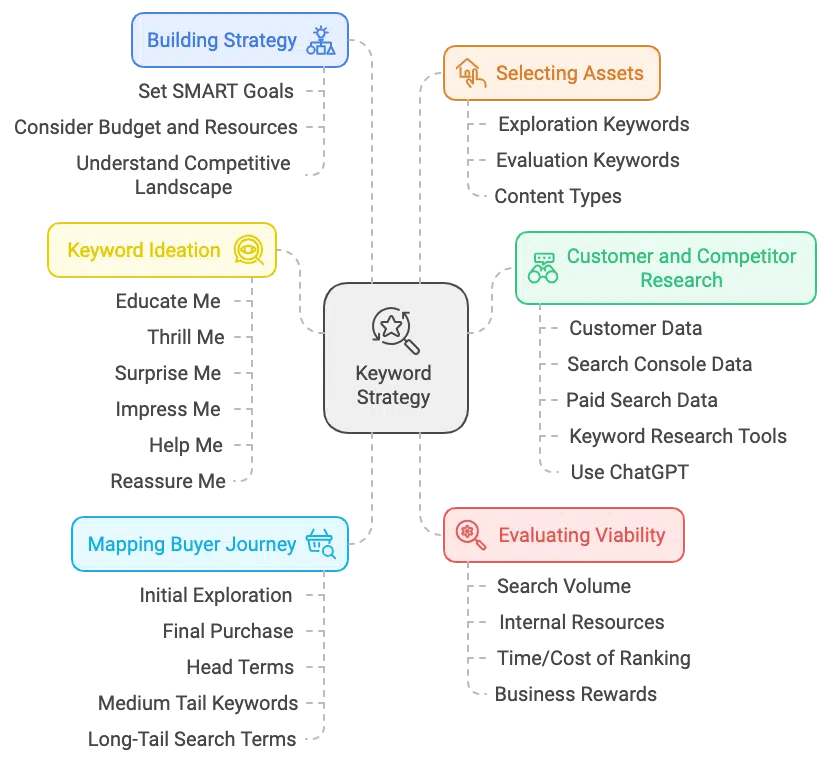
Begin with seed keywords—broad starting terms like “backyard chickens” that represent your niche. These are expanded via tools like Google Autocomplete or Keyword Planner into supporting terms with metrics on volume, competition, and intent. As UGA Extension explains, seed keywords help you discover long-tail variations (e.g., “best backyard chicken breeds for beginners”) that are less competitive and more targeted.
- Example: From “digital marketing,” you might derive “content marketing strategy” or “SEO tips for small businesses.”
- Tool Tip: Use free tools like Google Trends or paid ones like SEMrush to expand your list.
This process ensures you cover a wide range of keywords that cater to different audience segments.
How to Select Keywords
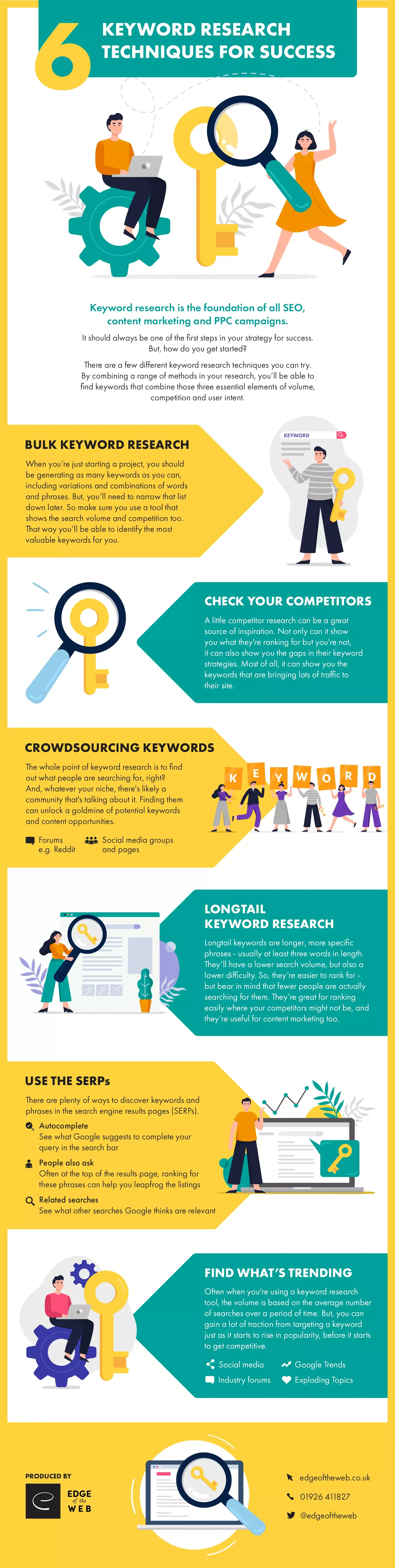
Selecting keywords involves curating a list of 5-10 terms that mix head terms (high volume, competitive like “keyword research”) and long-tail keywords (specific, lower competition like “how to do keyword research for beginners”). Group them by topic clusters for comprehensive coverage, as suggested by Ahrefs and PenBrief.
Here’s a practical approach:
- Brainstorm: List all relevant terms based on your seed keywords.
- Analyze Metrics: Use tools to check search volume, competition, and cost-per-click (CPC).
- Prioritize: Focus on terms with moderate to high volume and low competition for easier wins.
- Cluster: Group related keywords to create pillar content and supporting articles.
This strategy balances visibility and feasibility, helping you rank faster.

Understanding Search Intent
Search intent specification is crucial: identify goals such as “learn” for how-to guides, “compare” for versus articles, or “buy” for reviews to match AI-driven ranking on comprehensive coverage. Weave in your primary keyword by noting it targets the main learner intent, as emphasized in Yoast’s guide.
Types of Search Intent:
- Informational: Seeking knowledge (e.g., “what is keyword research”).
- Transactional: Ready to purchase (e.g., “buy SEO tool subscription”).
- Navigational: Looking for a specific site (e.g., “HubSpot blog login”).
- Commercial Investigation: Comparing options (e.g., “best keyword research tools”).
By aligning content with intent, you increase engagement and reduce bounce rates. Remember: Google rewards content that satisfies user queries.
Choosing a Primary Keyword
Choose a primary keyword (e.g., “how to do keyword research”) as the high-priority term for prominent placement in H1 title, intro, meta tags, and subheads to signal focus to search engines. Carnegie Higher Ed advises selecting a term that balances search volume and relevance to your content.
Considerations:
- Relevance: Does it match your content’s core message?
- Volume: Is there sufficient search demand?
- Competition: Can you realistically rank for it?
- Intent: Does it align with the user’s goal?
Once chosen, this keyword becomes the anchor for your SEO efforts, guiding all on-page optimizations.
Step-by-Step Guide to Keyword Research
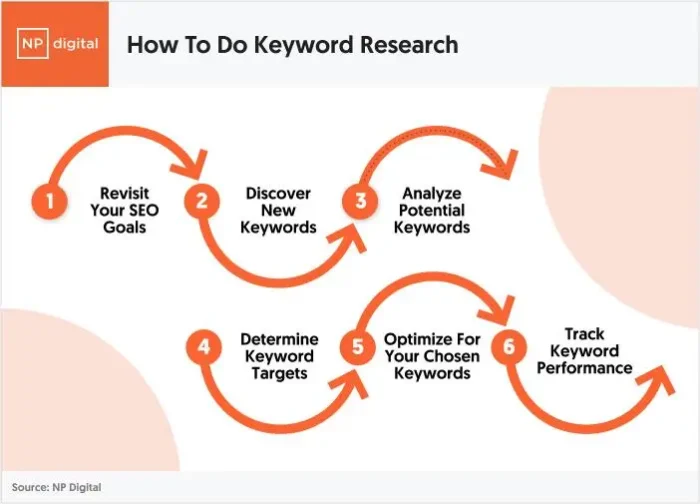
Follow this step-by-step guide on how to do keyword research: start with brainstorming seed keywords, use tools for metrics, analyze competition, match search intent, select primary keyword and secondaries, ensuring natural integration for SEO without stuffing. Based on insights from HubSpot, Moz, and Yoast.
- Brainstorm Seed Keywords: List broad terms related to your niche. Use your expertise and competitor analysis.
- Use Keyword Tools: Tools like Google Keyword Planner, Ahrefs, or SEMrush to gather data on search volume, competition, and trends.
- Analyze Competition: Review top-ranking pages for your target terms. Note their content angle and gaps you can fill.
- Match Search Intent: Categorize keywords by intent (informational, transactional, etc.) and tailor content accordingly.
- Select Primary and Secondary Keywords: Choose one primary keyword per page and 2-3 secondary keywords for support.
- Integrate Naturally: Avoid keyword stuffing; use synonyms and related terms to maintain readability.
This systematic approach ensures thorough research and effective implementation.

Best Practices for Using Keywords in Blog Posts
Best practices for using keywords in blog posts include placing your primary keyword in the title tag (front-loaded), headline (H1), first 100 words, subheads (H2/H3), conclusion, and meta description; include related SEO keywords and long-tail variants naturally. Resources like beehiiv, AIOSEO, and InBlog outline these strategies.
- Title Tag: Start with the primary keyword, e.g., “How to Do Keyword Research: A Beginner’s Guide.”
- Introduction: Mention the keyword within the first paragraph to set context.
- Subheadings: Use variations in H2 and H3 tags to break up content and signal relevance.
- Body Content: Sprinkle secondary keywords and long-tail terms organically—aim for a density of 1-2%.
- Meta Description: Include the primary keyword to improve click-through rates from search results.
- Internal Linking: Link to related posts using keyword-rich anchor text.
By following these practices, you enhance SEO without sacrificing user experience.
Optimizing for Search Intent
Optimizing for search intent involves creating content that fully satisfies the user’s goal (e.g., detailed steps for “learn” intent), using structure like short paragraphs, bullets, headings, and visuals for readability and engagement. AIOSEO emphasizes that intent optimization is key to reducing bounce rates and increasing dwell time.
Tips for Intent Optimization:
- Informational Intent: Provide comprehensive answers, use how-to formats, and include data from reputable sources.
- Transactional Intent: Highlight benefits, include calls-to-action, and offer reviews or comparisons.
- Navigational Intent: Ensure clear site structure and easy access to targeted pages.
- Engagement Elements: Use quotes, bold text, and images to keep readers engaged.
Quote: “Content that matches intent doesn’t just rank—it resonates.” This approach builds trust and authority.
Structuring Content Around Primary Keyword
Structure your content around the primary keyword by using it to front-load the title (e.g., “How to Do Keyword Research: Ultimate Guide for SEO Success”), intro confirmation, and subheads for scannability; add internal/external links with descriptive anchor text. Guides from SEMrush, Google, and Siteimprove support this method.
Effective Structure:
- Title: Place the primary keyword at the beginning for maximum impact.
- Introduction: Reiterate the keyword and state what the reader will learn.
- Subheadings: Use keyword variations to outline sections (e.g., “Step 1: Brainstorm Seed Keywords”).
- Content Flow: Organize information logically, from basics to advanced tips.
- Links: Link to authoritative sources and internal pages to boost SEO and user experience.
This structure not only helps search engines understand your content but also makes it easy for readers to digest.
Advanced Tips for Keyword Optimization
Advanced tips include incorporating keywords in categories/tags for organization (e.g., category: “SEO”, tags: “keyword research, search intent”), adding images/videos with alt text including SEO keywords, optimizing for mobile/readability, and using an FAQ section for common queries. Refer to Squarespace, Siteimprove, and InBlog for details.
- Categories and Tags: Use keyword-rich names to improve site architecture and internal linking.
- Alt Text: Describe images with keywords, e.g., “keyword research tool screenshot.”
- Mobile Optimization: Ensure fast loading times and responsive design for better rankings.
- FAQ Section: Address common questions with keyword-focused answers to capture featured snippets.
- Schema Markup: Implement structured data to enhance search result appearances.
These advanced tactics give you an edge in competitive niches.
Real-World Example: Backyard Chickens
Consider a real-world example: for a post on backyard chickens, start with seed keywords like “backyard chickens”, expand to primary keyword “best backyard chicken breeds” with search intent “learn/compare”, and place SEO keywords throughout steps. UGA Extension and HubSpot illustrate this process.
Step-by-Step Breakdown:
- Seed Keyword: “backyard chickens” – broad and popular.
- Expansion: Use tools to find related terms like “raising backyard chickens,” “chicken coop designs,” “egg-laying breeds.”
- Primary Keyword Selection: “best backyard chicken breeds” – has decent volume and aligns with informational intent.
- Content Creation: Write a post comparing breeds, using subheads like “Top 5 Backyard Chicken Breeds for Beginners” and including keywords naturally.
- Optimization: Add alt text to images (e.g., “Rhode Island Red chicken breed”), internal links to related posts, and an FAQ on common chicken care questions.
This example shows how theoretical concepts apply in practice, driving targeted traffic.
Common Pitfalls to Avoid
Common pitfalls include avoiding keyword stuffing, ignoring low-volume long-tail keywords (which often have higher conversions), or mismatched search intent; emphasize writing for humans first with value-packed, original content. beehiiv and AIOSEO warn against these mistakes.
- Keyword Stuffing: Overusing keywords unnaturally can lead to penalties. Focus on readability.
- Ignoring Long-Tail Keywords: These may have lower volume but higher intent and conversion rates.
- Mismatched Intent: Creating commercial content for informational queries frustrates users and hurts rankings.
- Neglecting User Experience: SEO without engaging content fails to retain visitors.
Remember: Search engines prioritize user satisfaction. Always craft content that informs, entertains, or solves problems.
Recap and Call to Action
Mastering keyword research, search intent, primary keyword, and SEO keywords builds topic authority and drives traffic. As summarized by Moz and beehiiv, these skills are essential for any blogger or marketer.
Now, it’s your turn! Apply these steps to your next blog post, share your results in the comments, or download a free checklist template from PenBrief for immediate use. Start today and watch your SEO transform!
Frequently Asked Questions
What is the best tool for keyword research?
There’s no one-size-fits-all tool, but popular options include Google Keyword Planner (free), Ahrefs, SEMrush, and Moz Keyword Explorer. Choose based on your budget and needs, as recommended in HubSpot’s guide.
How many keywords should I use per blog post?
Focus on one primary keyword and 2-3 secondary keywords per post. Overloading can dilute focus. Integrate them naturally, as per best practices.
Can I rank without keyword research?
It’s possible but unlikely. Keyword research identifies demand and competition, increasing your chances of ranking. Without it, you risk creating content no one searches for, as noted by Moz.
How often should I update my keyword strategy?
Review your keyword strategy quarterly, as search trends evolve. Use tools to track performance and adjust based on new data, following insights from content analysis guides.
What’s the difference between head terms and long-tail keywords?
Head terms are broad, high-volume keywords (e.g., “SEO”), while long-tail keywords are specific, lower-volume phrases (e.g., “local SEO services for small businesses”). Long-tail terms often have higher conversion rates due to precise intent, as explained in Ahrefs’ blog.