

The Evolution of Play: How LEGO Smart Bricks Are Pioneering Interactive Tech for Kids
Estimated reading time: 9 minutes
Key Takeaways
- Interactive smart bricks LEGO embed sensors, lights, and sounds into classic bricks, enabling physical builds to react to movement without screens.
- This kids interactive tech blends tactile construction with digital responses, fostering creativity and STEM learning through hands-on play.
- The core motion sound activated toy tech relies on sensors and coils to detect gestures, proximity, and light, triggering context-specific reactions.
- LEGO’s system uses connected play systems like BrickNet for offline communication, ensuring privacy and compatibility with existing sets.
- Parents should consider age-appropriateness, cost, durability, and the screen-free balance when exploring these innovative toys.
Table of contents
- The Evolution of Play: How LEGO Smart Bricks Are Pioneering Interactive Tech for Kids
- Key Takeaways
- From Wooden Blocks to Smart Bricks: A Play Revolution
- What Are Interactive Smart Bricks LEGO? Defining the Tech
- The Technology Behind the Magic: Motion and Sound Activation
- Why Kids Interactive Tech is a Game-Changer: Benefits and Appeal
- The Broader Landscape: Connected Play Systems and Market Trends
- Practical Considerations for Parents: Age, Cost, and Durability
- Frequently Asked Questions

From Wooden Blocks to Smart Bricks: A Play Revolution
Imagine a child in the early 20th century, stacking simple wooden blocks to build a tower—a timeless act of creativity. Fast forward to today, and play has evolved into something magical: high-tech toys that respond to a child’s every move, sparking wonder and imagination in ways never seen before. At the forefront of this revolution are interactive smart bricks LEGO, launched at CES 2026 as part of the LEGO SMART Play system. These bricks represent a breakthrough by embedding sensors, lights, sounds, and wireless communication into standard 2×4 bricks, enabling physical builds to react to movement and attachments without screens or apps. This video demo and the official announcement showcase how they’re changing the game.

This blog explores interactive smart bricks LEGO and the broader world of kids interactive tech that blends physical play with digital responses. We’ll dive into how it works, the technology behind it, its benefits, and the future, satisfying your curiosity about play-based tech. As highlighted by LEGO’s innovation team, this tech evolves play by merging tactile construction with responsive digital effects, fostering open-ended play that enhances imagination through cause-and-effect responses.
What Are Interactive Smart Bricks LEGO? Defining the Tech
Interactive smart bricks LEGO are physical toys that use sensors, connectivity, and software to create reactive experiences, with the Smart Brick as the central case study. They fall under the category of connected play systems, which enable toys to communicate and interact without external devices. Let’s break down the core components that make these bricks so smart:
- Custom ASIC Chip: At the heart is a tiny 4.1mm chip that processes all inputs and outputs locally, ensuring fast responses without lag.
- Motion Sensors: An accelerometer and gyroscope detect tilt, twists, and gestures, allowing builds to respond to movement.
- Light Sensors and Orientation Detectors: These sense environmental light and how the brick is positioned, adding layers of interactivity.
- LEDs and Speaker: Built-in LEDs provide colorful visual feedback, while a speaker with an onboard synthesizer generates sounds like lightsaber swooshes or laser blasts.
- Copper Coils: These enable near-field magnetic communication to recognize Smart Tags and Smart Minifigures via unique digital IDs, as detailed in this technical overview.

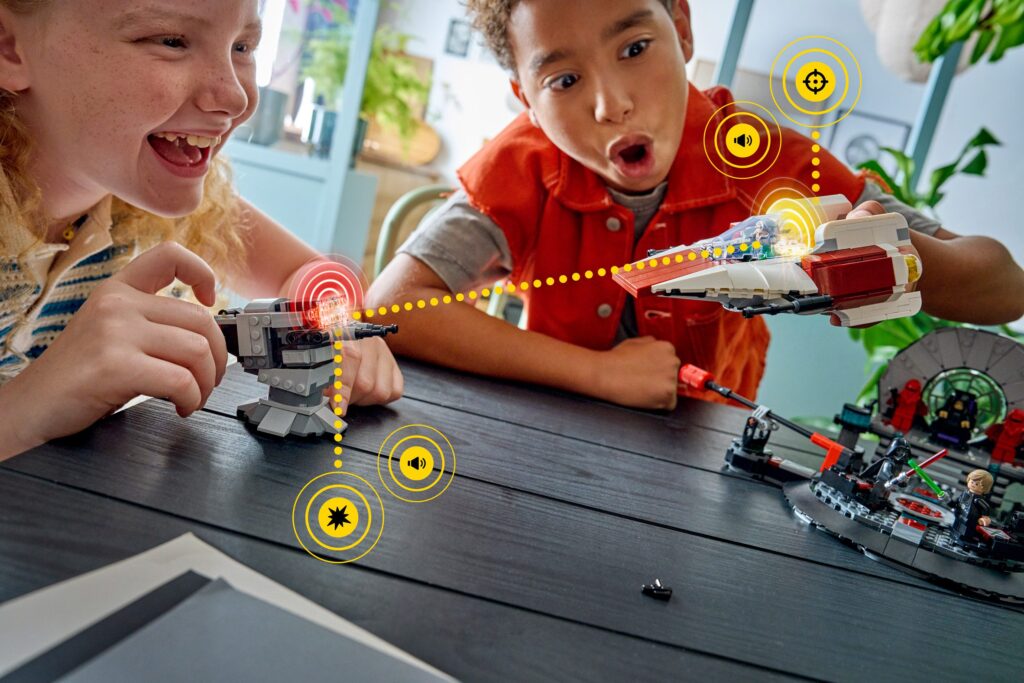
When you attach a Smart Minifigure or move a build, these components trigger context-specific reactions. For example, in sets like 75427 Throne Room Duel & A-wing, swinging a brick might activate the Imperial March or engine roars, bringing scenes to life. This is powered by BrickNet, a low-latency Bluetooth protocol for offline communication between bricks. It detects distance, direction, and orientation via Neighbour Position Measurement (NPM), ensuring full compatibility with existing LEGO pieces, as explained in LEGO’s innovation article. Thus, interactive smart bricks LEGO and connected play systems work together to make builds come alive through seamless interactions.
The Technology Behind the Magic: Motion and Sound Activation
Diving deeper, the motion sound activated toy tech powers these experiences. It refers to technology where sensors detect tilt, twists, taps, gestures, proximity, and environmental light, with coils enabling precise positioning of nearby elements. This sensor-driven interactivity mirrors innovations in wearable tech, where devices respond to user movements and inputs. Here’s how it works in practice:
- Gesture Detection: Swing a build, and motion sensors trigger engine roars or character voices, processed on-device without cloud AI or apps for reliable, repeatable play.
- Proximity and Light Sensing: Smart Minifigures placed near a brick can trigger mood-based sounds and behaviors, with light sensors adjusting responses based on the environment.
- Wireless Coil Charging: This keeps setups simple—no batteries to replace—and doubles as detection tech for tags, as noted in LEGO’s innovation piece.

Specific examples from hands-on reviews show kids creating stories where a spaceship build roars to life when lifted, or a castle door creaks open when a minifigure approaches. This kind of hands-on, responsive play is part of a broader trend in interactive entertainment, similar to new modes in popular video games that emphasize engagement. The benefits are clear: immediate cause-and-effect play keeps kids actively involved, fostering deeper immersion. By leveraging motion sound activated toy tech, LEGO ensures that every action has a reaction, making play dynamic and educational.
Why Kids Interactive Tech is a Game-Changer: Benefits and Appeal
The appeal of kids interactive tech lies in how it makes physical creations “alive” with lights and sounds, bridging traditional building with digital responsiveness to boost engagement without screen dependency. This blend of physical and digital worlds is also a hallmark of immersive experiences like virtual reality. But beyond fun, it offers substantial developmental benefits:
- STEM Skills: Hands-on sensor experimentation—like testing how different builds trigger sounds—introduces concepts of physics and engineering in a playful way.
- Problem-Solving: Kids engage in build-reaction testing, adjusting structures to achieve specific responses, which sharpens critical thinking.
- Creativity: Open-ended scenarios allow children to invent stories with reactive elements, fostering narrative skills and imagination.
- Active Play and Collaboration: Encourages movement and social interaction, as seen in group play sessions where kids work together to create interactive scenes.

Consistency in responses suits younger children, enhancing reliability over unpredictable novelty, as highlighted by industry observers. This resonates with modern children and parents because it bridges the gap between physical play and the digital world, offering tactile learning in a screen-heavy era. By integrating kids interactive tech into everyday play, LEGO taps into a desire for meaningful, educational toys that prepare kids for a tech-driven future.
The Broader Landscape: Connected Play Systems and Market Trends
Interactive smart bricks LEGO position themselves within the wider market of connected play systems. They lead by integrating seamlessly with classic sets via modular Smart Bricks, Tags, and Minifigures, setting trends for offline, durable tech toys. This focus on seamless, integrated technology is a key trend across consumer gadgets, from wearables to smart home devices. While similar systems emphasize sensor-driven interactivity, LEGO prioritizes privacy with encryption and no apps required, as noted in technical analyses.
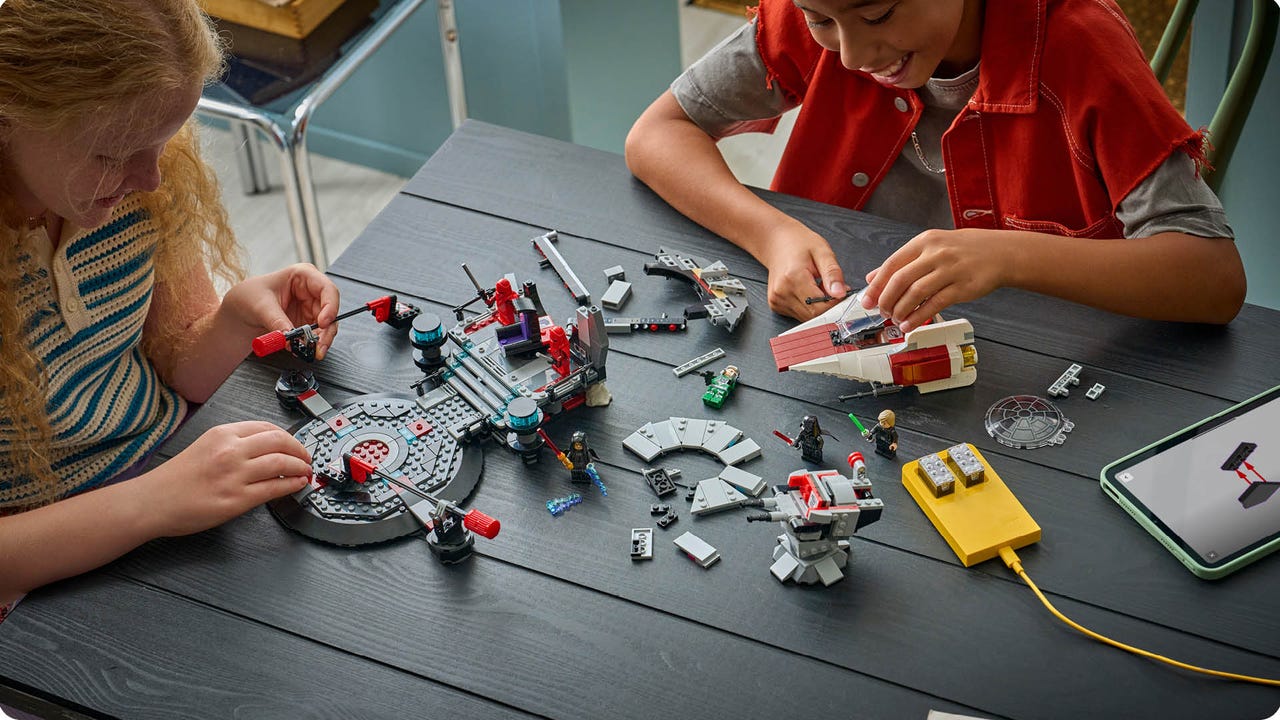
The industry is seeing growing demand for hybrid play that merges physical and digital elements, but LEGO’s approach stands out for its backward compatibility and emphasis on creativity over passive consumption. As showcased in demos and the announcement, these systems are designed to evolve with new sets and features, ensuring longevity. By focusing on connected play systems that empower rather than overwhelm, LEGO is shaping the future of play-based tech.
Practical Considerations for Parents: Age, Cost, and Durability
When exploring interactive smart bricks LEGO, parents should weigh several factors to ensure a positive experience for their kids:
- Age-Appropriateness: Recommended for ages 6 and up, these bricks offer reliable, consistent responses that suit young children’s developmental stages, reducing frustration.
- Cost: Specialized sets involve a higher initial investment, but Smart Bricks are reusable with existing LEGO collections, offering long-term value.
- Durability: Built to LEGO’s high standards, they withstand rough play, with water-resistant components and robust sensors, as seen in stress tests.
- Screen-Free Balance: By avoiding apps and screens, these toys complement physical activity, encouraging hands-on exploration rather than passive consumption.

Additionally, consider the learning curve: kids quickly adapt to the cause-and-effect nature, but parental guidance can enhance the experience through shared building sessions. As the market for connected play systems expands, LEGO’s commitment to privacy and offline play makes it a standout choice for families seeking safe, engaging tech.
Frequently Asked Questions
What exactly are LEGO Smart Bricks, and how do they differ from regular LEGO?
LEGO Smart Bricks are standard 2×4 bricks enhanced with embedded sensors, lights, sounds, and wireless communication. Unlike regular bricks, they can react to movement, attachments, and proximity without needing screens or apps, making builds interactive. For details, check the official announcement.
Do LEGO Smart Bricks require an internet connection or smartphone to work?
No, they operate entirely offline using BrickNet, a low-latency Bluetooth protocol for communication between bricks. This ensures privacy and allows play anywhere, without dependency on internet or devices, as explained in this article.
Are LEGO Smart Bricks compatible with my existing LEGO collection?
Yes, they are fully compatible with all classic LEGO pieces. The Smart Bricks use the same stud-and-tube connection system, and the technology doesn’t interfere with traditional building, allowing you to integrate them seamlessly into your current sets.
What educational benefits do interactive smart bricks offer for children?
They promote STEM skills through hands-on sensor experimentation, problem-solving by testing build reactions, creativity in open-ended storytelling, and social collaboration during group play. These benefits are highlighted in hands-on reviews and innovation resources.
How durable are LEGO Smart Bricks, and are they safe for young children?
Built to LEGO’s rigorous durability standards, they are water-resistant and shock-resistant, suitable for rough play. They meet all international safety regulations and have no small batteries, making them safe for ages 6+. For more on durability, see this analysis.
What is the future of interactive play technology like this?
The future points toward expanded compatibility, more sophisticated sensors, and integration with emerging tech trends, similar to advancements in fitness wearables and health gadgets. LEGO plans to release new sets and features that build on the SMART Play system, fostering ongoing innovation in play-based tech.