
Latest On-Device AI Technology in Pixel 9 [2025 Guide]
Estimated reading time: 7 minutes
Key Takeaways
- On-device AI in Pixel 9 leverages Gemini Nano for local processing, enhancing speed, privacy, and efficiency.
- Features like Magic Cue and Scam Detection showcase practical applications of pixel 9 gemini nano features.
- The Tensor G4 chip provides the hardware backbone for advanced tensor g4 chip ai capabilities.
- Gemini multimodality enables image, audio, and text analysis on-device for tasks from healthcare to entertainment.
- Developers can use the AI Edge SDK to build privacy-focused apps, driving innovation in latest on device ai technology.
- On-device AI offers advantages in privacy and latency over cloud-based AI, though each has its strengths.
- Future advancements like Gemini 3 Flash promise even more powerful on-device experiences.
Table of contents
- Latest On-Device AI Technology in Pixel 9 [2025 Guide]
- Key Takeaways
- Introduction: The AI Revolution in Your Pocket
- Pixel 9 Gemini Nano Features: On-Device Power in Action
- Tensor G4 Chip AI Capabilities: The Hardware Heart
- Gemini Multimodality Image Analysis: Seeing, Hearing, and Understanding
- AI Edge SDK for Android Developers: Building the Next Wave
- Real-World Applications of Latest On-Device AI Technology
- On-Device AI vs. Cloud-Based AI: A Clear Comparison
- The Future of On-Device AI Technology
- Frequently Asked Questions
Introduction: The AI Revolution in Your Pocket
Imagine a smartphone that thinks for itself, processing complex tasks instantly without waiting for the cloud. This is the reality with the latest on-device AI technology transforming Google Pixel models. By leveraging dedicated chips like the Tensor G4 and models such as Gemini Nano, these devices handle everything from real-time translation to scam detection locally, boosting speed, privacy, and efficiency. The growing importance of on-device AI is evident in features that make daily interactions more intuitive, such as proactive suggestions and seamless translations, all processed on your phone. For a broader look at how AI is revolutionizing mobile devices, see our guide on Unstoppable AI-Powered Smartphones.
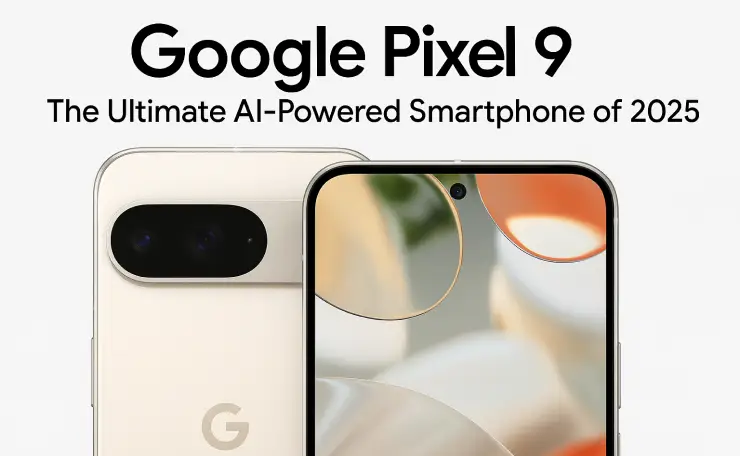
In this guide, we dive deep into the key advancements in the Pixel 9 and upcoming models. We’ll explore the pixel 9 gemini nano features, the hardware behind them, multimodality capabilities, developer tools, real-world applications, and how on-device AI stacks up against cloud-based solutions. Whether you’re a tech enthusiast or a developer, this comprehensive overview will satisfy your curiosity about cutting-edge mobile AI.
Pixel 9 Gemini Nano Features: On-Device Power in Action
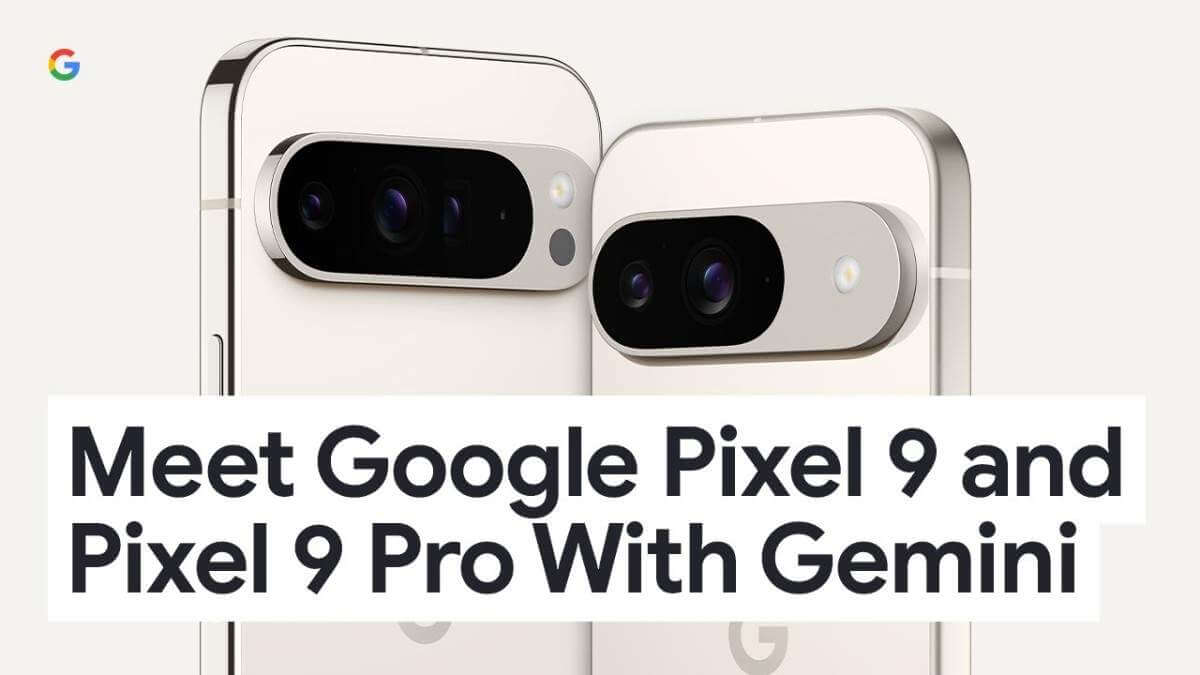
Gemini Nano is Google’s lightweight generative AI model designed to run entirely on-device in the Pixel 9 and newer Pixel 10 smartphones. This means it powers features without needing an internet connection, enhancing privacy and speed. By processing data locally, latest on device ai technology ensures that your personal information stays on your device, reducing the risk of data breaches.
One standout feature is Magic Cue, a contextual suggestion tool in messages. It automatically proposes actions like sharing photos or reservations based on conversation context, all processed locally. For example, if you’re discussing dinner plans, Magic Cue might suggest sending a restaurant reservation link. This is made possible by Gemini Nano’s on-device processing, which analyzes text in real-time without sending data to servers.
Another critical feature is Scam Detection, which analyzes conversation patterns in real-time to identify potential fraud. This on-device feature uses AI to monitor calls and messages for suspicious activity, alerting you to possible scams. Users have control to toggle access for privacy, ensuring that the AI only operates when permitted. This exemplifies how pixel 9 gemini nano features leverage on-device processing to deliver instant performance and enhanced security.
These features highlight the power of latest on device ai technology in making smartphones more responsive and private. By handling tasks locally, Pixel 9 reduces latency and dependence on cloud services, providing a smoother user experience.
Tensor G4 Chip AI Capabilities: The Hardware Heart
At the core of the Pixel 9’s AI prowess is the Tensor G4 chip, Google’s custom processor optimized for efficient on-device AI tasks. This chip supports models like Gemini Nano while improving overall device performance and battery life. The tensor g4 chip ai capabilities enable seamless integration of AI features without compromising speed or power efficiency.

Compared to the newer Tensor G5 in the Pixel 10, co-designed with DeepMind, the G4 is a stepping stone to more advanced experiences. The Tensor G5 runs the latest Gemini Nano model and enables features like real-time call transcripts via Take a Message and visual guidance in Gemini Live. However, the G4 still delivers robust AI performance, making it a key component of the latest on device ai technology in Pixel 9.
The Tensor G4 enhances user experience through better power efficiency and always-on AI processing. This means that features like pixel 9 gemini nano features can run continuously in the background without draining the battery. For more insights into the hardware driving this innovation, check out our analysis on Google Pixel 9 Release.
Gemini Multimodality Image Analysis: Seeing, Hearing, and Understanding
Gemini multimodality refers to the model’s ability to process multiple data types—including images, audio, text, and video—directly on-device. This is showcased in apps like Gemini Live, which can analyze live camera feeds or screens for tasks such as troubleshooting, brainstorming, or adding real-time overlays. This capability is a cornerstone of latest on device ai technology, enabling private, instant analysis without cloud dependency.

Applications of gemini multimodality image analysis span various fields:
- Healthcare: Visual diagnostics by sharing camera feeds for AI-assisted analysis, potentially aiding in early detection of conditions.
- Security: Features like Call Screen and Scam Detection use multimodal AI to filter spam and fraud, analyzing both audio and text patterns.
- Entertainment: Pixel Studio generates custom stickers from images, while Video Boost enhances 8K videos with AI-powered edits, all processed on-device.
These applications demonstrate how tensor g4 chip ai capabilities and Gemini multimodality work together to provide powerful, privacy-focused AI experiences. By processing data locally, Pixel 9 ensures that sensitive information, such as health data or personal conversations, remains secure.
AI Edge SDK for Android Developers: Building the Next Wave
The AI Edge SDK for Android developers is a toolkit that allows integration with Tensor chips and Gemini Nano for creating efficient, privacy-focused on-device AI apps. Inspired by how NotebookLM uses Pixel Screenshots and Recorder for AI-powered notetaking, this SDK empowers developers to build apps with local processing for features like image recognition or natural language tasks.
Benefits of the AI Edge SDK include reduced latency and data transmission, as all processing happens on the device. This aligns with the broader adoption of latest on device ai technology, offering users faster and more secure applications.
For developers interested in leveraging this SDK, here are some steps:
- Download the SDK from Google’s developer resources.
- Integrate Gemini Nano models into your app for on-device AI capabilities.
- Test on Pixel devices to optimize for Tensor chip performance.
By using the ai edge sdk for android developers, creators can contribute to the next wave of pixel 9 gemini nano features and beyond, driving innovation in mobile AI.
Real-World Applications of Latest On-Device AI Technology
The latest on device ai technology in Pixel 9 is not just theoretical; it has practical applications that enhance everyday life. Here are some key areas:
Image and Speech Recognition:
- Camera Coach: Provides real-time feedback for photo optimization, suggesting angles or lighting adjustments.
- Live Translate: Offers real-time voice translation in calls, preserving the original voice for natural conversations.
- Circle to Search: Allows instant identification of screen content by circling items, powered by on-device AI.

Natural Language Processing:
- Magic Cue: As mentioned, suggests context-based actions in messages.
- Gemini Live: Integrates queries and reminders across apps, acting as a personal AI assistant.

Predictive Maintenance and Analytics:
- NotebookLM: Auto-suggests insights from screenshots and transcripts for personal tracking, powered by Gemini 3 Flash for multimodal reasoning.
Enhanced Security and Authentication:
- Scam Detection and Call Screen provide real-time protection against spam and fraud, analyzing patterns on-device.
These examples illustrate how latest on device ai technology is seamlessly integrated into daily tasks, making smartphones more intelligent and responsive. For more on how AI is changing the world, explore our detailed analysis on How AI is Changing the World.
On-Device AI vs. Cloud-Based AI: A Clear Comparison
To understand the strengths of latest on device ai technology, it’s helpful to compare it with cloud-based AI. Here’s a table highlighting the key differences:
| Aspect | On-Device AI (e.g., Gemini Nano on Tensor G4/G5) | Cloud-Based AI (e.g., Gemini Pro/Ultra) |
|---|---|---|
| Privacy | Processes data locally, no transmission [1] [2] | Relies on servers, potential data sharing [3] |
| Speed/Latency | Instant, no network needed [1] [4] | Depends on connection; delays possible [3] |
| Battery/Offline | Efficient for always-on features [1] | Higher power draw; offline limited [3] |
| Capabilities | Complex generative tasks (e.g., Magic Cue) [1] | Advanced (e.g., Deep Research, video gen) [3] [5] |
| Limitations | Hardware-constrained scale [1] | Subscription tiers, quotas (e.g., 20 overviews/day) [3] |

In summary, on-device AI excels in reliability and privacy, making it ideal for everyday tasks, while cloud-based AI handles more intensive computations. The tensor g4 chip ai capabilities enable this balance, providing a foundation for latest on device ai technology to thrive.
The Future of On-Device AI Technology
The evolution of latest on device ai technology is accelerating with advancements like Gemini 3 Flash, which as of December 2025, offers PhD-level multimodal reasoning at high speed. This model expands capabilities to screen-narrated recordings and agentic workflows, pushing the boundaries of what on-device AI can achieve.

Challenges remain, such as hardware limits and power efficiency, but opportunities abound. Deeper Pixel integrations, like Google Home AI alerts, and enhanced tools for ai edge sdk for android developers will drive edge computing forward. For more on cutting-edge AI trends, read our overview of 10 Cutting Edge AI Technologies.
To recap, the latest on device ai technology in Pixel 9 with Gemini Nano and Tensor G4 is revolutionizing privacy-focused, efficient AI on mobiles. We encourage you to explore Pixel AI demos, check Gemini release notes, or dive into developer docs via the ai edge sdk for android developers. Try these features on your Pixel or start building with the SDK today—what on-device AI innovation excites you most? Share in the comments. For more insights into Google’s AI advancements in the Pixel 9, see our article on Pixel 9 Google AI.
Frequently Asked Questions
What is Gemini Nano in Pixel 9?
Gemini Nano is Google’s lightweight generative AI model that runs entirely on-device in Pixel 9, enabling features like Magic Cue and Scam Detection without internet dependency.
How does on-device AI improve privacy?
On-device AI processes data locally on your phone, so personal information isn’t sent to cloud servers, reducing the risk of data breaches and enhancing user privacy.
What are the key features powered by Gemini Nano?
Key features include Magic Cue for contextual suggestions, Scam Detection for fraud prevention, and Live Translate for real-time voice translation, all processed on-device.
Can developers build apps with on-device AI?
Yes, developers can use the AI Edge SDK for Android to integrate Gemini Nano and Tensor chips, creating privacy-focused apps with local processing capabilities.
How does Tensor G4 chip enhance AI performance?
The Tensor G4 chip is optimized for efficient on-device AI tasks, supporting models like Gemini Nano while improving battery life and overall device performance.
What is the difference between on-device and cloud-based AI?
On-device AI offers better privacy and lower latency by processing data locally, while cloud-based AI can handle more complex tasks but relies on internet connectivity and may have privacy concerns.