
The LEGO Smart Play System: Where Imagination Roars to Life
Estimated reading time: 8 minutes
Key Takeaways
- The LEGO Smart Play System is a groundbreaking new platform launching in 2026, starting with Star Wars sets on March 1.
- It uses a SMART Brick packed with sensors, LEDs, and a speaker to detect motion, taps, and tilt, creating motion activated tech toys.
- Interactive LEGO Smart Tags are small tiles that define a build’s role (like a starship or cannon), unlocking specific sounds and behaviors.
- Play becomes dynamic and story-driven, with builds reacting in real-time to a child’s actions—no screens, apps, or hubs required.
- This represents LEGO’s most significant play system innovation since the minifigure, designed to boost creativity and extend play.
Table of contents
- The LEGO Smart Play System: Where Imagination Roars to Life
- Key Takeaways
- What is the LEGO Smart Play System?
- The Core Purpose: Beyond the Build
- The Tech Breakdown: How It Works
- The SMART Brick: The Beating Heart
- Interactive LEGO Smart Tags: Defining a Role
- SMART Minifigures: Characters Come Alive
- Motion Activated Tech Toys in Action
- The Play System Innovation: Why It Matters
- Concrete Play Examples from Star Wars
- The Future of Smart Play
- Frequently Asked Questions
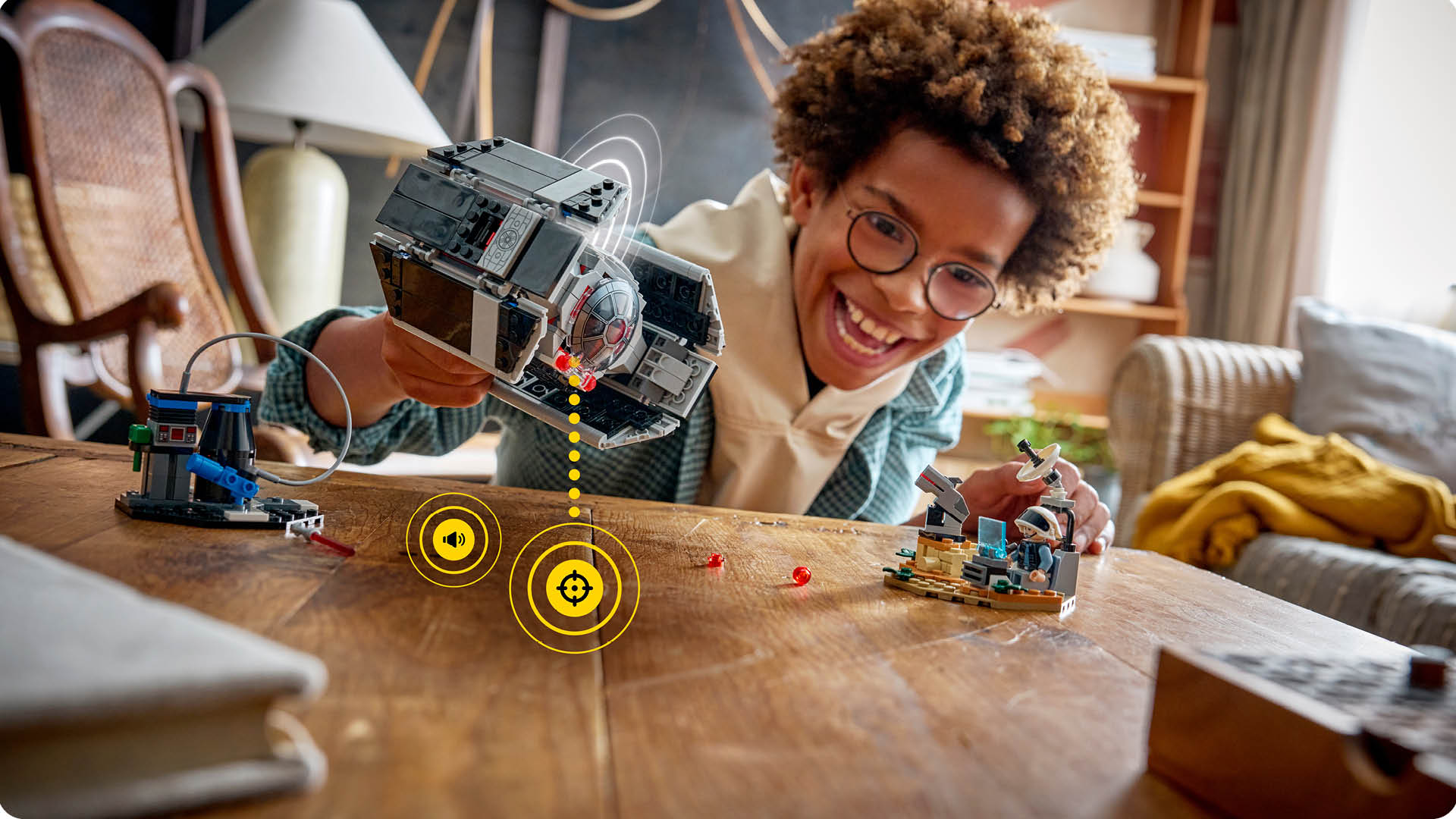
Picture a child rolling their newly built Star Wars Imperial turret across the floor. Suddenly, it isn’t silent plastic. With a deep mechanical whir, the engine roars to life, followed by the pew-pew of laser blasts as it “fires” at an imaginary rebel base. This isn’t magic; it’s the LEGO Smart Play System—LEGO’s groundbreaking fusion of classic physical building with modern motion activated tech toys that respond dynamically to play, all without a screen in sight. The secret? Interactive LEGO Smart Tags and a brick full of tech. This post explores how this incredible play system innovation works, its components, benefits, and future, satisfying your curiosity about the next generation of interactive toys tech.
What is the LEGO Smart Play System?
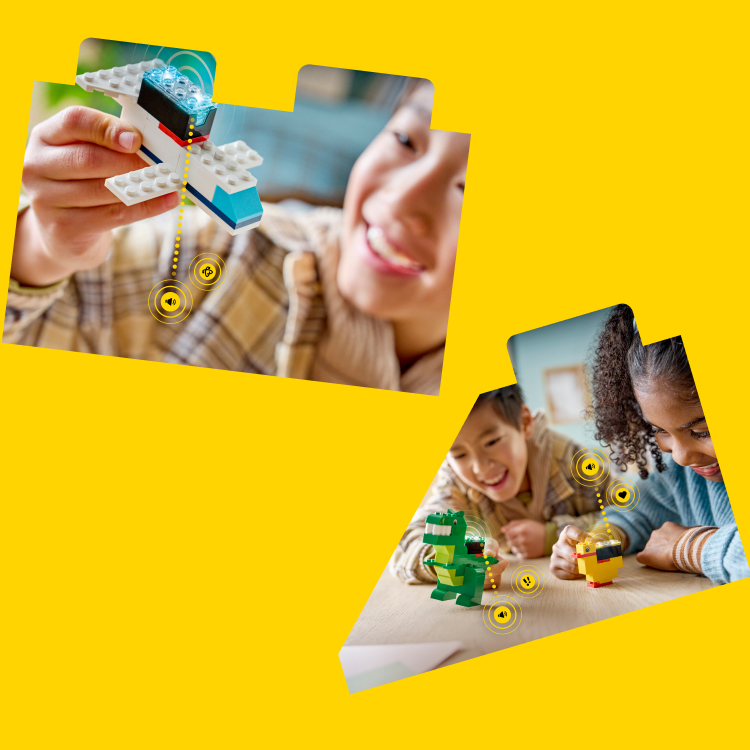
So, what exactly is this new platform? The LEGO Smart Play System, officially launching in 2026 with initial Star Wars sets available March 1, 2026, is an integrated ecosystem of compatible smart bricks, tags, and minifigures. It brings static models to life through real-time responses to physical play—movement, taps, positioning—with no apps, phones, or tablets required. It’s a precise fusion of the tactile, creative joy of classic LEGO building with responsive interactions powered by motion, sound, and lights. Many are calling it the company’s most significant play system innovation since the introduction of the minifigure in 1978 (LEGO Announcement).
The Core Purpose: Beyond the Build
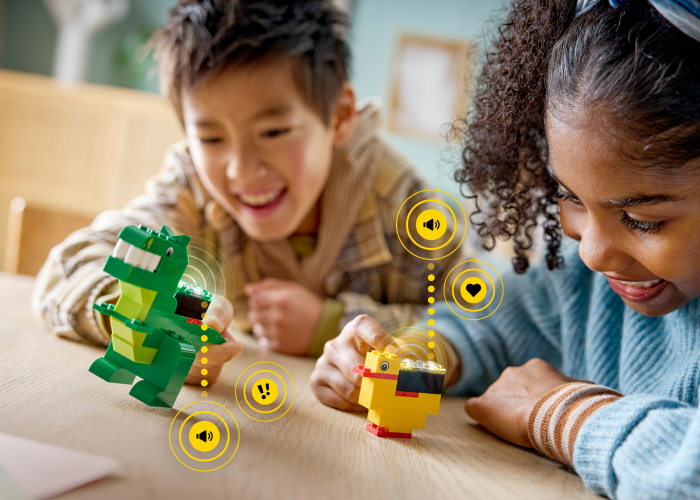
The core purpose of the Smart Play System is to enable open-ended, story-driven experiences. It transforms play from a static display into a dynamic narrative where creations react in real-time to how a child moves, holds, or interacts with them. Imagine a spaceship that doesn’t just look cool but makes authentic engine sounds when swooshed through the air, or a creature that growls when you tilt its head. This extends play far beyond the final brick, creating replayable scenarios with hidden features and behaviors that change based on how you combine the interactive LEGO Smart Tags. It’s about making the play itself the story (LEGO Announcement).
The Tech Breakdown: How It Works
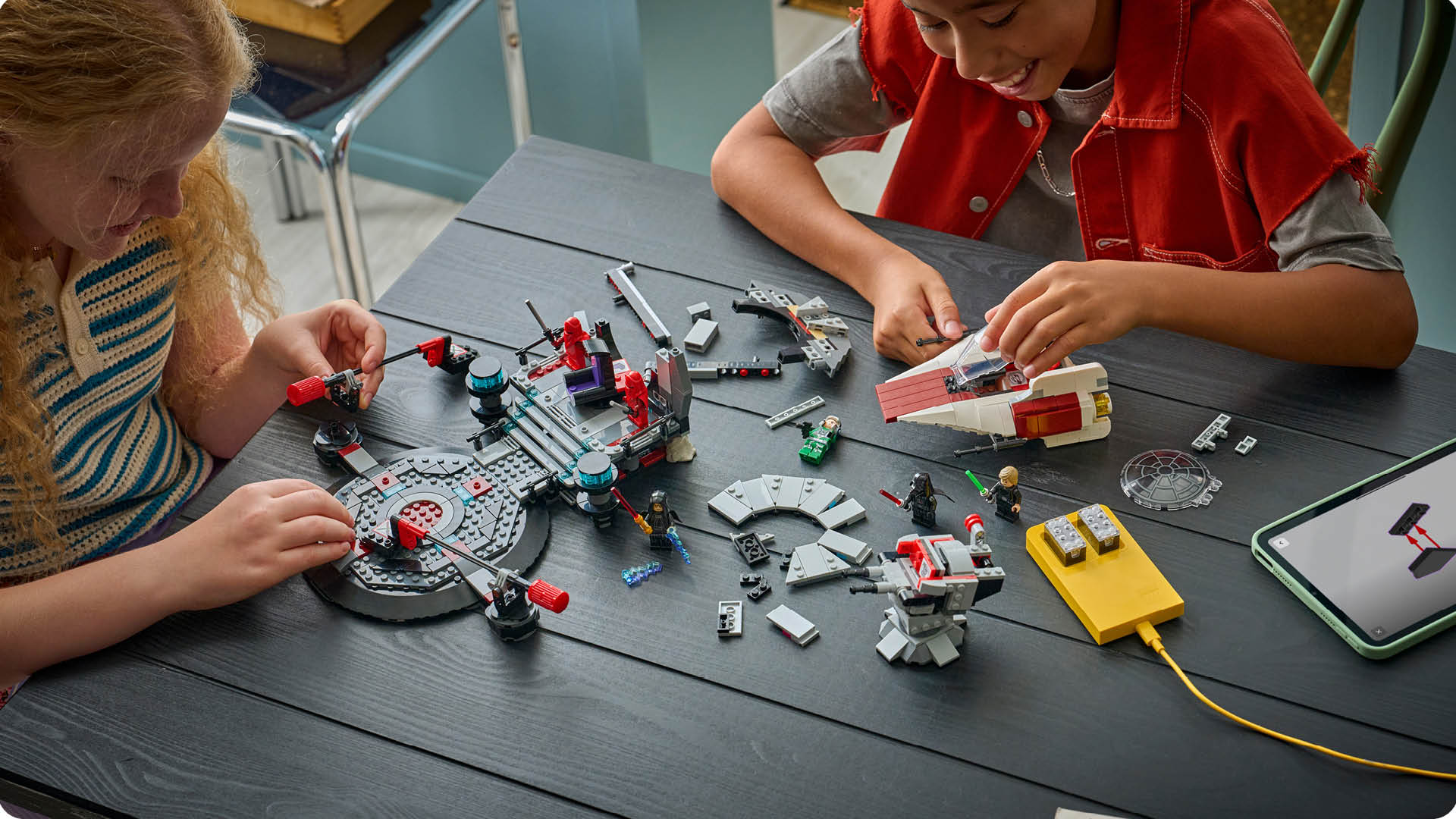
At the heart of the LEGO Smart Play System are three seamlessly integrated, fully backwards-compatible components: the SMART Brick, the Interactive LEGO Smart Tags (SMART Tags), and SMART Minifigures. Together, they power a new generation of motion activated tech toys (PenBrief).
The SMART Brick: The Beating Heart
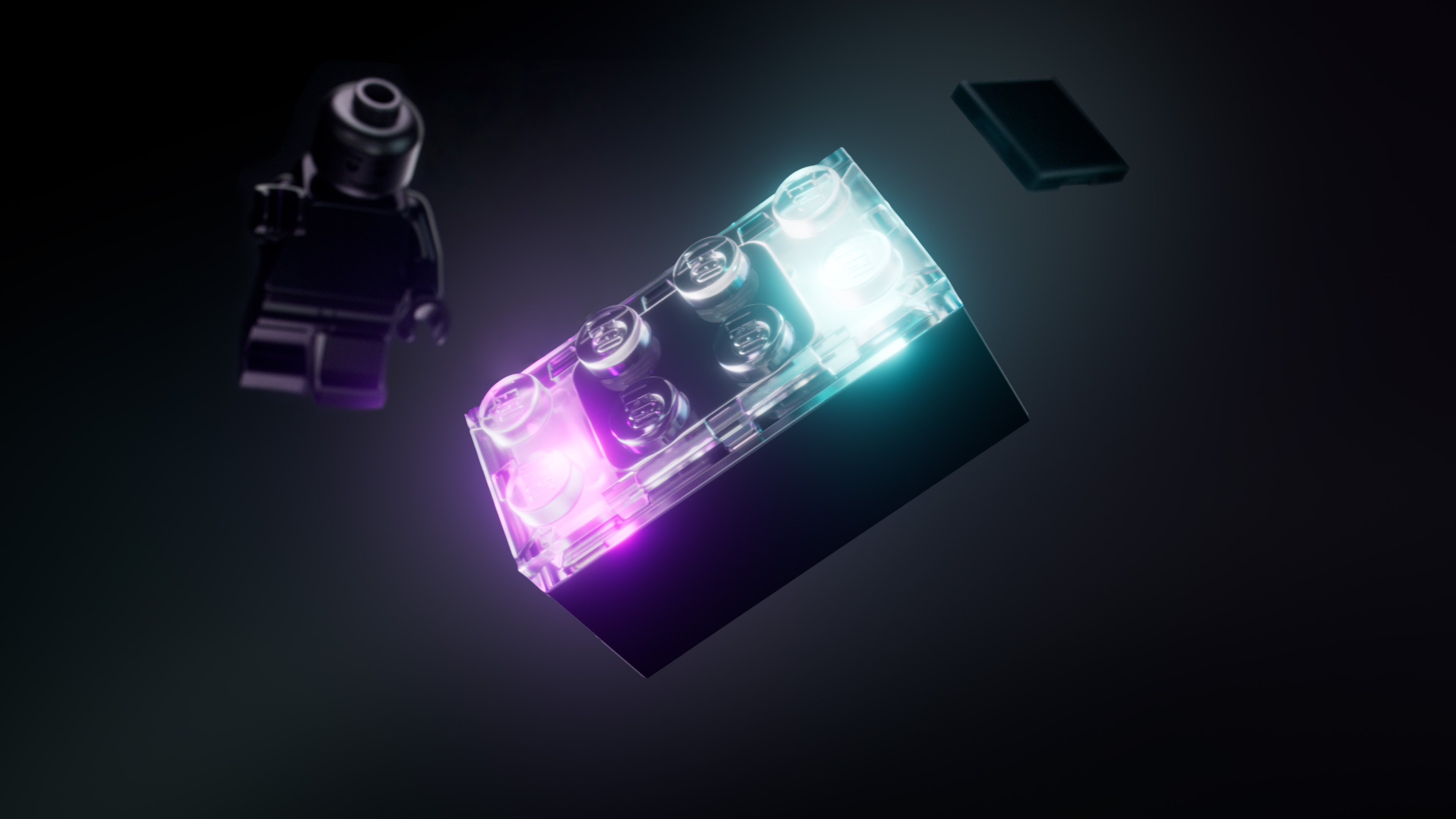
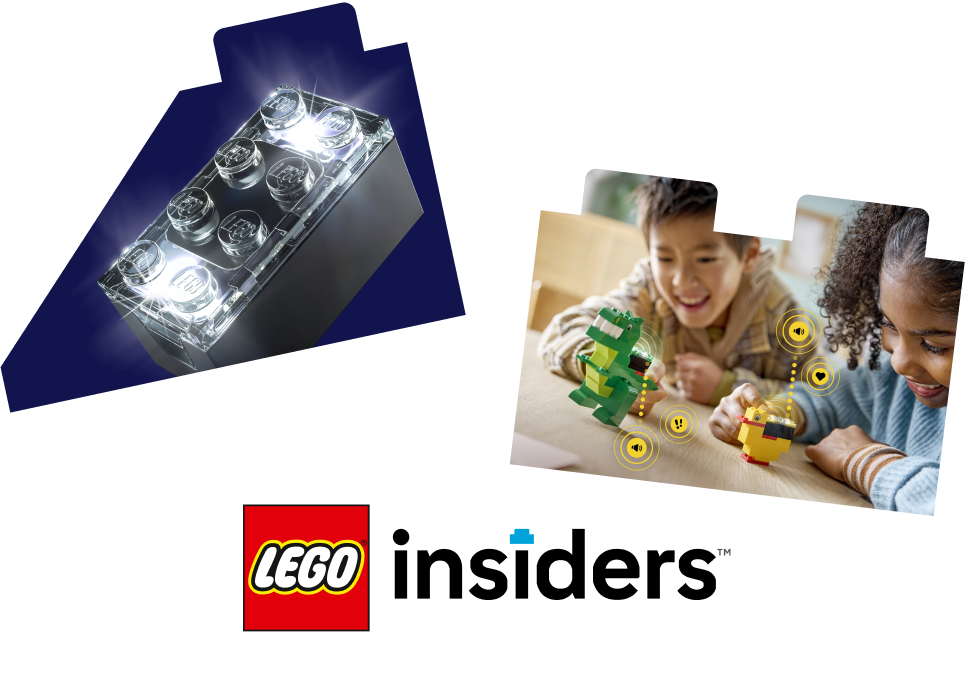
The SMART Brick looks like a standard 2×4 brick but is a powerhouse of micro-engineering. Inside, it houses:
- An accelerometer to detect motion, tilt, speed, and specific gestures.
- Light and color sensors.
- Sound detection capabilities.
- Multi-color LEDs for instant visual feedback.
- A miniature speaker with an onboard synthesizer for dynamic, generative audio (no pre-recorded clips).
- A processing chip to interpret sensor data in real-time.
This brick detects everything from a gentle acceleration (a roll) to a sharp twist or a double-tap, triggering context-specific lights and sounds. It’s the central “brain” that makes motion activated tech toys possible, interpreting the physical world to create a digital response (Jay’s Brick Blog). This type of sensor fusion and real-time processing is a hallmark of cutting-edge interactive tech.
Interactive LEGO Smart Tags: Defining a Role
This is where the magic gets personalized. Interactive LEGO Smart Tags are small, thin tiles with an embedded code. You place one on the SMART Brick to define its role in your build—is it a vehicle, a creature, a cannon, or a throne? Each tag unlocks a specific library of behaviors. Tag it as an X-Wing, and rolling it produces snubfighter engine noises. Tag it as a turret, and tilting it activates defensive laser sounds. The tags use near-field magnetic positioning and RFID-like recognition for precise detection, telling the SMART Brick exactly how to behave (Fox 35 Orlando) (LEGO Announcement).
SMART Minifigures: Characters Come Alive
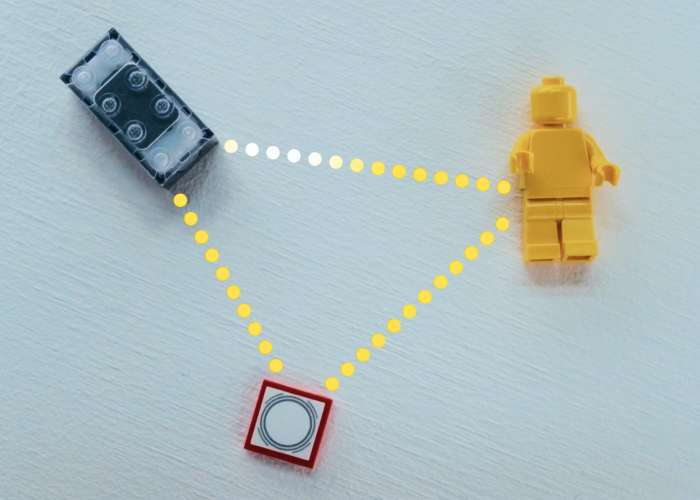
Taking interaction a step further, SMART Minifigures add character-specific reactions. When placed on or near a SMART Brick, these special minifigures are identified via a small chip. This triggers unique sounds, voice lines, or musical motifs from the brick’s speaker based on the figure’s proximity and identity. Imagine Darth Vader issuing a command as he approaches his TIE Fighter, or a rebel pilot radioing for help (Jay’s Brick Blog).
Motion Activated Tech Toys in Action
So, what does this look like in practice? The functionality of these motion activated tech toys is intuitive and immersive:
- Roll a SMART Brick tagged as a car, and it produces engine revs and tire screeches, with LED headlights glowing.
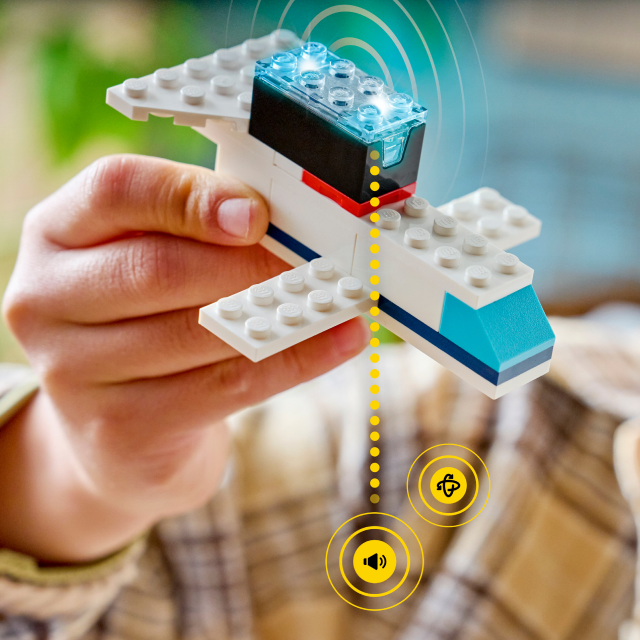
- Tilt a tagged spaceship, and it activates soaring whooshes and banked-turn sound effects.
- Tap a cannon twice, and it charges up with a humming sound before “firing” with a flash of light.
Perhaps most impressively, multiple SMART Bricks can communicate wirelessly via a proprietary, low-energy protocol called BrickNet. This uses a form of Neighbour Position Measurement to understand 3D positioning relative to other bricks, enabling decentralized, coordinated interactions. Two fighter ships can engage in a dogfight with coordinated laser sounds, or a fleet can take off in sequence—all without a central app or hub. The bricks feature wireless charging and are designed for long play, offering 45+ minutes of intensive use and resilient battery life during inactivity (Fox 35 Orlando) (Jay’s Brick Blog). This peer-to-peer networked play is a glimpse into an explosive, interactive future for play.
The Play System Innovation: Why It Matters
This isn’t just adding bells and whistles; it’s a fundamental play system innovation that shifts the paradigm from static builds to dynamic, story-driven experiences. The key benefits are profound:
- Boosted Creativity & Replayability: Endless reconfiguration with different tags creates new play patterns from the same bricks. A castle today can be a spaceship tomorrow, each with its own authentic soundscape.
- Enhanced Storytelling: Responsive audio and visuals provide immediate feedback, deepening narrative immersion. Children become directors of their own epic scenes.
- Introduction to Tech Literacy: The sensors and motion programming feel “invisible.” Kids learn cause-and-effect with technology in a purely physical, intuitive way, a cornerstone of modern interactive tech toys.
- Prolonged Engagement: Play no longer ends when the model is built. The interactive layer adds a whole new dimension that keeps kids engaged long after the final brick is placed (LEGO Announcement).
Concrete Play Examples from Star Wars
To make this tangible, let’s look at the announced launch sets. These are more than just models; they are motion activated tech toys ready for adventure:
- Imperial Turret/Transporter (Set #1): Roll the transport, and its engine roars. Attach the turret, and tilting it triggers laser-shooting sounds and refueling effects, powered by the SMART Brick, various interactive LEGO Smart Tags, and two SMART Minifigures.
- Rebel Outpost/Fueling Station (473 pieces): Features Darth Vader and a Stormtrooper SMART Minifigure. Placing Vader near the outpost may trigger ominous breath sounds, while connecting fuel pods could activate twin ion engine roars and lighting effects.
- A-Wing Fighter/Throne Room (962 pieces): Includes three SMART Minifigures (Vader, Emperor Palpatine, Luke Skywalker) and a tagged cannon. Fly the A-Wing for snubfighter sounds, while the throne room cannon provides defensive blaster feedback during imagined battles (Fox 35 Orlando). These sets exemplify the kind of immersive, mind-blowing tech experiences now possible.
The Future of Smart Play
The LEGO Smart Play System positions LEGO at the forefront of the screen-free, connected toys trend. Starting with the globally accessible Star Wars theme, the platform is designed for expansion across countless LEGO universes. The future possibilities of this play system innovation are thrilling:
- Complex Multi-Brick Networks: Imagine entire battlefields or cities where dozens of smart bricks interact, creating emergent, multiplayer gameplay scenarios.
- Educational Integration: Tags could teach physics (measuring acceleration), music (creating sequences with taps), or logic.
- Firmware Updates & Expansions: A potential companion app could deliver new sound libraries or behaviors for existing tags, extending the system’s life.
- Advanced BrickNet: Future iterations could enable even more precise spatially aware play, where bricks understand if they are “behind,” “above,” or “next to” each other in real-time (Jay’s Brick Blog).
The LEGO Smart Play System delivers next-generation interactive toys tech through SMART Bricks that feel the world, interactive LEGO Smart Tags that define a role, and motion activated feedback that animates the imagination. It perfectly satisfies the growing demand for hands-on, tactile play that’s enriched with digital magic. Pre-order the Star Wars sets launching March 1, 2026, and prepare to redefine playtime—or share your thoughts on this play system innovation in the comments (LEGO Announcement). This is how technology is changing the world of play.
Frequently Asked Questions
No. This is a core feature. The system is designed to be completely screen-free. All interactions are triggered by physical play—moving, tilting, tapping the bricks—and the sound comes directly from the SMART Brick’s built-in speaker. No app, Bluetooth pairing, or device is required for basic play.
Yes, absolutely. LEGO has confirmed full backwards compatibility. The SMART Brick is a standard 2×4 brick in form factor, and the SMART Tags are thin tiles. They will physically and functionally integrate with your existing LEGO pieces, allowing you to augment classic sets with new interactive features.
The SMART Brick contains a rechargeable battery charged via a wireless charging pad (expected to be included in starter sets). LEGO estimates over 45 minutes of continuous, intensive play on a full charge. The brick is also designed with efficient power management, going into a deep sleep during inactivity to preserve battery life for weeks.
While the initial launch in March 2026 is focused on Star Wars, the LEGO Smart Play System is a platform. LEGO intends to expand it across multiple themes in the years following launch. The modular nature of the SMART Brick and tags makes it ideal for everything from City vehicles and Creator 3-in-1 models to licensed themes like Marvel, Harry Potter, and more.
The initial launch focuses on predefined behaviors unlocked by the official SMART Tags. However, the platform’s architecture opens the door for future creativity. LEGO has hinted at potential for a digital studio or app that could allow advanced users to customize or create new sound profiles, though this would likely be an optional, supplementary feature.