
Lumistar Carry: How AI-Powered Sports Analytics is Revolutionizing Athletic Training
Estimated reading time: 8 minutes

Key Takeaways
- Lumistar Carry sports analytics uses AI-driven computer vision to transform basketball shooting into adaptive, data-rich sessions.
- It represents a major leap in sports gadget innovation, evolving from basic trackers to active AI coaching machines.
- The system provides real-time performance tracking AI, analyzing form, predicting adjustments, and flagging fatigue.
- As wearable training tech, its portable design enables easy setup and dynamic tracking for solo or group sessions.
- Practical applications benefit professionals, coaches, enthusiasts, and rehab patients with personalized, actionable insights.
- Lumistar’s market entry via pre-sale and Kickstarter in 2026 aims to democratize access to elite AI training tools.
Table of contents
- Lumistar Carry: How AI-Powered Sports Analytics is Revolutionizing Athletic Training
- Key Takeaways
- The Rise of Intelligent Training Tech
- From Pedometers to AI Coaches: Evolution of Sports Gadgets
- How Lumistar Carry Embodies Performance Tracking AI
- Wearable Training Tech: Portability and User Experience
- Practical Applications: Who Benefits and How
- Future Impact and Market Influence
- Frequently Asked Questions
The Rise of Intelligent Training Tech
The world of athletic training is no longer confined to manual repetition and guesswork. As athletes and coaches crave real-time insights into performance and form, intelligent technology has stepped onto the court, field, and gym. This growing demand is driven by a search for more than just data—it’s about actionable intelligence that adapts in the moment.
Enter lumistar carry sports analytics, a leading example of this shift. It uses AI-driven computer vision to transform basketball shooting practice from a static drill into an adaptive, data-rich session. As highlighted at CES 2026, this system is redefining what’s possible, turning solo practice into a coached experience [TechTimes] [AndroidGuys].

This post is your comprehensive guide to how lumistar carry sports analytics operates. We’ll explore its core benefits—like instant perception and adaptation—and why it represents the future of athletic development. Whether you’re a pro athlete or a fitness enthusiast, understanding this AI-powered gear promises to unlock new levels of performance.
From Pedometers to AI Coaches: Evolution of Sports Gadgets
The journey of sports gadget innovation began with simple devices like pedometers that only logged steps. Over time, these evolved into smartwatches and fitness trackers that monitored heart rate and sleep. But the true leap forward is happening now with AI-powered machines that actively engage users during training, moving from passive tracking to interactive coaching.
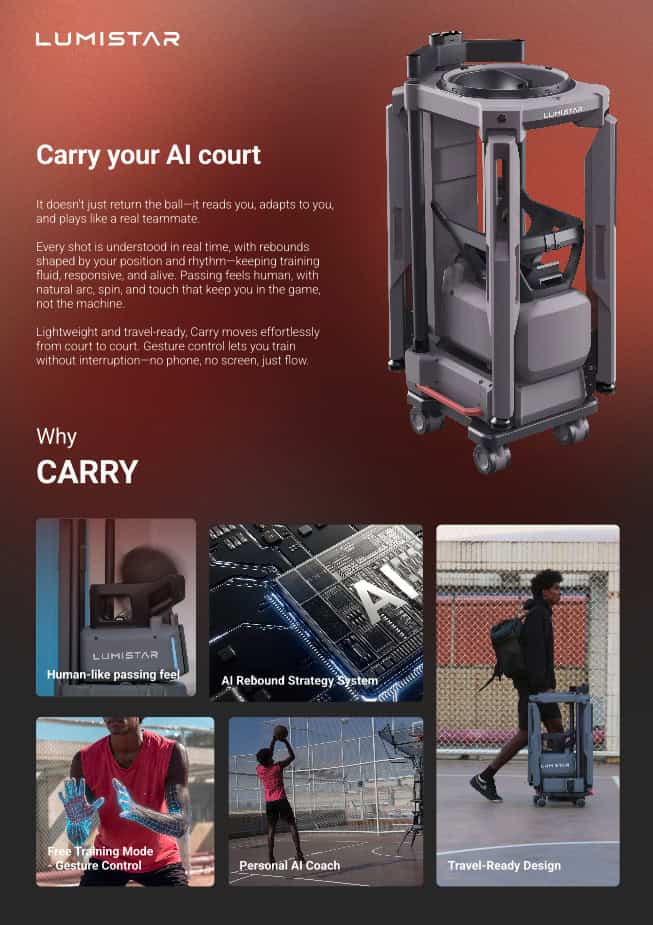
Lumistar carry sports analytics synthesizes cutting-edge hardware with sophisticated software to embody this evolution. Its system includes:
- 4K triple cameras and sensors for capturing detailed movement.
- An automotive-grade SoC (System on a Chip) for powerful real-time processing.
- Pre-trained AI models trained on tens of thousands of real-game data points, enabling instant perception and adaptation [TechTimes] [AndroidGuys].
This combination marks a significant advance in wearable training tech. By blending portable hardware with intelligent software, Lumistar Carry sets the stage for deeper AI exploration, offering real-time processing that was once confined to lab settings. It’s not just a gadget; it’s a training partner that learns and responds.
How Lumistar Carry Embodies Performance Tracking AI
At its core, lumistar carry sports analytics is a masterclass in performance tracking AI. Its triple-camera system processes player movement, ball trajectories, and shooting mechanics in real-time, turning every shot into a data point for analysis [AndroidGuys].
The AI functions are both detailed and dynamic:
- Form Analysis: Generates heat maps, accuracy statistics, and progress curves to visualize performance.
- Predictive Adjustments: Instead of static feedback, it predicts optimal shot corrections—for example, detecting elbow angle flaws to suggest immediate fixes or flagging fatigue via trajectory deviations [TechTimes].
- Adaptive Drills: The AI adapts training sessions on the fly, creating a personalized coaching experience.
Consider this hypothetical output from the system: “Your 3-point accuracy dropped 15% due to wrist snap inconsistency—next 10 shots will target tempo drills at 70% speed.” This shows how the AI delivers adaptive, actionable insights that mimic a human coach [AndroidGuys].
This performance tracking AI turns raw data—movement, biometrics, environmental factors—into predictive insights. It fulfills the core search intent for AI in sports gear by offering:
- Efficiency of movement analysis.
- Injury risk prediction through form checks.
- Real-time form correction prompts.
As seen at CES 2026, this capability drew record crowds, underscoring its impact [Morningstar].

Wearable Training Tech: Portability and User Experience
While not a traditional wearable like a wristband, the Lumistar Carry’s design embodies the spirit of wearable training tech through its portability and ease of use. Its movable structure allows for quick court setup and dynamic tracking of players without fixed positioning, making it ideal for intense drills [AndroidGuys] [YouTube].

Hardware details that enhance the experience:
- 4K Triple Cameras: Capture high-resolution video for precise AI vision analysis.
- Sensors and AI Vision: Enable seamless operation during fast-paced movements.
- Connected App: Pairs with the hardware for live feedback, gesture controls, and data visualization like heat maps and progress curves [TechTimes].
Usability is a key focus:
- Intuitive Setup: Designed for solo or group sessions with minimal configuration.
- Comfort for Extended Use: Lightweight and portable, ensuring it doesn’t interfere with training.
- Real-Time Integration: The app provides feedback without interrupting the athlete’s flow, keeping the focus on performance.

This approach aligns with broader trends in wearable training tech, where devices blend seamlessly into training routines to provide continuous, unobtrusive insights.
Practical Applications: Who Benefits and How
The true value of wearable training tech like Lumistar Carry, embedded with performance tracking AI, lies in its actionable lumistar carry sports analytics. By adapting drills shot-by-shot, it elevates solo practice to coach-like interaction, as demonstrated by its popularity at CES 2026 [Morningstar].
Benefits for different user types:
- Professional Athletes: Gain precision tweaks from form analysis that mimics feedback from pros. For example, a basketball player can correct elbow angle mid-session based on AI prompts [TechTimes].
- Coaches: Access multi-player tracking and group insights, allowing them to review heat maps post-drill to strategize training.
- Fitness Enthusiasts: Track long-term progress curves and accuracy stats, seeing tangible improvement over weeks, such as a 3-point shot percentage increase.
- Rehabilitation Patients: Monitor safe progression through fatigue flagging and form checks, ensuring recovery is on track [Longbridge].
These applications show how performance tracking AI is not just about data collection but about driving real-world improvements. As one report notes, it’s redefining the future of sports training by making elite-level insights accessible [AndroidGuys].
Future Impact and Market Influence
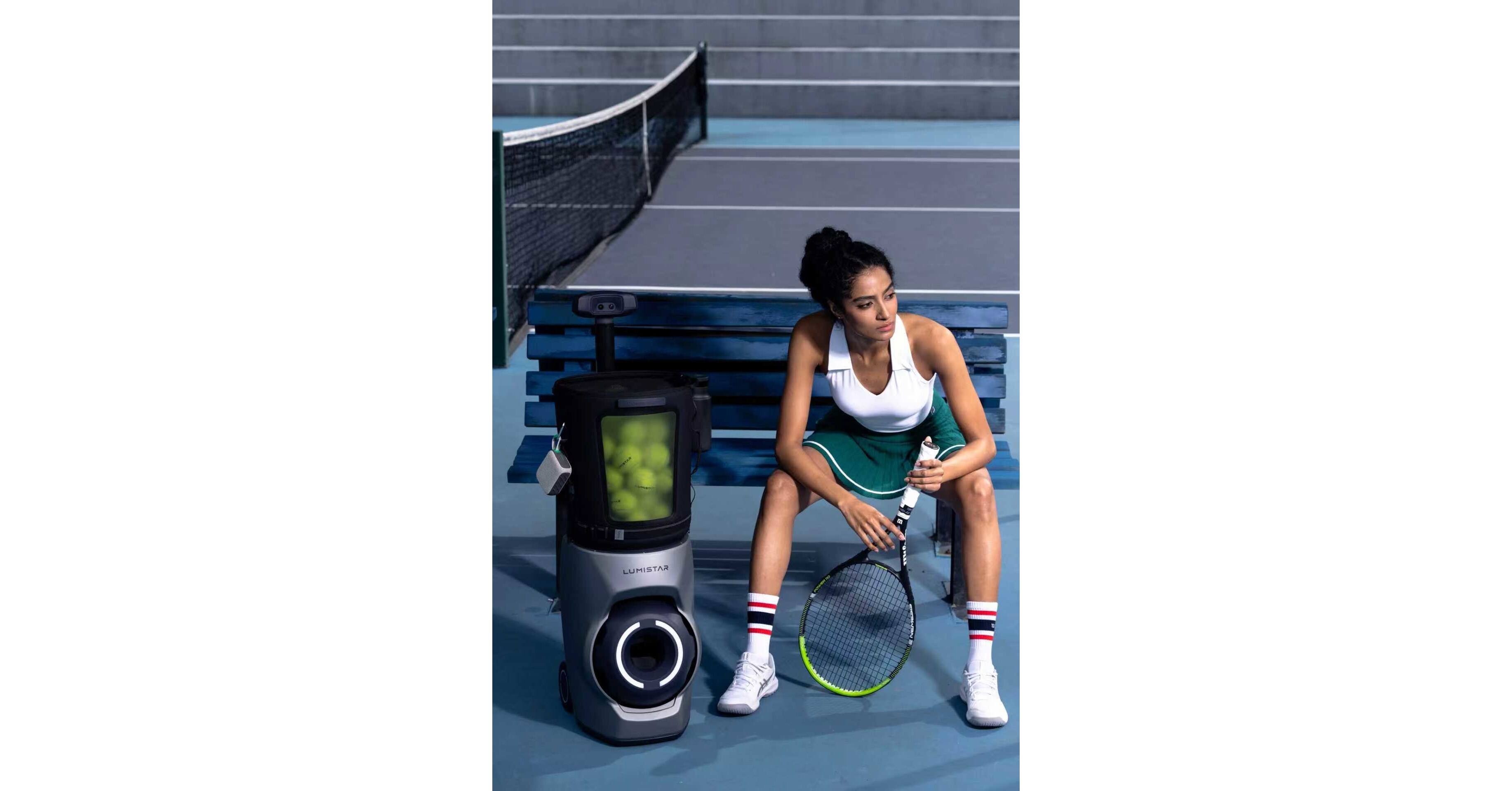
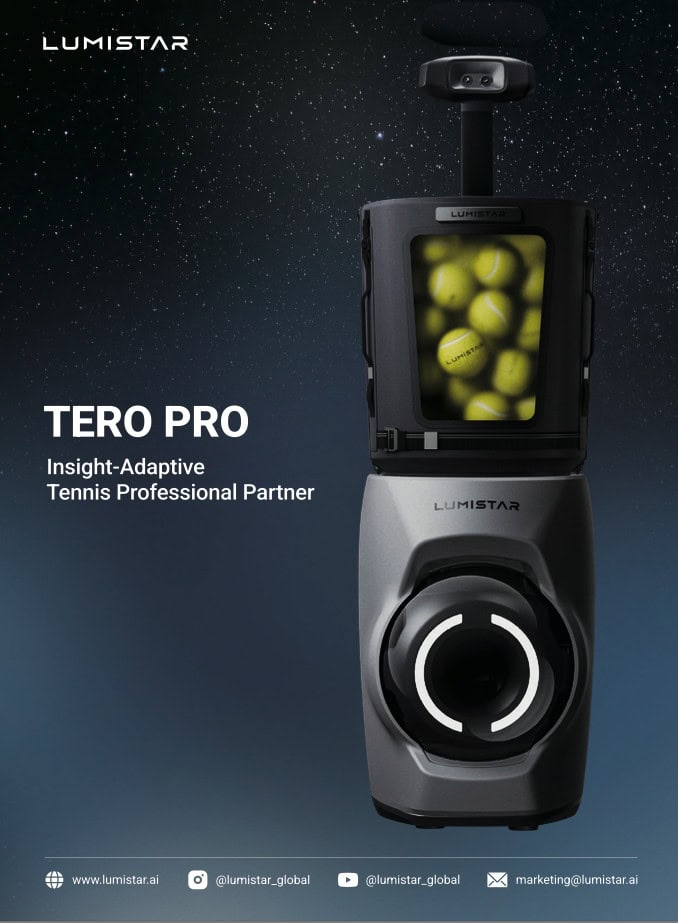
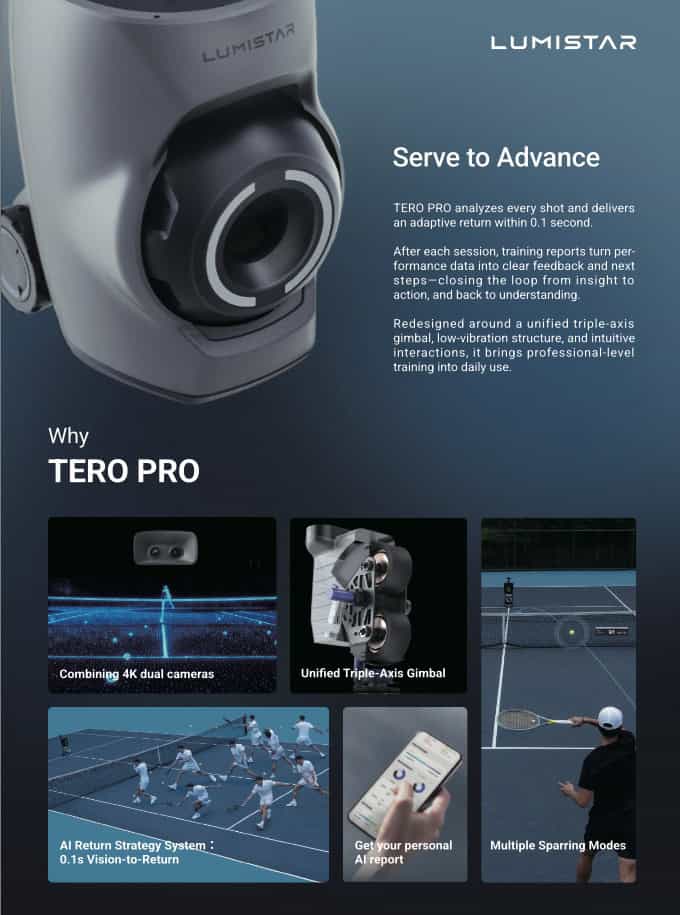
Lumistar Carry is part of a broader wave of sports gadget innovation. Alongside its sibling product TERO for tennis, it was showcased at CES 2026, emphasizing real-time adaptation over static training machines [TechTimes] [YouTube].

Market influence is significant:
- Accessibility: With a pre-sale in April 2026 and Kickstarter campaign in May, Lumistar aims to lower barriers to AI training tools, making them available to a wider audience [Lumistar.ai] [Longbridge].
- Consumer Interest: Record crowds at CES 2026 indicate strong demand for intelligent sports tech [Morningstar].
Looking ahead, the future directions for this technology are exciting:
- Multi-Sport AI: Expansion beyond basketball and tennis to other sports.
- Deeper Predictive Modeling: Enhanced injury prevention through advanced biomechanics analysis.
- Democratization of Elite Tech: Making pro-level training accessible to amateurs and schools.
As sports gadget innovation continues, Lumistar’s capabilities serve as a springboard for a more connected, intelligent athletic world.
Frequently Asked Questions

What is Lumistar Carry sports analytics?
Lumistar Carry is an AI-powered sports training system that uses computer vision and sensors to analyze basketball shooting in real-time. It provides adaptive feedback, form corrections, and data analytics to improve performance, as seen in its CES 2026 debut [Lumistar.ai].
How does the AI adapt training sessions?
The AI monitors player movement and shot trajectories, then adjusts drills dynamically. For example, if it detects fatigue or form issues, it might suggest tempo changes or specific exercises, creating a personalized coaching experience [AndroidGuys].
Is Lumistar Carry considered wearable tech?
While not worn on the body, its portable, movable design aligns with wearable training tech principles by offering easy setup and real-time tracking without fixed installations. It’s designed for seamless integration into training environments [PenBrief].
When will Lumistar Carry be available for purchase?
Pre-sales are scheduled for April 2026, followed by a Kickstarter campaign in May 2026. This rollout aims to make AI training tools more accessible to athletes and trainers [Longbridge].
Can Lumistar Carry help with injury prevention?
Yes, its performance tracking AI can flag fatigue and form deviations that may lead to injuries. By providing real-time corrections and monitoring progress, it helps athletes train safely and effectively [TechTimes].