

Meta AI Smartwatch: The Reboot Focused on AI & Health
Estimated reading time: 8 minutes
Key Takeaways
- Meta has boldly rebooted its smartwatch project after a 2022 cancellation, positioning it as a pivotal moment in wearable technology.
- The new device, internally called “Malibu 2,” is slated for release later in 2026 and is reimagined as an AI-first health and wellness device rather than a fitness tracker.
- This shift leverages advanced health tracking AI and a powerful ai assistant watch to differentiate from competitors.
- Past failures like the original smartwatch with detachable cameras were due to poor timing and resource allocation, not concept weakness.
- The reboot reflects Meta’s strategic focus on integrating AI across its ecosystem, aiming to capture the growing wearable market.
- Key features expected include real-time health monitoring, predictive analytics, and seamless integration with Meta’s social platforms.

Table of contents
- Meta AI Smartwatch: The Reboot Focused on AI & Health
- Key Takeaways
- Opening Hook: The AI-First Wearable Revolution
- Why Now? – The Strategic Context Behind Meta’s Smartwatch Reboot
- Meta’s Wearables Journey and Past Failures
- The AI and Health Focus: A New Direction
- Technical Innovations and Features
- Comparison with Competitors
- Market Implications and Future Outlook
- Frequently Asked Questions
Opening Hook: The AI-First Wearable Revolution
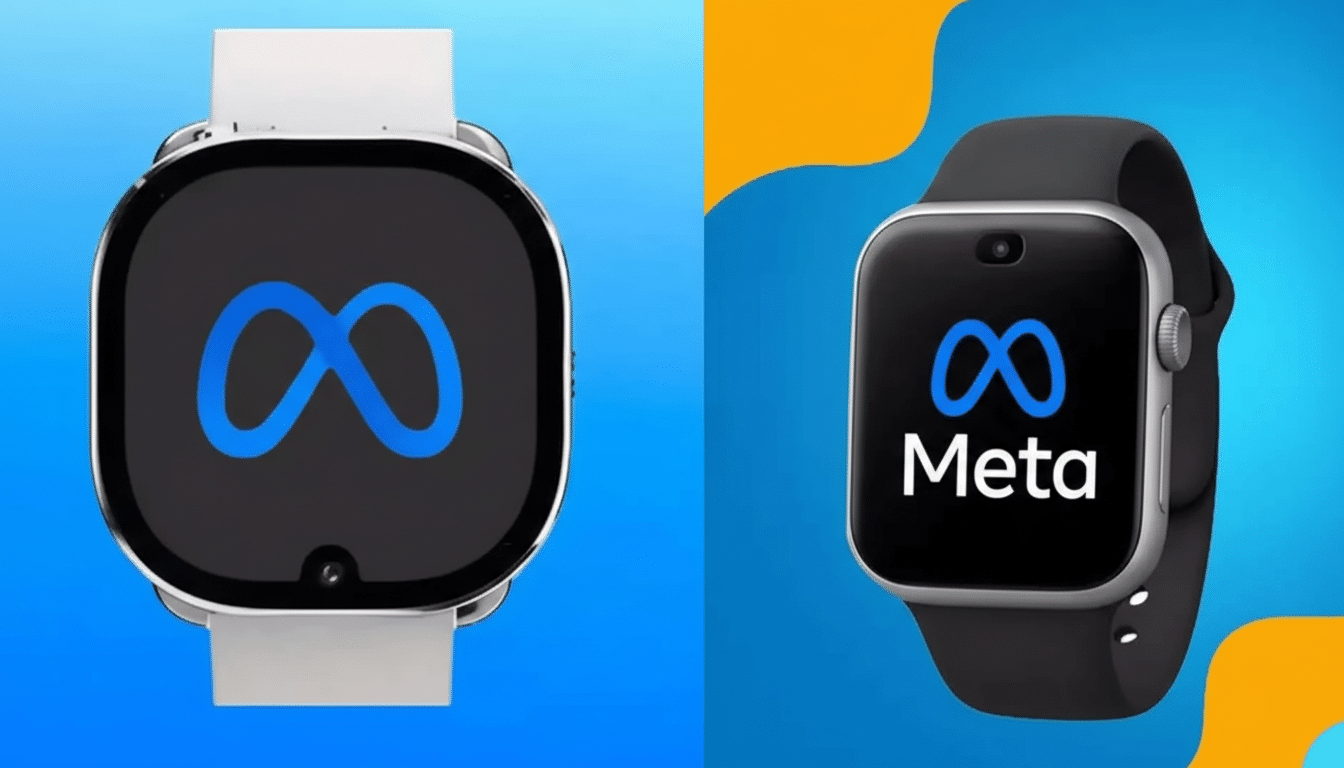
In a move that signals a major shift in wearable technology, Meta has announced the reboot of its smartwatch project after a 2022 cancellation, positioning this as a pivotal moment. This isn’t just a return to smartwatches—it’s a reimagining of them as AI-first health and wellness devices rather than mere fitness trackers. The meta ai smartwatch is at the heart of this transformation, slated for release later in 2026 under the internal code name “Malibu 2.” This strategic pivot emphasizes health tracking ai and an ai assistant watch that could redefine how we interact with technology on our wrists.

Imagine a device that not only tracks your steps but predicts health issues before they arise, powered by artificial intelligence. That’s the promise Meta is making, and it’s set to disrupt a market dominated by players like Apple and Samsung. This reboot comes after years of experimentation and failure, but with a renewed focus on AI, Meta aims to carve out a unique niche.
Why Now? – The Strategic Context Behind Meta’s Smartwatch Reboot
The timing of Meta’s smartwatch reboot is no accident. After several high-profile failures and a company-wide efficiency drive, Meta is leveraging its AI advancements to enter the wearable space with a fresh perspective. This section explores the reasons behind this move and what it means for the future of meta wearables 2026.
Meta’s Wearables Journey and Past Failures
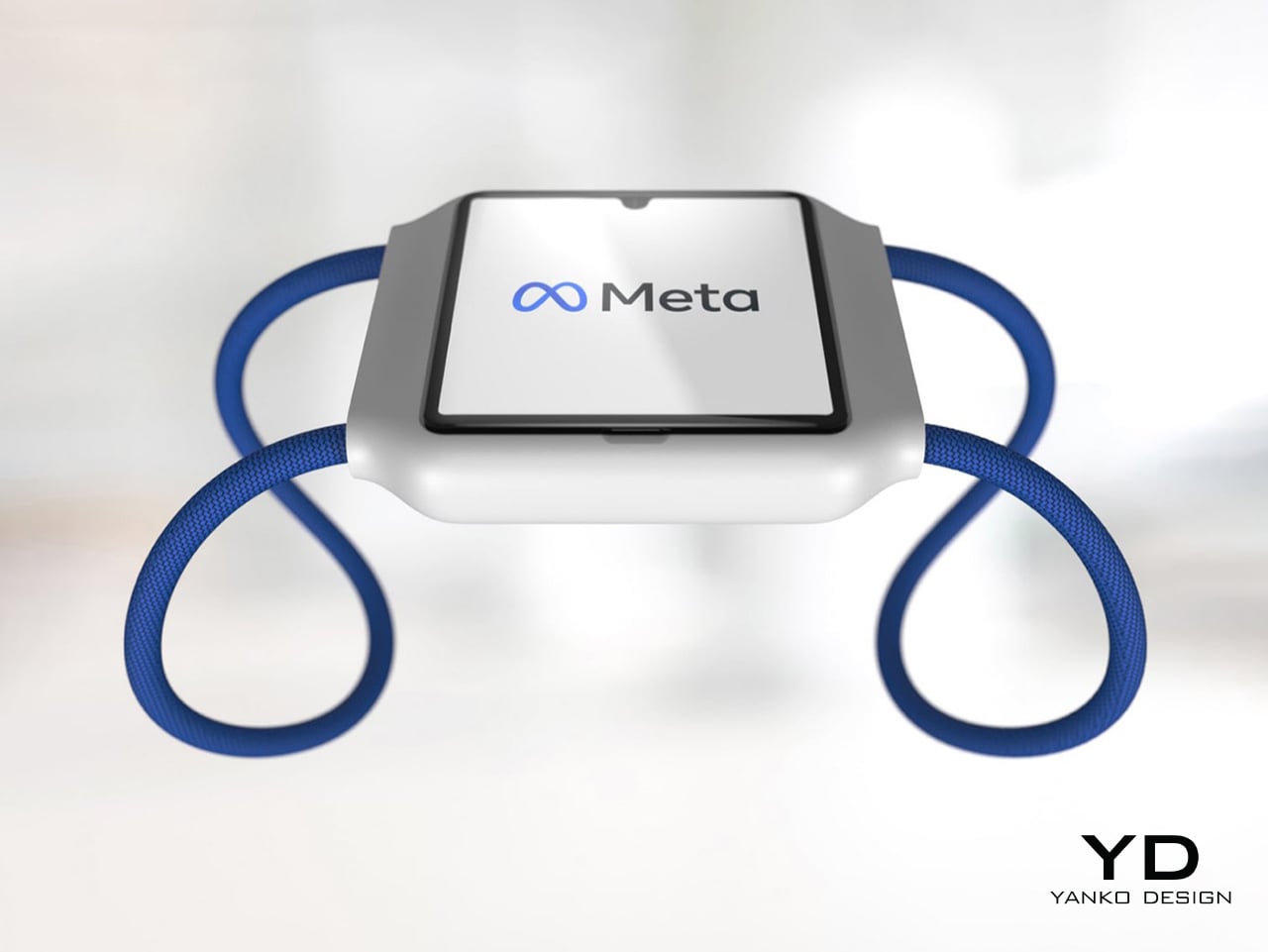
Meta’s history with wearables is a tale of ambition and setback. In 2022, the company halted two major projects: a smartwatch with detachable cameras and the Portal display, as part of cost-cutting measures. These failures weren’t due to weak concepts but poor timing and resource allocation during Meta’s “efficiency year.”
- The Original Smartwatch: Designed with unique features like cameras for social sharing, it was scrapped because the market wasn’t ready, and Meta prioritized other initiatives.
- The Portal Display: Aimed at smart home integration, it faced stiff competition and low consumer interest, leading to its cancellation.
- Lessons Learned: Meta realized that hardware alone isn’t enough; it needs a compelling software and AI backbone to succeed. This insight paved the way for the AI-focused reboot.
As one insider noted, “We had the pieces, but not the puzzle. Now, with AI, we can build something truly transformative.” This journey underscores Meta’s resilience and its commitment to innovation, even after stumbling.
The AI and Health Focus: A New Direction
Why pivot to AI and health? The answer lies in market trends and Meta’s core strengths. The global wearable market is expected to grow exponentially, with health monitoring becoming a key driver. Meta’s expertise in AI, through projects like its large language models, positions it uniquely to create a smartwatch that goes beyond fitness.
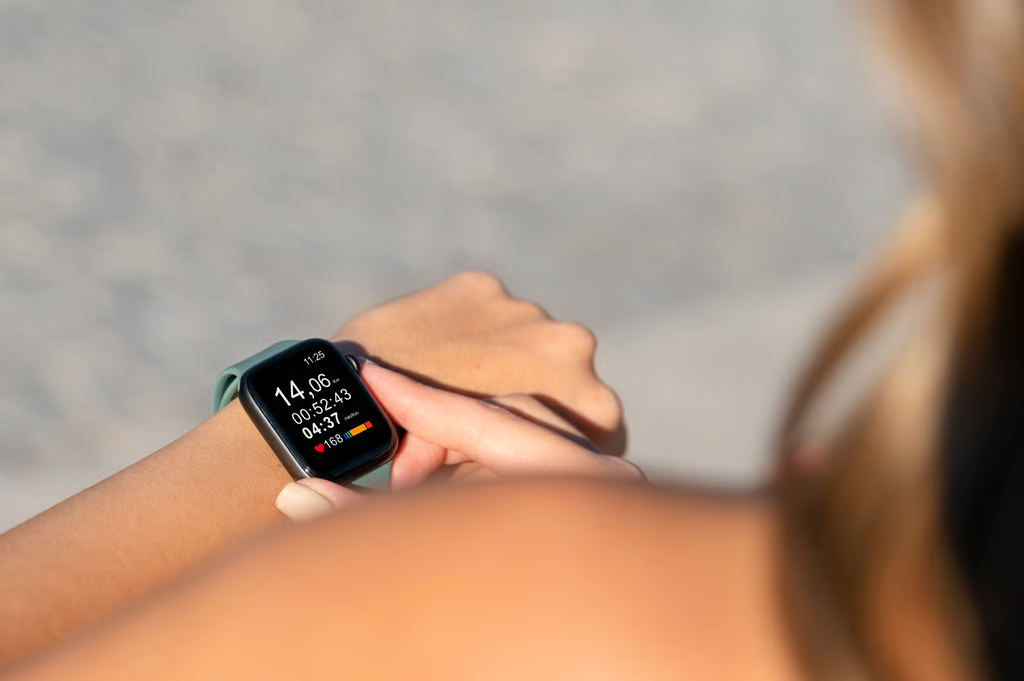
- Health Tracking AI: The watch will use advanced sensors and machine learning to monitor vital signs, detect anomalies, and offer personalized wellness advice.
- AI Assistant Watch: Integrated with Meta’s AI assistant, it will provide context-aware notifications, schedule management, and even mental health support through conversational interfaces.
- Preventive Care: By analyzing data over time, the device could alert users to potential health issues, aligning with the growing trend of preventive healthcare.
This focus on health and AI isn’t just a feature—it’s the foundation of Meta’s strategy to differentiate its smartwatch in a crowded market. As the lines between technology and wellness blur, Meta aims to be at the forefront.
Technical Innovations and Features
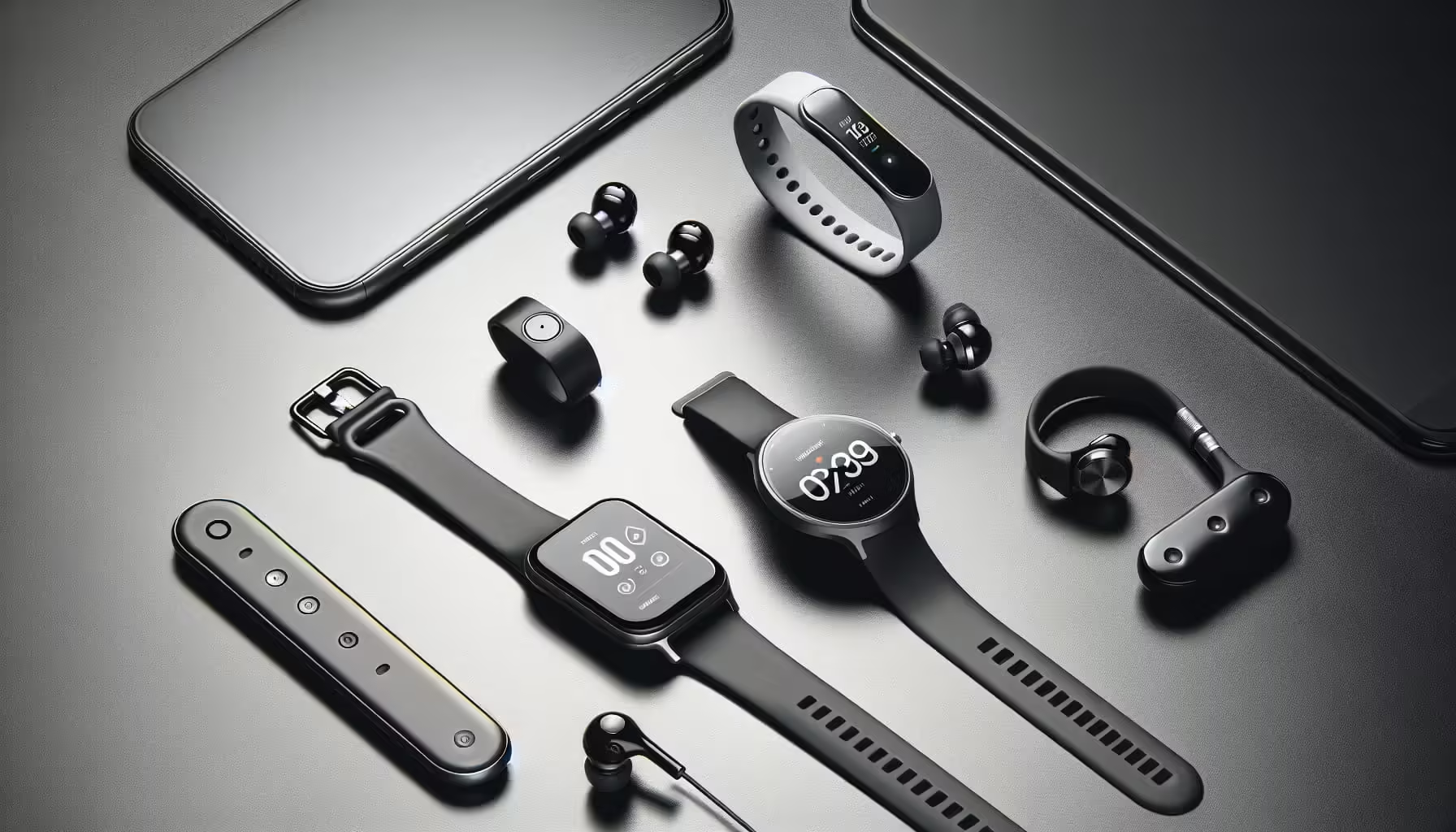
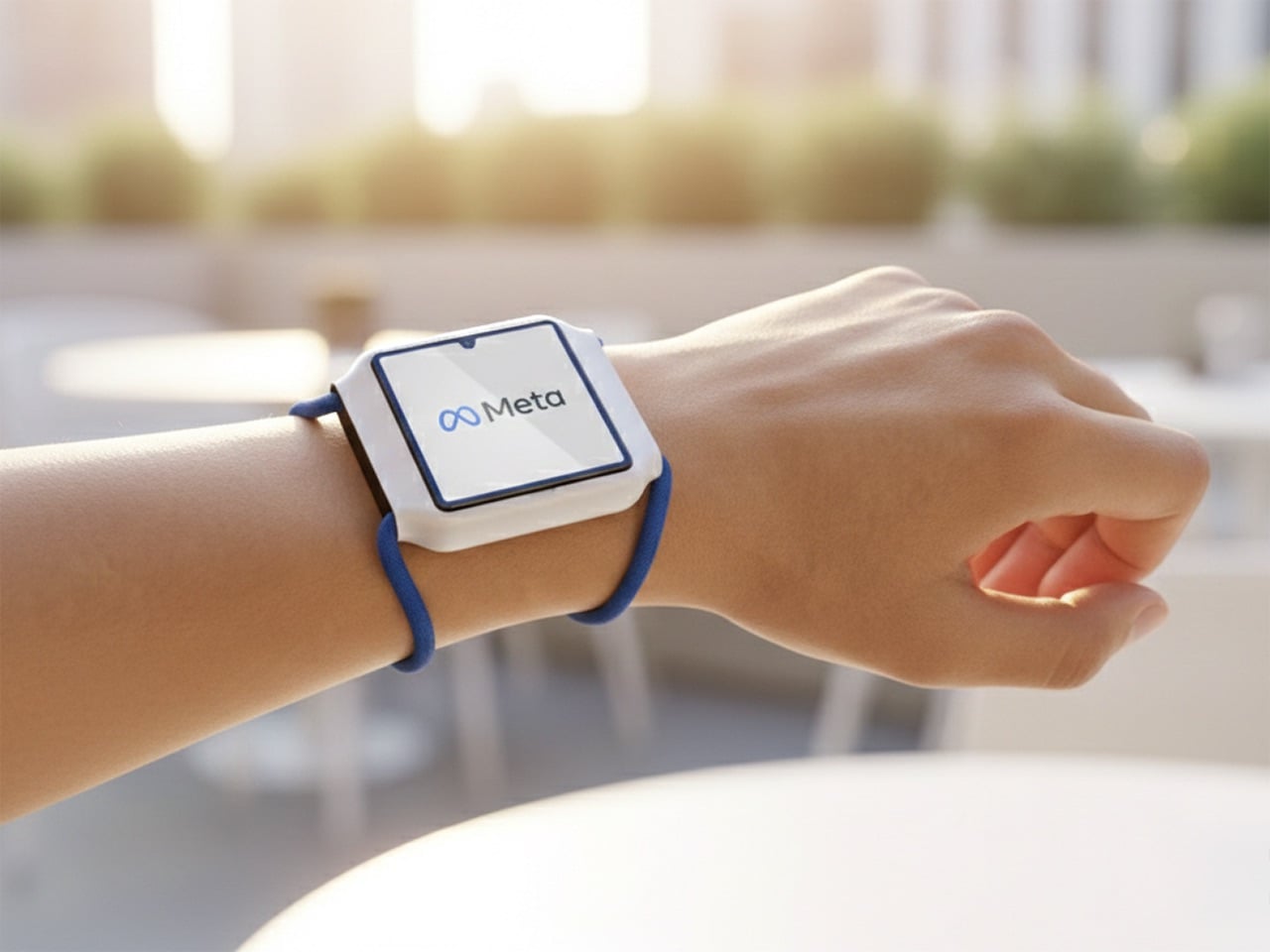
The Meta AI smartwatch, or “Malibu 2,” is rumored to pack cutting-edge technology that leverages Meta’s AI research. While full specs are under wraps, industry leaks and patents hint at what’s to come.
- Advanced Sensors: Expect ECG, blood oxygen monitoring, sleep tracking, and possibly non-invasive glucose monitoring, all enhanced by AI algorithms for accuracy.
- AI Chip Integration: A custom processor optimized for on-device AI tasks, ensuring fast and private health data processing without constant cloud reliance.
- Seamless Connectivity: Deep integration with Meta’s apps like Facebook, Instagram, and WhatsApp, allowing for smart notifications and social features tailored to user behavior.
- Battery Life: AI-powered power management to extend battery life, a common pain point in smartwatches, by learning usage patterns.
“The magic isn’t in the hardware alone; it’s in the AI that makes it smart,” says a tech analyst. This approach could set a new standard for what wearables can achieve, moving from passive tracking to active health management.
Comparison with Competitors
How does the Meta AI smartwatch stack up against established players like Apple Watch and Samsung Galaxy Watch? Let’s break it down.
- Apple Watch: Dominates with a robust ecosystem and health features, but lacks deep AI integration for predictive analytics. Meta’s focus on AI could offer a more proactive health experience.
- Samsung Galaxy Watch: Strong on fitness and compatibility with Android, but Meta’s social platform integration might appeal to users deeply embedded in its ecosystem.
- Fitbit and Others: Focus on fitness tracking; Meta’s AI health focus positions it as a more comprehensive wellness device.

Meta’s advantage lies in its AI prowess and vast user data, which can be leveraged to personalize health insights. However, privacy concerns will be a hurdle to overcome, given Meta’s history with data handling.
Market Implications and Future Outlook
The launch of the Meta AI smartwatch could reshape the wearable landscape. By 2026, the market for AI-driven health devices is projected to soar, and Meta’s entry could accelerate adoption.
- Consumer Adoption: If successful, it could attract users seeking advanced health monitoring beyond basic fitness, especially in aging populations.
- Industry Impact: Competitors may ramp up their AI efforts, leading to faster innovation and better products for consumers.
- Meta’s Ecosystem: The smartwatch could become a hub for Meta’s metaverse ambitions, bridging physical health with virtual interactions.

Challenges remain, including regulatory hurdles for health devices and user trust in AI recommendations. But with its resources, Meta is poised to make a significant impact. As the release date approaches, all eyes will be on how this meta ai smartwatch performs in real-world scenarios.
Frequently Asked Questions
What is the release date for the Meta AI smartwatch?
The Meta AI smartwatch, internally called “Malibu 2,” is slated for release later in 2026. Exact dates haven’t been announced, but it’s part of Meta’s broader AI hardware rollout.
How will the Meta AI smartwatch differ from other smartwatches?
It will focus on AI-first health and wellness, with advanced health tracking AI and an integrated ai assistant watch for proactive health management, rather than just fitness tracking. This includes predictive analytics and deep integration with Meta’s social platforms.
What are the key health features expected?
Expected features include real-time monitoring of vital signs like heart rate and blood oxygen, sleep analysis, stress detection, and potentially non-invasive glucose monitoring, all powered by AI for personalized insights.
Will the Meta AI smartwatch integrate with other Meta products?
Yes, it’s designed for seamless connectivity with Meta’s ecosystem, including apps like Facebook and Instagram, allowing for smart notifications and social features that enhance user engagement.
What are the privacy concerns with Meta’s AI smartwatch?
Given Meta’s data handling history, privacy will be a critical issue. The company has stated that health data will be processed with on-device AI where possible, and strict privacy controls will be implemented, but users should review policies carefully upon release.