
Meta Llama 4 AI Advancements 2025: Powering the Edge AI Revolution
Estimated reading time: 8 minutes
Key Takeaways
- Meta Llama 4 AI advancements 2025 introduce revolutionary open-weight models with native multimodality, a 10 million token context window, and enhanced multilingual support.
- The Mixture of Experts (MoE) architecture enables efficient on-device processing, paving the way for edge AI models for smartphones 2025 that offer real-time, privacy-focused applications.
- Meta Ray-Ban glasses AI features are supercharged by Llama 4’s multimodal capabilities, enabling AR navigation, voice assistants, and seamless smartphone integration.
- The Llama 4 release roadmap 2025 democratizes AI through open-source models, API access, and global updates across Meta’s apps, challenging proprietary systems.
- AI prediction markets for tech forecast Llama 4’s dominance in edge deployments, highlighting its potential to reshape industries like healthcare and retail.

Table of Contents
- Meta Llama 4 AI Advancements 2025: Powering the Edge AI Revolution
- Key Takeaways
- Introducing Meta’s AI Vision for 2025
- Core Advancements of Meta Llama 4 for 2025
- Powering Edge AI Models for Smartphones 2025
- Enhancing Meta Ray-Ban Glasses AI Features
- Llama 4 Release Roadmap 2025
- AI Prediction Markets for Tech: Forecasting the Impact
- FAQ: Frequently Asked Questions
Introducing Meta’s AI Vision for 2025
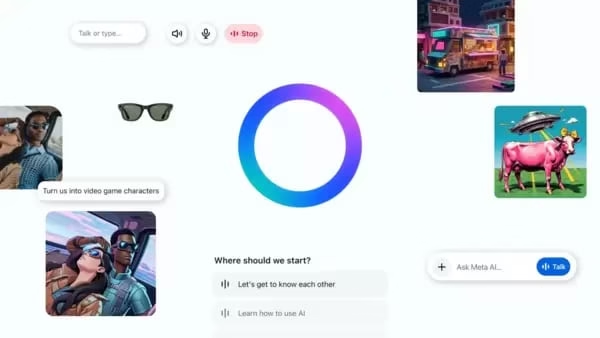
Imagine a world where your smartphone processes complex AI tasks instantly without needing the cloud, or your smart glasses understand and respond to your surroundings in real-time. This is the future Meta Llama 4 AI advancements 2025 are building toward. Meta’s ambitious strategy for 2025 centers on deploying cutting-edge, open-source AI models that bring multimodal intelligence directly to edge devices like smartphones and wearables. In this post, we’ll break down how these advancements enable technologies such as edge AI for smartphones and smart glasses, satisfying your curiosity about Meta’s roadmap and the capabilities of next-generation devices. The era of decentralized, privacy-first AI is here, and it’s powered by Llama 4.

Core Advancements of Meta Llama 4 for 2025
The Meta Llama 4 AI advancements 2025 represent a quantum leap in artificial intelligence, defined by the release of open-weight models—Scout, Maverick, and Behemoth. Unlike previous iterations, these models feature native multimodality via early fusion, seamlessly integrating text, image, and video data from the ground up. According to Meta’s official blog and TechCrunch, this allows for more coherent and context-aware responses, rivaling proprietary models like GPT-4o while remaining accessible to all.
- Massive Context Window: The Scout model boasts a staggering 10 million token context window, enabling it to process extensive documents, codebases, or long conversations efficiently. As noted by TechNewsWorld, this “length generalization” capability is a game-changer for industries like legal analysis or software development, where digesting large datasets is crucial.
- Enhanced Multilingual Support: Llama 4 supports over 200 languages with 10 times more tokens than Llama 3, as highlighted in Meta’s research. This means more accurate translations and culturally nuanced interactions, breaking down language barriers on a global scale.
- Efficient Mixture of Experts (MoE) Architecture: Models like Maverick utilize an MoE design with 400 billion total parameters but activate only 17 billion per query, as explained by TechNewsWorld. This makes them incredibly efficient, reducing computational costs and enabling deployment on resource-constrained devices.
- Performance Boosts: With speculative decoding, Llama 4 achieves 1.5x faster token generation, excelling in coding, reasoning, and image benchmarks. TechCrunch reports that these models match or surpass closed-source counterparts, while GigeNET’s guide emphasizes their open-source nature fostering innovation.
These Meta Llama 4 AI advancements 2025 are not just incremental updates; they’re foundational shifts that empower edge computing, setting the stage for the next sections.
Powering Edge AI Models for Smartphones 2025
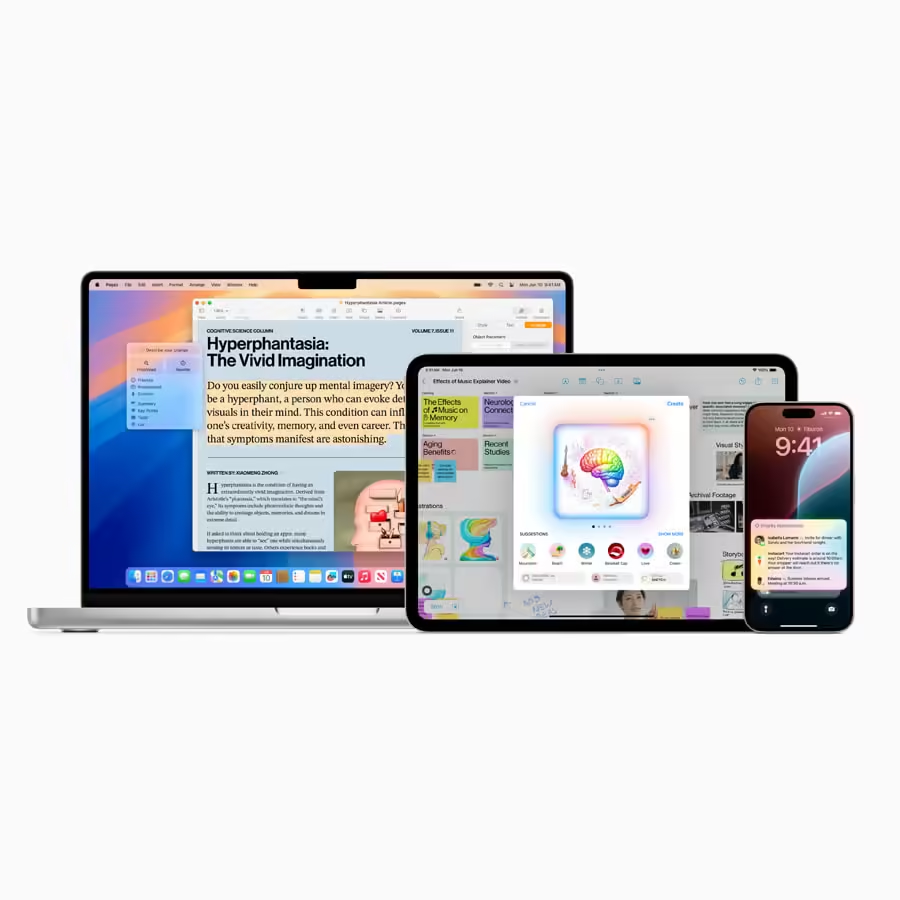
So, how do these advancements translate to your pocket? Edge AI refers to on-device processing that minimizes cloud dependency, enabling real-time, privacy-focused applications. As PenBrief outlines, this is revolutionizing smartphones. Edge AI models for smartphones 2025 are directly powered by Llama 4’s compact variants, such as Scout with 17 billion active parameters, optimized for mobile hardware.

According to Meta’s blog and TechCrunch, these models support offline tasks like:
- Real-time language translation without internet connectivity.
- Image and video analysis for augmented reality (AR) filters or object detection.
- Personalized app experiences that learn from your usage patterns locally.
The benefits are profound:
- Enhanced Privacy: Your data stays on your device, reducing risks of breaches or surveillance.
- Sub-Second Response Times: With no latency from cloud servers, AI interactions feel instantaneous.
- Length Generalization: The 10 million token context allows for tasks like summarizing entire research papers or multi-document analysis on the go, as per Meta’s insights.
Moreover, Meta’s API enables custom fine-tuning on user data, deployable to mobile platforms. TechNewsWorld and Interconnects.ai note that efficiency gains from MoE and interleaved attention make this feasible for consumer devices. This seamless integration of edge AI models for smartphones 2025 marks a shift toward intelligent, autonomous devices that respect user privacy.
Enhancing Meta Ray-Ban Glasses AI Features
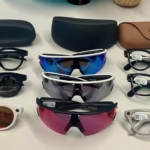
Beyond smartphones, Meta Ray-Ban glasses AI features are getting a massive upgrade with Llama 4. These wearables integrate multimodal capabilities for AR navigation, voice assistants, and context-aware suggestions, processing vision and audio directly on-device. As Meta explains and TechCrunch confirms, this means your glasses can identify objects, translate street signs, or recommend restaurants based on what you see and hear—all in real-time.
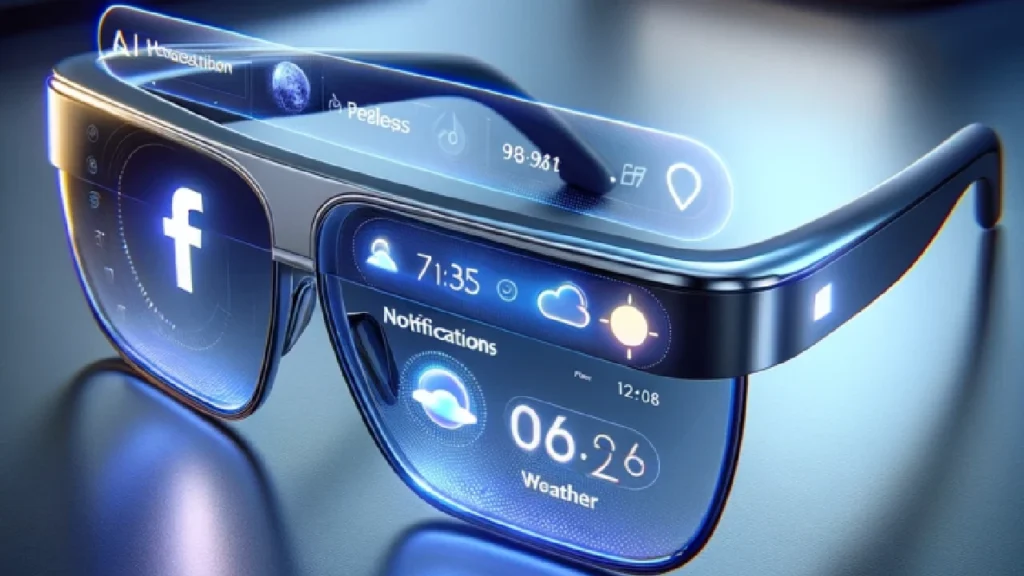
This ties directly into edge AI: glasses can offload complex tasks to paired smartphones, leveraging Llama 4 Scout’s visual understanding and 256K+ context window for richer interactions. Imagine walking through a city and getting instant historical facts about landmarks, powered by your glasses and phone working in harmony.
Key improvements include:
- Voice-Based Interactions: Llama 4’s conversational fluency and reduced bias, noted by TechNewsWorld and Meta’s future vision, enable more natural dialogues with your glasses’ assistant.
- Seamless Ecosystem: The integration between wearables and smartphones reinforces the power of edge AI models for smartphones 2025, creating a low-latency, privacy-centric network of devices.
These Meta Ray-Ban glasses AI features exemplify how Llama 4 is blurring the lines between digital and physical worlds, making AI an invisible, helpful companion.
Llama 4 Release Roadmap 2025
The rollout of these technologies follows a clear Llama 4 release roadmap 2025. According to TechCrunch, Scout and Maverick models were launched openly on Llama.com and Hugging Face in early 2025, with Behemoth still in training for even larger-scale tasks. Simultaneously, Meta AI has been updated across apps like WhatsApp, Messenger, and Instagram in 40 countries, as per Meta’s announcement.
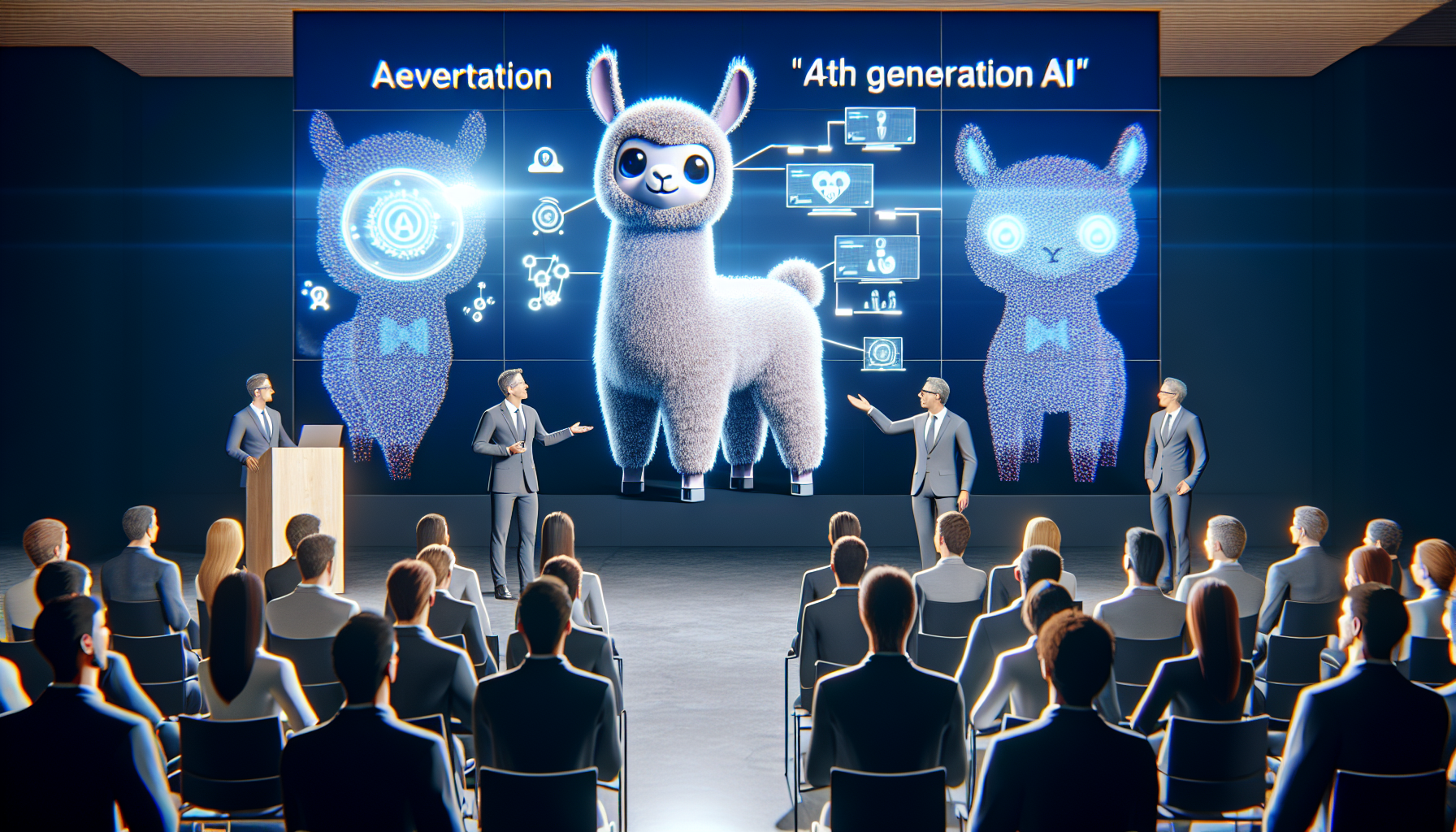
Upcoming milestones include:
- API Access for Fine-Tuning: Allowing developers to customize models for specific use cases, from healthcare diagnostics to creative design.
- Speech and Reasoning Innovations: Enhancements that will further improve multimodal interactions, as highlighted by TechNewsWorld.
- Community-Driven Updates: Including multilingual expansions and efficiency tweaks, detailed in GigeNET’s guide.
This roadmap democratizes AI, challenging proprietary models and scaling to edge deployments. TechNewsWorld calls it an “open-source AI tsunami” that empowers startups and enterprises alike to build innovative solutions without licensing barriers.
AI Prediction Markets for Tech: Forecasting the Impact
How do we gauge the real-world impact of these advancements? Enter AI prediction markets for tech—platforms that aggregate bets to forecast tech trends, providing insights into future adoption and impact. These markets project Llama 4’s influence on edge AI, predicting dominance in wearables and smartphones by betting on benchmarks.

For instance, markets highlight the adoption of 10 million token contexts in industries like healthcare for patient data analysis and retail for real-time personalization, as noted by TechCrunch and DC The Median. They also emphasize how MoE efficiency is reshaping autonomous systems, with Llama 4’s open-source nature accelerating industry shifts. Interconnects.ai and NAI500 point to cost reductions inspired by models like DeepSeek, making advanced AI accessible.
“Prediction markets offer a crowd-sourced crystal ball, and right now, they’re betting big on Llama 4 driving the edge AI revolution.”
By leveraging these AI prediction markets for tech, businesses can anticipate trends and invest in Llama 4-powered solutions early, staying ahead of the curve.
FAQ: Frequently Asked Questions

How will Llama 4 benefit smartphone users?
Llama 4 powers edge AI models for smartphones 2025 with on-device multimodality, a 10 million token context window for handling large documents, and fast inference for privacy-focused apps like real-time translation. As Meta details and TechCrunch confirms, this means faster, more secure AI experiences without cloud delays.
What AI features will Meta Ray-Ban glasses have in 2025?
Meta Ray-Ban glasses AI features in 2025 include Llama 4-driven AR overlays for navigation, voice assistants that understand context, and visual processing for object recognition—all synced with smartphones for low-latency ecosystems. Meta’s blog and TechCrunch describe these as seamless extensions of your digital life.
When is the full Llama 4 release?
The Llama 4 release roadmap 2025 has seen Scout and Maverick models launched in early 2025, with Behemoth forthcoming and ongoing updates across Meta’s apps. TechCrunch and Meta’s future post outline a phased approach, with community contributions shaping later releases.
How do AI prediction markets view Llama 4?
AI prediction markets for tech forecast strong edge AI adoption and efficiency gains for industries like retail and autonomy, betting on Llama 4’s open-source model to drive cost reductions and innovation. As DC The Median analyzes, these markets see Llama 4 as a key disruptor in the AI landscape.