
Meta Quest 4: Unveiling the Next Frontier in VR – Release Date, Specs, and Beyond
Estimated reading time: 8 minutes
Key Takeaways
- While no official announcement exists, the meta quest 4 headset release date is heavily rumored for late 2027 or 2028, following delays from earlier 2026 plans.
- Meta is prioritizing a new ultralight mixed-reality headset codenamed “Puffin” or “Phoenix” for early 2027, which has reshaped the Quest 4 timeline.
- The Quest 4 is expected to be a “large upgrade” over the Quest 3, focusing on immersive gaming, improved comfort, and advanced vr mixed reality updates.
- Future headsets may feature a quest pro 2 ai interface, enabling natural interactions through eye tracking, voice commands, and contextual awareness.
- Meta’s vision for spatial collaboration will be supercharged by next-gen hardware, transforming remote work with shared, persistent 3D spaces.
- Competition from Apple Vision Pro and Samsung Galaxy XR is influencing Meta’s roadmap, pushing for higher-end specs and software readiness.
Table of Contents
- The Quest 4 Buzz: What’s the Latest?
- Current Official Status and Leadership Focus
- Known Facts, Strong Rumors, and Wild Speculation
- Positioning Quest 4 in Meta’s Broader Roadmap
- The Quest Pro 2 AI Interface: A Glimpse into the Future
- VR Mixed Reality Updates: Bridging the Virtual and Real
- Spatial Collaboration: The Future of Remote Work
- Synthesis and Practical Advice: What Should You Do?
- Frequently Asked Questions
The air is electric with anticipation for the next leap in augmented and virtual reality. While Apple’s Vision Pro made waves and Samsung teased its Galaxy XR, all eyes are on Meta to respond with its next-generation headset. The burning question on everyone’s mind: when will the Meta Quest 4 arrive? Although Meta has not officially announced the meta quest 4 headset release date, recent leaks and internal memos point to a launch in late 2027 or 2028. This shift comes as Meta prioritizes a new ultralight mixed-reality headset for the first half of 2027, codenamed “Puffin” or “Phoenix,” which led to the cancellation of earlier Quest 4 prototypes like “Pismo Low” and “Pismo High.” The future of vr mixed reality updates and spatial collaboration hinges on these strategic moves, setting the stage for a transformative era in computing.
Current Official Status and Leadership Focus
Officially, Meta remains tight-lipped, but behind the scenes, the wheels are turning. Under leaders like Gabriel Aul (head of Metaverse) and Ryan Cairns (head of Horizon OS), the Quest 4 is described in internal communications as a “large upgrade” over the Quest 3, with a focus on immersive gaming and improved unit economics. No firm meta quest 4 headset release date exists, but the delay stems from a strategic pivot to lighter form factors. Previous plans for a 2026 launch were scrapped about six months ago to refocus resources.
Several factors are influencing this timeline:
- Component Supply: Meta is exploring OLED microdisplays from suppliers like SeeYa and BOE for future headsets, which could enhance visual fidelity but may affect availability.
- Software Readiness: The success of Horizon OS as an open platform is crucial, requiring robust development ahead of hardware launches.
- Competitive Pressure: With the Apple Vision Pro setting a high bar for premium MR and Samsung entering the fray, Meta is likely fine-tuning its specs to compete effectively.
As reported by UploadVR, this recalibration shows Meta’s willingness to delay for polish, ensuring the Quest 4 isn’t just iterative but revolutionary.
Known Facts, Strong Rumors, and Wild Speculation
Let’s separate the signal from the noise. Based on leaks, here’s what we know, what we strongly suspect, and what’s pure speculation.
Known Facts:
- Internal memos confirm active work on a gaming-focused next-gen Quest headset, following the prioritization of the ultralight “Phoenix” device.
- This development is underway, as noted in reports from Tom’s Guide and UploadVR.
Strong Rumors:
- Release Window: Post-2026, likely second half of 2027 or even 2028.
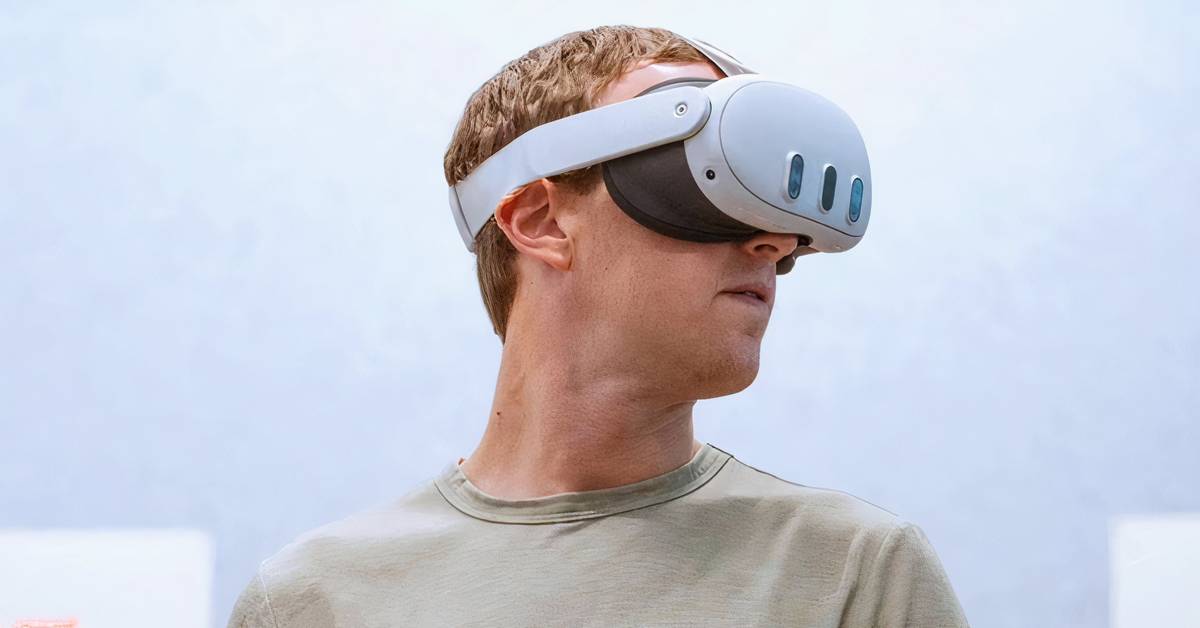
- Design: A lighter form factor than Quest 3, possibly using pancake lenses for slimmer profiles.
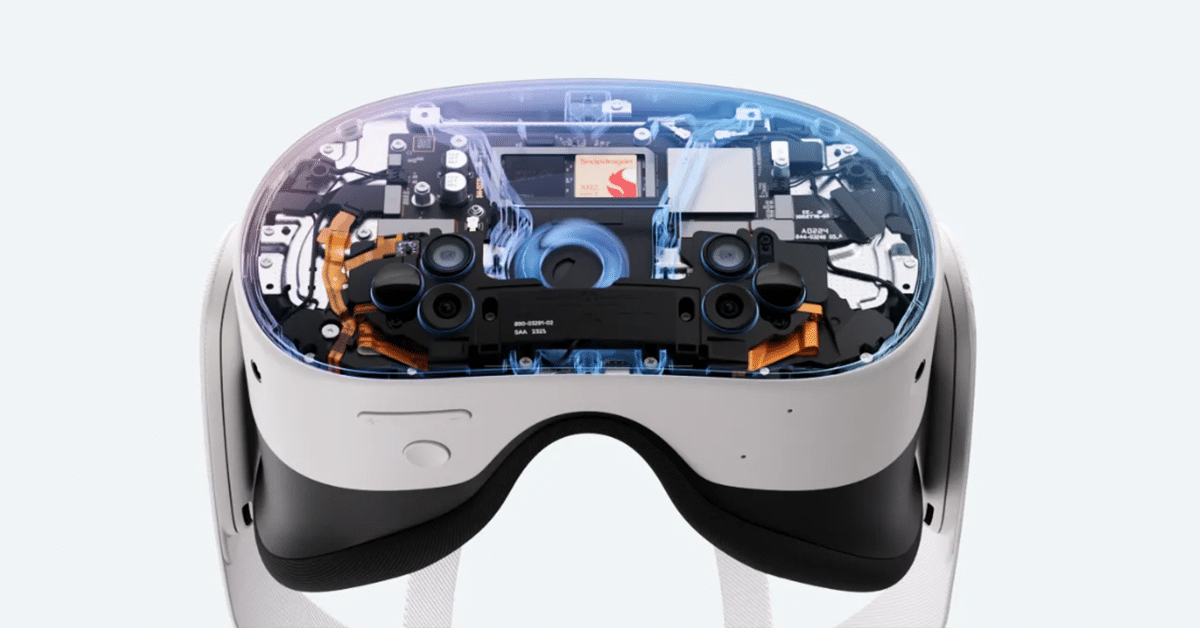
- Hardware: Snapdragon XR2 Gen 3 chip for enhanced AI and spatial computing tasks, a field of view exceeding 180°, and redesigned straps for comfort.
- Price: Could hover around $800, positioning it as a premium consumer device.
Wild Speculation:
- Controller-free input using advanced hand and eye tracking, potentially ditching traditional controllers altogether.
- A possible rebranding beyond the “Quest” name to position it as a full mixed-reality computing platform.
Historically, Meta’s release cadence averages about 2.5 years (Quest 2 in 2020, Quest 3 in 2023), but as UC Today notes, roadmap flexibility is key. Summarizing the timeline, the meta quest 4 headset release date remains fluid, but late 2027 or 2028 is the most consistent whisper in the tech corridors.

Positioning Quest 4 in Meta’s Broader Roadmap
The Quest 4 isn’t arriving in a vacuum. It follows the Quest 3 (2023) and Quest Pro (2022), acting as the high-end consumer successor amidst Meta’s pro and enterprise pivots. Expected upgrades include:
- Enhanced Displays: Higher pixels per degree for sharper visuals, though likely below Apple Vision Pro levels to maintain affordability.
- Improved Comfort: Designed for multi-hour use, critical for both gaming and productivity.
- On-Device AI: Smoother apps and meetings through local AI processing, reducing latency.
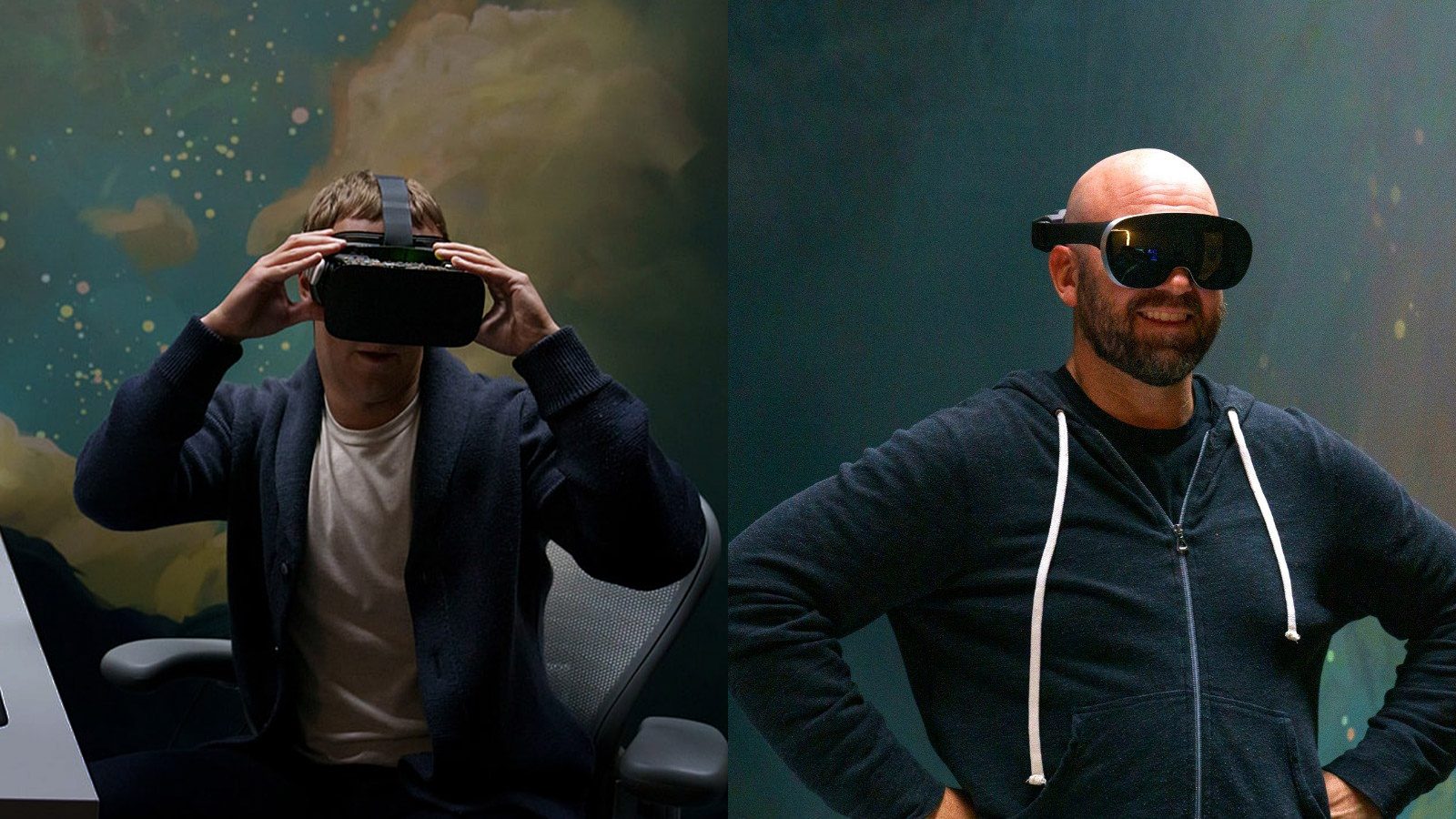
Meta’s roadmap also includes separate devices like the “Malibu 2” wearable for 2026 and the ultralight “Phoenix” headset. As per Tom’s Guide, “Phoenix” will feature a tethered puck battery and a VR-goggle style aimed at virtual screens, bridging the gap to the more powerful Quest 4. This layered approach shows Meta’s strategy: cover multiple form factors and use cases before unleashing its flagship gaming VR headset.
The Quest Pro 2 AI Interface: A Glimpse into the Future
While there’s no direct confirmation of a Quest Pro 2, rumors suggest any high-end enterprise successor would heavily feature a quest pro 2 ai interface. This AI interface represents a paradigm shift—from clunky controller-based UIs to natural interactions. Imagine:
- Productivity: Gesture-detected workflows where you manipulate 3D models with your hands.
- Social: Realistic avatars powered by eye and face tracking for authentic meetings.
- Immersion: Adaptive virtual scenes that respond to your voice commands and contextual awareness.
As detailed by UC Today, developments like native Windows 11 support on current Quests for multi-monitor passthrough may trickle down to the Quest 4, enhancing hybrid work. The quest pro 2 ai interface concept underscores Meta’s bet on AI as the core of future human-computer interaction.

VR Mixed Reality Updates: Bridging the Virtual and Real
Mixed reality (MR) is the sweet spot for Meta, blending virtual overlays with real-world passthrough via color cameras. Current vr mixed reality updates on Quest 3 and Pro have already boosted environmental understanding, depth sensing, and resolution. Use cases are expanding:
- Gaming: Object-aware interactions where virtual characters hide behind your real furniture.
- Productivity: Anchored virtual desks that stay put in your physical room.
- Home Design: Scale-accurate modeling of new furniture in your actual space.
The rapid evolution of VR headsets and how VR is transforming gaming and entertainment underscores the significance of these updates. For the Quest 4 and “Phoenix,” expectations include higher-resolution passthrough, advanced sensors for better spatial mapping, and possibly controller-free navigation. These vr mixed reality updates will make setting up and using MR as intuitive as putting on a pair of glasses.
Spatial Collaboration: The Future of Remote Work
Enter spatial collaboration—the killer app for enterprise VR. Defined as shared, persistent 3D spaces for remote work, it’s powered by Meta’s Horizon Workrooms and partnerships. Current tools support floating monitors and passthrough meetings, but the future is brighter:
- Hardware Advances: Better avatars, enhanced MR passthrough, and integrated AI will make interactions feel natural.
- Software Enablement: Grounded movement and stutter-free transitions between virtual and real elements.
This has immense value for professionals in training simulations, design reviews, and enterprise pilots where admin controls and security are paramount. As UC Today suggests, piloting Quest 3 now can prepare teams for 2027 readiness. The future of virtual reality is intrinsically linked to these collaborative, immersive workspaces, making spatial collaboration a cornerstone of Meta’s strategy.
Synthesis and Practical Advice: What Should You Do?
Tying it all together, the expected meta quest 4 headset release date around 2027-2028 will coincide with major leaps in vr mixed reality updates, the maturation of AI interfaces, and the realization of spatial collaboration. Meta’s ecosystem is eyeing lighter, AI-driven mixed reality as the next computing platform, with the Quest 4 delivering gaming upgrades after the ultralight 2027 launch.
So, what’s your move?
- For Enterprises: Consider buying Quest 3 or Quest 3S now to pilot MR and collaboration tools. This builds internal readiness for when the Quest 4 arrives with enhanced capabilities.
- For Gamers and Enthusiasts: If you prioritize top-tier gaming and resolution, waiting for the Quest 4 might be worth it. But if current MR experiences on Quest 3 suffice, dive in now.
As AI continues to shape technology, its integration into headsets like the Quest 4 will be a key driver of this new frontier. Stay tuned for more developments as the AR/VR landscape evolves at breakneck speed.
Frequently Asked Questions
Q1: When is the Meta Quest 4 coming out?
Based on leaks and internal memos, the Meta Quest 4 is likely to launch in late 2027 or 2028. This follows Meta’s decision to prioritize an ultralight mixed-reality headset for early 2027, delaying earlier 2026 plans.
Q2: What will be the key improvements in the Quest 4 over the Quest 3?
Expect a “large upgrade” with a lighter design, Snapdragon XR2 Gen 3 chip for AI tasks, pancake lenses, a field of view over 180°, and enhanced comfort for longer use. Mixed reality capabilities will also see significant boosts.
Q3: Will the Quest 4 have controllers?
It’s speculative, but rumors suggest Meta might explore controller-free input using advanced hand and eye tracking, though traditional controllers could still be an option for compatibility.
Q4: How does the Quest Pro 2 AI interface relate to the Quest 4?
While the Quest Pro 2 is unconfirmed, the AI interface concepts—like natural interactions via eye tracking and voice commands—are expected to influence all future Meta headsets, including the Quest 4, especially for enterprise features.
Q5: What is spatial collaboration, and why does it matter?
Spatial collaboration refers to shared, persistent 3D spaces for remote work, enabling more immersive meetings and design reviews. It matters because it could transform how teams collaborate remotely, making interactions more intuitive and productive.
Q6: Should I buy a Quest 3 now or wait for the Quest 4?
If you’re an enterprise looking to pilot mixed reality and collaboration tools, buying a Quest 3 now is wise. For gamers seeking the absolute latest specs, waiting until late 2027 or 2028 for the Quest 4 might be better, but expect a higher price point.