
Motorola AI Device Lineup: Your Guide to Smart, Connected Hardware
Estimated reading time: 9 minutes
Key Takeaways
- The Motorola AI device lineup represents a strategic push into intelligent, ecosystem-driven hardware, blending budget smartphones with moto things accessories like the moto watch and moto pen ultra.
- Core smartphone AI features in models like the moto g (2026) focus on practical enhancements: AI camera optimization, adaptive refresh rates, and RAM Boost for seamless multitasking.
- Motorola is carving a unique niche by prioritizing accessory integration and practical, on-device AI over heavy generative AI, making intelligent features accessible in the mid-range and budget segments.
- The vision of expansive connected ecosystems is powered by UWB, moto ai, and cross-device intelligence, enabling fluid handoffs and a unified user experience across phones, watches, and pens.
- Leaked roadmaps and CES 2026 previews signal a future of deeper AI integration, with new form factors and advanced generative tools, positioning Motorola for significant growth in the AI hardware space.
Table of contents
- Motorola AI Device Lineup: Your Guide to Smart, Connected Hardware
- Key Takeaways
- The Rise of Intelligent Hardware
- Deep Dive: The Motorola AI Device Lineup
- Device Intelligence Trends: How Motorola Stacks Up
- Connected Ecosystems: The Smart Network
- The Future of the Motorola AI Lineup
- Frequently Asked Questions
The Motorola AI device lineup is more than just a collection of new phones; it’s a declaration of intent in the rapidly evolving world of on-device artificial intelligence. This growing family includes smartphones like the moto g (2026) and a suite of moto things accessories—the moto watch, moto pen ultra, and moto tag 2—all designed to integrate AI for enhanced performance, connectivity, and user experience. As demand for intelligent hardware surges, this post serves as your comprehensive guide to understanding Motorola’s role in shaping the future of smartphone AI features and connected ecosystems.
AI is no longer a luxury in modern smartphones; it’s the engine for innovation. Motorola’s approach, particularly with its budget-friendly G-series, highlights a push toward creating intelligent, ecosystem-driven experiences that don’t break the bank. From AI-enhanced cameras that capture the perfect shot to displays that adapt to your content, the foundation is being laid for a more intuitive interaction with our devices. This leads to a compelling question: What does Motorola’s latest lineup reveal about the future of accessible, everyday AI hardware?
Deep Dive: The Motorola AI Device Lineup
At the heart of Motorola’s strategy are devices that bring meaningful AI enhancements to mainstream users. Let’s break down the key players.
moto g (2026): The Budget AI Powerhouse
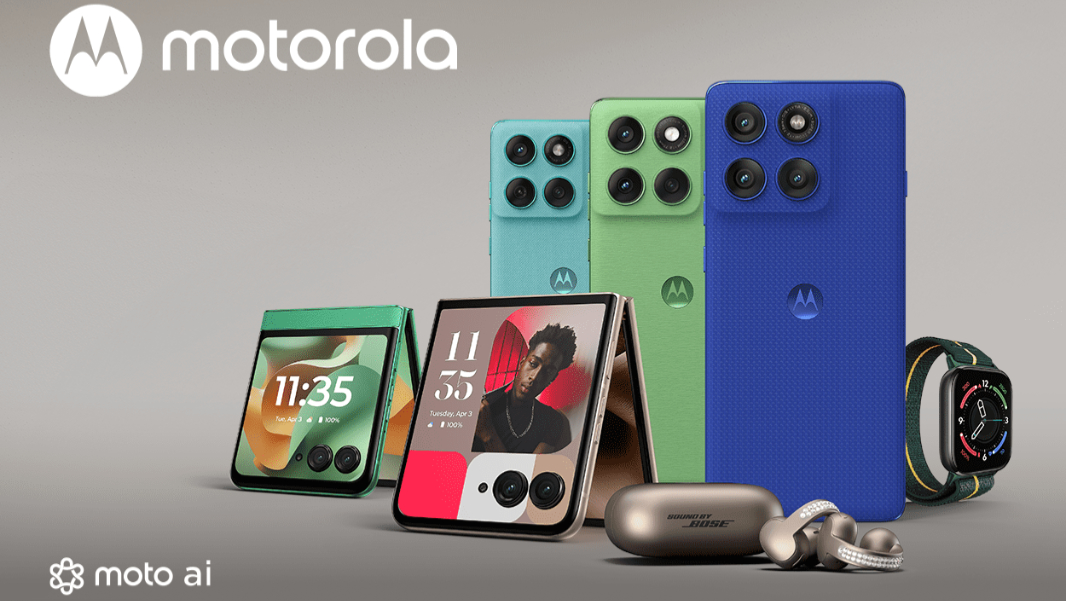
Defined as a budget-friendly smartphone, the moto g (2026) is a cornerstone of the Motorola AI device lineup. Its intelligence is practical and performance-oriented:
- AI Camera: The camera system automatically adjusts settings for optimal shots and power savings, processing images efficiently on-device for privacy and speed.
- Adaptive 120Hz Display: Provides smooth scrolling and responsive touch, a feature once reserved for premium models.
- RAM Boost & Efficient 5G: Uses software to convert storage into virtual RAM for better multitasking, while a 6nm chipset delivers efficient 5G connectivity.
These smartphone AI features demonstrate a focus on enhancing core user experiences—photography, display smoothness, and app performance—without requiring cloud dependency.
moto g play (2026): AI for Efficiency
The moto g play (2026) doubles down on intelligent efficiency. Its AI-driven refresh rate adaptation dynamically switches between 120Hz for smooth interaction and 60Hz to conserve battery when static content is on screen. Powered by a MediaTek Dimensity 6300 chipset, it offers faster image processing to reduce noise in photos. Combined with RAM Boost, it enables a form of predictive multitasking, keeping your experience seamless as you jump between apps.

moto things: Accessorizing with Intelligence
Motorola’s vision extends beyond the phone with its moto things franchise. These aren’t just add-ons; they’re intelligent companions:
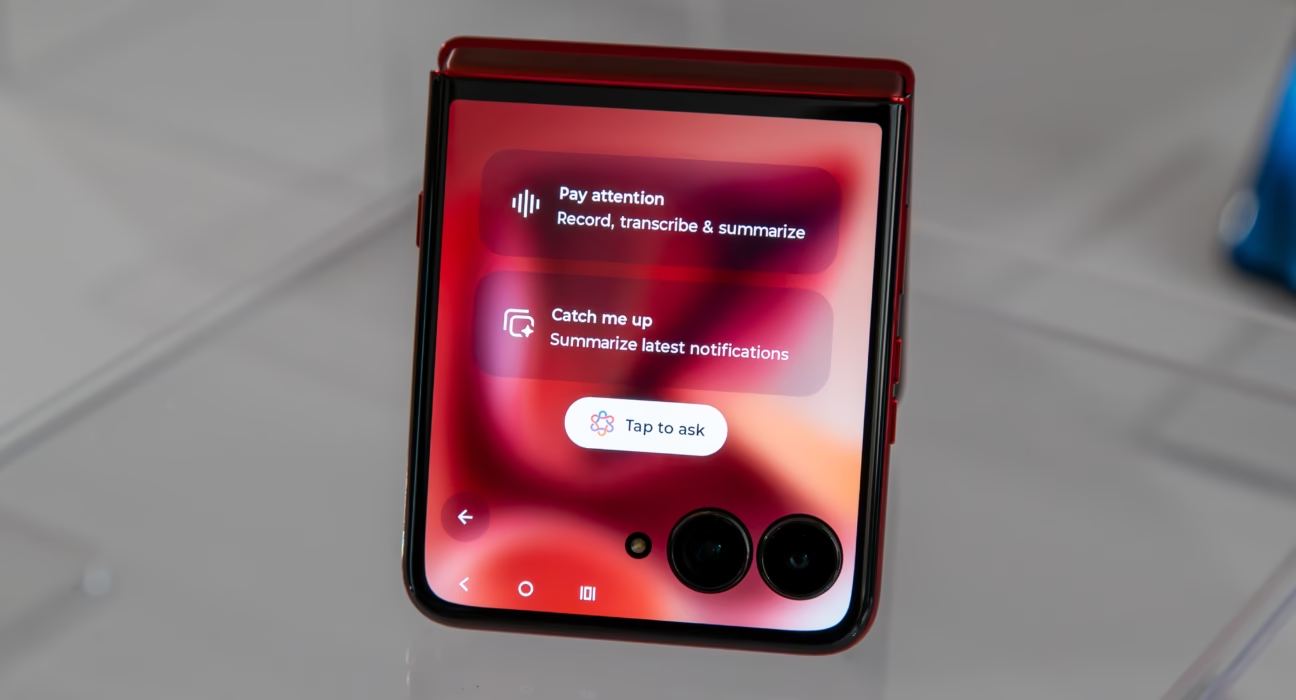
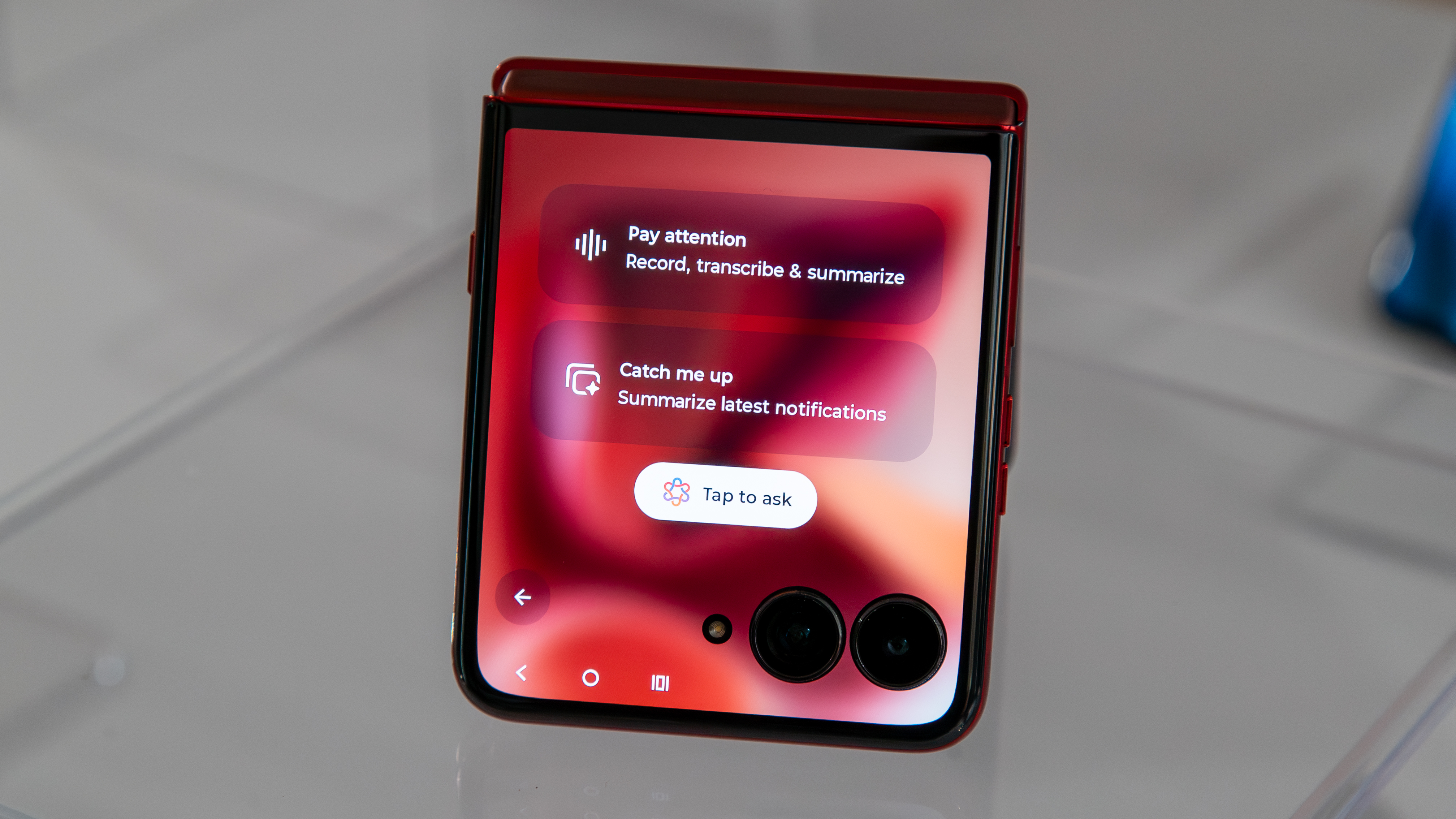
- moto watch: This powerful AI-powered wearable uses moto ai to generate “Catch me up” summaries of your notifications, tracks wellness via Polar-powered metrics (heart rate, sleep, stress), and delivers audio notifications for a glance-free experience.
- moto pen ultra: A stylus supercharged with AI tools. Features include Quick Clip for highlighting and saving notes, Speed Share for smart suggestions on what to share, Sketch to Image for turning doodles into generative visuals, and deep integration with Google’s Circle to Search.
- moto tag 2: A compact tracker that plays a crucial role in connectivity within the ecosystem, leveraging precise finding technologies.
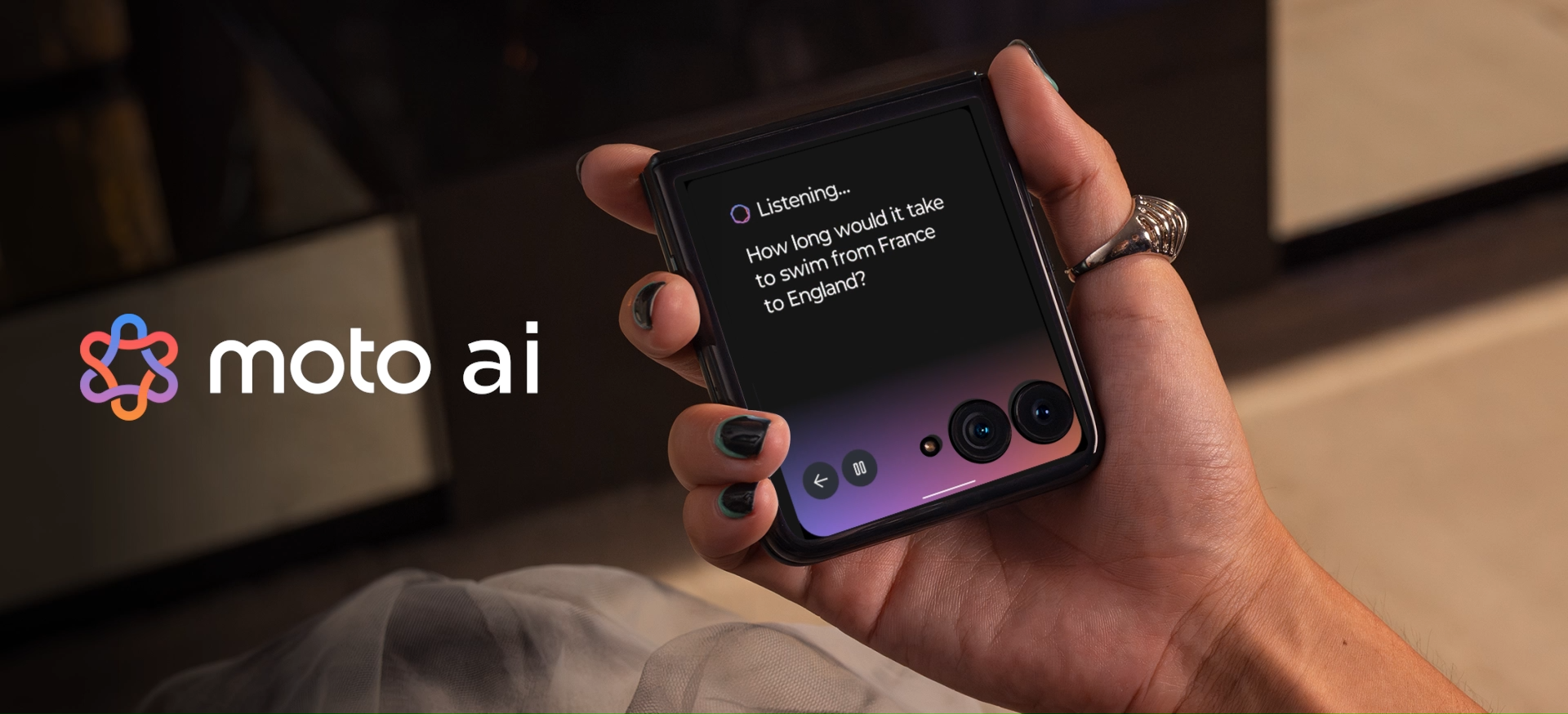
Cross-Device Integration: The Glue That Binds
The true magic happens when these devices work together. AI-optimized battery management, Dolby Atmos audio tuning, and Ultra-Wideband (UWB) connectivity create a cohesive experience. Imagine starting a call on your moto g (2026) and seamlessly handing it off to a moto sound flow speaker as you walk into the room. This fluid transition, powered by smartphone AI features and robust connectivity, is the hallmark of a mature ecosystem.
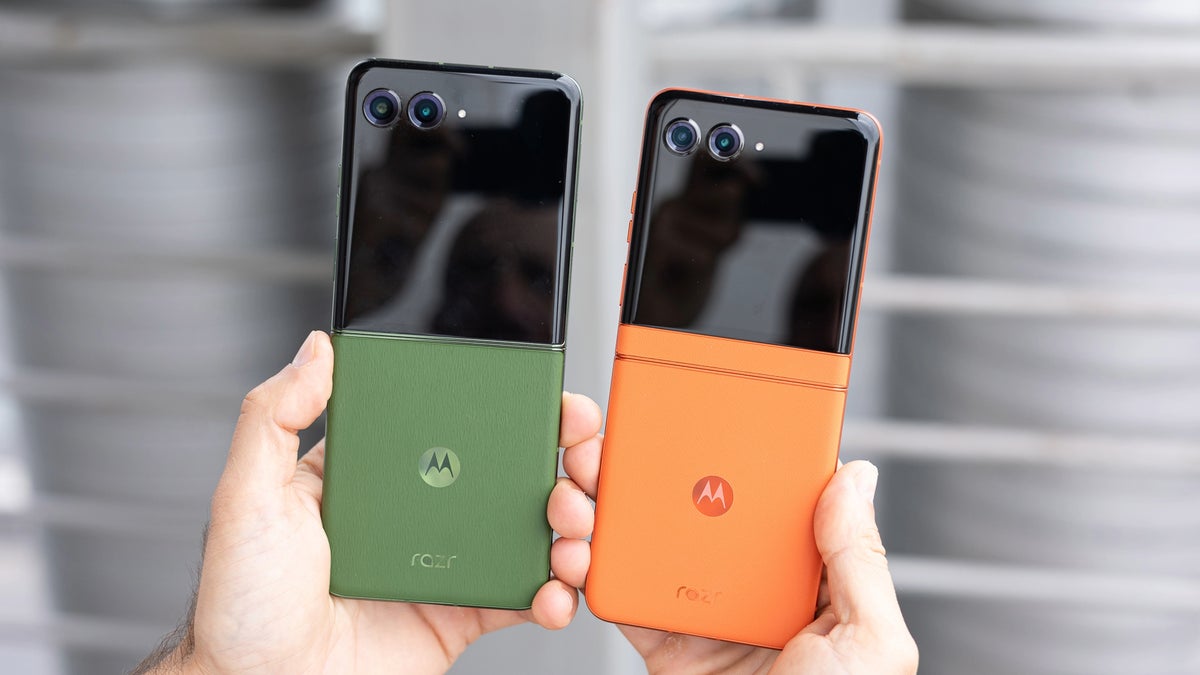
Device Intelligence Trends: How Motorola Stacks Up
The broader industry is racing toward more efficient chipsets, robust on-device processing, predictive multitasking, and ubiquitous 5G connectivity. Motorola’s G-series aligns with these device intelligence trends through features like adaptive displays and RAM optimization .
However, Motorola’s approach carves a distinct path. While premium rivals chase generative AI for content creation, Motorola focuses on practical, affordability-focused intelligence in its mid-range devices. Think AI camera tweaks for better low-light shots, noise reduction algorithms, auto-adjusting refresh rates for battery life, and virtual RAM for performance. Its divergence is clear: prioritizing a web of smart accessories over embedding heavy generative AI models into flagship phones .
The table below contrasts Motorola’s current focus with general industry trends:
Motorola’s AI Emphasis (G-Series & moto things)
- On-device camera AI (optimization, noise reduction)
- AI-driven display refresh rates
- RAM Boost & predictive app handling
- Ecosystem intelligence via accessories (watch, pen)
- UWB for seamless device handoffs
Common Industry AI Trends
- Generative AI for text, images, and video
- Advanced voice assistants with contextual awareness
- Privacy-focused on-device processing for sensitive data
- AI-powered computational photography in flagships
- Standalone large language models (LLMs) on device
.jpg "Discover the Amazing Motorola AI Device Lineup: Your Essential Guide 7")
This contrast highlights Motorola’s niche: delivering accessible intelligence that enhances daily utility rather than chasing speculative AI benchmarks.
Connected Ecosystems: The Smart Network
Connected ecosystems represent the next frontier, and Motorola is building its own intelligent network. This ecosystem links smartphones and moto things using UWB, Bluetooth Channel Sounding, and integration with platforms like Google’s Find My Device network. The moto tag 2, for instance, uses these technologies for precise item tracking with a remarkable 500-day battery life. This intelligent networking is part of the broader evolution toward smart, secure environments, much like advancements seen in AI-powered security cameras.
AI is the central nervous system of this ecosystem:
- The moto watch uses moto ai to summarize your day, pulling data from your phone.
- The moto pen ultra can instantly share sketches or AI-generated images to your paired smartphone.
- Wellness data from the watch can inform audio settings on your phone for a calming playlist after a stressful day.
- Automated routines can trigger notifications across devices or adjust audio output based on your location and activity.

Consider this scenario: You sketch a product idea on your moto pen ultra, use “Sketch to Image” to generate a realistic mockup, then send it to your moto g (2026) to share with colleagues. Later, your moto watch provides a “Catch me up” summary of their responses. This seamless flow is the value proposition of a true connected ecosystem, and the Motorola AI device lineup is designed to make it a reality.
The Future of the Motorola AI Lineup
Synthesizing current device intelligence trends points toward significant expansion for Motorola. Leaks have already outlined a broader 2026 portfolio, including models like the Razr 70, G17, G77, G Power (2026), and continued growth in moto things .
Speculation and early demos suggest deeper integrations are on the horizon:
- Advanced Generative AI in Accessories: The moto pen ultra’s “Sketch to Image” is just the beginning. Future iterations could offer more sophisticated generative tools for creation and design directly from the stylus.
- New AI Wearable Form Factors: CES 2026 previews hinted at concepts like an AI-powered necklace, acting as a companion for notifications, translations, and personal assistance, pushing intelligence further into the background of daily life .
- Deeper Ecosystem Ties: Enhanced UWB and sensor fusion could lead to phones that act as hubs for predictive sensing, automatically adjusting your environment or triggering routines based on the location of your watch, tag, or pen .
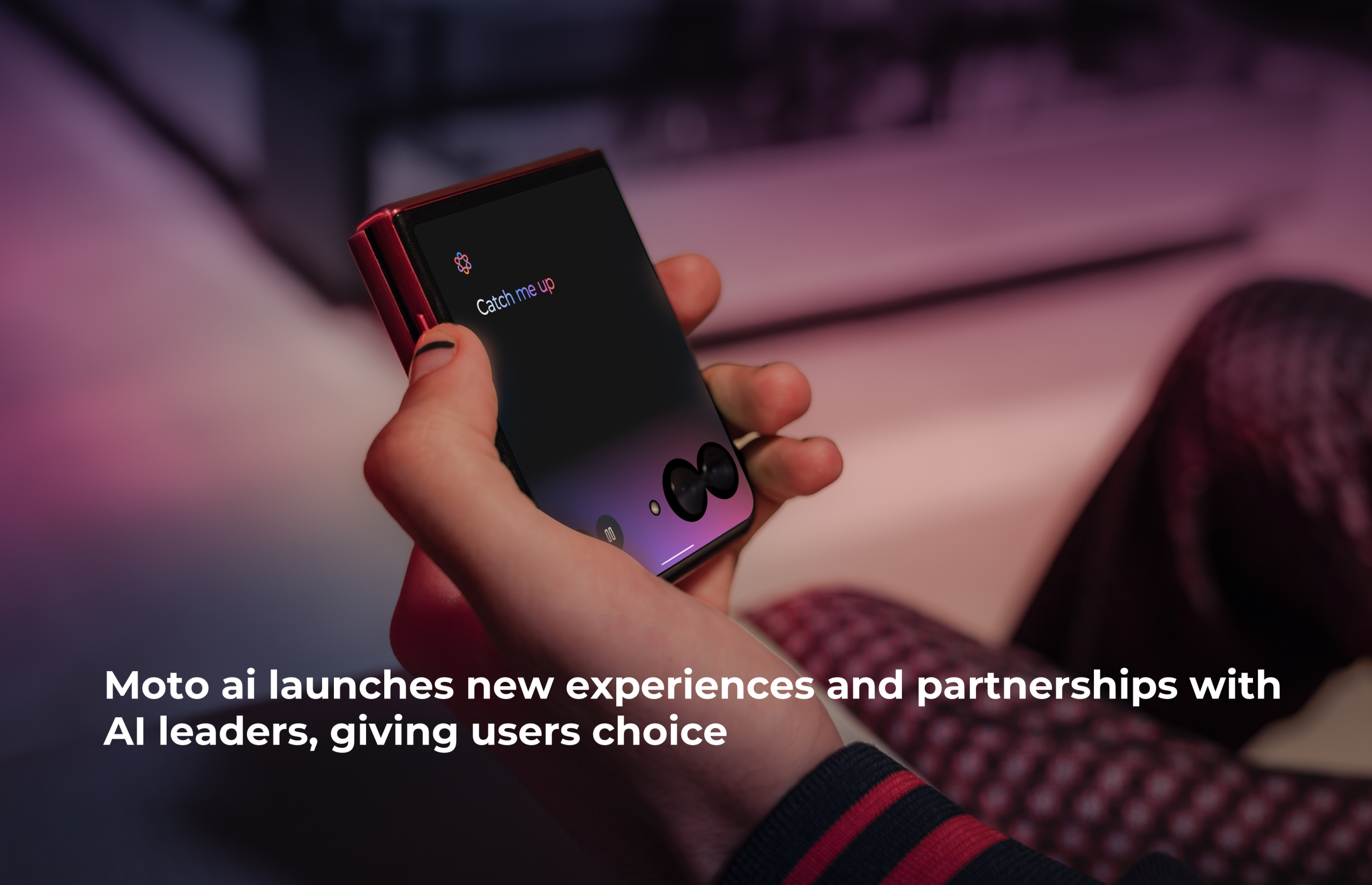
This trajectory positions Motorola not just as a smartphone maker, but as a architect of holistic, AI-infused hardware ecosystems, making intelligent connectivity more tangible for everyone.
Frequently Asked Questions
What is the Motorola AI device lineup?
The Motorola AI device lineup refers to Motorola’s current and developing range of smartphones and “moto things” accessories that integrate artificial intelligence to enhance performance, camera capabilities, battery life, and cross-device connectivity. It includes phones like the moto g (2026) and accessories like the moto watch and moto pen ultra.
What are the key smartphone AI features in the new moto g phones?
Key smartphone AI features in the moto g (2026) and moto g play (2026) include AI-powered camera optimization for better photos, adaptive refresh rate displays (120Hz down to 60Hz) for smooth visuals and battery savings, and RAM Boost technology that uses storage as virtual RAM for improved multitasking.
How does Motorola’s AI approach differ from Samsung or Google?
While companies like Samsung and Google heavily promote generative AI (e.g., for writing, image generation), Motorola’s current AI focus is more on practical, on-device enhancements for mid-range and budget devices. This includes camera tweaks, display optimization, and building intelligence through a connected ecosystem of accessories rather than relying solely on cloud-based or flagship-only AI models.
What is needed to use the moto things accessories and their AI features?
To fully utilize moto things accessories like the moto watch or moto pen ultra, you’ll need a compatible Motorola smartphone running the appropriate software. The AI features, such as the watch’s “Catch me up” summaries or the pen’s Sketch to Image, are enabled through the moto ai platform and companion apps that sync data across the connected ecosystem.
Where can I learn more about upcoming Motorola AI devices?
For the latest official information, check Motorola’s website. To track rumors and leaks, following reputable tech news sites is recommended. This blog will also be updated with new information on the evolving Motorola AI device lineup as more details on leaked models and official announcements surface.