

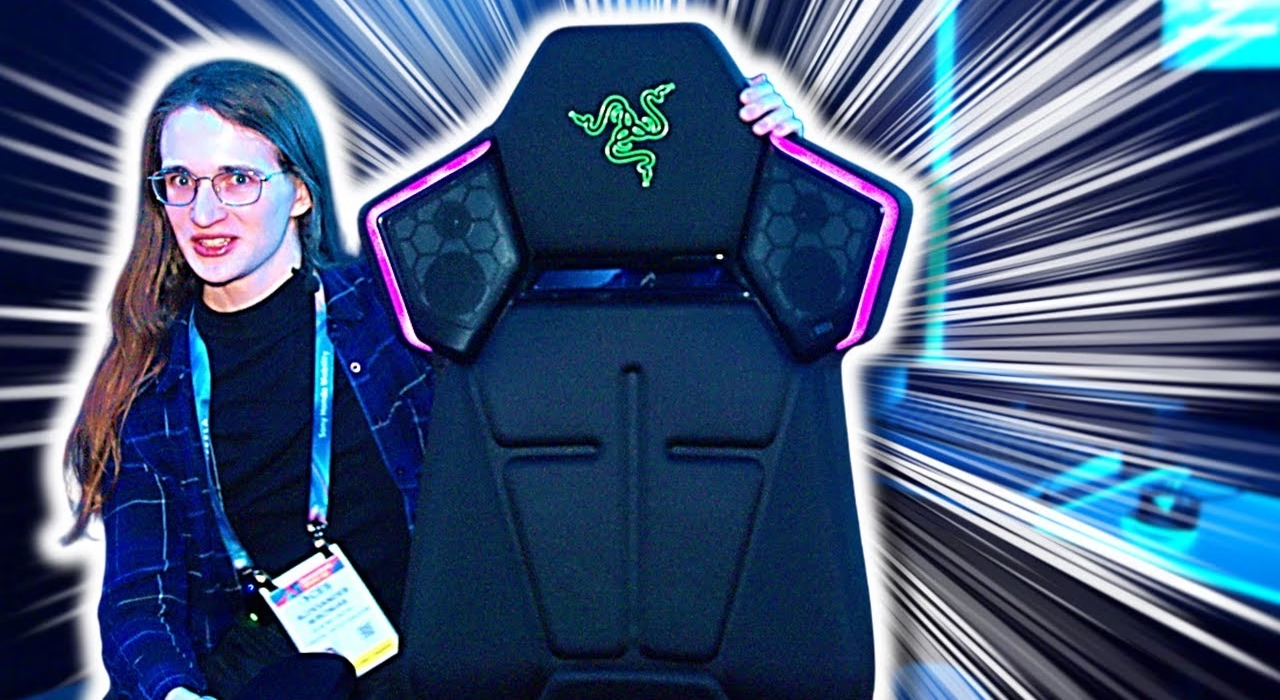
Razer Project Madison: The Future of Immersion is in Your Seat
Estimated reading time: 8 minutes
Key Takeaways
- The Razer Project Madison gaming chair is a pioneering concept that blends haptic force feedback RGB, spatial audio, and reactive lighting to create a multi-sensory command center.
- Its immersive seat tech uses six precision actuators for directional vibrations and a dual-density foam cushion for unparalleled comfort during extended sessions.
- The chair’s core innovation is deep game environment integration, synchronizing tactile, audio, and visual feedback with in-game actions in real-time for a unified experience.
- It positions itself beyond standard gaming peripherals, offering a competitive edge through precise directional feedback and full-body immersion.
- As a concept with production-ready technology, Project Madison signals a major shift towards total sensory integration in future gaming gear.
Table of contents
- Razer Project Madison: The Future of Immersion is in Your Seat
- Key Takeaways
- The Ultimate Gaming Hook: A Seat That Feels The Action
- Deconstructing The Magic: What Is Haptic Force Feedback RGB?
- Beyond Vibration: The Science of Immersive Seat Tech
- Seamless Game Environment Integration: Feeling The Digital World
- Why Project Madison Changes Everything: A Multi-Sensory Leap
- The Broader Impact: Signaling The Future of Gaming Gear
- Frequently Asked Questions
Imagine a future where your gaming chair doesn’t just hold you—it communicates with you. Your seat vibrates with the deep thrum of a starship engine, pulses with the rhythm of your character’s heartbeat, and flashes with the same brilliant light as your ultimate ability. This isn’t a distant dream; it’s the pioneering vision behind the Razer Project Madison gaming chair. Razer’s groundbreaking concept chair is designed to be the benchmark for sensory-enhanced gaming gear, integrating advanced haptic force feedback RGB technology, THX Spatial Audio, and Chroma™ RGB lighting to make you feel “one with” the game.

More than just a comfortable place to sit, Project Madison is a statement about the future of immersion. It satisfies a growing user interest in gaming gear innovations that blend physical comfort with real-time sensory feedback. By teasing core features like multi-zone haptics, enveloping spatial audio, and reactive lighting, Razer draws us into a future where gaming is elevated beyond traditional monitor-and-speaker setups. This is the promise of true immersive seat tech and deep game environment integration.
Deconstructing The Magic: What Is Haptic Force Feedback RGB?
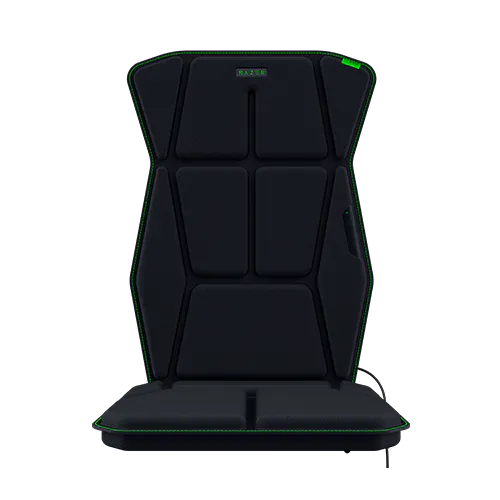
At the heart of Project Madison lies its defining technology: haptic force feedback RGB. This isn’t a simple rumble pack; it’s a sophisticated system that combines multi-zone vibrations with dynamic, intelligent lighting for a synchronized sensory assault. Powered by Razer Sensa™ HD Haptics, the chair features six precision haptic motor actuators strategically placed to deliver directional, real-time feedback.
- How the Haptics Work: These actuators are mapped to specific zones—think left side, right side, upper back, lower back. When you hear footsteps approaching from your left in a tactical shooter, the left side of the chair can deliver a subtle, localized rumble. A massive in-game explosion translates to a powerful, full-body thump in your chest. The software, Razer Synapse, analyzes game audio and telemetry data in real-time, converting it into precise tactile sensations with incredibly low latency.
- The RGB Component: The experience is visually amplified by Razer Chroma™ RGB. With access to 16.8 million colors, the lighting doesn’t just look pretty—it reacts. It can pulse a gentle blue to mimic a calm underwater scene, flash violently red when your health is critical, or erupt in a celebratory light show upon a victory. This synchronized dance of touch and light is what defines this new tier of immersive seat tech.

Beyond Vibration: The Science of Immersive Seat Tech
A chair that shakes is nothing without the foundation to support it. Project Madison’s immersive seat tech is built on a philosophy of total physical connection. It starts with an ergonomic steel frame and premium fabric upholstery, but the real comfort secret is in the cushion. It uses a dual-density foam construction: a soft outer layer for immediate comfort, wrapped around a firm, high-density, cold-cured inner core that provides lasting support and optimal force transmission from the haptics.
The design is meticulously engineered for the modern gamer:
- Integrated lumbar arch for optimal posture during marathons.
- 4D armrests for millimeter-perfect positioning.
- A recline function that goes up to a relaxed 152°.
- A “frog” multi-tilt mechanism for dynamic, fluid movement.
- A robust 5-star aluminum base with smooth-rolling PU casters.
- Built to support users from 160–200 cm tall and up to 136 kg.
The Razer Project Madison gaming chair also integrates its sensory components seamlessly. The Razer Freyja gaming cushion isn’t an add-on—it’s where the Sensa HD Haptics are embedded, turning the entire seat into a canvas for vibration. Similarly, the Razer Clio is a THX Spatial Audio-enabled wireless speaker head cushion, delivering sound from behind you, making audio cues feel like natural extensions of your body’s senses.
Seamless Game Environment Integration: Feeling The Digital World
The true genius of Project Madison is not in its individual parts, but in how they unite. Its game environment integration ensures the Razer Project Madison gaming chair acts as a single, cohesive extension of the game world. The haptic force feedback RGB system responds to two key data streams: direct game telemetry (for events programmed by developers) and Audio-to-Haptics conversion, which intelligently translates any game’s soundscape into directional vibrations, like feeling the shockwave of a grenade or the rumble of a car engine.
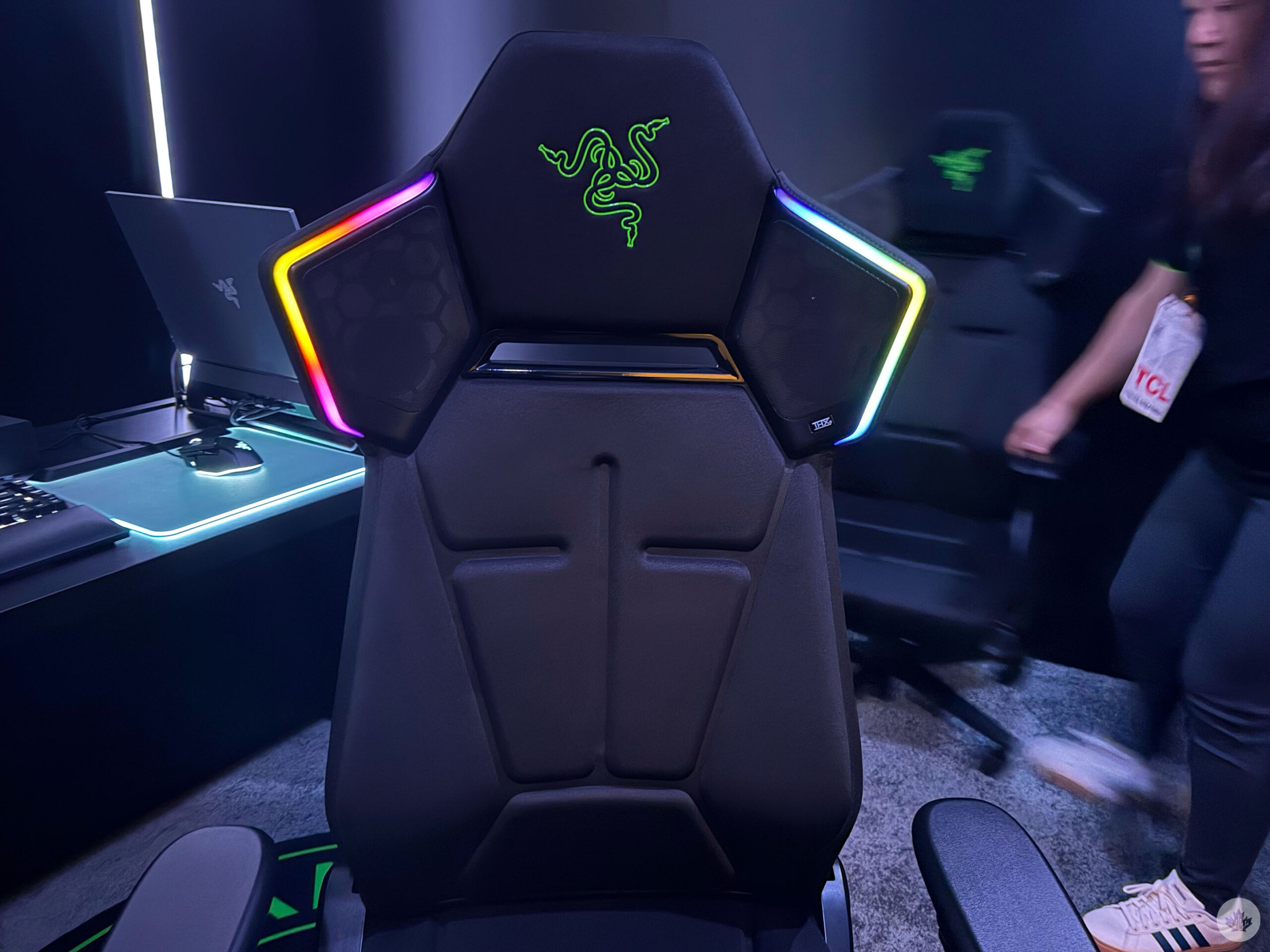
Audio is not an afterthought; it’s a cornerstone. The built-in THX Spatial Audio system, featuring two 1.7” full-range drivers and two 2.5” passive radiators, creates a scalable 360° soundstage right from the head cushion. This pairs with your existing external speaker setup to enable true 5.1 or 7.1 surround sound, allowing you to feel positional audio cues, like footsteps creeping up from behind, in a way headphones alone cannot replicate.

Completing the triad is visual sync. The Chroma RGB ecosystem integrates directly with Razer Synapse and thousands of supported games and apps. The chair’s lighting reacts in real-time to match in-game events, creating a halo of light that extends your monitor’s visuals into your physical space, deepening the sense that the game world is spilling out into your room.
Why Project Madison Changes Everything: A Multi-Sensory Leap
So, what does this mean for your gaming setup? The Razer Project Madison gaming chair is positioned not as an upgrade, but as a transformation. It evolves your seat from passive furniture into an active “multi-sensory command center.” This leap surpasses basic ergonomic chairs and even standalone haptic peripherals (like the Razer Freyja cushion on its own) by offering a full-body integration of touch, sound, and light.
This integration provides tangible competitive and immersive advantages:
- Precision Feedback: Directional haptics can signal enemy positions or weapon impacts more intuitively than sound alone.
- Deepened Narrative Immersion: Feeling a character’s anxiety through a heartbeat or the environment’s mood through lighting pulls you deeper into the story.
- Extended Comfort: The ergonomic design and premium materials ensure this sensory journey is comfortable for the long haul, unlike cheaper vibration chairs that sacrifice support.
This concept chair is part of a broader evolution in gaming peripherals, much like the innovations seen in our guide to the Top Gaming Accessories for 2023, which highlights essential gear to complete an immersive setup. It also complements the core hardware discussed in our comparison of the Best Gaming Consoles of 2025, showing how sensory furniture integrates with leading gaming platforms.
To see how Project Madison stacks up against the current standard, consider this comparison:
| Feature | Project Madison | Typical Gaming Chairs/Peripherals |
|---|---|---|
| Haptics | 6-zone Sensa HD, directional/game-synced | Basic rumble or none |
| Audio | THX Spatial, scalable to 7.1 | Headset-dependent, no integration |
| Lighting | Chroma RGB reactive | Static or absent |
| Ergonomics | Lumbar arch, 152° recline, 4D arms | Similar, but no sensory tech |
| Sync | Synapse for games/media | Limited or manual |
Source: Razer Project Madison, Razer Blog

The Broader Impact: Signaling The Future of Gaming Gear
As a concept built with reportedly ready-to-deploy technology, Project Madison is a powerful signal. It heralds a shift in gaming gear towards total sensory integration, inspiring a future of hybrid peripherals that blur the line between the virtual and the physical. This could influence everything from advanced haptic suits for VR to full-room ecosystem lighting, building on Razer’s own ecosystem for deeper immersion in both competitive esports and rich narrative adventures.

This push into immersive tech mirrors the transformative trends explored in our article on How VR is Changing Gaming and Entertainment in 2025, where virtual reality reshapes player experiences. Similarly, the chair’s immersive seat tech aligns with the groundbreaking capabilities of devices like the Meta Quest 3, both aiming to deepen sensory engagement. For gamers looking to expand their immersive hardware, our guide to the Best VR Headsets for Gaming in 2024 offers valuable insights into complementary equipment.
Ultimately, Project Madison pushes the boundary by making the player’s connection to the game physical. Through the unified power of haptic force feedback RGB, audio, and lighting, it doesn’t just show or tell you what’s happening—it lets you feel it. It’s the definitive step towards becoming “one with the game,” and future updates from Razer’s community are eagerly anticipated for a glimpse into its production future.

Frequently Asked Questions
Is the Razer Project Madison chair available to buy?
No, Project Madison is currently a concept showcase from Razer. It is not available for purchase. It serves as a vision of future gaming immersion, demonstrating technology that Razer has developed and may integrate into future products.
How does the haptic feedback know what’s happening in my game?
It uses two methods. First, for games with native support via Razer Synapse, it can use direct telemetry data for precise event mapping. Second, its Audio-to-Haptics technology can analyze any game’s audio output in real-time, converting sounds like explosions, footsteps, or engine roars into corresponding vibrations, ensuring wide compatibility.
Can I use my own headphones with the Project Madison chair?
Absolutely. The integrated THX Spatial Audio in the Razer Clio head cushion is designed for convenience and an enveloping rear audio field, but you can disable it and use your preferred high-quality headphones for primary audio without any conflict.
What makes this different from a “4D” movie theater seat or a basic vibrating chair?
Precision and integration. Movie theater seats offer pre-programmed, generic vibrations. Basic gaming chairs might have simple rumble motors. Project Madison features directional, multi-zone haptics with low-latency, game-responsive feedback. Combined with synchronized RGB and audio, it creates a cohesive, interactive experience tailored to your gameplay, not a pre-recorded sequence.
What’s the best way to stay updated on Project Madison’s development?
Follow Razer’s official channels, including the Razer Concepts page and their social media blogs. For enthusiasts wanting to experiment with current tech, exploring Razer’s existing Synapse-compatible peripherals and the standalone Razer Freyja haptic cushion can offer a taste of this immersive direction.