

Best SEO Blog Post Structure for Rankings & Readability
Estimated reading time: 8 minutes
Key Takeaways
- A proper SEO blog post structure uses hierarchical headers, short paragraphs, and scannable formatting to boost search visibility and reader retention.
- Craft titles under 60 characters with the primary keyword early to attract clicks and match search intent.
- Use one H1, logical H2s for major sections, and H3s for subtopics to map content for both readers and AI.
- Place keywords naturally—aim for 7-12 times in 750-1000 words—prioritizing readability first over stuffing.
- Enhance scannability with paragraphs of 2-4 lines, bullet points, and visual breaks to increase dwell time and reduce bounce rates.
- Implement FAQ schema and optimize URLs with keywords to earn featured snippets and improve AI visibility.
- Understanding your target audience’s search intent is foundational for effective keyword placement and content strategy.
Table of Contents
- Best SEO Blog Post Structure for Rankings & Readability
- Key Takeaways
- Why Structure is Key for SEO and AI Success
- How to Craft a Captivating Title for Your SEO Blog Post
- Master H1, H2, H3 Headers for Perfect Blog Content Structure
- Natural Keyword Placement in Your SEO Blog Structure
- Make Your Blog Post Scannable with Short Paragraphs and Lists
- Boost Engagement with Visual Hierarchy and Formatting
- Extra SEO Wins: Schema, FAQs, and More for Blog Structure
- Frequently Asked Questions on SEO Blog Post Structure
Struggling with blog posts that don’t rank or engage readers? You’re not alone. Many creators pour effort into content only to see low traffic and high bounce rates. The culprit often isn’t the topic—it’s the structure. This guide delivers a complete blueprint for an SEO blog post structure that boosts rankings, increases dwell time, and enhances AI visibility.

An effective SEO blog structure uses hierarchical headers, short paragraphs, natural keyword placement, and scannable formatting to transform your content. It’s not just about pleasing algorithms; it’s about guiding readers seamlessly from headline to call-to-action. By optimizing blog post layout, you signal value to search engines and keep humans hooked. Let’s dive into the proven framework that makes every word count.
Why Structure is Key for SEO and AI Success
Proper structure enhances readability, reduces bounce rates, and helps AI like Google’s AI Overviews extract accurate answers. In today’s search landscape, a messy blog structure SEO approach gets overlooked, while clean, logical content earns features and traffic.

Benefits include increased dwell time, which signals value to algorithms, and eligibility for featured snippets via definitions, lists, or tables. A logical flow guides readers, making complex information digestible. Research shows that AI models scan headers for key points, so a well-organized AI-friendly blog is crucial for visibility. Short paragraphs—2-3 sentences max, with one idea each—feel approachable and keep attention from wandering.
Think of structure as the skeleton of your content: without it, everything collapses. By prioritizing clarity, you not only rank higher but also build trust with your audience, turning casual visitors into loyal readers.
How to Craft a Captivating Title for Your SEO Blog Post
Place your primary keyword early, keep it under 60 characters (or 55 for title tags), and make it communicative and unique. Your title is the first signal for both users and algorithms, so blog title SEO can’t be an afterthought.
For example, if targeting “how to structure blog content,” use “SEO Blog Post Structure: Ultimate Guide”. This includes the primary keyword title upfront, avoids truncation in search results, and promises clear value. Ensure your HTTPS and keyword are in the URL slug, like /blog/seo-blog-post-structure/, for consistency.

According to best practices and Semrush insights, a compelling title directly impacts click-through rates. Avoid vague phrases—be specific about the benefit, whether it’s readability, rankings, or AI optimization. Pro tip: Test titles with tools to see what resonates before publishing.
Master H1, H2, H3 Headers for Perfect Blog Content Structure
Use one H1 (your title), H2s for major sections, and H3s for subtopics to map content for search engines and AI. This header hierarchy blog approach guides readers and helps AI extract information for snippets.
Why does this matter? H2 H3 SEO signals content organization, making it easier for algorithms to understand context. Phrase headers as questions—like “What are the best headers to use when structuring blog content?”—for prompt-ready answers. Target subtopic keywords in H2s and H3s to capture long-tail traffic.

Sources like Avintiv Media and Semrush emphasize that logical header flow is non-negotiable. For instance, under an H2 “Keyword Placement,” you might have H3s like “Primary Keyword Density” and “Secondary Keyword Integration.” This creates a roadmap that both humans and machines can follow effortlessly.
Natural Keyword Placement in Your SEO Blog Structure
Aim to use your primary keyword 7-12 times in a 750-1000 word post, with secondary keywords woven in naturally—always prioritize readability over stuffing. Effective keyword distribution blog strategies ensure your content resonates without feeling forced.
Integrate keywords in the title, introduction, body, and conclusion. Use variations and synonyms, such as “content marketing techniques,” to avoid repetition. According to Avintiv Media, Semrush, and Siteimprove, SEO keyword placement should feel organic. Include keywords in URL slugs and subfolders (e.g., /blog/) for extra signal.
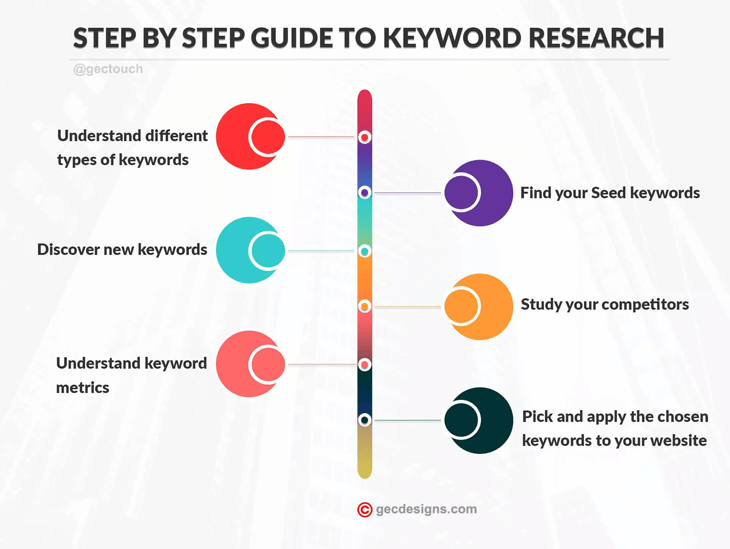
Remember, readability first. If a keyword disrupts the flow, skip it. Understanding your audience’s search intent is the foundation here—it tells you where and how to place keywords for maximum impact.
Make Your Blog Post Scannable with Short Paragraphs and Lists
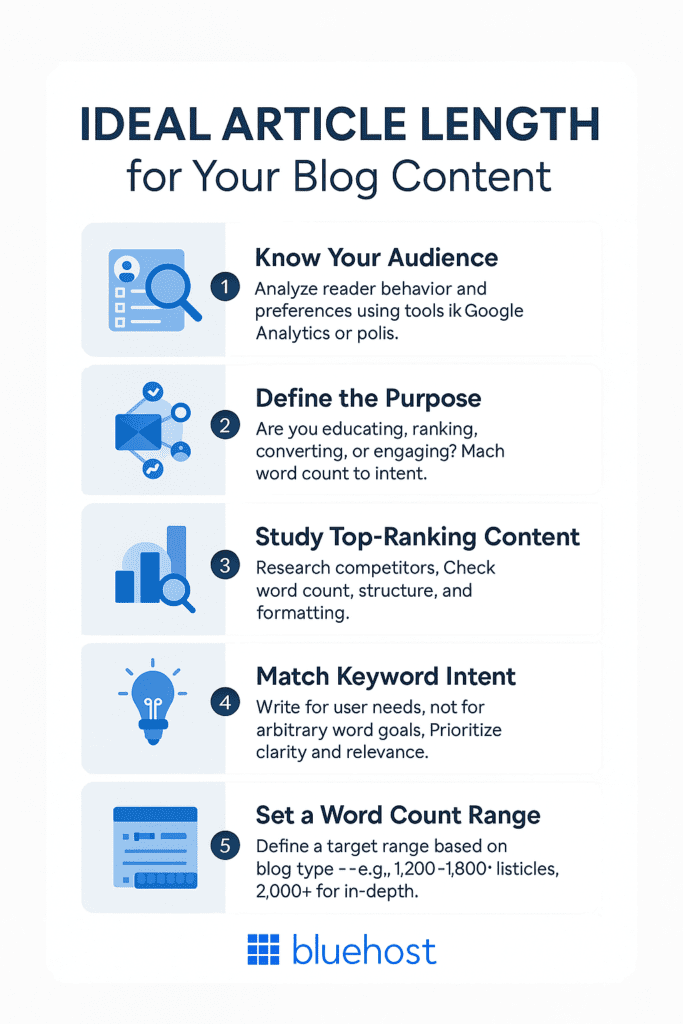
Limit paragraphs to 2-4 lines, use bullets for complex info, and vary lengths to maintain interest. Scannable blog content respects readers’ time and increases engagement by breaking down barriers.
Why? Most readers scan, not read word-for-word. Short paragraphs SEO techniques, like one idea per paragraph, aid AI extraction and improve chances for featured snippets. Use transitions between points for smooth flow, and mix lists or tables for visual variety.
Research from Avintiv Media, Semrush, and The Side Blogger highlights strategies such as:
- Bulleted lists for key takeaways or steps.
- Numbered lists for sequential processes.
- Tables for comparing options or data.
Visual breaks with white space and bolded key ideas make content digestible. For example, in this section, lists help you quickly grasp scannability tips without sifting through dense text.
Boost Engagement with Visual Hierarchy and Formatting
Bold key takeaways, use generous white space, and employ numbered lists for steps to enhance dwell time and decrease bounce rates. Blog visual hierarchy directs attention where it matters most.
SEO formatting tips include using a conversational tone with contractions to sound relatable. Add images—describe them in alt text for accessibility—to break up text and illustrate points. Sources like Avintiv Media, Highland Lakes OS, and The Side Blogger stress that formatting isn’t just cosmetic; it’s functional.
Imagine reading a wall of text versus a post with bolded quotes, subheadings, and images—which holds your interest longer? By structuring content visually, you guide readers through the narrative, making complex ideas feel simple and actionable.

Extra SEO Wins: Schema, FAQs, and More for Blog Structure
Add FAQ schema for rich snippets, optimize URLs with keywords, and use definitions or tables to earn featured snippets. These advanced tactics elevate your blog FAQ schema and overall visibility.
FAQ schema is recognized by search engines and AI, making your content prime for featured snippets blog opportunities. According to Avintiv Media, Google’s structured data guidelines, The Side Blogger, and The Digital Elevator, schema markup can significantly boost click-through rates.
For example, “Should I use schema markup for blog FAQs? Yes—it helps search engines display your Q&A directly in results.” Also, include author bios with headshots and social links to build credibility. These elements create a comprehensive blog structure that stands out in crowded SERPs.
Frequently Asked Questions on SEO Blog Post Structure
What are best practices for blog paragraphs?
Keep paragraphs short—2-4 lines maximum—with one idea each. This enhances readability and helps AI extract information efficiently, as noted in best practices guides.
How many keywords should I include in a blog post?
Aim for 7-12 uses of the primary keyword in 750-1000 words, with secondary keywords placed naturally. Always prioritize readability, as emphasized by SEO resources.
Why is header hierarchy important for SEO?
Header hierarchy (H1, H2, H3) maps content for search engines and AI, improving chances for featured snippets and guiding readers. It’s a core part of AI-friendly structuring.
Should I use FAQ schema for my blog posts?
Yes—FAQ schema can trigger rich snippets in search results, increasing visibility and click-through rates. It’s recommended by Google’s guidelines for structured data.

Now, take these insights and implement H2/H3 hierarchy today in your next post. Start by crafting a keyword-rich title, breaking content into scannable sections, and adding FAQ schema. This structured approach doesn’t just rank—it converts readers into loyal fans.
Ready to dive deeper? Mastering the entire process—from understanding search intent and keyword research to analyzing SEO performance—is key. This structure is fundamental whether writing manually or leveraging AI in content creation. For a step-by-step plan, see our guide on filling in missing blog post details.

Start restructuring your next blog post now—share your results in comments or grab our free SEO checklist to stay on track.