
Ultimate Guide to SEO Keyword Research: Primary Keyword, Keywords, and Search Intent Explained
Estimated reading time: 10 minutes
Key Takeaways
- Mastering SEO keyword research is essential for driving organic traffic and improving rankings.
- Understanding the primary keyword guides content focus and SEO strategy.
- A comprehensive keywords list, including short-tail and long-tail terms, enhances content relevance.
- Decoding search intent ensures your content matches what users are actually looking for.
- This guide provides a step-by-step process, real-world examples, and optimization tips for beginners and experts alike.
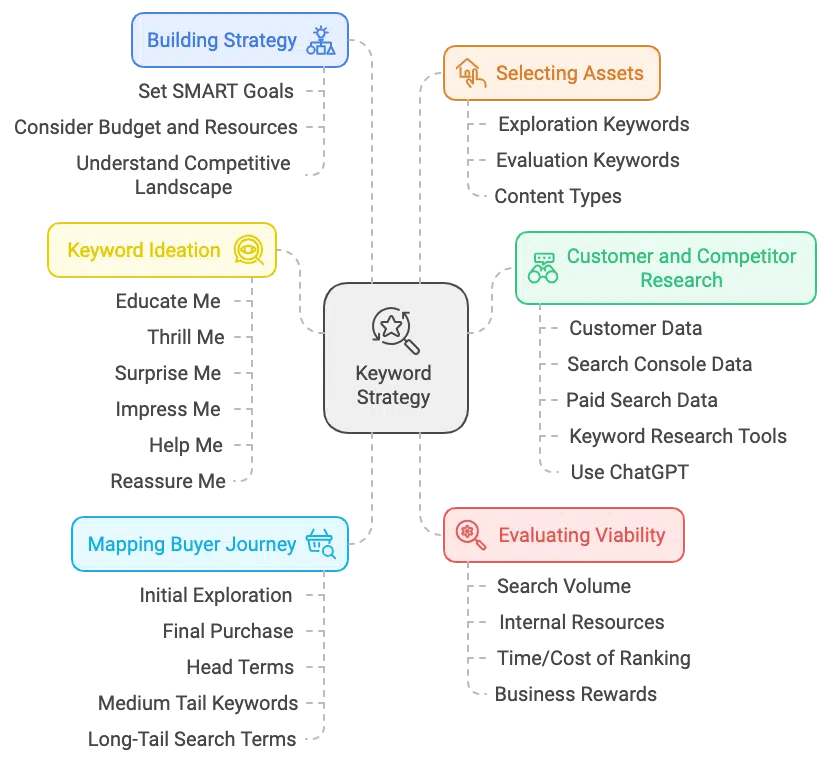
Table of Contents
Struggling to rank your blog posts? Discover how mastering SEO keyword research transforms traffic—focusing on the primary keyword, full keywords list, and search intent. This comprehensive, evergreen pillar resource outlines definitions, step-by-step processes, examples, and actionable tips for beginners to drive rankings.
Defining the Foundational Elements of SEO Keyword Research
What is a Primary Keyword?
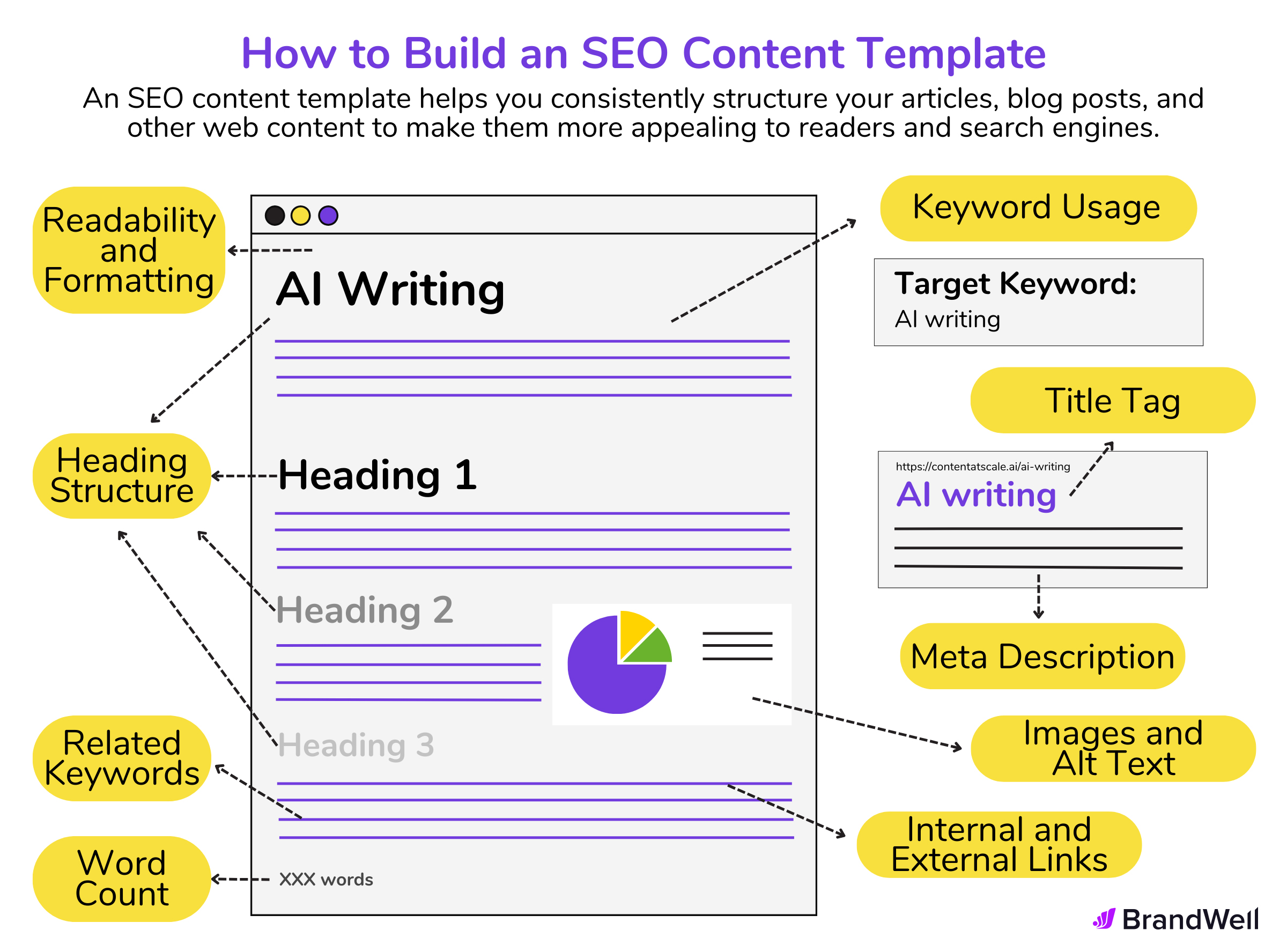
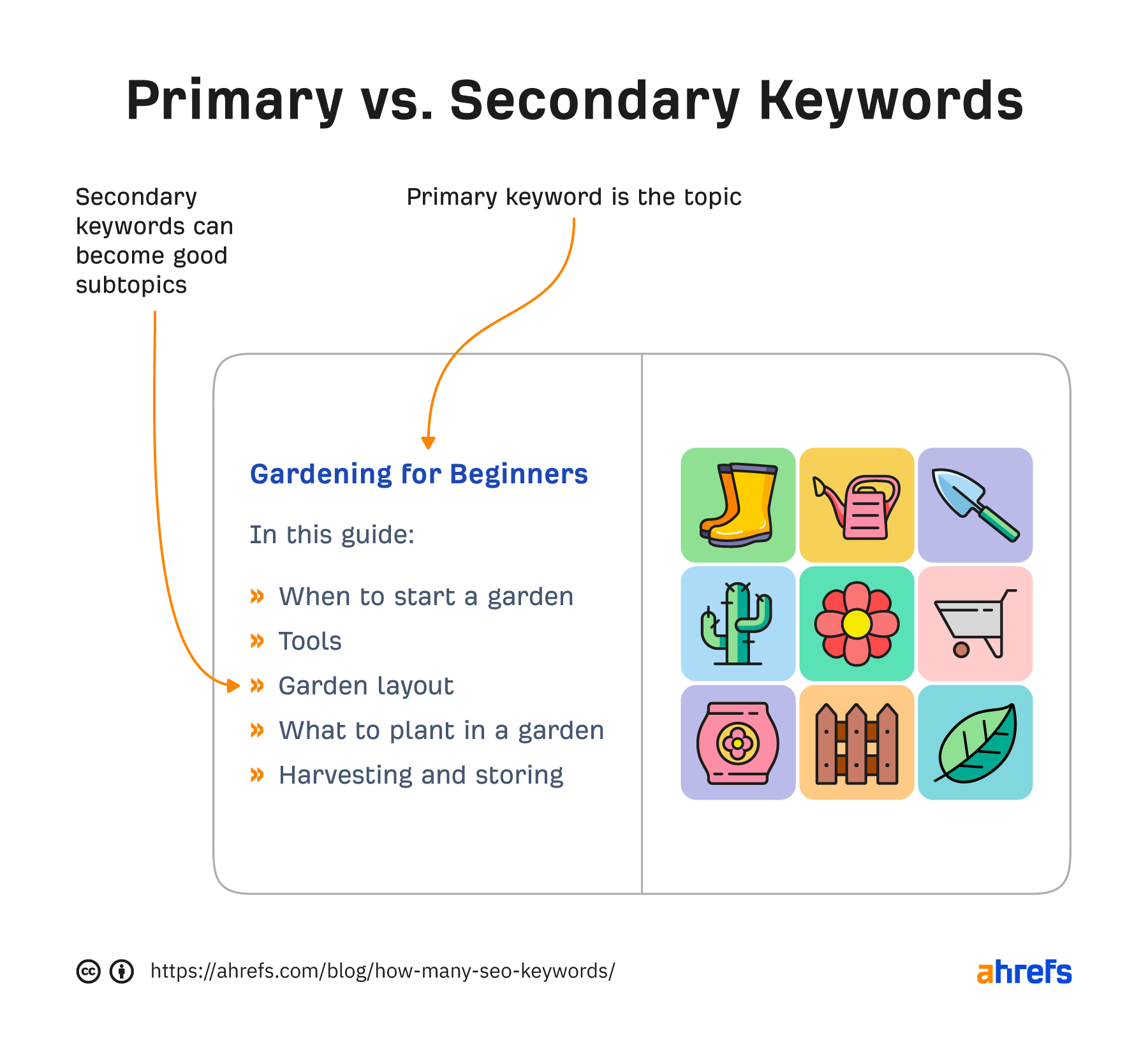
A primary keyword is the main phrase that guides your content’s title, H1 tag, introduction, and overall focus. It is selected for high relevance, search volume, and alignment with goals—for example, “customer service best practices” over broader terms. It should be placed in the H1 and early paragraphs 7-12 times naturally in a 750-1000 word piece. [Additional insights from Carnegie Higher Ed]
Understanding Keywords
Keywords are a list of related terms including short-tail (broad, high-volume), long-tail (specific, lower competition, higher conversion), and semantic variants. They should be incorporated naturally in headers, paragraphs, and meta tags without stuffing. [Learn more from Salesforce and Moz]

Decoding Search Intent
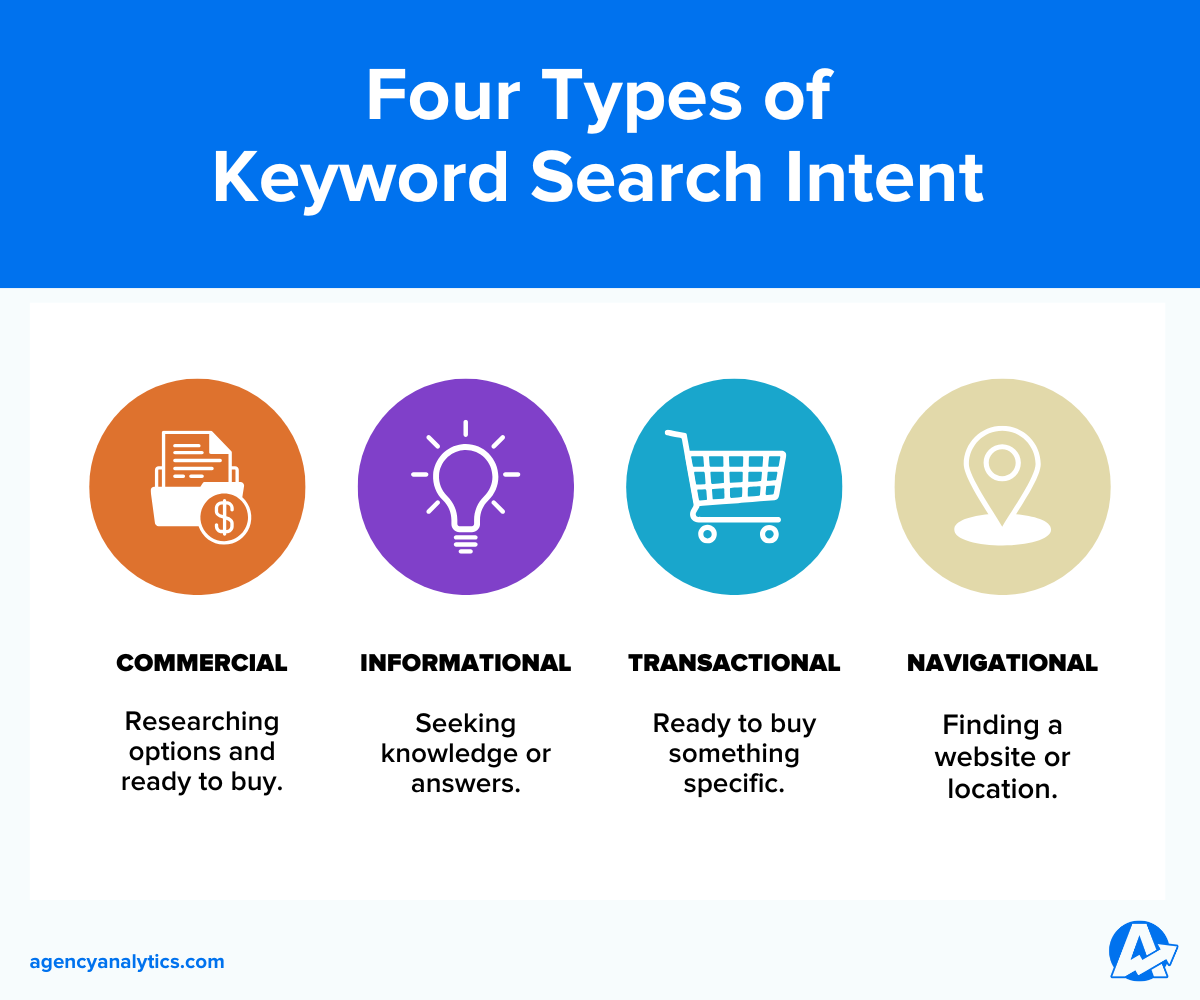
What is search intent? Search intent is the user’s underlying goal—whether informational, navigational, commercial, or transactional. It can be determined by analyzing Google results; if they match your theme, proceed; otherwise refine. [Reference: MSU DxStudio] For a deeper dive, see our guide: Understanding Search Intent SEO Guide.
Step-by-Step Process to Identify and Plan with Primary Keyword, Keywords, and Search Intent
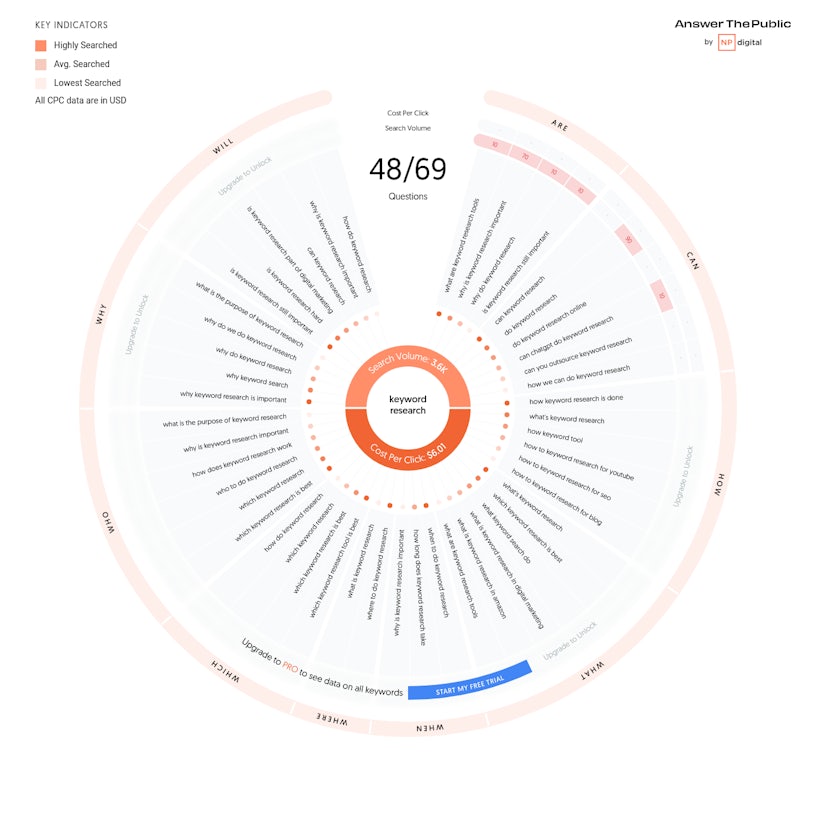
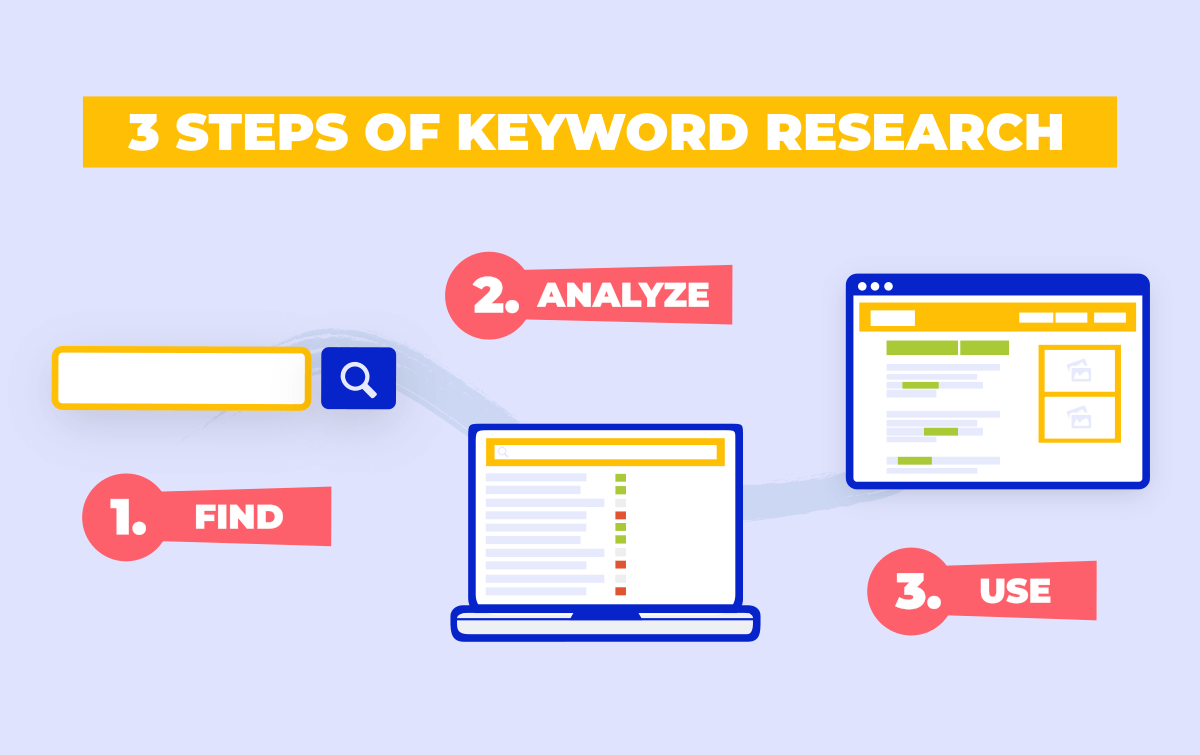
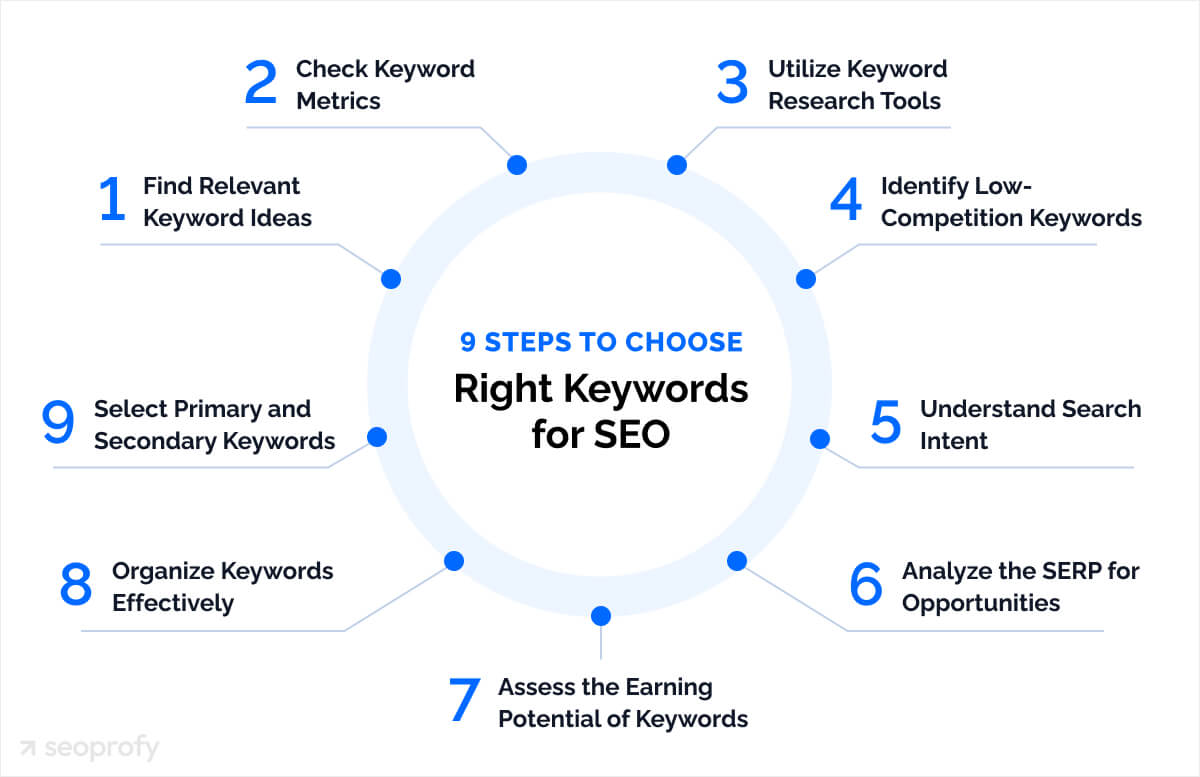
- Brainstorm Topics – Start with site priorities (e.g., services), use tools like Google Keyword Planner for search volume, competition, trends; aim for 100+ monthly searches. [research: Carnegie Higher Ed] Include keyword research tools like Google Keyword Planner. Understanding this step is covered here: Keyword Research for Digital Marketing.
- Verify and Expand – Check monthly searches, explore related long-tail keywords via SEMrush or Ahrefs, group by theme/audience/region; target low competition keywords. [research: Salesforce, Moz, MSU DxStudio]
- Analyze Intent and Competition – Search keywords on Google to confirm search intent match; target “striking distance” terms (pages 2-3) and gaps via Keyword Gap tools. [research: Carnegie Higher Ed, Moz]
- Prioritize and Plan – Balance high-volume and low competition keywords; map to user journey, avoid primary keyword overuse to prevent cannibalization. [research: MSU DxStudio, Yoast] For structuring this plan, refer to: How to Plan a Blog Post.
- Incorporate Strategically – Place primary keyword in H1 and early paragraphs; weave keywords and variations naturally for SEO signals; use short permalinks with topic. [research: Carnegie Higher Ed, ZAG Interactive]
Real-World Example: Blog Post Plan for SEO Keyword Research
For a blog post with primary keyword: “SEO keyword research” (informational search intent: how-to guides/tools), the keywords list might include keyword research tools, long-tail keywords, search intent, Google Keyword Planner, and low competition keywords. This approach teaches beginners and drives traffic. Below is a sample plan:
| Section | Key Focus | Keywords Used |
|---|---|---|
| Introduction | Define basics and importance | SEO keyword research, primary keyword, keywords, search intent |
| Step 1: Brainstorm Topics | Tools and initial research | keyword research tools, search volume, Google Keyword Planner |
| Step 2: Verify and Expand | Finding long-tail keywords | long-tail keywords, low competition keywords, SEMrush, Ahrefs |
| Step 3: Analyze Intent and Competition | Matching user intent | search intent, striking distance terms, Keyword Gap tools |
| Step 4: Prioritize and Plan | Balancing keywords and planning content | low competition keywords, user journey, keyword cannibalization |
| Optimization Tips | Enhancing content for SEO | natural keyword integration, topical authority, content clusters |

For better visibility, consider adding FAQ schema to your content. For example, questions like “What are the best headers for SEO keyword research?” can be included in an FAQ section.
Optimization Tips for Maximum Impact
- Use answer-first structure, short sentences and paragraphs, bold key points, and visuals or white space to improve dwell time.
- Integrate all keywords naturally (e.g., long-tail keywords in subheadings), and build content clusters linking back to this pillar post. [Explore: Keyword Clustering SEO Strategy and Content Cluster Keyword Research]
- Ensure topical authority via in-depth coverage and comprehensive information.

Frequently Asked Questions

What is the primary keyword in SEO keyword research?
The primary keyword is the main phrase that defines the core topic of your content, such as “SEO keyword research” for this guide. It should be used in the title, H1, and early paragraphs to signal relevance to search engines.
How do I find low competition keywords?
Use tools like Google Keyword Planner, SEMrush, or Ahrefs to identify keywords with lower search volume but high relevance. Long-tail keywords often have lower competition and can drive targeted traffic.
Why is search intent important for SEO?
Search intent ensures that your content matches what users are looking for. If your content aligns with informational, commercial, or other intents, it is more likely to rank well and satisfy users, reducing bounce rates.
Should I use FAQ schema on my blog?
Yes, using FAQ schema can enhance your content’s visibility in search results through rich snippets and AI overviews, making it more appealing to users and improving click-through rates.
Mastering the primary keyword, keywords, and search intent through effective SEO keyword research is key to driving rankings and user satisfaction. Start with Google Keyword Planner today, share your wins in the comments, and subscribe for more SEO guides!