
Siri vs Gemini vs ChatGPT (Plus Google Assistant vs Alexa): 2026 AI Assistant Productivity Test
Estimated reading time: 9 minutes
Key Takeaways
- The siri vs gemini vs chatgpt debate is no longer about curiosity; in 2026, these tools are critical productivity infrastructure.
- This ai assistant productivity test reveals a clear split: Gemini and ChatGPT excel at deep work, while Siri, Google Assistant, and Alexa dominate hands-free device control.
- For research with live data and Google Docs integration, Gemini is unmatched. For creative reasoning and complex writing, ChatGPT (GPT-5) leads.
- The best virtual assistant 2026 for you depends entirely on your primary ecosystem (Apple, Google, Amazon) and task types.
- A multi-assistant strategy—using a cloud AI for deep work and a device-native assistant for quick commands—is the ultimate productivity hack.
Table of contents
- The 2026 Productivity Landscape: Why This Test Matters
- Methodology: How the AI Assistant Productivity Test Was Run
- Task Category 1: Information & Complex Query Handling
- Task Category 2: Productivity & Workflow Automation
- Task Category 3: Smart Home Control & Device Integration
- Task Category 4: Creativity & Content Generation
- Comparative Analysis: Strengths, Weaknesses, and Ideal User Profiles
- Verdict: Your Guide to the Best Virtual Assistant 2026
- Frequently Asked Questions
Forget asking about the weather. In 2026, the real question in the siri vs gemini vs chatgpt showdown is: which one makes you profoundly more productive? AI assistants have evolved from novelties into core “second brain” infrastructure for research, writing, scheduling, and controlling our digital lives.
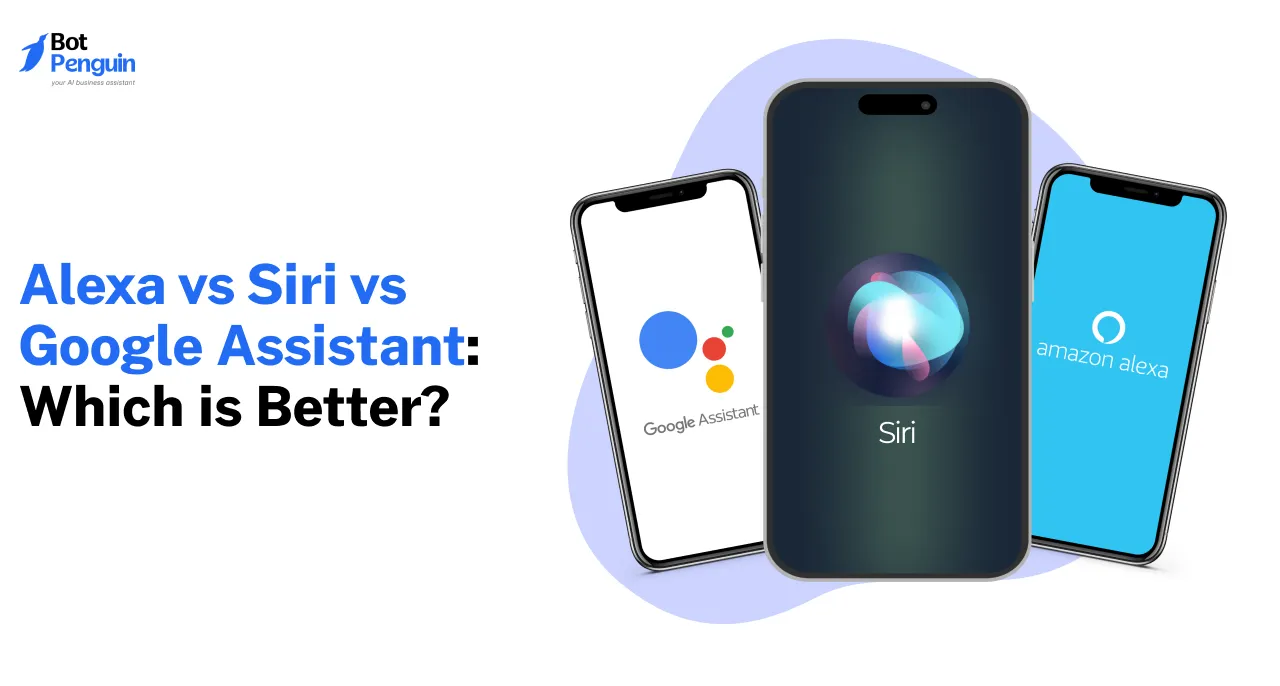
This article is a practical ai assistant productivity test. We pit Siri vs Gemini vs ChatGPT, and add Google Assistant vs Alexa to reflect the real-world device ecosystems they command. This is a task-based, real-world ai assistant task comparison where success is defined by one metric: who helps you get more done with less friction.
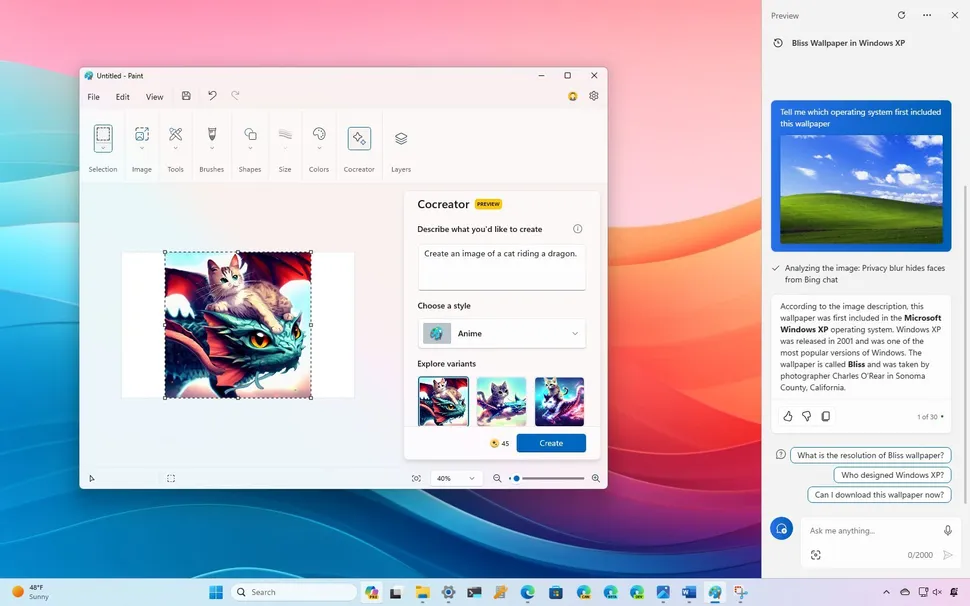
The 2026 context is critical. Gemini and ChatGPT have matured into multimodal, workflow-centric assistants with long-context reasoning. Gemini is deeply fused with Google Workspace, while ChatGPT (now powered by GPT-5) offers stronger reasoning and third-party integrations. Meanwhile, Siri, Google Assistant, and Alexa remain the device-native voice champions for quick, hands-free tasks and smart home control.
By the end of this test, you’ll know which tool is most likely to be your best virtual assistant 2026. To understand the revolution these tools represent, read our overview of How AI is Changing the World. For a dedicated voice assistant comparison, see our analysis: Explosive AI-Powered Virtual Assistants Unveiled.
Methodology: How the AI Assistant Productivity Test Was Run
Trust is built on transparency. Here’s exactly how we conducted this ai assistant task comparison.
Assistants Included:
- Siri: Apple’s voice assistant, tested on iPhone, Mac, and HomePod for on-device, privacy-focused commands. Source.
- ChatGPT (GPT-5): OpenAI’s conversational AI, tested via web and mobile apps for deep reasoning and workflow integrations. Source.
- Google Gemini: Google’s AI, tested in Chrome, on Android, and inside Gmail/Docs for Workspace-centric tasks. Source.
- Google Assistant: Google’s voice helper on Pixel and Nest devices, handling voice commands and smart home. Source.
- Amazon Alexa: The voice hub for Echo devices, optimized for smart home routines.
Devices & Environments: Each was tested in its native habitat. Siri on Apple devices; Gemini in Chrome and Android; ChatGPT via its apps; Google Assistant on Pixel/Nest; Alexa on Echo speakers and displays.
Task Categories (The Four Pillars of Productivity):
- Information & Complex Queries: Research, comparisons, long-form explanations.
- Productivity & Workflow Automation: Email drafting, scheduling, summarization.
- Smart Home & Device Integration: Controlling lights, locks, thermostats, routines.
- Creativity & Content Generation: Social posts, blog outlines, code snippets.
Scoring Dimensions: We judged each task on:
- Speed & Friction: Steps from request to usable result.
- Quality of Output: Accuracy, completeness, and actionability. Source, Source.
- Context Handling: Ability to understand follow-ups and maintain long conversations. Source.
- Ecosystem Fit: How seamlessly it plugs into your existing tools. Source.
Forget abstract scores; we focus on clear task-based wins and losses you can map to your own routine.

Task Category 1: Information & Complex Query Handling
Need to research, compare, or understand a complex topic? This ai assistant task comparison separates the researchers from the trivia bots.
Task Example: “Find three 4K monitors under $400, compare specs in a table, and recommend one for video editing.”
Google Gemini is a research assistant fused with Google Search. It pulls live web results, cross-references pages, and synthesizes concise summaries with citations. Its killer feature? Accessing your Gmail, Docs, and Drive to incorporate your documents into its reasoning. For fact-heavy tasks like regulatory summaries, Gemini’s citation habit makes it safer and more trustworthy.
ChatGPT (GPT-5) excels in long-form reasoning and nuanced explanation. It breaks down complex topics into tailored, step-by-step explanations and handles long conversation threads with excellent context memory. While its browsing capability has improved, native search integration still gives Gemini the edge for pure, up-to-the-minute web research.
Siri, Google Assistant, & Alexa are built for speed, not depth. They’re great for quick facts—weather, conversions, simple definitions (Source). But ask for a comparative analysis or a multi-step research brief, and you’ll hit their limits. Follow-up context is shallow; each query is often treated in isolation.
The Mini-Takeaway: For research and complex queries, use Gemini for live web data + your Google documents. Use ChatGPT for deep reasoning and iterative topic exploration (Source).

Task Category 2: Productivity & Workflow Automation
This is the heart of the ai assistant productivity test: managing email, calendars, and tasks. Who actually helps you work smarter?
Task Example: “Draft a polite but firm email requesting a two-week deadline extension from a client.” (Source)
ChatGPT (GPT-5) is a powerhouse for writing and structured planning. It generates nuanced email drafts, creates detailed project timelines, and excels at turning raw notes into actionable minutes. Through plugins and integrations, it can become a central “productivity brain” that connects to your other tools.
Google Gemini is the standout for Google Workspace warriors. It drafts and refines emails inside Gmail, summarizes Docs, and generates action points from meeting transcripts. If your life runs on Google’s apps, Gemini’s seamless integration is a massive friction reducer.
Siri handles fast, voice-first micro-tasks within Apple’s walled garden. “Remind me to review the report at 3 PM” or “Block an hour for deep work” are its sweet spots. It stumbles on multi-step, AI-generated workflows compared to its cloud-based rivals (Source).
Google Assistant manages routine voice productivity on Android but is increasingly eclipsed by Gemini for AI-heavy drafting and analysis. Alexa is best for home-centric routines like “start my workday” but weak on sophisticated document generation.
The Mini-Takeaway: Use Gemini if you live in Gmail, Docs, and Calendar. Use ChatGPT if you want the strongest general-purpose thinking and writing assistant (Source). For more tools, explore our list of 10 Game-Changing AI-Powered Productivity Apps.
Task Category 3: Smart Home Control & Device Integration
This is the domain of the classic google assistant vs alexa (and Siri) debate. For hands-free life management, the cloud AIs take a back seat.
Task Example: “Set up a ‘movie night’ scene that dims the lights, closes the blinds, and turns on the TV for every Friday at 8 PM.”
Alexa remains one of the strongest smart home hubs, with support for a vast range of third-party devices and the ability to create rich, multi-action routines. For a house full of diverse smart gadgets, Alexa is often the central controller.
Google Assistant excels in Google/Nest-centric homes, offering deep integration with Nest cameras and thermostats and reliable voice control across Android phones and Nest speakers.
Siri (HomeKit/Matter) shines in Apple-centric smart homes. Commands like “Good night” to lock doors and turn off lights are reliable and benefit from a strong privacy posture and tight Apple integration. Device support is more curated but growing with Matter.
Gemini & ChatGPT are not hardware-native controllers. As of 2026, they are cloud-based “thinking” assistants (Source). While they can connect via APIs, you wouldn’t use them as your primary voice hub for lights and locks.
The Mini-Takeaway: For smart homes, choose Alexa for breadth or Google Assistant for Nest integration. Choose Siri for a private, Apple-first home. Build your foundation with our guide to the Best Smart Home Devices and learn about AI in Smart Home Devices.

Task Category 4: Creativity & Content Generation
From social posts to code, modern productivity is creative. This final ai assistant task comparison reveals who acts as a true creative partner.
Task Example: “Brainstorm five podcast episode ideas about sustainable tech and provide bullet-point talking notes for each.”
ChatGPT (GPT-5) is generally the strongest creative writer and coder. It produces coherent long-form content, handles tone mimicry, and excels at multistep creative reasoning. For developers, its ability to write, debug, and explain code snippets is exceptional (Source).
Google Gemini is highly competitive and context-aware. It’s excellent for drafting directly inside Google Workspace and powerful in multimodal workflows, like analyzing an image to generate accompanying text. Some find it slightly less narratively rich than ChatGPT but incredibly convenient for Google-centric users.
Siri, Google Assistant, & Alexa are not designed for sustained creative work. They can handle short dictation or basic questions but are impractical for generating full blog posts or code (Source).
The Mini-Takeaway: For content and code, ChatGPT is the default for rich creative output. Gemini is a top alternative if you value tight integration with Google’s apps and multimodal analysis (Source).

Comparative Analysis: Strengths, Weaknesses, and Ideal User Profiles
Synthesizing our ai assistant productivity test, here’s who should use what.
ChatGPT (GPT-5)
Core Strengths: Deep reasoning, creative writing, coding, and flexible integrations (Source).
Key Weakness: Less native OS/hardware integration than Siri or Google Assistant.
Best For: Power users, writers, developers, and analysts who need a general-purpose “AI brain.”
Google Gemini
Core Strengths: Real-time web research, deep Google Workspace integration, and strong multimodal analysis.
Key Weakness: Can be slightly weaker than ChatGPT in pure creative reasoning (Source).
Best For: Google-centric professionals and teams rooted in Gmail, Docs, and Drive.
Siri
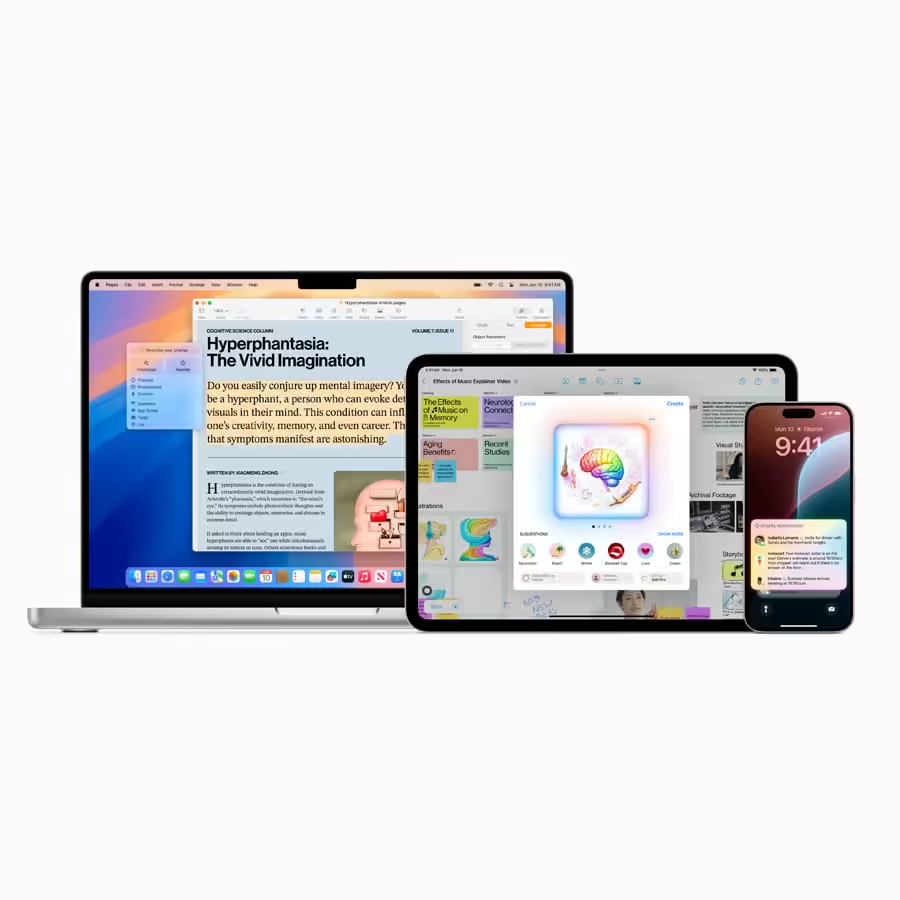
Core Strengths: Strong privacy, deep Apple device integration.
Key Weakness: Limited long-form reasoning versus cloud AIs.
Best For: Apple loyalists who need reliable voice control and basic smart home commands.
Google Assistant
Core Strengths: Excellent Android/Nest voice and smart home control.
Key Weakness: Being superseded by Gemini for AI-heavy tasks.
Best For: Android/Nest users who prioritize voice and home control over deep analysis.
Alexa
Core Strengths: Broad smart home support and rich automation routines.
Key Weakness: Weaker advanced reasoning and content generation.
Best For: Smart home enthusiasts invested in Amazon’s Echo ecosystem.
The Multi-Assistant Strategy: Many 2026 professionals use more than one. Use Gemini or ChatGPT at your desk for deep work, and Siri, Google Assistant, or Alexa as device-native helpers for quick commands. Some even combine Gemini for research and ChatGPT for creative work.

Verdict: Your Guide to the Best Virtual Assistant 2026
So, who wins the siri vs gemini vs chatgpt battle? The answer is frustratingly perfect: it depends on your work.
Task-Based Verdict
- For Pure Productivity & Complex Work: ChatGPT is the overall front-runner for reasoning-heavy tasks, thanks to its depth and flexibility (Source).
- For Research-Heavy, Google-Centric Workflows: Gemini is the best choice if you live in Gmail, Docs, and need live web data.
- For Voice + Home + Devices: Alexa or Google Assistant win for smart homes, with Siri best for Apple-first households (Source).
Your Simple Decision Guide
- If you must pick ONE primary assistant: Choose ChatGPT for thinking, writing, and flexible workflows. Choose Gemini if you are all-in on Google’s ecosystem.
- If you can mix tools (The Ultimate Setup): Use ChatGPT or Gemini at your desk for deep work. Use your device-native assistant (Siri/Google Assistant/Alexa) for quick voice commands and smart home routines.
Run Your Own Test
List your top 5 daily tasks. Try each leading assistant on them for a week. Judge them on friction, output quality, and ecosystem fit.
The best virtual assistant 2026 isn’t a universal champion. It’s the one—or the combination—that consistently completes your real-world tasks with the least friction and the highest-quality outcomes. Choose, combine, and conquer.

Frequently Asked Questions
Q: Is Google Assistant being replaced by Gemini?
A: Not entirely. In 2026, Google Assistant remains the primary voice interface for Android phones and Nest devices for quick commands and smart home control. However, Gemini is taking over complex AI tasks like research, writing, and analysis, often accessible via a separate app or interface.
Q: Can Siri, Google Assistant, or Alexa do what ChatGPT does?
A: No, not at the same level. While they may integrate some generative AI features, their core architecture is for fast, transactional voice commands. They lack the long-context reasoning, creative depth, and workflow integration that define assistants like ChatGPT and Gemini for serious productivity work.
Q: Which is better for coding, Gemini or ChatGPT?
A: In our tests, ChatGPT (GPT-5) maintained a slight edge for complex coding tasks, refactoring, and detailed code explanation. However, Gemini is highly capable and its integration with tools like Google Colab can make it a more seamless choice for developers already in the Google ecosystem.
Q: Is privacy a reason to choose Siri over ChatGPT or Gemini?
A: Yes, this is a valid consideration. Siri processes many requests directly on your Apple device, which can be a significant privacy advantage. ChatGPT and Gemini primarily process data in the cloud. If privacy is your top priority for assistant tasks, Siri’s on-device approach is a key strength.
Q: Do I need to pay for ChatGPT or Gemini to be productive?
A: The free tiers of both are powerful, but for serious, daily productivity, the paid plans (ChatGPT Plus, Gemini Advanced) are transformative. They offer access to the latest models (GPT-5, Gemini Ultra), more advanced features, better context windows, and higher usage limits, which are essential for professional workflow integration.