
Smart Home Health Sensors: Your Guide to Connected Wellness at Home
Estimated reading time: 10 minutes
Key Takeaways
- Smart home health sensors actively monitor and support wellbeing by transforming your home into a health-centric environment, enabling proactive care without wearable gadgets.
- These devices are part of connected wellness tech, collecting continuous data for insights into air quality, sleep, activity, and vital signs, fostering a holistic approach to health management.
- Key categories include air quality monitors, sleep sensors, activity sensors, vital sign monitors, and hydration trackers, each offering unique benefits for home wellness.
- AI monitoring devices use advanced algorithms to process sensor data, providing actionable insights like anomaly detection and trend analysis, enhancing preventive healthcare.
- Benefits include enhanced peace of mind through early warnings, support for independent living—especially for seniors—and data-driven lifestyle improvements for better energy efficiency and comfort.
- Considerations involve privacy and security in data handling, costs ranging from affordable to premium, and the importance of FDA-approved options for medical accuracy, with potential insurance coverage.
Table of contents
- Smart Home Health Sensors: Your Guide to Connected Wellness at Home
- Key Takeaways
- Introduction
- The Rise of Health-Focused Homes
- Key Categories of Home Wellbeing Gadgets
- AI’s Role in Elevating Monitoring
- Building a Connected Wellness Ecosystem
- Benefits and Key Considerations
- Future Trends
- Final Thought and CTA
- Frequently Asked Questions
Introduction
Imagine monitoring your home’s air quality while tracking your sleep patterns, all without wearable gadgets. This isn’t science fiction—it’s the reality enabled by smart home health sensors. These devices transform living spaces into environments that actively monitor and support wellbeing, as highlighted in healthcare technology predictions for 2026. This integrated ecosystem, known as connected wellness tech, collects data continuously for proactive health management, blending seamlessly into daily life. For a broader look at the smart home landscape, explore our guide on the Best Smart Home Devices: Your Ultimate Guide for 2025.

The Rise of Health-Focused Homes
The smart home has evolved from convenience automation (like remote lighting) to health-centric monitoring. Smart home health sensors are foundational components providing proactive, continuous, non-invasive insights like detecting environmental hazards or behavior changes, especially benefiting seniors for independent living. This shift emphasizes user benefits like peace of mind through home wellbeing gadgets, which are becoming essential in modern households. As noted in healthcare IT trends, the integration of smart tech is revolutionizing how we approach wellness, moving from reactive to preventive care.

Key Categories of Home Wellbeing Gadgets
Here’s a catalog of home wellbeing gadgets (types of health sensors) that form the backbone of connected wellness:
| Category | Examples | Primary Monitoring | Sources |
|---|---|---|---|
| Air Quality & Environmental Monitors | Smart air purifiers, humidity sensors | Dust, allergens, VOCs, humidity | Source |
| Sleep Sensors & Mats | Under-mattress pads, bedside devices | Sleep stages, respiration, heart rate | Source |
| Activity & Presence Sensors | Motion, occupancy, door/window sensors | Daily patterns, falls, safety risks | Source, Source, Source |
| Vital Sign Monitors | Connected scales, BP cuffs, thermometers | Heart rate, blood pressure, glucose | Source |
| Hydration & Consumption Trackers | Smart water bottles, kitchen biosensors | Hydration levels, nutrient intake | Source, Source |

Air Quality & Environmental Monitors: These devices track dust, allergens, humidity, and air quality, alerting users to ventilate or purify air. They include smart dehumidifiers that auto-adjust to prevent mold, as cited from Home Depot. Poor indoor air quality can lead to health issues like allergies and asthma, making these monitors essential for a healthy home. For instance, high levels of volatile organic compounds (VOCs) from cleaning products can be detected early, allowing for timely intervention.
Sleep Sensors & Mats: Under-mattress sensors analyze sleep stages and patterns as examples of ai monitoring devices, offering non-wearable tracking for comfort. They monitor respiration and heart rate, providing insights into sleep quality without disrupting your rest. By identifying disturbances like apnea or restlessness, they help users adjust habits for better sleep hygiene.
Activity & Presence Sensors: These cover motion, occupancy, and door/window sensors that detect daily patterns, falls, or safety risks for seniors, positioning them as essential home wellbeing gadgets. For instance, if no motion is detected in a bathroom for an unusual period, it could alert caregivers to a potential fall. These sensors are often integrated with security systems, enhancing both safety and health monitoring.
Vital Sign Monitors: These detail connected scales, blood pressure cuffs, and thermometers tracking heart rate, blood oxygen, and glucose as core connected wellness tech. They enable regular monitoring without frequent doctor visits, especially for chronic conditions like hypertension or diabetes. Data can be shared with healthcare providers for remote consultations, streamlining care.
Hydration & Consumption Trackers: This discusses emerging biosensors monitoring hydration levels alongside energy use in kitchen tech. Smart water bottles can remind you to drink water, while kitchen sensors might track nutrient intake from meals. These gadgets promote healthy habits by providing real-time feedback, making wellness part of everyday routines.
AI’s Role in Elevating Monitoring
This section is dedicated to ai monitoring devices, defining them as systems using algorithms to process raw sensor data into actionable insights like trend spotting and anomaly alerts (e.g., arrhythmias). Examples include AI-driven fall detection, sleep analysis, and behavior change flagging for preventive care, as highlighted in healthcare technology predictions. Learn more about the foundational technology in our post, AI in Smart Home Devices – The Integration of AI in Everyday Devices. For a forward-looking perspective, see The Rise of Unstoppable AI-Powered Smart Homes: Revolutionary Trends Shaping the Future.

AI enhances smart home health sensors by learning from data patterns. For example, it can distinguish between normal movement and a fall, reducing false alarms. It can also predict health issues by analyzing trends over time, such as changes in sleep patterns indicating stress or illness. By integrating machine learning, these devices become more adaptive, offering personalized recommendations for improving wellness based on individual habits and environmental factors.
Building a Connected Wellness Ecosystem
Offer step-by-step practical advice for integrating smart home health sensors and home wellbeing gadgets via hubs like Nest or Samsung SmartThings for compatibility. Mention smart thermostats with occupancy sensing for unified control, and apps/dashboards for consolidated views of vitals, air quality, and activity. This seamless connected wellness tech setup is ideal for beginners.
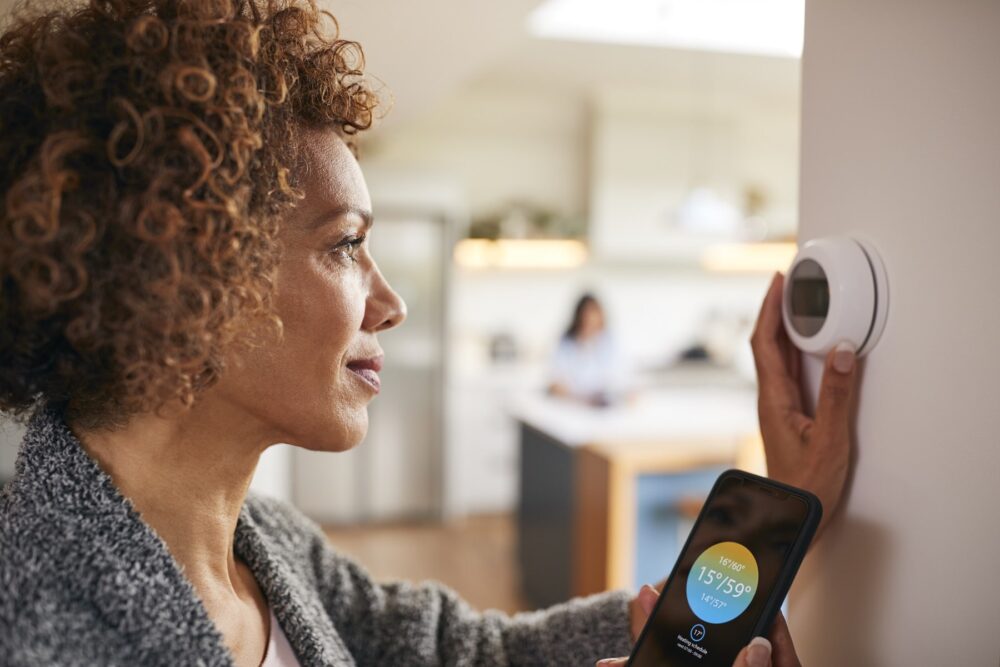
Start by assessing your needs: if air quality is a concern, begin with an environmental monitor. Then, choose a central hub that supports multiple devices, ensuring all sensors are connected to the same network and use compatible apps. For instance, a smart thermostat can adjust temperature based on occupancy data from motion sensors, optimizing comfort and energy use. Regularly review data on dashboards to make informed health decisions, such as adjusting sleep schedules or improving ventilation. By layering sensors, you create a comprehensive ecosystem that works synergistically to support wellness.
Benefits and Key Considerations
- Benefits: Peace of mind via early warnings, support for independent living, data-driven lifestyle improvements like energy-efficient comfort. For example, sensors can alert you to high CO2 levels, prompting ventilation to prevent headaches. Sources: Security.org, Home Depot, Healthcare IT Today. Additionally, these systems can reduce healthcare costs by preventing emergencies and enabling remote monitoring.
- Considerations: Privacy in data handling, security for devices, costs (e.g., $20 flood sensors to $160 thermostats), FDA-approved options for accuracy, potential insurance coverage for medical needs. Always ensure devices use encryption and allow you to control data sharing. Sources: Vertu, Security.org. It’s also important to consider interoperability between different brands and the learning curve associated with setup and use.

Future Trends
Discuss emerging advancements like more sophisticated ai monitoring devices, telehealth integration, and predictive analytics via flexible sensors and direct EHR connectivity. This reinforces the central role of smart home health sensors in preventative, personalized healthcare, turning homes into continuous monitors. Sources: Vertu, Healthcare IT Today.
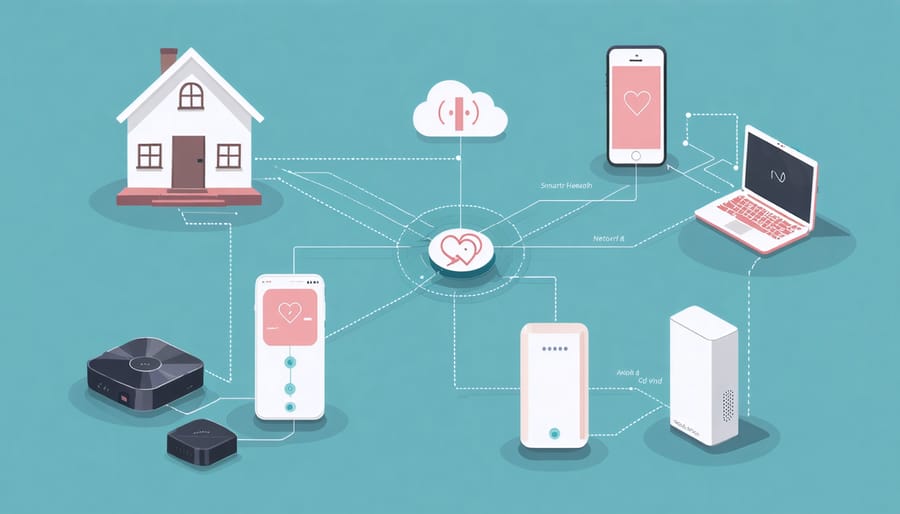
Future sensors may be embedded in furniture or walls, making them invisible yet omnipresent. Integration with electronic health records (EHRs) will allow doctors to monitor patients remotely, enabling timely interventions. Predictive analytics could forecast health declines based on sensor data, allowing for preventive measures. Additionally, advancements in battery life and wireless technology will make these devices more accessible and sustainable, driving widespread adoption.
Final Thought and CTA
Smart home health sensors and connected wellness tech empower proactive wellbeing management at home, making high-tech health accessible in daily life. For those interested in the wearable side of health tech, our article on Revolutionize Your Well-being: 5 Game-Changing Wearable Health Gadgets for an Extraordinary Lifestyle in 2024 is a great next read. Also, discover the Latest Innovations in Wearable Tech From Fitness Trackers to Smartwatches.
Start building your health-centric smart home today—pick one home wellbeing gadget or ai monitoring device and take the first step toward connected wellness. Whether it’s an air quality monitor for better breathing or a sleep sensor for restorative rest, small changes can lead to significant health improvements.

Frequently Asked Questions
What are smart home health sensors?
Smart home health sensors are devices that monitor various aspects of your home environment and personal health, such as air quality, sleep patterns, activity levels, and vital signs, to support wellbeing. They integrate with connected ecosystems to provide continuous, non-invasive insights for proactive health management.
How do AI monitoring devices enhance health tracking?
AI monitoring devices use algorithms to analyze sensor data, providing insights like detecting anomalies, predicting trends, and alerting users to potential health issues, making monitoring more intelligent and proactive. They learn from data patterns to offer personalized recommendations, such as adjusting room temperature for better sleep or flagging irregular heart rhythms.
Are smart home health sensors secure and private?
Security and privacy vary by device. Look for sensors with encryption, secure data storage, and clear privacy policies. Always update firmware and use strong passwords to protect your data. It’s advisable to choose reputable brands that comply with data protection regulations to minimize risks.
Can these sensors help with elderly care?
Yes, activity and presence sensors can detect falls or changes in routine, vital sign monitors can track health metrics, and environmental sensors ensure a safe living space, supporting independent living for seniors. They provide peace of mind for caregivers by enabling remote monitoring and timely alerts for emergencies.
What is the cost of setting up a connected wellness ecosystem?
Costs range from $20 for basic sensors to $160+ for advanced devices. Start with one sensor and expand gradually. Consider insurance coverage for medical-grade devices, and look for bundled kits or discounts from retailers to make the setup more affordable. Investing in a central hub can also reduce long-term costs by ensuring compatibility.