
Smart Home Health Sensors: Your Guide to Connected Wellness Tech
Estimated reading time: 8 minutes
Key Takeaways
- Smart home health sensors are IoT-enabled devices that monitor physiological, behavioral, and environmental health metrics in real-time, turning your home into an intelligent health hub.
- The evolution from basic fitness trackers to integrated connected wellness tech systems leverages AI, Bluetooth, and cloud computing for proactive care.
- Key categories include environmental monitors, physiological monitors, and safety sensors, each addressing specific aspects of home wellbeing gadgets.
- AI monitoring devices analyze sensor data to provide predictive alerts, personalized insights, and seamless telemedicine integration.
- Tangible benefits range from early health issue detection to supporting senior independence and optimizing wellness routines.
- When choosing sensors, prioritize accuracy, data privacy, ecosystem compatibility, and ease of use to build a reliable system.
- Future trends point towards AI-powered predictive analytics and deeper integration with healthcare ecosystems for preventative care.
Table of Contents
- Opening Section: Define Smart Home Health Sensors & Establish Purpose
- The Evolution of Home Wellness – From Basic Trackers to Integrated Systems
- Key Categories of Smart Home Health Sensors – Breaking Down Device Types
- Environmental Monitors
- Physiological Monitors
- Safety & Assistance Sensors
- The Role of AI and Data Integration – Making Sense of the Data
- Tangible Benefits and Real-World Use Cases – Why These Sensors Matter
- Considerations for Choosing Smart Home Health Sensors – A Buyer’s Guide
- The Future of Home Health Monitoring – Emerging Trends & What’s Next
- Closing Section: Summary & Actionable Next Steps
- Frequently Asked Questions
Opening Section: Define Smart Home Health Sensors & Establish Purpose
Smart home health sensors are IoT-enabled devices integrated into home environments that monitor physiological, behavioral, and environmental health metrics in real-time using technologies like Bluetooth, Wi-Fi, AI, and cloud computing. These sensors transform ordinary living spaces into intelligent health hubs by continuously collecting data on vital signs—such as heart rate, blood pressure, and sleep patterns—alongside activity levels and environmental factors. This shift moves health monitoring from reactive clinic visits to continuous, home-based care, supporting independent living and early detection of potential health issues. As highlighted by research from the University of Miami, such systems are pivotal for improving at-home healthcare. For a broader look at setting up a connected home, see our guide on Smart Home: Getting Started with Your Journey.

The Evolution of Home Wellness – From Basic Trackers to Integrated Systems
Home wellness has evolved dramatically from standalone fitness trackers that counted steps to comprehensive home wellbeing gadgets that offer holistic health tracking. Early devices focused on basic metrics, but modern connected wellness tech integrates physiological monitors like smartwatches with environmental sensors, using IoT and AI for a complete picture. This integration reduces reliance on hospitals and enables predictive, proactive care. Innovations such as camera-based vital sign detection exemplify the move towards non-invasive, continuous monitoring. The goal is clear: to make health management seamless and embedded in daily life.

Key Categories of Smart Home Health Sensors – Breaking Down Device Types
Understanding the different types of sensors helps in building an effective connected wellness tech ecosystem. Here’s a breakdown:
Environmental Monitors
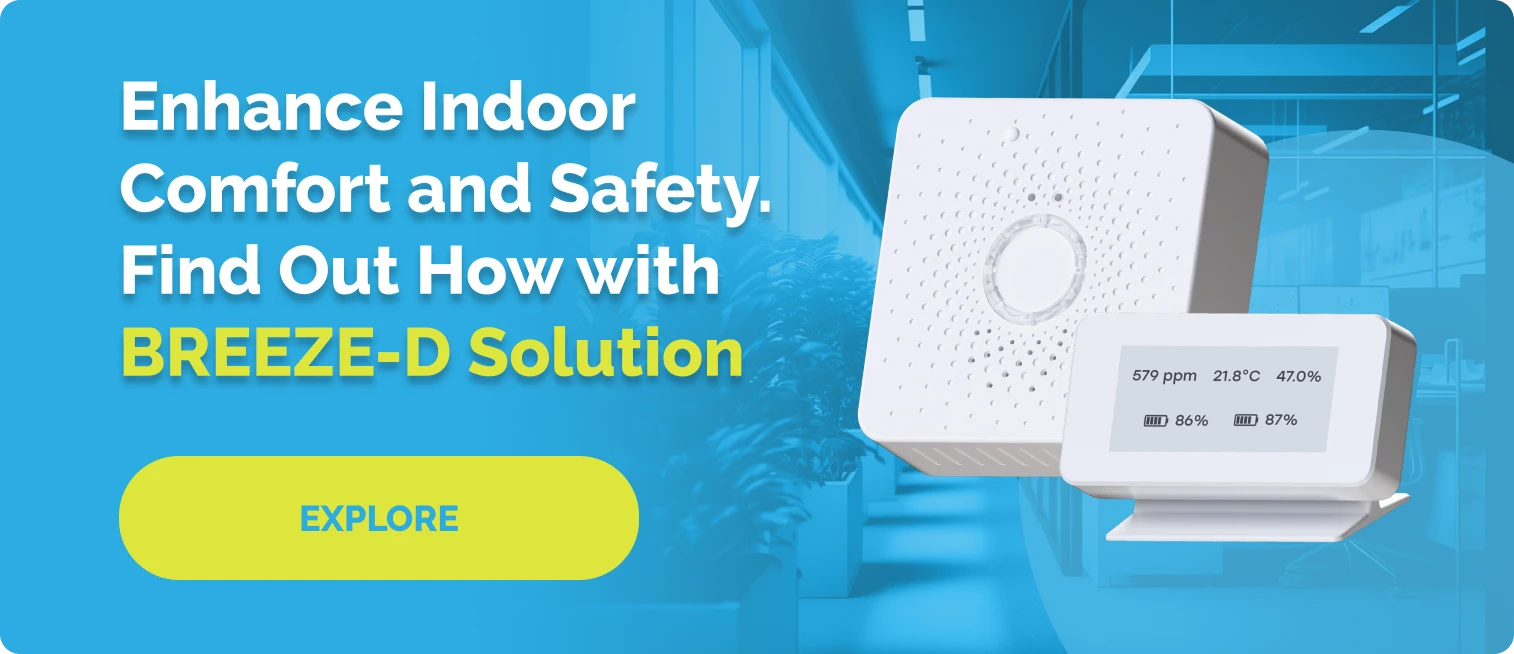
These devices track air quality, humidity, temperature, light, UV exposure, and pollution levels. By monitoring these factors, they help prevent respiratory issues and optimize sleep quality. For instance, LoRaWAN sensors ensure compliance with safety standards, while studies show that environmental data is directly linked to overall wellbeing. Think of them as your home’s health-conscious watchdog.
Physiological Monitors
These capture vital signs through wearables like smartwatches and sleep rings, or non-wearables like bed scales and contactless camera sensors. Camera-based sensors can detect heart rate and blood pressure without physical contact, offering passive, continuous tracking. AI monitoring devices in this category analyze data to provide insights. To explore the latest in wearables, read our feature on Revolutionize Your Well-being: 5 Game-Changing Wearable Health Gadgets for an Extraordinary Lifestyle in 2024.

Safety & Assistance Sensors
Designed for vulnerable populations, especially seniors, these include fall detection systems, motion-sensing pads, panic buttons, and smart medication dispensers. They provide real-time alerts to caregivers, enabling rapid emergency response. As part of smart home health sensors, they are crucial for enhancing safety and peace of mind. It’s like having a guardian angel embedded in your home’s infrastructure.
The Role of AI and Data Integration – Making Sense of the Data
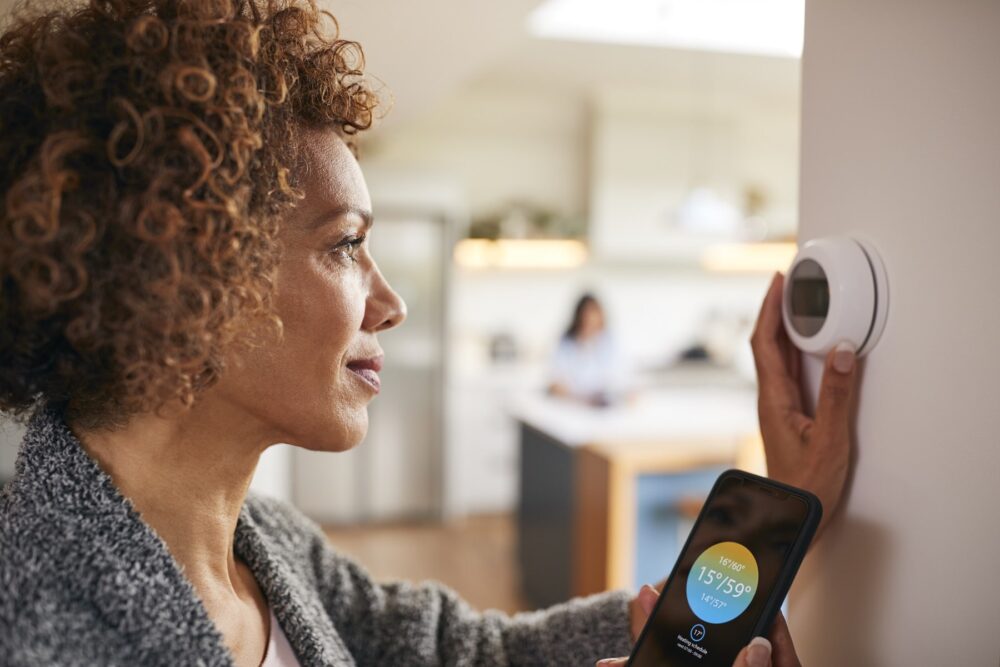
AI monitoring devices serve as the intelligence layer, aggregating data from sensors to hubs like smart speakers for analysis. This process involves local and cloud-based processing to transform raw data into personalized insights. Key features include predictive alerts for health deterioration, voice commands for hands-free control, and telemedicine integration. Security is paramount, with encrypted communications using protocols like LoRaWAN. AI doesn’t just collect data; it learns your patterns to offer proactive health recommendations. Learn more in The Rise of Unstoppable AI-Powered Smart Homes: Revolutionary Trends Shaping the Future and AI in Smart Home Devices – The Integration of AI in Everyday Devices.

Tangible Benefits and Real-World Use Cases – Why These Sensors Matter
The benefits of smart home health sensors are profound and practical:
- Early Warning: Detect fevers, falls, or irregular heart rhythms before they become critical, as supported by research on predictive analytics.
- Senior Independence: Enable seniors to live alone safely with remote monitoring that alerts caregivers to emergencies.
- Data-Driven Wellness: Optimize sleep, medication adherence, and daily routines through continuous tracking. Studies show this leads to improved quality of life and reduced hospital visits.
- Automated Caregiving: Streamline care for family members and healthcare providers, making health management less burdensome.
These sensors aren’t just gadgets; they’re lifelines for those with chronic conditions or recovery needs.

Considerations for Choosing Smart Home Health Sensors – A Buyer’s Guide
Selecting the right sensors involves evaluating several factors:
- Accuracy: Look for high-precision biometric measurements with clinical validation. Camera-based technologies often offer reliable non-invasive monitoring.
- Data Privacy & Security: Ensure encrypted communications (e.g., LoRaWAN standards) and compliance with regulations like HIPAA if applicable.
- Ecosystem Compatibility: Devices should integrate with platforms like Apple HealthKit, Google Fit, or Amazon Alexa for seamless operation.
- Ease of Use: Prioritize non-invasive, contactless options that require minimal setup—ideal for all age groups.
- Interoperability & Cost: Follow open standards to avoid vendor lock-in, and consider energy-efficient devices to reduce long-term costs. Innovations like SDK-based cameras are making deployment more affordable.
For top-rated options, consult our curated list: Best Smart Home Devices: Your Ultimate Guide for 2025.

The Future of Home Health Monitoring – Emerging Trends & What’s Next
The future of smart home health sensors is bright, driven by trends like AI-powered predictive analytics that anticipate health issues before symptoms appear. Advanced wearables will integrate multiple sensors, while contactless monitoring via cameras and audio will become standard. Environmental safety will merge with health monitoring, and smart hospital IoT ecosystems will enable seamless care continuity. This evolution underscores a shift towards preventative, personalized healthcare delivered comfortably at home.

Closing Section: Summary & Actionable Next Steps
Integrating home wellbeing gadgets creates a comprehensive system for proactive health management. Start by assessing your needs: consider environmental and physiological sensors that match your health goals, always prioritizing privacy and security. Leverage AI monitoring devices to gain personalized insights and develop routines that fit your lifestyle. View smart home health sensors as practical tools for taking control of your wellbeing—your first step is to evaluate your current setup and identify which sensor categories offer the most value.
Frequently Asked Questions
What exactly are smart home health sensors?
Smart home health sensors are IoT devices that monitor health-related metrics like vital signs, activity, and environmental conditions in real-time, using technologies such as Bluetooth and AI to provide continuous, home-based care. Learn more about their automation capabilities.
How do these sensors ensure data privacy and security?
They use encrypted communications (e.g., LoRaWAN protocols), secure data storage, and often comply with standards like HIPAA. Always check for privacy certifications when purchasing. Read about security in health monitoring devices.
Are smart home health sensors suitable for seniors?
Absolutely. Safety sensors like fall detectors and medication reminders are designed to support senior independence by providing real-time alerts to caregivers. Explore how sensors improve at-home care for the elderly.
What should I look for when buying these sensors?
Focus on accuracy, ecosystem compatibility (e.g., with Apple HealthKit), ease of use, and data security. Start with sensors that address your specific health concerns, such as sleep monitoring or air quality. See considerations for AI-based monitors.
How does AI enhance smart home health sensors?
AI analyzes data from multiple sensors to offer predictive insights, automate alerts, and personalize health recommendations, making the system proactive rather than reactive. Discover AI’s role in health automation.