
Smart Plug Energy Savings: Your First Step to a More Efficient Home
Estimated reading time: 15 minutes
Key Takeaways
- Smart plug energy savings offer an easy, low-cost entry point to cutting electricity bills by eliminating phantom loads from devices like TVs and chargers.
- Expanding into home automation electricity reduction with smart lighting and routines can amplify savings, potentially reducing household energy use by up to 20%.
- A thoughtful smart thermostat comparison can guide you to models that save around $100 per year on heating and cooling, the largest energy expense in many homes.
- Future-proofing with energy-efficient devices 2026 trends, like AI-optimized appliances, ensures your smart home remains effective and sustainable.
- Building toward smart home sustainability creates a double benefit: lower monthly bills and a reduced environmental footprint through coordinated energy management.
Table of contents
- Smart Plug Energy Savings: Your First Step to a More Efficient Home
- Key Takeaways
- Opening Section
- The Foundation – Smart Plugs as Your First Step
- Scaling Up – Broader Home Automation for Electricity Reduction
- Major Impact Players – Smart Thermostat Deep Dive and Comparison
- Future‑Proofing Your Home – The 2026 Efficiency Landscape
- The Bigger Picture – Building a Sustainable Smart Home
- Final Section
- Frequently Asked Questions
Has your monthly electricity bill been creeping up, with devices left on and chargers always plugged in? You’re not alone. The good news is that smart plug energy savings provide one of the easiest and lowest‑cost entry points into an energy‑efficient smart home. No rewiring needed—just plug into an outlet and connect via Wi‑Fi. For a detailed guide on choosing the right one, see our review of the Best Smart Plugs for Home Automation.
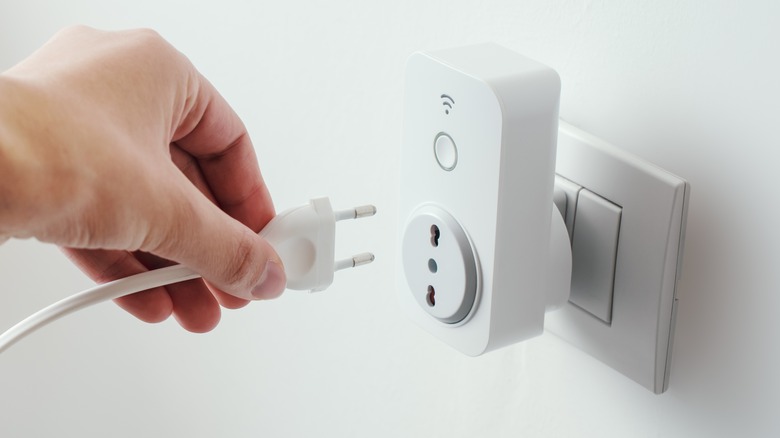
Research shows that smart plugs and plug‑in switches can significantly reduce plug load energy waste, contributing to household savings of up to around 20% annually when used consistently across multiple devices and combined with other smart controls.
- Source: https://www.paclights.com/explore/the-impact-of-plug-in-switch-on-energy-savings-and-sustainability/
- Source: https://www.grandviewresearch.com/industry-analysis/smart-plug-market
This guide will walk you through a practical journey: starting with smart plug energy savings for quick wins, expanding into home automation electricity reduction with lighting and routines, choosing the best option via a smart thermostat comparison, understanding upcoming energy-efficient devices 2026, and tying it all into long‑term smart home sustainability. Don’t worry if you’re not technical—we’ll explain everything in plain language.
The Foundation – Smart Plugs as Your First Step
Let’s dive into how smart plugs work and how they directly create smart plug energy savings.
What Is a Smart Plug and How Does It Work?
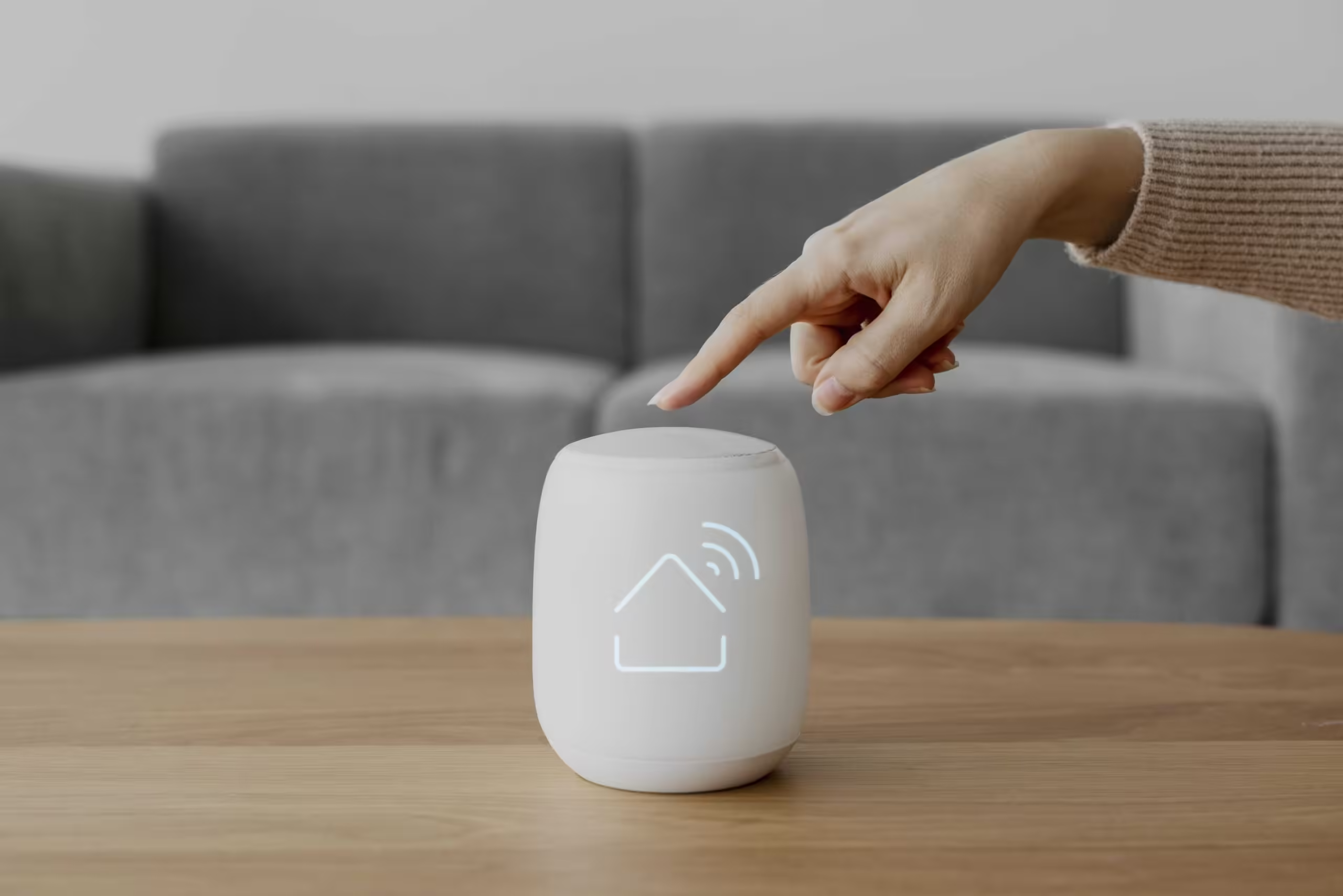
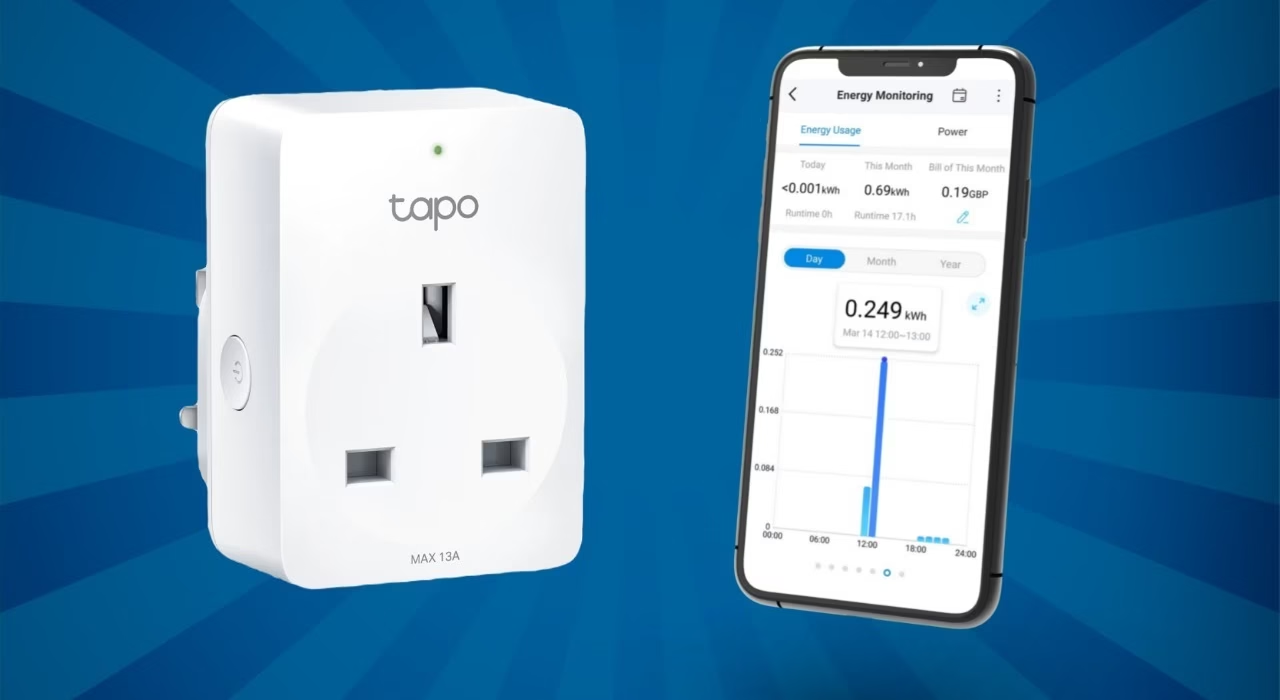
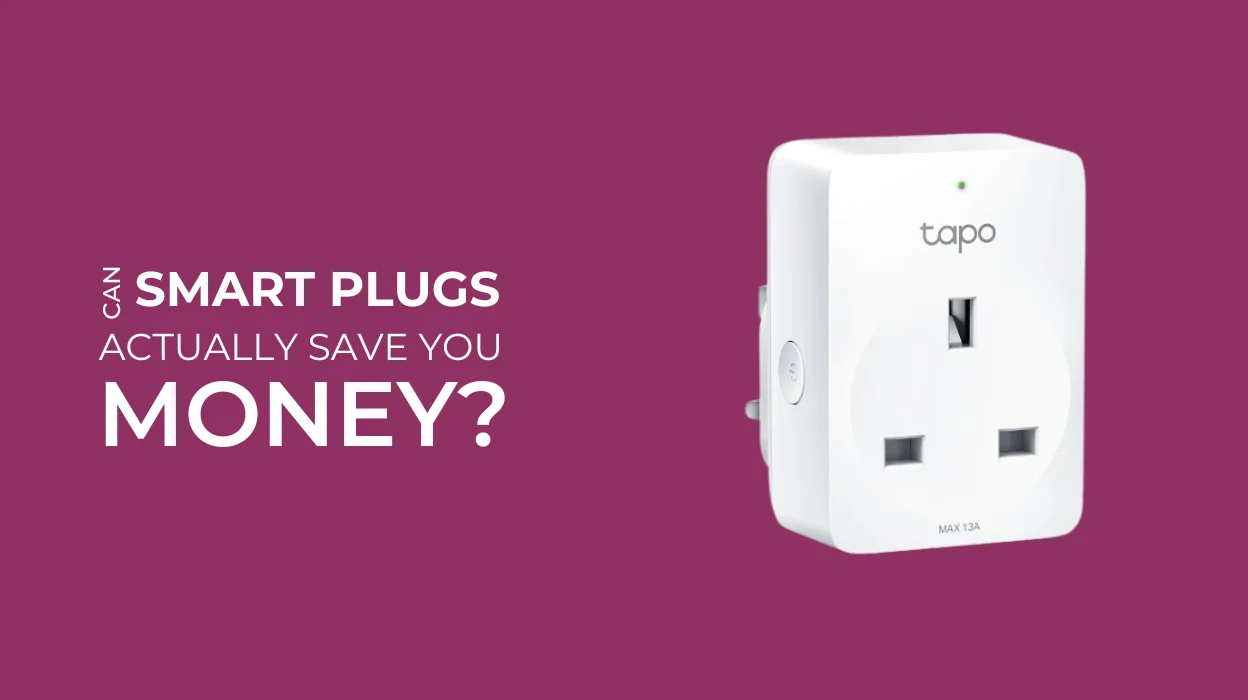
A smart plug is a small device that plugs into a standard wall outlet; you then plug an appliance into it. It adds wireless control via Wi‑Fi, Zigbee, or Z‑Wave, so you can turn the appliance on/off via an app, schedule, or voice assistant. Some models include energy monitoring, measuring power usage over time.

- Source: https://hubitat.com/blog/559194210347-do-smart-plugs-use-a-lot-of-electricity-a-comprehensive-guide
The smart plug itself uses only a small amount of power—often under 1–2 W when idle—which is far less than the wasted standby power it helps remove.
- Source: https://hubitat.com/blog/559194210347-do-smart-plugs-use-a-lot-of-electricity-a-comprehensive-guide
By controlling the on/off state and scheduling, smart plugs translate directly into smart plug energy savings by cutting waste.
How Smart Plugs Enable Energy Savings (3 Main Mechanisms)
1. Eliminating Phantom/Standby Loads: This is the electricity devices draw even when “off,” like TVs with standby lights or chargers left plugged in. Plug‑in switches and smart plugs can fully cut power, removing this hidden consumption and contributing to substantial savings.
- Source: https://www.paclights.com/explore/the-impact-of-plug-in-switch-on-energy-savings-and-sustainability/
- Source: https://www.grandviewresearch.com/industry-analysis/smart-plug-market
2. Scheduling: Set specific times for devices to turn on/off automatically—e.g., turn off the TV system at midnight. This prevents devices from running all night, directly reducing kilowatt‑hours consumed.
- Source: https://www.paclights.com/explore/the-impact-of-plug-in-switch-on-energy-savings-and-sustainability/
- Source: https://hubitat.com/blog/559194210347-do-smart-plugs-use-a-lot-of-electricity-a-comprehensive-guide
3. Remote Control & Automation: Via smartphone apps or voice assistants, you can check device status, turn off forgotten appliances from anywhere, and tie smart plugs into routines like “Goodnight” to turn off all non‑essential plugs. This makes saving energy frictionless.
- Source: https://www.paclights.com/explore/the-impact-of-plug-in-switch-on-energy-savings-and-sustainability/
- Source: https://www.grandviewresearch.com/industry-analysis/smart-plug-market
Best Devices to Use with Smart Plugs
Smart plugs are most effective for:
- Devices with standby power: TVs, soundbars, game consoles, streaming boxes (often draw 5–20 W even when “off”).
- Devices with predictable schedules: Coffee makers used only in the morning, space heaters (with safety note: only automate heaters designed for unattended use and follow manufacturer guidelines).
- Devices often forgotten: Phone chargers, lamps, office gear like printers.
Important: Do not use smart plugs on refrigerators, medical equipment, or devices needing continuous power. However, plugs with energy monitoring can highlight inefficiencies.
- Source: https://hubitat.com/blog/559194210347-do-smart-plugs-use-a-lot-of-electricity-a-comprehensive-guide
Simple Savings Formula and Example
To estimate yearly cost: multiply device wattage by hours per day, then by 365 days, divide by 1000 to convert to kilowatts, and multiply by your electricity rate.
Formula: Annual Cost = (Device Wattage (W) × Hours per Day × 365) / 1000 × Electricity Rate (per kWh)
Example: An entertainment system draws 15 W in standby for 24 hours/day, with electricity rate $0.15 per kWh.
- 15 W × 24 × 365 = 131,400 Wh per year.
- 131,400 ÷ 1000 = 131.4 kWh per year.
- 131.4 × $0.15 ≈ $19.71 per year just for standby.
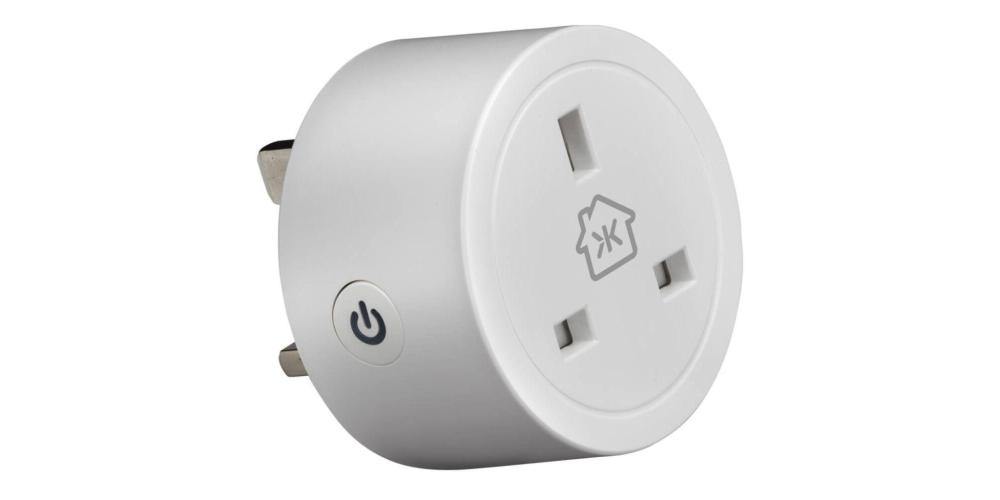
If a smart plug cuts that standby load, those $19.71/year are potential smart plug energy savings for one setup.
Typical savings: around $10–$50 per year per plug, with payback time often under a year for a $15–$25 plug.
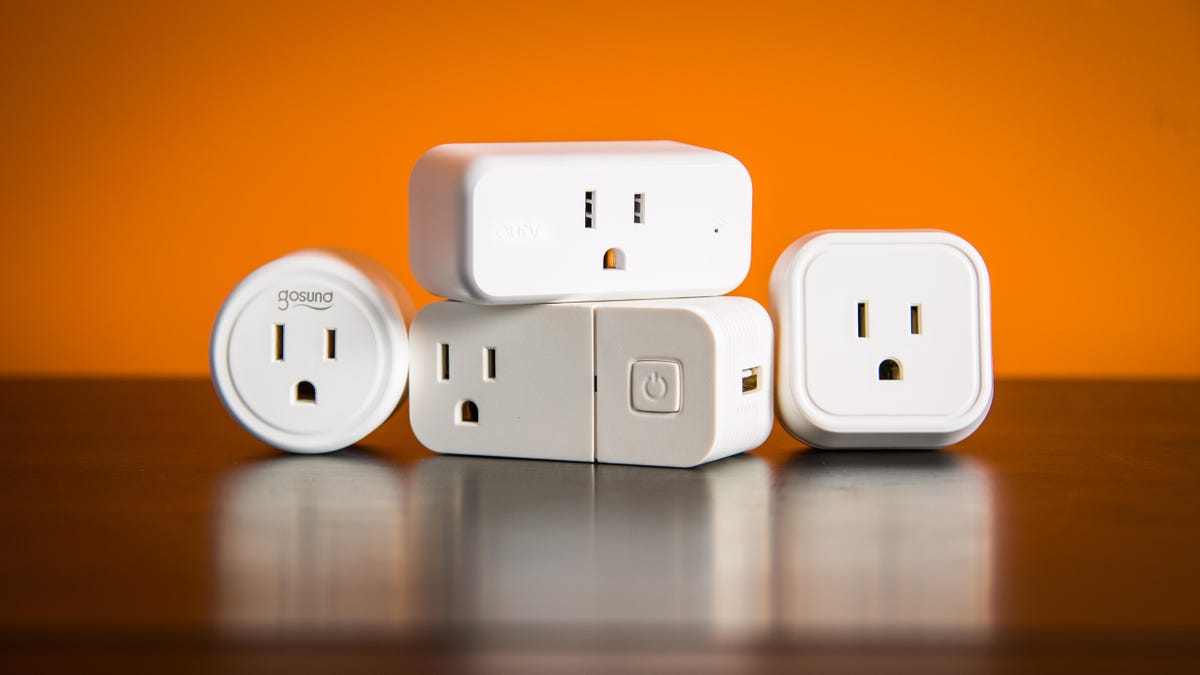
This foundation sets the stage for broader home automation electricity reduction and hints at future energy-efficient devices 2026, all contributing to smart home sustainability.
Scaling Up – Broader Home Automation for Electricity Reduction
Now, let’s move beyond smart plugs into a coordinated home automation electricity reduction strategy.
Automating Lighting (Big, Visible Savings)
Lighting can be a sizable share of household electricity. LED lighting plus smart controls can reduce lighting energy use by up to about 75% vs. traditional incandescent bulbs when combined with smart strategies.
Key tools:
- Smart bulbs and smart switches: Control via app/voice for precise management.
- Motion sensors: Automatically turn lights on/off based on occupancy, ideal for hallways or bathrooms.
- Schedules and timers: e.g., turn off living room lights at midnight.
- Scenes and groups: Preset settings like “All Off” to shut down multiple lights at once.

Smart Power Strips & Load‑Sensing Devices
A smart power strip is a multi‑outlet strip that can cut power to several devices at once, often automatically based on a main device’s status (like a TV turning off).
Energy‑saving function: When the main device turns off, the strip cuts power to secondary devices (speakers, game consoles), removing standby draw.
- Source: https://www.paclights.com/explore/the-impact-of-plug-in-switch-on-energy-savings-and-sustainability/
- Source: https://www.grandviewresearch.com/industry-analysis/smart-plug-market
Some strips offer per‑outlet control and energy monitoring, helping identify high‑use devices.
Central Hubs, Voice Assistants, and Routines
A smart hub (e.g., Hubitat, SmartThings) connects and coordinates different devices for complex automation rules.
- Source: https://www.paclights.com/explore/the-impact-of-plug-in-switch-on-energy-savings-and-sustainability/
- Source: https://www.grandviewresearch.com/industry-analysis/smart-plug-market
Voice assistants like Alexa or Google Assistant enable voice control and routines.
Example routines for home automation electricity reduction:
- “Goodnight”: Turn off all smart plugs for entertainment systems, dim lights, set thermostat to nighttime.
- “Away from home”: Turn off non‑essential plugs and lights, set thermostat to eco mode.
Routines make energy‑saving behaviors consistent and effortless, building toward smart home sustainability.
Major Impact Players – Smart Thermostat Deep Dive and Comparison
While smart plugs and lighting help, heating and cooling (HVAC) often provide the biggest savings. A smart thermostat comparison guides you to the right choice.
Why HVAC Is the Big Lever
Heating and cooling account for around half of a typical home’s energy use. Smart thermostats can reduce bills by about 10–15% when used properly, translating to roughly $100 per year in savings for many households.

Key Energy‑Saving Features to Understand
- Learning schedules: Automatically builds a schedule based on your habits.
- Geofencing: Uses smartphone location to shift to eco/away temperatures when you leave.
- Energy usage reports: Monthly insights on system usage and savings tips.
- Eco/away modes & adaptive recovery: Pre‑set energy‑saving temperatures and efficient pre‑heating/cooling.
- Integration with other smart devices: Tie into routines with smart plugs and lights for coordinated home automation electricity reduction.
Simple, Practical Smart Thermostat Comparison
Compare based on:
- Price range: $100–$250 upfront.
- Typical annual savings: Around $100/year.
- Ecosystem integration: Compatibility with voice assistants and existing smart devices.
- Feature focus:
- Model Type A: Strong learning and detailed reports—best for automation enthusiasts.
- Model Type B: Budget‑friendly with basic scheduling—great for renters or small homes.
- Model Type C: Sensor‑rich for multi‑zone homes—ideal for larger spaces with temperature variations.
How Smart Thermostats Fit into Your Existing Smart Devices
Integrate with routines: e.g., when “Away” runs, thermostat goes to eco mode, smart plugs turn off entertainment systems, and lights switch off. This layers on top of smart plug energy savings for deeper impact and smart home sustainability.
Future‑Proofing Your Home – The 2026 Efficiency Landscape
Connect current decisions to trends in energy-efficient devices 2026 to avoid dead‑end products.
Key Emerging Energy‑Efficient Technologies by 2026
- Next‑generation HVAC: Inverter‑driven heat pumps that adjust output continuously for efficiency, paired with smart thermostats.
- AI‑optimized appliances and plugs: Use machine learning to schedule loads for off‑peak times or detect abnormalities. For more, read our feature on AI in Smart Home Devices.
- Solar and storage integration: Smart devices coordinate with rooftop solar to run appliances during peak production.

Interoperability and Standards
Emerging standards like Matter help devices from different brands work together. Choose devices compatible with major ecosystems (Alexa, Google) and smart‑home standards to ensure they coordinate with future energy-efficient devices 2026.
- Source: https://www.paclights.com/explore/the-impact-of-plug-in-switch-on-energy-savings-and-sustainability/
- Source: https://www.grandviewresearch.com/industry-analysis/smart-plug-market
Buying Checklist for Future‑Proof Devices
- Check for energy monitoring or analytics on smart plugs and appliances.
- Confirm broad ecosystem support for your preferred voice assistant and hub.
- Ensure manufacturer provides regular firmware updates and a well‑maintained app.
- Look for compatibility with future‑oriented standards (e.g., Matter) to avoid lock‑in.
This prepares you for long‑term smart home sustainability and ongoing home automation electricity reduction.
The Bigger Picture – Building a Sustainable Smart Home
Synthesize everything into a vision of smart home sustainability with financial and environmental benefits.
How All the Pieces Fit Together
A smart energy management system combines smart plugs, lighting, thermostats, and efficient appliances to reduce household electricity demand and support grid stability, lowering carbon emissions.
- Source: https://www.paclights.com/explore/the-impact-of-plug-in-switch-on-energy-savings-and-sustainability/
- Source: https://www.grandviewresearch.com/industry-analysis/smart-plug-market
Financial and Environmental Double Benefit (Quantify Stacked Savings)
Estimated annual savings:
- Smart plugs: $10–$50 per year per plug.
- Smart thermostat: Around $100 per year.
- Smart lighting: Dozens of dollars per year in high‑use spaces.
When deployed across many devices, total electricity consumption can drop by up to roughly 20%.
- Source: https://www.paclights.com/explore/the-impact-of-plug-in-switch-on-energy-savings-and-sustainability/
- Source: https://www.grandviewresearch.com/industry-analysis/smart-plug-market

Every kilowatt‑hour saved reduces emissions, making smart home sustainability a personal and global win.
Phased, Budget‑Friendly Roadmap to a Sustainable Smart Home
Step 1 – Start with 1–3 smart plugs: Target worst phantom loads like entertainment centers, set simple schedules for smart plug energy savings.
Step 2 – Add smart lighting in high‑use spaces: Install smart bulbs or switches, create “All Off” scenes.
Step 3 – Install a smart thermostat: Choose via smart thermostat comparison, set modest temperature setbacks, integrate with routines.
Step 4 – Upgrade appliances and add energy monitoring: Replace old appliances with high‑efficiency models, use energy monitoring smart plugs on big loads.
- Source: https://hubitat.com/blog/559194210347-do-smart-plugs-use-a-lot-of-electricity-a-comprehensive-guide
This phased approach delivers quick wins and builds toward full smart home sustainability without overwhelm.
Final Section
Let’s recap: start with smart plug energy savings by eliminating phantom loads, layer in home automation electricity reduction with lighting and routines, add a smart thermostat from a smart thermostat comparison for major HVAC savings, and future‑proof with energy-efficient devices 2026 for long‑term smart home sustainability.
The benefits are clear: lower bills, greater comfort, and reduced environmental impact.
Your call to action: Pick one high‑waste area—like your entertainment center—buy a single smart plug, set a nightly off‑schedule, and monitor your bill for a month. Then expand step by step. For a complete guide, check out our DIY Smart Home Setup Guide.
Small, informed tech choices made today can steadily transform any home into a more efficient, affordable, and sustainable smart home. To explore top devices, see our guide to the Best Smart Home Devices for 2025.
Frequently Asked Questions
Do smart plugs use a lot of electricity themselves?
No, smart plugs typically use under 1–2 W when idle, which is negligible compared to the standby power they help eliminate. For details, see this comprehensive guide.
How much can I really save with smart plugs?
Savings vary, but typically $10–$50 per year per plug, with payback in under a year for many models. For example, cutting a 15 W standby load can save around $20 annually. Learn more from this source on smart home savings.
What’s the difference between a smart plug and a smart power strip?
A smart plug controls one device, while a smart power strip controls multiple outlets, often with load‑sensing to cut power to secondary devices when a main device turns off. Both contribute to home automation electricity reduction. References: here and here.
Are smart thermostats worth the investment?
Yes, smart thermostats can save around $100 per year on heating and cooling, paying for themselves in 1–2 years. Use our smart thermostat comparison to choose the right model. Source: here.
How can I future‑proof my smart home for 2026 efficiency trends?
Focus on devices with energy monitoring, broad ecosystem support, and compatibility with standards like Matter. This ensures they work with upcoming energy-efficient devices 2026. For AI trends, read AI in Smart Home Devices.