

Solar Storms Affecting Satellite Communications: Navigating the 2025 Space Weather Crisis
Estimated reading time: 9 minutes
Key Takeaways
- Solar storms affecting satellite communications pose escalating risks as Solar Cycle 25 peaks, threatening GPS, radio, and orbital assets with X-rays, UV radiation, and coronal mass ejections.
- Recent events like Starlink service disruptions due to space weather highlight vulnerabilities, with SpaceX losing dozens of satellites in 2025 to geomagnetic storm drag.
- Latest solar flare updates and satellite impacts show intense activity, including X-class flares causing radio blackouts and increasing failure risks for spacecraft.
- Critical satellite communication outages caused by solar storms have historical precedents, with potential for global navigation failures and infrastructure collapse during superstorms.
- Advancements in space weather forecasting for satellite operators and users are crucial for mitigation, enabling safe modes and design resilience to prevent catastrophic losses.
Table of Contents
- Solar Storms Affecting Satellite Communications: Navigating the 2025 Space Weather Crisis
- Key Takeaways
- The Immediate Threat: Why Solar Storms Matter Now
- What Are Solar Storms? The Science Behind the Chaos
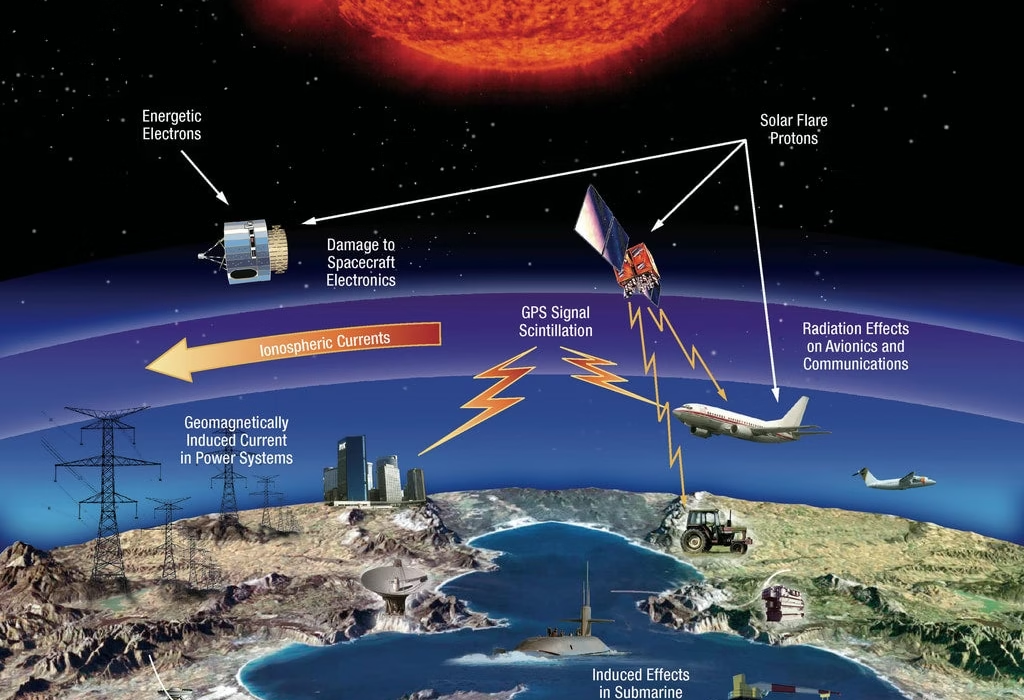
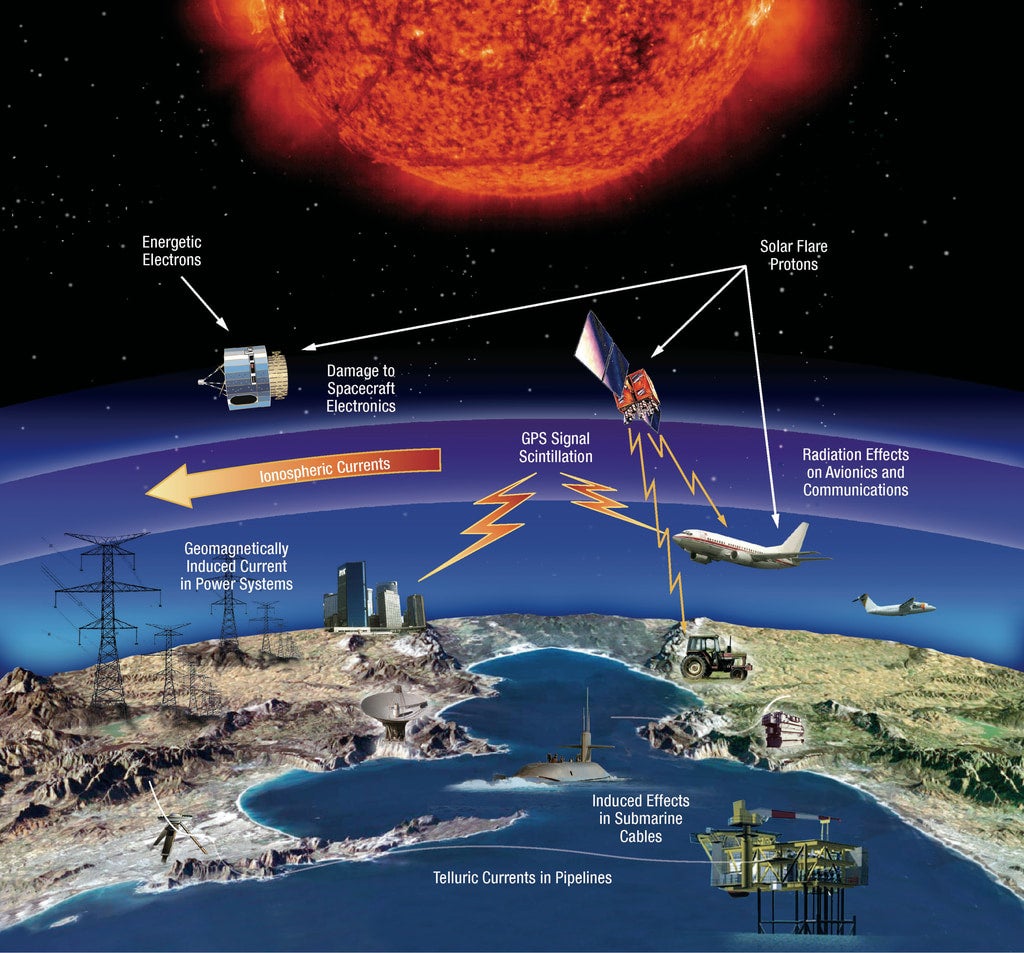
- How Solar Storms Disrupt Satellite Communications
- Starlink Service Disruptions: A Wake-Up Call
- Latest Solar Flare Updates and Satellite Impacts
- Critical Satellite Communication Outages: Case Studies
- Space Weather Forecasting: The Lifeline for Operators
- Forecasting Technologies: A Visual Guide
- Mitigation Strategies: How to Prepare and Survive
- Frequently Asked Questions
As we plunge deeper into 2025, the reality of solar storms affecting satellite communications is no longer a distant threat—it’s a pressing crisis disrupting the backbone of modern infrastructure. These cosmic tempests, fueled by Solar Cycle 25’s maximum, unleash X-rays, UV radiation, and coronal mass ejections (CMEs) that can black out radio signals, cripple GPS navigation, and shorten satellite lifespans through atmospheric drag. The stakes have never been higher for our interconnected world.

This post delves into the science behind these events, explores recent examples like Starlink service disruptions due to space weather, provides latest solar flare updates and satellite impacts, analyzes critical satellite communication outages caused by solar storms, and underscores the vital role of space weather forecasting for satellite operators and users. By understanding these dynamics, we can build resilience against the coming storm.
The Immediate Threat: Why Solar Storms Matter Now
Solar activity is cyclical, and we’re entering the peak of Solar Cycle 25, a period marked by frequent flares and storms. According to NOAA’s Solar Cycle Progression, this maximum phase intensifies radiation and CMEs, heating the upper atmosphere and increasing density in low-Earth orbit (LEO) by 2-3 times. This accelerates orbital decay, risking premature satellite loss, while in higher orbits, trapped electrons surge, heightening failure risks for GPS and navigation systems. Simply put, every satellite in space is now on borrowed time.
What Are Solar Storms? The Science Behind the Chaos
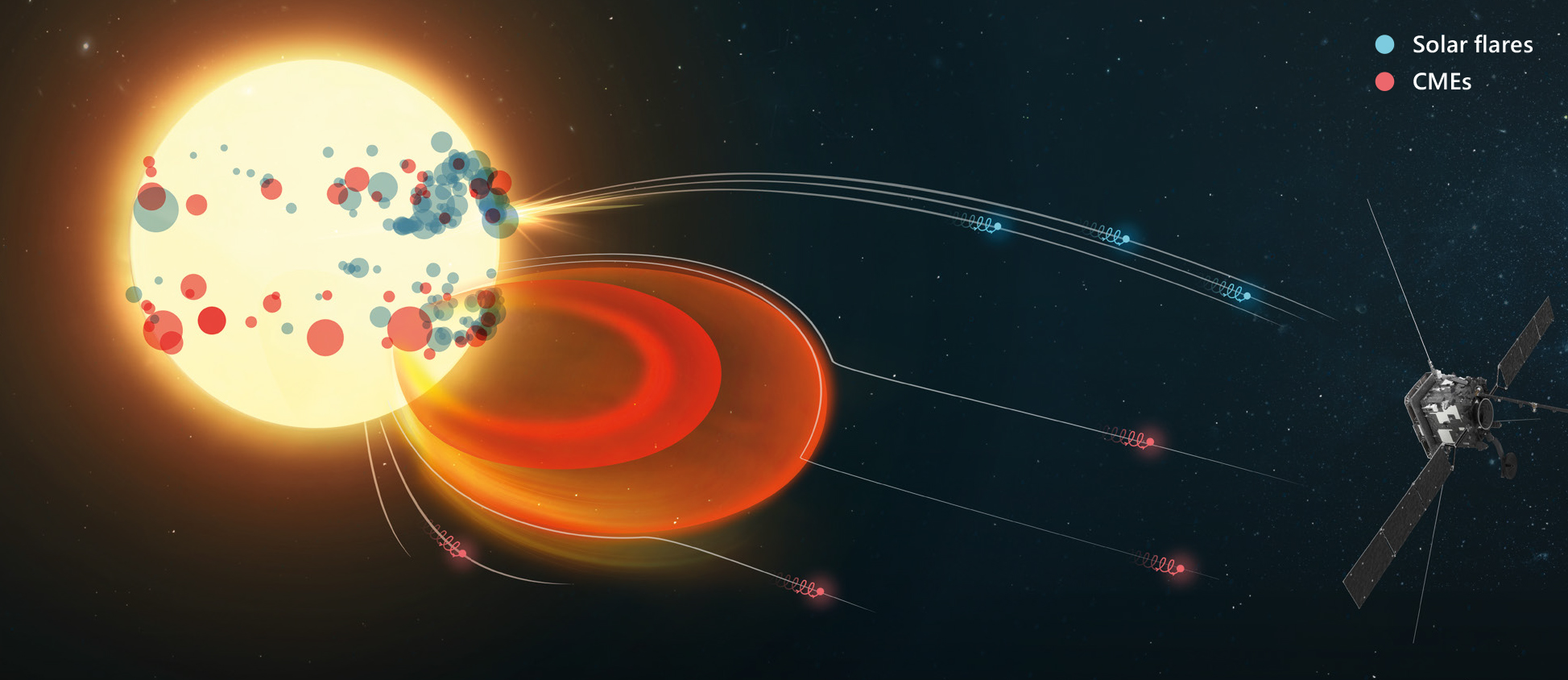
Solar storms encompass two main phenomena: solar flares and coronal mass ejections (CMEs). Flares are bursts of electromagnetic energy that reach Earth in about eight minutes, triggering ionospheric absorption that blacks out radio communications. CMEs are massive clouds of plasma that arrive in 15-18 hours, sparking geomagnetic storms that intensify radiation belts and atmospheric drag. As detailed by NASA Spaceflight, these events heat the upper atmosphere, expanding it and increasing drag on LEO satellites, while also bombarding electronics with charged particles.

- Solar Flares: Immediate impacts include radio blackouts and interference with satellite signals.
- CMEs: Longer-term effects involve geomagnetic storms that can expand radiation belts, damaging satellite components and disrupting power grids on Earth.
How Solar Storms Disrupt Satellite Communications
The mechanics of solar storms affecting satellite communications are twofold. First, flares cause rapid ionospheric disturbances, absorbing high-frequency radio waves and crippling communication links. Second, CME-induced geomagnetic storms generate currents in the Earth’s magnetosphere, leading to:
- Atmospheric Drag: Increased density in LEO pulls satellites downward, requiring more fuel to maintain orbit or face reentry.
- Radiation Damage: Energetic particles can penetrate shielding, causing memory errors, sensor malfunctions, and permanent hardware failure.
- Navigation Errors: GPS signals are delayed or scrambled, affecting aviation, maritime, and terrestrial navigation systems.
This science sets the stage for the real-world examples and forecasting efforts discussed below.

Starlink Service Disruptions: A Wake-Up Call
In February 2025, SpaceX made headlines when a geomagnetic storm caused enhanced atmospheric drag, leading to the loss of 40 out of 49 newly deployed Starlink satellites. This event, a stark example of Starlink service disruptions due to space weather, underscored the fragility of mega-constellations. Similarly, in 2023, Capella Space satellites fell out of orbit earlier than expected due to density spikes from solar activity. The May 2025 storm—the strongest in two decades—caused widespread GPS disruptions and affected thousands of satellites, though timely warnings prevented total losses. These incidents are not anomalies; they are harbingers of a stormier space environment.

Latest Solar Flare Updates and Satellite Impacts
Recent months have seen intense solar activity, with latest solar flare updates and satellite impacts revealing persistent threats. On November 11, 2025, an X5.1-class flare caused R3-level radio blackouts across Africa and Europe, disrupting short-wave communications. NASA’s Solar Dynamics Observatory captured another strong flare peaking on December 8, 2025, highlighting risks to power grids and spacecraft. Research indicates that Solar Maximum’s peak activity is ongoing, with instruments like GOES-19’s CCOR-1 coronagraph enabling better CME predictions. As noted in NASA’s Solar Cycle 25 blog, this activity underscores the need for continuous monitoring to mitigate satellite communication failures.

Critical Satellite Communication Outages: Case Studies
History is riddled with critical satellite communication outages caused by solar storms. The 2003 Halloween Storms impacted over half of orbiting satellites, causing malfunctions and data loss. More recently, a June 15, 2025, flare blacked out short-wave radio across North America, while the 2024 storm disrupted GPS, satellites, and power grids, foreshadowing 2025 threats to telecom, aviation, and critical infrastructure. Experts warn that a superstorm could cost Europe tens of billions, with global satellite damage, blackouts, and navigation failures. These events mirror the cascading effects seen in terrestrial network outages, as analyzed in major internet disruptions, and are part of the broader digital threat landscape highlighted in Cloudflare’s Q2 2025 threats report.
Space Weather Forecasting: The Lifeline for Operators
The importance of space weather forecasting for satellite operators and users cannot be overstated. Observatories like NASA’s Solar Dynamics Observatory (SDO), ESA’s Solar Orbiter, and NOAA’s GOES series provide real-time data on solar activity. The upcoming Space Weather Follow-On (SWFO-L1) mission, set for 2026, will offer 15-60 minute CME warnings from the L1 Lagrange point. NOAA’s Solar Cycle Progression tools help predict storm frequency, aiding satellite lifespan estimates. The May 2025 event demonstrated forecasting’s value: operators activated safe modes or raised orbits, making it history’s most mitigated extreme storm. Forecasting is the shield that turns potential disaster into manageable risk.

Forecasting Technologies: A Visual Guide
Here’s a quick overview of key technologies driving space weather predictions:
| Technology | Capability | Role in Forecasting |
|---|---|---|
| GOES-19 CCOR-1 Coronagraph | Real-time CME monitoring | Provides short-term warnings in minutes, crucial for immediate satellite responses [Source]. |
| DSCOVR at L1 | 15-60 min CME shock detection | Enables days-ahead predictions, though challenging for all events [Source]. |
| Parker Solar Probe & Solar Orbiter | Studies solar wind origins | Reveals cycle roots, but not always real-time for all events [Source]. |
| SWFO-L1 (2026 launch) | Dual coronagraphs, global processing | Future deployment for enhanced warnings and outage prevention [Source]. |
Mitigation Strategies: How to Prepare and Survive
Satellite operators and users can take proactive steps to mitigate risks. Operators often enter safe mode during storms, reboot post-event, and enhance designs—like Capella Space’s upsized propulsion and higher deployment altitudes, which allowed their satellites to sail through 2025 storms unscathed. Users should monitor NOAA alerts for GPS and radio backups, harden power grids, and reroute flights. Key strategies include:
- Larger Propulsion Systems: For orbit raises to counteract drag.
- Low-Drag Modes: Orienting satellites edge-on to solar arrays to reduce atmospheric resistance.
- Redundant Communication Paths: Diversifying comms to avoid single points of failure.

This proactive defense mirrors the need for robust cybersecurity, as highlighted in explosive cybersecurity threats for 2025, and parallels best practices for securing systems, as seen in AI-driven WordPress security guides. For everyday users, protecting devices that rely on satellite signals is akin to following smartphone security guides for 2025.
To safeguard infrastructure, satellite operators must invest in resilient designs and safe modes, while users should monitor NOAA/SWPC updates, diversify communications, and plan redundancies. Staying informed is the first step toward resilience against these predictable yet potent threats.
Frequently Asked Questions
What are solar storms, and how do they affect satellites?
Solar storms include solar flares and coronal mass ejections (CMEs) that release radiation and particles. They disrupt satellites by increasing atmospheric drag in low-Earth orbit, causing orbital decay, and by bombarding electronics with charged particles, leading to malfunctions or failures. For more, see this analysis on satellite vulnerabilities.
How can I protect my GPS or communication devices during a solar storm?
Monitor alerts from NOAA’s Space Weather Prediction Center, use backup navigation methods like paper maps or inertial systems, and diversify communication channels (e.g., landlines or mesh networks). Preparing redundancies is key, as outlined in steps to prepare for the 2025 solar storm.
What was the impact of the May 2025 solar storm on Starlink?
The May 2025 storm, the strongest in two decades, caused GPS disruptions and affected thousands of satellites. While no Starlink satellites were destroyed thanks to warnings, it highlighted risks of Starlink service disruptions due to space weather, emphasizing the need for mitigation strategies.
How accurate is space weather forecasting today?
Forecasting has improved with technologies like GOES coronagraphs and DSCOVR, providing 15-60 minute warnings for CMEs. However, predicting exact impacts remains challenging. Ongoing missions like SWFO-L1 aim to enhance accuracy, as discussed in space weather effects reports.
Could a solar storm cause a global internet outage?
Yes, severe storms could damage satellites and undersea cables, leading to widespread internet disruptions. This risk parallels terrestrial outages, as seen in massive internet outage analyses, underscoring the interconnected nature of digital infrastructure vulnerabilities.