
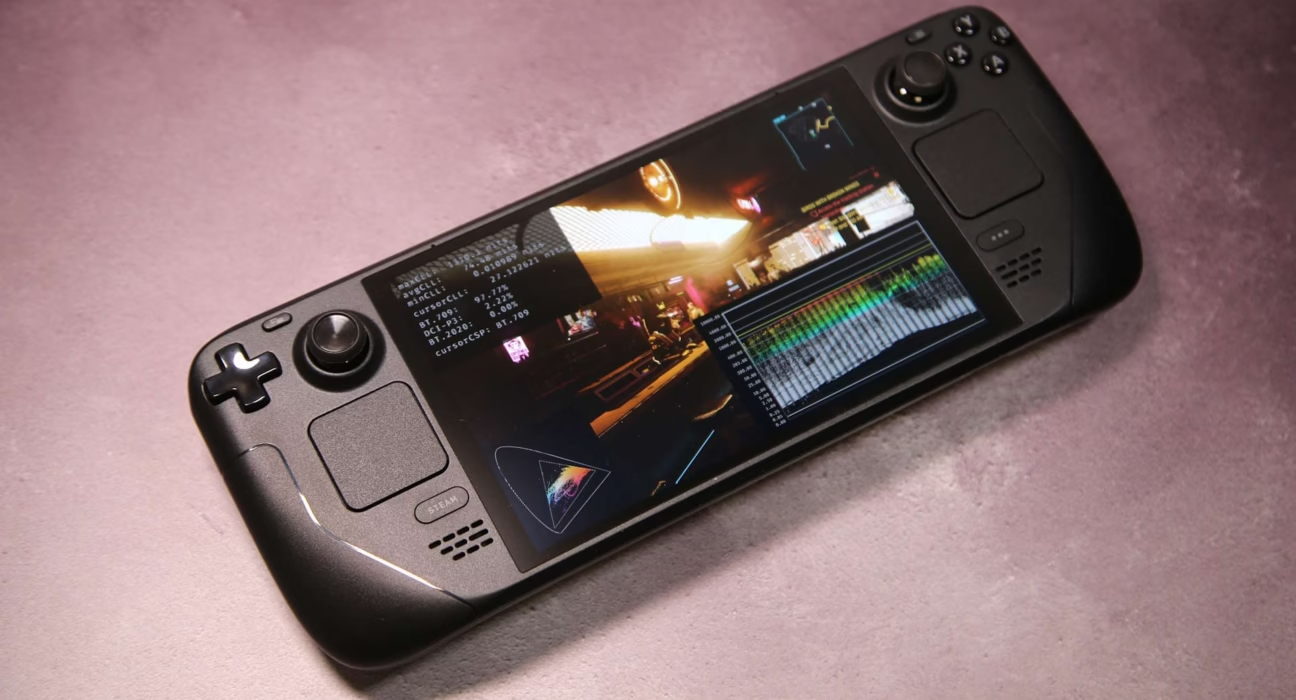
Steam Deck 2 Specs Leak: What the Rumors Mean for Valve’s Next Handheld
Estimated reading time: 10 minutes
Key Takeaways
- The latest steam deck 2 specs leak points to ambitious hardware, but Valve insists on waiting for a “substantial” performance leap before release.
- While you wait, the OLED version release date has already passed—it’s available now, offering significant quality-of-life upgrades over the original LCD model.
- Don’t overlook software; ongoing gaming on linux improvements through Proton and SteamOS are boosting valve handheld performance for all Deck owners today.
- Valve’s strategy prioritizes a major generational jump in efficiency and power, likely pushing a true Steam Deck 2 launch to late 2026 at the earliest.
- Rumored specs like a 900p OLED screen and a next-gen AMD APU aim to deliver stable 60 FPS in demanding titles, but treat all leaks with healthy skepticism.
Table of contents
- Steam Deck 2 Specs Leak: What the Rumors Mean for Valve’s Next Handheld
- Key Takeaways
- Breaking Down the Latest Steam Deck 2 Specs Leak
- OLED Version Release Date: Your Next-Gen Upgrade Available Now
- Gaming on Linux Improvements: The Software Boost Elevating Valve Handhelds
- What It All Means: Valve’s Strategy and the Future of Handheld PC Gaming
- Frequently Asked Questions
Gamers are buzzing with speculation about Valve’s next handheld amid fresh leaks on the steam deck 2 specs leak, but official word from Valve emphasizes waiting for a major leap rather than incremental upgrades. This post will dissect the latest rumors, contrast them with confirmed updates like the OLED model, and explore the software gains shaping handheld PC gaming. We’ll build excitement by noting the active community speculation around valve handheld performance improvements and tie it to the broader Steam Deck ecosystem. While leaks are tantalizing, Valve’s strategy clearly prioritizes substantial jumps.
Breaking Down the Latest Steam Deck 2 Specs Leak
At the heart of the latest steam deck 2 specs leak is a core tension: community dreams of ambitious upgrades versus Valve’s stated patience for a “substantial” performance jump. Valve has publicly ruled out incremental chips like the Ryzen Z2 for lacking enough efficiency in the critical 8-15W power envelope needed for handheld battery life. So, what are the rumors actually claiming?
The rumored APU is a custom AMD “Magnus” on Zen 4/6 architecture or a Z2 Extreme, built on a 4nm process with RDNA 4 graphics. This combination promises better ray tracing support, FSR 4.0 upscaling, and power output comparable to a PS4 Pro. The target? Stable 60 FPS on demanding titles like GTA VI at medium settings. FSR 4.0, for the uninitiated, is AMD’s next-gen AI-driven frame generation tech designed to boost performance without sacrificing visual fidelity.
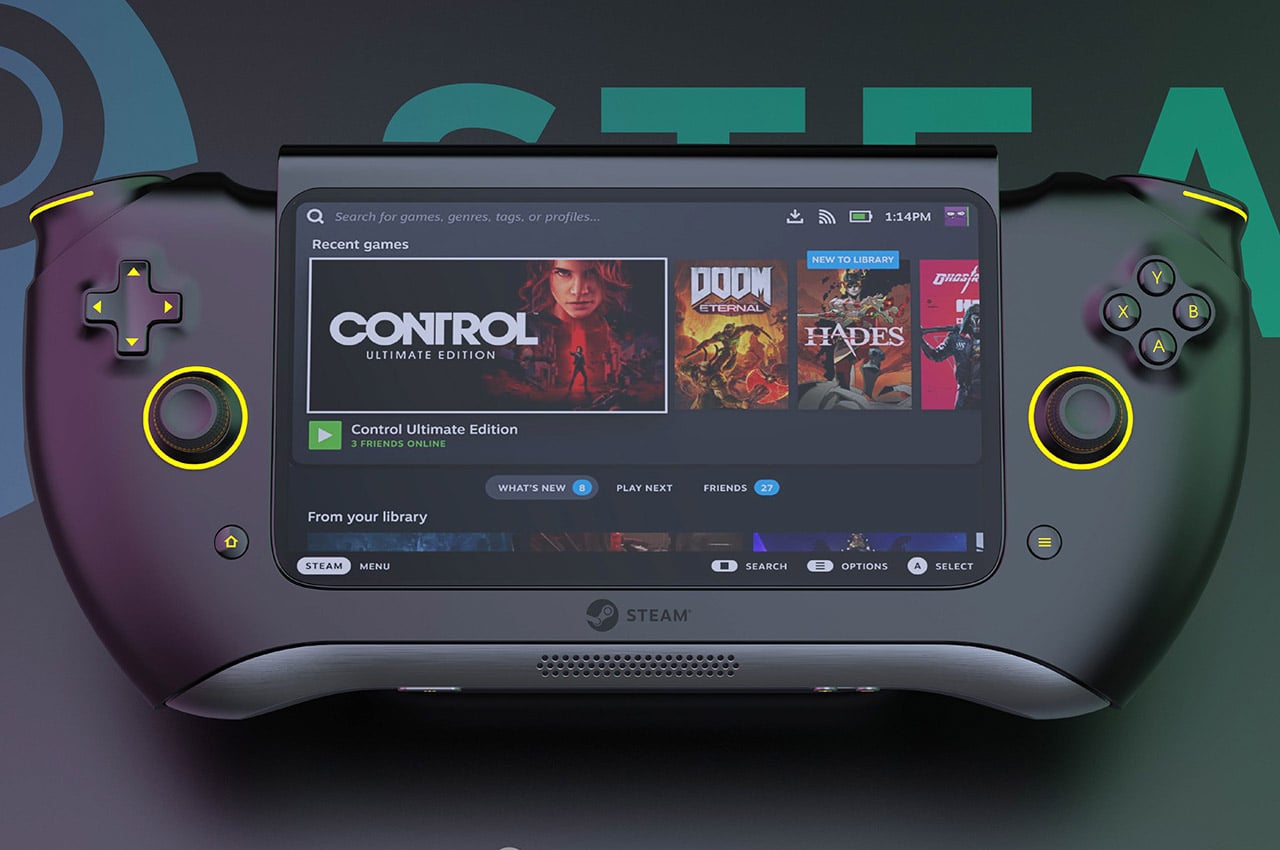
The display is another major rumor, suggesting an upgrade to a 900p OLED panel with a 90-120Hz refresh rate and Variable Refresh Rate (VRR) support. VRR dynamically matches the screen’s refresh rate to the game’s frame rate, eliminating tearing and stuttering for buttery-smooth gameplay. This move would skip IPS panels entirely, offering the sharper clarity and deeper, perfect blacks that OLED is famous for, a significant step up from the original 800p LCD.
Other hardware whispers include:
- Faster LPDDR5X memory for quicker data access and better multitasking.
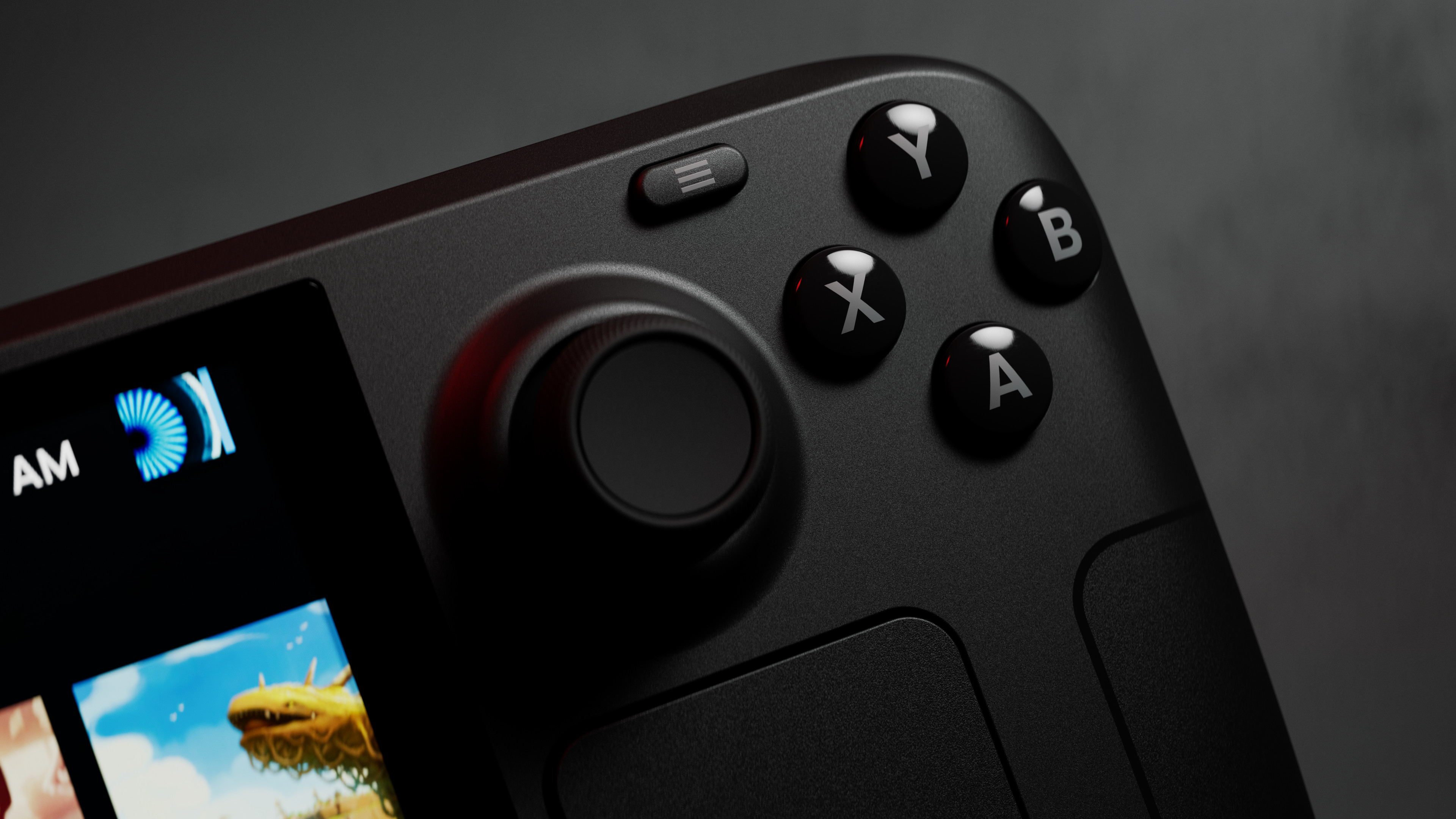
- Hall effect joysticks to prevent the dreaded stick drift by using magnetic sensors instead of wear-prone physical contacts.
- Improved triggers with adaptive resistance for more immersive feedback.
- A 40%+ battery life improvement via advanced silicon-carbon cells, targeting 3x performance per watt efficiency without increasing bulk.
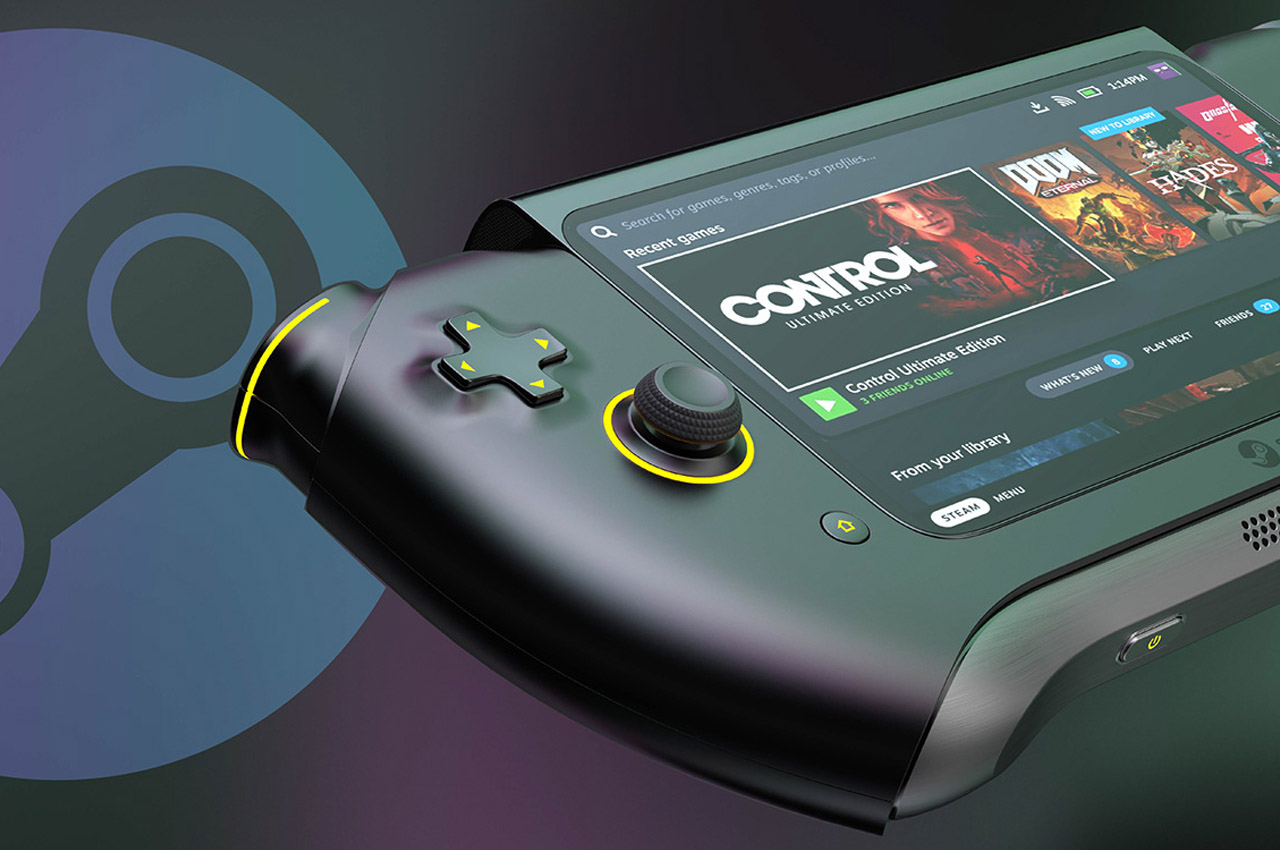
But how credible is all this? Sources like Chiphell forums and leakers such as KeplerL2 and Tekin mix community hype with fragments of Valve developer quotes from IGN and The Verge interviews. The hard truth: no official specs are confirmed. Valve has stated that even 20-50% gains aren’t sufficient to justify a next-gen device. Some community proposals, like 32GB of DDR5 RAM, would push costs over $2,000—completely unrealistic for Valve’s accessible pricing philosophy.
The implications for valve handheld performance are clear: if even half these rumors are true, the Steam Deck 2 could rival devices like the ROG Ally at a lower power draw, boosting frame rates, enabling higher resolutions, and extending playtime. However, it’s crucial to manage expectations and treat everything as an unverified rumor for now. When considering how the Steam Deck 2 might stack up, it’s worth exploring the broader console landscape in our comparison of the Best Gaming Consoles of 2025: PS5 vs Xbox Series X vs PC Gaming.
Here’s a quick, scannable comparison of the rumors versus the original:
| Feature | Original Steam Deck | Rumored Steam Deck 2 |
|---|---|---|
| APU | Custom AMD Zen 2, RDNA 2 | Custom AMD “Magnus” (Zen 4/6, RDNA 4) |
| Display | 7-inch 800p LCD, 60Hz | 7-8 inch 900p OLED, 90-120Hz with VRR |
| RAM | 16GB LPDDR5 | 16-32GB LPDDR5X |
| Battery & Efficiency | 40Whr, ~2-8 hours | ~40Whr with 40%+ longer life, 3x perf-per-watt target |

OLED Version Release Date: Your Next-Gen Upgrade Available Now
Let’s shift focus from future whispers to present reality. The official word is clear: no Steam Deck 2 before 2026 (with 2025 ruled out and some rumors even suggesting 2028). So, what’s a gamer to do? Enter the OLED refresh—its oled version release date has already passed, and it’s available now as a substantial mid-generation upgrade.
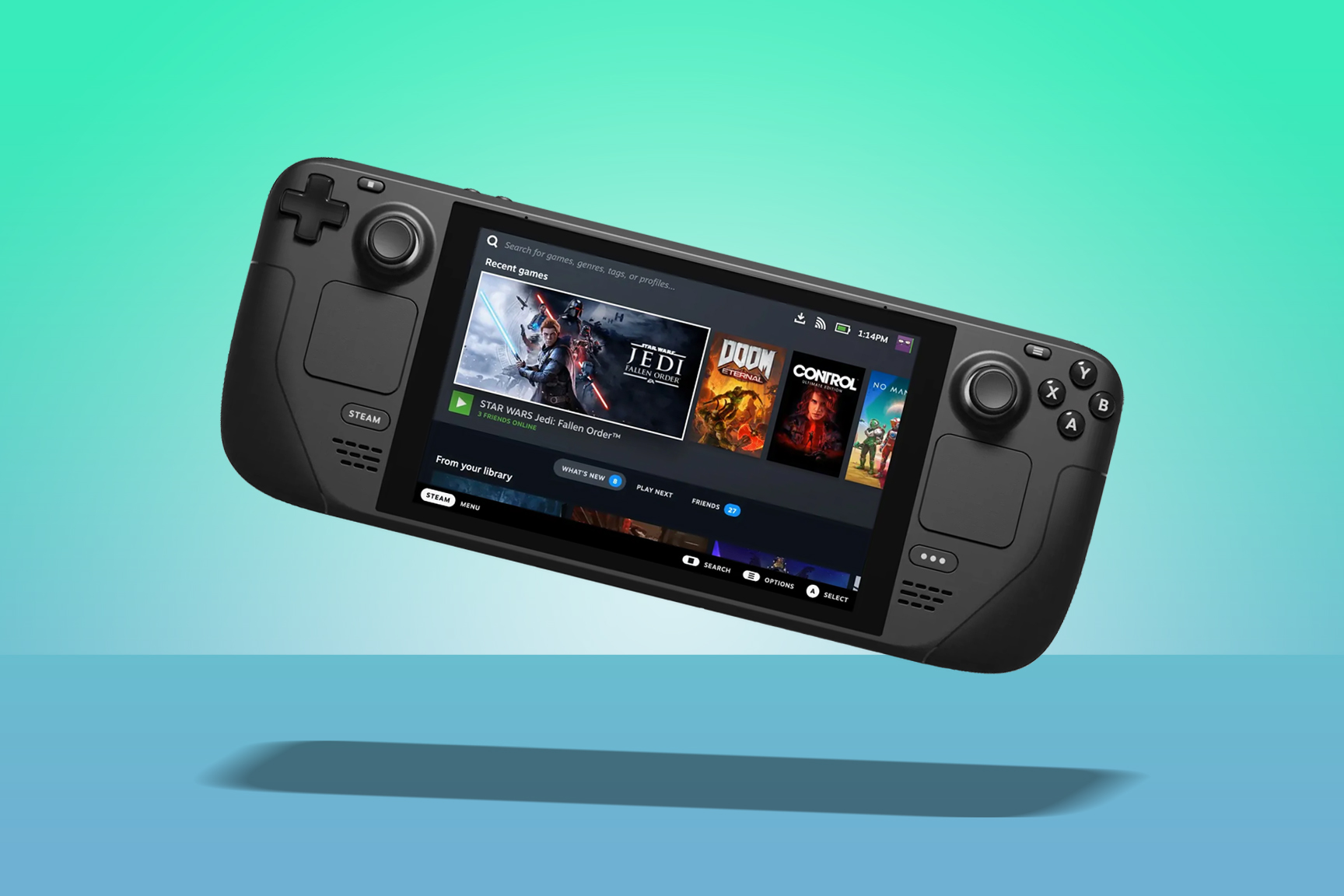
This model offers immediate, tangible benefits: a stunning 90Hz HDR OLED display for richer colors and infinite contrast, genuinely better battery life, and the same capable Zen 2 APU refined for efficiency. For many, this is the next-gen upgrade they can buy today.
Here’s how the OLED model stacks up against the original:
| Feature | Original LCD Model | OLED Model |
|---|---|---|
| Display | 7″ 800p LCD, 60Hz | 7.4″ 900p/90Hz OLED with HDR & VRR |
| Battery | 40Whr, ~2-8 hours | 50Whr, 30-50% longer life |
| Performance | Custom AMD Zen 2 APU at 15W | Identical APU with efficiency tweaks & faster RAM |
| Starting Price | $399 | $549 |

In terms of raw valve handheld performance, the OLED model holds steady with the Zen 2 APU, but the experience is elevated. You gain incredible visual vibrancy from the OLED panel, quieter fans for a more immersive session, and clever efficiency tweaks that deliver smoother, more consistent gameplay. The advice is straightforward: buy the OLED now if you need a capable handheld immediately. If you’re chasing the ultimate power leap, waiting for the Deck 2 is your play. The OLED model effectively bridges the gap, proving that next-gen isn’t just about silicon.
Gaming on Linux Improvements: The Software Boost Elevating Valve Handhelds
Hardware is only half the story. The silent hero boosting valve handheld performance is Valve’s relentless work on gaming on linux improvements. Through the Proton compatibility layer (which translates Windows games to run natively on Linux), SteamOS enhancements, and ever-broadening game compatibility, real performance gains are delivered to existing Decks without a single new piece of silicon.
Recent Proton updates have been revolutionary, enabling more AAA titles to run at stable frame rates by dramatically improving DirectX-to-Vulkan translation and—critically—expanding anti-cheat support for competitive online games. This means your library, whether old or new, just works better over time.
SteamOS enhancements focus on optimizing for the handheld’s low TDP (Thermal Design Power) scenarios. The system intelligently balances battery life and frame rates through dynamic power scaling, squeezing every drop of performance from the hardware. This creates a seamless, console-like experience that Windows-based handhelds often struggle to match. There’s even potential for future Android support, opening the door to even broader compatibility and making current and future Decks feel perpetually next-gen. This focus on software ecosystems mirrors the importance of OS updates across all devices, as explored in our guide to the Latest iOS/Android Updates & Features: What’s New in 2025.
“The software moat Valve is building with SteamOS and Proton is arguably more important than any single hardware spec. It’s what turns the Steam Deck from a cool gadget into a viable platform.”
Tie this back to performance: these gaming on linux improvements directly boost frame rates, stability, and user experience on both LCD and OLED models today, and will form the foundation for the rumored Deck 2 tomorrow. It’s a gift that keeps on giving.
What It All Means: Valve’s Strategy and the Future of Handheld PC Gaming
Let’s tie it all together. The speculative Deck 2 elements—a “Magnus” APU, 900p OLED screen—meet the concrete today: the available OLED model and continuous software updates. This aligns perfectly with Valve’s patient, calculated strategy: no new hardware release until the silicon delivers “drastically better” performance and efficiency. We’re likely talking about leveraging future architectures like Zen 6 CPUs and RDNA5 graphics to hit stable 1080p at 60 FPS targets.
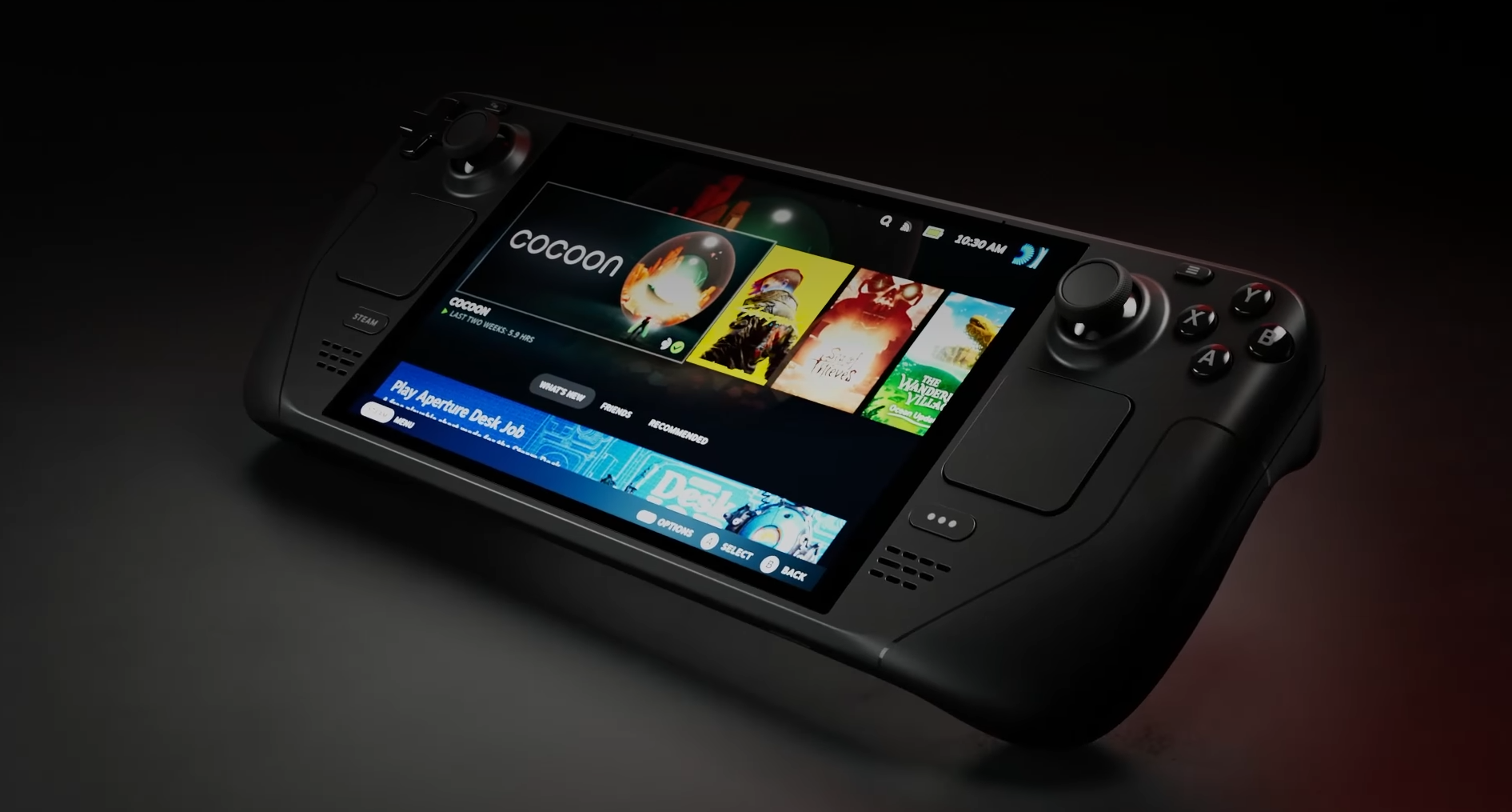
The pricing outlook remains aggressive, likely in the $499-$799 range to undercut rivals like the ROG Ally X or Legion Go. Valve’s focus will remain on battery-stable performance over raw, wall-plugged specs, a crucial differentiation in a market now crowded with competitors from Asus and Lenovo. The evolution of gaming platforms is rapid, with innovations like cloud streaming changing how we play, a topic we delve into in our analysis of Cloud Gaming vs Traditional Gaming: Understanding the Latest Advancements in 2025.
The future outlook? Don’t expect a Steam Deck 2 before Q4 2026 at the absolute earliest. In the interim, Valve will continue to prioritize its software edge—those critical gaming on linux improvements—alongside its hardware partnerships to maintain a dominant position in the handheld PC space. The immersive potential of this tech is vast, as seen in the transformative experiences discussed in How VR is Changing Gaming and Entertainment in 2025: A Look at Innovations, Top Games, and Future Trends.

Frequently Asked Questions
When is the Steam Deck 2 expected to be released?
Based on Valve’s official statements and credible rumors, a true “Steam Deck 2” with a major architectural leap is not expected until late 2026 at the very earliest. Valve has ruled out a 2025 release, emphasizing they will wait for technology that offers a “substantial” jump in performance and efficiency.
Should I buy the OLED Steam Deck now or wait for the Steam Deck 2?
If you need or strongly want a handheld PC now, the OLED Steam Deck is a fantastic device with significant quality-of-life improvements over the original. If your current device is sufficient and your primary desire is for a large leap in raw power to play future AAA games at higher settings, then waiting for the Steam Deck 2 is the prudent choice.
What are the most believable specs from the Steam Deck 2 leaks?
The most credible rumors point to a next-generation custom AMD APU (possibly on a 4nm process), a 7-8 inch OLED display with a high refresh rate and VRR, Hall effect joysticks to eliminate drift, and a focus on major gains in performance-per-watt for better battery life. Extreme specs like 32GB of RAM are considered less likely due to cost.
How do “Gaming on Linux” improvements actually make my Steam Deck better?
Valve’s continuous updates to Proton (the compatibility layer) and SteamOS directly increase the number of games you can play and how well they run. These software updates improve frame rates, stability, and compatibility over time, meaning your Steam Deck’s performance and game library effectively get better with age, without any hardware change.
Will the Steam Deck 2 be much more expensive than the current model?
While final pricing is unknown, Valve’s history suggests they will prioritize an accessible price point to stay competitive. A starting price between $499 and $599 for a base model is a reasonable expectation, with higher-tier models potentially reaching $700-$800 for more storage and memory. It’s designed to undercut rival Windows handhelds.