
SwitchBot Onero H1 Humanoid Robot: The AI Housework Assistant Revolutionizing Home Chores
Estimated reading time: 8 minutes
Key Takeaways
- The SwitchBot Onero H1 humanoid robot is a compact, wheeled assistant unveiled at CES 2026, marking the next wave in home automation robotics.
- With 22 degrees of freedom (DoF), Intel RealSense cameras, and an on-device OmniSense Vision-Language-Action (VLA) model, it performs dexterous tasks like folding laundry and organizing spaces.
- It functions as a versatile AI housework assistant, excelling at contact-intensive chores through real-time AI reasoning and adaptation.
- Its value is amplified by a robust robot integration ecosystem, coordinating with SwitchBot’s smart devices for seamless home automation.
- Practical for flat-floor homes, it suits tech enthusiasts, busy families, and accessibility users, though stairs remain a limitation.
- It prioritizes “livability” over complexity, signaling a shift toward cohesive, embodied AI in home automation robotics.
Table of contents
- SwitchBot Onero H1 Humanoid Robot: The AI Housework Assistant Revolutionizing Home Chores
- Key Takeaways
- Introduction: A New Era of Home Automation
- What is the SwitchBot Onero H1 Humanoid Robot?
- How Does It Work as an AI Housework Assistant?
- The Robot Integration Ecosystem: Beyond Solo Performance
- Practical Setup, Daily Use, and Suitability
- Contextualizing the Onero H1 in Home Automation Trends
- Frequently Asked Questions
Introduction: A New Era of Home Automation
Imagine a future where folding laundry, sorting clothes, or coordinating with your smart vacuum happens seamlessly without lifting a finger—what if that starts today with a rolling robot companion? This vision is becoming reality with the unveiling of the SwitchBot Onero H1 humanoid robot at CES 2026, as reported by Interesting Engineering and showcased in demonstration videos. This blog post explores how this versatile AI housework assistant blends physical dexterity with on-device intelligence, representing the next wave of home automation robotics. We’ll delve into its features, capabilities, and fit for modern homes to help you decide if it’s your next step toward a smarter lifestyle.
What is the SwitchBot Onero H1 Humanoid Robot?
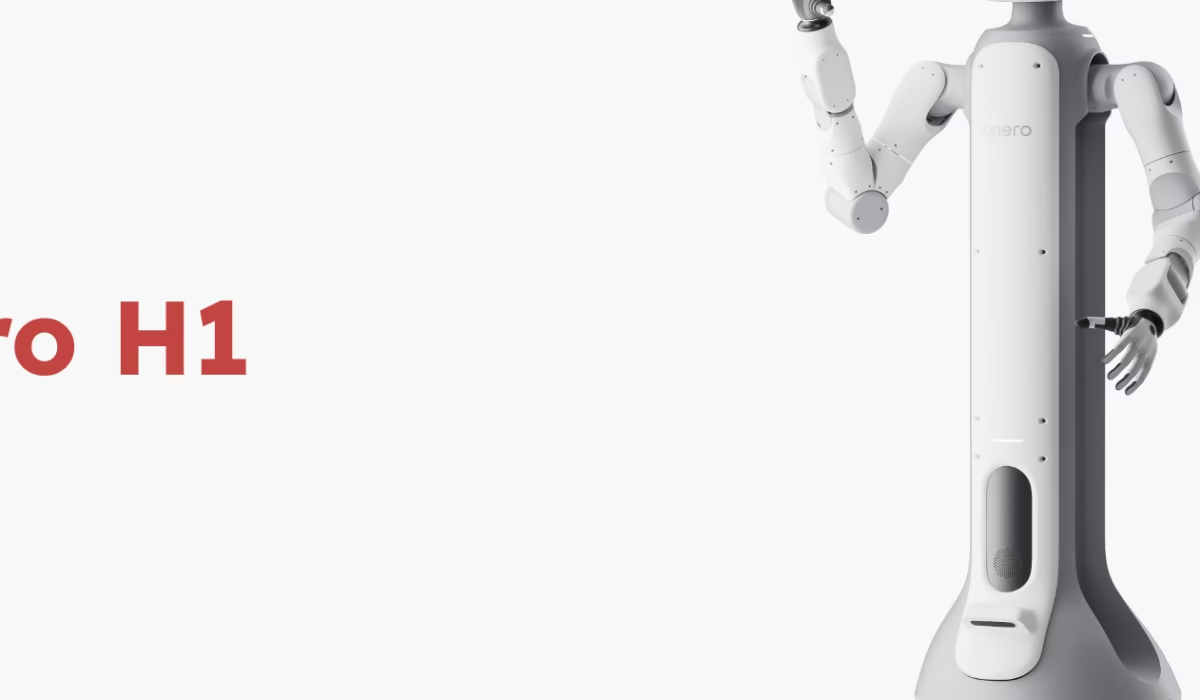
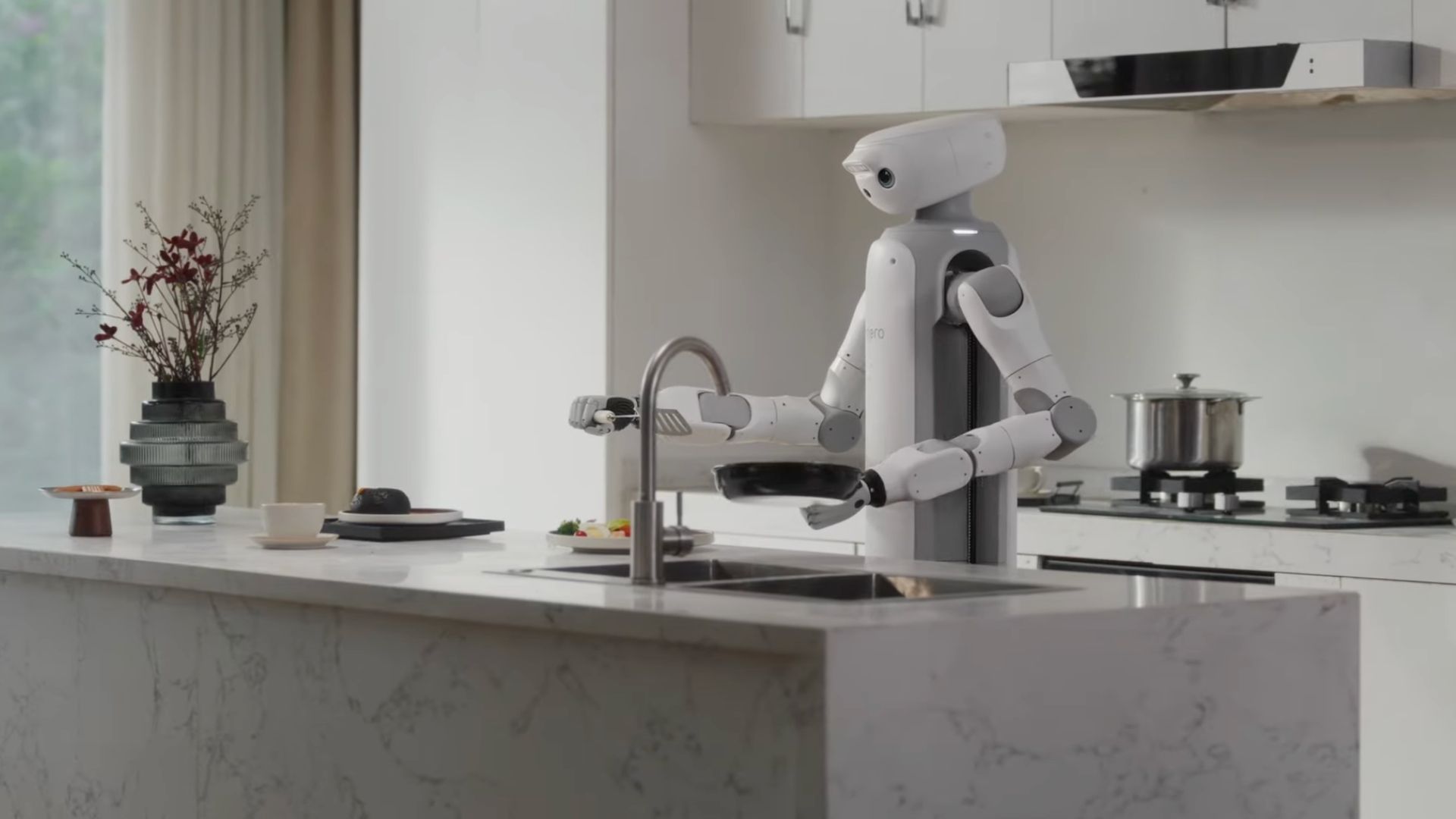
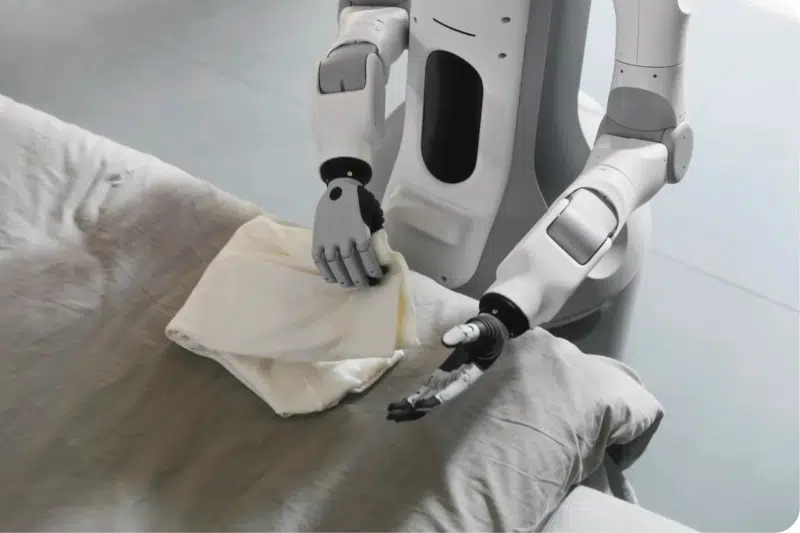
The SwitchBot Onero H1 humanoid robot is a compact, wheeled mobile base robot with an articulated upper body, including flexible arms, dexterous hands, and a head-like structure for perception. Measuring about the height of a tall lamp, it’s optimized for flat-floor homes without stairs, as detailed in coverage from CES 2026 and MacRumors. Key design features include:
- 22 degrees of freedom (DoF) for precise arm and hand movements, enabling tasks like grasping and manipulating objects.
- Intel RealSense cameras across the head, arms, hands, and torso for depth sensing, plus tactile feedback sensors.
- An on-device OmniSense Vision-Language-Action (VLA) model that processes vision, language, and actions locally without constant cloud reliance, enhancing privacy and speed, as seen in demo videos.
Its core proposition moves beyond single-task robots like robot vacuums to a multi-functional AI housework assistant that adapts to varied chores while conserving energy via wheeled mobility, according to SwitchBot’s documentation and press releases. SwitchBot envisions it as the hub of Smart Home 2.0, evolving from their ecosystem of sensors, locks, and appliances toward integrated, embodied AI in home automation robotics, a trend highlighted by PenBrief’s analysis on smart home evolution.

How Does It Work as an AI Housework Assistant?
The SwitchBot Onero H1 humanoid robot excels as an AI housework assistant through its OmniSense VLA model, which fuses visual perception, depth awareness, object recognition, tactile feedback, and natural language processing for real-time reasoning and adaptation. This allows it to handle contact-intensive tasks that traditional home automation robotics often struggle with, as shown in CES 2026 reports and video demonstrations. Specific tasks from demos include:
- Grasping and picking up objects, such as toys or clutter from floors.
- Pushing items like chairs or small appliances into place.
- Opening doors or appliances, including coffee machines and washing machines.
- Organizing spaces, sorting and folding laundry, and unloading dishes.
- Basic tidying and even pet monitoring through its 360-degree camera awareness.

Its AI enables safe navigation and interaction in dynamic home environments, learning from interactions to improve over time. Unlike scripted routines, it handles “real mess” on real floors, with multiple cameras providing awareness of object shapes, positions, and states for reliable manipulation. This makes it a pioneering AI housework assistant in home automation robotics, as noted in reviews and hands-on tests.
The Robot Integration Ecosystem: Beyond Solo Performance
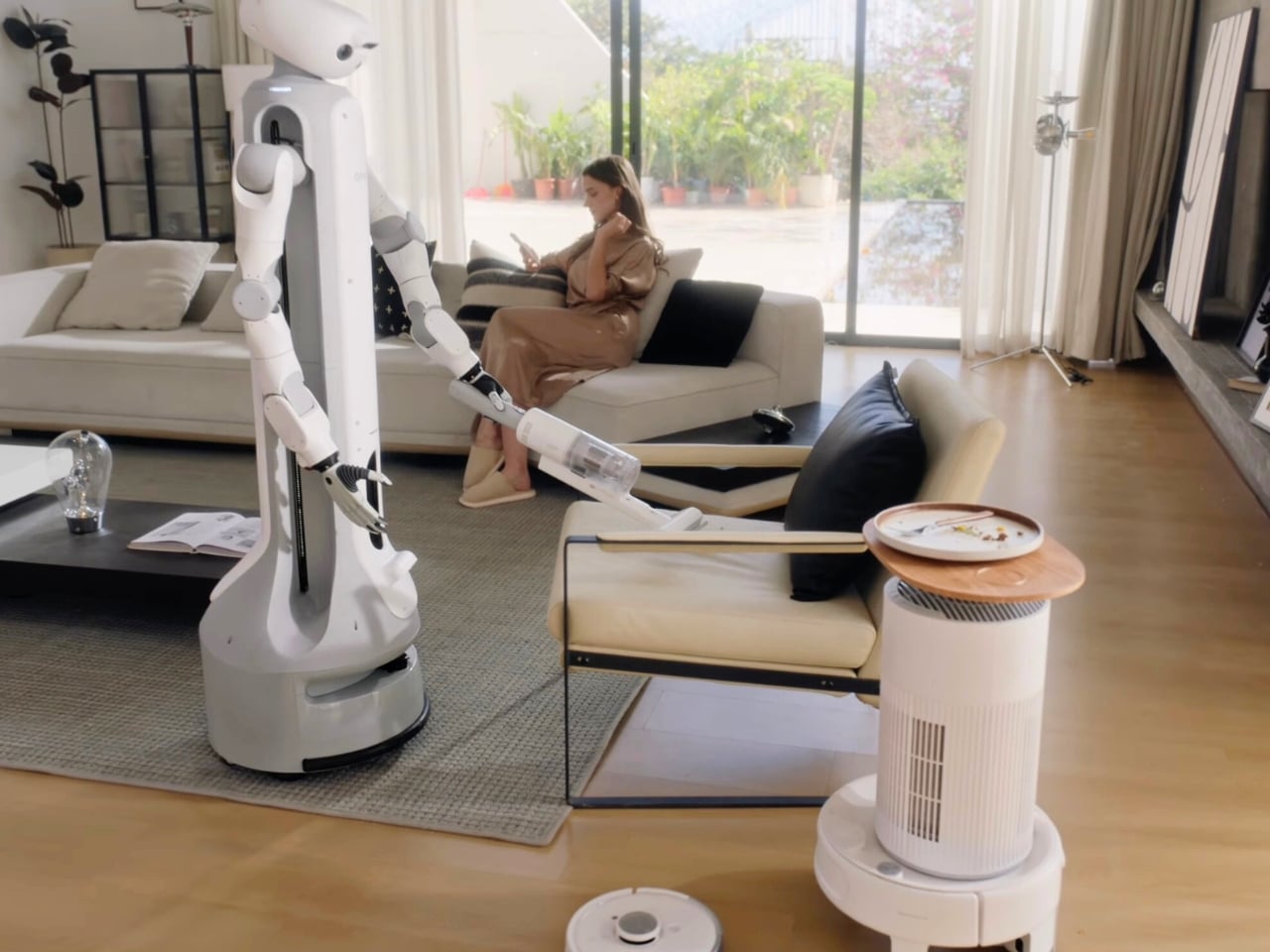
The critical importance of the robot integration ecosystem is central to the SwitchBot Onero H1 humanoid robot‘s value. Designed as a coordinator within SwitchBot’s lineup of vacuums, air purifiers, smart locks, curtains, and hubs via WiFi/Bluetooth, it enables seamless task handoffs—like directing a vacuum after tidying—as highlighted in CES 2026 announcements and integration reports. This interoperability creates a centralized robot integration ecosystem where the H1 orchestrates specialized devices rather than solo-performing everything, maximizing efficiency for users invested in SwitchBot products.

Compatibility with broader home automation robotics is enhanced through home network integration, with SwitchBot’s push toward Matter standards hinted in recent announcements, potentially aligning with Google Home, Alexa, or Apple HomeKit for a unified smart home. This aligns with PenBrief’s guide on must-have smart home devices, emphasizing how ecosystems revolutionize lifestyles. By serving as a hub, the Onero H1 exemplifies the future of home automation robotics, where coordination trumps isolation.
Practical Setup, Daily Use, and Suitability
Setting up the SwitchBot Onero H1 humanoid robot involves connecting it to your home network via the SwitchBot app, with pre-orders starting soon on their official site. Its wheeled navigation suits single-level spaces, though stairs remain a limitation, as noted in product details. Daily use shines in routine chores like laundry or tidying, with local AI ensuring quick, private responses. However, set realistic expectations: it’s a strong first-gen coordinator and AI housework assistant, not a full housekeeper yet, excelling alongside existing home automation robotics, per analysis from Interesting Engineering and user experiences.

Suitability varies by household:
- Tech enthusiasts: Embrace it as a CES-highlight innovator in home automation robotics.
- Busy families: Leverage it for chore relief, especially in flat-floor homes.
- Accessibility users: Benefit from object handling and monitoring capabilities.
- Scalability: As SwitchBot expands its robot integration ecosystem, the H1 can grow with your smart home, as suggested by PenBrief’s starter guide.
In essence, it’s a practical step toward adaptive help, best for those already invested in or planning to build a SwitchBot setup.
Contextualizing the Onero H1 in Home Automation Trends
The SwitchBot Onero H1 humanoid robot contextualizes within the larger trend of domestic robotics by prioritizing “livability” over legged complexity. Using wheels and on-device AI makes embodied intelligence practical now, paving the way for advanced learning in multi-task homes, as seen in industry insights and demo footage. It signals a shift from isolated gadgets to cohesive environments where robots coordinate with task-specific devices in home automation robotics, potentially evolving toward full autonomy as VLA models improve.

SwitchBot’s trajectory hints at cheaper, more adaptive home automation robotics, raising questions about single-purpose versus versatile investments in robot integration ecosystem. This aligns with PenBrief’s exploration of AI in smart home devices, emphasizing integration into everyday life. By blending physical dexterity with AI, the Onero H1 represents a realistic step toward the future envisioned in reviews of best smart home devices, where assistants adapt seamlessly to our needs.

Frequently Asked Questions
What makes the SwitchBot Onero H1 different from a robot vacuum?
Unlike single-task robots like vacuums, the Onero H1 is a multi-functional AI housework assistant with 22 DoF arms and hands for dexterous tasks such as folding laundry and opening appliances, integrated into a broader robot integration ecosystem for coordinated home automation.
Can the Onero H1 navigate stairs or multi-level homes?
No, its wheeled base is optimized for flat-floor homes without stairs, as noted in design specifications. It’s best suited for single-level spaces.
How does the OmniSense VLA model enhance privacy?
By processing vision, language, and actions locally on-device, it reduces reliance on cloud servers, ensuring data stays in your home and responses are faster, as highlighted in demonstrations.
Is the Onero H1 compatible with non-SwitchBot devices?
While designed for SwitchBot’s ecosystem, compatibility with broader home automation robotics is expected through standards like Matter, as hinted in CES 2026 announcements, potentially integrating with Google Home, Alexa, or Apple HomeKit.
Who should consider buying the SwitchBot Onero H1?
Ideal for tech enthusiasts, busy families in flat-floor homes, and accessibility users seeking an AI housework assistant. It offers maximum ROI when paired with SwitchBot’s robot integration ecosystem, per consumer advice.