
Tesla Optimus Gen3 Robot: The Game-Changer in AI Humanoid Automation
Estimated reading time: 8 minutes
Key Takeaways
- The Tesla Optimus Gen3 robot represents a leap in AI humanoid automation, teased by Elon Musk in a recent Musk robotics update with “so many improvements.”
- It boasts enhanced specs: 22 lbs lighter, 30% faster walking speed, 22 degrees of freedom in hands, and advanced balance via foot sensors.
- Evolution from Gen 1 to Gen 3 accelerates toward a production-ready Tesla bot, defined by safety, scalability, and all-day operation.
- Use cases span manufacturing, logistics, and domestic tasks, powered by Tesla’s neural networks for environmental learning.
- Broader implications include affordability under $30k, societal shifts, and ethical considerations, shaping the future of labor.
Table of contents
- Tesla Optimus Gen3 Robot: The Game-Changer in AI Humanoid Automation
- Key Takeaways
- What is AI Humanoid Automation?
- Unveiling the Tesla Optimus Gen3 Robot: Specs and Capabilities
- From Prototype to Production: The Evolution of Optimus
- The Production-Ready Tesla Bot: What Makes It Ready?
- Real-World Use Cases: Where Optimus Gen3 Excels
- Broader Implications and the Future of AI Humanoid Automation
- Frequently Asked Questions
The excitement around the Tesla Optimus Gen3 robot is palpable, marking a pivotal moment in AI humanoid automation. In a recent Musk robotics update from June 2025, Elon Musk teased “so many improvements” over prior generations, signaling a transformation from concept to reality. This post dives into the specs, evolution toward a production-ready Tesla bot, use cases, and future impact, unraveling how this robot redefines robotics automation.

What is AI Humanoid Automation?
AI humanoid automation refers to the development of human-like robots powered by artificial intelligence that can perform complex, adaptable tasks in real-world environments like factories, homes, and logistics. It’s about creating machines that learn, interact, and evolve. The Tesla Optimus Gen3 robot stands as the frontrunner, teased in the Musk robotics update, aiming to transform prototypes into everyday tools with enhanced dexterity, autonomy, and production scalability. As highlighted in this overview, AI is changing the world, and humanoid robots are a key part of that shift. Imagine a robot that doesn’t just follow scripts but adapts on the fly—that’s the promise.

Unveiling the Tesla Optimus Gen3 Robot: Specs and Capabilities
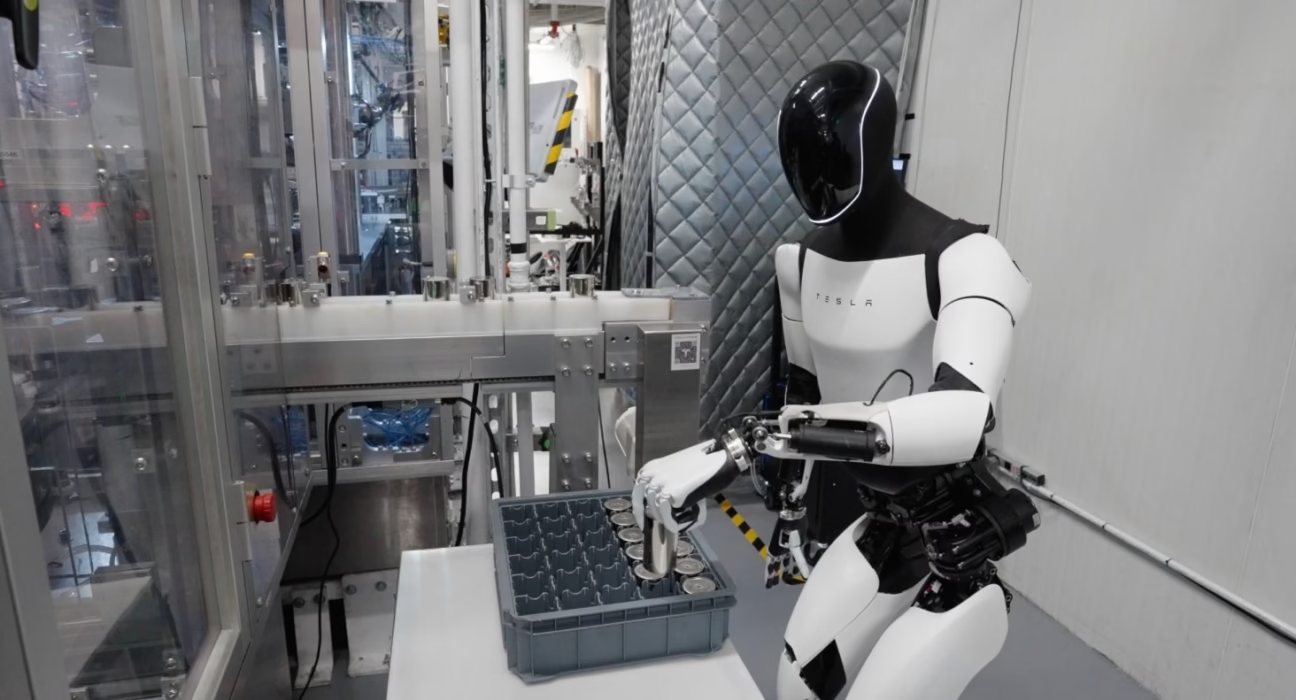
Building on Gen 2’s foundation, the Tesla Optimus Gen3 robot is a marvel of engineering. It’s 22 pounds lighter, has a 30% faster walking speed, and features 22 degrees of freedom in its hands—double that of Gen 1. Advanced foot sensors enable human-like balance, with projections suggesting walking speeds of 10-12 km/h, 99.7% facial recognition accuracy, and 97.3% navigation accuracy in complex environments, as detailed in this review.
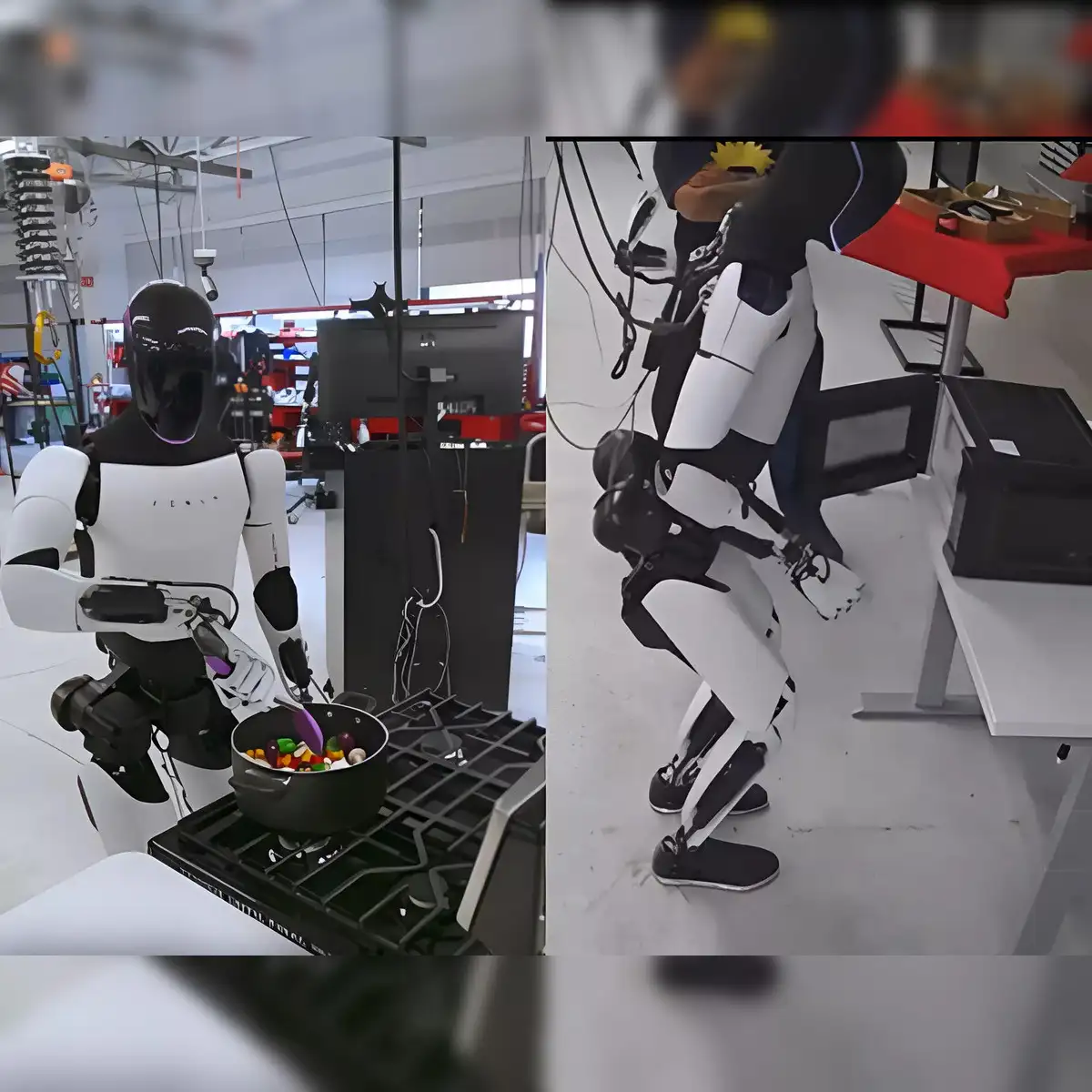
Dexterity: This robot can handle delicate tasks like gripping cups, using chopsticks, or even threading needles. Enabled by lightweight actuators and human-safe force limits, it mimics human hand movements with precision. Watch it in action to see its fluid motions.

Balance: Through articulated toes and torque sensing, the Optimus Gen3 maintains stable movement on uneven surfaces. It can perform yoga or walk dynamically, thanks to innovations teased in the Musk robotics update. This isn’t just a robot; it’s a gymnast in metal.
Environmental Learning: Leveraging Tesla’s neural networks from vehicle AI, the robot adapts to kitchens, factories, and homes. It can cook, clean, or poach an egg without accidents via multitasking AI, as explored in this analysis and this piece on AI breakthroughs.
Design Philosophy: Quiet motion, lightweight build, and safety-focused force limits define its approach, advancing AI humanoid automation. As noted in this article, such integration is game-changing for real-world applications.
From Prototype to Production: The Evolution of Optimus
The journey from Gen 1 to Gen 3 is a tale of rapid innovation. Gen 1 had a fixed neck and fewer degrees of freedom, while Gen 2 introduced 28 total degrees of freedom and yoga capabilities. Gen 3, accelerated by the Musk robotics update, marks a quantum leap. Each iteration brings us closer to robots that blend seamlessly into our lives.

The Production-Ready Tesla Bot: What Makes It Ready?
The shift to a production-ready Tesla bot hinges on three pillars: safety, cost reduction, and scalability. “Production-ready” means achieving safety through limited force and smooth motion profiles, cutting costs via scalable 4680 batteries, and enabling high-volume manufacturing for factory deployment—potentially making it Tesla’s largest product.
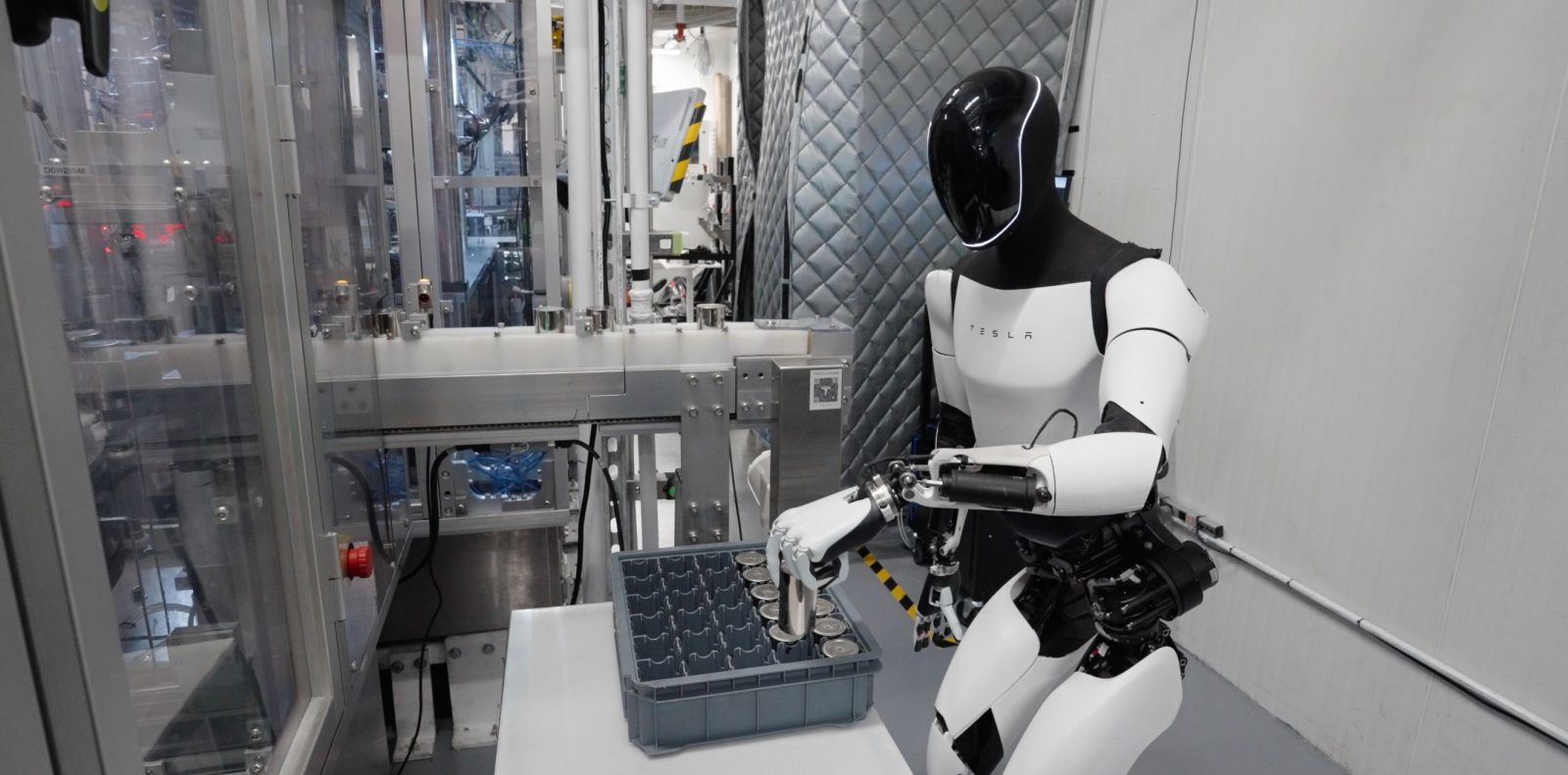
- All-Day Operation: Runs for 20-22 hours on a 2-hour wireless charge at 95% efficiency.
- Autonomous Docking: Docks with centimeter-level precision for seamless recharging.
- Self-Learning: Capable of mastering over 3,000 tasks through continuous adaptation, as shown in this demo.
This evolution, driven by the Musk robotics update, ensures the production-ready Tesla bot isn’t just a concept but a tangible tool for everyday use.
Real-World Use Cases: Where Optimus Gen3 Excels
The production-ready Tesla bot shines across diverse domains, showcasing the power of AI humanoid automation.
Manufacturing: In factories, it handles repetitive assembly, with a 150 lb deadlift or 45 lb carry while walking. As this guide notes, AI is transforming businesses, and robots like Optimus are at the forefront.
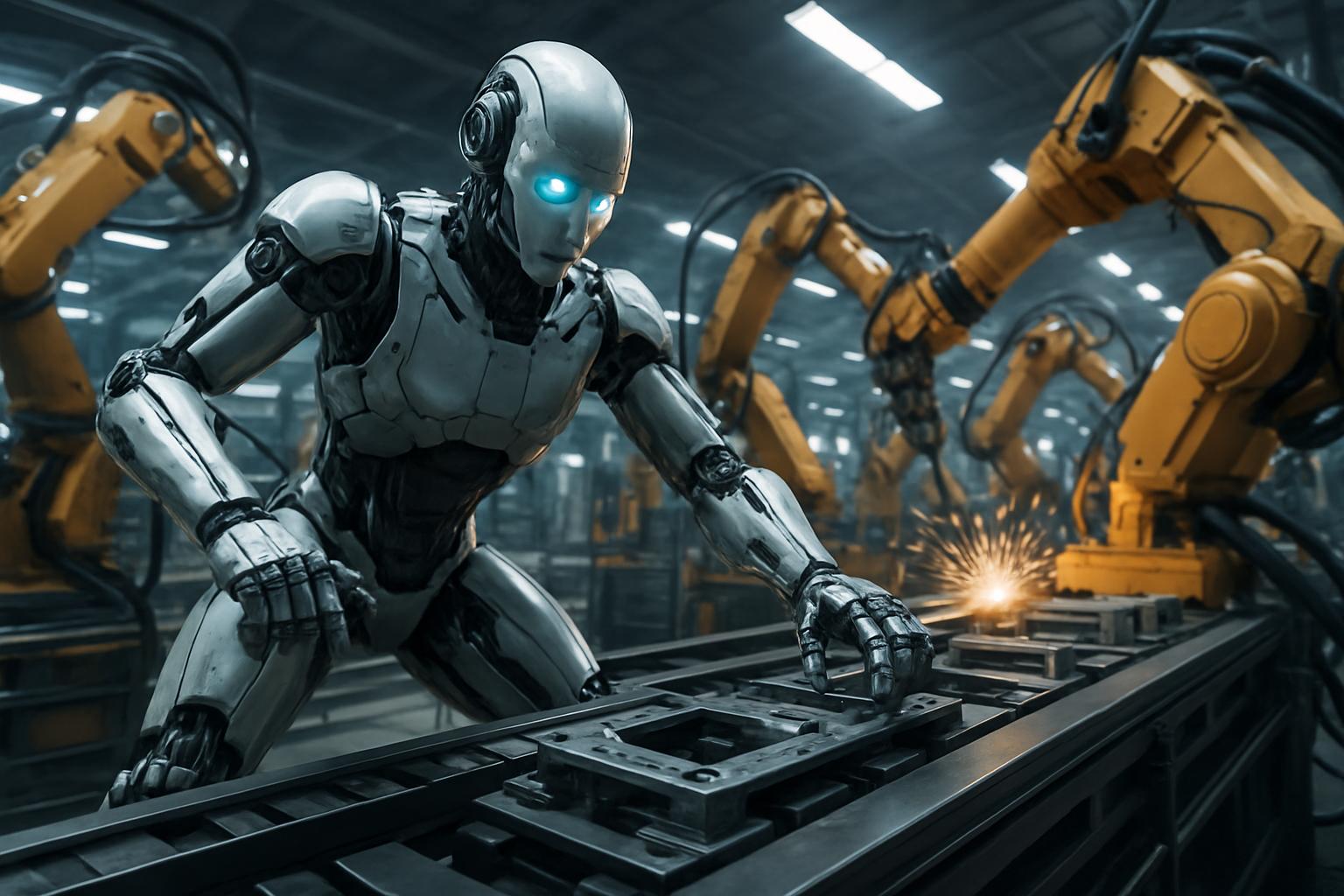
Logistics: Navigates dynamic spaces like warehouses, adapting to moving obstacles and optimizing routes.
Domestic Tasks: From laundry folding and babysitting to cooking and dog walking, it enhances home life. Integrated with Grok 5 voice commands, despite some latency, it becomes a household assistant. This trend analysis highlights how AI-powered smart homes are evolving.
“The Optimus Gen3 isn’t just a machine; it’s a partner in productivity, from factory floors to living rooms.” – Insights from industry experts.

This signals a broader shift to real-world AI humanoid automation, with the Tesla Optimus Gen3 robot outperforming rivals in household functions and multi-bot coordination.
Broader Implications and the Future of AI Humanoid Automation
Tesla’s vehicle-derived AI democratizes autonomy, enabling multi-robot task negotiation and rapid learning. This disrupts the robotics industry, as detailed in this review. Let’s break down the key implications:
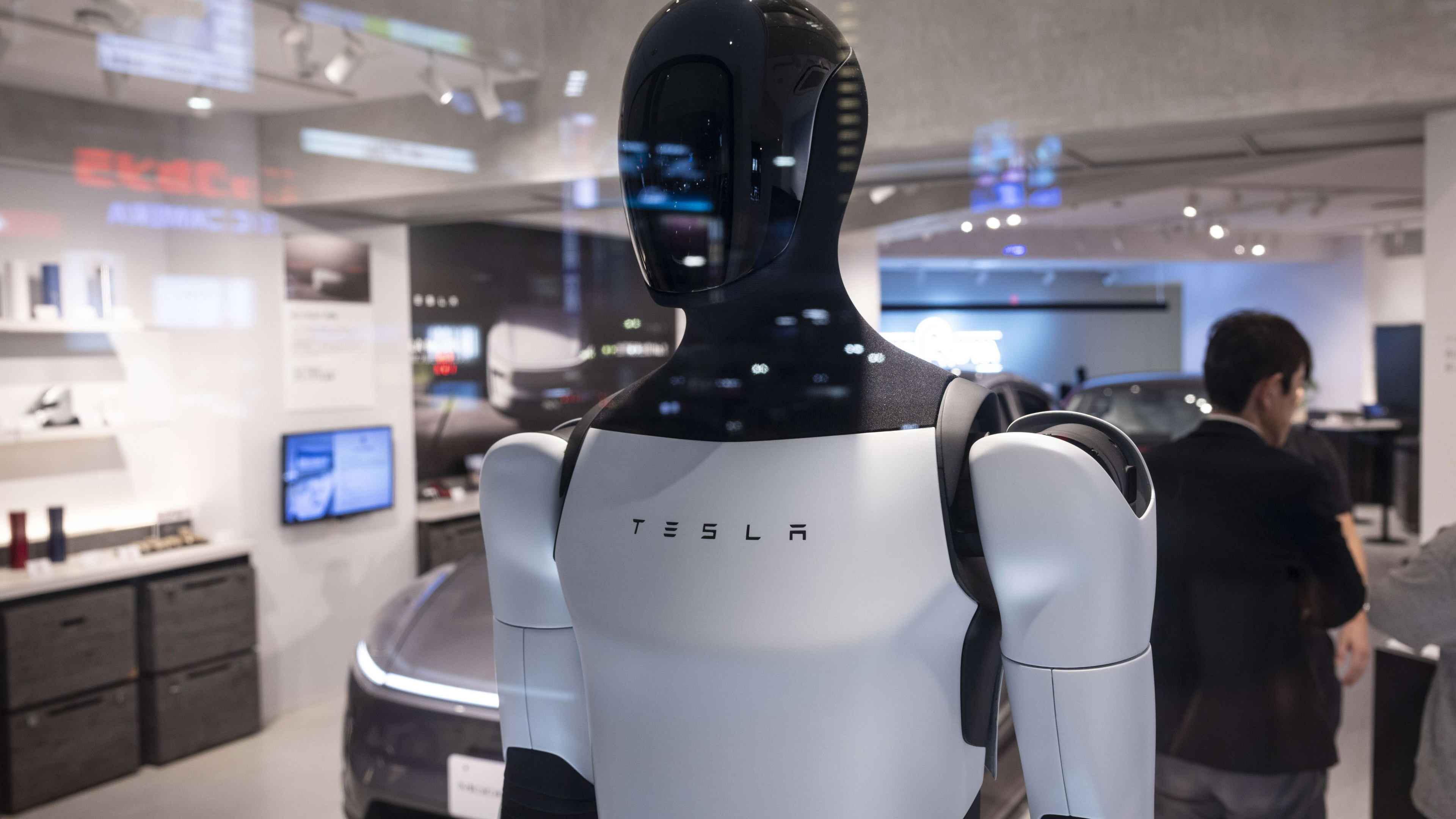
- Timelines: Gen 3 is in real-world testing, with user delivery of the “final version” imminent, per the Musk robotics update.
- Affordability: Priced under $30k through mass production, making it accessible for businesses and consumers.
- Societal Impact: Handles unsafe or boring jobs, but raises ethical questions on employment and safety. Tesla’s “general purpose” humanoid goal, outlined on their AI page, aims to balance innovation with responsibility.
The Musk robotics update isn’t just about a robot; it’s about redefining how we live and work. As AI humanoid automation advances, we must navigate challenges like job displacement and safety protocols.
Imagine a world where AI humanoid automation frees humans for innovation by handling the mundane—stay tuned for Musk robotics updates and consider how production-ready Tesla bot tech could transform your industry. Share your thoughts in comments or subscribe for more robotics insights.
Frequently Asked Questions
What is the Tesla Optimus Gen3 robot’s primary advantage over previous generations?
The Gen3 robot is lighter, faster, and more dexterous, with 22 degrees of freedom in its hands and advanced balance sensors. These improvements, teased in the Musk robotics update, make it better suited for complex real-world tasks.
How does AI humanoid automation differ from traditional robotics?
Traditional robotics often relies on pre-programmed tasks, while AI humanoid automation uses artificial intelligence for adaptability and learning in dynamic environments, as explained in this article. It’s about creating robots that think and act more like humans.
When will the production-ready Tesla bot be available?
Based on the Musk robotics update, Gen 3 is currently in testing, with widespread delivery expected soon. Timelines may vary, but Tesla aims for rapid deployment.
What are the key safety features of the Optimus Gen3?
Safety features include human-safe force limits, quiet motion profiles, and advanced sensors for collision avoidance. These design elements ensure safe interaction in homes and workplaces, aligning with industry standards.
How affordable is the Tesla Optimus Gen3 robot?
Elon Musk has implied a price under $30k through mass production, making it competitive in the robotics market. This affordability stems from scalable manufacturing, as noted in the Musk robotics update.
Can the Optimus Gen3 learn new tasks autonomously?
Yes, leveraging Tesla’s neural networks, it can learn over 3,000 tasks through environmental interaction. This self-learning capability is a core aspect of AI humanoid automation, demonstrated in videos where it adapts to new challenges.