
The 2026 Display Tech Wars: How Mini-LED RGB, OLED, and Quantum Dots Are Redefining TVs
Estimated reading time: 12 minutes
Key Takeaways
- The tv manufacturer strategies 2026 are centered on ecosystems, blending hardware like mini-LED RGB and OLED with AI and smart home integration.
- The mini-LED RGB vs OLED ecosystem battle defines premium TV choices, with mini-LED offering brightness and longevity, while OLED excels in contrast and viewing angles.
- Quantum dot screen tech is a crucial enhancer, boosting color and brightness across both LCD and OLED panels.
- Display market innovation extends beyond panels to AI processing, connectivity, and modular designs, turning TVs into interactive hubs.
- Market segmentation will see premium flagships from Samsung and LG, while TCL and Hisense drive affordability, benefiting consumers with more options.
Table of contents
- The 2026 Display Tech Wars: How Mini-LED RGB, OLED, and Quantum Dots Are Redefining TVs
- Key Takeaways
- Introduction: The Battleground Heats Up
- TV Manufacturer Strategies 2026: Ecosystems Over Specs
- Mini-LED RGB vs OLED Ecosystem: The Defining Conflict
- Quantum Dot Screen Tech: The Cross-Cutting Game Changer
- Display Market Innovation: Beyond the Panel
- Market Implications and Consumer Benefits
- Frequently Asked Questions
Introduction: The Battleground Heats Up
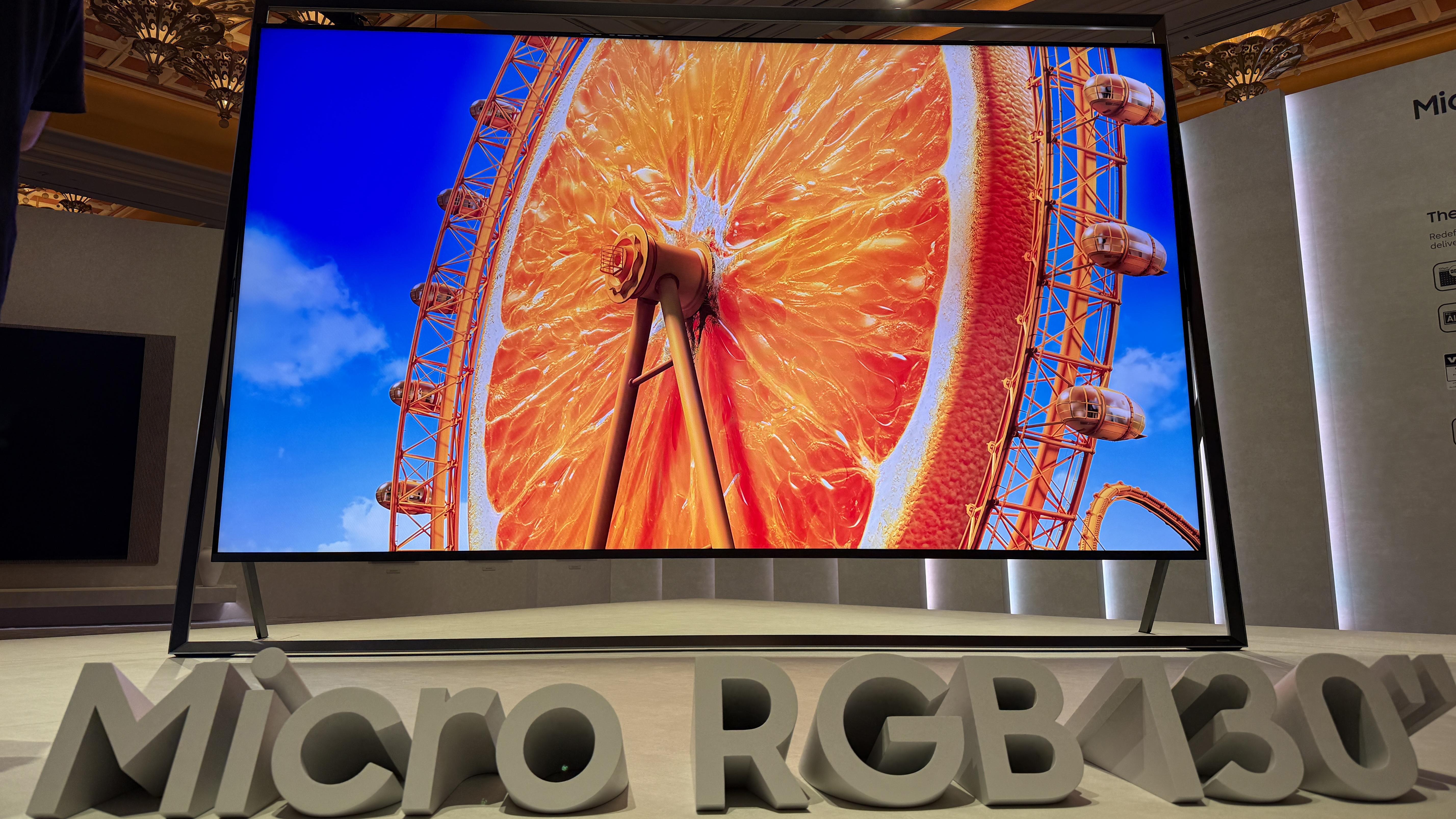
Imagine walking into a room where a 130-inch screen renders colors so vivid they seem to leap out, while AI adjusts the picture to your preferences in real-time. This isn’t science fiction—it’s the reality of the 2026 display tech battleground. Giants like Samsung, LG, TCL, Hisense, and Philips are locked in a fierce race, advancing mini-LED RGB, OLED, and quantum dot technologies to capture the premium market. This race is fueled by rising demand for larger screens, deeper AI integration, and more immersive experiences (sources: Samsung’s CES 2026 vision, Consumer Reports TV trends, Interesting Engineering CES 2026 launches, BGR on smart TV changes).

These tv manufacturer strategies 2026 frame the year as pivotal, emphasizing not just hardware specs but ecosystems that blend AI, sustainability through efficient panels, and software for connected homes. As one industry insider put it, “The TV is no longer just a window to content; it’s becoming the brain of the smart home.” This positions TVs as interactive hubs rather than passive displays (sources: Samsung, Consumer Reports, BGR), driving broader display market innovation.

TV Manufacturer Strategies 2026: Ecosystems Over Specs
Gone are the days when a TV was judged solely by its contrast ratio or resolution. In 2026, strategies are built on core pillars that prioritize holistic experiences:
- Premium Panel Innovation: Micro RGB and OLED for high-end markets, mini-LED for broader access.
- AI-Driven Personalization: Processors that learn viewing habits and optimize content.
- Ultra-Large Formats: Sizes up to 130 inches for cinematic immersion.
- Holistic Features: Smart home integration, anti-glare designs, and modular stands.
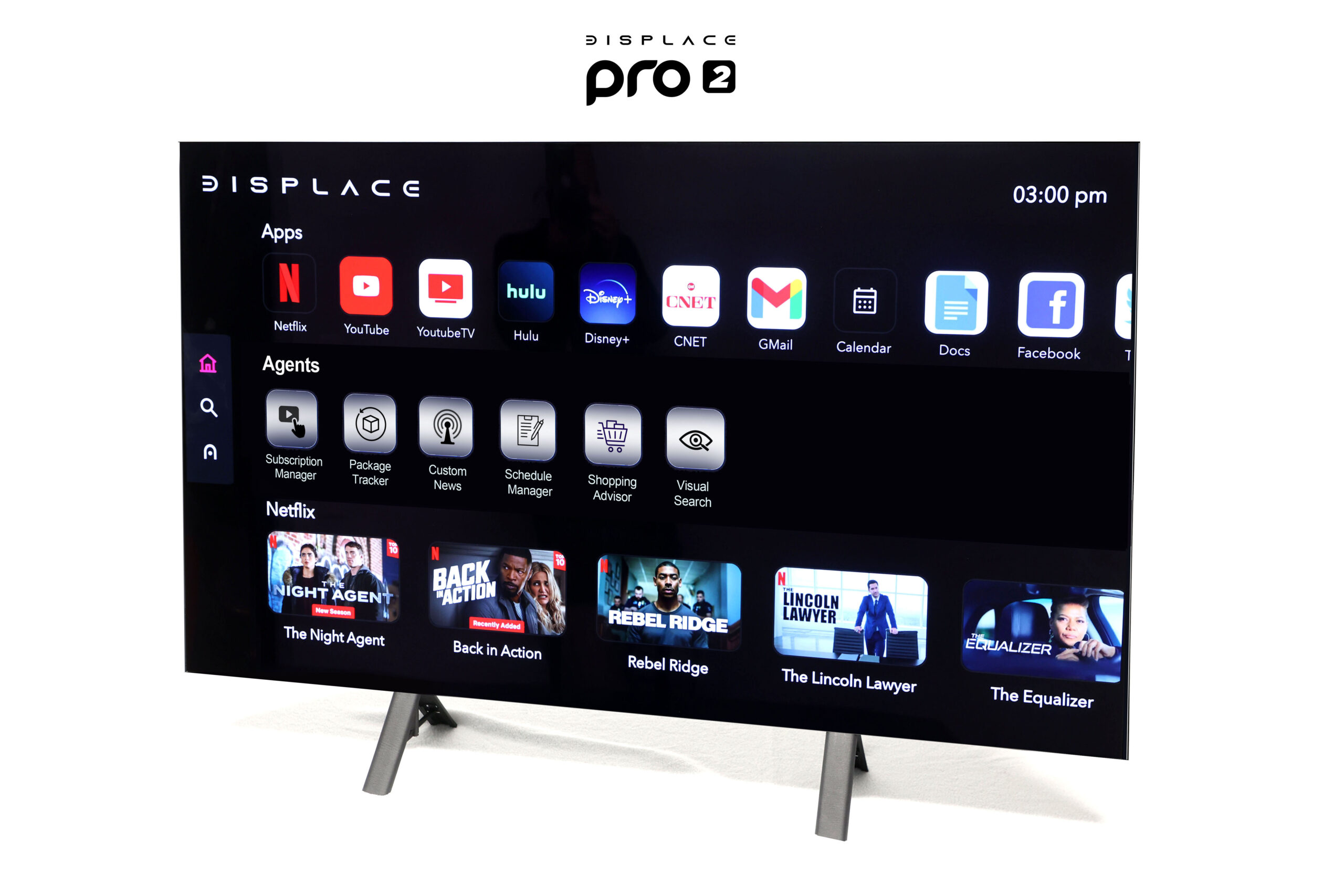
Manufacturers now prioritize ecosystems over isolated specs. For instance, Samsung’s Vision AI Companion (VAC) anticipates user needs across lineups—think of it as a built-in assistant that suggests shows based on your mood. LG focuses on AI processors for upscaling and HDR, making old movies look new. Hisense and TCL enhance dimming zones for accessibility, ensuring dark scenes remain detailed in bright rooms (sources: Samsung, Consumer Reports, Interesting Engineering, BGR).
As part of a holistic connected environment, these tv manufacturer strategies 2026 dovetail with the broader adoption of smart home devices, where TVs act as central control panels. This synergy is key to winning consumer loyalty in a crowded market.
Mini-LED RGB vs OLED Ecosystem: The Defining Conflict
The mini-LED RGB vs OLED ecosystem battle is the defining conflict of 2026, shaping everything from living room setups to gaming dens. Here’s a breakdown of the contenders:
Mini-LED RGB Advantages:
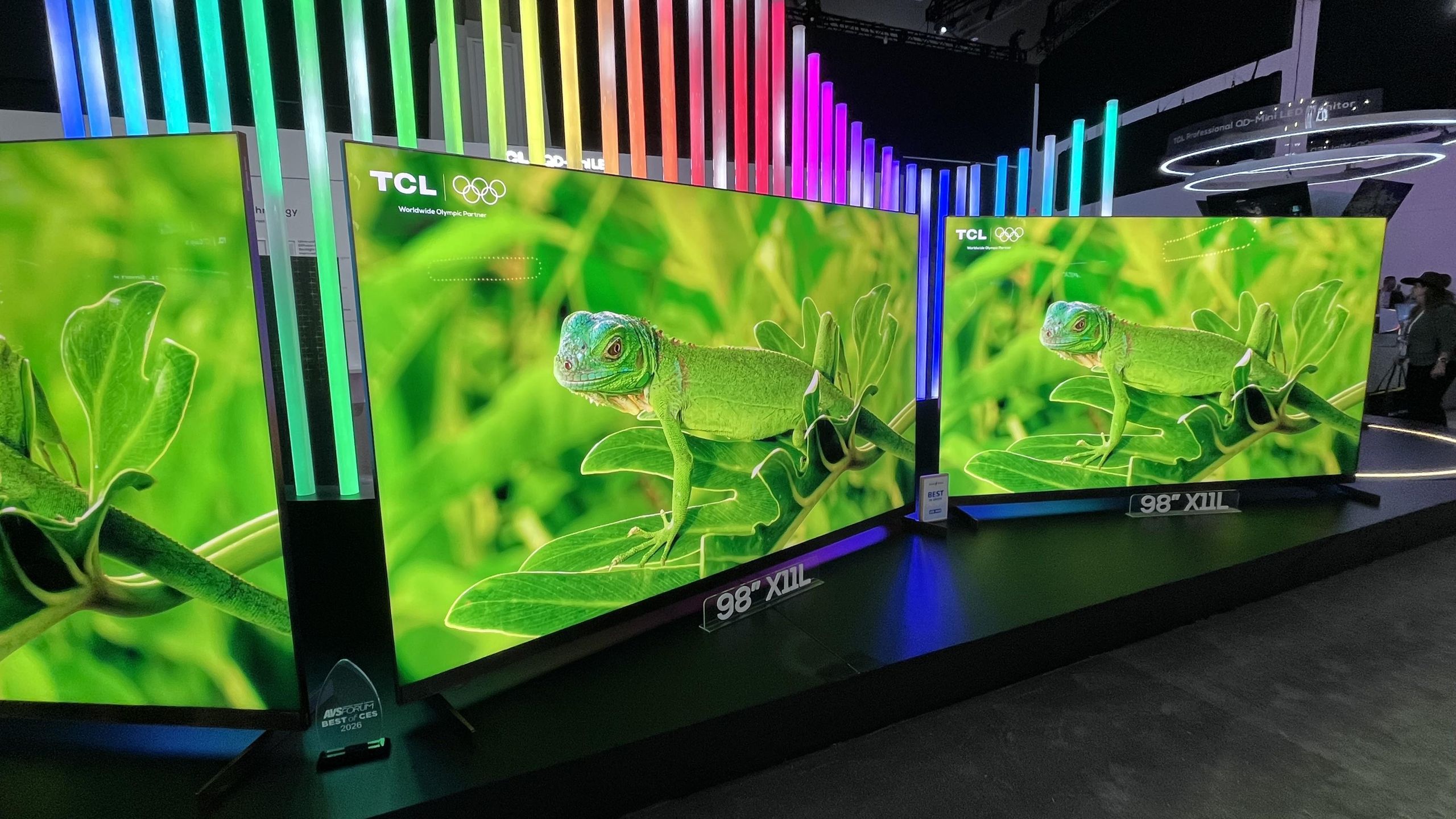
- Superior Brightness: Ideal for bright rooms, with models like TCL’s X11 SQD-Mini LED claiming 10,000 nits.
- Longevity: Less risk of burn-in compared to OLED, perfect for static content like news tickers.
- Gaming Performance: High refresh rates and low latency, coupled with technologies that reduce motion blur.

Specific innovations include Samsung’s 130-inch Micro RGB TV using RGB LEDs for precise color and high brightness, TCL’s 20,000 dimming zones for unmatched contrast, Hisense’s RGB MiniLEDvo adding cyan LEDs for accuracy in 116-inch models, and LG’s Micro RGB evo series (75-100 inches) boosting upscaling (sources: Samsung, Consumer Reports, Interesting Engineering).
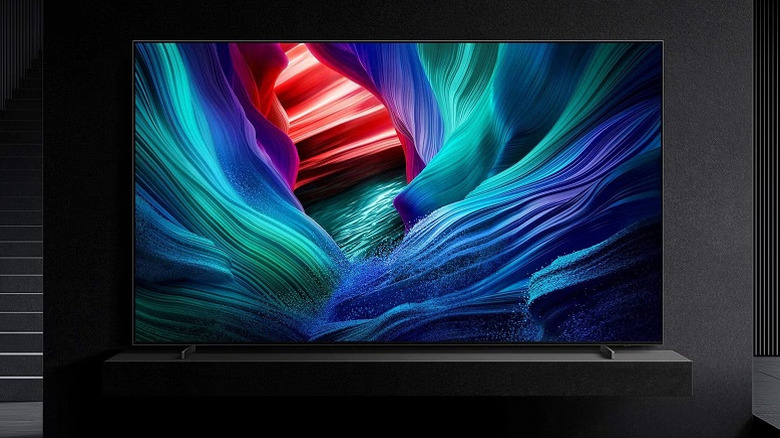
OLED Advantages:
- Perfect Blacks: Each pixel emits its own light, enabling infinite contrast ratios.
- Wide Viewing Angles: Colors remain consistent even from sharp angles.
- Slim Form Factors: Enables designs as thin as a coin, like gallery-style mounts.

OLED advancements are staggering: LG’s G6/C6 with Tandem 2.0/Primary RGB Tandem panels achieve 3.9x brighter luminance, Hyper Radiant Color, and anti-reflective finishes—showcasing the kind of OLED and gaming display innovation highlighted in recent leaks. Samsung’s QD-OLED S95H/S90H/S85H offer vibrant colors and glare reduction; Philips’ Dolby Vision 2 OLED811 adapts to content/environments (sources: Consumer Reports, Interesting Engineering, BGR).
Manufacturers are hedging their bets—Samsung leads with both Micro RGB and QD-OLED tiers, LG doubles down on OLED evolution while entering Micro RGB, and TCL/Hisense favor mini-LED RGB for value-premium overlap. This signals diversified 2026 lineups with mini-LED democratizing premium tech (sources: Samsung, Consumer Reports, Interesting Engineering), a key part of Samsung’s broader technology roadmap.
Quantum Dot Screen Tech: The Cross-Cutting Game Changer
While mini-LED and OLED grab headlines, quantum dot screen tech is the silent hero enhancing both. Defined as nanotechnology that uses tiny semiconductor particles to emit precise colors when hit by light, it boosts gamut and peak nits. Think of it as a color filter on steroids, making reds redder and blues deeper without sacrificing efficiency.
In practice, TCL pairs it with mini-LED for superior gamut, while Samsung’s QD-OLED (e.g., S95H) uses QD layers on blue-light emitters for brighter, angle-consistent images over WOLED. This positions QD tech as essential for 2026 competitiveness by bridging LCD/mini-LED and OLED divides. As one engineer noted, “Quantum dots let us cheat physics—getting OLED-like color from LCD backlights.” (sources: Consumer Reports, Interesting Engineering, BGR).
This display advancement is paralleled in Samsung’s smartphone camera and display specs, where quantum dots enhance mobile screens, showing the technology’s cross-platform relevance.
Display Market Innovation: Beyond the Panel
Display market innovation extends far beyond panels into holistic areas that redefine user experience:
- Connectivity: HDMI 2.1a enables AI HDR processing, allowing TVs to dynamically adjust content frame-by-frame.
- AI-Powered Processing: Real-time upscaling of HD to 8K, motion blur reduction, and tone mapping for perfect highlights.
- Personalized UIs: Gemini AI/Google TV learns your preferences, suggesting content and adjusting settings automatically.
- Modular Designs: Samsung’s gallery-style stands let TVs blend into home décor, not dominate it.
AI dominance is clear with Samsung VAC for contextual overlays (e.g., showing sports stats during a game), LG α11 AI Processor Gen3 for noise reduction, Hisense Hi-View Engine for scene detection, and Philips Content Intelligence for environment adaptation. These systems evolve TVs into smart home centers, integrating with lights, speakers, and security cameras. These AI-powered home entertainment features are central to modern tv manufacturer strategies 2026.
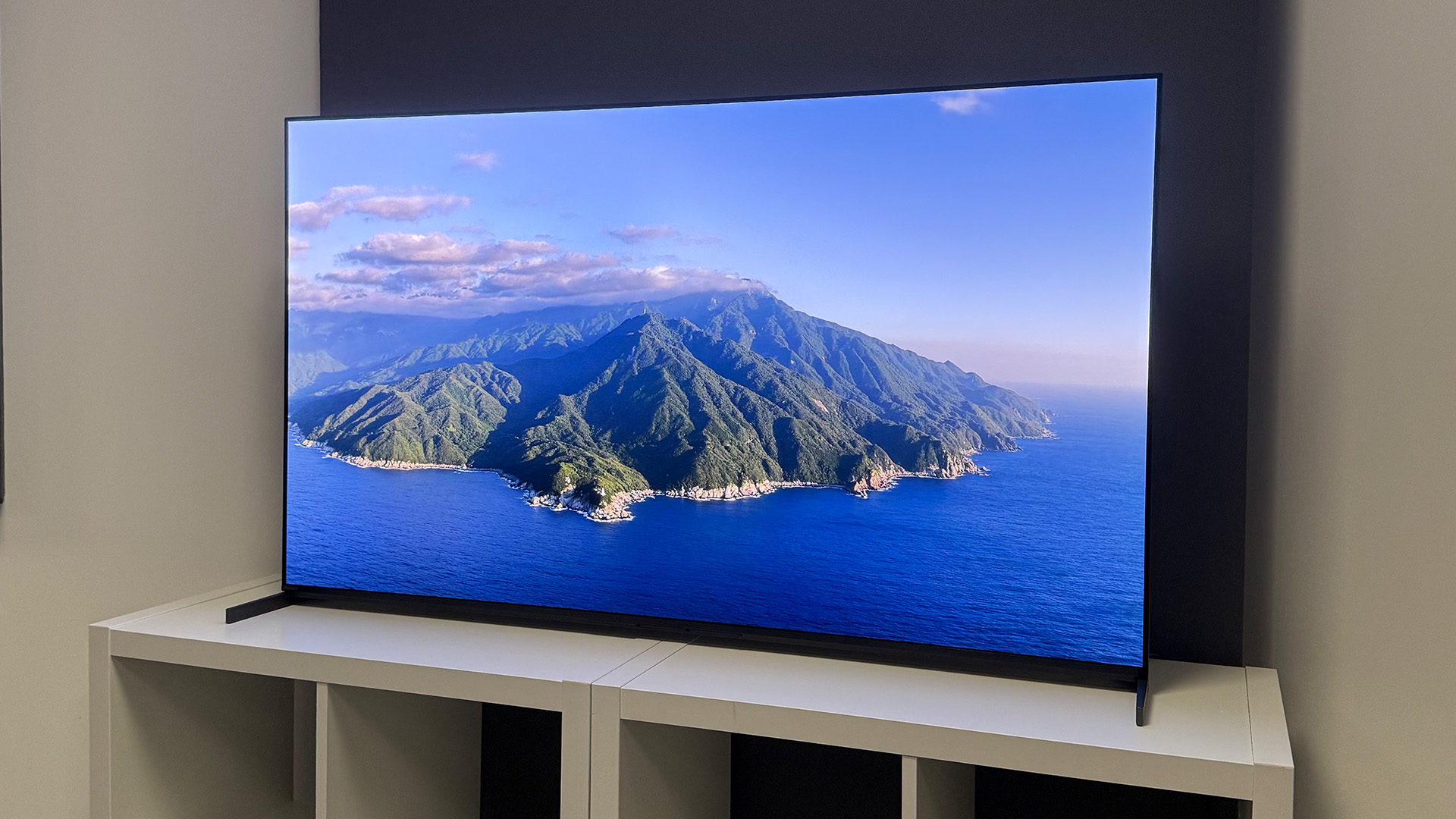
Moreover, sustainability is becoming a sell point. Efficient panels reduce power consumption by up to 30%, and recyclable materials are used in casings. “Green tech is no longer a niche; it’s a demand,” says a Consumer Reports analyst.
Market Implications and Consumer Benefits
Synthesizing these trends, the 2026 landscape predicts:
- Premium Segmentation: Micro RGB/OLED for ultra-large, high-brightness flagships, priced above $5,000.
- Value Segments: Mini-LED accessibility, with 75-inch models dropping near $1,500.
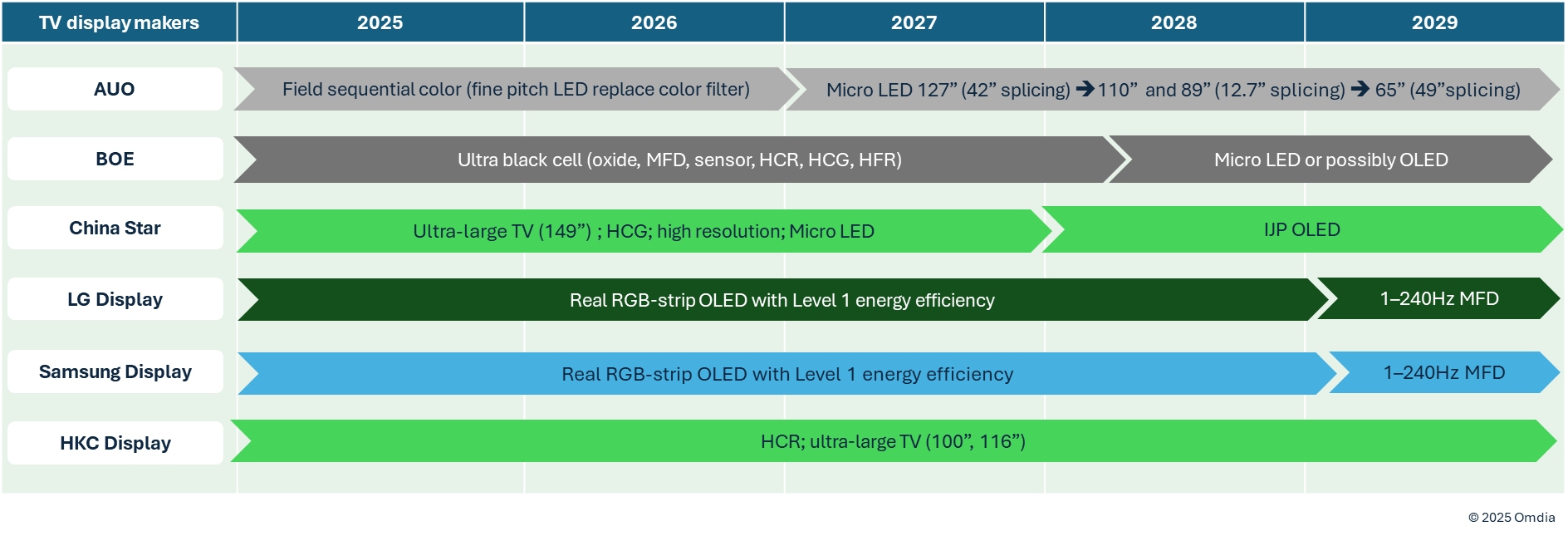
- Market Leaders: Samsung and LG dominate the premium tier, while TCL and Hisense push affordable innovation amid panel fab utilization cuts signaling survival pressures (sources: Samsung, Consumer Reports, Omdia display dynamics report).
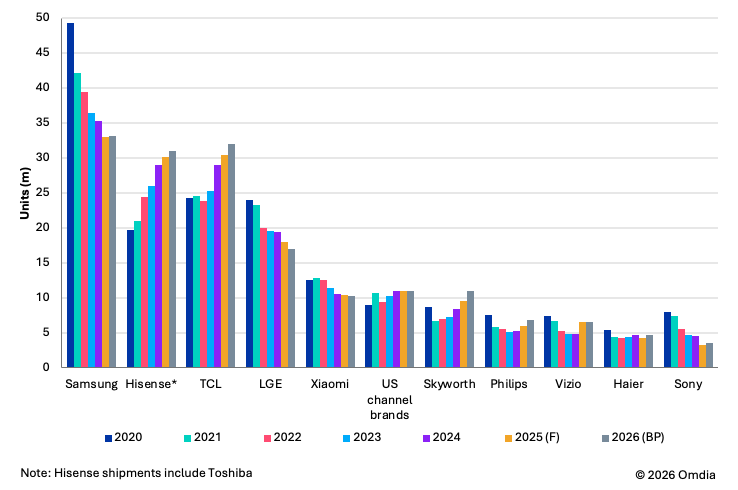
For consumers, the benefits are tangible:
- Brighter TVs: Up to 10,000 nits make HDR content pop even in sunlit rooms.
- AI Customization: Sets that adjust to your viewing habits, reducing manual tweaks.
- Larger Sizes: 130-inch screens become more common, transforming home theaters.
- QD-Enhanced Vibrancy: Colors that rival nature, with wider gamuts covering 99% of DCI-P3.
However, challenges remain. Premium pricing may keep cutting-edge tech out of reach for many, and the rapid pace of innovation could lead to shorter product cycles. Key players to watch include Samsung, the ecosystem leader; LG, the OLED innovator; and TCL/Hisense as value disruptors (sources: Samsung, Consumer Reports, Interesting Engineering, BGR).
Frequently Asked Questions
What’s the main difference between mini-LED RGB and OLED in 2026?
Mini-LED RGB uses a backlight with thousands of tiny LEDs for high brightness and longevity, ideal for bright rooms and gaming. OLED has self-emissive pixels for perfect blacks and wide viewing angles, suited for dark rooms and cinematic content. The choice depends on your viewing environment and priorities.
How does quantum dot technology improve TV pictures?
Quantum dots are nanocrystals that emit precise colors when hit by light, enhancing color volume and brightness. They’re used in both mini-LED and OLED TVs to achieve wider color gamuts and more vibrant hues without increasing power consumption significantly.
Are 2026 TVs becoming more integrated with smart home devices?
Absolutely. TVs are evolving into hubs for smart home devices, with AI like Samsung’s VAC controlling lights, thermostats, and security cameras directly from the TV interface, creating a seamless connected experience.
What role does AI play in the 2026 TV market?
AI is central, powering real-time upscaling, personalized content recommendations, and environmental adaptation. For example, AI-powered home entertainment systems adjust picture and sound based on room lighting and viewer preferences, making each experience unique.
Will OLED TVs get brighter in 2026 to compete with mini-LED?
Yes, advancements like LG’s Tandem 2.0 and Samsung’s QD-OLED are pushing OLED brightness to new highs, with some models achieving near 3,000 nits. This closes the gap with mini-LED, especially for HDR content, as seen in OLED and gaming display innovations.
How are manufacturers like Samsung balancing different display technologies?
Samsung is adopting a diversified strategy, offering both Micro RGB and QD-OLED tiers to cater to different market segments. This approach is part of Samsung’s broader technology roadmap, ensuring they lead in both premium and value categories.