
Uber Robotaxi Autonomous Vehicles: 2026 Updates
Estimated reading time: 8 minutes
Key Takeaways
- Global Robotaxi Unveiled: Uber, in partnership with Lucid and Nuro, unveiled a production-intent, Level 4 autonomous robotaxi at CES 2026, marking a pivotal step towards widespread uber robotaxi autonomous vehicles.
- NVIDIA-Powered Network: Uber is building the world’s largest Level 4-ready mobility network on the NVIDIA DRIVE platform, aiming to scale to 100,000 autonomous vehicles globally from 2027.
- Strategic Collaboration: The nuro lucid collaboration merges Nuro’s proven autonomy AI with Lucid’s luxury EV architecture, creating a scalable, safety-first robotaxi platform for Uber’s deployment.
- Imminent Deployment: Supervised on-road testing is underway in the Bay Area, with a commercial launch in San Francisco targeted for 2026 as part of Uber’s ambitious robotaxi deployment plans.
- Ecosystem Transformation: This initiative is a core component of the broader urban transport robotics revolution, integrating robotaxis, autonomous delivery, and freight into a unified, AI-driven urban mobility fabric.
Table of contents
The future of city travel arrived with a spectacular unveiling at CES 2026. Uber, in a landmark partnership with NVIDIA, Lucid, and Nuro, showcased a vision where uber robotaxi autonomous vehicles are not just prototypes, but production-ready machines set to redefine urban mobility. This announcement promises Level 4 autonomy at a global scale, heralding a new era of safer, cleaner, and more efficient transport. The CES reveal, detailed in a joint press release, signals a massive leap for the urban transport robotics sector. This post delves into Uber’s groundbreaking initiatives, analyzes the key partnerships driving this change, examines the concrete deployment roadmap, and explores what this all means for the future of future mobility and autonomous driving news.

Uber’s Robotaxi and Autonomous Vehicle Initiatives
Uber is spearheading the transformation of urban mobility, moving decisively from a ride-hailing platform to the architect of a comprehensive autonomous network. The cornerstone of this shift is the development of uber robotaxi autonomous vehicles capable of Level 4 self-driving. This evolution represents more than just technological progress; it’s a strategic move towards what is being termed unbeatable AI-powered transportation, where intelligent systems dominate the roads for unparalleled efficiency and safety.
The linchpin of this ambition is Uber’s deep partnership with NVIDIA. Together, they are constructing what is touted as the world’s largest Level 4-ready mobility network. This ecosystem is built upon the formidable NVIDIA DRIVE AGX Hyperion 10 platform and the DRIVE AV software stack, designed to power not only robotaxis but also autonomous delivery fleets. This common technological foundation ensures consistency, scalability, and robust safety across all autonomous operations.

To handle the immense data generated by a global fleet, Uber and NVIDIA are establishing a joint AI data factory on the NVIDIA Cosmos platform. This system will process petabytes of real-world and synthetic driving data, continuously refining the AI’s understanding of complex city environments—a critical capability for the advancement of urban transport robotics. This data engine is the key to scaling the network from thousands to a planned 100,000 vehicles globally, starting in 2027.
Uber’s vision is not an abrupt replacement of human drivers but a phased integration. The plan involves a unified ride-hailing network that seamlessly blends trips served by human drivers with those handled by autonomous vehicles. This network will be powered by DRIVE AGX Hyperion-ready vehicles from a consortium of automotive partners, including Stellantis, Lucid, and Mercedes-Benz, creating a diverse and resilient autonomous fleet.
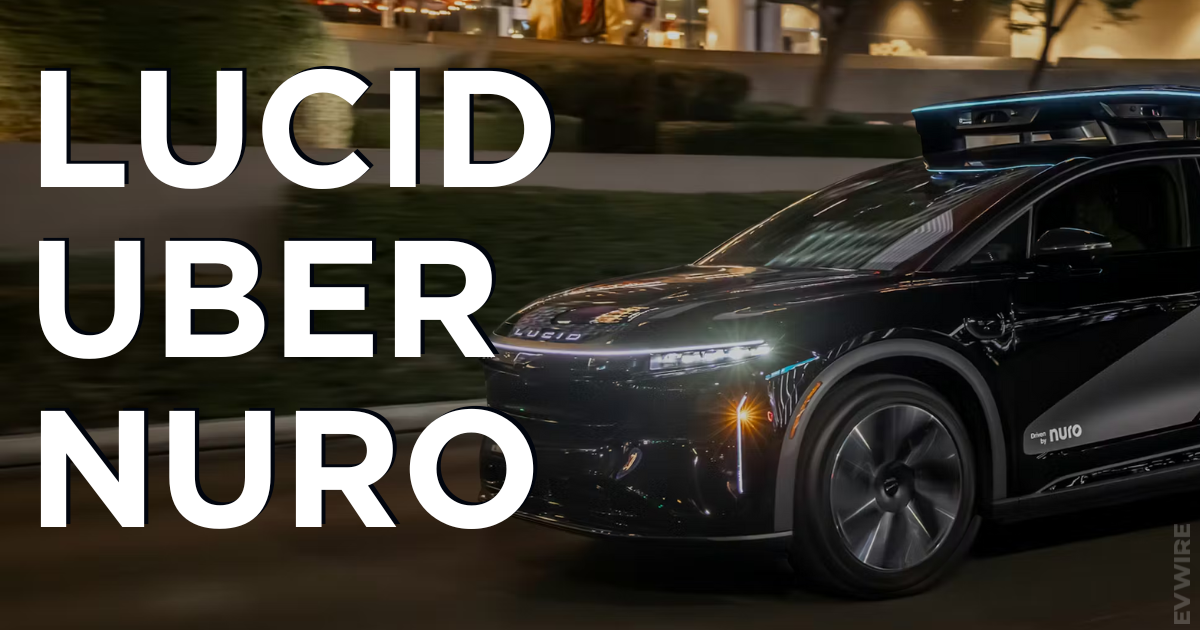
The most tangible symbol of this progress was the CES 2026 unveiling. In collaboration with Lucid and Nuro, Uber presented a production-intent robotaxi based on Lucid’s acclaimed Gravity SUV platform. This vehicle integrates Nuro’s mature Level 4 AI software stack with Uber’s rider platform and interface. Critically, this isn’t just a show car; supervised on-road testing in the challenging environments of the Bay Area has already commenced, paving the way for a commercial launch in San Francisco later in 2026. This nuro lucid collaboration, highlighted in their reveal video and the official announcement, represents a powerful trifecta of software, hardware, and network scale.
Urban Transport Robotics Overview
The advent of uber robotaxi autonomous vehicles is a single, powerful wave in a much larger tide of urban transport robotics. This broader shift encompasses all autonomous systems designed to move people and goods within cities. Level 4 systems, like those being deployed, rely on artificial intelligence trained on trillions of miles—both real and synthetically generated—to achieve human-like reasoning for navigating unpredictable urban scenarios, from double-parked delivery vans to sudden pedestrian crossings. This technological leap is fundamental to creating smarter, more fluid cities, a topic explored in depth in our analysis of revolutionary AI for unlocking smarter cities.

NVIDIA’s DRIVE ecosystem provides a window into this expansive landscape. For passenger mobility, it includes a roster of innovators like Avride, May Mobility, Momenta, Nuro, Pony.ai, Wayve, and WeRide. Parallel to this, the autonomous trucking sector is being revolutionized by companies like Aurora, Volvo Autonomous Solutions, and Waabi, aiming for Level 4 operations on highways. This global momentum is further evidenced by breakthrough UK autonomous vehicle innovations pushing the boundaries of the possible.
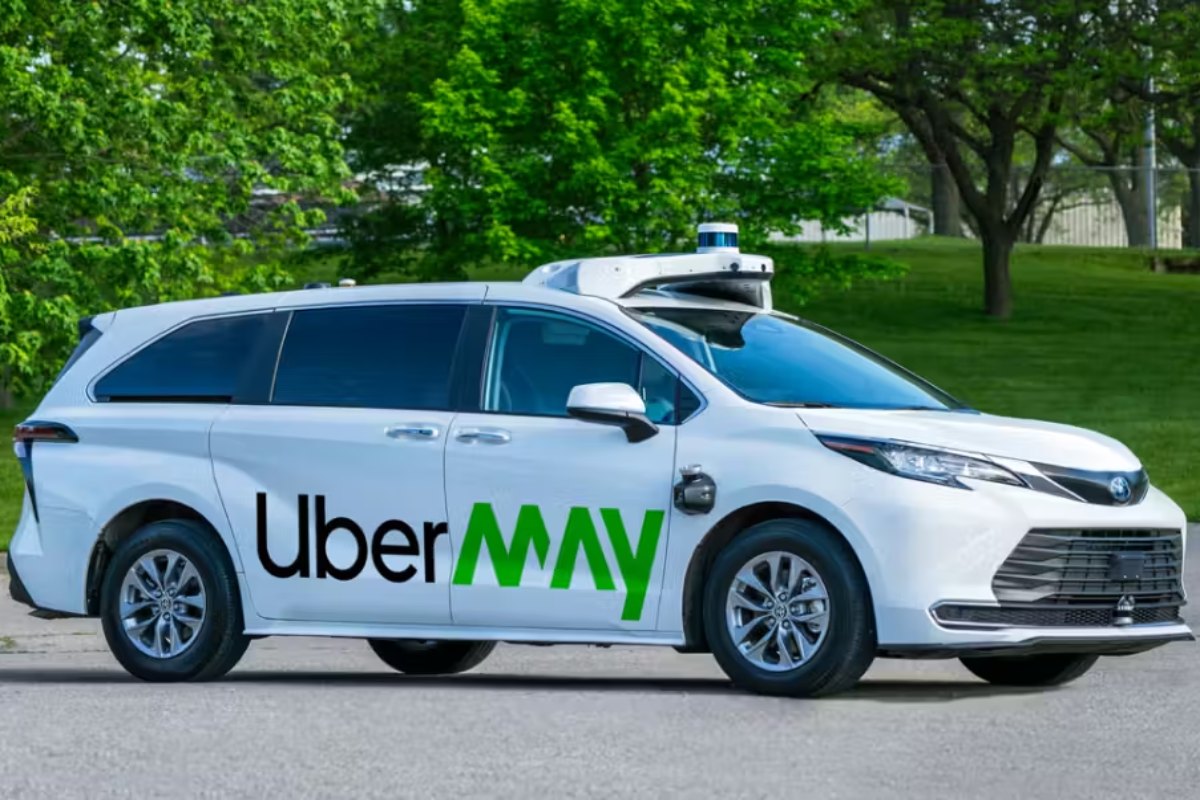
The transformation extends beyond passenger cars. Autonomous drones and automated delivery vehicles, an area where Nuro has established significant expertise, are set to complement robotaxis. These systems tackle the “last-mile” logistics challenge, reducing congestion from delivery trucks and vans. The integration of these robotic delivery solutions with Uber’s vast passenger mobility platform promises to revolutionize city-wide logistics, creating a cohesive, on-demand network for both people and parcels. This holistic integration is a defining feature of the emerging game-changing 5G-powered smart cities.
Nuro and Lucid Collaboration Analysis
The nuro lucid collaboration announced at CES 2026, and now extended to include Uber, is a masterclass in strategic synergy. It brings together best-in-class capabilities from three distinct domains: Nuro’s proven autonomy AI, Lucid’s cutting-edge electric vehicle architecture, and Uber’s unparalleled global network and rider base.
This partnership integrates Nuro’s sophisticated Level 4 autonomy system—refined through years of on-road and simulation testing—with Lucid’s Gravity SUV platform. The Gravity provides a premium, spacious, and efficient electric vehicle base, while the AI brain is powered by the NVIDIA DRIVE AGX Thor compute platform. The result is a production-ready robotaxi designed from the ground up for autonomous service, not a retrofitted existing model.

Nuro’s role is pivotal. The company is leading the engineering of the initial prototypes and managing the supervised testing in the Bay Area. Their system incorporates robust safety guardrails, a suite of precise sensors (including lidar, radar, and cameras), and AI models capable of adaptive learning. This technology, initially proven in Nuro’s autonomous delivery vehicles, is now being applied at scale to robotaxi and personal mobility. Level 4 autonomy, as deployed here, means the vehicle can perform all driving functions within specific operational domains without any human intervention, though a remote safety operator may monitor the system.
The scalability of this model is its most disruptive potential. Lucid’s advanced manufacturing facility in Arizona can produce high-quality electric vehicles at volume. Coupling this with Nuro’s scalable software and Uber’s fleet management and dispatch systems creates a vertically integrated powerhouse. This trio is poised to disrupt traditional robotaxi and mobility-as-a-service ecosystems by deploying efficient, purpose-built electric fleets faster and more reliably than competitors, accelerating the timeline for uber robotaxi autonomous vehicles.
Robotaxi Deployment Plans Examination
Uber’s robotaxi deployment plans are aggressive, structured, and backed by formidable technological partnerships. The overarching goal is to scale the autonomous network to encompass 100,000 vehicles globally from 2027 onwards. This massive expansion will be enabled by NVIDIA’s over-the-air update capabilities, allowing for continuous improvement of the fleet’s AI, and supported by manufacturing partners like Stellantis. Achieving this scale is inextricably linked to the backbone of unstoppable 5G connectivity, enabling real-time data exchange and fleet management.
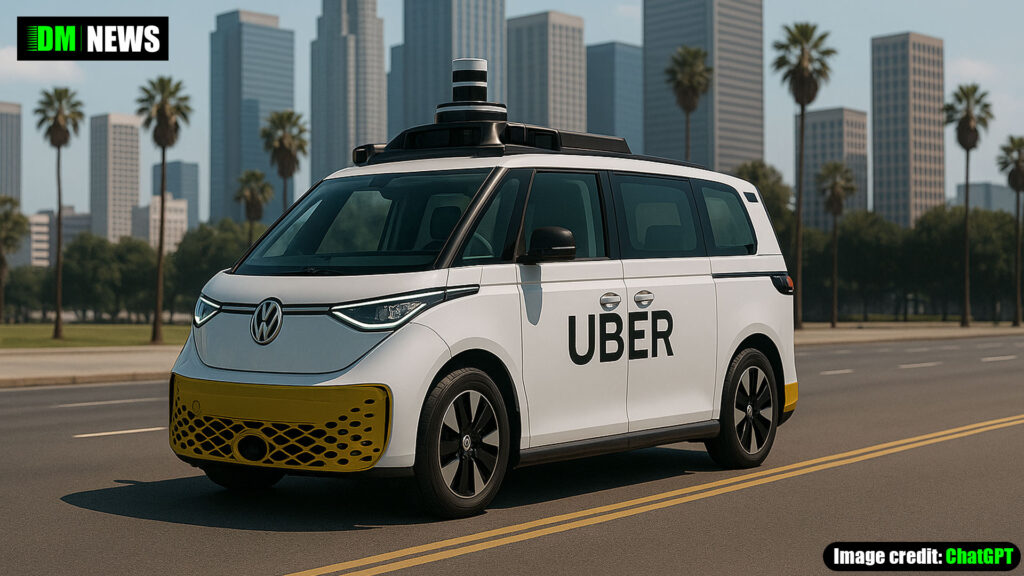
The first major milestone is the U.S. launch, specifically targeting San Francisco in 2026. The nuro lucid collaboration is central to this initial phase, with supervised testing currently active in the Bay Area to validate the system’s performance in one of the world’s most complex urban driving environments. This cautious, safety-first approach of extensive testing before full commercial deployment is outlined in the partners’ public communications.
Significant challenges remain on the path to deployment. Regulatory approval for commercial Level 4 operations is a complex, city-by-city and country-by-country process. AI safety validation is paramount; here, initiatives like NVIDIA’s Halos Certified Program will provide a crucial framework for verifying that autonomous systems meet rigorous safety standards. Furthermore, the AI must be robust enough to handle the endless complexities of urban life, from chaotic traffic circles and construction zones to interpreting the subtle intent of cyclists and pedestrians.
The rollout strategy appears designed to manage these challenges. Initial deployments will prioritize technology-ready hubs like the Bay Area, where regulations and infrastructure are more accommodating. Success in these initial markets will provide the data and credibility to expand into other regions. Furthermore, the partnership model allows for expansion into adjacent markets like autonomous freight and international rollouts through local partners, all leveraging the core urban transport robotics platform developed with NVIDIA.
Future Outlook: Shaping Tomorrow’s Mobility
The convergence of the Uber-NVIDIA partnership and the nuro lucid collaboration is a potent accelerant for the adoption of Level 4 autonomy. This is not just about better cars; it’s about foundational AI, generative AI models, and emerging visual-language-action systems that will allow vehicles to understand and adapt to the city in ways that mimic human contextual awareness. The entire field of urban transport robotics stands to benefit from these advances.
We are moving toward a unified, intelligent mobility ecosystem. Uber robotaxi autonomous vehicles will contribute to reducing urban emissions and the >90% of accidents caused by human error. They will integrate not as a separate service, but as a core component of a blended network that includes human drivers, micro-mobility, and public transit. The data factories powering these fleets will become innovation engines, driving progress in autonomous trucking and shared simulation environments that make every mile of real-world experience exponentially more valuable.
The path forward is now marked with clear signposts:
- Massive Scale: Uber’s autonomous network is projected to grow to 100,000 vehicles globally from 2027, powered by the NVIDIA DRIVE ecosystem.
- Imminent Launch: The Lucid-Nuro-Uber robotaxi is in active testing, with a commercial launch in San Francisco slated for 2026.
- Ecosystem Growth: A broad robotics ecosystem, spanning robotaxis, delivery bots, and autonomous trucks, is fundamentally transforming how people and goods move in cities.
- Persistent Hurdles: Widespread deployment hinges on overcoming regulatory hurdles and continuously validating AI safety for unpredictable urban environments.
Stay ahead of the latest future mobility and autonomous driving news by closely following the developments of uber robotaxi autonomous vehicles and the evolving partnerships in urban transport robotics. The nuro lucid collaboration is just the beginning, and the detailed robotaxi deployment plans now provide a concrete timeline for this revolution. What are your thoughts on the integration of robotaxis into our daily lives? Share your perspective in the comments and subscribe for ongoing updates as this transformative journey unfolds.
Frequently Asked Questions
What is Level 4 autonomy, and how does it differ from what Tesla offers?
Level 4 autonomy, as targeted by the Uber-Nuro-Lucid robotaxi, means the vehicle can perform all driving tasks without human intervention within a specific geographic area or under certain conditions (like good weather). The system does not require a human driver to pay attention. In contrast, Tesla’s current “Full Self-Driving” system is a Level 2 advanced driver-assistance system (ADAS). It requires the human driver to constantly supervise and be ready to take control immediately. The Uber partnership is aiming for true driverless operation in mapped urban areas.
When and where will I be able to hail an Uber robotaxi?
The first commercial deployment is planned for San Francisco in 2026, following the current period of supervised on-road testing in the Bay Area. The rollout will be gradual, likely starting in specific neighborhoods or corridors. Global expansion to other cities will follow, scaling up toward the goal of 100,000 vehicles from 2027, but initial availability will be limited to select markets where regulatory approval is granted.
How does the partnership with NVIDIA benefit the safety of these vehicles?
NVIDIA contributes a holistic safety ecosystem. The DRIVE AGX Hyperion and Thor platforms are designed with functional safety (ISO 26262 ASIL-D) as a core principle. Furthermore, the NVIDIA Halos Certified Program provides a framework for validating that the entire AI-powered autonomous system meets stringent safety standards before deployment. The joint AI data factory also enables continuous learning from a massive, diverse dataset, allowing the system to encounter and safely handle rare “edge case” scenarios through simulation long before they occur on real roads.
Will Uber robotaxis be more expensive than a ride with a human driver?
Initially, the cost may be comparable or even higher due to the advanced technology. However, the long-term business case for autonomy is predicated on reducing costs. Without a human driver to pay, and with the efficiency gains of electric vehicles and optimized routing, the goal is to make robotaxi rides significantly cheaper than human-driven rides over time. This cost reduction is key to achieving Uber’s vision of making autonomous mobility accessible to a massive user base.
What happens to Uber’s human drivers as robotaxis are deployed?
Uber’s stated strategy is one of integration, not immediate replacement. The vision is for a unified network where rider requests are fulfilled by either a human-driven car or a robotaxi, depending on availability, location, and rider preference. As the autonomous fleet grows, human drivers may see a shift in the types of trips they are offered—potentially focusing on areas or times where robotaxis are not yet deployed. Uber has also discussed opportunities for drivers to transition into roles managing and servicing the autonomous fleet.