
The Power of 5G IoT Optimization Tech: Driving Next-Generation Network Innovation
Estimated reading time: 9 minutes
Key Takeaways
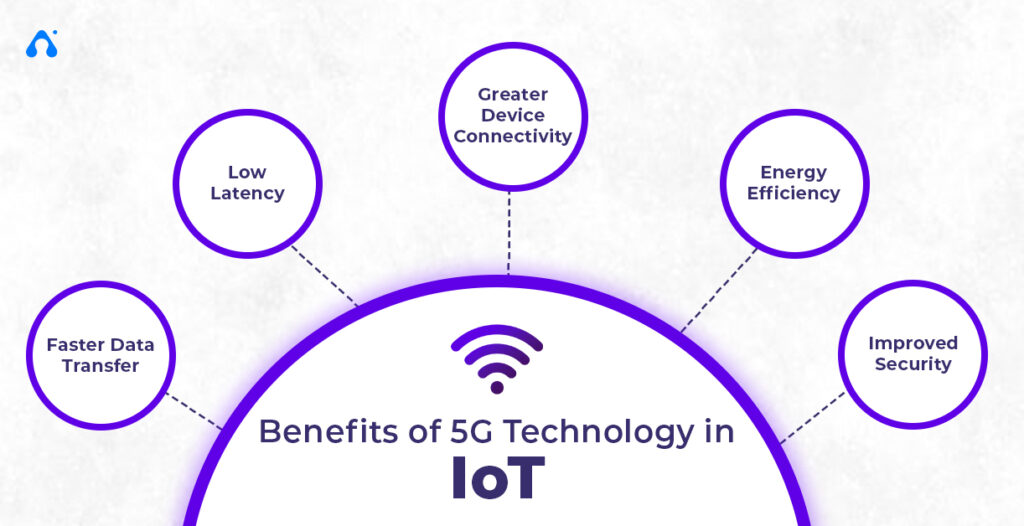
- 5G IoT optimization tech enables ultra-low latency as low as 1 ms and supports up to 1 million devices per square kilometer, far surpassing 4G limitations.
- This technology is a critical enabler for applications like autonomous vehicles and real-time industrial automation, driven by features such as network slicing and URLLC.
- The machine connectivity evolution shifts from legacy LPWAN to 5G, supporting higher density and lower latency for transformative use cases.
- Edge device interconnection gains power from 5G’s latency reductions, enabling real-time edge computing and improved data privacy.
- A cohesive network device ecosystem integrates sensors, gateways, and cloud platforms, with 5G acting as the unifying nervous system for smart cities and IIoT.
Table of Contents
- The Power of 5G IoT Optimization Tech: Driving Next-Generation Network Innovation
- Key Takeaways
- Introduction: The Dawn of a New Connectivity Era
- What is 5G IoT Optimization Tech? Defining the Core Enabler
- Machine Connectivity Evolution: From Legacy Limits to 5G-Powered Transformation
- Edge Device Interconnection: Unlocking Real-Time Power at the Source
- Network Device Ecosystem: The Cohesive Nervous System for Modern IoT
- Future Trends and Innovations: Where 5G IoT Optimization is Headed
- Frequently Asked Questions
Introduction: The Dawn of a New Connectivity Era
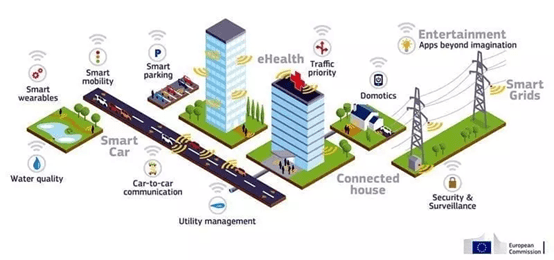
Imagine a world where autonomous vehicles communicate seamlessly to avoid collisions, factories operate with pinpoint precision through real-time automation, and smart cities manage millions of sensors effortlessly—all thanks to 5G IoT optimization tech. This isn’t science fiction; it’s the transformative impact of next-generation networks enabling ultra-low latency as low as 1 ms, massive device density up to 1 million devices per square kilometer, and tailored performance that far surpasses 4G’s limitations. This evolution is part of the broader shift towards unstoppable 5G connectivity that is reshaping entire industries.
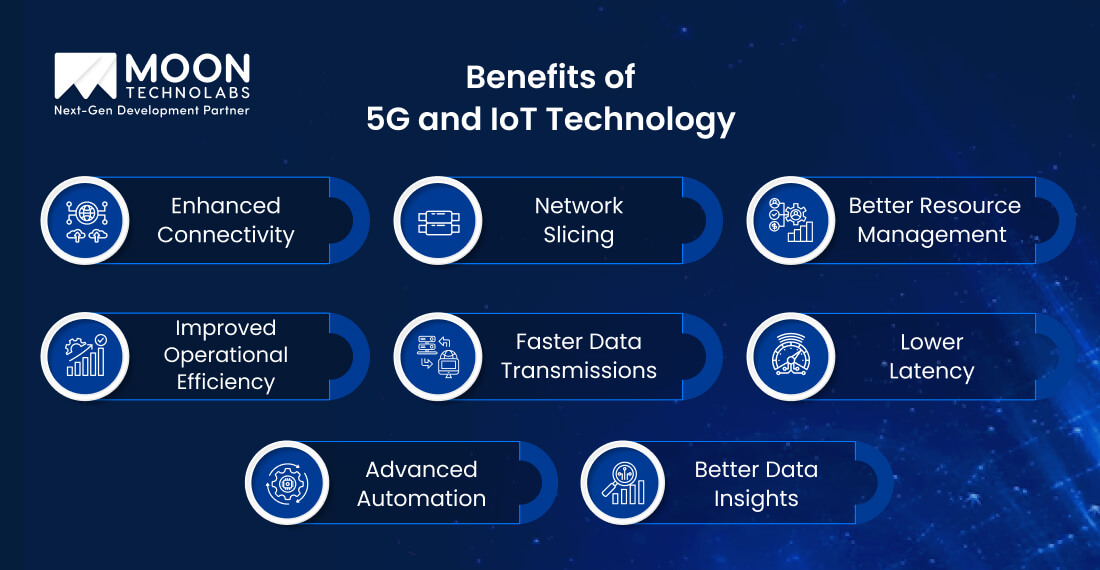
5G IoT optimization tech is the critical enabler for next-generation network innovation, making viable applications that demand reliability and speed, from remote medical procedures to industrial robotics. As we explore this landscape, we’ll delve into key components including the machine connectivity evolution, edge device interconnection, and the network device ecosystem, all unlocked by this groundbreaking technology. This post sets the stage for understanding how these elements interconnect to drive network innovation forward.
What is 5G IoT Optimization Tech? Defining the Core Enabler
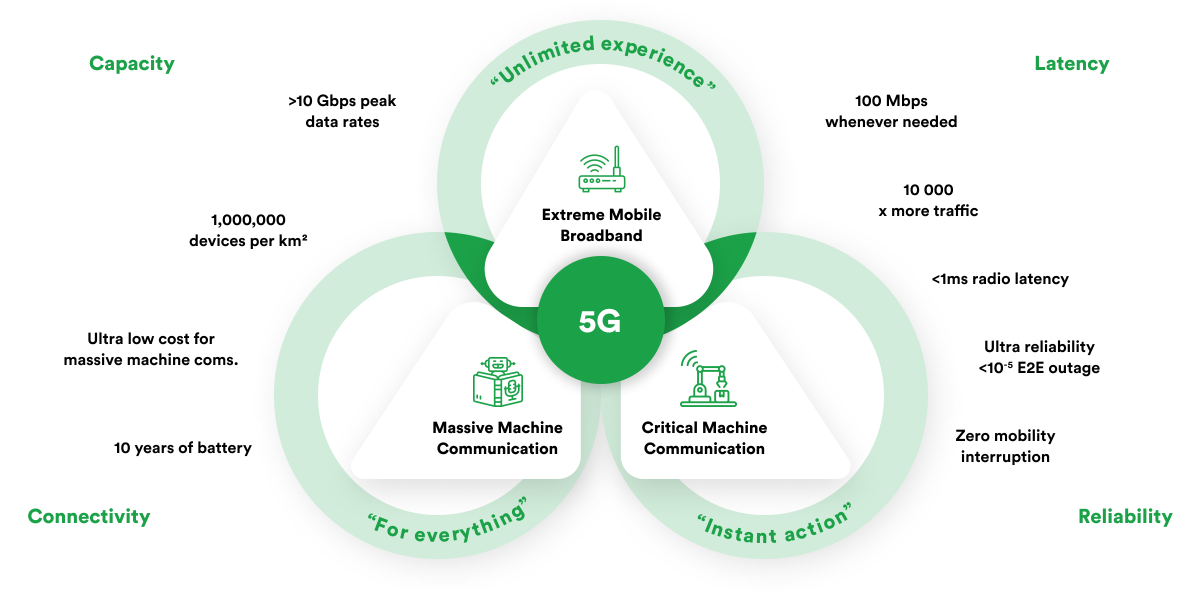
At its core, 5G IoT optimization tech encompasses a suite of features designed to meet the unique demands of IoT deployments. Unlike traditional consumer connectivity focused on high-speed data streams, this technology prioritizes spectrum efficiency, beamforming, and wider bandwidths of 100-400 MHz to address IoT’s high device density, low power needs, and mission-critical reliability.
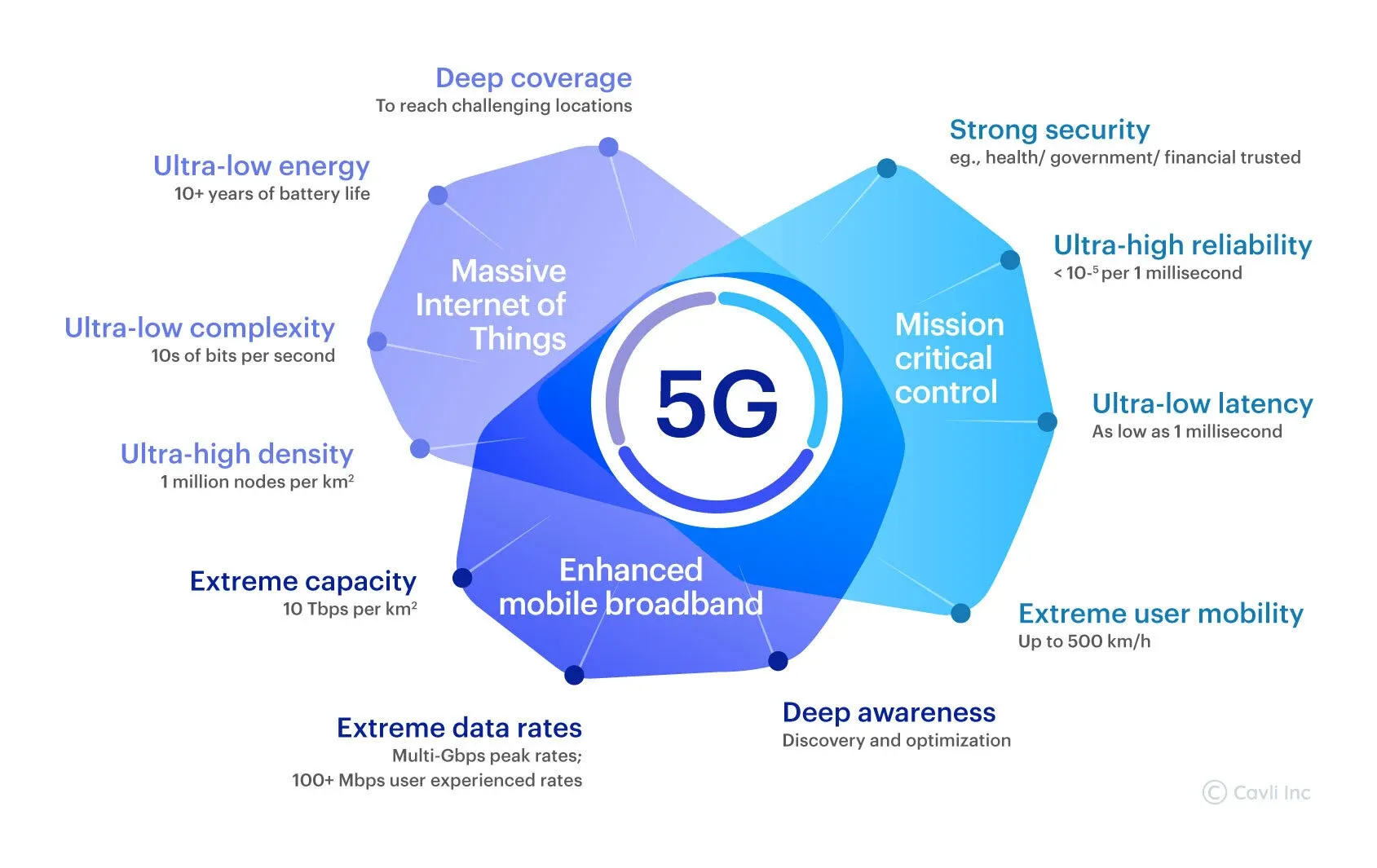
- Network Slicing: This allows the creation of isolated virtual networks with customized Quality of Service (QoS), latency, and security for specific IoT use cases, such as industrial automation or healthcare monitoring.
- Ultra-Reliable Low-Latency Communication (URLLC): With latencies under 1 ms and 99.9999% reliability, URLLC supports applications like autonomous systems and real-time control, as detailed in resources from 5G-ACIA.
- Massive Machine-Type Communications (mMTC): This handles millions of devices efficiently, enabling large-scale IoT deployments in smart cities or agriculture.
- Energy-Efficient Protocols: Optimized signaling and sleep modes reduce power consumption, crucial for battery-operated sensors and wearables.
A key variant is 5G RedCap (Reduced Capability), a further optimization for mid-tier IoT with reduced bandwidth (20 MHz), lower power, and costs, ideal for sensors and wearables without full 5G complexity, as explained in TechTimes. By integrating these features, 5G IoT optimization tech transforms how devices connect and communicate, setting the foundation for advanced network innovation.
Machine Connectivity Evolution: From Legacy Limits to 5G-Powered Transformation
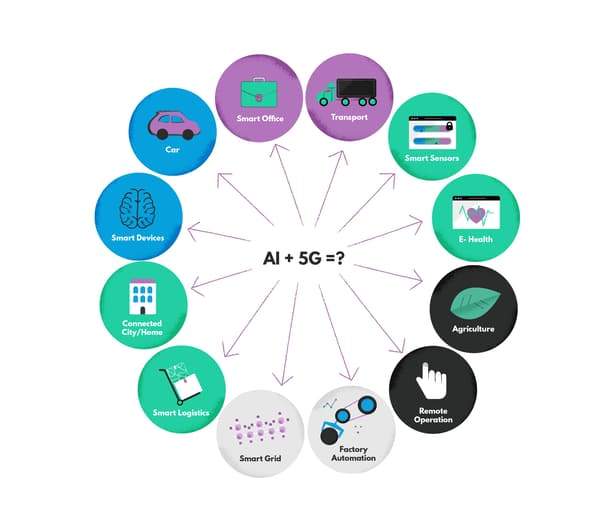
The machine connectivity evolution marks a dramatic shift from legacy solutions like LPWAN (NB-IoT, LTE-M) or 4G LTE-M—which were limited to lower densities and 20-50 ms latency—to 5G-enabled capabilities supporting higher device density, sub-10 ms latency, and multi-Gbps throughput via mmWave/sub-6 GHz spectrum and massive MIMO. This progression is essential for engaging readers on how far we’ve come.

Contrasting the old with the new: Where legacy networks struggled with scalability and speed, 5G opens doors to use cases where this evolution matters most. For example:
- Autonomous Systems: Vehicles requiring 1 ms response times for safe navigation rely on 5G’s URLLC, as highlighted by Wray Castle.
- Real-Time Industrial Monitoring: Factories thrive on enhanced reliability and precise positioning, enabling predictive maintenance and automated workflows, supported by insights from 5G-ACIA.
This machine connectivity evolution isn’t just an upgrade; it’s a paradigm shift that empowers industries to rethink connectivity, driving efficiency and innovation across sectors. By naturally integrating this keyword throughout examples, we see how 5G transforms mere connections into intelligent, responsive networks.
Edge Device Interconnection: Unlocking Real-Time Power at the Source
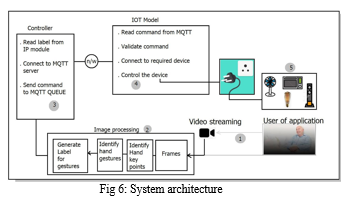
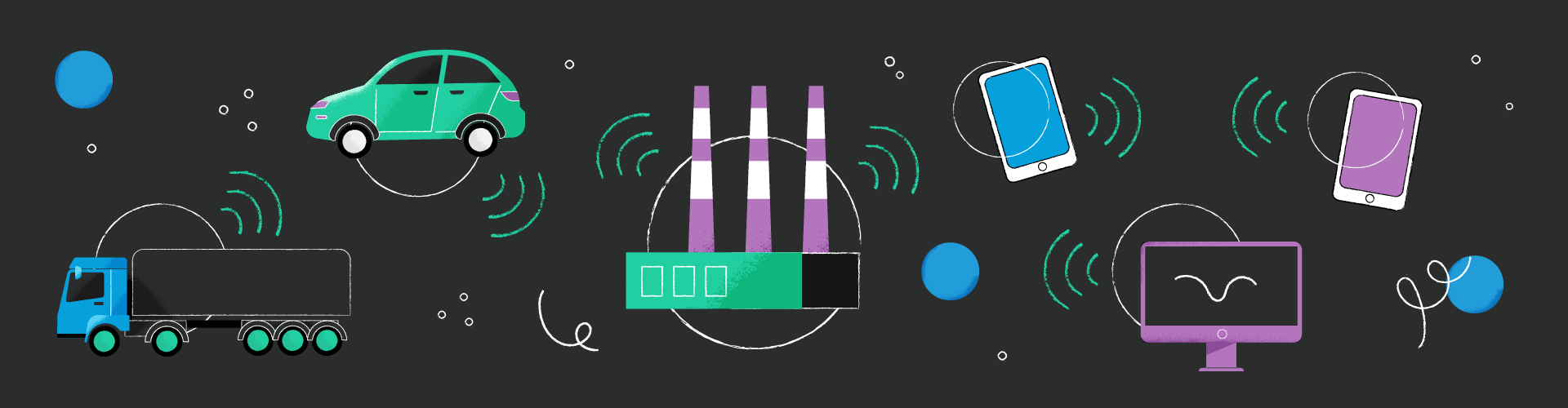
Edge device interconnection gains unprecedented power through 5G’s latency reductions to 1 ms, making edge computing—processing data at the source—and device-to-device (D2D) communication feasible for on-site, real-time operations. This capability is a cornerstone of modern revolutionary edge computing breakthroughs that are transforming data processing and AI at the network’s edge.
Key benefits of this interconnection include:
- Minimized Bandwidth Backhaul: Localized data handling reduces cloud dependency, cutting costs and congestion, as noted in Netscout analysis.
- Faster Decision-Making: Time-sensitive tasks, like immediate sensor responses in industrial settings, benefit from reduced latency, enhancing operational agility.
- Improved Privacy and Security: Keeping sensitive data (e.g., from industrial sensors) off central clouds protects against breaches, a vital aspect for interconnected AI-powered smart homes where edge security is paramount.
Furthermore, 5G RedCap enhances this for power-constrained edges like wearables and gateways, offering a balanced approach for mid-tier IoT deployments. By placing the edge device interconnection keyword naturally in this discussion, we highlight how 5G turns edge devices into intelligent nodes that drive efficiency and resilience.
Network Device Ecosystem: The Cohesive Nervous System for Modern IoT
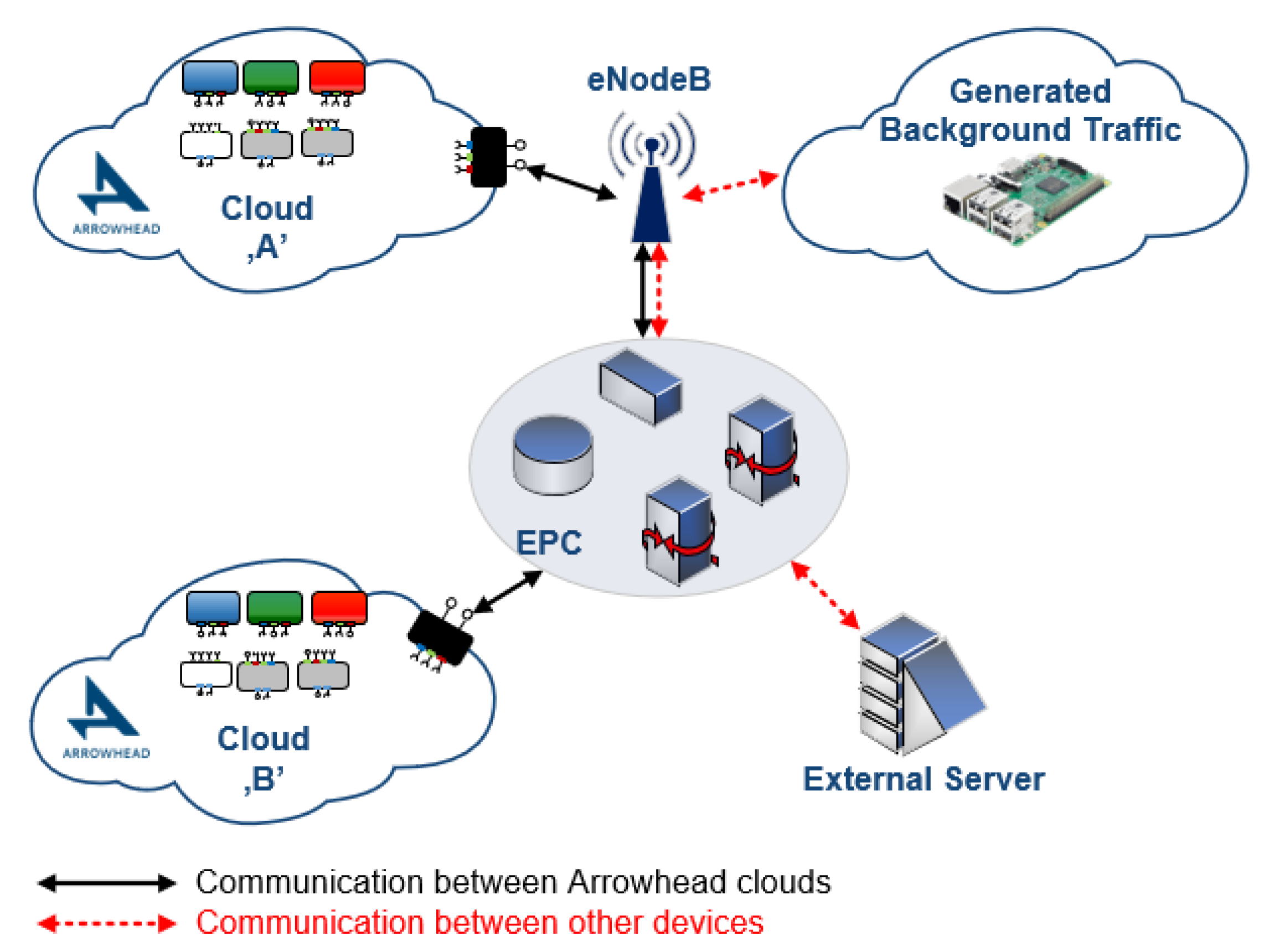
The modern network device ecosystem integrates diverse components like sensors, gateways, edge servers, and cloud platforms, with 5G IoT optimization tech acting as the cohesive “nervous system” via granular QoS, dual connectivity, and network slicing for unified responsiveness. This ecosystem synergy enables scalable and efficient IoT solutions across various domains.
Examples of this synergy in action:
- Smart Cities: Managing 1M+ devices per km² for traffic control, surveillance, and public services, leveraging 5G’s mMTC capabilities.
- Industrial IoT (IIoT): Enabling ultra-reliable automation in manufacturing, with real-time data exchange for predictive maintenance, as explored in 5G-ACIA whitepapers.
- Precision Agriculture: Using real-time sensor telemetry for optimized irrigation and crop monitoring, boosting efficiency and sustainability.
By using the network device ecosystem keyword in these examples, we emphasize how 5G weaves together disparate devices into a harmonious network, driving innovation and operational excellence.
Future Trends and Innovations: Where 5G IoT Optimization is Headed
The synergy of 5G IoT optimization tech (including slicing, URLLC, mMTC), machine connectivity evolution (beyond LPWAN/4G), edge device interconnection, and the network device ecosystem forms the bedrock for cutting-edge network innovations. These include:

- Digital Twins: Real-time virtual simulations of physical assets, enabled by low-latency data feeds for predictive analytics and design optimization.
- Widespread AI Inference at the Edge: Low-latency AI decisions without cloud roundtrips, empowering applications from autonomous drones to smart retail.
- Responsive Smart Infrastructure: AR/VR in enterprise settings for training and maintenance, relying on 5G’s high bandwidth and reliability.
Future-forward trends are already emerging, such as scalable RedCap deployments for mass IoT, sustainable networks via efficiency gains, and expanded IIoT with <0.5 ms latency at 99.999% reliability, as discussed in Zipit Wireless insights. By incorporating all keywords naturally, this section ties back to search intent on network innovation, showcasing how interconnected evolution paves the way for a smarter, more connected world.
Frequently Asked Questions
What is 5G IoT optimization tech, and how does it differ from regular 5G?
5G IoT optimization tech refers to specialized features like network slicing, URLLC, and mMTC tailored for IoT demands, focusing on low latency, high density, and energy efficiency, whereas regular 5G often prioritizes high-speed broadband for consumers. It’s designed to handle unique IoT challenges, as detailed in Cavli Wireless resources.
How does 5G enhance machine connectivity evolution compared to 4G?
5G supports higher device density (up to 1 million per km²), lower latency (under 10 ms), and multi-Gbps throughput, overcoming 4G’s limitations of 20-50 ms latency and lower scalability, enabling advanced use cases like autonomous vehicles and industrial automation.
What role does edge device interconnection play in 5G IoT?
Edge device interconnection leverages 5G’s low latency to enable real-time data processing at the source, reducing cloud dependency and improving response times for critical applications, from smart homes to manufacturing, as highlighted in Netscout analyses.
What is 5G RedCap, and why is it important for IoT?
5G RedCap (Reduced Capability) is a streamlined version of 5G with lower bandwidth, power, and cost, ideal for mid-tier IoT devices like sensors and wearables. It makes 5G more accessible and efficient for mass deployments, as explained in TechTimes.
How does the network device ecosystem benefit from 5G optimization?
5G optimization provides unified responsiveness through features like network slicing and QoS, integrating sensors, gateways, and cloud platforms into a cohesive system for applications like smart cities and IIoT, enhancing scalability and reliability.
What are the security implications of 5G IoT optimization?
While 5G offers improved security through edge computing and network slicing, protecting expansive networks requires AI-powered security innovations to safeguard data and prevent breaches in interconnected environments.