

“`html
Mastering Organic Visibility with Content Clusters
Estimated reading time: 12 minutes
Key Takeaways
- Achieving organic visibility in today’s competitive digital landscape is a significant challenge, and a well-defined SEO strategy is paramount.
- The content cluster model is an effective tactic for improving search engine rankings and enhancing user engagement.
- Effective content cluster keyword research is the foundation for building a robust SEO strategy.
- Content clusters establish topic authority by linking comprehensive pillar content with related, specific cluster content.
- This structured approach improves website navigation, user experience, and search engine understanding of your site’s architecture.
Table of Contents
- Mastering Organic Visibility with Content Clusters
- Key Takeaways
- Understanding the Power of Content Clusters
- The Indispensable Role of Keyword Research in Content Clusters
- Pillar Content: The Central Hub of Your Cluster
- Crafting Your Content Cluster Strategy
- Integrating Content Clusters into Your Comprehensive SEO Strategy
- Measuring the Impact and Success of Your Content Clusters
In the ever-evolving digital landscape, capturing the attention of your target audience and standing out from the competition is more challenging than ever. Websites vie for the top spots in search engine results pages (SERPs), making organic visibility a coveted, yet often elusive, goal. To navigate this complex terrain effectively, a well-defined and dynamic SEO strategy is not just beneficial; it’s essential. Amidst the various tactics available, the content cluster has emerged as a powerful and highly effective approach to not only improve search engine rankings but also to significantly enhance user engagement and establish deep expertise.
This guide will delve into the heart of this strategy, focusing specifically on content cluster keyword research and its critical role in building a robust SEO strategy. You will learn how to implement a content cluster model that elevates your topic authority, drives more qualified traffic to your site, and ultimately contributes to your overarching online success.

Understanding the Power of Content Clusters
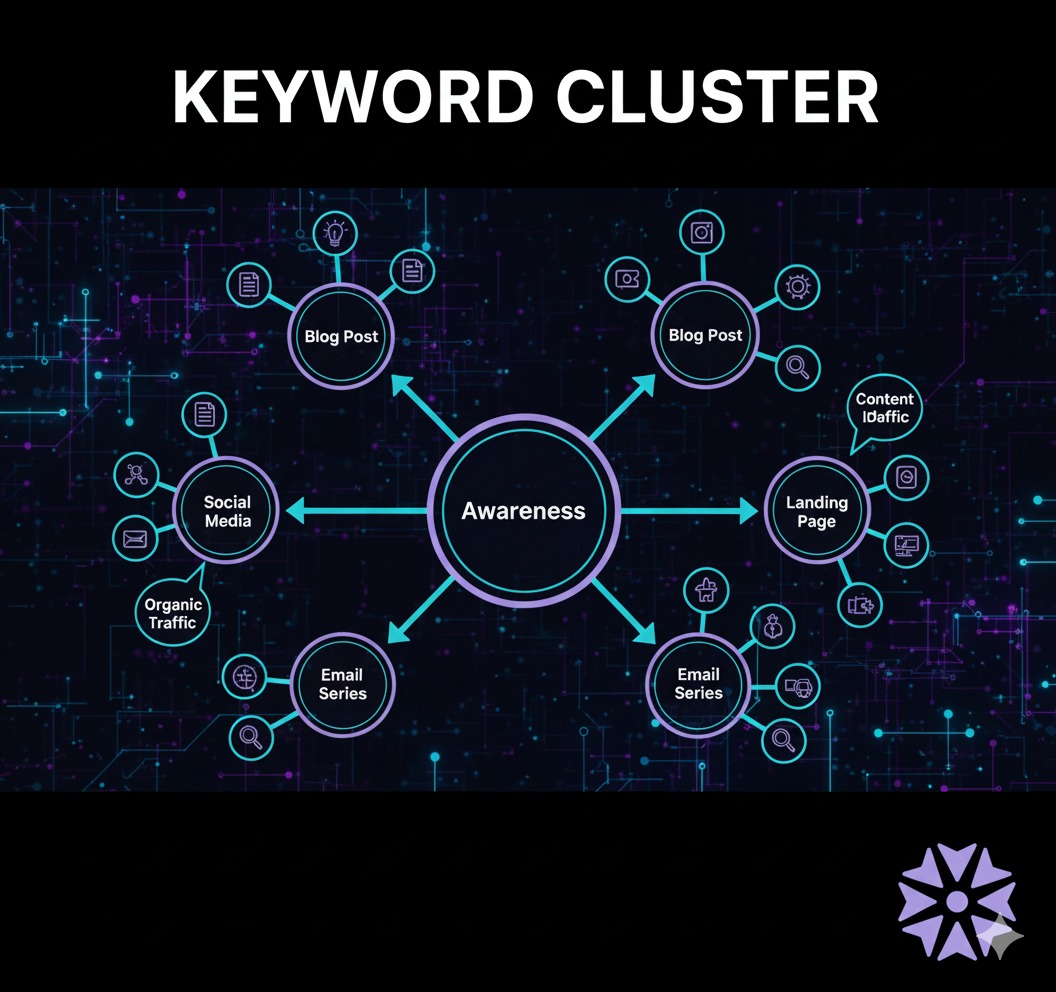
At its core, a content cluster is a structured method of organizing your website’s content around specific topics. It involves creating a central, comprehensive piece of content – known as “pillar content” – that broadly covers a subject. This pillar content then links out to a series of more specific, related pieces of content, referred to as “cluster content.” These cluster content pieces delve deeper into sub-topics or answer specific questions related to the main pillar topic.
The benefits of this model are multifaceted:
- Improved Website Navigation for Users: When users find a piece of content that answers their initial query, they are presented with clear pathways to explore related information, keeping them engaged on your site for longer.
- Enhanced User Experience by Providing Thorough Coverage: By offering a complete spectrum of information on a topic, from broad overviews to granular details, you cater to users at different stages of their research or buying journey. This comprehensive approach ensures users find everything they need in one place.
- Stronger Internal Linking: The interconnected nature of content clusters creates a robust internal linking structure. This helps search engines like Google understand your site’s architecture, identify the most important pages (pillar pages), and grasp the relevance of your content to specific topics. This is a crucial signal for improving your search rankings.
- Significant Boost in Establishing Topic Authority: When you consistently produce high-quality, interconnected content around a particular subject, search engines begin to recognize your website as an authoritative source in that niche. This increased topic authority leads to higher rankings for a wider range of related keywords.

To visualize this, imagine a tree. The trunk of the tree represents your pillar content, providing a strong foundation and overview. The branches extending from the trunk are your cluster content, each representing a specific aspect or detail of the main topic. The leaves on the branches can be seen as even more granular pieces of information or specific keyword targets. This organic, interconnected structure is what makes the content cluster model so powerful for both users and search engines in establishing topic authority.
The Indispensable Role of Keyword Research in Content Clusters
The success of any content cluster strategy hinges entirely on meticulous content cluster keyword research. This is not merely about finding a few relevant keywords; it’s about building a comprehensive understanding of what your audience is searching for and how they are searching for it. Without a solid foundation in keyword research, your content clusters will lack direction and impact.
The process begins with identifying a broad, overarching “pillar” topic. This topic should have significant search volume, represent a core area of your business or expertise, and be of genuine interest to your target audience. Think of it as the main subject around which you want to be recognized as an expert.
Once you’ve identified your pillar topic, the next crucial step is to uncover the “cluster” keywords. These are typically more specific, often longer-tail variations of your main keyword. They represent the granular questions, specific problems, or niche interests that users have related to your broader pillar topic. These specific queries are vital for effective keyword research because they allow you to create highly targeted content that directly addresses user needs.

To conduct this in-depth keyword research, several tools and methodologies are invaluable:
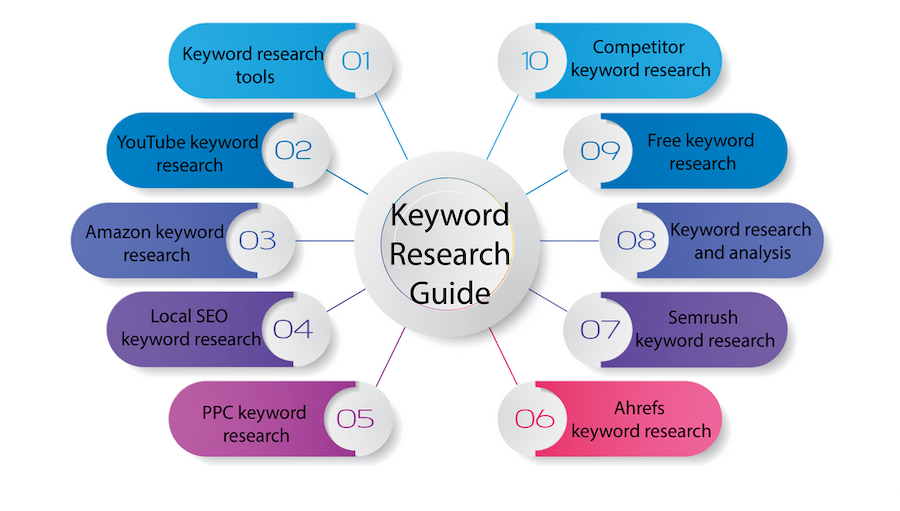
- Keyword Research Tools: Platforms like SEMrush, Ahrefs, and Google Keyword Planner are indispensable. They help you discover keyword volume, competition levels, and related search terms.
- “People Also Ask” (PAA) Sections: Google’s PAA boxes in search results are a goldmine for understanding user questions. They highlight specific queries that users are asking about a given topic.
- Related Searches: At the bottom of Google search results, the “Related Searches” section offers further insights into user intent and related topics people are interested in.
- Competitor Analysis: Examining the keywords your competitors are ranking for, particularly those that align with your pillar topics, can uncover valuable opportunities.

Crucially, throughout your content cluster keyword research, you must always analyze search intent. Understanding *why* someone is searching for a particular keyword is paramount. Are they looking for information (informational intent), trying to compare options (commercial investigation), or ready to make a purchase (transactional intent)? For both your pillar and cluster keywords, ensuring your content directly addresses the underlying user need will be the key to ranking success. For more on this, consult guides on understanding search intent.
Pillar Content: The Central Hub of Your Cluster
The cornerstone of any effective content cluster is the pillar content. This is not just another blog post; it’s a comprehensive, long-form piece of content designed to cover a broad topic in extensive detail. Think of it as the ultimate resource for a specific subject, serving as the main hub from which all other related content stems.
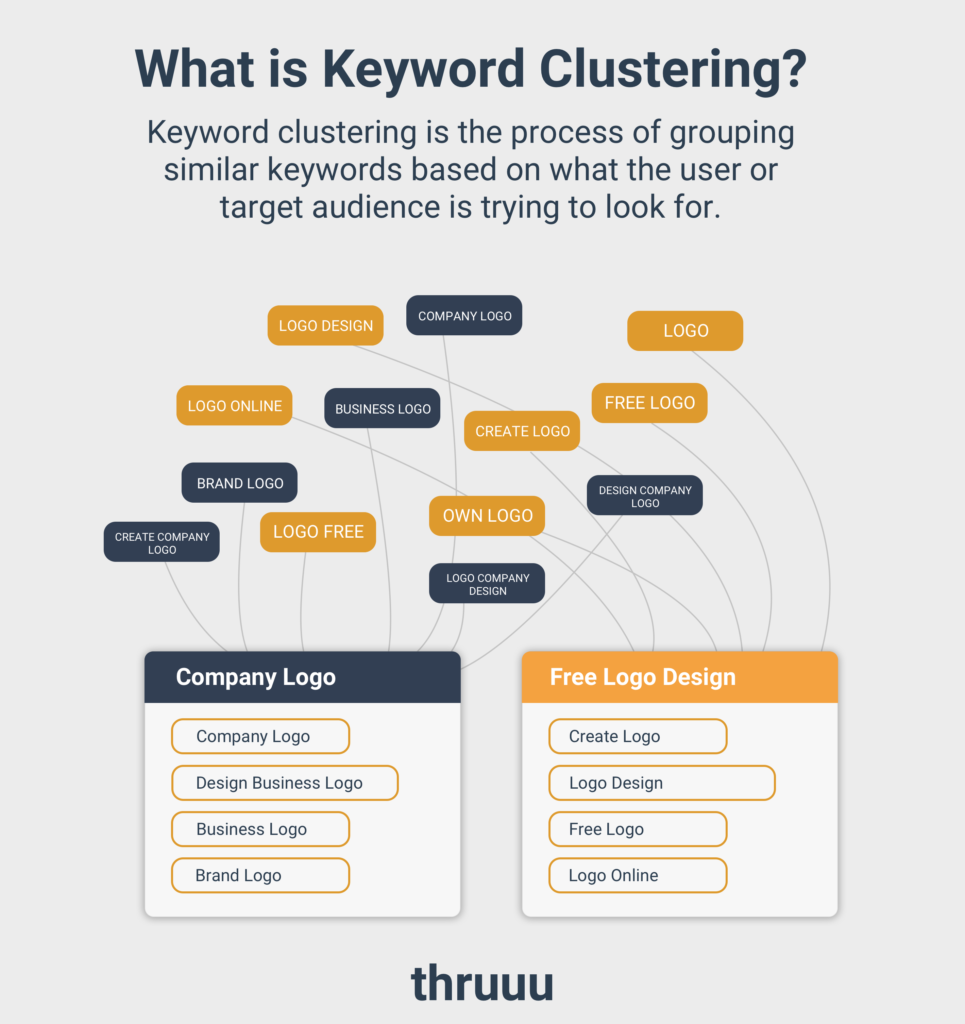
The primary purpose of pillar content is to act as the central linking point for all your cluster content. By linking your pillar page to numerous related cluster pages, and vice versa, you create a strong, interconnected network that clearly signals to search engines the depth and breadth of your expertise on that topic. This is fundamental to building topic authority and forming a successful content cluster.
What makes effective pillar content stand out?
- It should be long-form: Aim for content that is at least 3,000 words, but often much longer, to ensure it can cover all essential aspects of the topic thoroughly.
- It must cover all essential aspects: A pillar page should provide a complete overview of the subject, touching upon all its key sub-topics without necessarily going into exhaustive detail on each one (that’s where cluster content comes in).
- It needs to be highly optimized for the primary keyword: The main topic or keyword associated with this extensive piece of content should be clearly targeted and optimized throughout the text.
- It should be evergreen and provide significant value: Pillar content should offer timeless, valuable information that remains relevant for a long time. This ensures its enduring impact on your SEO and user engagement.

Creating high-quality pillar content is a significant undertaking, but it forms the bedrock of your content cluster strategy, enabling you to dominate search results for your core topics.
Crafting Your Content Cluster Strategy
Building an effective content cluster requires a systematic approach. Here’s a step-by-step guide to help you create a powerful structure that enhances your SEO strategy and establishes your expertise:
Step 1: Identify Core Topics
Begin by conducting thorough keyword research to identify broad topics that align with your business goals, your audience’s interests, and your existing content. Look for subjects with substantial search volume and potential for establishing authority. For in-depth guidance on this crucial step, refer to resources on how to keyword research for SEO.
Step 2: Develop Pillar Content
For each core topic identified, create comprehensive pillar content. This should be your most in-depth, authoritative resource on that subject. It needs to be meticulously researched, well-written, and optimized for the primary keyword associated with that topic. Ensure it provides immense value to the reader.
Step 3: Create Cluster Content
Next, brainstorm and develop specific pieces of content that address narrower sub-topics or answer specific questions directly related to your pillar topic. These can take the form of blog posts, guides, FAQs, case studies, or infographics. Each piece of cluster content should be derived naturally from your keyword research, targeting long-tail variations and specific user intents.
Step 4: Implement Strategic Internal Linking
This is arguably the most critical step in making your content cluster work effectively. The internal linking structure must be robust and logical:
- Pillar Content Linking Out: Your main pillar content page must link out to all relevant cluster content pages. Use descriptive anchor text that clearly indicates the topic of the linked page.
- Cluster Content Linking Back: Crucially, each piece of cluster content must link back to the pillar content. This reinforces the pillar page’s authority and guides users back to the central resource.
- Interlinking Cluster Content: Where appropriate, you can also link between related cluster content pages. However, the primary focus should always be the strong pillar-to-cluster and cluster-to-pillar linking.

This meticulously crafted, interconnected structure serves as a powerful signal to search engines. It demonstrates that you have a comprehensive understanding of the topic, thereby significantly boosting your topic authority and improving your chances of ranking for a wide array of related search queries. This integrated approach forms the backbone of a successful content cluster and a winning SEO strategy.
Integrating Content Clusters into Your Comprehensive SEO Strategy
A well-executed content cluster approach is far more than just a tactical content creation method; it’s a fundamental pillar of a truly robust SEO strategy. By organizing your content in this interconnected, topic-focused manner, you unlock significant advantages that contribute to long-term organic growth and search engine dominance.

One of the primary benefits is the ability to rank for a much wider array of keywords. Instead of solely targeting a few primary keywords with isolated pieces of content, the cluster model allows you to capture traffic for the main pillar keyword as well as numerous related, long-tail, and question-based cluster keywords. This broadens your reach and attracts a more diverse range of potential visitors.
Furthermore, this structured model significantly improves search engine crawlability and indexing. The clear, hierarchical path established by the internal linking within a content cluster makes it easier for search engine bots to discover, understand, and index your content. They can readily follow the links from the pillar page to the cluster pages and back, gaining a comprehensive understanding of your site’s topical relevance and depth.

The emphasis on satisfying user intent with in-depth, interconnected content also leads to demonstrably better engagement metrics. Users who find value and explore related topics within your clusters are likely to spend more time on your site, view more pages, and have a lower bounce rate. These positive engagement signals are increasingly important factors that search engines consider when ranking websites.
In essence, a strong SEO strategy that aims for sustainable organic growth must leverage content models like the content cluster. It’s a systematic way to build authority, improve user experience, and ensure your website is recognized by search engines as the go-to resource for your chosen topics. For more on data-driven approaches, explore SEO data analysis strategies.
Measuring the Impact and Success of Your Content Clusters
To truly understand the effectiveness of your content cluster strategy, it’s crucial to monitor key performance indicators (KPIs). Regularly analyzing these metrics will provide insights into what’s working, where improvements can be made, and how your efforts are contributing to your overall SEO strategy and the growth of your topic authority.

Here are some essential KPIs to track:
- Organic Traffic: Monitor the traffic directed to both your pillar pages and your individual cluster pages. Look for increases in traffic over time, particularly for the target topics.
- Keyword Rankings: Track the search engine rankings for the primary pillar keyword as well as the various cluster keywords you are targeting. An improving trend across the cluster indicates successful authority building.
- User Engagement Metrics: Pay close attention to metrics such as dwell time (how long users stay on a page), bounce rate (the percentage of visitors who leave after viewing only one page), and pages per session (the average number of pages a user views during a visit). Improved engagement metrics suggest your content is valuable and captivating.
- Conversions: Ultimately, your content should drive business objectives. Measure leads generated, sales made, or other desired conversions that originate from users who have interacted with your content clusters.
By consistently analyzing these KPIs, you can gain a clear picture of how your content cluster strategy is impacting your website’s performance. This data-driven approach allows you to refine your tactics, identify areas for further content creation, and demonstrate the tangible value of your efforts in enhancing your topic authority and strengthening your overall SEO strategy.
“`