
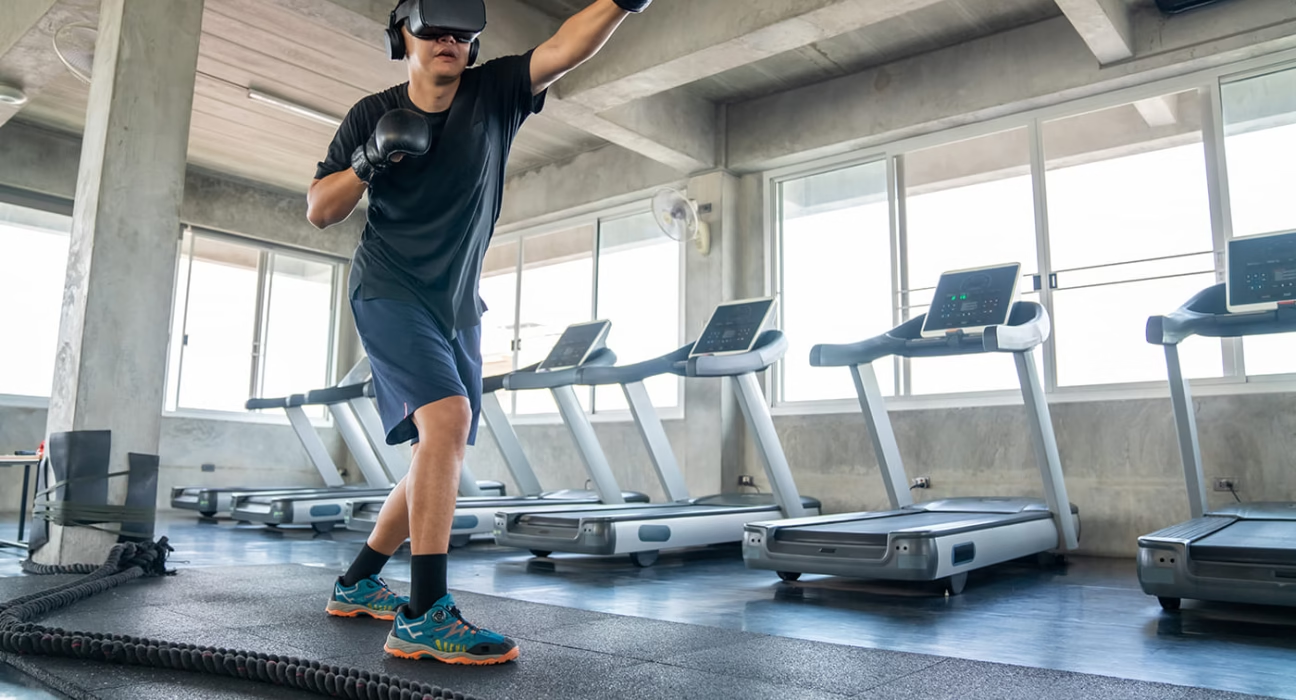
The Future is Here: Your Personal AI Fitness Coach in Virtual Reality
Estimated reading time: 12 minutes
Key Takeaways
- AI-assisted VR fitness programs merge immersive virtual worlds with intelligent, real-time coaching that adapts to your every move.
- This technology transforms standard exercise into immersive workouts AI tailors on the fly, offering a level of personalization once reserved for elite athletes.
- The virtual gym tech ecosystem combines VR hardware, smart wearables, and powerful cloud software to create a seamless home fitness studio.
- Through health gamification AI, workouts become engaging games, dramatically boosting motivation and long-term adherence.
- Tangible benefits range from reduced injury risk and data-driven progress to improved cardiovascular health and mental well-being.
Table of contents
- The Future is Here: Your Personal AI Fitness Coach in Virtual Reality
- Key Takeaways
- What Are AI-Assisted VR Fitness Programs?
- How AI Powers Immersive Workouts AI and Adaptive Coaching
- The Virtual Gym Tech Stack: Hardware and Software in Sync
- The Power of Health Gamification AI for Motivation
- Tangible Benefits Beyond the Hype
- Important Considerations Before You Jump In
- Real-World Applications and Use Cases
- The Future of AI and VR Fitness
- Frequently Asked Questions
Tired of boring gym routines? Imagine a workout that transports you to a mountain summit, a futuristic arena, or a serene beach, with a coach who not only guides you but understands your body’s every move in real time. This is the revolutionary promise of ai assisted vr fitness programs—a fusion where the immersive, engaging environment of Virtual Reality (VR) fitness meets the adaptive intelligence of Artificial Intelligence (AI). This isn’t just a passive simulation; it’s a dynamic, personalized coaching system that responds to your performance millisecond by millisecond, creating workouts previously only available through expensive personal trainers.

By integrating AI, standard VR exercise transforms into truly immersive workouts ai can dynamically shape. The headset provides the world, and the AI provides the wisdom, making every session uniquely yours. This guide will explore how this technology works, its profound benefits, and how it’s reshaping our approach to health and wellness from the comfort of home.
What Are AI-Assisted VR Fitness Programs?
At its core, an AI-assisted VR fitness program is a sophisticated technological ecosystem designed to make exercise effective, engaging, and deeply personal. Let’s break down the two key components:
- VR Fitness: This involves using a headset to enter a fully immersive, computer-generated environment where you exercise. You might be boxing animated opponents, slicing through rhythm-based targets, or performing yoga on a virtual beach. It’s a powerful tool to escape the monotony of the gym and make workouts significantly more enjoyable and engaging.

- AI Integration: This is the brain of the operation. AI, specifically machine learning algorithms, analyzes a constant stream of user data. This includes movement patterns from cameras and sensors, biometrics like heart rate from wearables, and historical performance data. The AI processes this information to provide real-time vocal coaching, adjust exercise difficulty on the fly, and craft long-term, personalized training plans that evolve with you.
Traditional fitness apps may offer pre-recorded videos or generic plans, but they lack the immersion to fully distract from exertion and the adaptability to cater to your daily state. AI-assisted VR bridges this gap. It’s the difference between watching a workout video and having a world-class coach inside the video, watching you back and tailoring the session to your real-time capabilities.
How AI Powers Immersive Workouts AI and Adaptive Coaching
The magic of immersive workouts ai creates lies in its real-time responsiveness. This isn’t a pre-scripted experience; it’s a living, breathing session that molds itself to you.
The Feedback Loop: Sensing and Adjusting
AI algorithms utilize data from multiple streams. Inside-out tracking on VR headsets and controllers monitors your skeletal movement, while integrated or paired smart wearables feed biometric data like heart rate and calories burned. This data is analyzed in real-time, often on the device itself or via low-latency edge computing, allowing the AI to adjust workout intensity, suggest rest, or correct form within milliseconds. The result is instant responsiveness, not a delayed reaction.
Progression Tracking and Personalization
As you progress, the AI doesn’t just throw harder exercises at you blindly. It builds a sophisticated model of your fitness. By analyzing your current fitness level, goals, and even daily routines, it crafts a suitable, evolving plan. If you struggle with a specific movement, it can suggest an easier alternative or provide supportive cues. If you ace a workout, it intelligently ramps up the challenge next time, ensuring you are always on a manageable yet forward-moving journey. This dynamic adaptation from past data is core to modern AI fitness.
The Virtual Spotter: Real-Time Form Feedback
One of the most valuable functions is injury prevention. The AI acts as a vigilant virtual spotter, monitoring your technique, counting reps, and recommending form adjustments to maximize muscle engagement and minimize injury risk. It’s like having a personal trainer’s eyes on you at all times.
The ultimate outcome is radical personalization. No two users will have an identical workout. Your session responds to your unique metrics, fatigue levels, and performance history, making the promise of immersive workouts ai delivers a tangible reality.
The Virtual Gym Tech Stack: Hardware and Software in Sync
Creating a seamless virtual gym tech experience requires a sophisticated integration of hardware and software. This ecosystem works in concert to make the immersive, intelligent workout possible.
Hardware: The Body’s Interface
- VR Headsets: Devices like the Meta Quest 3 provide the high-resolution, immersive visuals that transport you out of your living room.
- Motion Controllers & Body Tracking: These capture the precision of your movements, from a jab in boxing to the alignment of a yoga pose.
- Smart Wearables: This is a critical layer for biometric data. Modern fitness trackers and smartwatches monitor heart rate, heart rate variability, and calories. Specialized devices like smart fitness mirrors or advanced wearables provide even deeper physiological insights. This integration is key for comprehensive personalization.

Software: The Invisible Engine
- Real-Time Analytics & Cloud Infrastructure: Platforms use technologies like Kafka and Redis Streams to handle the firehose of user movement and biometric data. Scalable cloud services (AWS, Azure, GCP) manage millions of concurrent VR sessions and user profiles.
- Low-Latency Networks: 5G/6G and edge Content Delivery Networks (CDNs) are essential. They ensure the AI’s feedback and the VR environment’s reactions are instantaneous, with no disorienting lag. This is non-negotiable for a believable experience.
- AI Inference on the Edge: For the fastest response, AI models often run on “edge nodes”—closer to the user than a distant data center. This allows for real-time AR/VR integration that adjusts intensity instantly.
- Health Data Integration: Software bridges like Apple HealthKit and Google Fit allow the platform to ingest data from your wider ecosystem of wearables, creating a holistic view of your health that powers deeper personalization.
Together, this virtual gym tech stack creates a seamless, powerful, and responsive home fitness studio that feels like a step into the future.
The Power of Health Gamification AI for Motivation
The biggest hurdle in fitness isn’t starting—it’s sticking with it. This is where health gamification ai becomes a game-changer. By leveraging the core psychology of game design, VR fitness transforms exercise from a chore into an adventure you look forward to.

Immersion as Enjoyment
VR fitness games are fundamentally more enjoyable than traditional exercise. The immersive interactivity—whether you’re defending a castle, dancing in a neon club, or exploring a fantasy landscape—completely captivates your attention. You’re not thinking about the burn; you’re focused on the goal in front of you. This “flow state” is a powerful driver of adherence.
AI as a Motivational Coach
AI supercharges this gamification. It doesn’t just provide a static game; it creates a dynamic motivational system. The AI can:
- Generate personalized challenges tailored to your psychology and goals.
- Dole out dynamic rewards and unlockables that feel earned and meaningful.
- Introduce competitive elements (against your own past scores or safely against others) that push you further.
The immersive VR environment itself provides significant motivation, with interactive elements and engaging scenarios sustaining effort. The novelty and excitement maintain interest, providing a constant sense of achievement and progress that dramatically reduces dropout rates. AI turns the platform from a simple game into a motivational coach that understands what drives you.
Tangible Benefits Beyond the Hype
The convergence of VR and AI delivers concrete, measurable advantages for your physical and mental well-being.
1. Hyper-Personalized Training
AI tailors every exercise to your unique needs, current fitness level, and goals using a constant stream of heart rate, movement metrics, and historical progress. This data-driven approach ensures efficiency and effectiveness.

2. Reduced Risk of Injury
Real-time form feedback is a revolutionary safety feature. The AI acts as a virtual coach, correcting your posture and technique in the moment, simulating the guidance of a personal trainer and helping you build safe, effective movement patterns.
3. Increased Physical Activity
VR fitness games consistently elicit moderate-to-vigorous physical activity. They effectively replace sedentary screen time with active engagement, offering a substantial boost to cardiovascular and muscular health, especially for individuals who find traditional exercise unappealing.
4. Data-Driven Progress Tracking
Every session generates valuable data. Over time, AI analyzes large datasets to identify trends, plateaus, and optimal adaptations. This objective feedback loop helps you see real progress and minimizes the risk of overtraining or injury.
5. Improved Mental Health
The immersive engagement provides a powerful mental break. The focus required in a VR world can act as a form of moving meditation, reducing stress and anxiety. The combination of physical exertion and mental escape contributes to overall improved mental well-being.
Important Considerations Before You Jump In
While transformative, AI-assisted VR fitness is not without its practical considerations. A balanced view ensures you can make an informed choice.
- Initial Investment: Quality VR headsets and potential accessories represent a higher upfront cost than a gym membership or fitness app subscription.
- Space Requirements: You need a clear, safe area to move your arms and legs freely without hitting furniture or walls.
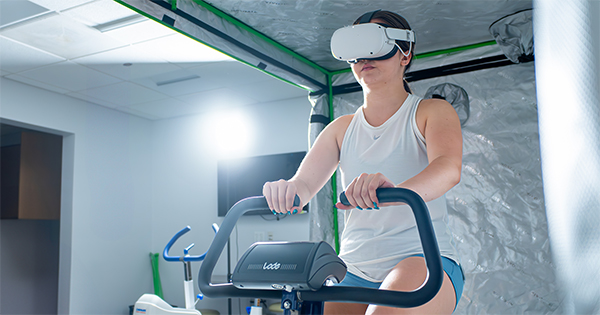
- Motion Sickness: A small percentage of users may experience VR-induced nausea, especially in games with artificial locomotion. Most platforms offer comfort settings, and “VR legs” can often be developed over time.
- Data Privacy and Security: These platforms collect highly sensitive biometric data (your movement patterns, heart rate, etc.). It is crucial to review the company’s privacy policy to understand how your data is stored, used, and protected.
Real-World Applications and Use Cases
The technology is already moving out of the realm of sci-fi and into practical, impactful applications.
Individualized Virtual Training
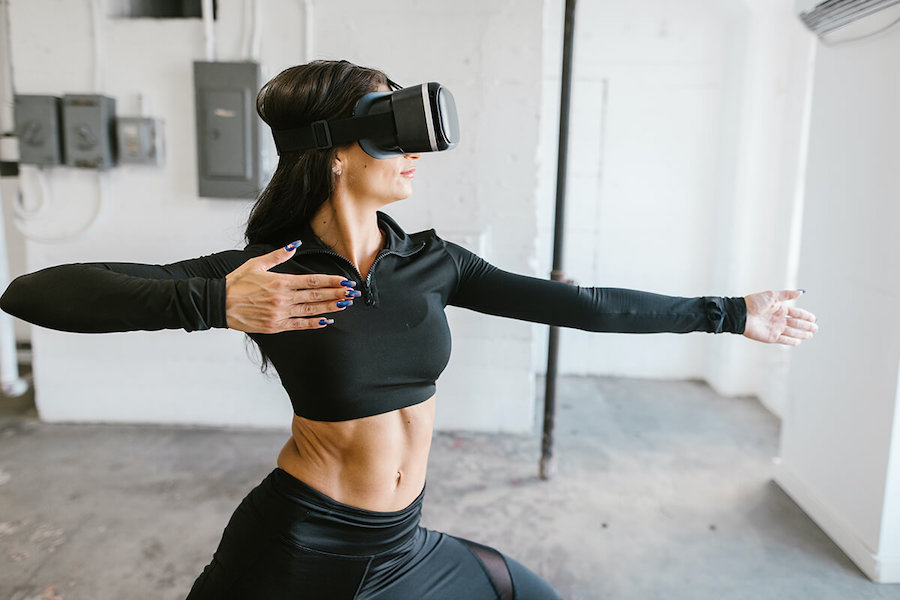
This is the core consumer use case: real-time skeletal tracking enables adaptive coaching for everything from boxing and HIIT to yoga and dance, all from your living room.
Remote and Hybrid Workouts
AI-assisted VR brings the energy of a live class and the attention of a coach to anyone, anywhere. This enables trainers to reach a global audience and users to access top-tier instruction regardless of location. It’s perfect for remote workforces or those with mobility constraints.
Specific Program Examples
- AI Boxing Coach: Tracks your punch velocity, accuracy, and form, offering corrective tips between rounds.
- Virtual Yoga & Mindfulness: Adjusts pose difficulty based on your flexibility and experience level, with AI-guided breathing exercises.
- Immersive Cycling: Scales virtual terrain resistance in real-time based on your target heart rate zone and power output.
- Full-Body HIIT: Dynamically sequences exercises and adjusts rest intervals based on your cardio response to keep you in the optimal training zone.
Corporate Wellness Programs
Companies are adopting this technology to boost employee well-being, reduce stress, and foster team-building through virtual group challenges. It represents a cutting-edge perk that supports hybrid and remote work models.
The Future of AI and VR Fitness
The trajectory points toward a seamless fusion of the virtual and physical, making hyper-personalized wellness universally accessible.
Technological Convergence
The line between workout and game will blur further. We’ll see deeper integration of wearables providing real-time physiological metrics directly into the AR/VR experience. AI will make real-time exercise adjustments more precise, and the rollout of widespread 5G/6G will enable complex, low-latency streaming of ultra-realistic virtual environments. This evolution is a key part of the broader future of virtual reality.
Business and User Evolution
For the industry, this technology allows fitness brands and creators to scale personalized coaching globally, lowering the cost of elite training and opening new monetization avenues. For users, it means the democratization of elite coaching. The future promises not just fitness, but holistic wellness programs that adapt to your physical, mental, and recovery needs—all within an engaging, immersive world you can’t wait to return to.
Frequently Asked Questions
Do I need a lot of space for AI-assisted VR fitness?
You typically need a clear area roughly the size of a yoga mat (6.5 ft x 6.5 ft / 2m x 2m is common). Most systems will have you define a “guardian” boundary to keep you safe. Always clear furniture and tripping hazards before starting a session.
Can AI-assisted VR fitness help me with weight loss?
Absolutely. By providing engaging, consistent moderate-to-vigorous exercise that you’re more likely to stick with, it can be a highly effective tool for calorie burning and improving metabolic health. The AI ensures workouts remain challenging as your fitness improves, supporting continuous progress.
Is this technology suitable for beginners or older adults?
Yes, the personalization is key here. A quality AI-assisted VR fitness program will start by assessing your fitness level and will tailor exercises, intensity, and rest periods appropriately. It can be an excellent low-impact option, but as with any new fitness regimen, consulting a doctor is advised, especially for those with pre-existing conditions.
How does the AI protect my privacy with all this sensitive data?
Privacy practices vary by company. You must review their privacy policy. Look for clear statements on data anonymization, whether biometric data is stored locally on your device or on servers, and if data is ever sold to third parties. Reputable companies use encryption and strict data governance protocols.
What’s the difference between a regular VR fitness game and one with AI assistance?
A regular VR fitness game is like a pre-recorded exercise DVD in a virtual world—the sequence and difficulty are fixed. An AI-assisted program is like having an interactive personal trainer inside that world. It watches your form, adjusts the workout in real-time based on your fatigue, changes your long-term plan based on progress, and provides personalized verbal coaching and motivation.
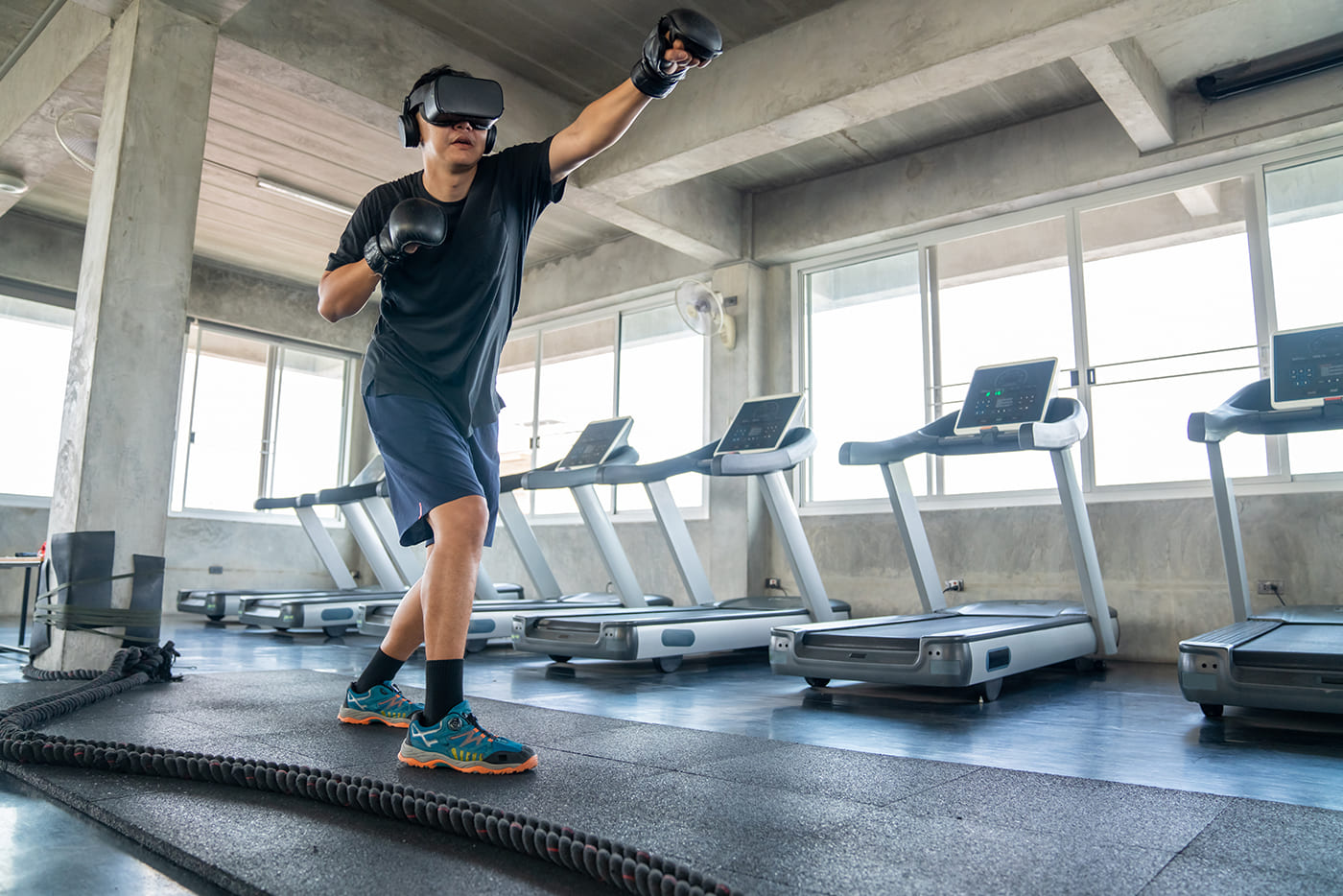
Ready to step into your virtual gym? The revolution of ai assisted vr fitness programs is making elite, personalized coaching accessible, turning exercise into an adventure through immersive workouts ai dynamically creates. Powered by sophisticated virtual gym tech and driven by engaging health gamification ai, this is more than a workout—it’s the future of personal wellness. Explore these platforms today and transform your fitness journey.